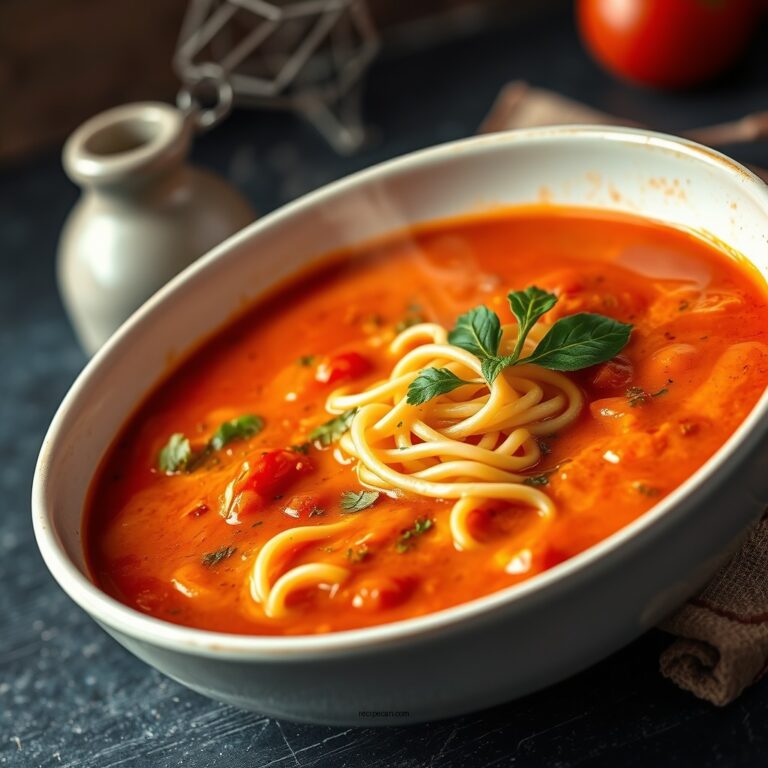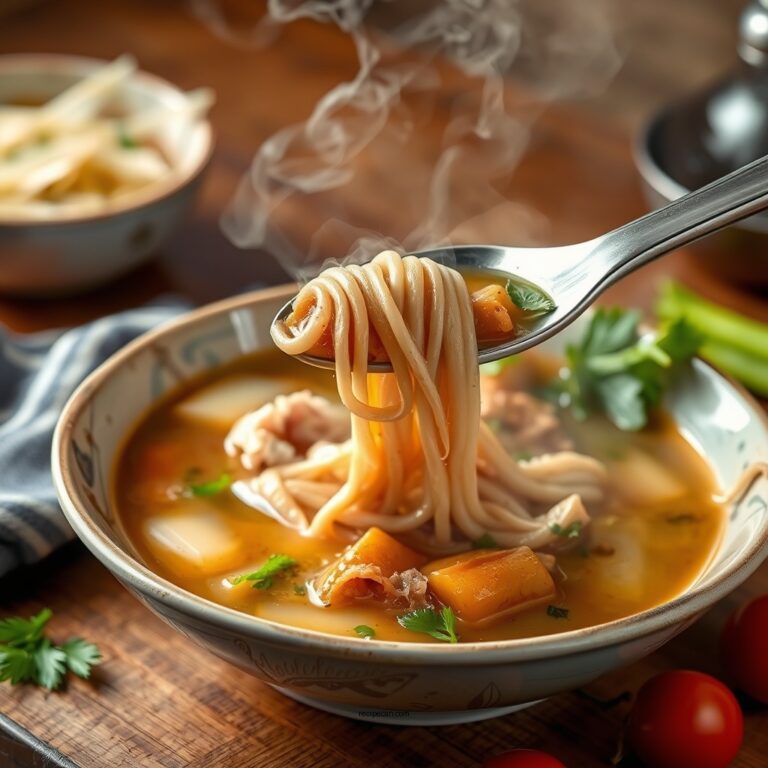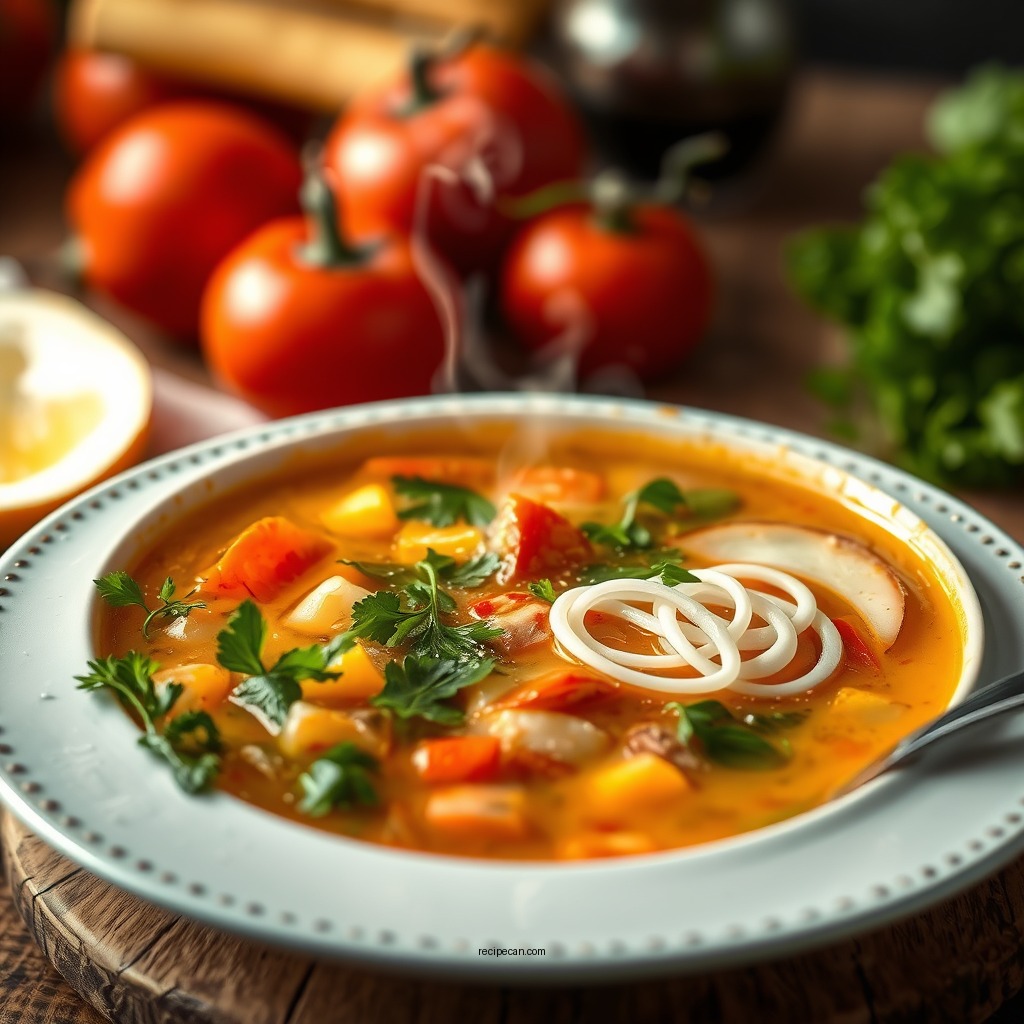
Making a flavorful vegetable soup without tomatoes is simple and rewarding. You can create a hearty dish using a variety of vegetables, herbs, and spices that complement each other beautifully. This recipe not only caters to those who prefer to avoid tomatoes but also allows for endless customization to suit your taste preferences and dietary needs. In this article, you’ll discover a delightful recipe along with tips to customize it according to your taste, ensuring that every bowl of soup is both satisfying and delicious.
Choosing Your Vegetables
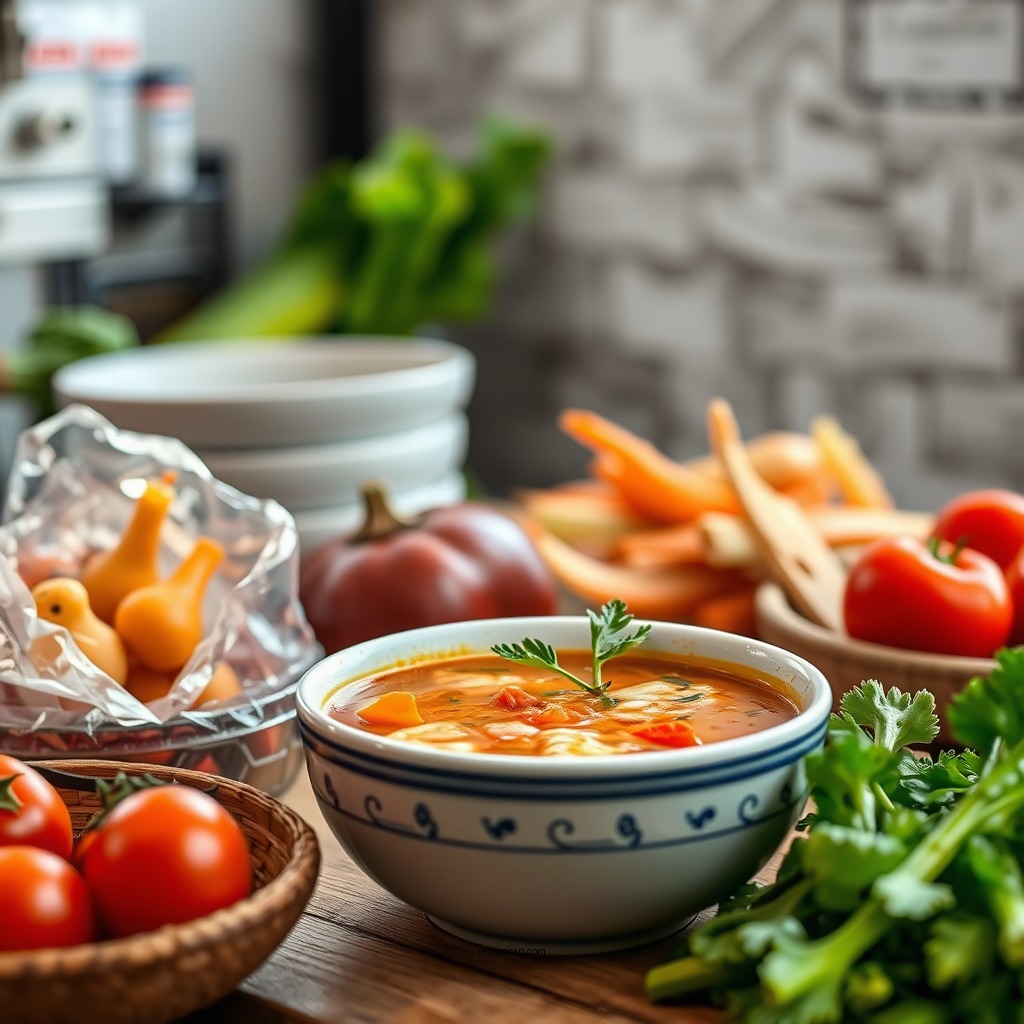
The cornerstone of any great vegetable soup is the selection of vegetables. Start by choosing a mix of seasonal vegetables that are fresh and vibrant. Carrots, celery, and peas are excellent choices, as they add sweetness and texture to the soup. Carrots, particularly in their peak season, provide a natural sweetness that balances the savory elements of the dish.
In addition to these, consider adding hearty options like potatoes or squash. Potatoes contribute a creamy texture when cooked and can help thicken the soup, making it more filling. Squash varieties such as butternut or acorn squash offer a rich, nutty flavor that enhances the overall taste. Feel free to add leafy greens like kale or spinach towards the end of cooking for added nutrition and color.
Essential Ingredients
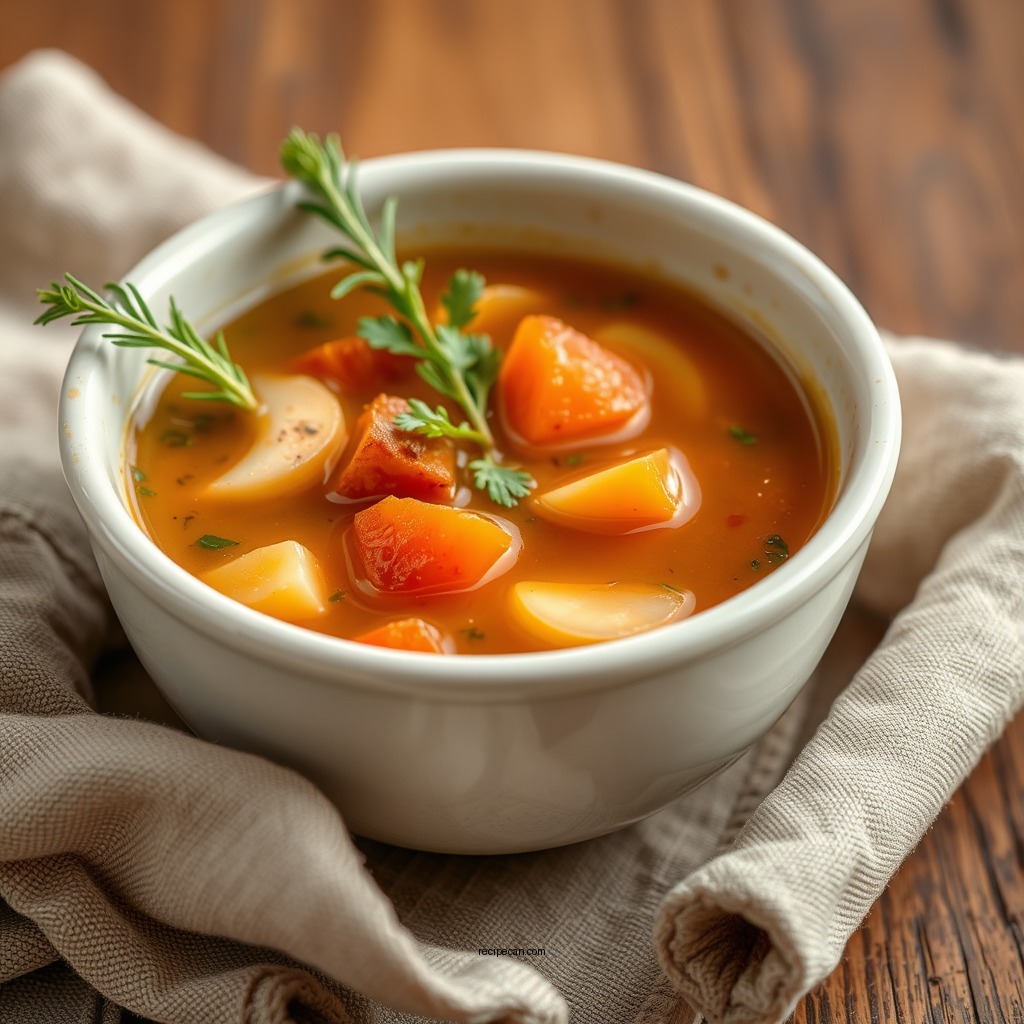
The base of your soup is crucial for developing flavor, so opt for a high-quality vegetable broth. This provides a rich, savory foundation without the acidity of tomatoes. You can either use store-bought broth or make your own using vegetable scraps, herbs, and water simmered for several hours.
Incorporating aromatics such as onions and garlic is essential for layering flavors. Sauté chopped onions in olive oil until translucent, then add minced garlic to release its pungent aroma. This combination forms the backbone of your soup, enhancing its depth and richness.
Cooking Techniques
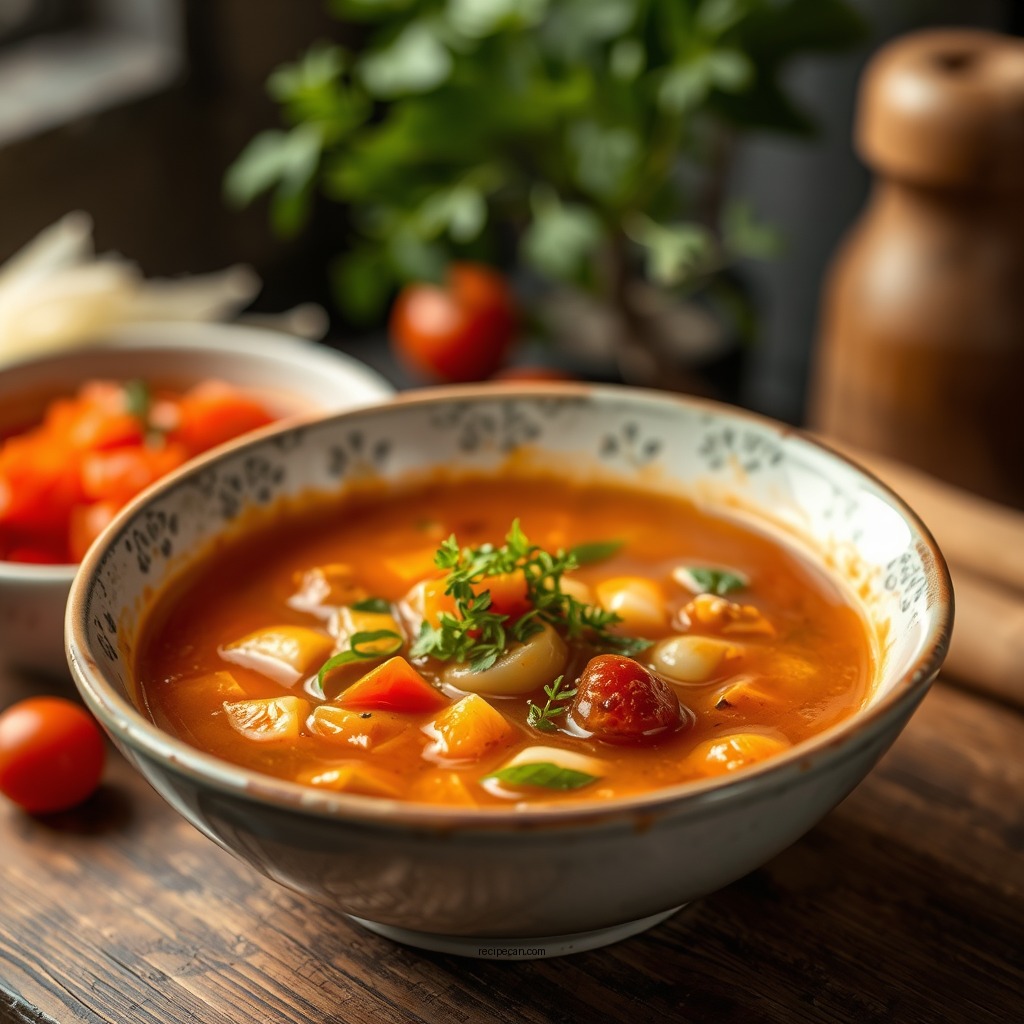
To maximize the flavor of your vegetable soup, start by sautéing your vegetables. Heat olive oil in a large pot over medium heat, add your onions and garlic, and allow them to cook until soft. Next, introduce your harder vegetables, like carrots and potatoes, and cook them for a few minutes before adding the broth. This process releases their natural sugars and enhances their flavors.
After adding the broth, bring the soup to a gentle simmer. This slow cooking process allows the flavors to meld together beautifully, creating a harmonious dish. Be cautious not to boil the soup vigorously, as this can lead to overcooked vegetables and a less appealing texture.
Top 7 Vegetables for Soup (Nutritional Value per 100g)
| # | Vegetable | Calories | Fiber (g) | Vitamins |
|---|---|---|---|---|
| 1 | Carrots | 41 | 2.8 | A, K |
| 2 | Potatoes | 77 | 2.2 | C, B6 |
| 3 | Celery | 16 | 1.6 | K, A |
| 4 | Spinach | 23 | 2.2 | A, C, K |
| 5 | Peas | 81 | 5.7 | A, C, K |
| 6 | Kale | 49 | 4.1 | A, C, K |
| 7 | Butternut Squash | 45 | 2.0 | A, C |
Seasoning Your Soup
To elevate the flavor profile of your vegetable soup, seasoning is key. Use fresh or dried herbs like thyme, rosemary, or parsley. Thyme imparts an earthy aroma, while rosemary adds a hint of piney flavor. If using dried herbs, remember that their flavors are more concentrated, so start with a smaller amount and adjust to taste.
For added depth, incorporate spices such as black pepper, bay leaves, or a dash of chili flakes for a bit of heat. A splash of lemon juice or a dash of vinegar can also brighten the flavors at the end of cooking. Taste the soup periodically during simmering and adjust the seasoning as needed to ensure a well-balanced dish.
Serving Suggestions
Once your soup is finished, serve it hot, garnished with fresh herbs or a sprinkle of grated cheese for added richness. A dollop of sour cream or a drizzle of olive oil can also enhance the creaminess of the soup. Pair your vegetable soup with a slice of crusty bread or a side salad for a complete meal. The combination not only makes for a satisfying dish but also offers a variety of textures and flavors that can elevate your dining experience.
Customizing Your Recipe
One of the most enjoyable aspects of making vegetable soup is the ability to customize it. Feel free to experiment with different vegetables based on what you have on hand or what is in season. For example, zucchini or bell peppers can add a different flavor and texture. You can also try adding grains like barley or quinoa for extra nutrition and texture, making the soup heartier and more filling.
If you want to incorporate protein, consider adding beans or lentils, which also contribute to the soup’s thickness. Remember that cooking times may vary depending on the vegetables or grains you choose, so monitor the cooking process closely to ensure everything is cooked to perfection.
Vegetable Soup Ingredient Comparison
Storing and Reheating
Proper storage and reheating techniques are essential to maintain the quality of your vegetable soup. Allow the soup to cool completely before transferring it to an airtight container. Stored in the refrigerator, it can last up to five days. If you intend to keep it longer, consider freezing it in individual portions for up to three months.
When reheating, do so gently on the stove over low to medium heat. If the soup thickens too much during storage, add a splash of water or broth to restore its original consistency. Stir frequently to ensure even heating and avoid scorching at the bottom of the pot.
Enjoy this vibrant vegetable soup as a healthy meal option that’s both comforting and satisfying. With its flexible ingredients and easy preparation, you can make this recipe your own! Incorporating seasonal vegetables allows you to enjoy the freshest flavors, while the absence of tomatoes opens up a world of creative possibilities. Try it out today and enjoy the warmth and flavor of homemade soup.
Frequently Asked Questions
What are the best vegetables to use in a vegetable soup recipe without tomatoes?
For a delicious vegetable soup without tomatoes, consider using a mix of carrots, celery, onions, potatoes, and green beans. Adding leafy greens like spinach or kale can enhance nutrition and flavor. You can also include seasonal vegetables such as zucchini or bell peppers for variety.
How can I make a flavorful vegetable soup without using tomatoes?
To create a flavorful vegetable soup without tomatoes, focus on building a rich base by sautéing onions, garlic, and aromatic herbs like thyme or rosemary. Adding vegetable broth instead of water will amplify the taste, and incorporating ingredients like bay leaves or a splash of balsamic vinegar can provide depth.
Why would someone want a vegetable soup recipe without tomatoes?
People may choose a vegetable soup recipe without tomatoes due to dietary restrictions, allergies, or personal preference. Some may find tomatoes too acidic or simply prefer the taste of a broth-based soup that highlights other vegetables, allowing for a different flavor profile.
Which herbs and spices work best in a tomato-free vegetable soup?
In a tomato-free vegetable soup, herbs such as thyme, parsley, and dill can add freshness and flavor. Spices like cumin or paprika can provide warmth, while a touch of black pepper and bay leaves can enhance the overall taste, making your soup aromatic and satisfying.
What is the cooking time for a vegetable soup recipe that doesn’t include tomatoes?
The cooking time for a tomato-free vegetable soup typically ranges from 30 to 45 minutes, depending on the size of your vegetable pieces. It’s important to cook until the vegetables are tender but not mushy, ensuring a delicious and hearty texture that is enjoyable in every spoonful.
References
- https://www.wikipediasoup.com/vegetable-soup
https://www.wikipediasoup.com/vegetable-soup - https://www.mayoclinic.org/healthy-lifestyle/nutrition-and-healthy-eating/in-depth/soup/art-20045925
https://www.mayoclinic.org/healthy-lifestyle/nutrition-and-healthy-eating/in-depth/soup/art-20045925 - https://www.ncbi.nlm.nih.gov/pmc/articles/PMC6410515/
https://www.ncbi.nlm.nih.gov/pmc/articles/PMC6410515/ - https://www.cdc.gov/nutrition/resources-publications/healthy-eating.html
https://www.cdc.gov/nutrition/resources-publications/healthy-eating.html - https://www.health.harvard.edu/staying-healthy/the-health-benefits-of-soup
https://www.health.harvard.edu/staying-healthy/the-health-benefits-of-soup - https://www.sciencedirect.com/topics/agricultural-and-biological-sciences/vegetable-soup
https://www.sciencedirect.com/topics/agricultural-and-biological-sciences/vegetable-soup - https://www.nytimes.com/wirecutter/blog/make-best-vegetable-soup/
https://www.nytimes.com/wirecutter/blog/make-best-vegetable-soup/ - Google Scholar Google Scholar
https://scholar.google.com/scholar?q=vegetable+soup+recipe+no+tomato - Google Scholar Google Scholar
https://scholar.google.com/scholar?q=vegetable+soup+nutrition+benefits - vegetable soup recipe no tomato – Search results
https://en.wikipedia.org/wiki/Special:Search?search=vegetable+soup+recipe+no+tomato