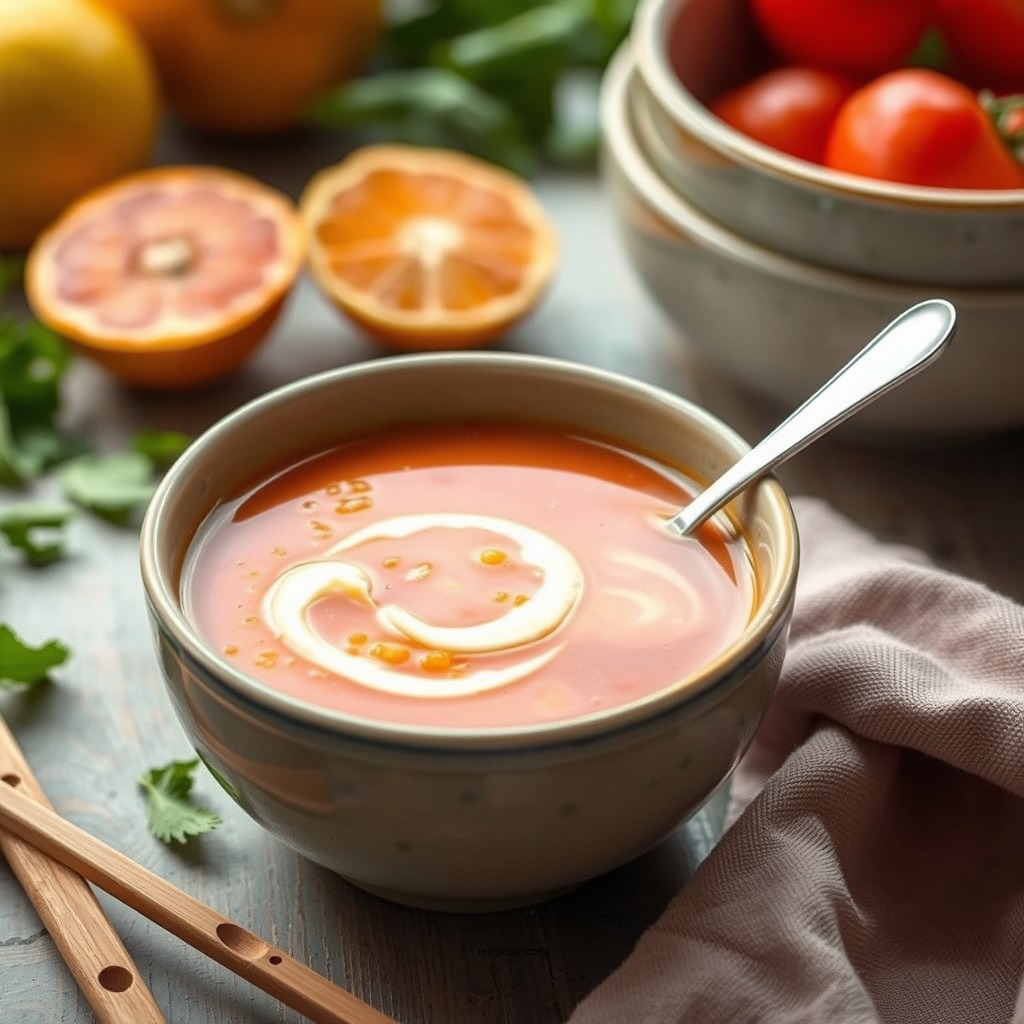
Enjoy a refreshing Vegan Vietnamese sweet soup by combining ingredients like mung beans, coconut milk, and various toppings. This traditional dessert is not only delicious but also simple to prepare, making it an excellent choice for both casual and special occasions. In this article, you’ll discover the key ingredients, step-by-step instructions, and tips for variations to make this delightful treat your own.
Key Ingredients for Vegan Vietnamese Sweet Soup

The foundation of a great Vegan Vietnamese sweet soup lies in its ingredients. Understanding these components will help you appreciate the dish and enable you to customize it to your liking.
– Mung Beans: These tiny legumes are a staple in many Vietnamese desserts. Rich in protein and essential nutrients, they provide a nutritious base while offering a subtle, natural sweetness. When cooked properly, mung beans become tender and creamy, enhancing the soup’s texture.
– Coconut Milk: This ingredient is crucial for adding richness and depth to the soup. Coconut milk contributes a luxurious creaminess and a distinctive tropical flavor that pairs beautifully with the sweetness of the mung beans. It’s also a popular dairy alternative, making the dish entirely vegan.
– Sweeteners: While the natural sweetness of mung beans is delightful, using sweeteners like palm sugar or agave syrup can elevate the soup’s flavor profile. Palm sugar, in particular, lends a caramel-like taste that complements the coconut milk and enhances the overall sweetness without overpowering the dish.
Step-by-Step Instructions
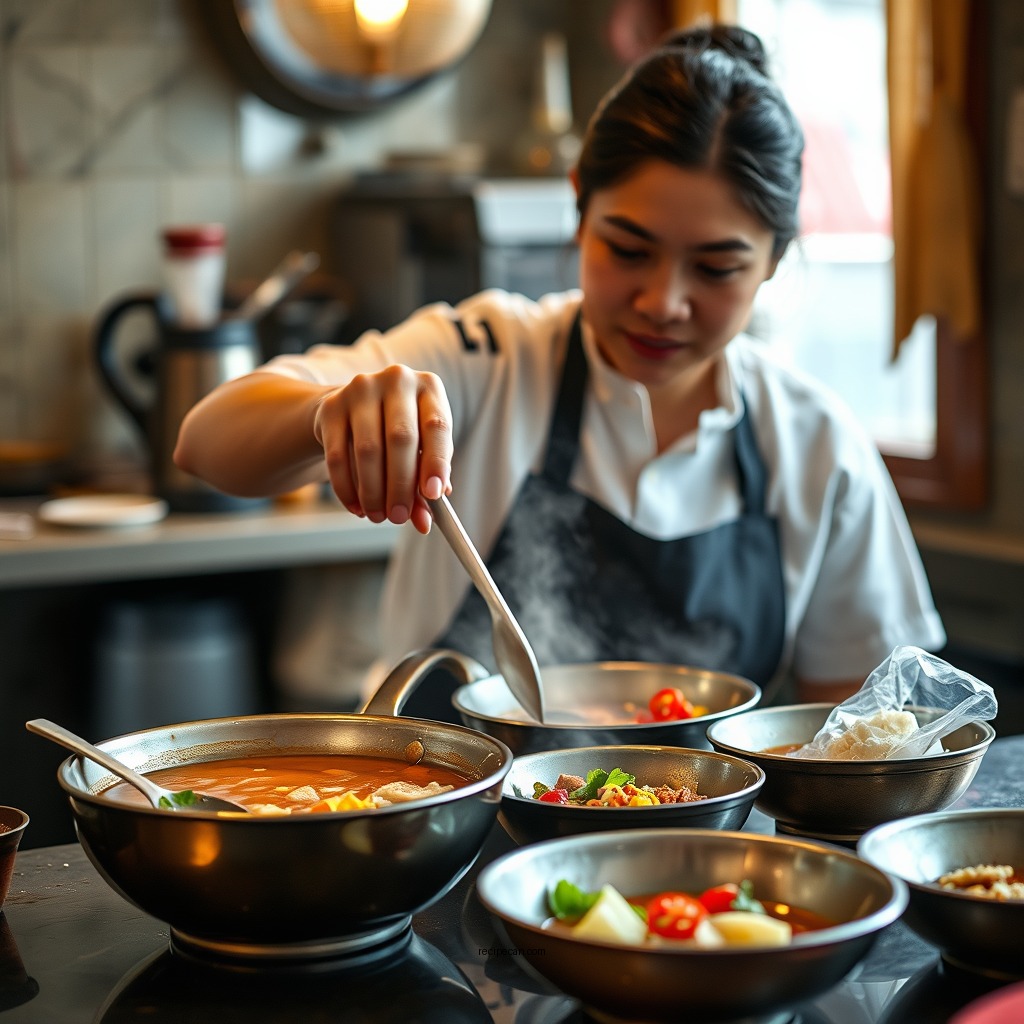
Making Vegan Vietnamese sweet soup is an uncomplicated process that involves a few straightforward steps. Here’s how to do it:
1. Prepare the Mung Beans: Start by soaking the mung beans in water overnight. This not only shortens cooking time but also helps soften the beans, making them easier to blend. After soaking, drain the beans and rinse them. Cook them in a pot with water until they become soft and tender, usually about 30 minutes.
2. Combine with Coconut Milk: Once the mung beans are cooked, drain any excess water and transfer them to a blender. Add coconut milk and a little water to achieve your desired consistency. Blend until smooth or leave some bits for texture, depending on your preference.
3. Sweeten to Taste: Pour the blended mixture back into a pot and heat it gently. Gradually add your chosen sweetener, tasting as you go to ensure it reaches your preferred level of sweetness. Allow the mixture to simmer for a few minutes to meld the flavors together.
Popular Variations
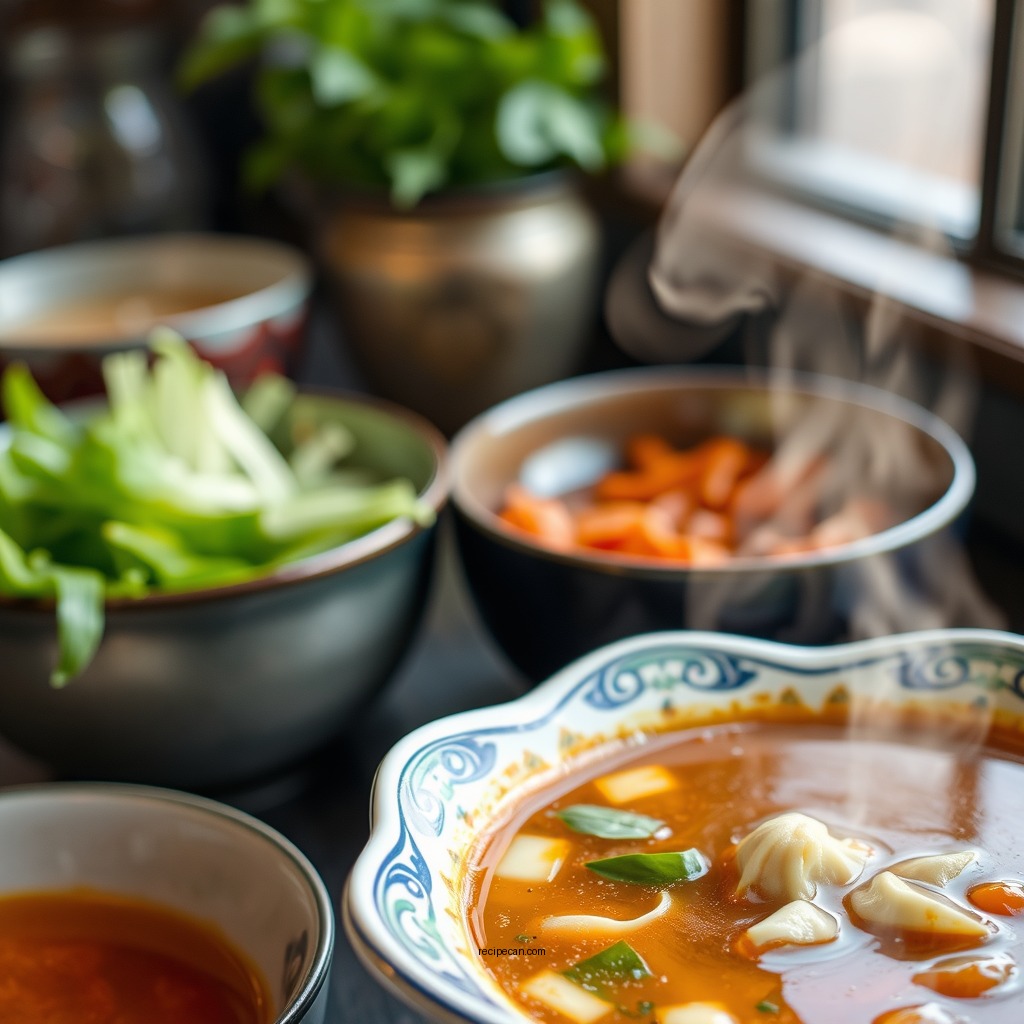
To make your Vegan Vietnamese sweet soup even more exciting, consider trying these popular variations:
– Add Fresh Fruits: Incorporating fresh fruits like mango, lychee, or jackfruit can elevate the dish with vibrant flavors and textures. These fruits not only add natural sweetness but also a refreshing contrast to the creamy soup.
– Include Tapioca Pearls: For those who enjoy a chewy texture, adding cooked tapioca pearls can create a delightful contrast. These pearls absorb the flavors of the soup, enhancing each bite with a unique experience.
– Experiment with Flavors: Infusing the soup with pandan leaves or vanilla can create unique and aromatic flavors. Pandan leaves add a distinct and fragrant flavor that is quintessential in many Southeast Asian desserts.
Top 7 Ingredients for Vegan Vietnamese Sweet Soup
| # | Ingredient | Nutritional Benefits | Flavor Profile | Vegan Friendly |
|---|---|---|---|---|
| 1 | Mung Beans | High in protein and fiber | Mildly sweet and nutty | Yes |
| 2 | Coconut Milk | Rich in healthy fats | Creamy and sweet | Yes |
| 3 | Palm Sugar | Natural sweetener | Caramel-like sweetness | Yes |
| 4 | Fresh Fruits | Vitamins and antioxidants | Fresh and juicy | Yes |
| 5 | Tapioca Pearls | Gluten-free carbohydrates | Chewy and neutral | Yes |
| 6 | Pandan Leaves | Aromatic flavor | Floral and sweet | Yes |
| 7 | Vanilla Extract | Flavor enhancer | Sweet and aromatic | Yes |
Serving Suggestions
The way you serve your Vegan Vietnamese sweet soup can significantly enhance the overall experience. Here are some suggestions:
– Temperature: This dessert can be enjoyed either warm or chilled. Serving it warm provides a comforting experience, especially in cooler weather, while a chilled version can be refreshing during hot days.
– Garnish: Adding toasted coconut flakes or crushed nuts on top not only enhances the presentation but also adds a delightful crunch that complements the creamy soup.
– Pairing: For a complete meal, consider serving the sweet soup alongside crispy spring rolls. The contrast between the savory and sweet dishes creates a balanced and satisfying dining experience.
Sweet Soup Ingredient Benefits Comparison
Tips for Perfecting Your Sweet Soup
Creating the perfect Vegan Vietnamese sweet soup involves attention to detail. Here are some tips to ensure your dish turns out beautifully:
– Consistency: The amount of water you add will impact the thickness of your soup. Adjust according to your preference—more water for a thinner soup and less for a creamier texture.
– Cooking Time: Ensuring the mung beans are fully cooked is critical for achieving the ideal texture. They should be soft but not mushy; adjust the cooking time based on the freshness of the beans.
– Storage: If you have leftovers, store them in the fridge for up to three days. When ready to serve, simply reheat the soup gently on the stove or in the microwave, adding a little extra coconut milk or water to restore its creamy consistency.
In conclusion, a Vegan Vietnamese sweet soup is a delightful and nutritious dessert that is easy to prepare and customize. With key ingredients like mung beans and coconut milk, you can create a sweet and creamy dish that will impress your family and friends. Don’t hesitate to experiment with fruits, textures, and flavors to make this traditional treat truly your own. We encourage you to try making this delightful dish at home and share your experiences or variations in the comments section below!
Frequently Asked Questions
What are the main ingredients in a vegan Vietnamese sweet soup recipe?
A traditional vegan Vietnamese sweet soup, or “chè,” typically includes ingredients like mung beans, coconut milk, tapioca pearls, and a variety of fruits such as jackfruit or lychee. For a flavorful base, you might also use pandan leaves and sugar. Ensuring that all ingredients are plant-based is crucial for a vegan version.
How do I prepare mung beans for vegan Vietnamese sweet soup?
To prepare mung beans for your vegan Vietnamese sweet soup, first rinse them thoroughly under cold water. Soak the beans in water for at least 2 hours or overnight, then drain and boil them in fresh water until they are soft and tender, usually about 20-30 minutes. This step is essential for achieving the right texture in your sweet soup.
Why is coconut milk important in vegan Vietnamese sweet soup?
Coconut milk is a key ingredient in vegan Vietnamese sweet soup because it adds a rich, creamy texture and a natural sweetness that balances the other flavors. It also enhances the overall taste, making the soup more indulgent and satisfying without using dairy. Opting for full-fat coconut milk will yield the best results.
What are some popular variations of vegan Vietnamese sweet soup?
Popular variations of vegan Vietnamese sweet soup include “chè đậu xanh,” made with mung beans, and “chè trái cây,” which incorporates a mix of fresh fruits. Other delightful options include “chè bắp,” featuring sweet corn, and “chè sương sáo,” which uses grass jelly for a unique texture. Experimenting with these variations can provide a delicious twist on the classic recipe.
Which fruits work best in vegan Vietnamese sweet soup?
Fruits like jackfruit, lychee, longan, and banana are excellent choices for vegan Vietnamese sweet soup due to their sweetness and texture. You can also use seasonal fruits such as mango or rambutan for added flavor and color. Including a variety of fruits will enhance the soup’s taste and make it visually appealing.
References
- Vietnamese cuisine
https://en.wikipedia.org/wiki/Vietnamese_cuisine - https://www.ncbi.nlm.nih.gov/pmc/articles/PMC6782202/
https://www.ncbi.nlm.nih.gov/pmc/articles/PMC6782202/ - https://www.sciencedirect.com/topics/food-science/vietnamese-cuisine
https://www.sciencedirect.com/topics/food-science/vietnamese-cuisine - Google Scholar Google Scholar
https://scholar.google.com/scholar?q=vegan+vietnamese+sweet+soup+recipe - Google Scholar Google Scholar
https://scholar.google.com/scholar?q=Vietnamese+cuisine+recipes - https://www.thespruceeats.com/vietnamese-coconut-soup-4172432
https://www.thespruceeats.com/vietnamese-coconut-soup-4172432 - https://www.nytimes.com/2021/05/03/dining/vietnamese-sweet-soup-recipe.html
https://www.nytimes.com/2021/05/03/dining/vietnamese-sweet-soup-recipe.html - https://www.verywellfit.com/what-is-vietnamese-chè-5199301
https://www.verywellfit.com/what-is-vietnamese-chè-5199301 - https://www.healthline.com/nutrition/sweet-potato-soup-recipe
https://www.healthline.com/nutrition/sweet-potato-soup-recipe - vegan vietnamese sweet soup recipe – Search results
https://en.wikipedia.org/wiki/Special:Search?search=vegan+vietnamese+sweet+soup+recipe
