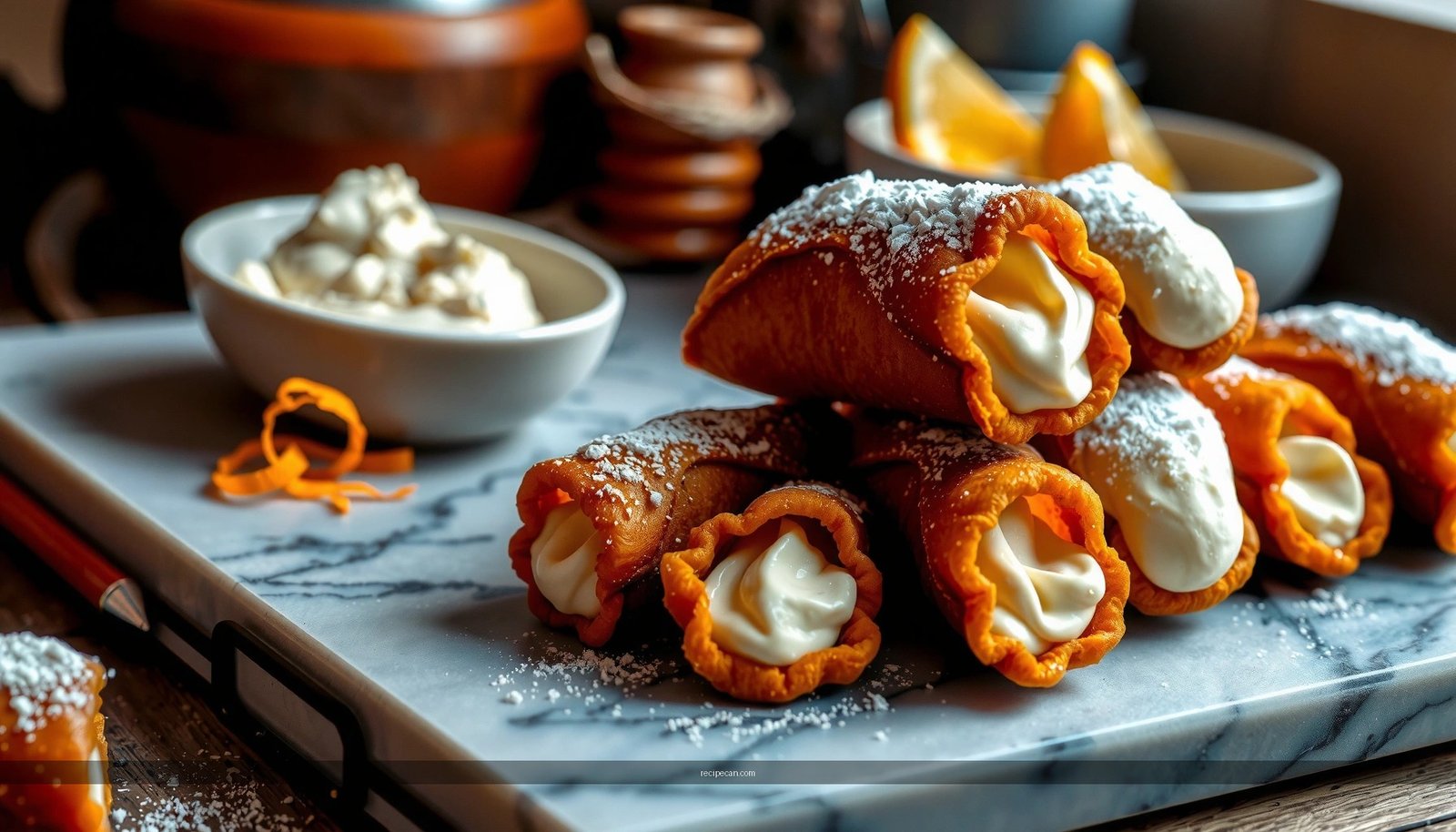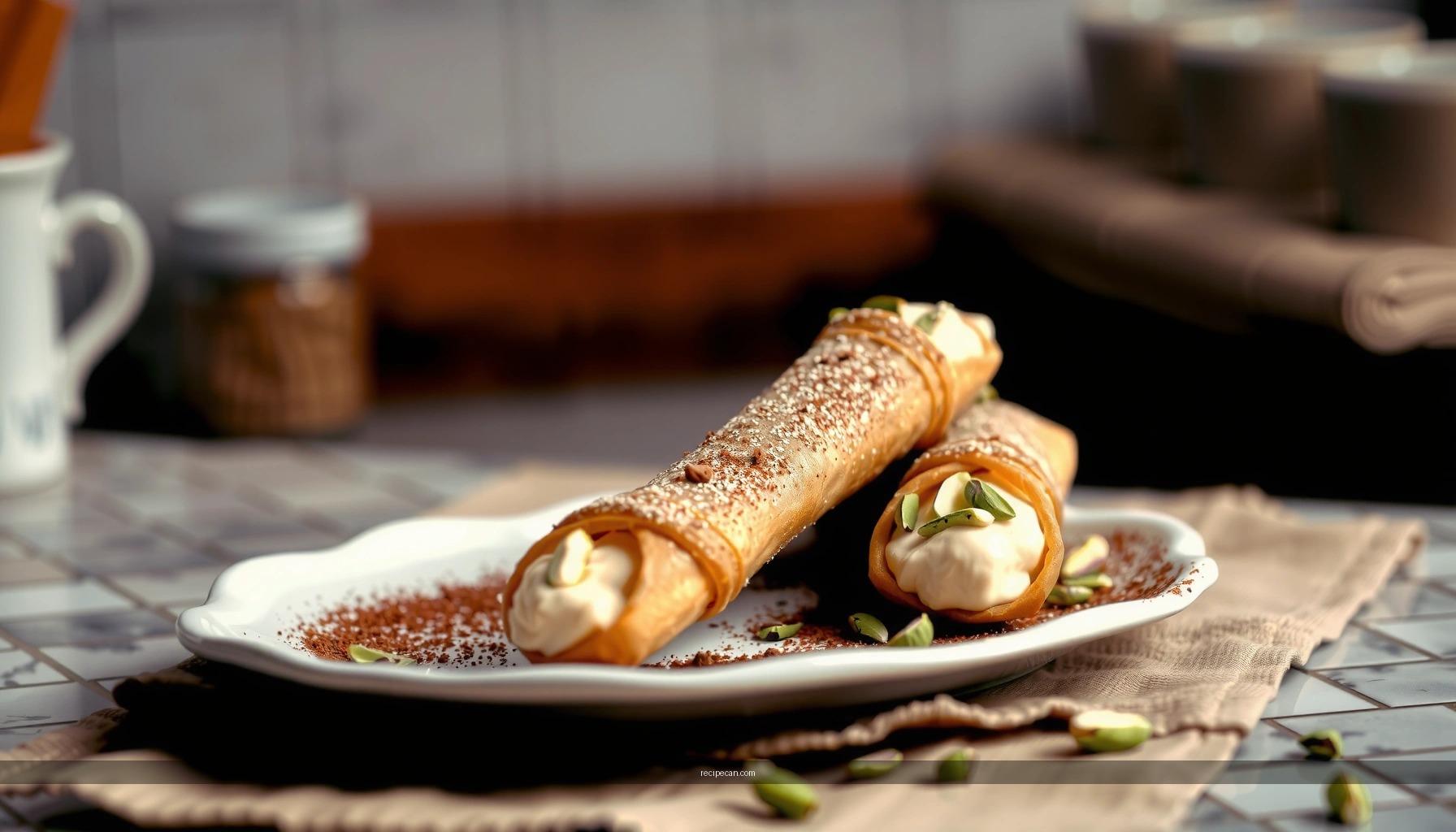
Get a vegan cannoli recipe with classic crispy shells and a creamy dairy-free filling that actually holds up—so you can bake the real cannoli-style experience without eggs or dairy. This recipe answers whether dairy-free filling can be rich and pipeable, and guides you through every step for crunch, flavor, and a clean, no-fuss assembly. If you want vegan cannoli that tastes like the original, this is the one to make.
This vegan cannoli recipe delivers the two things most plant-based versions miss: crisp, golden cannoli shells and a filling that tastes unmistakably “classic,” despite being dairy-free. You’ll make a tender-fla ky shell using simple pantry staples (with strategic acidity and thin rolling), then fold a sweet, citrusy dairy-free ricotta-style filling that holds its shape and stays creamy.
Vegan Cannoli Shells Ingredients & Substitutions
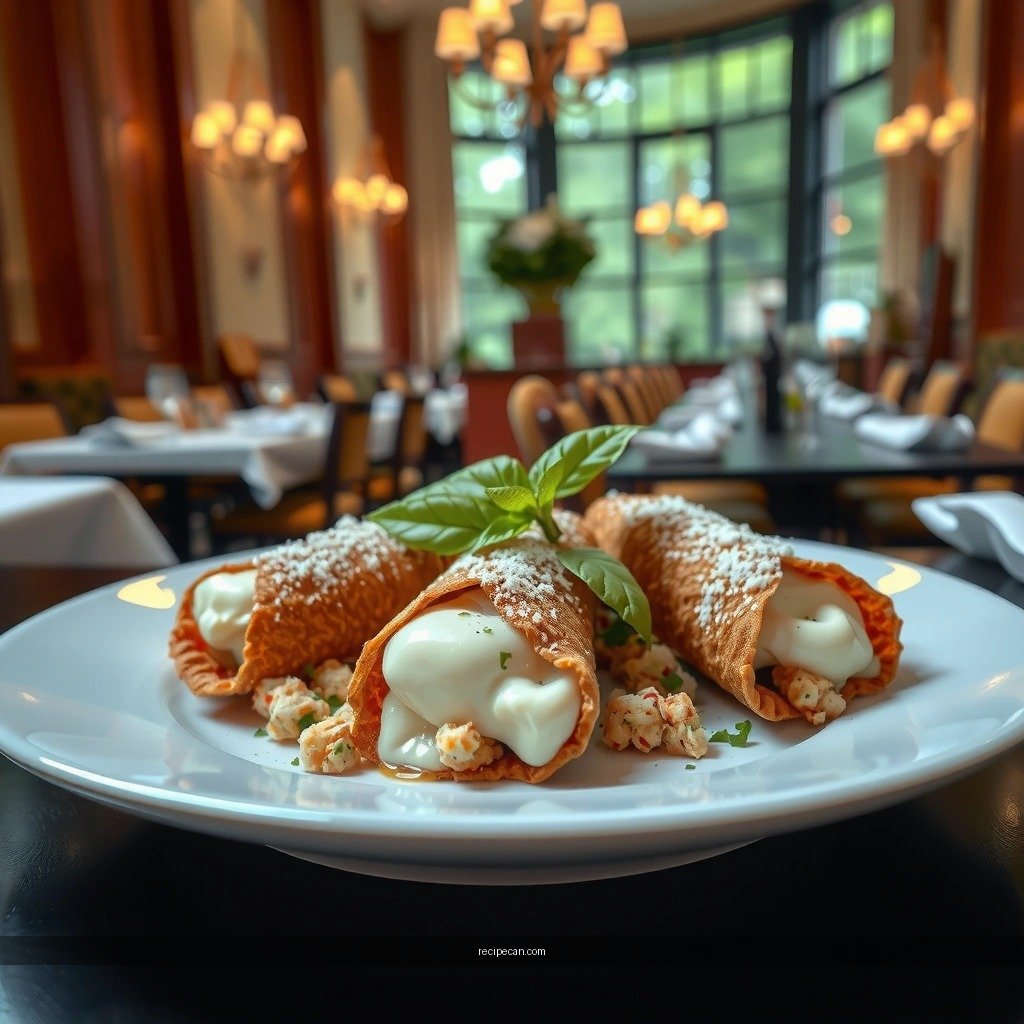
To recreate classic cannoli texture, you’re aiming for a shell that fries (or bakes) into a crisp, blistered shell with distinct layers—light, brittle, and still sturdy enough to hold filling. The dough formulation and handling are doing most of the work.
– Use flour, sugar, salt, and vegan butter/oil for crisp shells
– All-purpose flour provides the gluten structure for rollability.
– A small amount of sugar supports browning and “candy-like” crunch.
– Salt sharpens flavor—important when the filling is sweet.
– Vegan butter or a neutral oil contributes fat for flake and browning. Vegan butter tends to yield a richer shell; oil can make the dough more forgiving.
– Add a little vinegar or leavening for tender, flaky crunch
– A small splash of vinegar (apple cider or white) lightly acidifies the dough, improving tenderness and helping the dough relax so you can roll thin without snapping.
– Some recipes use baking powder for a hint of lift. If you do, use a light hand—too much makes the shell bread-like rather than cannoli-crisp.
– Swap any dairy-based components with plant-based alternatives
Traditional cannoli dough sometimes uses egg or dairy. For vegan shells:
– Skip egg entirely or use a water-based vegan adjustment (egg is primarily structure; thin rolling and fat provide most structure here).
– If you find your dough too dry, add 1 teaspoon water at a time until it’s smooth and elastic.
Practical substitutions (shells):
– Vegan butter → solid coconut oil or plant shortening: Solid fats create flakes; warm just enough to soften.
– Sugar → cane sugar or light brown sugar: Brown sugar adds deeper caramel notes, but keep it modest to avoid overly dark shells.
– No vinegar? Use lemon juice or a yogurt-style acidity substitute (but keep it small).
When to fry vs. bake
Frying gives the most authentic blistered crunch, while baking is a better option when you prefer less oil. Either method can work—just keep in mind that baked shells generally crisp more effectively after cooling and a short “drying” phase.
How to Make Crispy Vegan Cannoli Shells
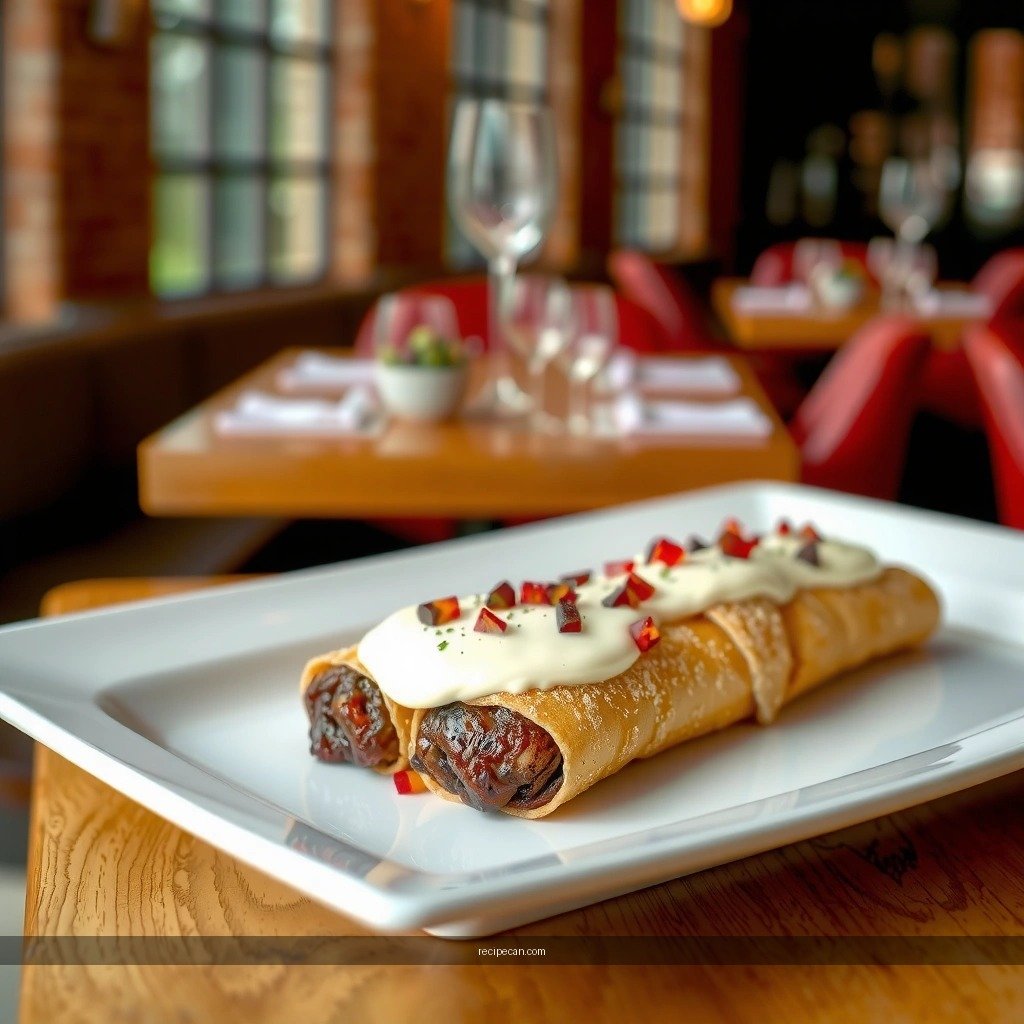
Crispness is won or lost in three moments: rolling thickness, mold tension, and cooling. Think like a baker-meets-fryer: controlled heat, precise shaping, and patience.
– Roll dough thin, wrap tightly on cannoli molds, and fry or bake
– Roll dough as thin as you can without tearing. A thin sheet creates the signature fragile crunch.
– Wrap tightly on clean, lightly oiled cannoli forms/molds. Loose dough = gaps = uneven bubbles and softer spots.
– If you’re frying, use a thermometer when possible (oil too cool = greasy; too hot = dark before crisp).
– Cook until evenly golden, then cool completely for best crispness
– Golden color matters. Cannoli shells often look “almost done” before they finish crisping.
– Cool completely on a rack. If you cool them stacked or touching, steam will soften them.
– Avoid overfilling to prevent soggy shells
Even the best shell will soften if you fill too early. The fix is timing and portion size:
– Fill right before serving.
– Keep filling to a moderate amount so the ends don’t burst outward and create pressure that tears the shell.
Actionable shaping tips
– Dust your work surface lightly with flour; too much flour can dry the dough surface and interfere with blistering.
– Let the dough rest at least 20–30 minutes. Rested dough rolls thinner and holds shape better.
– If dough springs back while rolling, it’s under-rested—pause, cover, and wait.
Frying baseline (texture target)
– Heat oil to medium-high until shells bubble actively and evenly.
– Turn for uniform browning.
– Remove when they’re a warm golden hue—carryover heat will finish the crisping.
Baking baseline (texture target)
– Bake on a parchment-lined tray with even spacing.
– Rotate once for uniform browning if your oven has hot spots.
– Cool fully; for extra crisp, you can briefly “dry” them in a turned-off oven with the door cracked for 5–10 minutes.
Dairy-Free Cannoli Filling: Creamy & Sweet
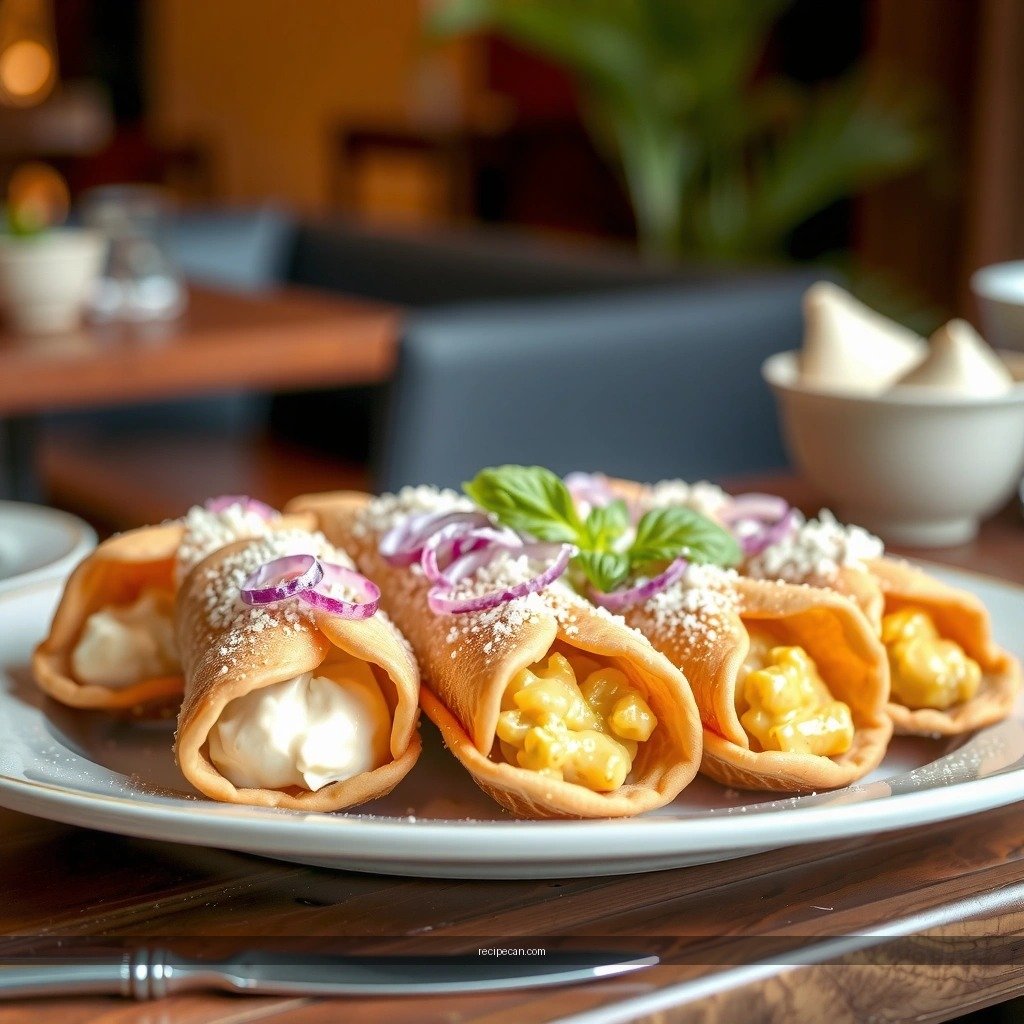
The classic cannoli experience depends on a filling that’s creamy, sweet, citrusy, and thick enough to pipe. For vegan cannoli, the goal is a ricotta-style consistency without dairy.
– Combine plant-based ricotta with powdered sugar and vanilla
– Start with a high-quality vegan ricotta (store-bought or homemade).
– Whisk in powdered sugar for smooth sweetness and a thicker mouthfeel.
– Add vanilla for warm dessert aroma.
– Add orange zest and a pinch of salt for authentic flavor
Orange zest is a signature cannoli note. It gives that bright “orange-vanilla” profile that reads as traditional—even when the base is plant-based.
A small pinch of salt prevents the filling from tasting flat or overly sweet.
– Fold in dairy-free chocolate chips for classic cannoli vibes
Chocolate chips provide the iconic bursts of sweetness and texture. Fold gently to avoid warming the filling too much (which can make it runnier).
Consistency and piping
– If your filling feels loose: chill it 20–30 minutes and/or add a teaspoon more powdered sugar.
– If it feels too stiff: stir in 1–2 teaspoons of plant milk (as needed) until it pipes smoothly.
Key ingredient perspective: store-bought vs. homemade vegan ricotta
– Store-bought vegan ricotta is more reliable for consistent thickness and flavor.
– Homemade can be excellent, but texture varies widely by base (cashews, soy, tofu, or legumes). If homemade is your plan, ensure it’s blended very smooth and drained/thickened before mixing.
Flavor Boosters: Traditional Touches Without Dairy
Classic cannoli is more than “sweet cream.” It’s sweet + bright + aromatic, with a subtle warmth that comes through even in dairy-free versions.
– Orange zest (or lemon zest) helps replicate the classic profile
Use orange zest as the primary bright note. If you only have lemon, it still works—just expect a slightly sharper result.
– Cinnamon or vanilla extract can deepen warmth and sweetness
Vanilla is already in the base, but a tiny amount of cinnamon (or a pinch of nutmeg) can add the warm dessert depth associated with Italian pastries. Keep it subtle; too much makes it taste like spiced cookies.
– Optional add-ins: crushed pistachios or candied fruit
– Pistachios add crunch and a nutty aroma that pairs with orange zest and chocolate.
– Candied fruit adds classic color and chew. If you add it, chop finely so it distributes evenly and doesn’t weaken the filling’s structure.
Professional balancing guideline
Taste the filling before assembling. Cannoli should taste slightly “more intense” than you expect because the shell is neutral and the crunch can mute flavor. Aim for bold orange, vanilla-forward sweetness, and chocolate brightness.
Assembly & Serving Tips (No Sogginess!)
Cannoli is a timing-driven dessert. Think of the shells as the “fresh component” and the filling as the “kept component.”
– Fill shells right before serving for maximum crunch
The longer shells sit with filling, the more they soften. For best results, prepare components in advance and assemble at the last moment.
– Chill filling briefly to thicken and improve texture
Even if your filling is already thick, chilling for 15–30 minutes improves pipe-ability and slows any moisture transfer to the shell.
– Serve with extra chocolate chips or pistachios on top
Garnish provides visual appeal and additional crunch at first bite—helpful even if some shell softening occurs.
Assembly best practices
– Use a piping bag with a wide tip for clean filling distribution.
– Don’t “pack” the shell—overfilling can split the ends and make the dessert collapse.
– Wipe any filling smears off the shell immediately so it doesn’t act like glue and soften nearby areas.
Serving idea for a restaurant-style presentation
Arrange filled cannoli on a platter and garnish each one individually. It boosts perceived freshness and keeps the crunch experience consistent across the tray.
How Method & Thickness Affect Vegan Cannoli Crunch
| # | Shell Approach | Ideal Thickness | Crisp Window (Hours) | Assembly Readiness | Reader Rating |
|---|---|---|---|---|---|
| 1 | Fried + very thin roll | 1.2 mm | 3–5 | Pipe immediately | ★★★★★ |
| 2 | Fried + medium-thin roll | 1.8 mm | 2–3 | Assemble within 1 hour | ★★★★☆ |
| 3 | Baked + thin roll (proper cooling) | 1.4 mm | 1.5–2.5 | Best assembled last minute | ★★★★☆ |
| 4 | Baked + thicker roll | 2.2 mm | 1–2 | Assemble within 45 minutes | ★★★☆☆ |
| 5 | Fried + cool on rack vs. stacked | Any (cool method) | +0.5–1.5 | Eliminates steam softening | ★★★★★ |
| 6 | Under-cooked shells (all methods) | 1.2–2.2 mm | 0.5–1 | Not ideal for filling | ★★☆☆☆ |
| 7 | Overfilled cannoli (assembly) | N/A | -30–50% | Increases shell collapse | ★★☆☆☆ |
Storage & Make-Ahead Guidance
If you want crisp vegan cannoli for guests (and not last-minute stress), store components separately and assemble on demand. This is the single most effective make-ahead strategy for maintaining texture.
– Store shells separately in an airtight container to keep crisp
Place cooled shells in an airtight container. Avoid humidity. If your kitchen is humid, add a small food-safe silica packet (kept away from direct contact with food) or store in a lower-humidity pantry shelf.
– Refrigerate filling in a sealed container for up to several days
Vegan fillings can taste even better after a few hours as flavors meld—especially orange zest and vanilla. Keep it sealed to prevent it from picking up fridge odors.
– Assemble only when ready to eat for the best result
Assemble at the final step, ideally within 10–30 minutes of serving. For events, you can portion shells and bring the filling piping-ready so assembly is fast and consistent.
Make-ahead schedule (efficient workflow)
– Day 1: Make dough, shape shells, fry/bake, cool fully, store shells. Mix filling, chill.
– Day 2 (serving day): Pipe filling, garnish, serve immediately.
If you’re scaling for a party, plan for extra shells and filling—small overages prevent under-filling and help maintain consistent bite quality.
Vegan cannoli is all about timing: bake/fry crisp shells, make a creamy dairy-free ricotta filling, and assemble right before serving. Follow the shell and filling steps, use the flavor boosters like orange zest and vanilla, and store components separately to keep everything fresh and structurally sound. Try this recipe next and share your results—or tell me what filling variations you want (pistachio, cherry-citrus, or extra chocolate-forward).
Frequently Asked Questions
What is a vegan cannoli recipe and how does it differ from traditional cannoli?
A vegan cannoli recipe uses plant-based ingredients to create both the crispy shell and the creamy filling without eggs, dairy, or honey. The classic ricotta texture is typically achieved with vegan ricotta made from blended tofu, cashews, or soaked nuts plus lemon juice and salt. Instead of using dairy fat, many versions rely on coconut cream, nut-based fats, or dairy-free yogurt to mimic the rich, creamy bite.
How do you make vegan cannoli filling taste like ricotta?
For vegan cannoli filling, blend tofu or soaked cashews until very smooth, then season with lemon juice for tang, a little vanilla for depth, and salt to boost flavor. Adding a thickener like cornstarch (cooked gently) or using drained high-protein tofu helps the filling hold its shape like ricotta. For a more authentic ricotta vibe, fold in chopped vegan chocolate chips and mini candied fruit after the base is mixed and chilled.
How do you keep vegan cannoli shells crispy and not soggy?
Vegan cannoli shells stay crisp when you fry or bake them until deep golden and allow them to cool completely before filling. Assemble cannoli close to serving time, because moisture from the vegan ricotta filling gradually softens the shell. If you need to prep ahead, store shells in an airtight container at room temperature and refrigerate the filling separately, then fill right before serving for best texture.
Which vegan ingredients work best for a nut-free cannoli filling?
A nut-free vegan cannoli filling is easiest with firm or extra-firm tofu blended smooth with lemon juice, nutritional yeast (optional for savory “cheesy” notes), and salt. You can thicken it with a small amount of cornstarch that you cook briefly with plant milk, or use store-bought soy-based vegan ricotta. Pair it with dairy-free mini chocolate chips and candied citrus peel to keep the flavor classic while staying nut-free.
What’s the best way to serve vegan cannoli for maximum flavor?
Chill the vegan cannoli filling for at least 30–60 minutes so it firms up and tastes more cohesive, then pipe or spoon it into cooled shells. For a professional look, garnish each cannoli with extra chopped vegan chocolate and a light dusting of powdered sugar right before serving. Serve immediately after filling to enjoy that classic contrast of crisp shell and creamy plant-based cannoli filling.
References
- Google Scholar Google Scholar
https://scholar.google.com/scholar?q=vegan+cannoli+recipe - Google Scholar Google Scholar
https://scholar.google.com/scholar?q=plant-based+cannoli+ricotta+substitute - Google Scholar Google Scholar
https://scholar.google.com/scholar?q=vegan+cannoli+shells+recipe - Cannoli
https://en.wikipedia.org/wiki/Cannoli - Ricotta
https://en.wikipedia.org/wiki/Ricotta - https://www.britannica.com/topic/cannoli
https://www.britannica.com/topic/cannoli - Veganism
https://en.wikipedia.org/wiki/Veganism - Tofu
https://en.wikipedia.org/wiki/Tofu - Cashew
https://en.wikipedia.org/wiki/Cashew - Pastry
https://en.wikipedia.org/wiki/Pastry