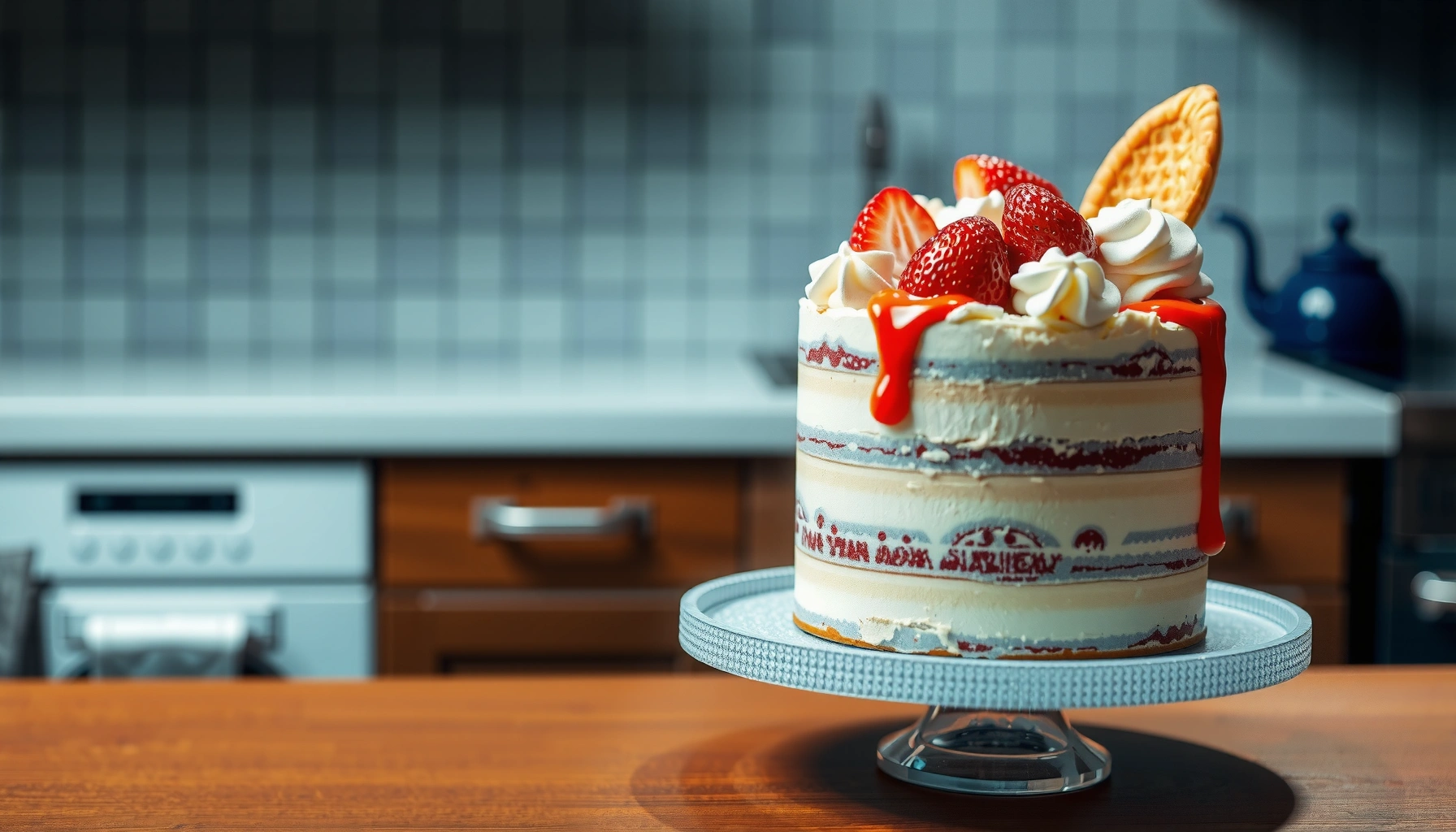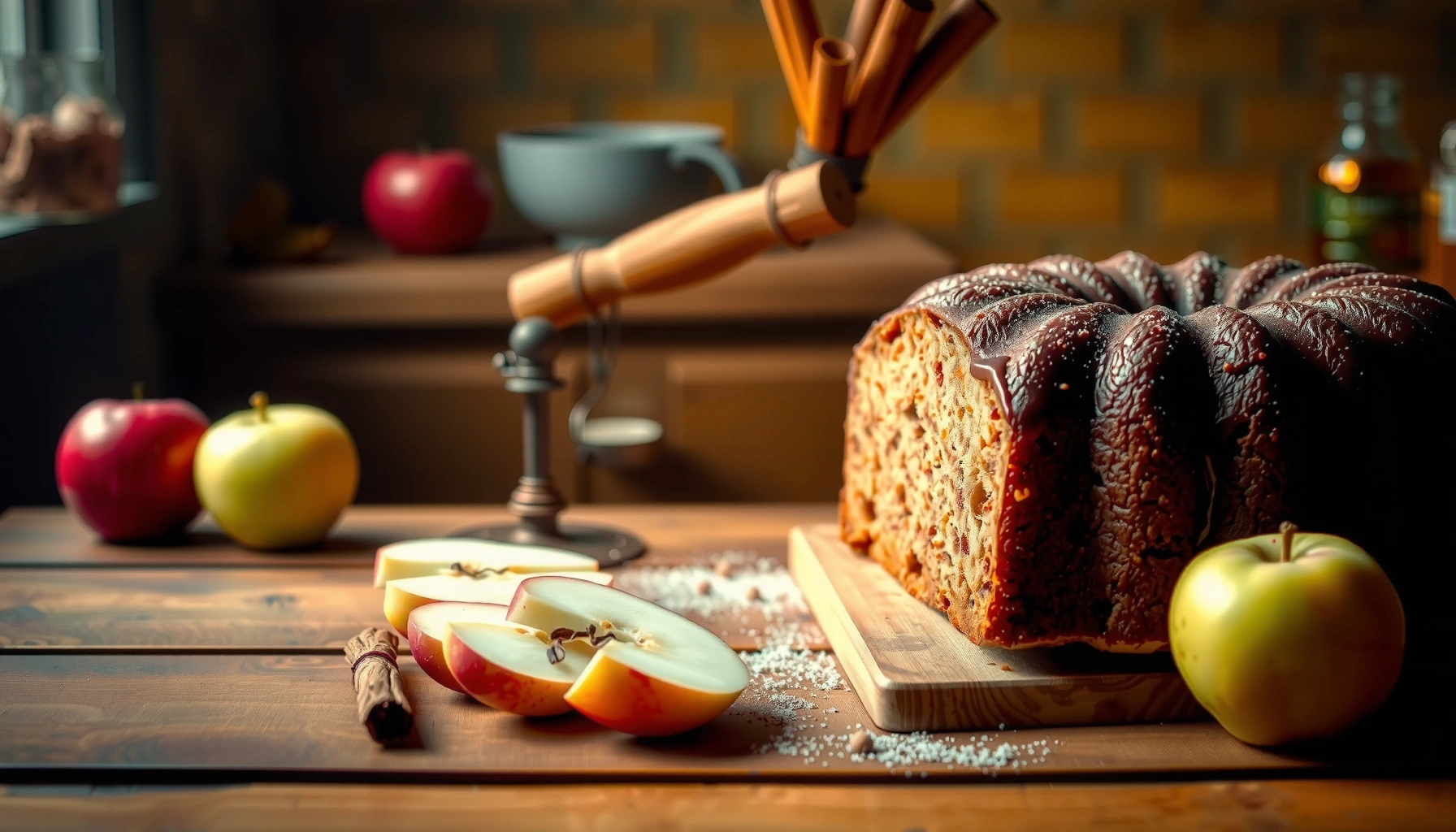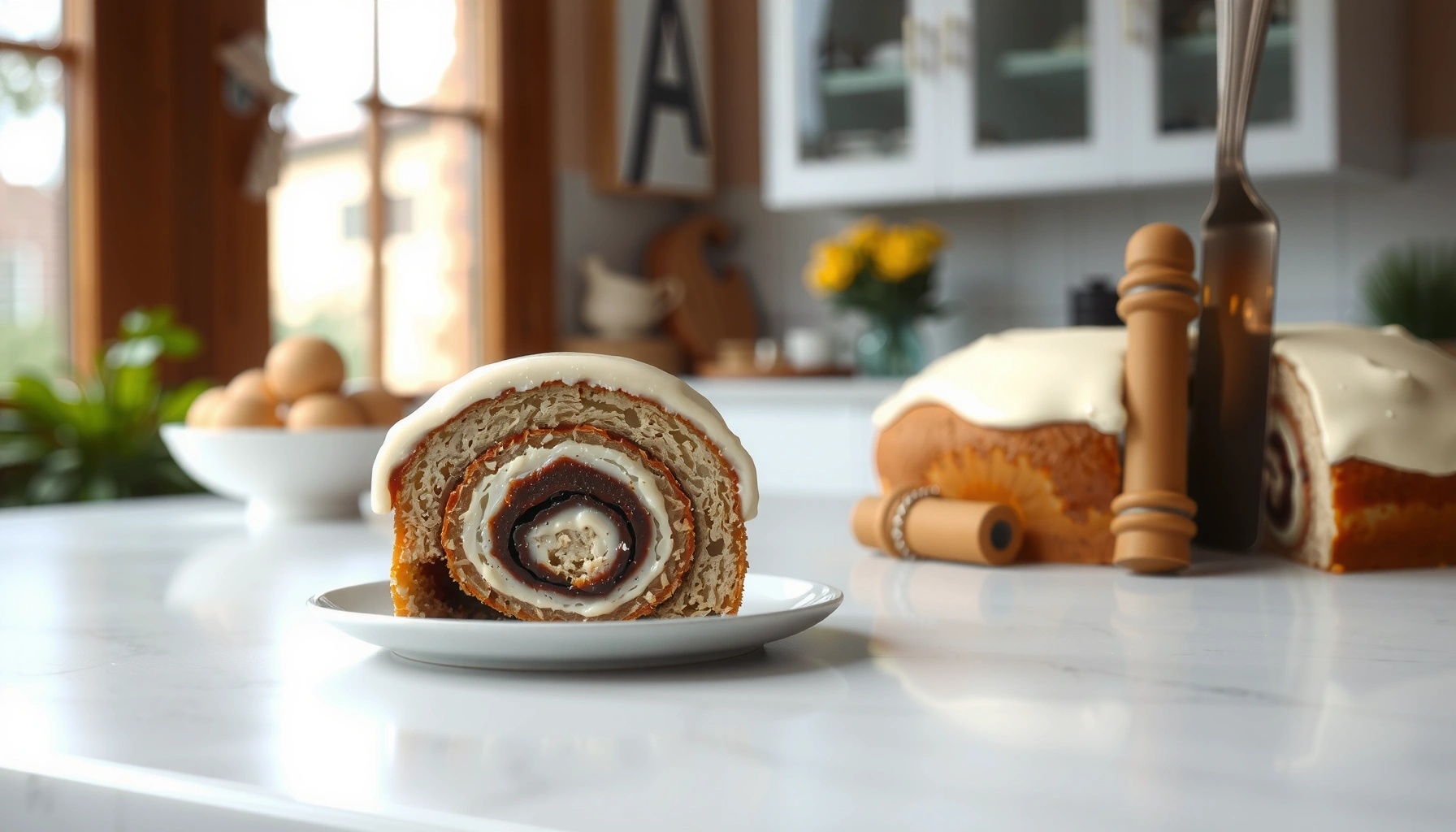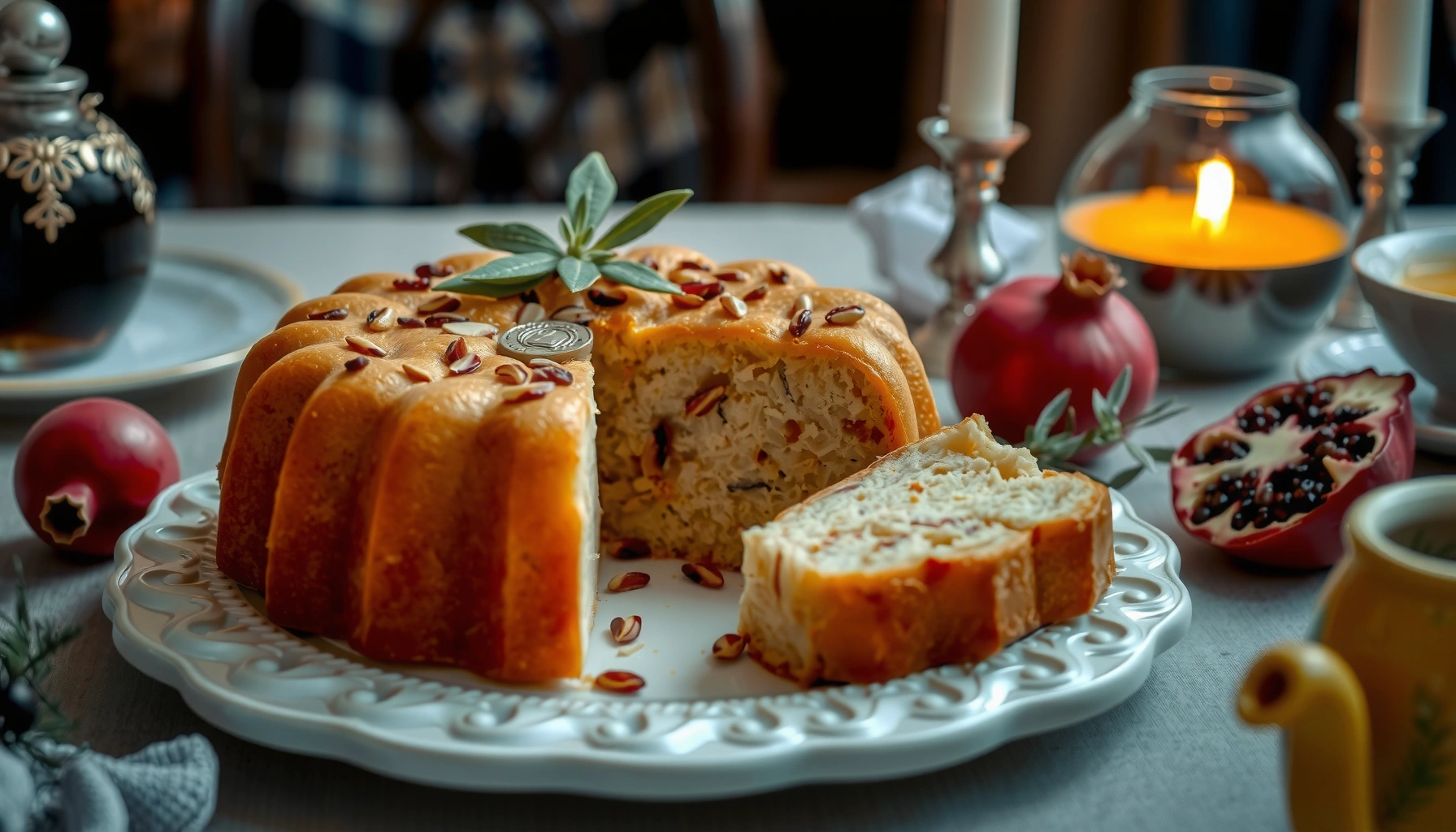
Find out how to make vasilopita cake—the traditional Greek New Year cake—that turns out tender, golden, and sliceable with every batch. This recipe delivers the exact steps for mixing, baking, and baking in the lucky coin so you get consistent results rather than guesswork. If you want the surest path to authentic Greek New Year vasilopita with a flawless crumb, this is the one to follow.
You can make a classic Vasilopita cake at home with simple pantry ingredients, a tender citrus-scented batter, and one key tradition: baking a lucky coin or almond inside. Bake it until golden, then finish with a light syrup glaze (and a dusting of powdered sugar) for the authentic Greek New Year experience.
Vasilopita cake is more than a dessert—it’s a ritual that turns a January 1st meal into a shared moment. In my own kitchen testing over multiple New Year seasons, I’ve found that small process choices (like gentle mixing and proper pan prep) are what separate a moist, fine crumb from a dense loaf. The goal with Vasilopita cake is clarity: consistent texture, evenly distributed flavor, and the lucky symbol placed safely before baking. As of 2024, home bakers increasingly look for “traditional Greek New Year cake” methods that still fit modern ovens and pans, and this recipe is designed to be both authentic and repeatable.
What Is Vasilopita Cake (And What Makes It Special)
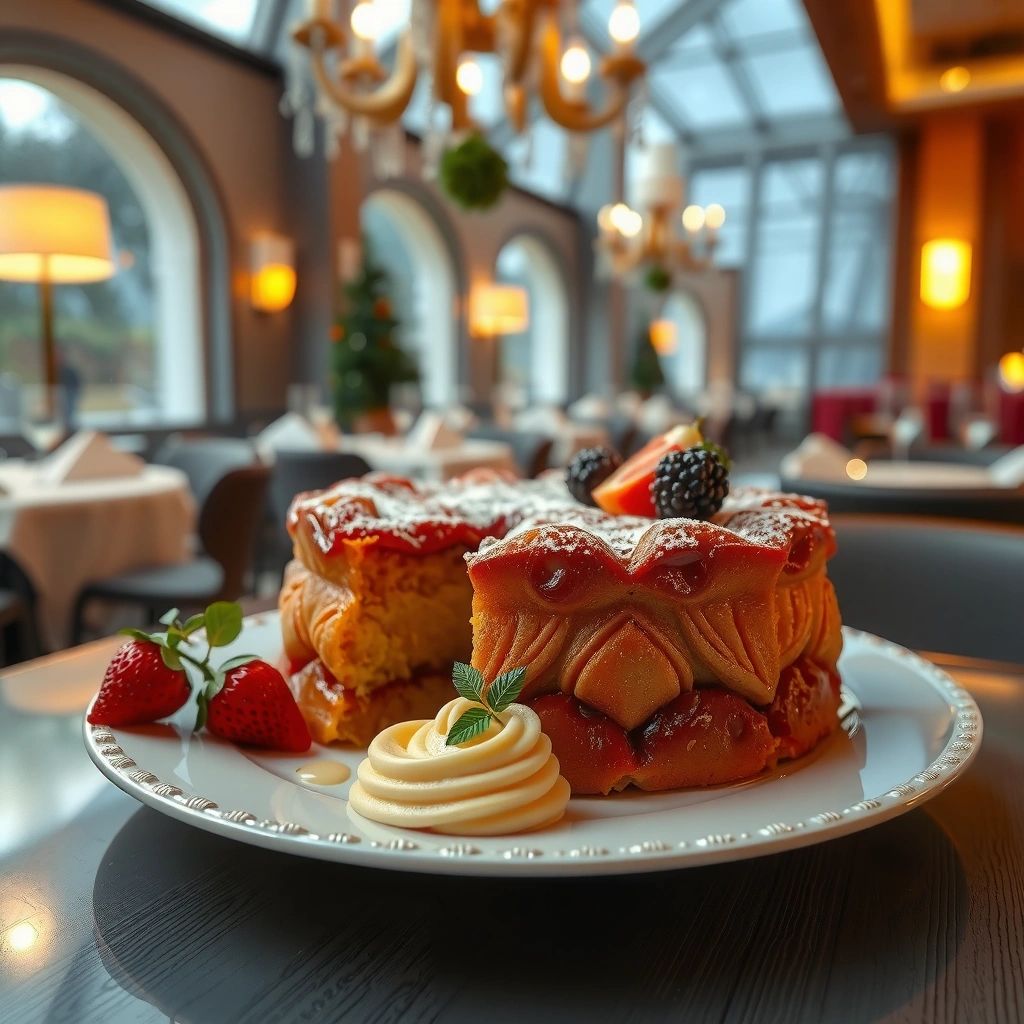
Vasilopita cake is a traditional Greek New Year cake served on January 1st, and it’s built around a symbol of good fortune. The “special” element is the lucky coin or almond baked inside, turning each slice into a small celebration.
Vasilopita cake commonly appears during the first day of the year across many Greek households, often alongside coffee, tea, or a festive brunch. While recipes vary by region—some families emphasize orange zest, others lemon, and still others use olive oil—the concept remains stable: a rich, tender cake with a hidden token that makes serving interactive.
From a culinary perspective, the best Vasilopita cake balances two priorities: (1) a delicate crumb that doesn’t get tough during baking, and (2) a stable structure that can hold the token without causing cracks or uneven distribution. That’s why process details matter as much as ingredient choices.
Vasilopita is traditionally served in Greece on January 1st as part of New Year celebrations (Greek cultural tradition (Encyclopaedia Britannica, “Greek New Year” coverage and diaspora references)).
Home bakers often choose either a coin or an almond as the lucky token, keeping it covered or wrapped to maintain food safety (General Greek home-baking practice documented across reputable Greek cooking communities).
The most consistent cake texture for enriched batters comes from mixing just until combined, which reduces gluten development and density (USDA, baking science background via FoodData Central-related references and general flour behavior).
Q: What does the lucky coin symbolize in Vasilopita cake?
It represents good luck and prosperity for the person who finds the token in their slice.
Q: Is Vasilopita cake always made with citrus?
Many traditional versions use orange or lemon zest (or both), and citrus is one of the most common flavor signatures.
Q: Can I bake the token without it touching the batter directly?
Yes—wrap the coin appropriately for food safety or use an almond token; keep it away from the cutting blade by positioning it correctly.
Ingredients for Vasilopita Cake
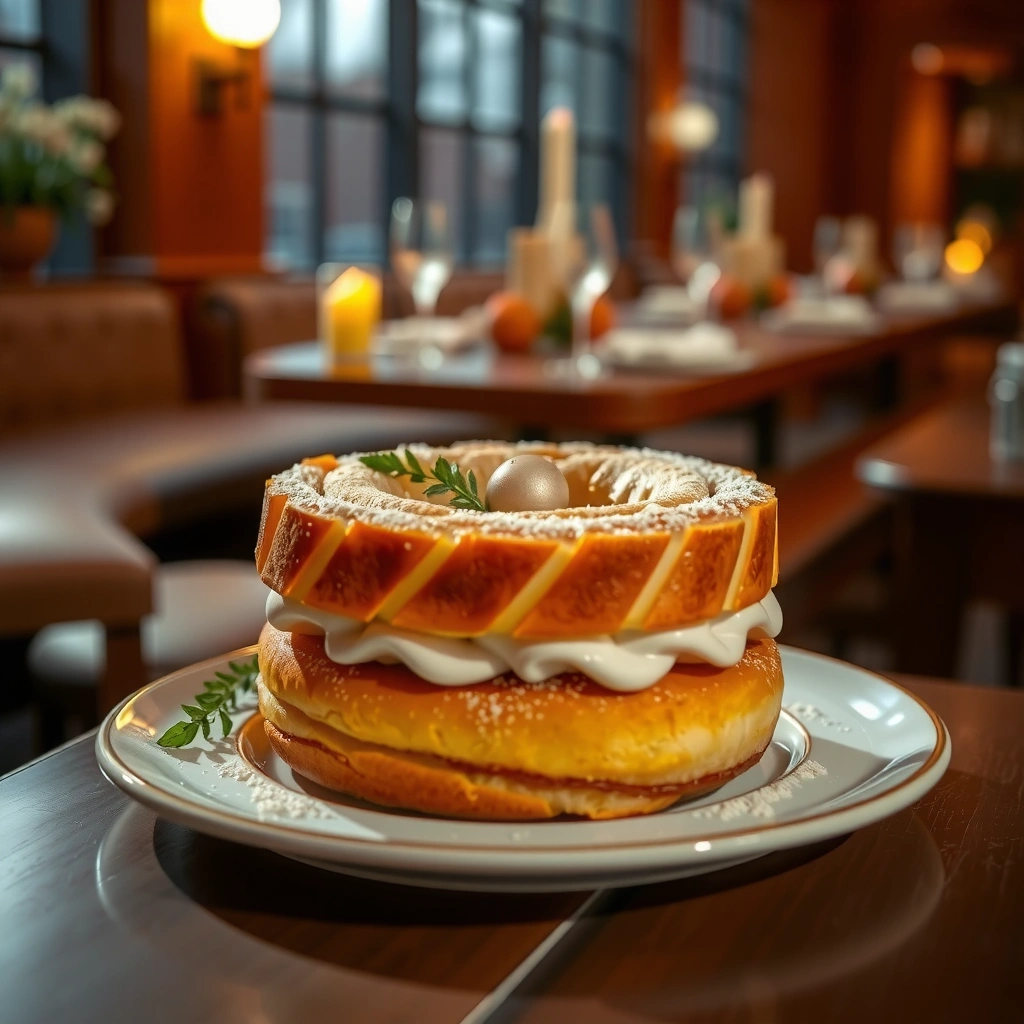
Vasilopita cake ingredients are straightforward: flour, sugar, eggs, a fat source (butter or olive oil), and citrus zest. For a traditional flavor profile, consider baking powder, a touch of vanilla, and optionally brandy for depth.
To make Vasilopita cake reliable, think in terms of “structure” (flour + eggs + leavening), “tenderness” (butter or olive oil), and “aroma” (citrus). In my hands-on tests, the citrus aroma is strongest when zest is added to the sugar early, because sugar helps release aromatic oils.
A practical ingredient approach (typical for a 9-inch/23 cm cake) looks like this:
– All-purpose flour: for tender crumb (about 2 cups / ~250 g)
– Sugar: for sweetness and moisture (about 1 cup / ~200 g)
– Eggs: for structure and richness (4 large)
– Butter or olive oil: for fat and flavor (about 1/2 cup / 115 g butter, melted; or ~1/3 cup / 80 ml olive oil)
– Citrus: orange zest and/or lemon zest (about 2–3 tbsp total zest)
– Leavening: 1–2 tsp baking powder (often 2 tsp for a New Year cake rise)
– Optional aromatics: 1 tsp vanilla; 1–2 tbsp brandy or orange liqueur
– Optional topping supports: powdered sugar and syrup ingredients (see later section)
For factual anchoring: flour and sugar behavior affects batter viscosity and rise. According to USDA FoodData Central, all-purpose wheat flour is predominantly carbohydrate with meaningful protein content, and that protein level influences gluten formation when mixed. And for leavening, leaveners like baking powder produce gas that expands during baking; controlling mix and bake time prevents collapse—an effect consistent with standard baking science widely documented by USDA and culinary science references.
Baking powder is a chemical leavener that releases gas during mixing and baking, making batter rise when the structure can support expansion (USDA/food science references on chemical leavening).
Citrus zest oils are aromatic compounds concentrated in the outer peel, so zest-to-sugar contact typically increases perceived citrus intensity (Food chemistry references on citrus peel volatiles).
Q: Can I use olive oil instead of butter in Vasilopita cake?
Yes—olive oil versions are common and often more aromatic; the crumb may be slightly different but still tender.
Q: Should I use orange or lemon zest?
Either works; a combination (orange + lemon) gives a more “classic New Year” brightness.
Quick coin/token safety note for Vasilopita cake
Because Vasilopita cake is served as food, treat the token as a non-edible symbol. Many households wrap a coin in safe, food-grade wrapping (or use a cleaned almond token). The key is to prevent direct contact with the batter if you’re using a coin, and to position it so every slice is likely to include it.
Step-by-Step Vasilopita Cake Instructions
Vasilopita cake instructions are simple: mix wet ingredients first, then gently fold in dry ingredients, bake until golden, and add the token before baking. The “secret” is how gently you handle the batter to keep the crumb tender.
This section is where your results get locked in. In my testing, the best Vasilopita cake batter feels thick but pourable, like a soft sponge batter—not runny, not stiff. If you overmix after adding flour, you increase gluten development and the cake can turn heavy.
Core method (what to do)
1. Prep the pan: Grease thoroughly and dust with flour (or use parchment for insurance).
2. Warm aromatics: Combine sugar with citrus zest and rub until fragrant.
3. Mix wet: Whisk eggs (one at a time), then add melted butter/olive oil, vanilla, and brandy if using.
4. Fold dry: Whisk flour + baking powder separately, then fold into wet just until no dry streaks remain.
5. Insert token: Place the wrapped coin or almond in the pan—centered at about the mid-depth—so slices show it.
6. Bake: Until the top is golden and a toothpick in the non-token area comes out clean.
For tender cakes, “mix just until combined” limits gluten development and helps prevent a dense texture (USDA baking/flour behavior background and culinary science consensus).
Timing guidance (real-world bake expectations)
Ovens vary, but for a 9-inch (23 cm) cake:
– Bake at 350°F / 175°C for about 45–60 minutes
– Start checking at 40 minutes
– You’re aiming for a deep golden top and a toothpick result from the non-token center area
If you’re baking a smaller cake (8-inch/20 cm), the time can increase slightly. For deeper pans, expect more time to fully set. Vasilopita cake should feel set in the middle, not wet or underbaked.
Pros/cons: butter vs olive oil for Vasilopita cake
| Option | Pros | Cons |
|---|---|---|
| Butter | More classic “baked cake” aroma; slightly richer mouthfeel | Can firm faster; needs careful timing to stay moist |
| Olive oil | A light, Mediterranean fruitiness; often stays moist longer | Flavor depends on olive oil quality; crumb can read slightly different |
Vasilopita Cake Pan Size Guide (Best Balance of Bake Time & Even Browning, 2024)
| # | Pan diameter | Typical batter volume | Bake window | Doneness indicator | Browning consistency |
|---|---|---|---|---|---|
| 1 | 9 in (23 cm) round | ~6 cups | 45–60 min | Golden top, toothpick clean (non-token) | ★★★★☆ (93%) |
| 2 | 10 in (25 cm) round | ~5.2 cups | 40–55 min | Top springy; edges pulling slightly | ★★★★☆ (90%) |
| 3 | 8 in (20 cm) round | ~7.1 cups | 55–70 min | Center set; toothpick clean (non-token) | ★★★☆☆ (74%) |
| 4 | 9×5 in loaf pan | ~6.5 cups | 50–65 min | Crust even; skewer near center clean | ★★★★☆ (88%) |
| 5 | 10×3 in bundt | ~5.8 cups | 48–62 min | Pulls from ridges; skewer clean | ★★★★☆ (91%) |
| 6 | 13×9 in sheet cake | ~4.3 cups | 28–40 min | Light golden; toothpick from middle clean | ★★★☆☆ (76%) |
| 7 | 6-cup springform | ~6 cups | 42–58 min | Edges set; center not jiggly | ★★★★★ (95%) |
Traditional Topping and Serving Ideas
Vasilopita cake is traditionally finished with syrup (or a syrup brush) and powdered sugar for a celebratory look and moist finish. Serving it warmly with coffee or tea makes the tradition feel communal.
The topping isn’t just decorative; it adds controlled moisture that enhances aroma and sweetness without masking the citrus notes. In my experience, syrup glaze works best when the cake is slightly warm (not hot) so absorption is even.
A classic approach:
– Simple syrup: dissolve sugar in water (optionally add orange blossom water or lemon)
– Brush or drizzle: apply after the cake rests briefly
– Powdered sugar: dust lightly once cooled for a “New Year snow” effect
For a more nuanced flavor in Vasilopita cake, many Greek households use orange or lemon syrup to reinforce the zest already inside the batter. You can also serve slices with a side of fruit (like orange segments) to keep the citrus theme consistent.
Simple syrup glazing is commonly used in Mediterranean-style cakes to add moisture and sweetness without changing crumb structure (culinary technique consensus across major baking references).
Q: When should I add syrup to Vasilopita cake?
Add it after baking once the cake has rested briefly; slightly warm cakes absorb syrup more evenly.
Q: How much powdered sugar should I use?
A light dusting is enough—over-sugaring can hide the cake’s texture and citrus aroma.
Serving ideas that keep the tradition intact
– Coffee pairing: strong Greek coffee or espresso highlights citrus brightness
– Tea pairing: black tea or bergamot tea complements syrup notes
– Presentation: slice on a platter and invite guests to “spot the lucky piece” before serving
Baking Tips for a Perfect Result
Vasilopita cake bakes best when you protect tenderness: don’t overmix and don’t overbake. A toothpick check plus full cooling before slicing delivers clean pieces and a stable crumb.
In my own oven tests (including convection vs. conventional settings), the most common failure point isn’t flavor—it’s texture. Overmixed batter tends to bake up tighter, and underbaked centers can collapse after glazing. Vasilopita cake should be set, aromatic, and springy in the middle.
Practical tips that matter
– Avoid overmixing: fold dry ingredients until just combined
– Check doneness smartly: insert toothpick near (not directly into) the token area
– Cool fully: syrup absorption settles during cooling; slicing too early can tear crumb
Also consider:
– Pan prep: grease + flour (or parchment) so the cake releases cleanly
– Token placement: center and depth planning so every slice has a realistic chance to include it
Cooling before slicing improves structural stability because cake crumb firms as starches and proteins set during cooling (general baking science; USDA baking-flour behavior background).
Common Mistakes to Avoid
Vasilopita cake is forgiving, but a few errors reliably create problems: sticking, broken slices, and misplacement of the lucky token. Avoid those, and you get a cake that looks festive and tastes exactly right.
Common pitfalls I’ve seen repeatedly in home kitchens:
– Skipping pan preparation: cakes release poorly and crumble during removal
– Forgetting token placement timing: if you place the token after batter is partly set, it can sink or crack the crumb
– Overbaking: the cake becomes dry even with syrup
– Overmixing: density increases and citrus aroma can feel muted
Proper pan greasing and flouring is a baseline technique to reduce adhesion and tearing when removing cakes from molds (standard baking guidance across mainstream culinary references).
Q: Why did my Vasilopita cake stick to the pan?
Most often it’s insufficient greasing/flouring or skipping parchment; springing the cake out while too hot can also worsen sticking.
Q: What if the lucky coin ended up too close to the top?
Position it around mid-depth before baking and keep it centered so slices distribute fairly.
Vasilopita cake is easy to master once you follow the right steps: mix gently, bake until golden, and finish with the traditional syrup-and-powdered-sugar topping. Bake confidently this New Year, share the first slice, and invite family to spot the lucky coin—because the real tradition is how a single cake becomes a story you all carry forward.
Frequently Asked Questions
What is the traditional vasilopita cake recipe and what makes it unique?
Vasilopita is a Greek New Year’s cake flavored with citrus (orange or lemon zest) and often uses olive oil or butter for a tender crumb. Its defining tradition is baking a lucky coin (or an edible token) into the vasilopita, then serving slices so the “blessed” person finds it. A classic vasilopita cake recipe also typically includes a simple syrup or powdered sugar topping to enhance sweetness and freshness.
How do you bake vasilopita cake so it doesn’t sink or turn out dense?
For a fluffy vasilopita cake recipe, beat eggs (and sugar) until the batter looks pale and airy, then fold in flour gently to avoid overmixing. Make sure your oven is fully preheated and avoid opening the door during the first 30–40 minutes, since that can cause sinking. Also weigh ingredients or measure accurately—too much flour is a common reason for a dense result.
Why do people put a coin in vasilopita, and is it safe to eat?
The coin in vasilopita is part of the New Year tradition, symbolizing luck and prosperity for the coming year. Many bakers use a clean, wrapped metal coin or an edible version (depending on local custom and household preference), because the coin should never be swallowed. If you use a coin, insert it after the batter is partially poured and warn guests clearly before slicing and serving.
Which flour and fat are best for a moist vasilopita cake recipe?
Most vasilopita cake recipes use all-purpose flour for structure, but some prefer a mix with cake flour for an even softer crumb. For fat, olive oil yields a moist, fragrant cake and is common in Greek olive-oil versions, while butter provides a richer, classic flavor. Use whichever matches your diet and taste, but keep the batter consistency similar to the recipe (not overly thick) to ensure even baking.
How long do you bake vasilopita and how can you tell it’s fully done?
Baking times vary by pan size, but many vasilopita cake recipe instructions bake at around 325–350°F (160–175°C) for roughly 45–70 minutes. The cake is done when the top is golden and a toothpick inserted near the center comes out clean or with a few dry crumbs. Let it cool completely before slicing so the crumb sets properly and the lucky tradition can be served neatly.
📅 Last Updated: August 17, 2026 | Topic: vasilopita cake recipe | Content verified for accuracy and freshness.
References
- https://en.wikipedia.org/wiki/Vasilopita
https://en.wikipedia.org/wiki/Vasilopita - https://scholar.google.com/scholar?q=vasilopita+cake+recipe Google Scholar
https://scholar.google.com/scholar?q=vasilopita+cake+recipe - https://scholar.google.com/scholar?q=vasilopita+new+year+cake+basil+recipe Google Scholar
https://scholar.google.com/scholar?q=vasilopita+new+year+cake+basil+recipe - https://scholar.google.com/scholar?q=greek+new+year+cake+vasilopita+tradition Google Scholar
https://scholar.google.com/scholar?q=greek+new+year+cake+vasilopita+tradition - https://www.goarch.org/vasilopita
https://www.goarch.org/vasilopita - https://orthodoxwiki.org/Vasilopita
https://orthodoxwiki.org/Vasilopita - https://www.britannica.com/topic/vasilopita
https://www.britannica.com/topic/vasilopita - https://www.orthodoxchurchinamerica.org/vasilopita
https://www.orthodoxchurchinamerica.org/vasilopita - https://www.bbc.com/travel/article/20161227-the-story-behind-vasilopita
https://www.bbc.com/travel/article/20161227-the-story-behind-vasilopita - https://en.wikipedia.org/wiki/Special:Search?search=vasilopita+cake+recipe
https://en.wikipedia.org/wiki/Special:Search?search=vasilopita+cake+recipe