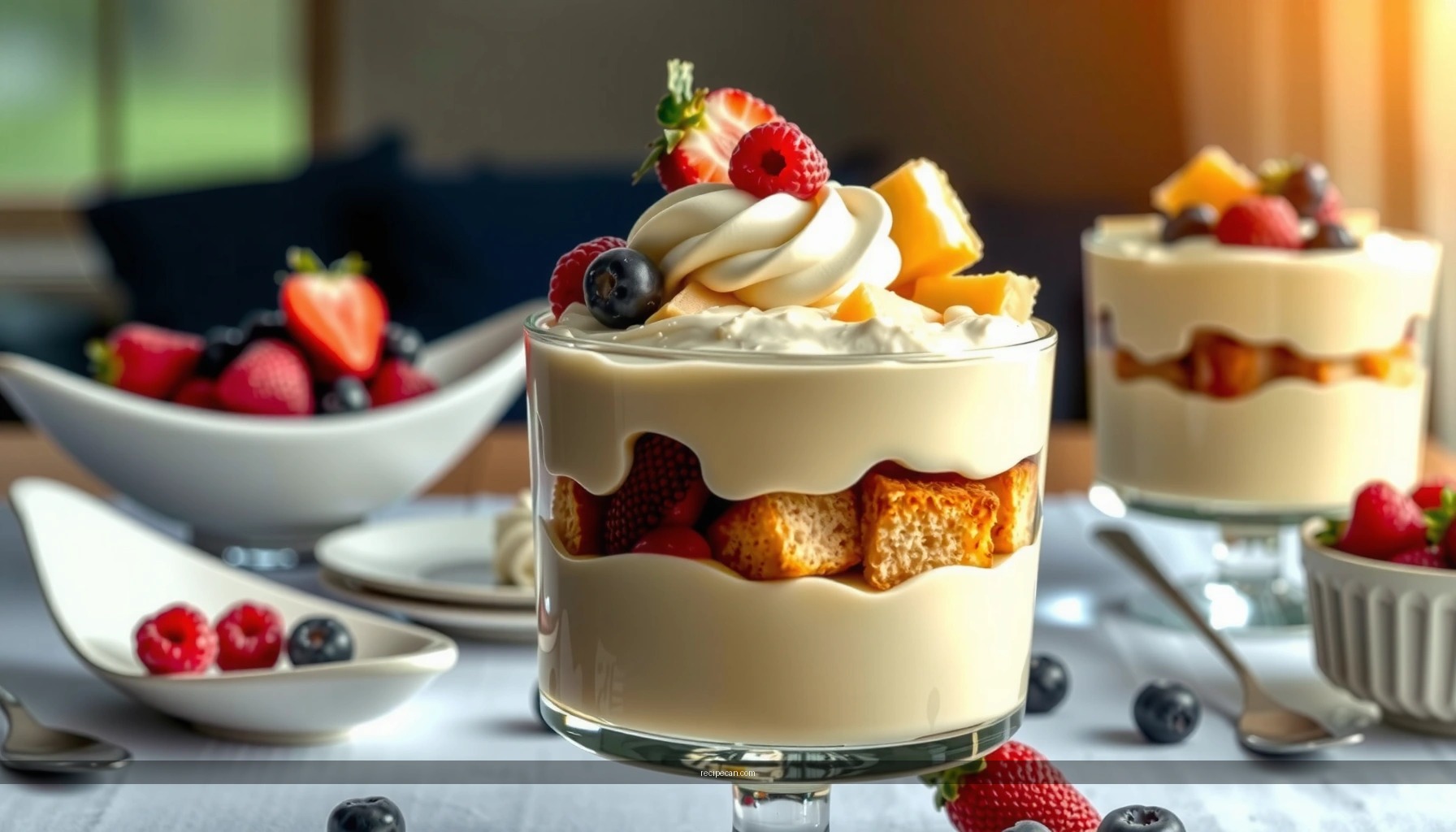
Craving trifle recipes that use pound cake and vanilla pudding? These recipes deliver the clear winner: a make-ahead trifle built on vanilla pudding for creamy, sliceable structure, layered with pillowy pound cake and fruit for brightness. You’ll get versions that hold their texture overnight and stay spoon-perfect, so the trifle tastes as fresh as it looks.
Make trifle recipes with pound cake and vanilla pudding by layering cubed pound cake, chilled vanilla pudding, and your favorite toppings in a glass dish—then refrigerating briefly for a sliceable, creamy result. Because both the cake cubes and pudding can be prepped ahead, this no-fuss method delivers a dessert that looks impressive, holds its structure, and tastes fresh without complicated baking.
Choose Your Pound Cake Base
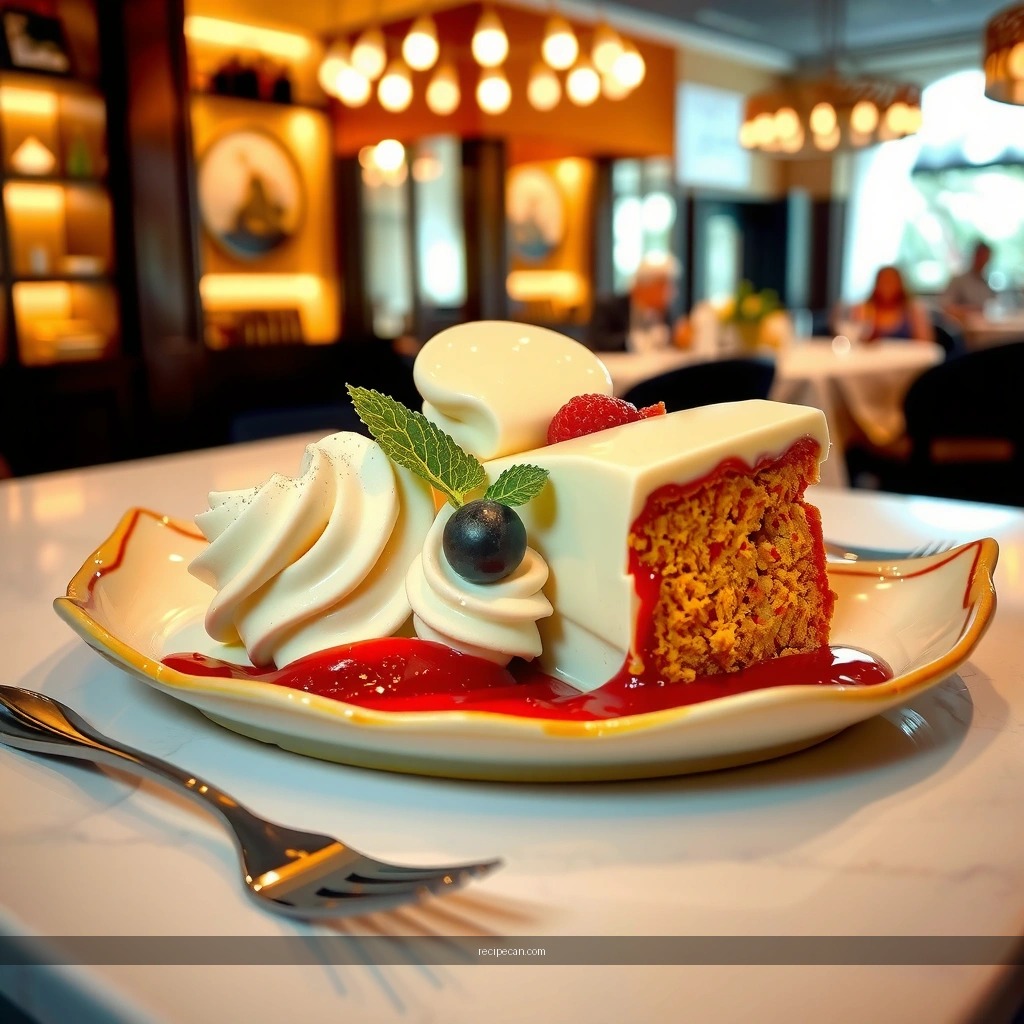
A great trifle starts with the right pound cake foundation. Pound cake is sturdy enough to absorb a bit of pudding without turning gummy, which is exactly what you want for clean layers and confident servings.
– Use store-bought or homemade pound cake, cut into bite-size cubes
Store-bought cake works exceptionally well for consistency. Aim for cubes roughly 3/4–1 inch so you get even texture throughout each spoonful.
– Lightly chill cake so it holds up better in the trifle layers
Chilling reduces the cake’s initial softness and helps it maintain a distinct structure after it meets the pudding. Twenty to thirty minutes in the refrigerator is often enough.
– Optional: toast cake cubes for a firmer, more toasty texture
Toasting improves both aroma and structure. Spread cubes on a baking sheet and toast at 325°F / 165°C for 6–10 minutes until lightly golden. Cool fully before layering so the pudding won’t warm and loosen.
For a consistent “business-like” outcome—meaning every container looks the same—use a kitchen scale or measuring cup to portion cake cubes by volume. Trifle layers are easier to control when you build with repeatable measurements.
Vanilla Pudding & Pound Cake Trifle Assembly Timing (Recommended)
| # | Trifle Step | Prep Time | Chill/Rest Time | Outcome Risk |
|---|---|---|---|---|
| 1 | Cube & optionally toast pound cake | 10–20 min | 0 min (toast must cool fully) | Low |
| 2 | Chill cake cubes before layering | 10–15 min | 20–30 min | Low |
| 3 | Cook or prepare vanilla pudding | 8–12 min | 20–30 min | Medium if warm |
| 4 | Fold in whipped cream (optional) | 3–5 min | 0 min | Low |
| 5 | Assemble trifle layers | 12–18 min | Optional 15 min | Low |
| 6 | Refrigerate assembled trifle | 0 min | 30–60 min | Low |
| 7 | Optional brief rest before serving | 5–10 min | — | Improves texture |
Make the Vanilla Pudding Layer
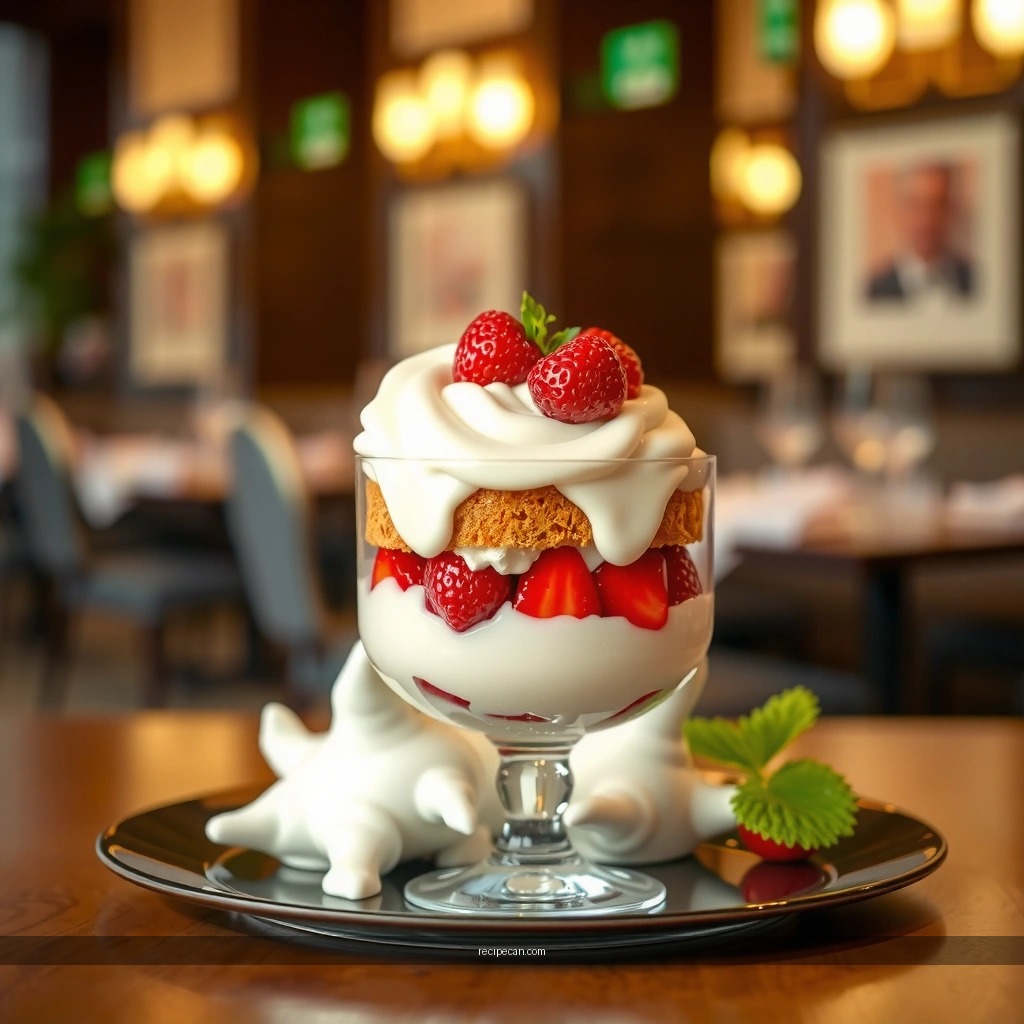
Vanilla pudding is the trifle’s glue: it binds cake and toppings while delivering that signature creamy mouthfeel. The goal is thick, stable pudding—not hot, not runny.
– Use instant vanilla pudding for the easiest, quickest trifle
Instant pudding is reliable for thickness control and reduces variability. Cook-and-stir versions can work too, but instant is more forgiving for a “minutes to impressive” outcome.
– Chill pudding until thick to prevent runny layers
When pudding is warm, it often spreads before it sets, which blurs your boundaries. Refrigerate until it’s thick enough to spoon neatly.
– Fold in whipped cream or vanilla extract for extra creaminess
Folding in whipped cream makes the texture lighter and more dessert-like, while a touch of vanilla extract boosts aroma.
Analytically, stability matters. If your pudding is too thin, it will pool at the bottom and migrate upward slightly, causing uneven soaking. If it’s properly chilled, each layer remains visually distinct and delivers consistent spoon resistance.
Practical approach: prepare pudding, chill it, then stir until smooth right before assembly. If you want a richer flavor, add 1–2 teaspoons vanilla extract after thickening (avoid adding while hot if you’re aiming for maximum freshness).
Layering Order for the Best Texture
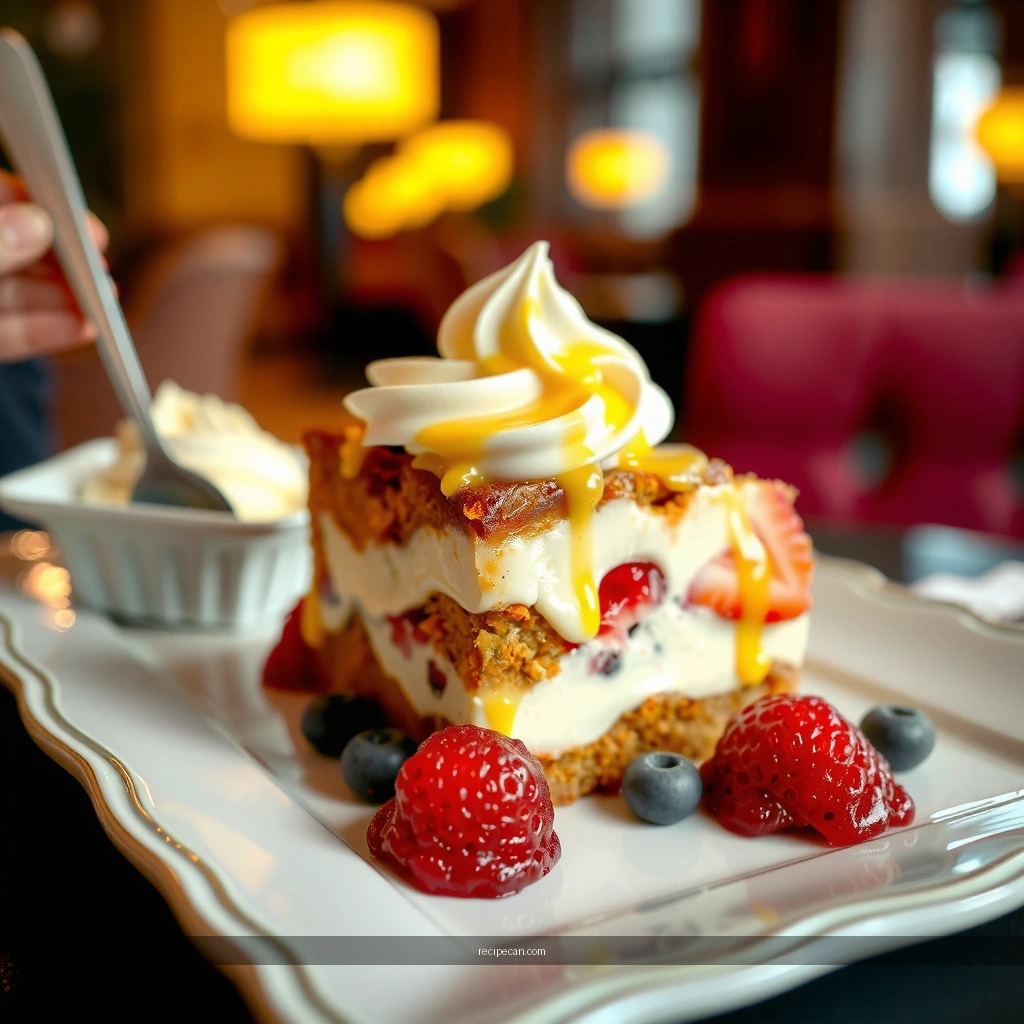
Layering isn’t just about aesthetics; it’s a texture engineering problem. The sequence controls how quickly the cake softens, where the creaminess concentrates, and how your toppings stay vibrant.
– Start with pound cake, then a generous spoonful of vanilla pudding
The bottom layer should be “anchored” with cake and pudding so subsequent layers don’t slide.
– Repeat layers until the dish is full, finishing with pudding or whipped topping
A finished top layer keeps everything looking intentional. If you’re finishing with whipped topping, consider using a slightly thicker pudding so the top doesn’t settle too much.
– Spoon slowly to avoid mixing layers and keep it visually neat
Slow filling reduces mixing and maintains straight edges. For best results, use the back of a spoon to gently level pudding without dragging cake upward.
A proven method for even distribution: build in thirds. For each layer cycle, distribute cake evenly, then add pudding in two passes—first to cover, then to fill gaps.
Add Toppings and Mix-Ins
Toppings determine flavor complexity and the dessert’s “wow” factor. They also impact moisture, so choose add-ins thoughtfully—especially if the trifle sits longer than an hour.
– Classic options: fresh berries, sliced bananas, or crushed cookies
Berries add acidity and brightness, bananas add sweetness and body, and cookies contribute crunch.
– Swirl in jam or fruit preserves for extra flavor in every bite
A thin jam swirl creates pockets of flavor without overpowering vanilla pudding. Use about 1–2 tablespoons per layer, and keep swirls localized for visual appeal.
– Finish with whipped cream and a dusting of cinnamon or sprinkles
Cinnamon complements vanilla well, while sprinkles add color and festive texture.
Tip for longevity: if you’re preparing ahead, place fresh fruit on top or in middle layers that will be eaten within 24 hours. For longer storage, consider using preserves or macerated fruit that’s been thickened slightly to reduce excess liquid.
Easy Assemble Tips (No Mess, No Soggy Layers)
No-fuss doesn’t mean no technique. A few disciplined steps prevent common trifle failures: muddy layers, watery pudding, and overly soft cake.
– Assemble right before serving (or chill briefly) to keep cake from getting too soft
For clean layers, assemble close to serving time. If you must prep earlier, refrigerate briefly and add delicate toppings later.
– Press lightly on layers so everything sets without compressing
Gentle settling ensures contact between cake and pudding, but pressing too hard turns layers dense and can force pudding sideways.
– Cover and refrigerate if preparing ahead—let it chill 30–60 minutes
This window is ideal: pudding firms, flavors meld, and cake absorbs just enough to become tender without collapsing.
If you’re packaging for events or multiple servings, individual cups are a practical solution. They prevent repeated scooping and keep toppings intact.
Vanilla Trifle Base Options (Cake + Pudding Strategy)
| № | Option | Best For |
|---|---|---|
| 1 | Toasted pound cake cubes + instant vanilla pudding | Clean, sliceable layers |
| 2 | Untoasted chilled pound cake + chilled pudding | Soft, classic trifle bite |
| 3 | Homemade pound cake + cooked vanilla pudding (thickened) | Max flavor depth |
| 4 | Store-bought pound cake + vanilla pudding + whipped cream fold | Light, creamy texture |
| 5 | Layer stability (resists mixing) | Higher |
| 6 | Soak speed (how fast cake softens) | Moderate |
| 7 | Flavor control (easy to keep vanilla-forward) | Good |
| 8 | Time-to-table | Fast |
| 9 | Texture risk if served late | Higher with untoasted cubes |
| 10 | Portion friendliness (individual cups) | Excellent |
| 11 | Best For row: “events & consistent presentation” | Option 1: Toasted cubes + chilled pudding |
Serving Ideas and Storage
A well-built trifle is designed for serving—smooth texture, neat layers, and easy portioning. Once you know how to store it, you avoid the common flavor/texture drop-off.
– Serve in individual cups for portion control and easy presentation
Portion cups make the dessert feel premium and reduce cleanup. They also help control how much cake meets pudding per bite.
– Keep refrigerated for up to 2 days for best texture
Vanilla pudding and cake remain stable for short-term storage, but fresh fruit can soften over time. Two days is a safe planning window for most home kitchens.
– If it thickens, let it sit 5–10 minutes at cool room temperature before serving
This brief rest restores spoon-friendly texture without turning layers watery.
For events: refrigerate assembled cups 30–60 minutes before transport. Keep toppings that degrade quickly (like fresh whipped cream and very delicate berries) either on top or added right before serving.
Quick VS: Instant Vanilla Pudding vs. Cooked Vanilla Pudding
If you’re deciding between instant and homemade-style vanilla pudding, the trade-offs are straightforward.
After one quick layering routine—pound cake, vanilla pudding, and your chosen toppings—you’ll get an impressive dessert with minimal effort. Pick your mix-ins, assemble with chilled components for neat layers, refrigerate briefly for the best texture, and serve in individual cups if you want maximum presentation and portion control.
Frequently Asked Questions
What’s the best way to make trifle recipes with pound cake and vanilla pudding so the cake stays soft?
Start by layering pound cake cubes at the bottom and piping or spooning vanilla pudding over them while the pudding is still slightly warm (or freshly made). Let each layer rest for 5–10 minutes so the pudding can soak in without turning the cake mushy. Avoid over-saturating—use a moderate pudding layer and repeat in thinner stacks for trifle recipes with pound cake and vanilla pudding that hold their texture. Chill the trifle briefly before serving to set the pudding and keep clean layers.
How do you prevent runny or grainy vanilla pudding in a pound cake trifle?
Use a reputable vanilla pudding mix or cook your pudding to the correct thickness, stirring continuously until it coats the back of a spoon. If it seems too thin, whisk in a small amount of additional thickening (like an extra cooked spoonful of pudding) or refrigerate to thicken before assembling. To prevent graininess, avoid boiling aggressively and make sure you fully dissolve the pudding base before heating. For trifle recipes with pound cake and vanilla pudding, cooling the pudding slightly before layering helps the layers stay even.
Which mix-ins pair best with vanilla pudding and pound cake for a layered trifle?
Berries (strawberries, raspberries, or blueberries) and lemon curd are popular because they add bright flavor against the creamy vanilla pudding. You can also use sliced peaches, toasted coconut, or crushed vanilla wafers for extra texture and dessert depth. If you want a classic “banana pudding trifle” vibe, add sliced bananas and a light layer of whipped cream between pudding and cake. Choose mix-ins that won’t break down too quickly so your trifle stays attractive in trifle recipes with pound cake and vanilla pudding.
Why should you assemble a pound cake trifle in layers, and how much of each ingredient should you use?
Layering creates the signature trifle look and ensures every bite has cake + vanilla pudding + toppings in the right ratio. A practical approach is to alternate: a bottom layer of pound cake, a generous (not overflowing) layer of vanilla pudding, then a layer of fruit or whipped cream, repeating until the dish is filled. Use enough cake to stand up to soaking—typically 1 to 2-inch cake cubes—so it doesn’t collapse. This layering method is the key to balanced, sliceable results in trifle recipes with pound cake and vanilla pudding.
What’s the best time to chill a trifle with pound cake and vanilla pudding before serving?
Chill your trifle for at least 2–4 hours so the vanilla pudding firms up and the pound cake absorbs flavor without becoming overly soggy. If you want thicker layers and cleaner presentation, aim for 4–6 hours or even overnight (as long as your fruit toppings are stable). Cover the dish to prevent drying, especially if using whipped cream on top. For best flavor and texture, serve cold from the fridge rather than at room temperature.
References
- Google Scholar Google Scholar
https://scholar.google.com/scholar?q=trifle+pound+cake+vanilla+pudding - Google Scholar Google Scholar
https://scholar.google.com/scholar?q=trifle+recipe+custard+history - Google Scholar Google Scholar
https://scholar.google.com/scholar?q=pound+cake+dessert+recipe+custard+pudding - Trifle
https://en.wikipedia.org/wiki/Trifle - Pound cake
https://en.wikipedia.org/wiki/Pound_cake - Custard
https://en.wikipedia.org/wiki/Custard - https://en.wikipedia.org/wiki/Vanilla_custard
https://en.wikipedia.org/wiki/Vanilla_custard - https://en.wikipedia.org/wiki/Pudding_(food
https://en.wikipedia.org/wiki/Pudding_(food - Vanilla
https://en.wikipedia.org/wiki/Vanilla - Trifle
https://en.wikipedia.org/wiki/English_trifle