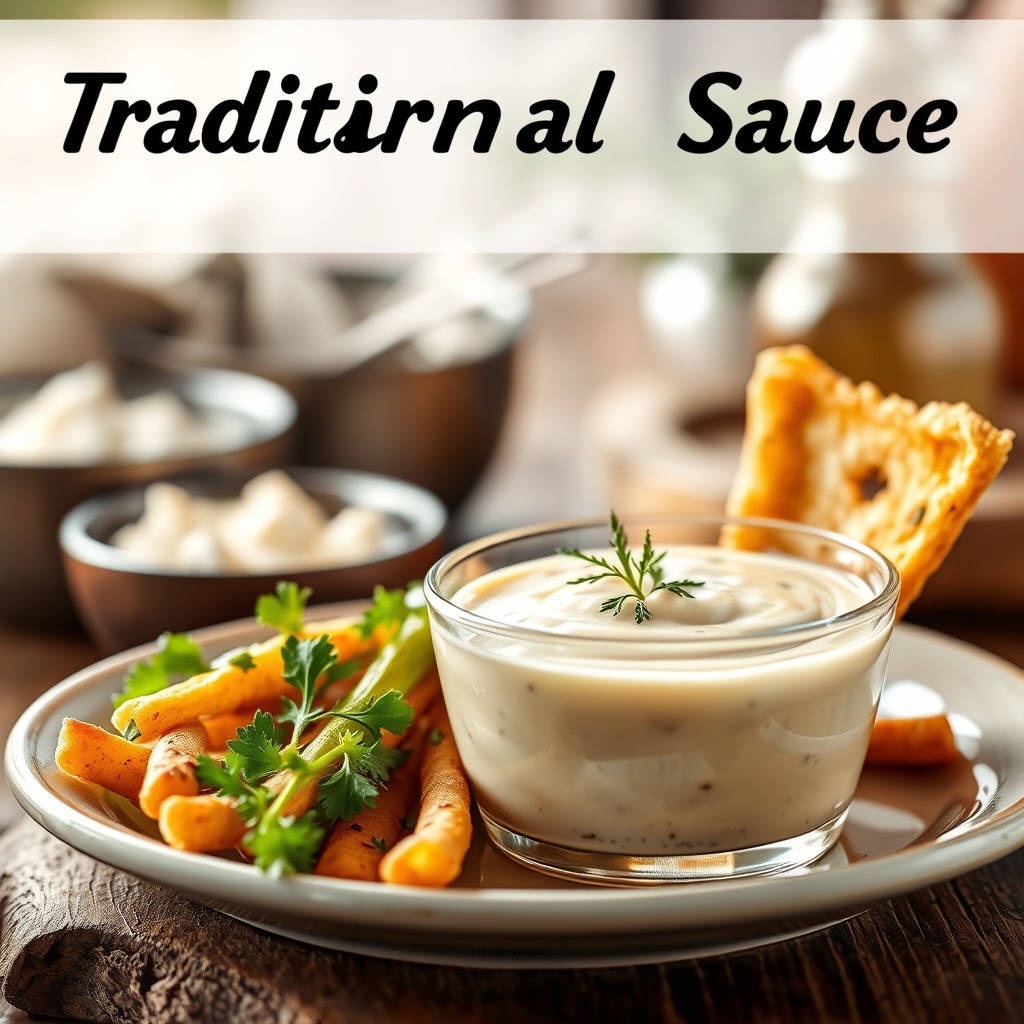
The traditional tartar sauce recipe is a straightforward and delicious addition to any seafood meal. This creamy, tangy condiment is not only easy to prepare at home but also enhances the flavors of various fried fish dishes. In this article, you will discover how to make classic tartar sauce, explore its variations, and learn the best dishes to pair it with, as well as tips for storage and common mistakes to avoid.
Essential Ingredients for Tartar Sauce
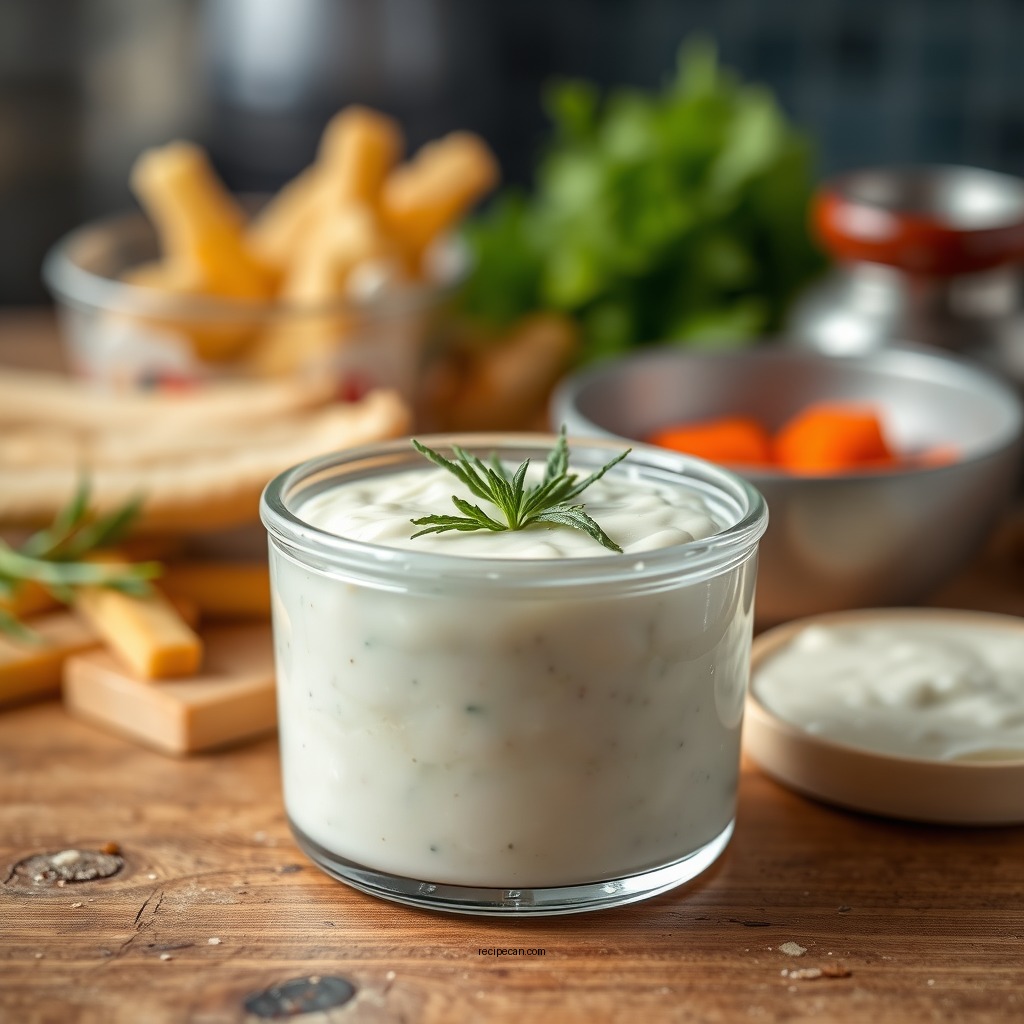
Creating the perfect tartar sauce starts with a few essential ingredients. Each component plays a vital role in achieving that signature taste.
– Mayonnaise: The foundation of any tartar sauce, mayonnaise provides a rich creaminess that acts as the perfect base.
– Pickles: Chopped dill pickles or relish contribute a delightful tang and crunch, enhancing the overall flavor profile.
– Lemon juice: Freshly squeezed lemon juice adds brightness and acidity, balancing the richness of the mayonnaise.
These ingredients come together to create a well-rounded sauce that complements a variety of seafood dishes.
Step-by-Step Preparation
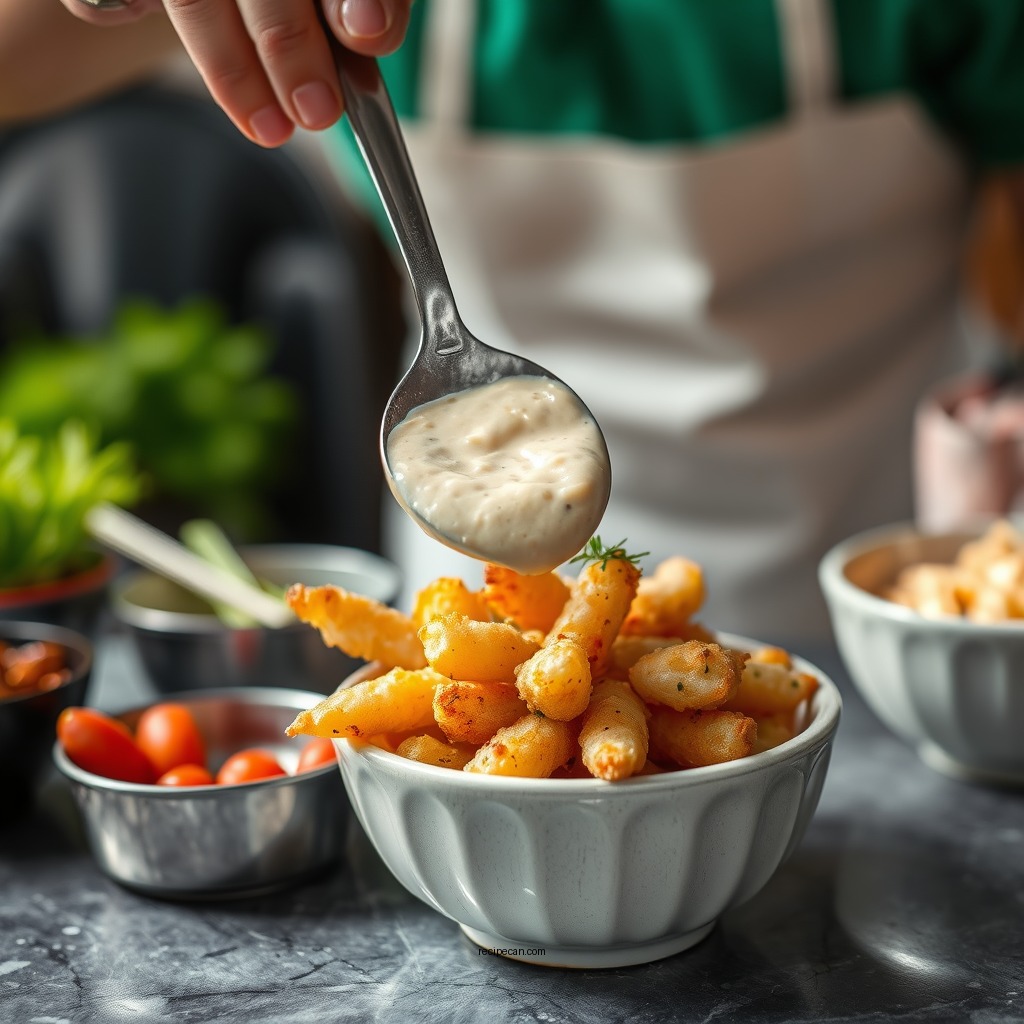
Preparing traditional tartar sauce is a simple process that takes only a few minutes. Here’s how to do it:
1. Combine ingredients: In a medium bowl, mix together one cup of mayonnaise, half a cup of finely chopped dill pickles (or relish), and one tablespoon of freshly squeezed lemon juice. Stir until the ingredients are well blended.
2. Season: Taste the mixture and season with salt and pepper as needed. Adjust the seasoning according to your preference for a personalized touch.
3. Chill: For the best flavor, cover the bowl with plastic wrap and refrigerate the sauce for at least 30 minutes. This resting period allows the flavors to meld beautifully.
Following these steps will yield a fresh and flavorful tartar sauce that can elevate any seafood dish.
Variations of Tartar Sauce
While the classic tartar sauce is delicious on its own, there are numerous variations you can try to suit your taste or dietary preferences:
– Herbed tartar sauce: Incorporate fresh herbs like dill, parsley, or chives into the sauce for an aromatic twist that adds freshness.
– Spicy tartar sauce: For those who enjoy a kick, mixing in a dash of hot sauce, sriracha, or cayenne pepper can give your sauce a spicy edge.
– Capers or olives: Adding finely chopped capers or olives can introduce a briny flavor, providing a unique twist to the traditional recipe.
These variations not only enhance the flavor but also allow you to customize the tartar sauce to match the specific seafood dish you are serving.
Top 7 Variations of Tartar Sauce
| # | Variation | Key Ingredients | Flavor Profile |
|---|---|---|---|
| 1 | Herbed Tartar Sauce | Dill, Parsley | Fresh, Aromatic |
| 2 | Spicy Tartar Sauce | Hot Sauce, Cayenne | Spicy, Zesty |
| 3 | Capers Tartar Sauce | Capers, Mayonnaise | Briny, Tangy |
| 4 | Olive Tartar Sauce | Olives, Garlic | Savory, Unique |
| 5 | Avocado Tartar Sauce | Avocado, Lime | Creamy, Fresh |
| 6 | Curry Tartar Sauce | Curry Powder, Mayo | Warm, Exotic |
| 7 | Sweet Tartar Sauce | Honey, Mayo | Sweet, Smooth |
Best Dishes to Serve with Tartar Sauce
Tartar sauce is a versatile condiment that pairs exceptionally well with many seafood dishes. Here are some of the best pairings:
– Fried fish: This is the quintessential pairing. Whether you are serving fish and chips or crispy fried cod, tartar sauce enhances the dish’s flavor.
– Seafood sandwiches: Tartar sauce complements shrimp or fish sandwiches, adding a rich creaminess that balances the texture of the seafood.
– Raw seafood: It works beautifully as a dipping sauce for crab cakes, fried calamari, or even as an accompaniment to oysters on the half shell.
By serving tartar sauce with these dishes, you create a delightful dining experience that will leave your guests satisfied.
Best Seafood Dishes to Pair with Tartar Sauce
Storage Tips for Tartar Sauce
To ensure your homemade tartar sauce stays fresh and flavorful, follow these storage tips:
– Refrigeration: Store the tartar sauce in an airtight container in the refrigerator. Properly stored, it can last for up to a week, allowing you to enjoy it over multiple meals.
– Freezing: For long-term storage, consider freezing the sauce in small portions. However, keep in mind that the texture may change upon thawing, so it’s best used in cooked dishes rather than as a dip after freezing.
By adhering to these storage guidelines, you can enjoy your tartar sauce long after it’s been made.
Common Mistakes to Avoid
While making tartar sauce is a straightforward process, there are common pitfalls to avoid to ensure the best flavor:
– Skipping the chilling step: Not allowing the sauce to chill can result in a bland taste. The chilling process is crucial for melding the flavors, so always make time for it.
– Over-seasoning: It’s important to balance the flavors. Adding too much salt, pepper, or other seasonings can overpower the creamy base of the mayonnaise.
By keeping these tips in mind, you can create a delicious and balanced tartar sauce every time.
Serving Suggestions
To maximize the enjoyment of your tartar sauce, consider these serving suggestions:
– Pair with sides: Serve tartar sauce alongside crispy potato fries or onion rings for a complete meal. The creamy sauce complements the crunch of the fried sides perfectly.
– Use as a dip: Tartar sauce is also great as a dip for vegetable platters or as a condiment for sandwiches, enhancing the overall flavor experience.
These suggestions will not only elevate your dishes but also impress your guests.
Summarizing the traditional tartar sauce recipe, it’s a straightforward blend of mayonnaise, pickles, and lemon juice that can be easily customized. By following the steps outlined, you can create a delicious sauce that elevates your seafood dishes. Try making it at home today and explore the various ways to enjoy this classic condiment!
Frequently Asked Questions
What are the main ingredients in a traditional tartar sauce recipe?
A traditional tartar sauce recipe typically includes mayonnaise, chopped pickles or relish, capers, lemon juice, and seasonings such as salt and pepper. These ingredients combine to create a creamy, tangy sauce that perfectly complements fried seafood dishes.
How can I make homemade tartar sauce from scratch?
To make homemade tartar sauce from scratch, combine 1 cup of mayonnaise with 2 tablespoons of finely chopped pickles or relish, 1 tablespoon of capers, and 1 teaspoon of lemon juice. Stir in salt and pepper to taste, and feel free to add fresh herbs like dill or parsley for added flavor.
Why is homemade tartar sauce better than store-bought?
Homemade tartar sauce is often considered better than store-bought because you can control the ingredients, ensuring freshness and quality. Additionally, making it at home allows you to customize flavors to your preference, such as adjusting the level of tanginess or spice.
What is the best way to store tartar sauce?
The best way to store tartar sauce is in an airtight container in the refrigerator, where it can last for up to one week. Make sure to give it a good stir before using, as the ingredients may separate after sitting.
Which dishes pair well with traditional tartar sauce?
Traditional tartar sauce pairs exceptionally well with fried seafood such as fish and chips, calamari, and shrimp. It also complements grilled fish, crab cakes, and even vegetable fritters, adding a delicious tangy flavor to a variety of dishes.
References
- Tartar sauce
https://en.wikipedia.org/wiki/Tartar_sauce - Tartar sauce | food | Britannica
https://www.britannica.com/topic/tartar-sauce - Google Scholar Google Scholar
https://scholar.google.com/scholar?q=traditional+tartar+sauce+recipe - https://www.ncbi.nlm.nih.gov/pmc/articles/PMC7831671/
https://www.ncbi.nlm.nih.gov/pmc/articles/PMC7831671/ - Google Scholar Google Scholar
https://scholar.google.com/scholar?q=tartar+sauce+culinary+history - https://www.sciencedirect.com/topics/food-science/tartar-sauce
https://www.sciencedirect.com/topics/food-science/tartar-sauce - https://www.nutrition.gov/topics/nutrition-education/recipes
https://www.nutrition.gov/topics/nutrition-education/recipes - Physiology, Left Ventricular Function – StatPearls – NCBI Bookshelf
https://www.ncbi.nlm.nih.gov/books/NBK541098/ - https://www.cdc.gov/nutrition/resources-publications/healthy-eating.html
https://www.cdc.gov/nutrition/resources-publications/healthy-eating.html - https://www.foodsafety.gov/food-safety-charts/safe-food-handling-tips
https://www.foodsafety.gov/food-safety-charts/safe-food-handling-tips