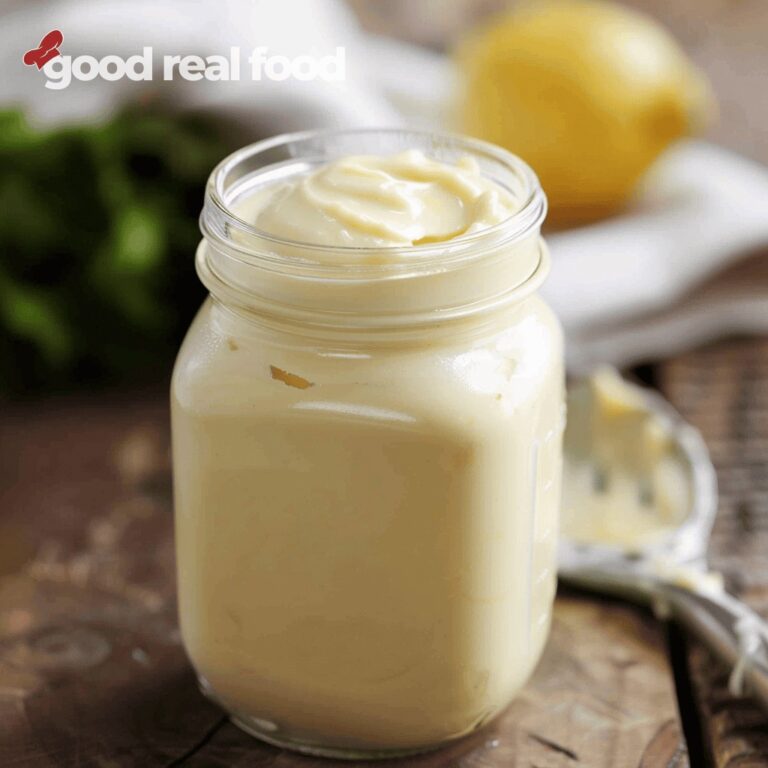
A traditional mayonnaise recipe offers the rich, creamy texture and flavor that store-bought versions simply can’t match. This step-by-step guide reveals the secrets to creating the perfect homemade mayonnaise, ensuring freshness and quality in every bite. Say goodbye to artificial additives and elevate your culinary creations with this timeless staple. Discover how easy it is to whip up your own mayonnaise and impress your guests with unmatched taste.
Making traditional mayonnaise is simple and requires just a few basic ingredients: egg yolks, oil, lemon juice, and mustard. This homemade condiment is not only fresher than store-bought versions but also allows you to customize flavors to suit your palate. In this guide, you’ll learn how to whip up a creamy and delicious mayonnaise that’s perfect for sandwiches, salads, or as a base for various dips and sauces.
Ingredients You’ll Need
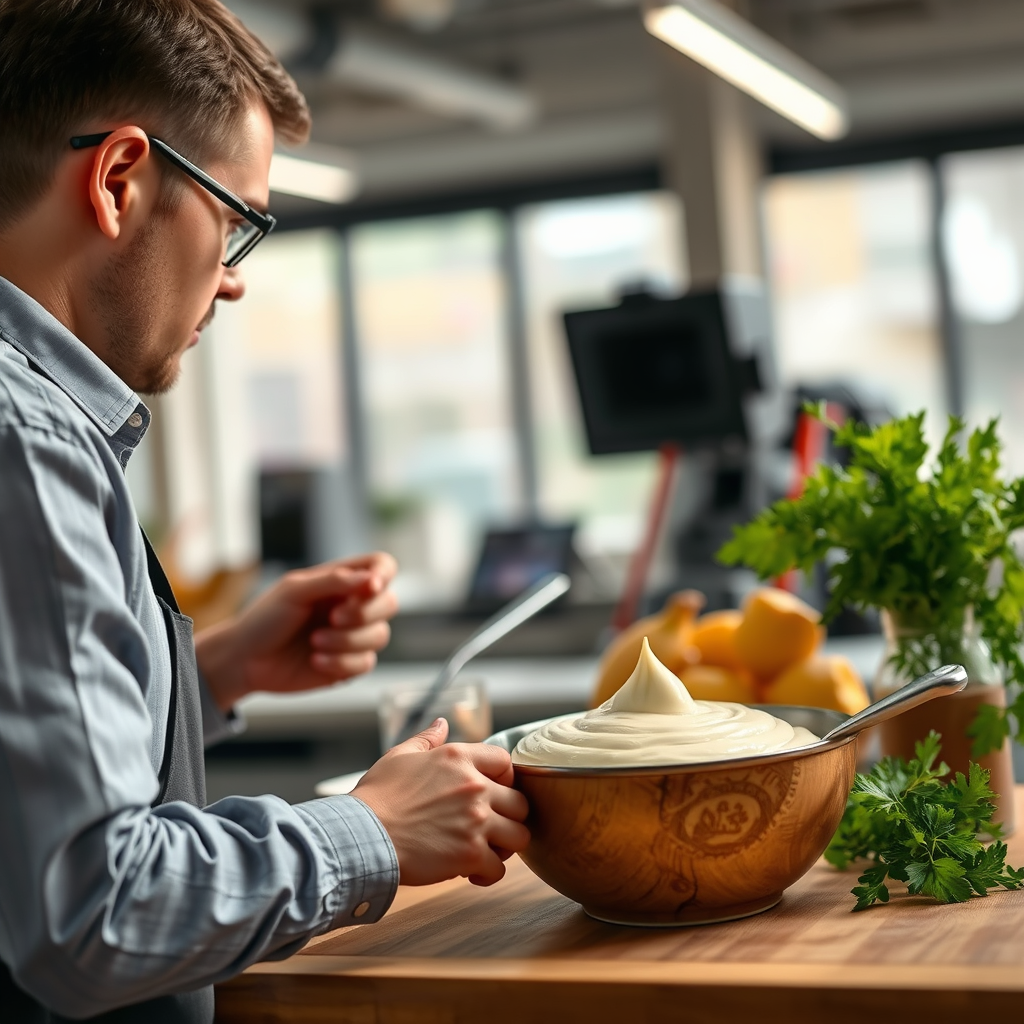
To create traditional mayonnaise, you will need the following key ingredients:
– Fresh egg yolks: These provide a rich, creamy base and essential emulsifying properties essential for a stable mayonnaise.
– Neutral oil: Oils such as canola, grapeseed, or vegetable oil work best for emulsification, as they do not impart strong flavors to the mayonnaise.
– Fresh lemon juice or vinegar: The acidity from these ingredients brightens the flavor of the mayonnaise and helps stabilize the emulsion.
– Dijon mustard: While optional, mustard adds a subtle flavor and aids in the emulsification process.
Choosing high-quality ingredients is crucial for achieving the best flavor and texture in your mayonnaise.
Equipment Required
To make mayonnaise effectively, you will need the following equipment:
– Mixing bowl or food processor: A large mixing bowl is sufficient if you prefer the traditional whisking method. Alternatively, a food processor can make the process quicker and easier.
– Whisk or immersion blender: A whisk allows for more control over the emulsification process, while an immersion blender can create a smooth texture in a fraction of the time.
– Measuring cups and spoons: Accurate measurements ensure the right balance of flavors and consistency.
Having the right equipment not only simplifies the process but also enhances the outcome of your homemade mayonnaise.
Step-by-Step Instructions
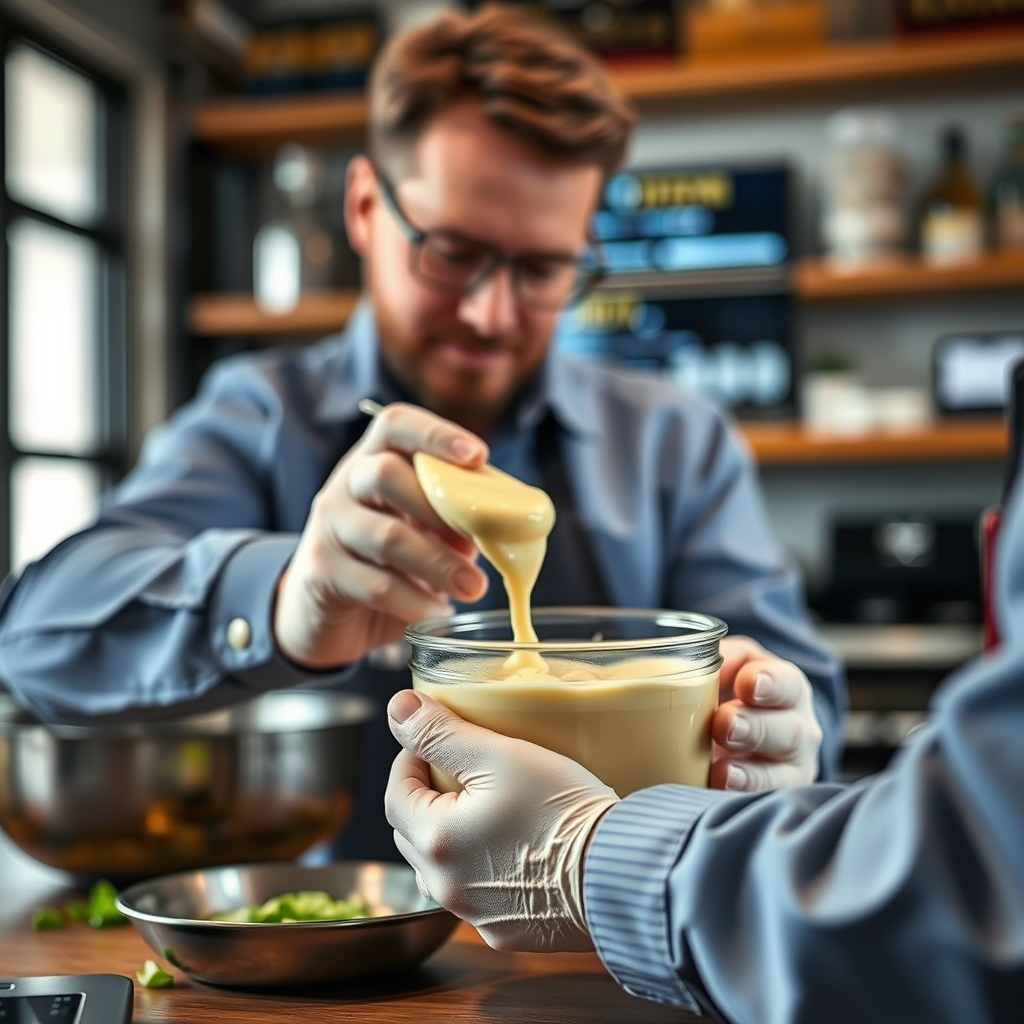
Making mayonnaise is a straightforward process, and following these steps will yield a delightful result:
1. Prepare the base: Start by placing two fresh egg yolks in your mixing bowl or food processor. Add one teaspoon of Dijon mustard for flavor and emulsification.
2. Whisk together: If using a bowl, whisk the egg yolks and mustard together until they are fully combined and slightly frothy. If using a food processor, blend them for about 10 seconds.
3. Add the oil: Gradually pour in about one cup of neutral oil while whisking continuously. Start with just a few drops and slowly increase the flow as the mixture begins to emulsify. If using a food processor, add the oil slowly through the feed tube while the machine is running.
4. Incorporate acidity: Once the mayonnaise has thickened, add one to two tablespoons of fresh lemon juice or vinegar to taste. Continue whisking or blending until fully incorporated and smooth. Adjust seasoning with salt if necessary.
5. Taste and adjust: Taste your mayonnaise and adjust flavors as necessary. If it’s too thick, you can thin it with a little water or additional lemon juice.
The result is a creamy, flavorful mayonnaise that can be used immediately or stored for later.
Mayonnaise Ingredients Comparison (2023)
| # | Ingredient | Quantity | Calories (per tbsp) | Primary Function |
|---|---|---|---|---|
| 1 | Egg Yolks | 2 | 55 | Base & Emulsifier |
| 2 | Vegetable Oil | 1 cup | 120 | Emulsifying Agent |
| 3 | Lemon Juice | 1 tbsp | 4 | Flavor Enhancer |
| 4 | Dijon Mustard | 1 tsp | 3 | Flavor & Emulsifier |
| 5 | Salt | 1/4 tsp | 0 | Flavor Enhancer |
| 6 | White Vinegar | 1 tsp | 0 | Flavor Enhancer |
| 7 | Paprika | 1/4 tsp | 2 | Color & Flavor |
Tips for Perfect Mayonnaise

To ensure your mayonnaise turns out perfectly every time, consider these valuable tips:
– Use room temperature ingredients: Cold ingredients can cause the emulsion to break. Allow your eggs and oil to come to room temperature before you begin.
– Add oil slowly: Drizzling the oil gradually while whisking or blending allows for a stable emulsion to form. If added too quickly, the mixture may not come together properly.
– Experiment with flavors: Once you master the basic recipe, consider adding herbs, spices, or even garlic for a twist. Fresh dill, chives, or smoked paprika can elevate your mayonnaise to new heights.
These simple adjustments can significantly improve the texture and taste of your homemade mayonnaise.
Common Mistakes to Avoid

Even experienced cooks can encounter pitfalls when making mayonnaise. Here are some common mistakes to steer clear of:
– Using cold ingredients: As mentioned, cold ingredients hinder emulsification. Make sure everything is at room temperature.
– Adding too much oil too quickly: This can cause the mayonnaise to break, resulting in a thin, oily mixture instead of a thick, creamy consistency.
– Not whisking or blending enough: Insufficient mixing can lead to a grainy texture. Ensure you whisk thoroughly until the mixture is smooth and fully emulsified.
Avoiding these mistakes will help you achieve a successful batch of mayonnaise.
Storage and Shelf Life
Proper storage is essential to maintain the freshness and safety of your homemade mayonnaise:
– Storage: Keep mayonnaise in an airtight container in the refrigerator. Glass jars or plastic containers with tight-fitting lids work well.
– Shelf life: Homemade mayonnaise is best consumed within one week for optimal flavor and freshness. Always label your container with the date of preparation.
– Check for freshness: Before using, inspect the mayonnaise for any off smells, discoloration, or separation. If any changes are noted, it’s best to discard it.
By following these storage guidelines, you can enjoy your homemade mayonnaise safely.
Making your own mayonnaise is not only easier than you might think, but it also allows you to control the ingredients and customize flavors to your liking. With just a few simple steps and ingredients, you can elevate your dishes with this classic condiment. Try it today and enjoy the freshness of homemade mayonnaise, which can serve as a base for countless recipes or stand alone as a delicious dip.
Frequently Asked Questions
What are the main ingredients in a traditional mayonnaise recipe?
A traditional mayonnaise recipe typically includes egg yolks, neutral oil (like vegetable or canola oil), vinegar or lemon juice, and mustard. These ingredients create a rich, creamy emulsion that is the foundation of classic mayonnaise, providing both flavor and texture.
How do you make mayonnaise from scratch without a blender?
To make mayonnaise from scratch without a blender, start by whisking together egg yolks, mustard, and a pinch of salt in a bowl. Slowly drizzle in the oil while continuously whisking until the mixture thickens and emulsifies. Finally, add vinegar or lemon juice to taste, adjusting for acidity.
Why is it important to use room temperature ingredients in mayonnaise?
Using room temperature ingredients in mayonnaise is crucial because it helps the oil and egg yolks emulsify more effectively, resulting in a stable and creamy texture. Cold ingredients can cause the emulsion to break, leading to a runny or separated mayonnaise.
What is the best oil to use for homemade mayonnaise?
The best oil to use for homemade mayonnaise is a neutral-flavored oil, such as canola, grapeseed, or sunflower oil. These oils allow the natural flavor of the egg and vinegar or lemon juice to shine through without overpowering the mayonnaise’s overall taste.
Which tools are best for making traditional mayonnaise easily?
The best tools for making traditional mayonnaise easily include a whisk for hand mixing, a bowl for combining ingredients, and a slow-pouring oil container for controlled emulsification. Alternatively, using an immersion blender can simplify the process, allowing for quick emulsification and a smooth consistency.
References
- Mayonnaise
https://en.wikipedia.org/wiki/Mayonnaise - Physicians and nurses’ knowledge and attitudes towards advance directives for cancer patients in …
https://www.ncbi.nlm.nih.gov/pmc/articles/PMC6461283/ - https://www.sciencedirect.com/topics/food-science/mayonnaise
https://www.sciencedirect.com/topics/food-science/mayonnaise - Page Not Found – Site Help – Mayo Clinic
https://www.mayoclinic.org/healthy-lifestyle/nutrition-and-healthy-eating/expert-answers/mayonnaise/faq-20058344 - https://www.bbc.co.uk/food/recipes/mayonnaise_90254
https://www.bbc.co.uk/food/recipes/mayonnaise_90254 - https://www.theguardian.com/food/2020/jun/06/how-to-make-perfect-mayonnaise
https://www.theguardian.com/food/2020/jun/06/how-to-make-perfect-mayonnaise - https://www.nytimes.com/2021/05/25/dining/mayonnaise-recipe.html
https://www.nytimes.com/2021/05/25/dining/mayonnaise-recipe.html - Google Scholar Google Scholar
https://scholar.google.com/scholar?q=traditional+mayonnaise+recipe - https://scholar.google.com/scholar?q=homemade+mayonnaise Google Scholar
https://scholar.google.com/scholar?q=homemade+mayonnaise - Google Scholar Google Scholar
https://scholar.google.com/scholar?q=mayonnaise+culinary+history