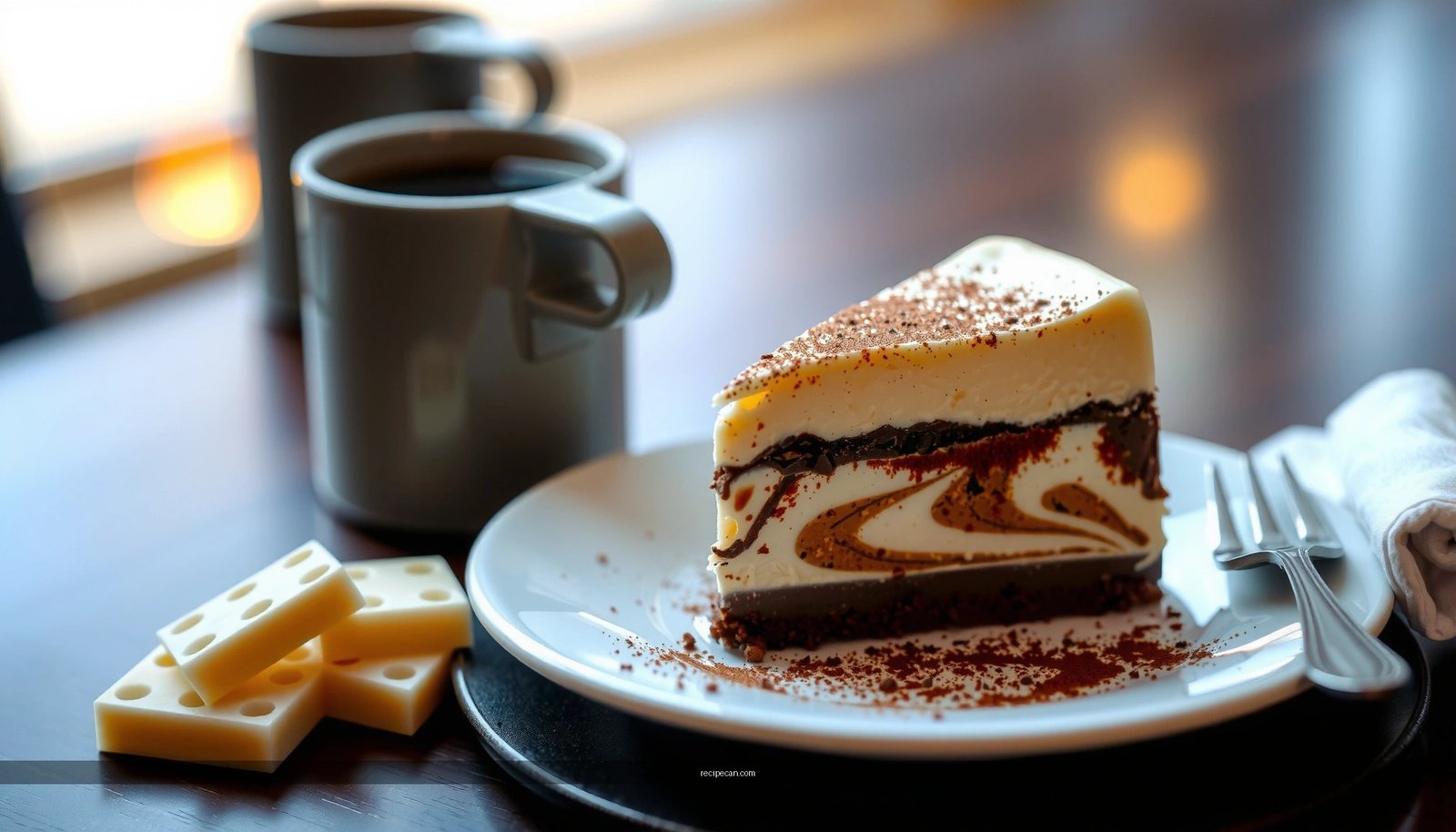
This vegetarian tiramisu recipe delivers a classic, crowd-pleasing dessert with straightforward steps, no shortcuts that compromise flavor. If you want easy, reliable instructions for making tiramisu without meat-based ingredients, this guide tells you exactly what to do—from preparing the creamy filling to layering and serving. Follow it and you’ll get the signature coffee-soaked layers and cocoa finish you expect every time.
Make vegetarian tiramisu by using egg-free/safely vegetarian egg alternatives and keeping the classic structure—espresso-soaked layers, a creamy mascarpone-style filling, and a cocoa finish. Below is a clear, step-by-step vegetarian tiramisu recipe that preserves the familiar flavor profile while giving you a reliable method for texture, sliceability, and bold coffee taste.
You don’t need eggs to get that classic tiramisu “lift.” The key is building a filling that’s stable when chilled (so layers hold) and controlling the ladyfinger dip time (so the dessert stays creamy, not soggy). With a few swaps—especially around the mascarpone/cream mixture and any egg-based components—you can achieve a restaurant-quality dessert that works for vegetarians and egg-free diets alike.
Vegetarian-Friendly Ingredients to Use

Vegetarian tiramisu is easiest when you start with ingredient clarity. Traditional tiramisu is egg-dependent in some versions (e.g., zabaglione or custard-style fillings), but you can keep the spirit of the recipe using egg-free methods that still deliver the signature creamy mouthfeel.
Use mascarpone and whipped cream (or a vegetarian cream substitute)
– Mascarpone is the foundation: sweet, tangy, and naturally rich.
– If you want more stability and a lighter texture, whip heavy cream (or a high-fat vegetarian cream alternative) and fold it into mascarpone. This helps the filling set firmly in the fridge.
Choose egg-free options like aquafaba or a vegetarian custard alternative
– If your tiramisu version needs an “airy” component, aquafaba (the liquid from canned chickpeas) can be whipped into soft peaks and folded in gently. It adds lightness without eggs.
– If you prefer a custard-like base, look for vegetarian, egg-free custard alternatives (often based on starches) that can be cooked and cooled before folding.
Confirm your ladyfingers are vegetarian (check labels for additives)
Many ladyfingers are made without eggs from a vegetarian standpoint—but not all. Some products may contain dairy, honey, or egg-derived additives, depending on the brand and country.
Actionable tip: check labels for ingredients like egg powder, albumin, egg lecithin, or “may contain” statements that could affect dietary compliance. When in doubt, use a brand specifically labeled vegetarian.
| # | Vegetarian Ingredient Choice | What It Replaces / Provides | Typical Best Use in Tiramisu | Texture Success Rating (★ out of 5) |
|—:|—|—|—|—|
| 1 | Aquafaba (whipped) | Egg-based aeration | Folding into mascarpone for light, mousse-like body | ★★★★★ |
| 2 | Whipped heavy cream | Egg-free lift + stability | Softening mascarpone for clean slices | ★★★★★ |
| 3 | Mascarpone (full-fat) | Base creaminess + tang | Main creamy layer | ★★★★★ |
| 4 | Plant-based mascarpone-style cream | Dairy-free/alt richness | If dairy-free is required while keeping tang | ★★★★☆ |
| 5 | Egg-free vanilla pudding (starch-based) | Set custard structure | A firmer filling alternative to cream-only | ★★★★☆ |
| 6 | Thick yogurt (Greek-style, strained) + cream | Tang + body | Substitute when you need extra tang without eggs | ★★★☆☆ |
| 7 | Store-bought egg-free ladyfingers | Classic soak-ready cake layer | Holds espresso soak without becoming paste-like | ★★★★☆ |
Espresso and Flavor Base
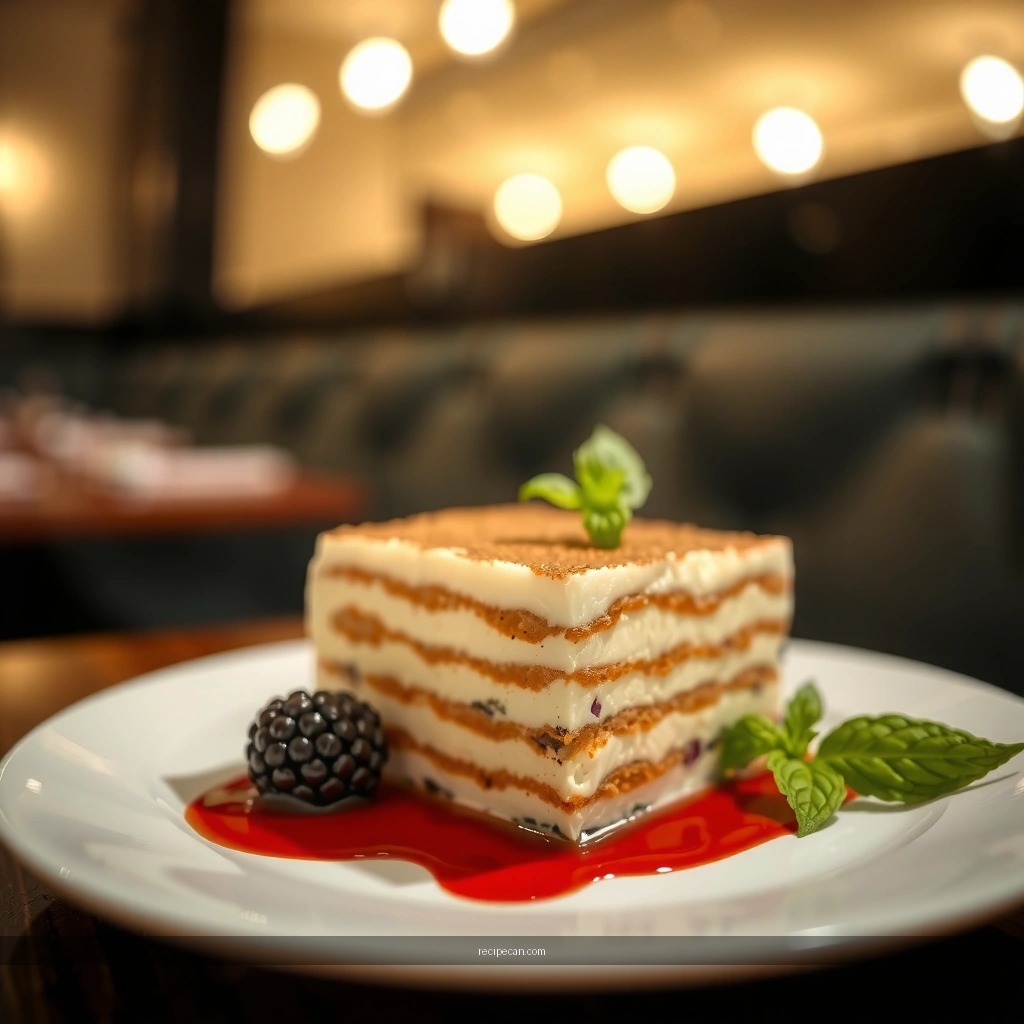
The flavor base is where vegetarian tiramisu truly earns its “classic” status. Your filling may be egg-free, but your coffee needs to be assertive and your soaking needs to be precise.
Brew strong espresso (or espresso concentrate) for bold flavor
– Aim for intense coffee rather than mild drip. If you can, brew espresso; if not, use strong coffee or espresso concentrate.
– The reason: tiramisu’s richness can mute subtle coffee notes.
Mix coffee with a splash of sugar and optional vanilla
– A small amount of sugar helps balance mascarpone’s tang and cocoa’s bitterness.
– Optional vanilla (a few drops or a small amount of vanilla extract) rounds out the coffee aroma.
Cool the coffee slightly so it doesn’t make layers too runny
– Dip temperature matters. If the espresso mixture is too hot, ladyfingers absorb quickly and fat-based fillings can soften unevenly.
– Let the coffee cool to room temperature or slightly cool.
Practical calibration:
If your ladyfingers break easily when dipped, your coffee is likely too warm or too watery. If your coffee tastes weak, increase coffee strength rather than adding more liquid.
Make the Vegetarian Mascarpone Filling
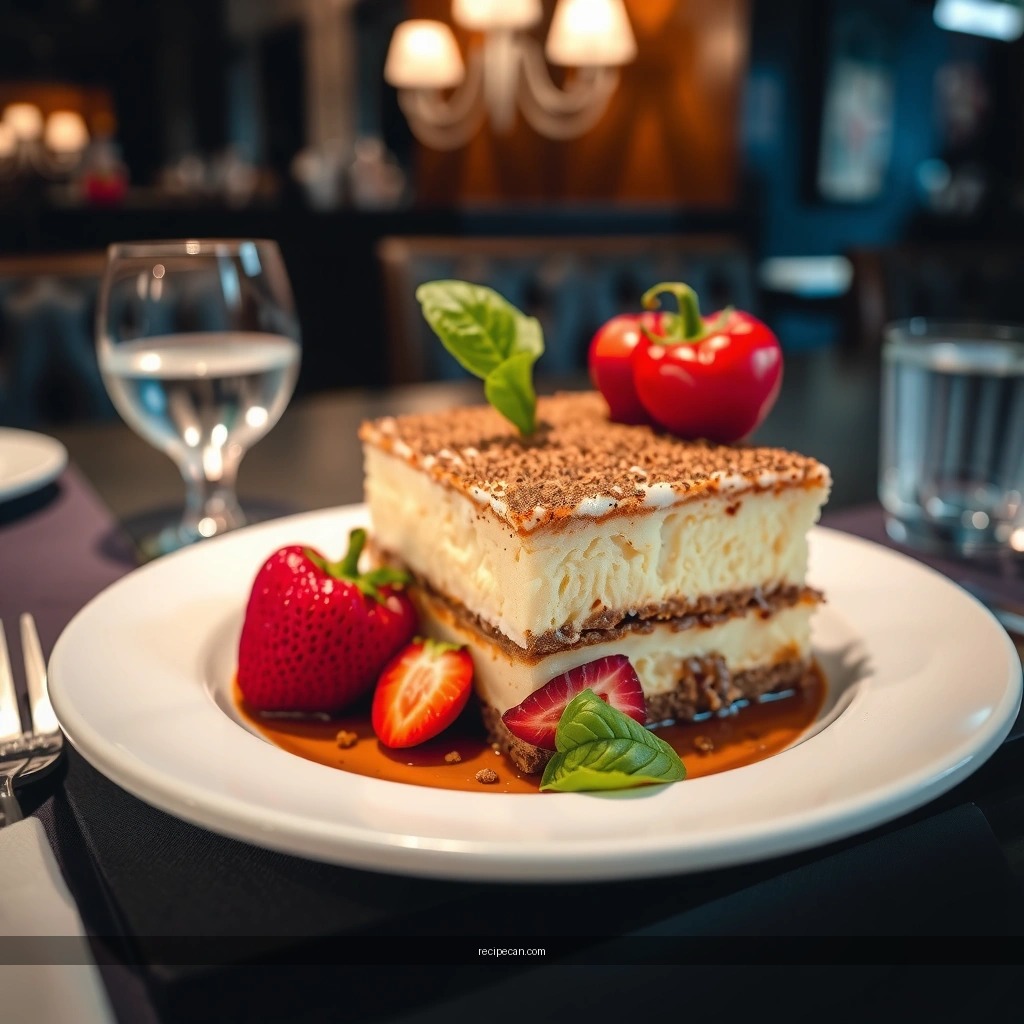
A great vegetarian tiramisu filling behaves like a thick mousse: smooth, spoonable, and stable after chilling. You want it rich enough to taste luxurious but aerated enough to avoid a dense, cheesecake-like bite.
Whip mascarpone until smooth, then fold in lightly whipped cream
– Mascarpone can be lumpy if cold—so bring it to room temperature first.
– Whip gently just until smooth, then fold in lightly whipped cream.
– Folding is important: vigorous mixing can deflate air and make the filling heavy.
If using aquafaba, whip to soft peaks and gently fold for airy texture
– Whip aquafaba until it forms soft peaks (it should look airy, not stiff like meringue).
– Fold it into mascarpone/cream in stages. Keep the motion gentle—think “turning” rather than “stirring.”
Taste and adjust sweetness before assembling
– Don’t wait until the end. Tiramisu is layered, so sweetness will be distributed throughout.
– Adjust with powdered sugar or a small amount of sweetener until the filling tastes “dessert-ready,” not flat.
Texture checkpoint:
When spooned, the filling should fall slowly, holding soft ridges briefly. If it’s runny, chill the mixture 15–20 minutes before assembling.
Layering Like Classic Tiramisu
This is where most homemade tiramisu succeeds—or turns soggy. The classic method uses quick dips to flavor the ladyfingers without saturating them.
Dip ladyfingers quickly—just long enough to coat, not soak through
– Aim for 1–2 seconds per side (less for thinner ladyfingers).
– You’re trying to moisten the sponge surface, not fully soak the interior.
– If using a tray-style assembly, move efficiently: dip → place → repeat.
Spread filling evenly between layers for clean, sliceable structure
– Use an offset spatula to smooth the filling.
– Uneven filling thickness can cause the top layer to compress and smear when sliced.
Repeat layers and finish with a final mascarpone layer
– A common approach is 2–3 layers of ladyfingers (depending on your pan depth).
– Finish with a final mascarpone-style layer so the cocoa sits on a creamy surface, not exposed sponge.
Assembly tip for portion control:
If you’re using a rectangular pan, measure your filling amount per layer so each slice looks consistent. Consistency also helps with serving time—everything sets evenly.
Chill and Serve for Best Texture
Chilling is not optional if you want classic tiramisu behavior: firm layers, creamy centers, and cohesive structure.
Refrigerate at least 4–6 hours (overnight is ideal)
– Minimum: 4–6 hours gives you a set, but the flavors integrate better overnight.
– Overnight chilling also relaxes the coffee into the sponge for a smoother taste.
Dust generously with cocoa right before serving
– Cocoa absorbs moisture over time. Adding it right before serving keeps the surface looking dramatic and tasting fresh.
– Use a fine sieve for an even, elegant cocoa layer.
Slice with a warm knife for neat portions
– Wipe and re-warm the blade between cuts (especially if the knife drags).
– A warm knife cuts through the set filling cleanly without tearing ladyfingers.
Flavor development note:
If you’re making the dessert for a specific event, assemble the tiramisu the day before and dust with cocoa right before guests arrive.
Common Mistakes (and Quick Fixes)
Even with the right vegetarian ingredients, tiramisu is timing-sensitive. Here are the most common problems and how to correct them quickly.
Too-wet ladyfingers: dip faster and use slightly cooler coffee
– Symptom: dessert looks mushy or watery after chilling.
– Fix: shorten dip time, and confirm coffee is room temperature (not hot).
Runny filling: chill longer and ensure cream is properly whipped
– Symptom: filling won’t hold shape, layers slide.
– Fix: whip cream to soft-to-medium peaks, fold gently, and chill the assembled tiramisu longer—often overnight solves it. If it’s still soft, chill in a shallower pan to increase surface firmness.
Flat flavor: use stronger espresso and fresh cocoa topping
– Symptom: tastes sweet but not “tiramisu.”
– Fix: strengthen your espresso/concentrate and top with fresh cocoa just before serving.
Quick troubleshooting reminder:
If texture is off, don’t rush to add more sugar or coffee. First correct the mechanical causes: dip time, whipping consistency, and chilling duration.
A great vegetarian tiramisu is all about balancing the coffee soak, a fluffy mascarpone filling, and enough chilling time for firm layers. Use the ingredient checklist to stay vegetarian-compliant, brew strong espresso for authentic depth, assemble quickly with controlled dipping, and refrigerate overnight—then dust with cocoa and serve. Try this recipe today and make it your go-to meat-free classic dessert.
Frequently Asked Questions
What is a vegetarian tiramisu recipe and what ingredients should I use?
A vegetarian tiramisu recipe is made without meat or gelatin, using classic layers of coffee-soaked ladyfingers and a creamy filling. Common vegetarian ingredients include mascarpone (or a vegetarian-friendly cream cheese substitute), eggs (if you’re okay with eggs) or an egg-free alternative, sugar, brewed espresso/strong coffee, cocoa powder, and vanilla. For a fully vegetarian-friendly result, check labels on any packaged items to confirm they contain no animal-derived ingredients beyond permitted dairy/eggs.
How do I make vegetarian tiramisu without eggs?
To make egg-free tiramisu, you can use a mascarpone-and-cream base where whipped heavy cream is folded into mascarpone and sweetened with sugar, then flavored with vanilla. Some recipes use yogurt or a dairy-free mascarpone substitute to keep the texture rich while avoiding eggs entirely. Keep the layers refrigerated and allow time to set, so the coffee-soaked ladyfingers don’t stay too soft.
Why does my vegetarian tiramisu turn watery, and how can I prevent it?
Watery tiramisu usually happens when the coffee mixture is too wet or the ladyfingers soak too long, causing them to collapse and release liquid. Use quick dips of ladyfingers—just a few seconds per side—and pat off excess espresso if needed. Also, chill the tiramisu for several hours so the mascarpone filling firms up and stabilizes the layers.
What’s the best way to layer vegetarian tiramisu so it slices cleanly?
For clean slices, spread the mascarpone mixture in even layers and avoid over-soaking the ladyfingers. Use a dish with straight sides or a springform-friendly setup, and press the top gently so the tiramisu vegetarian layers settle without being compacted too tightly. Refrigerate at least 4–6 hours (or overnight) before serving, which helps the vegetarian tiramisu maintain structure.
Which vegetarian-friendly mascarpone substitute works best for tiramisu if I can’t find mascarpone?
If mascarpone isn’t available, a common substitute is full-fat cream cheese thinned slightly with a splash of milk or cream, then sweetened and flavored to match the tiramisu taste. Another option is using thick Greek yogurt blended with a little extra cream to mimic the creamy, spreadable texture. For the best results, choose substitutes that are thick and rich, because watery alternatives can make your vegetarian tiramisu lose its signature thickness.
References
- Tiramisu
https://en.wikipedia.org/wiki/Tiramisu - Tiramisu | Meaning, Ingredients, Origin, Desserts, & Taste | Britannica
https://www.britannica.com/topic/tiramisu - Google Scholar Google Scholar
https://scholar.google.com/scholar?q=vegetarian+tiramisu+recipe+mascarpone - Google Scholar Google Scholar
https://scholar.google.com/scholar?q=tiramisu+history+recipe+eggs+mascarpone - Google Scholar Google Scholar
https://scholar.google.com/scholar?q=eggless+tiramisu+recipe+vegetarian - https://cooking.nytimes.com/recipes/1018921-classic-tiramisu
https://cooking.nytimes.com/recipes/1018921-classic-tiramisu - https://www.theguardian.com/food/2015/sep/04/best-tiramisu-recipe-felicity-cloake
https://www.theguardian.com/food/2015/sep/04/best-tiramisu-recipe-felicity-cloake - Google Scholar Google Scholar
https://scholar.google.com/scholar?q=tiramisu+recipe+vegetarian - tiramisu recipe vegetarian – Search results
https://en.wikipedia.org/wiki/Special:Search?search=tiramisu+recipe+vegetarian - https://www.ncbi.nlm.nih.gov/search/research-articles/?term=tiramisu+recipe+vegetarian
https://www.ncbi.nlm.nih.gov/search/research-articles/?term=tiramisu+recipe+vegetarian