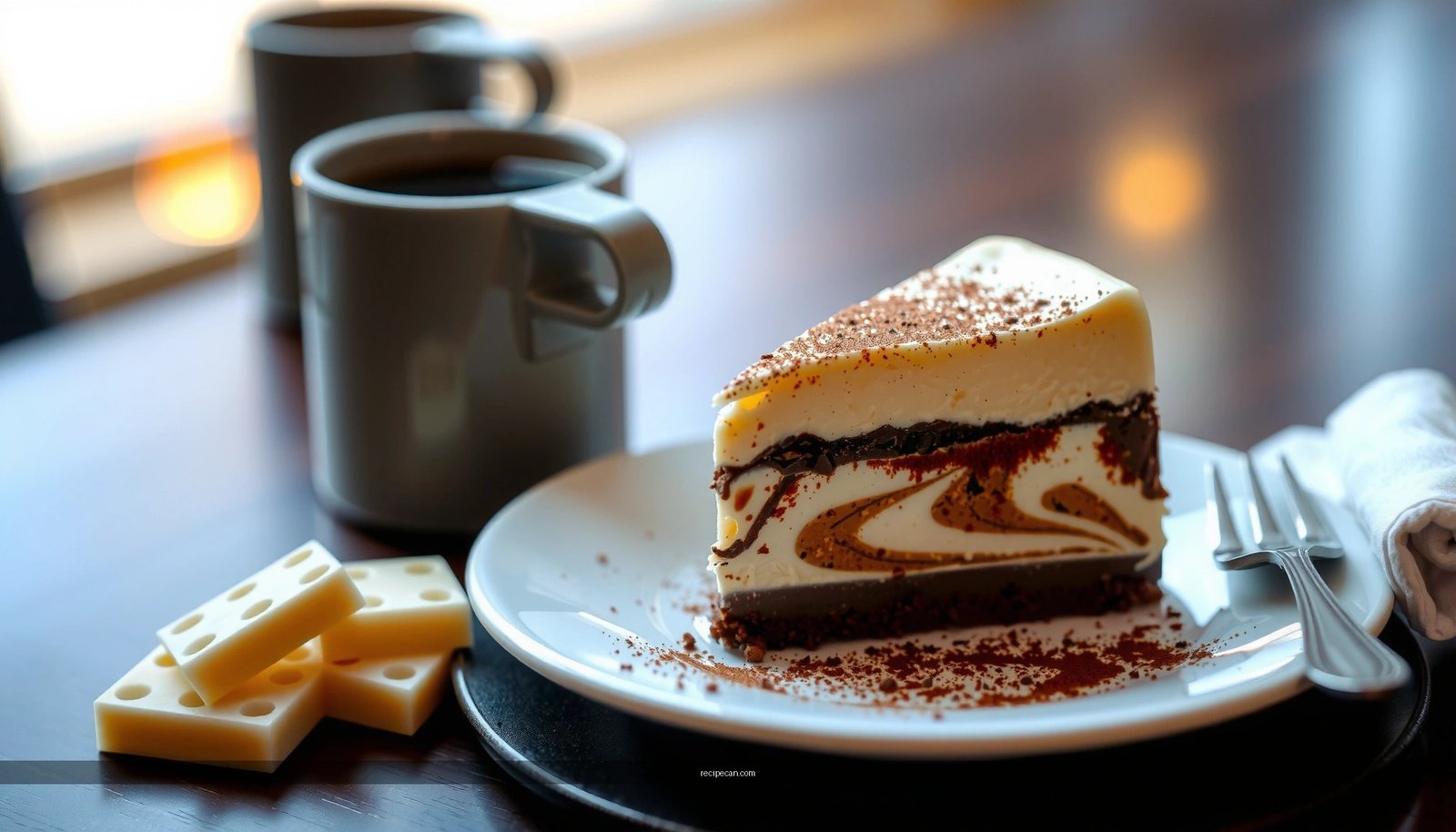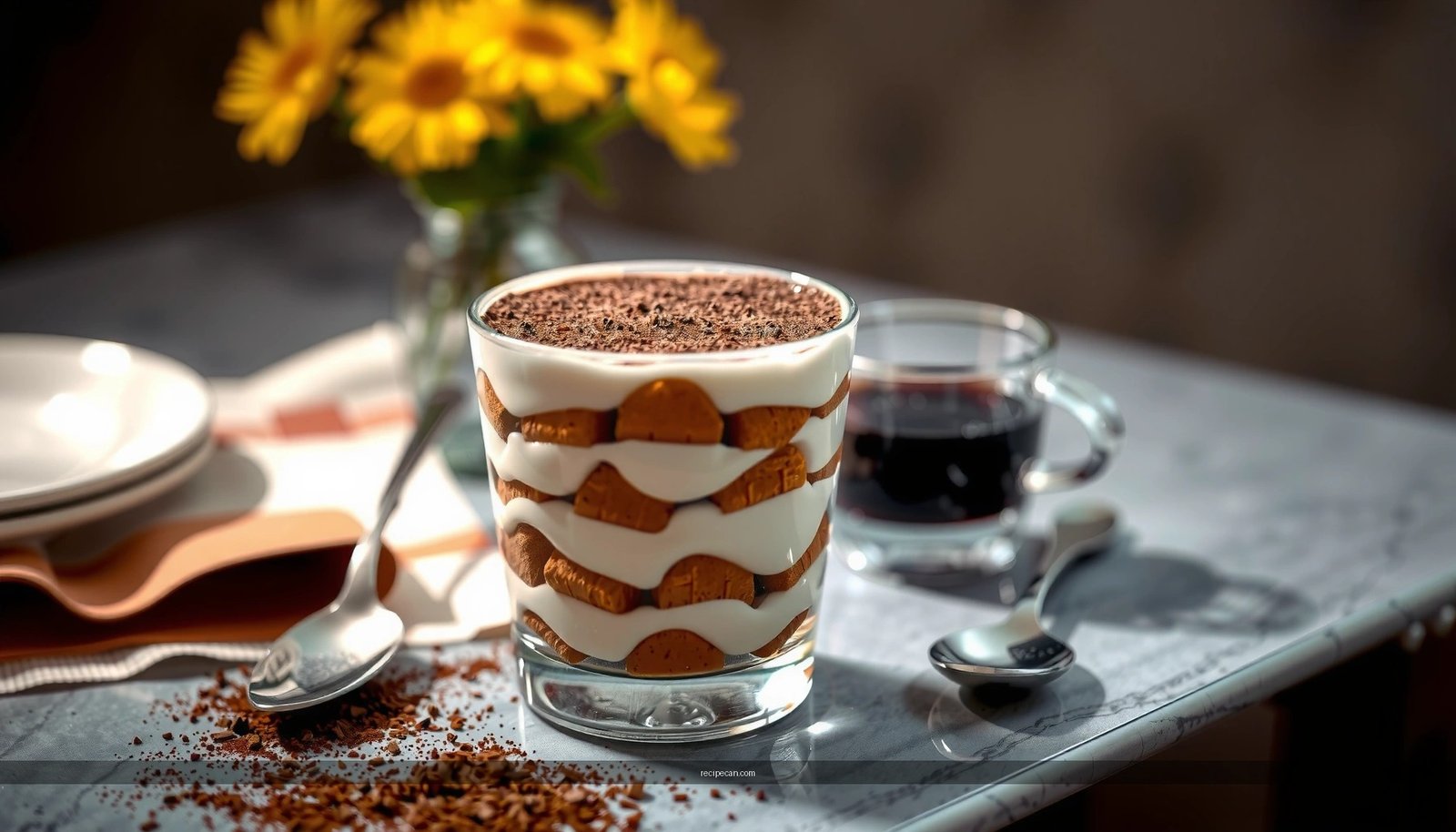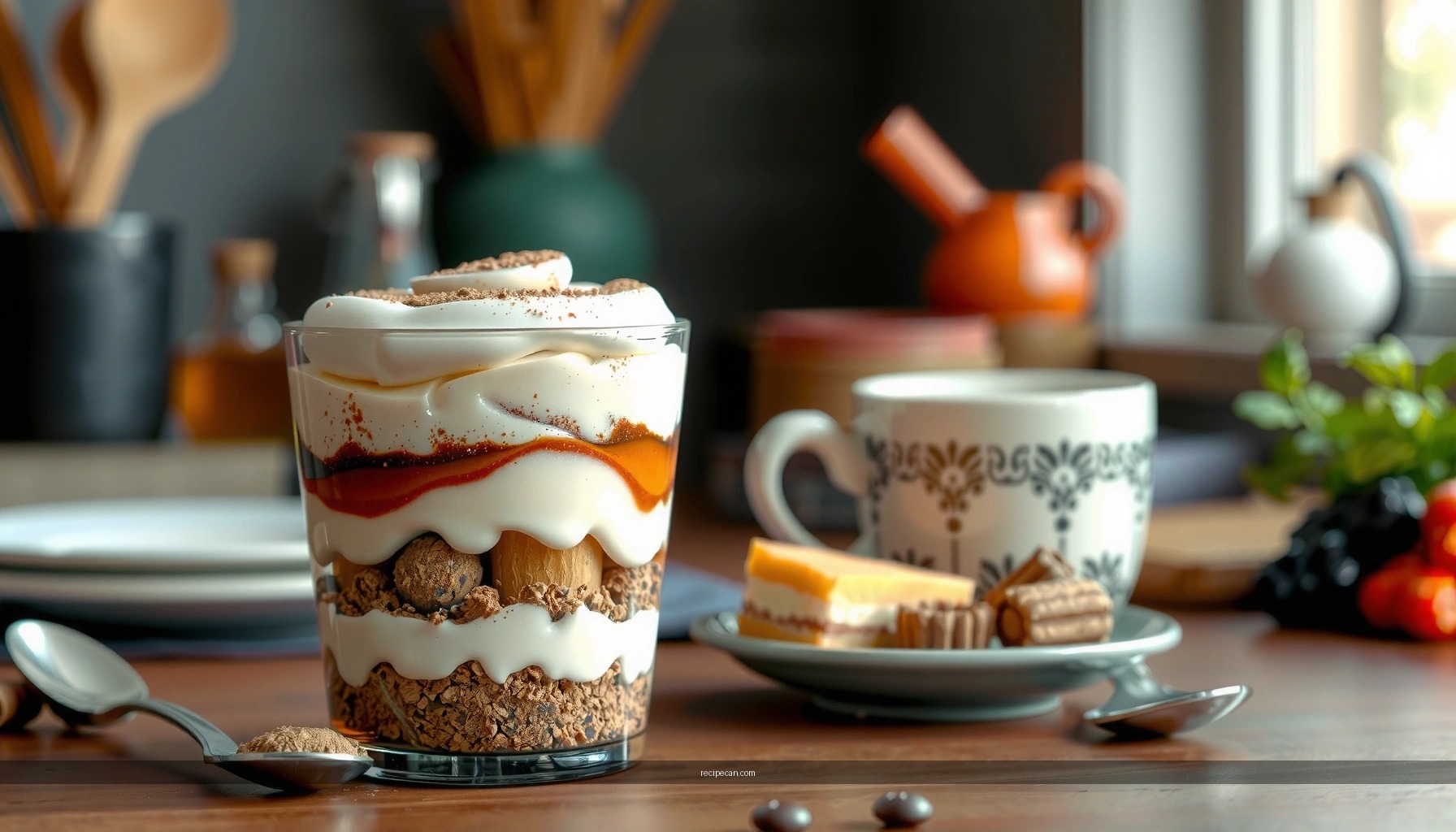
Get a tiramisu real recipe you can trust: this guide delivers authentic tiramisu at home with the right balance of espresso-soaked ladyfingers, mascarpone richness, and cocoa bitterness. Follow the step-by-step method and you’ll know exactly how to assemble it, how long to chill it, and what texture to aim for so it sets cleanly without turning soggy. If you want the closest thing to an Italian-style classic, this is the one.
Yes—you can make truly authentic tiramisu at home by following classic technique: quick coffee-soaked ladyfingers, a mascarpone cream built on properly whipped yolks and whites, and a generous cocoa finish. Below is a reliable, restaurant-style method that keeps the layers clean, the custard airy, and the coffee flavor bold without turning the dessert watery.
Authentic Ingredients for Tiramisu
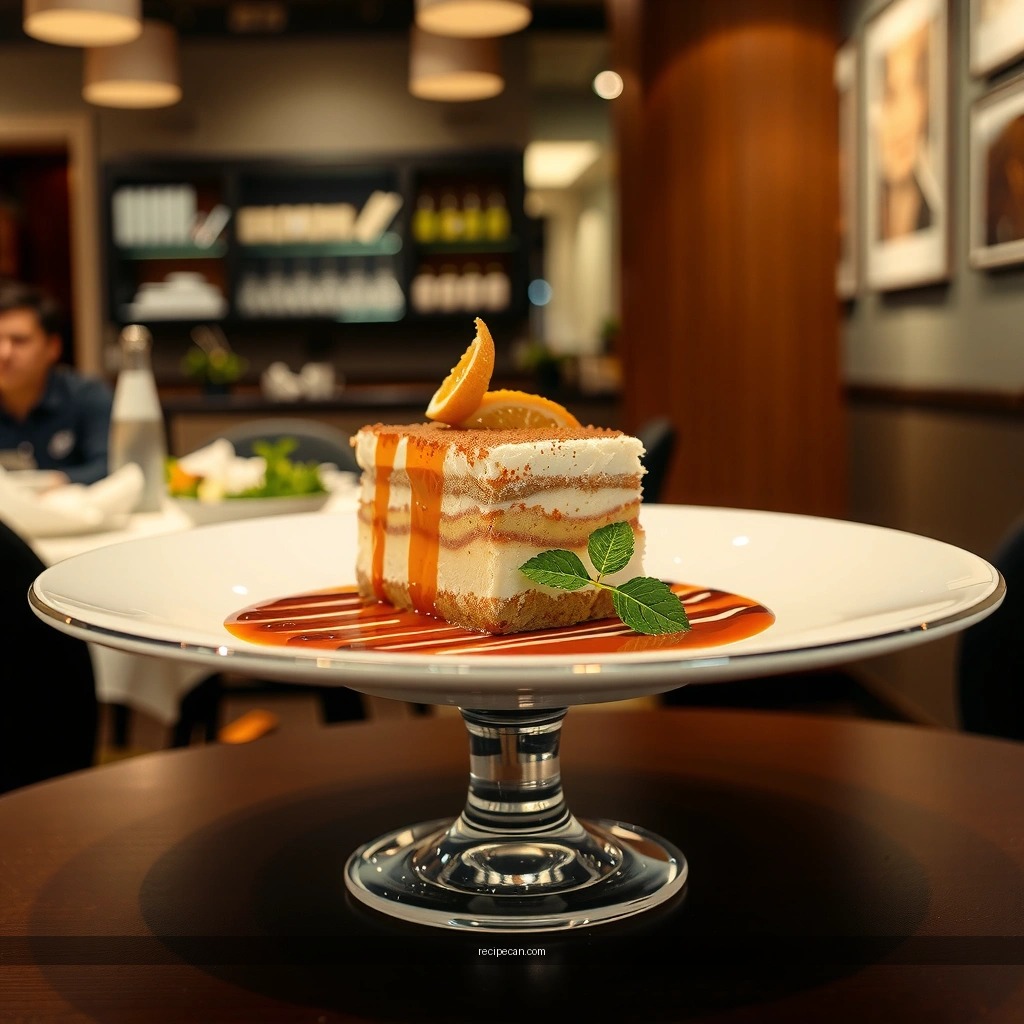
A real tiramisu is built on a short list of high-impact ingredients. When each component is chosen correctly, you don’t need shortcuts—your texture and flavor will align automatically.
– Use mascarpone, espresso (or strong coffee), eggs, sugar, and cocoa powder
– Mascarpone is the signature: rich, tangy, and creamy. Avoid substitutions like cream cheese if you want the authentic mouthfeel.
– Espresso (or strong coffee) provides depth; it should taste like coffee, not like watered-down drip.
– Eggs + sugar create the classic custard-like cream structure.
– Cocoa powder finishes the dessert with an unmistakably Italian-style bitter-sweet balance.
– Choose high-quality coffee for a bold, classic flavor
– For best results, brew espresso or use a very strong coffee concentrate. If you can taste the coffee clearly on its own (bitter, aromatic, slightly caramelized), it will shine in the tiramisu.
– Optional: pure vanilla extract for extra aroma
– Vanilla is optional—some traditional versions omit it. If you add it, use a small amount so the flavor stays dominated by coffee and cocoa.
Authentic Tiramisu Ingredient Choices (Quality Impact Guide)
| # | Component | Authentic Spec | Common Mistake | Impact |
|---|---|---|---|---|
| 1 | Mascarpone | Full-fat, unflavored | Using light/low-fat | ★★★★★ |
| 2 | Espresso | Brew with ~1:2 ratio (coffee:liquid) | Weak coffee or instant brew | ★★★★☆ |
| 3 | Egg yolks | Whip until thick & pale | Over-thinning before folding | ★★★★☆ |
| 4 | Egg whites | Soft peaks only | Whipping to dry peaks | ★★★☆☆ |
| 5 | Ladyfingers | Dip briefly; keep structure | Soak too long (breakdown) | ★★☆☆☆ |
| 6 | Cocoa powder | Unsweetened, finely sifted | Using hot cocoa mix | ★★★★☆ |
| 7 | Instant coffee | Use only if no alternative | Relying on it exclusively | ★☆☆☆☆ |
Prepare the Espresso and Layer Base
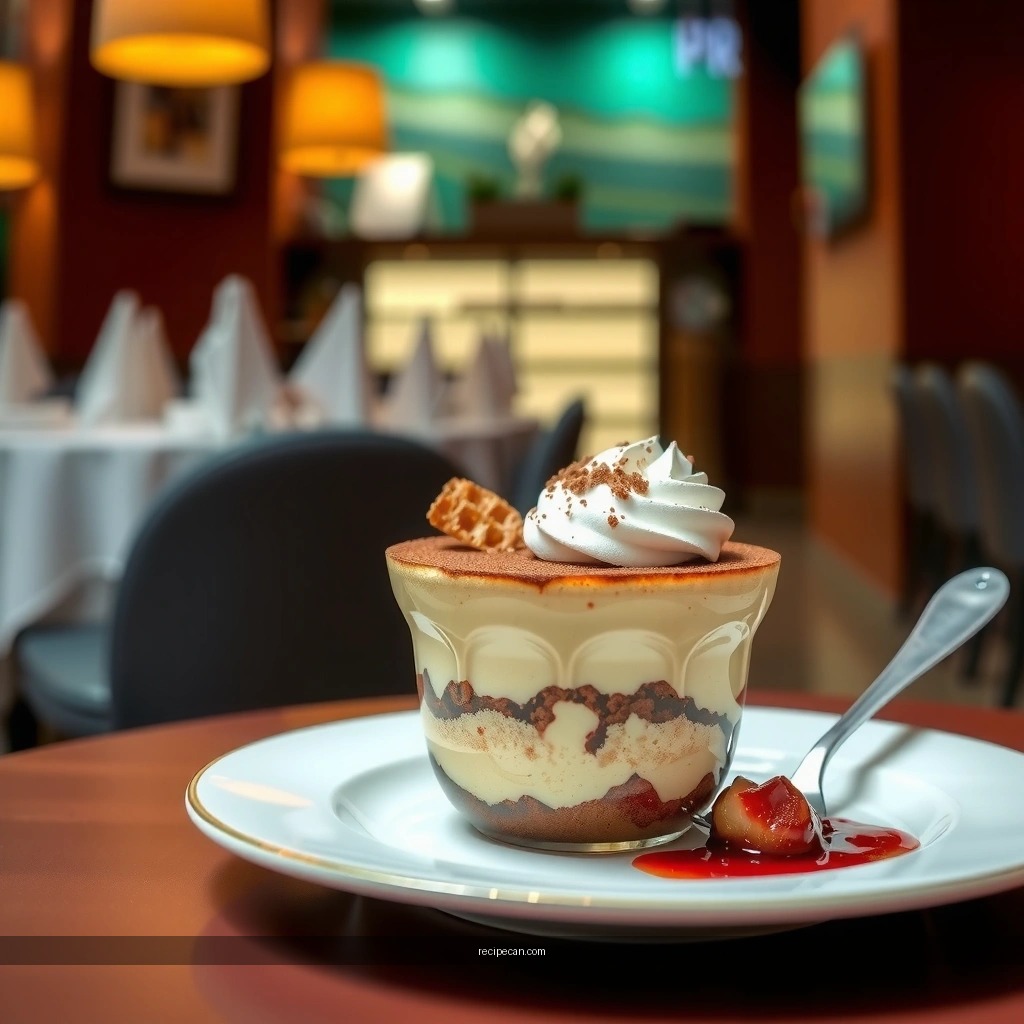
The coffee step is where most home versions diverge from authentic tiramisu. The goal is flavor penetration without structural collapse.
– Brew espresso and let it cool slightly before dipping
– Dip ladyfingers when the coffee is warm, not scalding. Hot coffee accelerates breakdown and can make the bottom layer mushy.
– If you’re using strong coffee instead of espresso, brew it concentrated and let it cool to a similar temperature.
– Use ladyfingers and dip quickly to avoid sogginess
– Dip each side briefly—think 1–2 seconds, then remove.
– If you’re stacking in a baking dish, work efficiently so the ladyfingers don’t linger.
– Keep layers even for clean, professional slices
– Even layering affects both texture and presentation.
– Use a consistent pattern: cream layer, ladyfingers, cream layer—repeat—then finish with cocoa.
Practical tip: If you want “clean slices,” arrange the ladyfingers tightly and press them lightly so the cream doesn’t seep into gaps, which can create uneven thickness.
Make the Real Mascarpone Cream
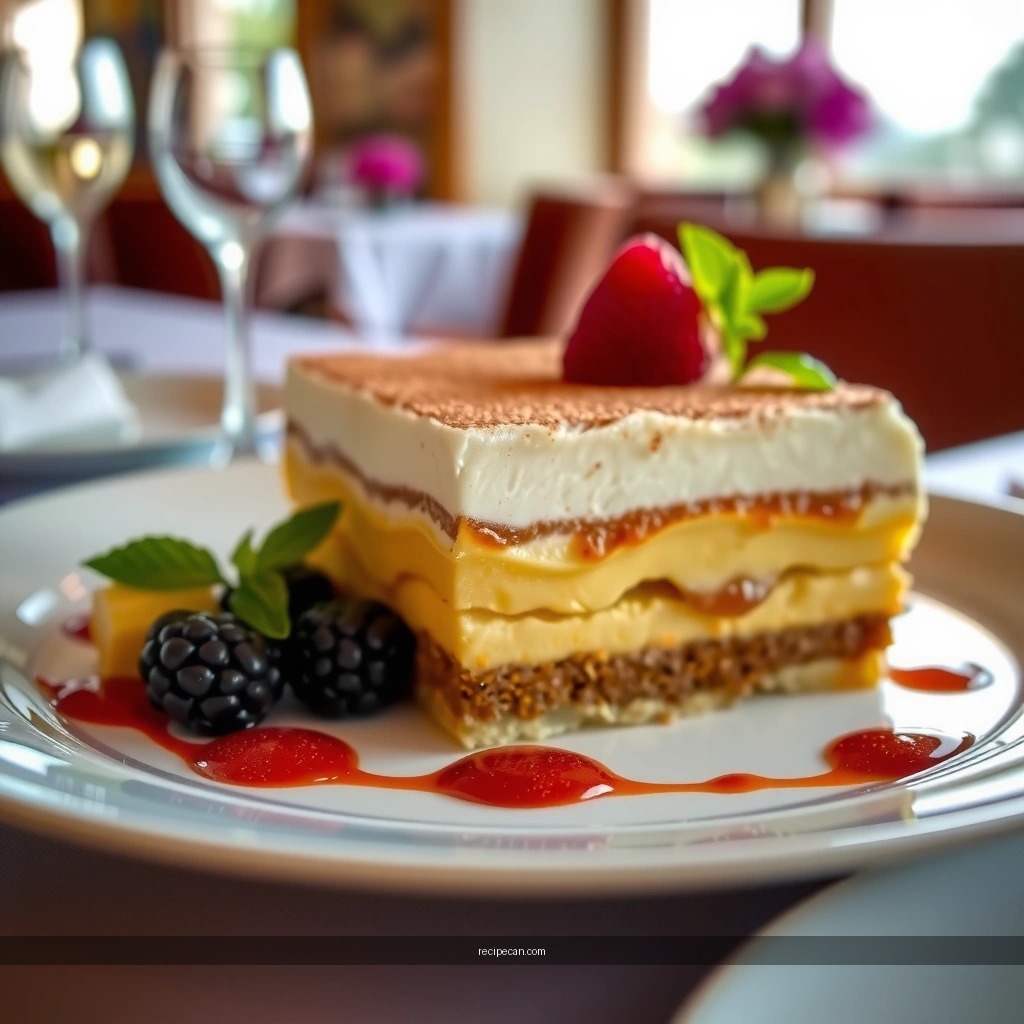
The cream is the heart of authentic tiramisu. The structure comes from two distinct steps: yolks for richness and stability, whites for lift and lightness.
– Whip egg yolks with sugar until thick and pale
– Whip until the mixture looks lighter, thicker, and ribbon-like. This aeration step prevents a dense or separated texture later.
– Because mascarpone is already creamy, you don’t need extremely stiff yolk behavior—just a smooth, pale, thickened base.
– Fold in mascarpone until smooth and creamy
– Add mascarpone and fold gently until uniform.
– Avoid aggressive mixing once mascarpone is incorporated—overworking can lead to graininess.
– Whip egg whites to soft peaks and gently combine for lightness
– Whip whites to soft peaks—they should droop slightly at the tip.
– Fold them into the mascarpone base slowly, preserving air. This is what gives tiramisu its signature creamy-but-not-heavy texture.
Food safety note for business and professional hosting: if you prefer an extra-safe approach, consider pasteurized eggs (common in many markets) or use a custard-style method (cooking the yolks) while keeping the same folding logic for the whites.
Assemble the Tiramisu Correctly
Assembly is not just “layering”—it’s controlling moisture distribution and ensuring the cream holds its shape.
– Layer mascarpone cream, then ladyfingers, then repeat
– Common order:
1) Cream layer (to anchor)
2) Briefly dipped ladyfingers
3) Cream layer
4) Repeat once more (depending on dish depth)
– Spread cream evenly to create balanced texture
– Use an offset spatula or the back of a spoon to spread to the edges.
– Aim for consistent thickness so slices have equal coffee-to-cream balance.
– Finish with a generous cocoa dusting
– Sift cocoa powder through a fine strainer for an even “velvet” surface.
– Don’t rush this step—cocoa should cover the top lightly but completely.
Pro-level detail: dust cocoa right before serving for maximum aroma and appearance. If serving later the same day, dust earlier but expect the cocoa to absorb a bit of surface moisture.
Chill Time for the Best Texture
Chilling transforms tiramisu from a layered dessert into a cohesive, sliceable experience. This is where flavor melds and the cream sets.
– Refrigerate at least 4 hours (overnight is best)
– Four hours can work, but overnight is ideal for authentic texture.
– The ladyfingers fully hydrate just enough while the cream firms.
– Keep covered to prevent flavor transfer and drying
– Use plastic wrap or a lid. A covered dessert maintains aroma integrity—especially important if your fridge contains strong foods.
– Resting time helps flavors meld and layers set
– Coffee and cocoa distribute gently through time.
– The cream stabilizes as sugar and egg proteins settle into a refined, custard-like structure.
If you’re planning a gathering, assemble the tiramisu the day before. It’s the single most reliable way to achieve consistency across servings.
Common Mistakes to Avoid
Even with excellent ingredients, a few technique errors can undermine “real” tiramisu results. Here are the most common issues—and the fix in plain terms.
– Don’t soak ladyfingers too long (it turns watery)
– If your tiramisu looks loose or puddled, the coffee likely penetrated too far.
– Dip quickly, remove promptly, and build layers without delay.
– Avoid overmixing mascarpone (can become grainy)
– Overmixing breaks down the desired smooth emulsion.
– Fold rather than beat once mascarpone is added; stop as soon as it’s uniform.
– Don’t skip proper chilling (texture won’t set correctly)
– Without enough time in the fridge, the cream may feel soft or the layers may collapse.
– Minimum: 4 hours. Best: overnight.
For an additional quality check: after chilling, you should be able to cut a clean portion with a spoon or knife, and the dessert should hold its shape rather than smear.
After following this tiramisu real recipe, you’ll get the signature creamy mascarpone layers, coffee flavor, and cocoa finish that make it truly authentic. Make it today, chill it properly for the best texture, and serve chilled for a classic, restaurant-style result—then try tweaks like stronger espresso or a richer cocoa dusting.
Frequently Asked Questions
What are the real ingredients for a classic tiramisu recipe?
A real tiramisu recipe typically uses mascarpone cheese, eggs (yolk and white), espresso (or strong coffee), ladyfingers (savoiardi), sugar, and cocoa powder. Many authentic versions also include a splash of Marsala wine or coffee liqueur, plus vanilla for flavor. If you want the most classic result, choose high-quality mascarpone and freshly brewed espresso so the coffee flavor stays bold.
How do you make tiramisu real style with eggs safely?
For a traditional tiramisu real recipe, you’ll separate eggs and whip the yolks with sugar, then fold in mascarpone. To reduce risk while keeping the authentic texture, many cooks use pasteurized eggs or temper the yolks by warming them gently over a double boiler. Whipping egg whites separately and folding them in creates the signature light and creamy tiramisu mascarpone filling.
Why does my homemade tiramisu turn runny or watery?
Runny tiramisu usually comes from soaking the ladyfingers too long or using coffee that’s too hot, which can break down the cookies and thin the mascarpone mixture. Another common cause is not chilling long enough, so the tiramisu hasn’t had time to set and thicken. Use room-temperature or cooled espresso, dip ladyfingers quickly, and refrigerate at least 4–6 hours (ideally overnight) before serving.
Which coffee should you use for a real tiramisu recipe—espresso or instant?
For the most authentic flavor, use fresh espresso or very strong brewed coffee because it delivers deep bitterness and aroma that matches the cocoa. Instant coffee can work in a real tiramisu recipe if you dissolve it well in hot water and let it cool completely, but it may taste less complex. Regardless of the type, keep the coffee strong and avoid oversoaking the ladyfingers.
What’s the best way to assemble tiramisu so the layers stay perfect?
Start with a thin layer of mascarpone cream, then quickly dip ladyfingers into espresso and lay them in a single even layer. Add another layer of mascarpone, repeat for the next layer, and finish with cocoa powder (sifted to avoid clumps). Chill your tiramisu uncovered for a short time to firm up, then cover and refrigerate—this helps the real tiramisu recipe set cleanly into neat slices.
References
- Tiramisu
https://en.wikipedia.org/wiki/Tiramisu - Tiramisu | Meaning, Ingredients, Origin, Desserts, & Taste | Britannica
https://www.britannica.com/topic/tiramisu - Mascarpone
https://en.wikipedia.org/wiki/Mascarpone - Ladyfingers (biscuits)
https://en.wikipedia.org/wiki/Savoiardi - Zabaione
https://en.wikipedia.org/wiki/Zabaione - Marsala
https://en.wikipedia.org/wiki/Marsala - https://www.cdc.gov/foodsafety/communication/foodborne-illness-and-eggs.html
https://www.cdc.gov/foodsafety/communication/foodborne-illness-and-eggs.html - Google Scholar Google Scholar
https://scholar.google.com/scholar?q=tiramisu+recipe - Google Scholar Google Scholar
https://scholar.google.com/scholar?q=tiramisu+mascarpone+egg+yolk+coffee+savoiardi - Google Scholar Google Scholar
https://scholar.google.com/scholar?q=traditional+tiramisu+history+origin