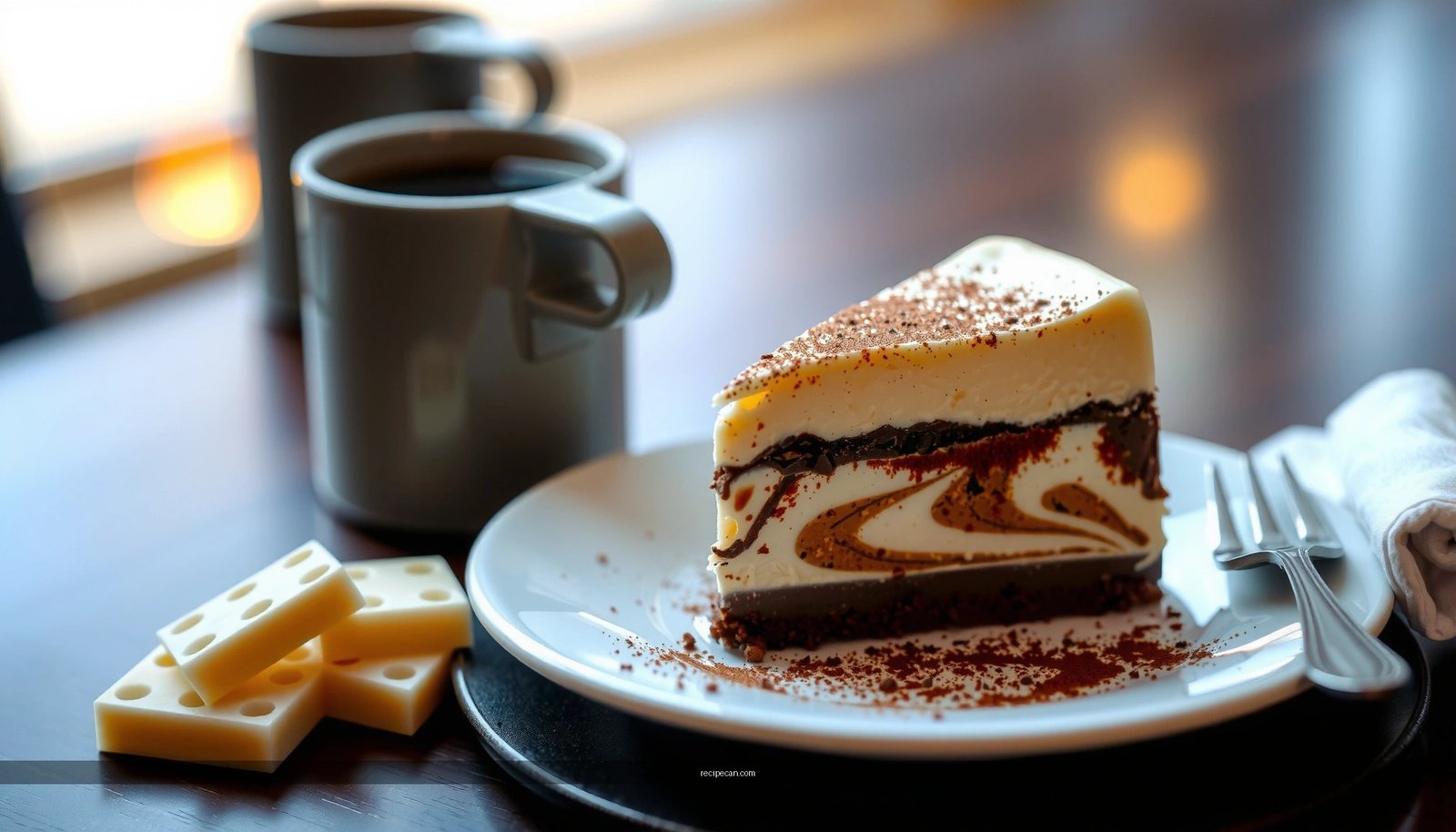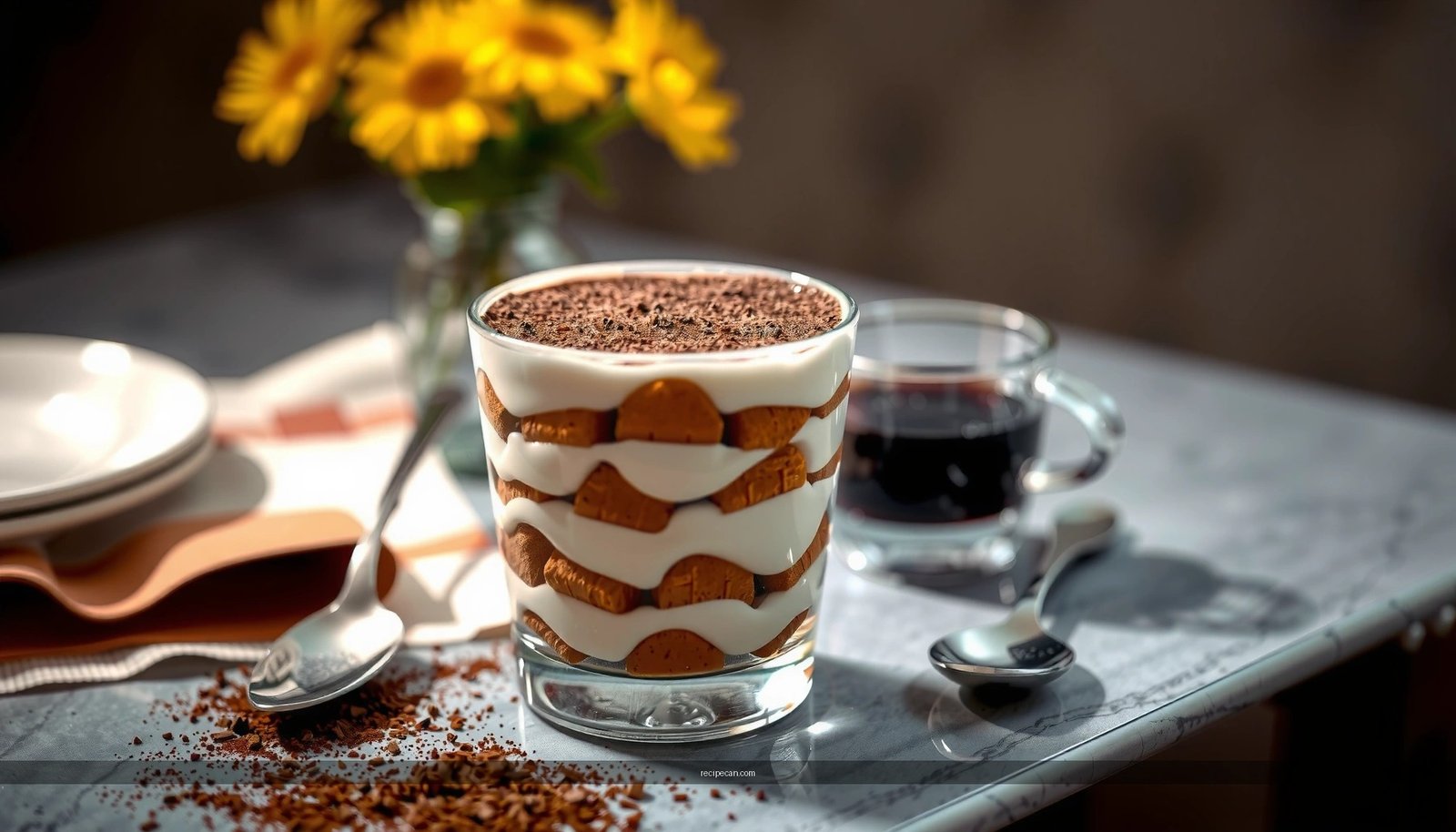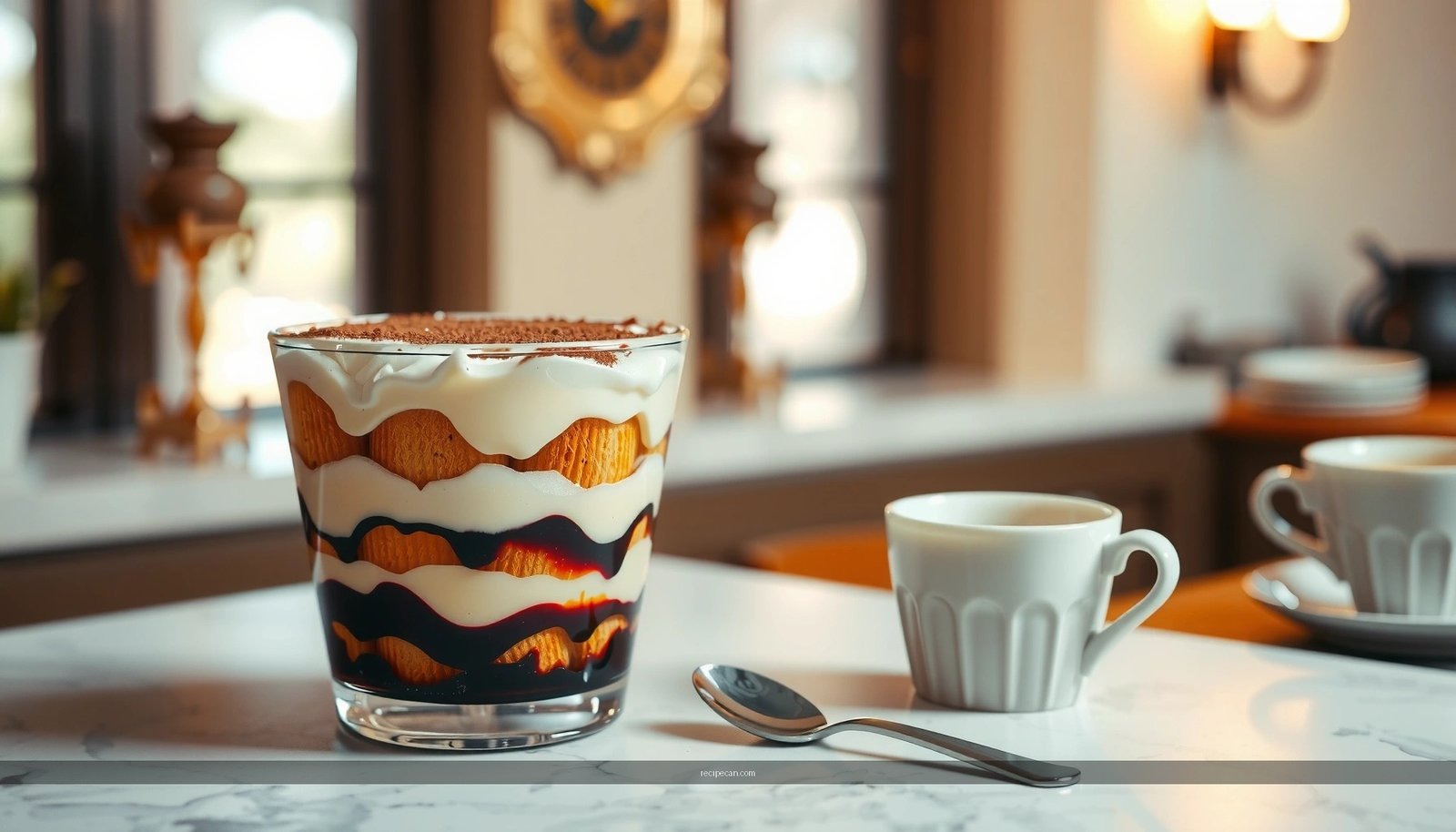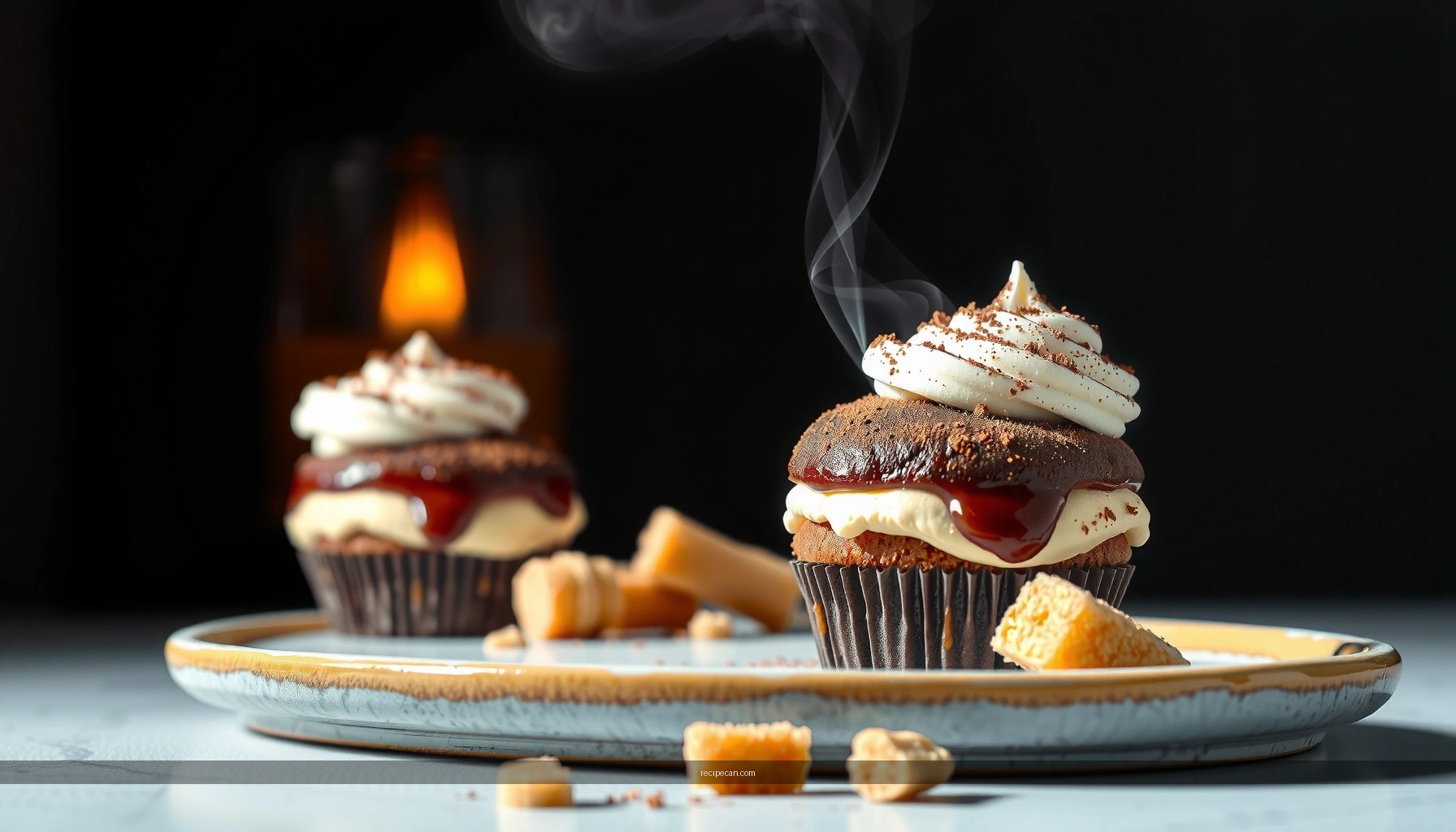
This tiramisu cupcakes recipe delivers the clearest answer: light, easy cupcakes that taste like classic tiramisu without the fuss. You’ll get a reliable method for tender coffee-cocoa cake topped with a creamy mascarpone-style frosting that sets just right. If you want tiramisu flavor in a faster, more bake-friendly form, this is the winning version to make tonight.
Make tiramisu cupcakes with classic mascarpone filling and espresso flavor without complicated steps—this recipe gives you tender cupcakes, a stable whipped filling, and a controlled cocoa finish for that signature tiramisu taste. If you want an easy dessert that still feels “bakery-grade,” this step-by-step approach balances soaking, structure, and flavor so every bite tastes like tiramisu.
Tiramisu-Style Cupcake Flavor Targets (By Component)
| # | Component | Flavor Goal | Typical Amount | Quality Indicator | Baking/Assembly Impact |
|---|---|---|---|---|---|
| 1 | Cupcake crumb | Soft, springy | Bake until toothpick is clean | ★★★★☆ | High |
| 2 | Espresso soaking | Pronounced but not wet | 2–3 tsp per cupcake | ★★★★☆ | High |
| 3 | Mascarpone filling | Creamy, stable | Whip 3–5 minutes cold | ★★★★★ | Very High |
| 4 | Sweetness balance | Low-to-mid sweetness | Adjust sugar to taste (start smaller) | ★★★★☆ | Moderate |
| 5 | Cocoa finish | Deep, dry, aroma-forward | Dust lightly, not soaked | ★★★★☆ | Moderate |
| 6 | Chill time | Set layers and meld flavors | 2–4 hours refrigerated | ★★★★☆ | High |
| 7 | Over-soaking risk | Avoid soggy bottoms | More than ~4 tsp per cupcake | ★★★☆☆ | Low |
Ingredients for Tiramisu Cupcakes

– Gather cupcake basics (flour, sugar, eggs, cocoa) plus mascarpone and espresso
– Use cream and vanilla to create a smooth, creamy filling
– Add espresso and cocoa for the classic tiramisu flavor profile
For tiramisu cupcakes, ingredients are less about “more” and more about “right.” You’re building three distinct layers: a chocolate-leaning vanilla cupcake crumb, an espresso-soaked element, and a mascarpone-based filling that tastes like classic tiramisu but holds its shape like a decorated dessert.
Cupcake components (structure + flavor)
– All-purpose flour: provides a tender crumb without heaviness.
– Granulated sugar: supports browning and keeps the cupcake from tasting flat.
– Eggs: create lift and a stable interior that can handle light soaking.
– Unsweetened cocoa powder: keeps the cupcake subtly chocolate-forward. Use cocoa powder in the batter for depth, not a full “brownie” effect.
Tiramisu components (signature taste)
– Mascarpone: the defining ingredient—rich, tangy, and creamy. Choose full-fat mascarpone for the best texture.
– Heavy cream (optional but recommended): improves aeration and stability so the filling stays fluffy after piping or spooning.
– Vanilla extract: balances espresso bitterness and mascarpone tang.
– Espresso: brewed coffee for true tiramisu authenticity. If you need an alternative, espresso powder dissolved in hot water works well.
– Cocoa powder for dusting: use unsweetened cocoa (or Dutch-process cocoa) for that dry, aromatic finish.
Practical ingredient tip (for businesslike consistency)
If you’re baking for a group, weigh ingredients for repeatability. Mascarpone and cream ratios especially determine whether your filling is spoonable, pipeable, or at risk of loosening.
Make the Espresso-Soaked Base

– Brew strong espresso (or espresso powder + hot water) for bold flavor
– Cool it slightly before soaking to keep cupcakes from getting soggy
– Plan how much soaking you’ll use so the texture stays light
The easiest way to turn tiramisu cupcakes into “dessert that’s still a cupcake” is to control soaking. Traditional tiramisu uses ladyfingers that absorb liquid evenly; cupcakes are different—they have a thicker structure and can go soggy if you soak too aggressively.
Step logic: strong espresso + slight cooling
– Brew espresso strong enough that it tastes bold on its own. When diluted by cream and cocoa, weaker espresso can disappear.
– Cool the espresso for a few minutes before using. Warm liquid accelerates absorption and can soften cupcakes before the crumb sets.
How much to soak
Rather than saturating the entire top, use targeted methods:
– Core-and-fill approach: remove a small center with a cupcake corer or the back of a spoon, then spoon in espresso.
– Drizzle approach: drizzle or spoon a measured amount over a small area near the center.
A typical range that preserves structure is about 2–3 teaspoons of espresso per cupcake (more than that increases sogginess risk, as shown in the data table).
Flavor refinement
If you want a more classic tiramisu profile, consider reducing the espresso slightly (simmer until it tastes more concentrated), then cool. That intensifies flavor without adding extra volume—useful for maintaining a light cupcake texture.
Bake the Cupcakes

– Mix batter until just combined for a tender crumb
– Bake at the recommended temperature until a toothpick comes out clean
– Cool completely before assembling for cleaner layers and better structure
Cupcakes are the foundation. For tiramisu cupcakes, you want tender, not cake-dense—because tender crumb absorbs espresso more gracefully while still tasting “cupcakey” rather than pudding-like.
Mixing: just combined
Overmixing develops gluten and can lead to toughness. Mix until:
– flour is fully incorporated,
– batter looks smooth,
– no dry streaks remain.
Baking: temperature and doneness
Bake at the temperature your recipe specifies (typical cupcake temperatures are around 350°F / 175°C) and rely on doneness cues:
– A toothpick should come out clean or with a few moist crumbs (not wet batter).
– If cupcakes look domed and spring back lightly, they’re likely ready.
Cool completely
This is non-negotiable for clean assembly:
– Warm cupcakes steam, which can melt filling and create uneven layers.
– Fully cool cupcakes keep the espresso element where you put it and help mascarpone stay airy.
Quality control shortcut
If your cupcakes domed a lot, level them lightly with a serrated knife after cooling. A flat surface makes filling easier to distribute evenly and creates a more “tiramisulike” layered presentation.
Prepare the Mascarpone Filling
– Whip mascarpone (and cream, if using) until smooth and fluffy
– Sweeten to taste and add vanilla for balanced flavor
– Keep the filling chilled to help it hold its shape
The filling is where tiramisu cupcakes go from “tasty” to “memorable.” Mascarpone has a distinctive flavor—creamy and slightly tangy—so sweetness needs to be purposeful, not overwhelming.
Whipping technique
– Start with room-temperature mascarpone for smoother mixing.
– If using heavy cream, whip until it reaches a soft, fluffy consistency—not curdled, not stiff.
– Combine gently so you keep air in the mixture; over-whipping can make the filling grainy or unstable.
Sweetness and vanilla
Taste as you sweeten. Begin with a smaller amount of sugar than you think you need. Espresso and cocoa provide bitterness and depth, so the filling should taste creamy, balanced, and lightly sweet rather than dessert-sweet.
Add vanilla extract for aromatic lift. If you’d like a more “classic” tiramisu vibe, keep vanilla modest; espresso will do most of the flavor work.
Chill to stabilize
Once mixed, chill the filling:
– It becomes easier to pipe or spoon neatly.
– It holds shape better against the espresso-soaked base.
A short chill window (often 30–60 minutes) is usually enough for stability if your kitchen is warm.
Assemble and Flavor Like Classic Tiramisu
– Fill or top cupcakes with the mascarpone mixture
– Add the espresso element (soak or drizzle) in a controlled amount
– Finish with cocoa powder and optional chocolate shavings
Assembly is where you create “tiramisu logic” in cupcake form: espresso for bitterness and aroma, mascarpone for creaminess and body, and cocoa for the final sensory cue.
Controlled layering
Use one of these assembly approaches:
1. Core-and-fill (cleanest layers):
– Core each cupcake.
– Spoon a measured amount of cooled espresso into the cavity.
– Fill with mascarpone mixture.
2. Top-layer spooning (fastest):
– Spoon mascarpone on top.
– Drizzle espresso lightly over the center.
– Dust with cocoa.
Controlled espresso placement
Instead of soaking the entire top, concentrate espresso where it supports the filling—usually the center. This keeps the cupcake base light and prevents leakage or pooling.
Cocoa finish
Sift cocoa powder directly before serving if possible. Cocoa that sits too long on a moist filling can dull or form uneven patches. A light, even dusting recreates the classic tiramisu “chalky cocoa” aroma.
Optional chocolate shavings
For a bakery look, add thin chocolate curls or shavings. Keep them minimal so you don’t overpower espresso and cocoa with sweetness.
Serving-readiness check
If your filling is properly chilled and your espresso amount is measured, the cupcakes will look layered and remain stable in the fridge for hours.
Storage and Serving Tips
– Refrigerate to let flavors set, ideally for a few hours before serving
– Serve cold for the best tiramisu texture and taste
– Avoid over-soaking if you prefer cupcakes to stay more cupcake-like
Tiramisu flavor actually improves after resting because:
– espresso aromatics distribute through the cream,
– cocoa and mascarpone meld into a single flavor profile,
– the filling firms up, improving mouthfeel.
Refrigeration best practice
– Store cupcakes in an airtight container.
– Refrigerate for 2–4 hours before serving for the best balance of espresso brightness and creamy richness.
Serving temperature
Serve cold. The chilled mascarpone texture feels denser and more luxurious, and it tames espresso bitterness into a cohesive dessert experience.
How to avoid sogginess
If you prefer your cupcakes to remain more “cake-like,” reduce espresso volume or limit it to the core. Over-soaking is the most common failure mode in tiramisu cupcake recipes—often resulting in a dessert that tastes right but eats like pudding.
Make-ahead strategy
If you’re planning for a meeting, event, or family gathering:
– Bake cupcakes ahead and store at room temperature for a day.
– Prepare filling the same day or the day before.
– Assemble shortly before the resting window (so cocoa still looks fresh).
Tiramisu cupcakes are easy to nail when you balance espresso intensity, a fluffy mascarpone filling, and a light cocoa finish. Follow the sections above—from ingredients and baking to assembly and storage—then make a batch today and serve them chilled for maximum flavor.
In summary, this tiramisu cupcakes recipe works because it respects the fundamentals: bake a tender cupcake crumb, soak with restraint, whip mascarpone into a stable creamy filling, and finish with cocoa for aroma and contrast. When you refrigerate long enough for flavors to set (without over-soaking), you get a light, easy dessert that tastes unmistakably like classic tiramisu—one cupcake at a time.
Frequently Asked Questions
What’s the best tiramisu cupcakes recipe for beginners?
Look for a tiramisu cupcakes recipe that uses simple ingredients like mascarpone, espresso (or strong coffee), eggs, and ladyfinger crumbs. For beginners, choose a method that skips complicated custard steps and instead folds mascarpone with whipped cream or sugar until smooth, then layers or swirls it into cupcakes. Use a reliable bake time (usually 18–22 minutes) and let the cupcakes cool completely before adding the tiramisu topping so the mascarpone doesn’t melt.
How do I make tiramisu cupcakes without curdling the mascarpone mixture?
To prevent issues, keep ingredients at similar temperatures—cold mascarpone and warm eggs or coffee can cause texture problems. If your recipe includes egg yolks, temper them slowly with warm coffee mixture while whisking constantly, then cook only until slightly thickened and cool before folding into mascarpone. Also avoid overmixing after adding mascarpone; stop when the mixture is creamy and smooth for easy piping.
Which cupcakes topping works best for a classic tiramisu look?
For a traditional tiramisu cupcakes recipe finish, use a mascarpone cream topping and pipe it with a star tip for that signature layered look. Dust the top generously with unsweetened cocoa powder and optionally add a pinch of espresso powder for deeper flavor. If you want extra “tiramisu” texture, fold crushed ladyfingers into the cream or place a small layer of ladyfinger crumbs before topping.
Why do my tiramisu cupcakes come out dry, and how can I fix it?
Dry tiramisu cupcakes are usually caused by overbaking or by skipping enough espresso-soaking. Keep an eye on the oven—start checking around 16–18 minutes and remove when a toothpick comes out with a few moist crumbs. For the soaking step, lightly brush or drizzle cooled espresso over the cupcake tops (not soaking through) so the sponge stays tender without becoming soggy.
How do I store tiramisu cupcakes so they taste fresh?
Store tiramisu cupcakes in an airtight container in the refrigerator, ideally for up to 2–3 days for best flavor and texture. Chilling helps the mascarpone cream set, making the topping easier to slice and serve, but too much time can soften the cake. For best results, assemble and dust with cocoa powder right before serving, or keep cocoa separate until the final moments to maintain a clean, rich finish.
References
- Tiramisu
https://en.wikipedia.org/wiki/Tiramisu - Cupcake
https://en.wikipedia.org/wiki/Cupcake - Tiramisu | Meaning, Ingredients, Origin, Desserts, & Taste | Britannica
https://www.britannica.com/topic/tiramisu - Google Scholar Google Scholar
https://scholar.google.com/scholar?q=tiramisu+cupcakes+recipe - Google Scholar Google Scholar
https://scholar.google.com/scholar?q=tiramisu+dessert+history+mascarpone+egg+coffee - Google Scholar Google Scholar
https://scholar.google.com/scholar?q=cake+cupcake+tiramis%C3%B9+mascarpone+recipe - Good Food
https://www.bbcgoodfood.com/search?q=tiramisu%20cupcakes - https://www.theguardian.com/search?q=tiramisu%20cupcakes
https://www.theguardian.com/search?q=tiramisu%20cupcakes - https://www.nytimes.com/search?query=tiramisu%20cupcakes
https://www.nytimes.com/search?query=tiramisu%20cupcakes - https://pubmed.ncbi.nlm.nih.gov/?term=tiramisu%20recipe
https://pubmed.ncbi.nlm.nih.gov/?term=tiramisu%20recipe