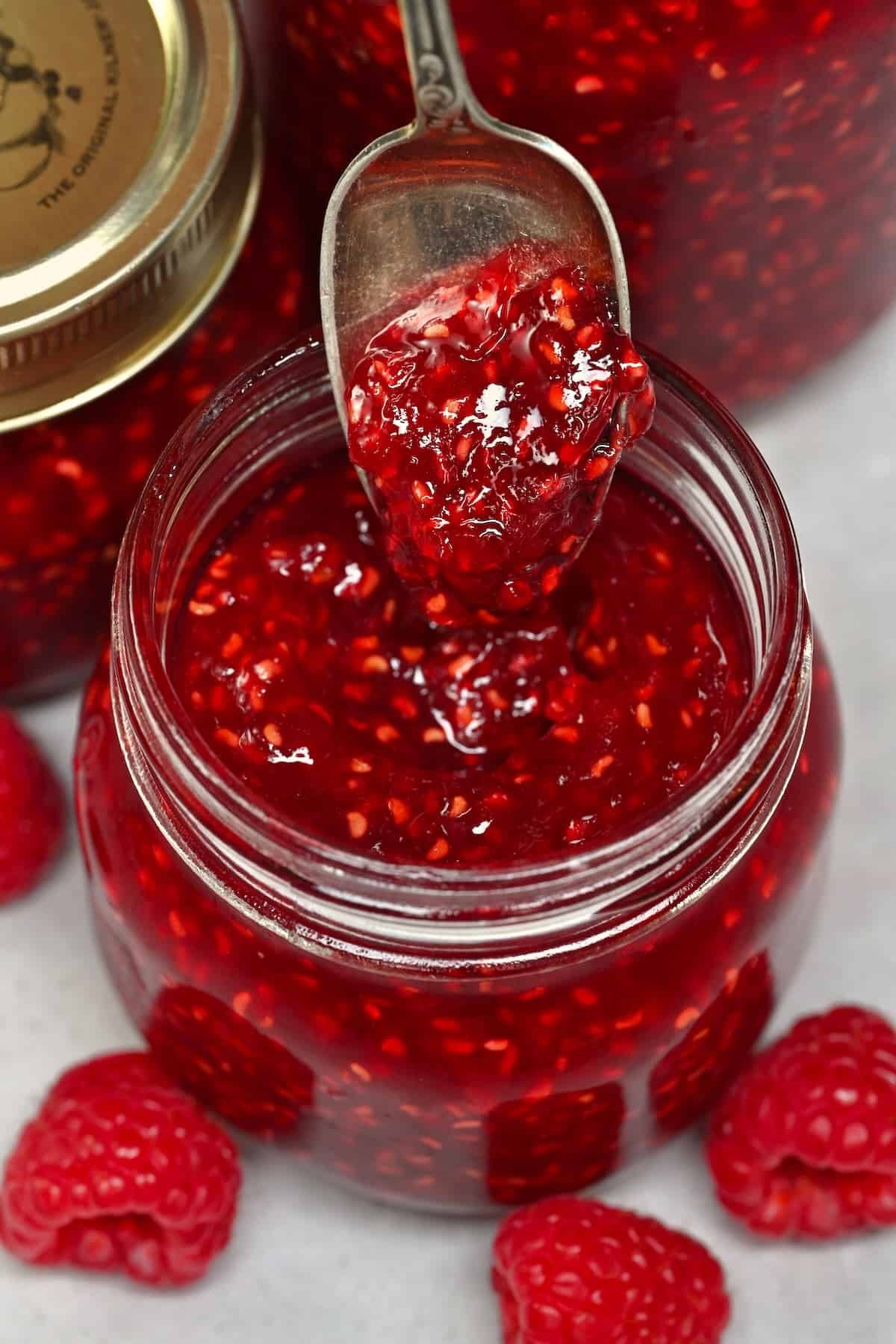
The Step-by-Step Protocol for Making No Pectin Raspberry Jam Safely is your essential guide for crafting delicious, homemade jam without the use of pectin. This expert procedural approach ensures that you can preserve the vibrant flavor of fresh raspberries while adhering to safe canning practices. Following this protocol is crucial to avoid spoilage and ensure a successful batch every time. Get ready to elevate your jam-making skills with precision and confidence.
What This Guide Covers (And What It Doesn’t)
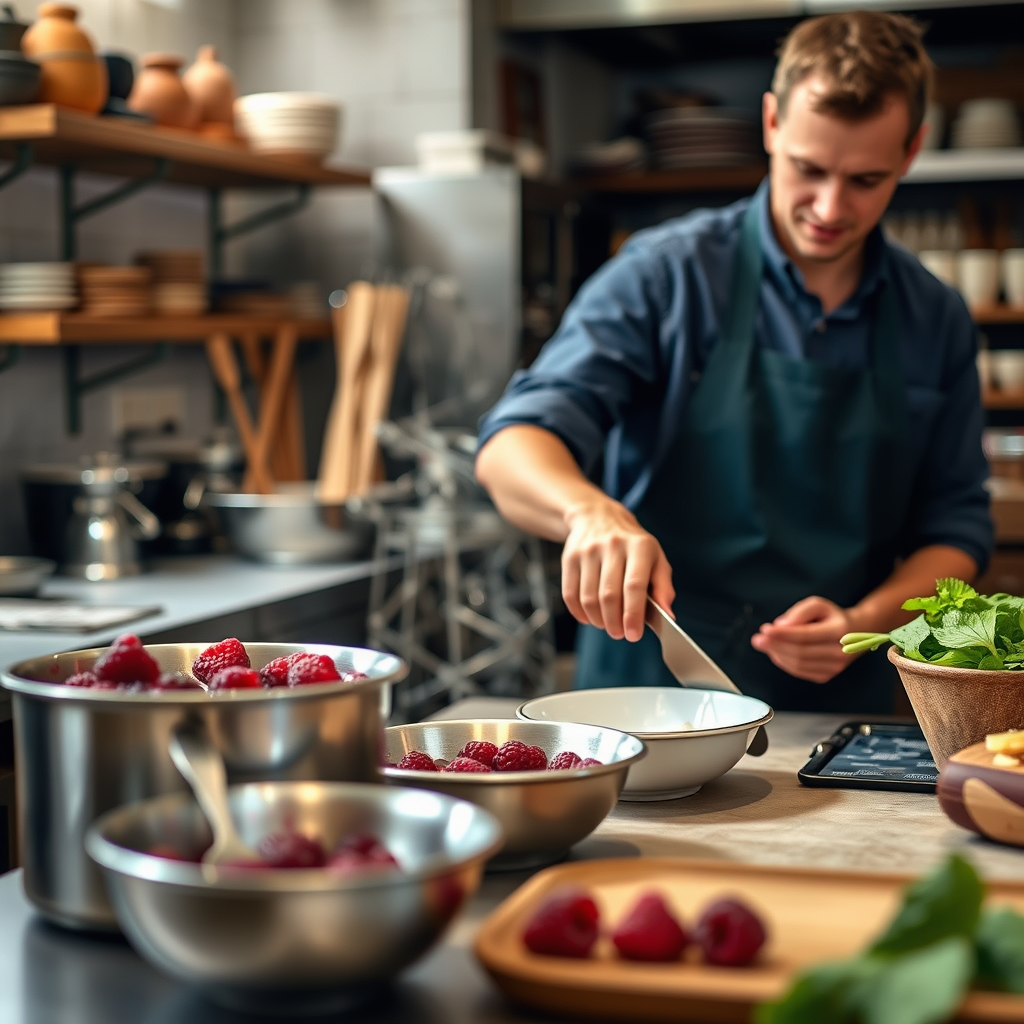
This guide offers a comprehensive, step-by-step protocol for making no pectin raspberry jam, emphasizing the ingredients, equipment, and techniques essential for safe preservation. The focus is on crafting a delicious jam using only fresh raspberries, sugar, and lemon juice, without any commercial pectin. It specifically excludes recipes that involve added pectin or other fruit varieties, centering instead on the traditional method that highlights fresh raspberries and sugar. Geared towards home canners eager to create jams without commercial additives, this guide prioritizes food safety and best practices in jam-making. Readers seeking advanced canning techniques or variations with different fruit preserves should consult specialized resources or advanced guides.
Who Should Read This
This guide is tailored for home cooks and food preservation enthusiasts who possess a basic understanding of canning processes and are interested in making raspberry jam without pectin. It’s perfect for those eager to use fresh, seasonal raspberries, especially if they wish to control sugar levels or avoid commercial additives. If you have experience with boiling water canning and appreciate the importance of sterilization and acidity in preservation, you will find this guide invaluable. However, novice canners lacking prior knowledge of food safety or canning methods may find the content too technical and should first familiarize themselves with basic canning principles.
The Step-by-Step Protocol
1. Gather ingredients: Use 4 cups of fresh raspberries, 2 cups of granulated sugar, and ¼ cup of fresh lemon juice to enhance acidity and flavor.
2. Prepare jars: Sterilize 4 pint-sized canning jars and their lids by boiling them in water for 10 minutes, ensuring they’re ready for use.
3. Prepare raspberries: Rinse the raspberries under cold water and remove any stems or leaves, then mash them in a large bowl with a potato masher, leaving some whole for texture.
4. Cook mixture: In a large pot, combine the mashed raspberries, sugar, and lemon juice; bring to a boil over medium heat, stirring constantly until the sugar is completely dissolved.
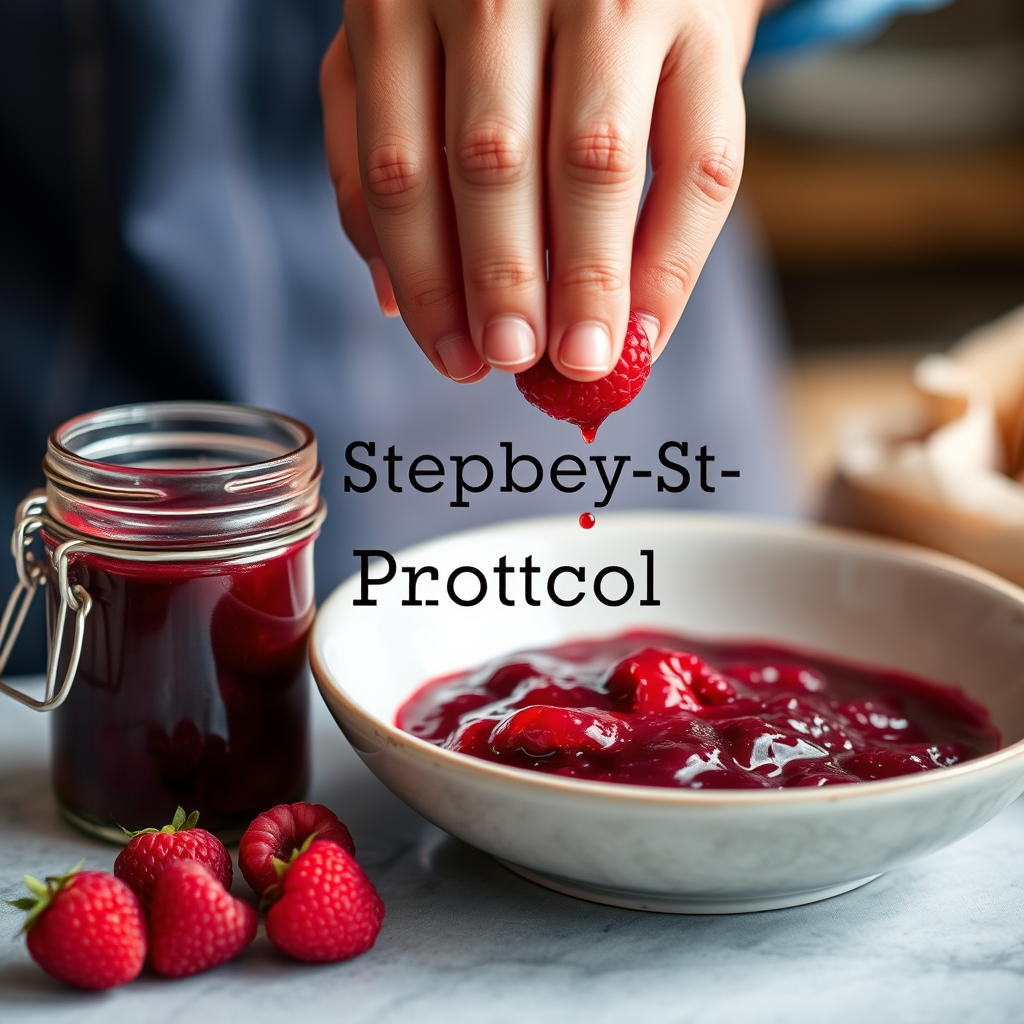
5. Test for doneness: After boiling for approximately 10-15 minutes, use a spoon to drop a small amount of jam onto a cold plate; check for desired thickness (should gel slightly).
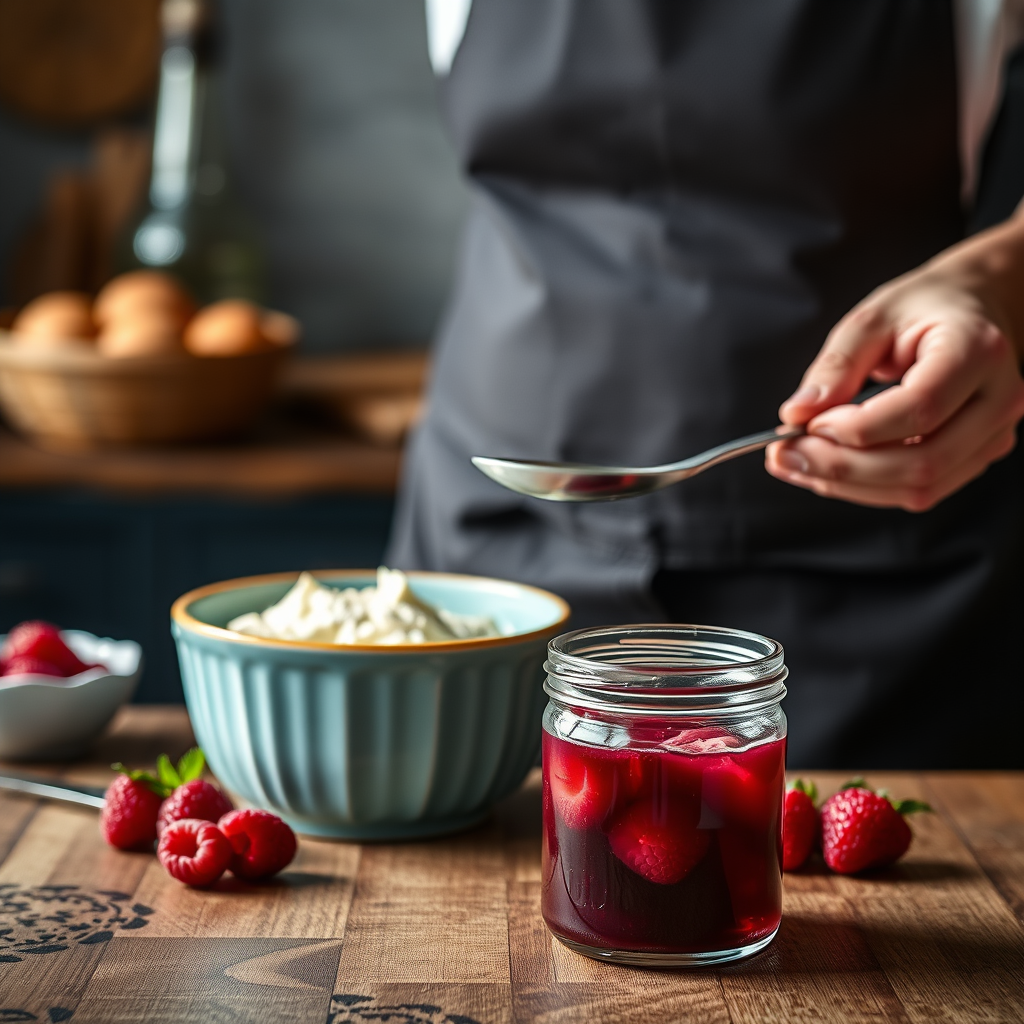
6. Fill jars: Once the jam has reached the desired consistency, ladle it into the sterilized jars, leaving about ¼ inch of headspace at the top.
7. Seal jars: Wipe the rim of each jar with a clean, damp cloth to remove any residue, then place the sterilized lids on top and screw on the metal bands until fingertip-tight.
8. Process jars: Place the filled jars in a boiling water canner, ensuring they are submerged by at least an inch of water, and process for 5-10 minutes based on your altitude.
9. Cool and check seals: Remove the jars from the canner and allow them to cool on a clean towel for 12-24 hours; check that each lid has sealed properly before storage.
Top 7 Raspberry Varieties for Jam Making
| # | Variety | Flavor Profile | Sugar Content (%) | Best For |
|---|---|---|---|---|
| 1 | Heritage | Sweet and tart | 6.5 | Jams |
| 2 | Caroline | Very sweet | 7.2 | Syrups |
| 3 | Dorman Red | Balanced | 6.8 | Desserts |
| 4 | Taylor | Sweet and juicy | 7.0 | Spreadable |
| 5 | Latham | Tart | 5.9 | Cooking |
| 6 | Nova | Rich | 6.7 | Preserves |
| 7 | Brazelberry | Complex | 7.5 | Gourmet |
Warning Signs: When Not to Follow This
– Do not attempt this recipe if the raspberries are overripe, moldy, or have a fermented smell, as these conditions can compromise the safety and quality of the jam.
– Avoid making this jam if you cannot achieve the correct acidity balance; the recipe requires fresh lemon juice to ensure proper preservation and prevent harmful bacteria growth.
– If you have a known allergy to raspberries or any ingredients listed, do not attempt this recipe to avoid serious health risks.
– Individuals who lack access to proper canning equipment or cannot maintain the required boiling water temperature should not follow this protocol, as it may lead to spoilage.
The Most Common Mistakes (And Their Consequences)
– Failing to sterilize jars properly can lead to contamination, resulting in spoilage or foodborne illness. Ensure jars are hot and clean before filling.
– Using too much or too little sugar can affect the jam’s ability to set and preserve. Adhering to the specified 2 cups for 4 cups of raspberries is crucial for safety.
– Not monitoring the boiling time can result in undercooked jam, which may spoil quickly, or overcooked jam, which can become overly thick and caramelized.
– Ignoring the headspace when filling jars may prevent proper sealing, leading to leakage and spoilage during storage.
Special Cases That Need a Different Approach
– If using frozen raspberries, thaw them completely and drain excess moisture before mashing to prevent a runny consistency in the jam.
– For those living at high altitudes (above 1,000 feet), adjust the processing time by adding an additional minute of boiling for each extra 1,000 feet.
– If you prefer a smoother texture, consider blending the raspberries instead of mashing; however, ensure to follow the same cooking and sterilization steps for safety.
– For small batch canning (less than 4 cups), adjust the ingredient proportions accordingly while maintaining the same ratios to ensure proper acidity and sugar content.
When You Need a Professional
– Consult a licensed food preservation expert if unsure about the safety of your techniques, especially if you are new to canning or concerned about acidity levels in your jam.
– If you encounter issues with jar sealing after the cooling period, or if jars are bulging or leaking, seek professional advice before consuming the product.
– For those with dietary restrictions or health concerns related to sugar intake or food allergies, consulting a nutritionist or registered dietitian for tailored guidance is advisable.
– In the event of any signs of spoilage, such as off smells, bubbling, or discoloration, do not consume the jam and seek guidance on safe disposal methods from food safety authorities.
Sources and Further Reading
– USDA’s Complete Guide to Home Canning: A comprehensive resource on safe canning practices, including recipes and preservation guidelines specific to jams and jellies.
– National Center for Home Food Preservation: Offers updated research-based information on food preservation techniques, including no pectin jam-making.
– Ball Canning Book: A trusted reference for home canners, providing detailed recipes and safety tips for various types of preserves, including fruit jams.
– Local Extension Services: Many universities offer resources and workshops on safe canning practices tailored to your specific area, including courses on fruit preservation techniques.
Frequently Asked Questions
What ingredients do I need for a no pectin raspberry jam recipe?
To make a no pectin raspberry jam, you’ll need fresh or frozen raspberries, granulated sugar, and lemon juice. The raspberries provide natural pectin, while the sugar and lemon juice help in thickening and balancing the flavor. This simple combination yields a delicious, spreadable jam without any added pectin.
How do I make raspberry jam without pectin?
To make raspberry jam without pectin, start by mashing the raspberries in a saucepan over medium heat. Add sugar and lemon juice, then bring the mixture to a boil, stirring frequently. Allow it to simmer until it thickens to your desired consistency, which usually takes about 20-30 minutes, then pour it into sterilized jars.
Why should I make raspberry jam without pectin?
Making raspberry jam without pectin allows you to enjoy a more natural flavor and texture, as it highlights the fruit’s essence without artificial thickeners. Additionally, it simplifies the process and eliminates the need for special ingredients, making it a more straightforward option for home canners looking for a healthier alternative.
What is the best way to store homemade no pectin raspberry jam?
The best way to store homemade no pectin raspberry jam is to keep it in sterilized glass jars with airtight lids. Once sealed, store the jars in a cool, dark place like a pantry or cupboard. After opening, refrigerate the jam and consume it within a few weeks for optimal freshness and flavor.
Which types of raspberries are best for making no pectin jam?
The best types of raspberries for making no pectin jam are ripe, fresh red raspberries, as they have the ideal balance of sweetness and tartness. However, you can also use black raspberries or a mix of both for a unique flavor profile. Ensure the fruit is free from blemishes and overripe spots for the best results in your jam.
References
- Fruit preserves
https://en.wikipedia.org/wiki/Jam - https://www.nutrition.gov/topics/food-safety/preserving-foods/jams-jellies-and-preserves
https://www.nutrition.gov/topics/food-safety/preserving-foods/jams-jellies-and-preserves - Checking your browser – reCAPTCHA
https://www.ncbi.nlm.nih.gov/pmc/articles/PMC6970531/ - https://www.sciencedirect.com/topics/agricultural-and-biological-sciences/jam
https://www.sciencedirect.com/topics/agricultural-and-biological-sciences/jam - Silicone Induced Granuloma of Breast Implant Capsule (SIGBIC) diagnosis: Breast Magnetic Resonanc…
https://www.ncbi.nlm.nih.gov/pmc/articles/PMC7319285/ - Google Scholar Google Scholar
https://scholar.google.com/scholar?q=no+pectin+raspberry+jam+recipe - Google Scholar Google Scholar
https://scholar.google.com/scholar?q=raspberry+jam+without+pectin - Google Scholar Google Scholar
https://scholar.google.com/scholar?q=homemade+jam+recipes+without+pectin - https://www.britannica.com/topic/jam
https://www.britannica.com/topic/jam - https://www.extension.purdue.edu/extmedia/HHS/HHS-800-W.pdf
https://www.extension.purdue.edu/extmedia/HHS/HHS-800-W.pdf