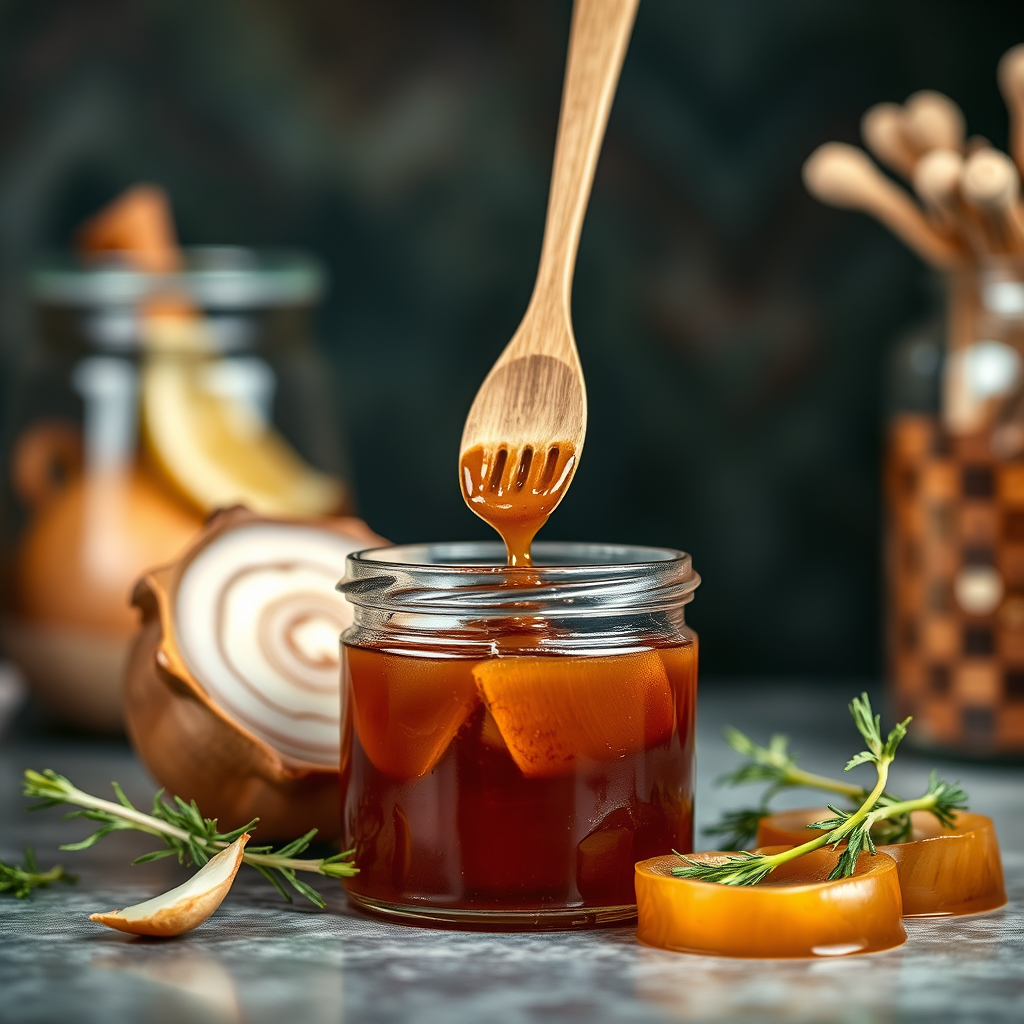
Master the art of making onion jelly with this expert guide, designed for both novice and experienced cooks seeking a safe, reliable recipe. This step-by-step protocol outlines essential techniques and safety measures to ensure your onion jelly is not only delicious but also properly preserved. Adhering to these guidelines is crucial for achieving the perfect balance of flavors while preventing spoilage. Elevate your culinary skills and enjoy a unique addition to your pantry with confidence.
What This Guide Covers (And What It Doesn’t)
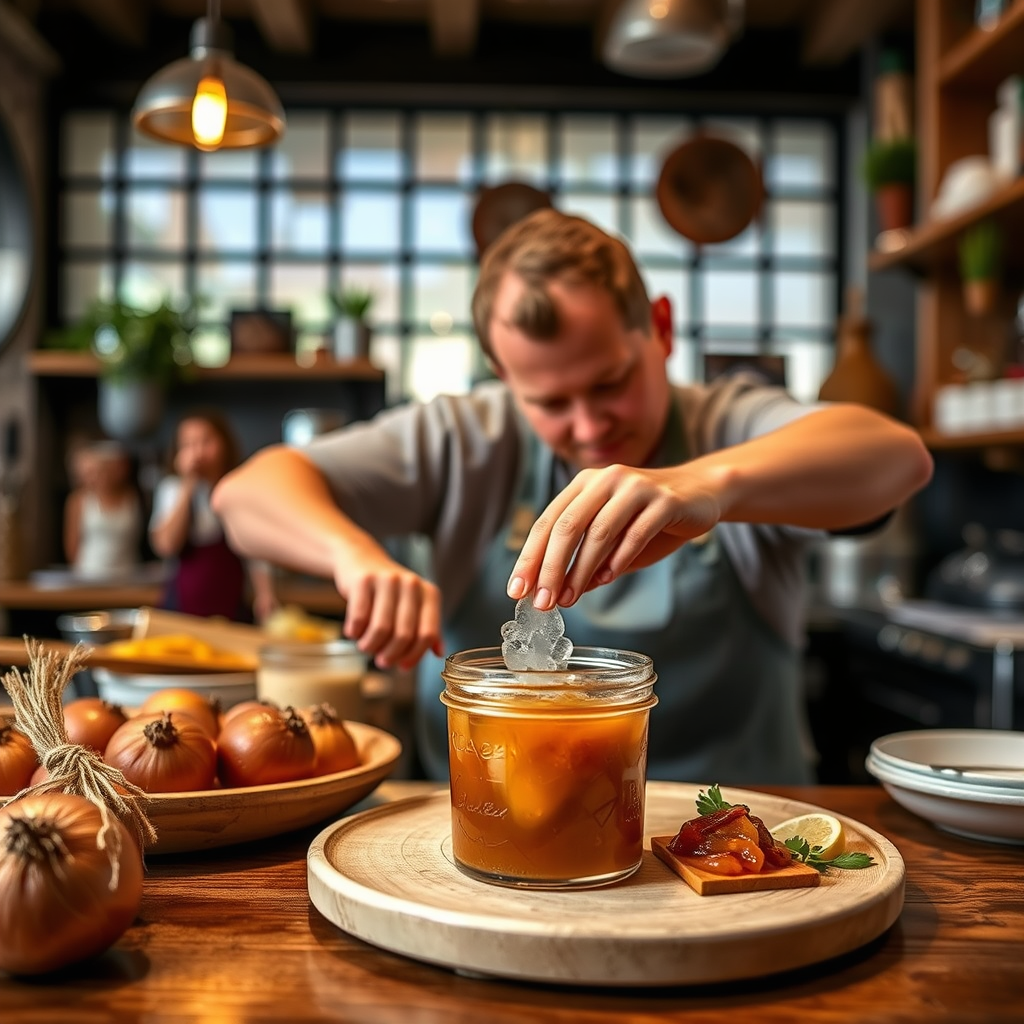
This guide offers a detailed, step-by-step protocol for safely making onion jelly at home. It outlines essential ingredients, necessary equipment, and critical safety measures to guarantee a successful outcome. Additionally, it delves into the science of the jelly-making process, discussing pH levels and how to achieve proper gelling while maintaining safety. However, note that it does not include recipes for variations of onion jelly, such as those infused with other fruits or spices, nor does it address commercial production methods.
Who Should Read This
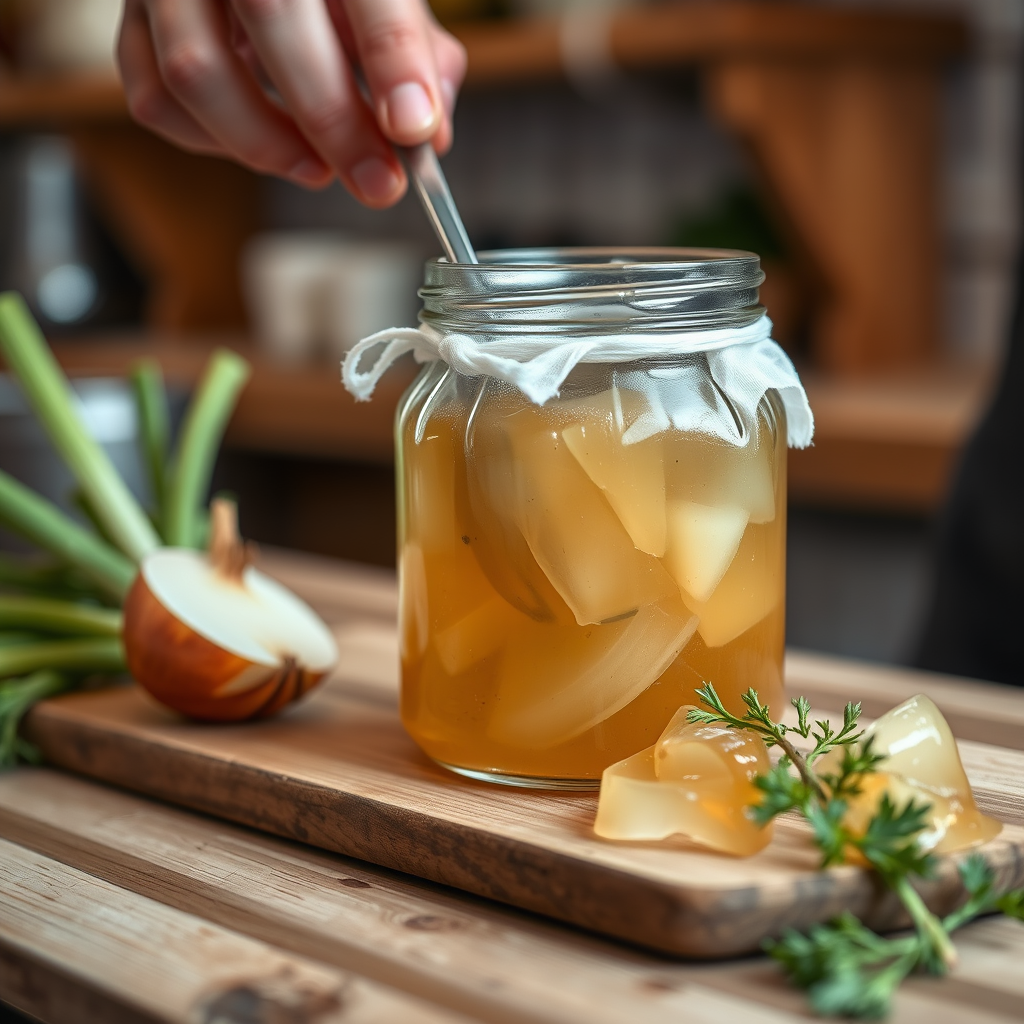
This guide is designed for home cooks who possess a basic understanding of canning and preserving, and who are eager to enhance their skills by crafting onion jelly. It caters to individuals looking to create distinctive condiments for culinary applications, such as pairing with meats or complementing cheese. Readers should have access to standard kitchen equipment, including a boiling water canner, measuring cups, and jars, along with a commitment to following detailed safety protocols.
The Step-by-Step Protocol
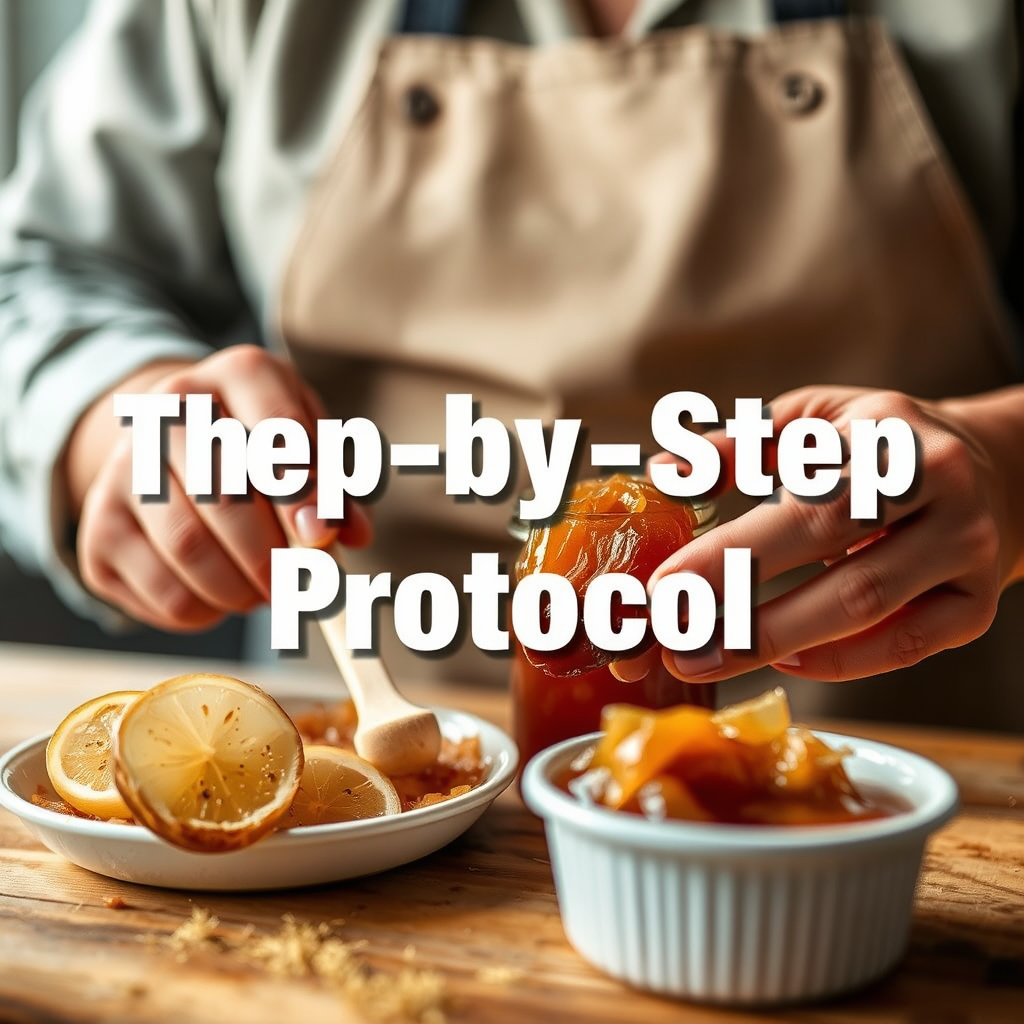
1. Prepare Ingredients: Gather 4 cups of finely chopped onions (preferably yellow onions for balanced flavor), 2 cups of apple cider vinegar (5% acidity), 2 cups of granulated sugar, and 1 packet (1.75 oz) of pectin. Ensure all ingredients are fresh and free from spoilage.
2. Sterilize Jars: Place canning jars in a boiling water bath for 10 minutes. This crucial step prevents microbial growth in the finished jelly. After sterilization, allow the jars to dry on a clean towel.
3. Cook the Mixture: In a large pot, combine the chopped onions, vinegar, and sugar. Bring to a boil over medium-high heat, stirring constantly until the sugar fully dissolves. This process typically takes about 5-7 minutes.
4. Add Pectin: Once boiling, stir in the pectin and return to a rolling boil for exactly one minute. This timing is essential for ensuring proper gelling before removing the mixture from heat.
5. Fill and Seal Jars: Using a ladle, fill each sterilized jar to within 1/4 inch of the top. Wipe the rims clean with a damp cloth to remove any residue. Place sterilized lids on the jars and screw on bands until fingertip-tight; they should be snug but not overly tight to allow for air expansion during processing.
6. Process in Water Bath: Process jars in a boiling water bath for 5-10 minutes, adjusting for altitude (add 1 minute for every 1,000 feet above sea level) to ensure safety and preservation. Ensure the water covers the jars by at least 1 inch during processing.
Key Ingredients and Their Functions in Onion Jelly
| # | Ingredient | Quantity | Function |
|---|---|---|---|
| 1 | Onions | 4 cups | Flavor and texture |
| 2 | Apple Cider Vinegar | 2 cups | Acidity for preservation |
| 3 | Granulated Sugar | 2 cups | Sweetness and gelling |
| 4 | Pectin | 1 packet | Gelling agent |
| 5 | Water | As needed | For boiling and processing |
| 6 | Lemon Juice (optional) | 1 tablespoon | Enhances acidity |
| 7 | Salt (optional) | 1/2 teaspoon | Flavor enhancer |
Warning Signs: When Not to Follow This
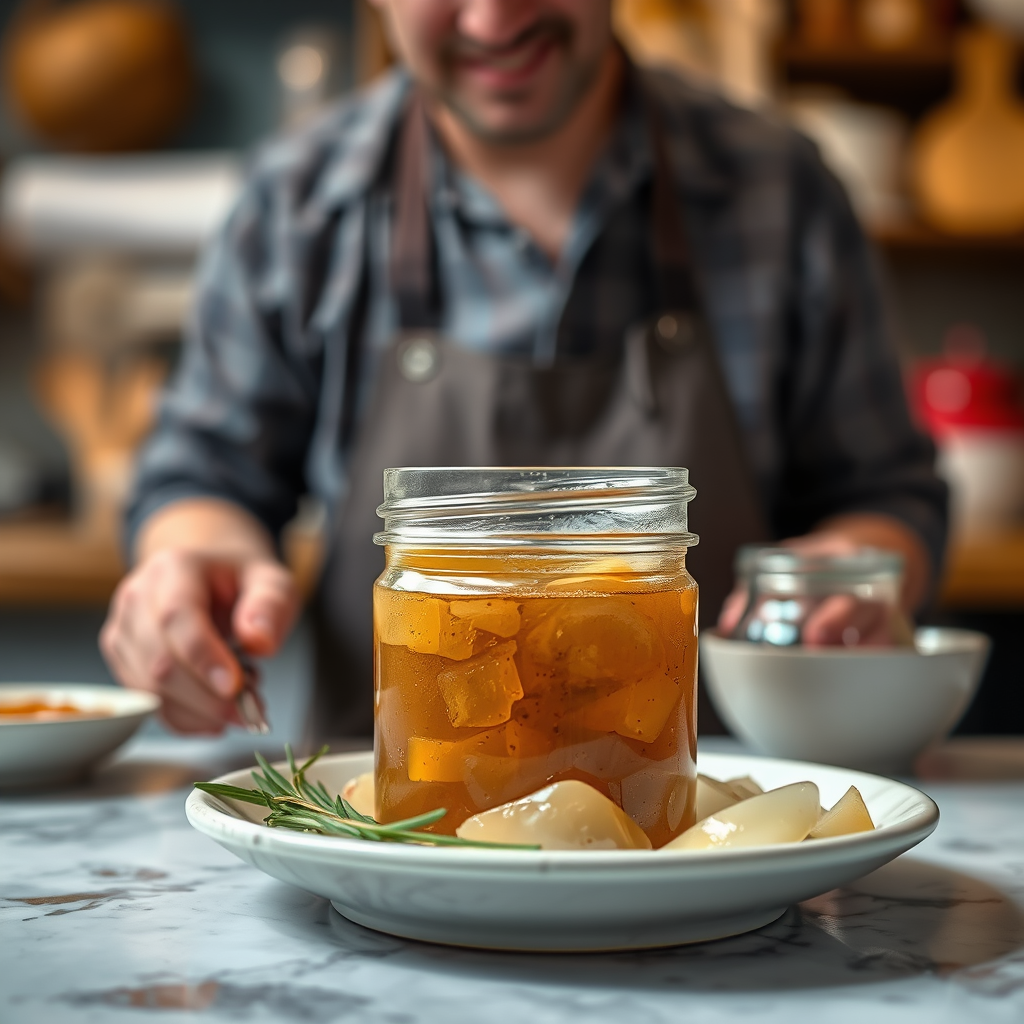
– If you notice any signs of spoilage in your onions, such as mold or off-smells, do not proceed with the recipe. This can lead to foodborne illness.
– Avoid making onion jelly if you lack the proper canning equipment, such as a boiling water canner, which is essential for safe preservation.
– Do not attempt this recipe if your pH testing indicates a level above 4.6. Higher pH levels can significantly increase the risk of botulism, a serious foodborne illness.
The Most Common Mistakes (And Their Consequences)
– Skipping the sterilization of jars: This oversight can lead to contamination, resulting in spoilage and potential health risks. Always sterilize before use.
– Incorrectly measuring ingredients: Using too much or too little pectin can result in jelly that either fails to set properly or becomes overly gelatinous, affecting both texture and taste.
– Failing to process jars in a boiling water bath for the recommended time: This may result in improper sealing, rendering the jelly unsafe for long-term storage. Always adhere to the processing time based on your altitude.
Special Cases That Need a Different Approach
– If you are using sweet onions, such as Vidalia, consider adjusting the sugar content slightly, as these onions have higher natural sugar levels that can impact flavor and gelling.
– For those residing at high altitudes, it is critical to extend the processing time in the water bath by 1 minute for every 1,000 feet to ensure safety and proper sealing. Be vigilant about local altitude adjustments.
– If you want to modify the acidity of the recipe by using different vinegars, consult specific guidelines for acidity levels. Maintaining a safe acidity level is essential for preventing spoilage.
When You Need a Professional
– If you have any doubts about the safety of your ingredients or if you observe signs of spoilage, consult a food preservation expert or a local extension office before proceeding. Safety should always be your top priority.
– In cases of allergic reactions or sensitivities to onions or any other ingredients used in the recipe, seek advice from a healthcare professional to avoid adverse health effects.
– If you plan to produce onion jelly for sale or distribution, contact a food safety consultant to ensure compliance with local health regulations and safe food handling practices.
Sources and Further Reading
– USDA Complete Guide to Home Canning – A primary reference for safe canning practices and food preservation techniques.
– National Center for Home Food Preservation – Offers research-based information on home canning, including recipes and safety guidelines.
– Ball Canning Book – A reputable resource for canning recipes and methods, particularly for fruits and vegetables, including jellies and preserves.
By following this guide, you can safely create a delightful onion jelly that enhances your culinary experiences. Always prioritize safety, and enjoy the rewarding process of canning and preserving.
Frequently Asked Questions
What ingredients do I need for a basic onion jelly recipe?
To make a basic onion jelly, you will need 2 cups of finely chopped onions, 1 cup of apple cider vinegar, 2 cups of sugar, and 1 package of fruit pectin. Additionally, salt and optional spices like thyme or black pepper can enhance the flavor of your onion jelly.
How do I properly prepare onions for making jelly?
To prepare onions for jelly, start by peeling and finely chopping them to ensure even cooking and flavor distribution. Sauté the chopped onions in a bit of oil until they are translucent, which helps to soften their strong flavor before adding them to the jelly mixture.
Why does my onion jelly not set properly?
If your onion jelly does not set, it may be due to insufficient cooking time or not using enough pectin. Ensure that you boil the mixture for the required time and follow the pectin package instructions closely for the best results in achieving the desired jelly consistency.
What is the best way to store onion jelly after making it?
The best way to store onion jelly is to keep it in sterilized glass jars and seal them properly. Store the jars in a cool, dark place, and once opened, refrigerate them to maintain freshness, allowing the flavors to develop further.
Which dishes pair well with homemade onion jelly?
Homemade onion jelly pairs excellently with a variety of dishes, including cheese platters, roasted meats, and sandwiches. Its sweet and savory profile complements sharp cheeses and can elevate the flavor of grilled meats, making it a versatile condiment in your kitchen.
References
- Jelly
https://en.wikipedia.org/wiki/Jelly - Validity of the Neurology Quality of Life (Neuro-QoL) Measurement System in Adult Epilepsy – PMC
https://www.ncbi.nlm.nih.gov/pmc/articles/PMC3970783/ - https://www.sciencedirect.com/topics/food-science/jelly
https://www.sciencedirect.com/topics/food-science/jelly - https://www.bbc.co.uk/food/recipes/onion_jam_90384
https://www.bbc.co.uk/food/recipes/onion_jam_90384 - NYT Cooking – Recipes and Cooking Guides From The New York Times
https://www.nytimes.com/recipes/1019674/onion-jam - https://www.foodnetwork.com/recipes/onion-jelly-recipe-2103955
https://www.foodnetwork.com/recipes/onion-jelly-recipe-2103955 - Google Scholar Google Scholar
https://scholar.google.com/scholar?q=onion+jelly+recipe - Google Scholar Google Scholar
https://scholar.google.com/scholar?q=onion+preservation+methods - Google Scholar Google Scholar
https://scholar.google.com/scholar?q=homemade+onion+jelly - https://www.extension.purdue.edu/extmedia/FS/FS-16-W.pdf
https://www.extension.purdue.edu/extmedia/FS/FS-16-W.pdf