Master the art of crafting habanero jam with this expert guide, designed for both novice and experienced cooks alike. This step-by-step recipe emphasizes the importance of precise measurements and safety protocols to ensure a delicious and safely preserved product. Following these guidelines not only enhances flavor but also prevents potential hazards, making your culinary adventure both enjoyable and secure.
What This Guide Covers (And What It Doesn’t)
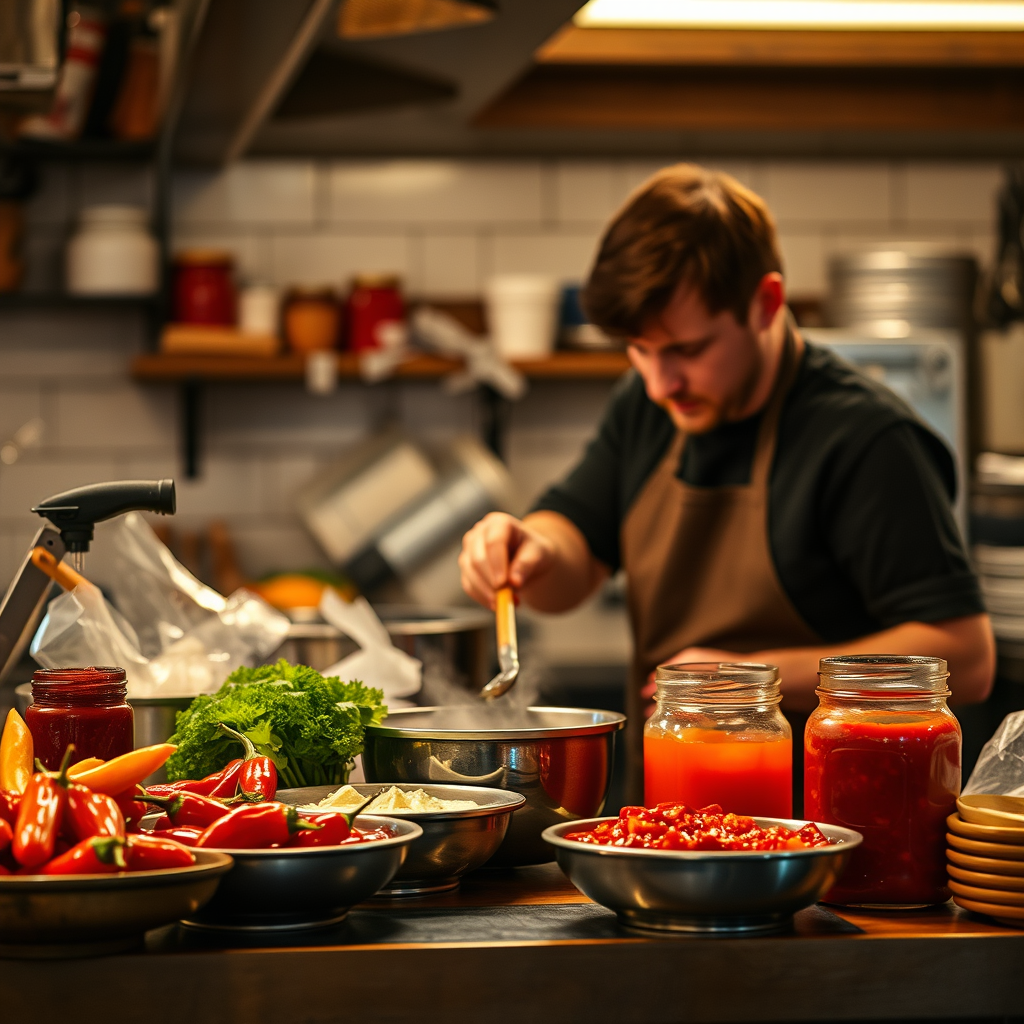
This guide offers a comprehensive, step-by-step recipe for crafting habanero jam, complete with precise ingredient measurements, cooking times, and canning techniques. It emphasizes the creation of a sweet and spicy habanero jam, highlighting essential safety considerations for preserving high-acid foods. While focused, the guide does not explore variations using other peppers or fruits, nor does it address unrelated canning processes or preserving techniques.
Who Should Read This
This article is tailored for home cooks who possess a basic understanding of cooking and canning, particularly those eager to create spicy preserves. Readers should be familiar with kitchen skills such as chopping, boiling, and sealing jars, as the recipe demands accurate measurements and specific cooking temperatures. It is not aimed at beginners who may lack knowledge of kitchen safety or canning practices, as improper methods can introduce food safety risks.
The Step-by-Step Protocol
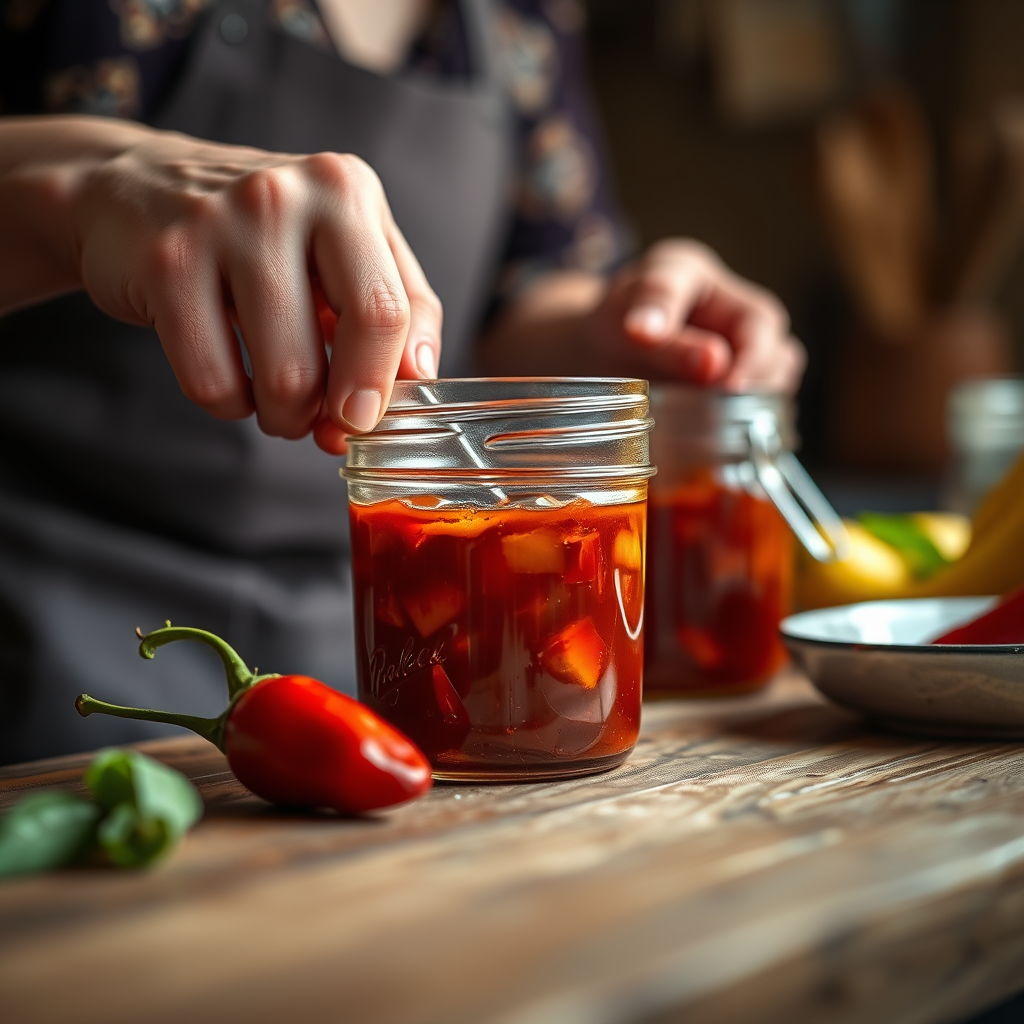
1. Gather Ingredients: Collect 1 pound of fresh habanero peppers, 1 cup of chopped bell peppers, 2 cups of granulated sugar, 1 cup of apple cider vinegar, and 1 packet of pectin.
2. Prepare the Peppers: Wearing gloves, remove the stems from the habaneros. If you prefer less heat, deseed them before finely chopping. Chop the bell peppers to add sweetness.
3. Cook the Mixture: In a large pot, combine the chopped habaneros and bell peppers with vinegar and sugar. Bring the mixture to a boil over medium heat, stirring frequently until the sugar dissolves.
4. Add Pectin: Once boiling, stir in the pectin and continue to boil for an additional 1-2 minutes, ensuring that the mixture thickens. To check for the gel stage, place a small amount on a cold plate.
5. Can the Jam: Pour the hot jam into sterilized jars, leaving 1/4-inch headspace. Wipe the rims clean, seal with lids, and process in a boiling water bath for 10 minutes.
6. Cool and Store: Allow jars to cool completely on a clean towel. After 24 hours, check the seals and store sealed jars in a cool, dark place for up to one year.
Key Ingredients for Habanero Jam
| # | Ingredient | Quantity | Purpose | Safety Notes |
|---|---|---|---|---|
| 1 | Habanero Peppers | 1 lb | Flavor and heat | Handle with gloves |
| 2 | Bell Peppers | 1 cup | Sweetness | No special handling |
| 3 | Granulated Sugar | 2 cups | Preservation and sweetness | Standard food safety |
| 4 | Apple Cider Vinegar | 1 cup | Acidity for preservation | Standard food safety |
| 5 | Pectin | 1 packet | Thickness | Store in a cool, dry place |
Warning Signs: When Not to Follow This
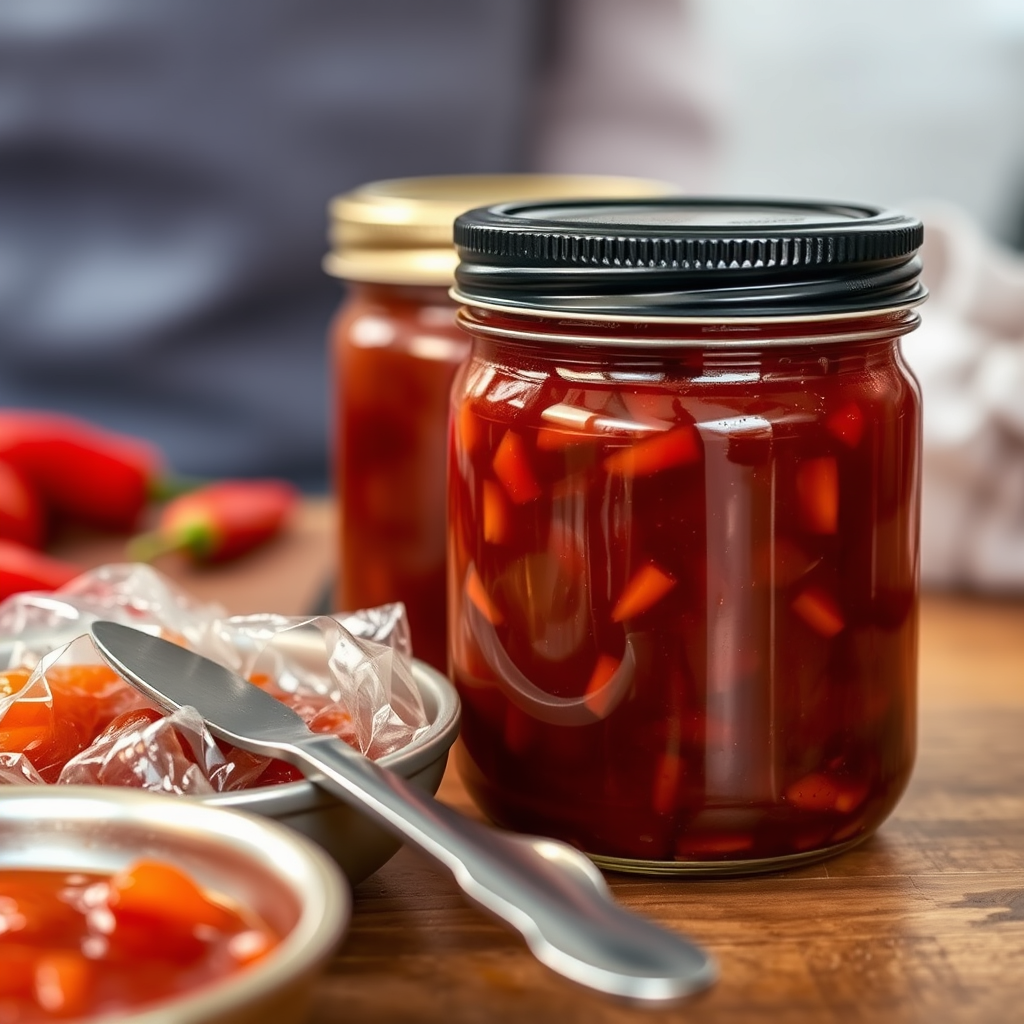
If you have any allergies to spicy foods or a sensitivity to peppers, it’s best to avoid this recipe due to the intense heat of habaneros. Additionally, refrain from making this jam if you lack access to a proper canning setup, particularly a boiling water canner, which is vital for safe preservation. Proceeding with spoiled or moldy ingredients, especially the peppers, poses a serious risk of foodborne illness.
The Most Common Mistakes (And Their Consequences)
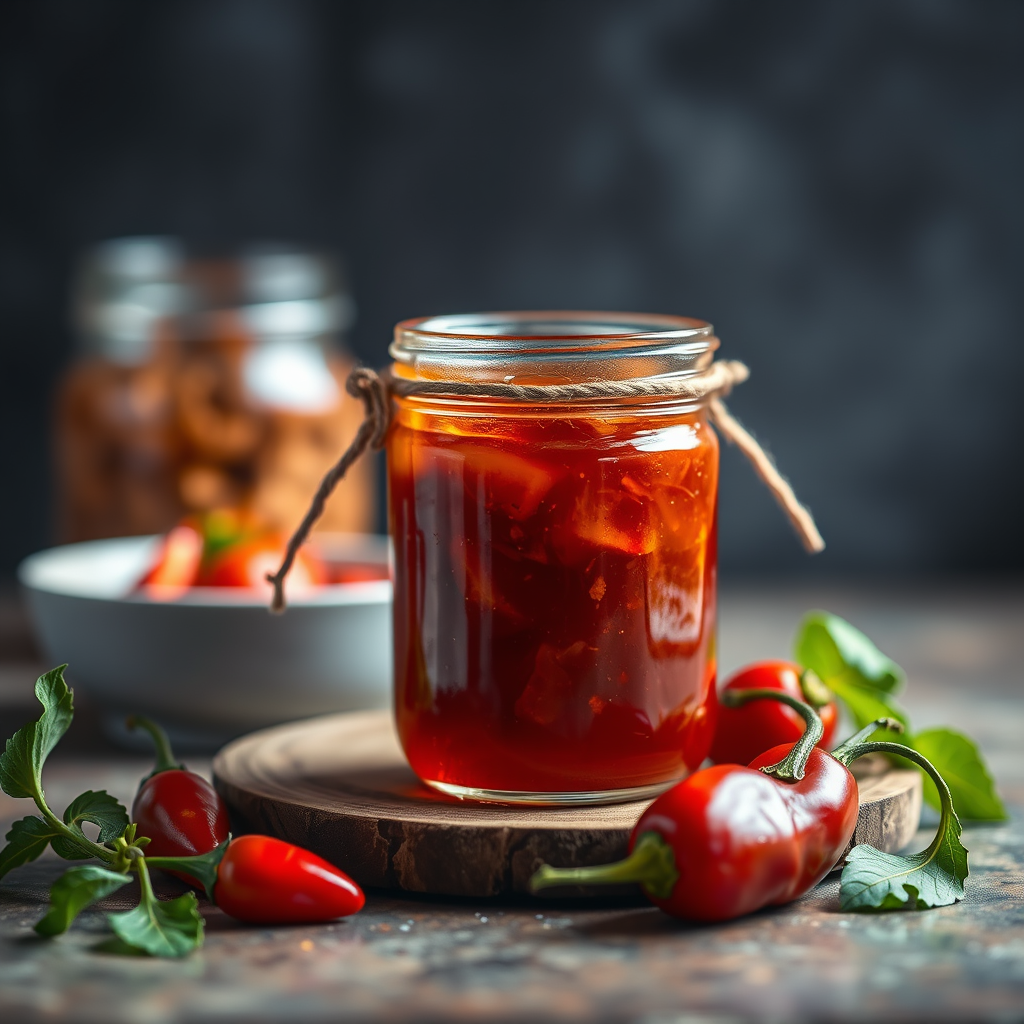
– Skipping the Pectin: Omitting pectin can lead to a runny jam that fails to set, compromising both texture and usability. You may end up with a product that requires remaking.
– Improper Sterilization: Failing to properly sterilize jars can result in bacterial growth, causing spoilage or food poisoning. Always sterilize jars in boiling water for at least 10 minutes.
– Ignoring Headspace: Overfilling jars can impede proper sealing, leading to spoilage and loss of flavor. Always maintain the recommended 1/4-inch headspace to ensure a secure seal.
Special Cases That Need a Different Approach
For those seeking a milder flavor, consider substituting some habaneros with milder peppers, like jalapeños, while keeping the proportions of other ingredients intact. If using frozen habaneros, be sure to thaw and drain them thoroughly before chopping, as excess moisture can negatively impact the cooking process and the final consistency of the jam. Those with dietary restrictions, such as low-sugar diets, should explore low-sugar pectin options and adjust sugar quantities while ensuring the jam reaches the proper gel stage.
When You Need a Professional
If you’re uncertain about the safety or functionality of your canning equipment, it’s wise to consult a food preservation expert or your local extension office before starting this recipe. For individuals with food allergies or sensitivities, particularly to peppers, seeking guidance from a medical professional can help avoid health risks. If you suspect any spoilage or contamination during the canning process, discard the batch and consult with a food safety expert to prevent foodborne illnesses.
Sources and Further Reading
– National Center for Home Food Preservation: Guidelines for safe canning practices and preservation techniques.
– “The Complete Book of Home Canning” by the USDA: A comprehensive reference for safe canning methods and recipes.
– “Ball Complete Book of Home Preserving”: Offers a variety of recipes, including fruit jams and jellies, along with safety tips for home canning.
By following this expert guide, you can confidently create delicious habanero jam while ensuring safety and quality in your preservation process. Embrace the heat and enjoy your homemade creation!
Frequently Asked Questions
What ingredients do I need for a habanero jam recipe?
To make a delicious habanero jam, you’ll need fresh habanero peppers, sugar, apple cider vinegar, pectin, and a pinch of salt. You can also add optional ingredients like ginger or garlic for extra flavor. Make sure to wear gloves when handling habaneros, as they can be quite spicy!
How do I prepare the habaneros for the jam?
Start by washing the habanero peppers thoroughly. Remove the stems and seeds if you prefer a milder jam, then finely chop or puree the peppers based on your texture preference. It’s essential to handle the peppers carefully and wash your hands afterward to avoid irritation.
Why is my habanero jam not setting properly?
If your habanero jam isn’t setting, it could be due to insufficient pectin or not cooking it long enough. Ensure you follow the recipe’s cooking times and use the right amount of pectin, as this ingredient is crucial for achieving the desired jelly-like consistency.
What is the best way to store homemade habanero jam?
The best way to store your homemade habanero jam is in sterilized glass jars. Once sealed, the jam can be kept in the refrigerator for up to three months or in the pantry for up to a year if properly processed in a water bath. Always check for signs of spoilage before use.
Which dishes pair well with habanero jam?
Habanero jam pairs wonderfully with a variety of dishes, adding a sweet and spicy kick. It’s excellent on cream cheese and crackers for an appetizer, drizzled over grilled meats, or used as a glaze for roasted vegetables. You can also use it to spice up sandwiches and burgers.
References
- Habanero
https://en.wikipedia.org/wiki/Habanero - https://www.sciencedirect.com/topics/food-science/habanero
https://www.sciencedirect.com/topics/food-science/habanero - https://pubmed.ncbi.nlm.nih.gov/
https://pubmed.ncbi.nlm.nih.gov/ - Google Scholar Google Scholar
https://scholar.google.com/scholar?q=habanero+jam+recipe - Google Scholar Google Scholar
https://scholar.google.com/scholar?q=habanero+jam - https://www.ncbi.nlm.nih.gov/pmc/articles/PMC5151847/
https://www.ncbi.nlm.nih.gov/pmc/articles/PMC5151847/ - https://www.ncbi.nlm.nih.gov/pmc/articles/PMC4031707/
https://www.ncbi.nlm.nih.gov/pmc/articles/PMC4031707/ - https://www.bbc.com/food/recipes/habanero_salsa_14025
https://www.bbc.com/food/recipes/habanero_salsa_14025 - https://www.nytimes.com/2014/09/03/dining/hot-sauce-habanero.html
https://www.nytimes.com/2014/09/03/dining/hot-sauce-habanero.html - https://www.verywellfit.com/habanero-peppers-nutrition-5191040
https://www.verywellfit.com/habanero-peppers-nutrition-5191040