Master the art of making freezer jam with this expert guide to the strawberry recipe, designed for both novice and seasoned cooks. This comprehensive approach covers essential techniques, ingredient selection, and food safety protocols to ensure your jam is not only delicious but also safe for your family. Following these precise methods will elevate your jam-making skills and preserve the fresh taste of strawberries year-round.
What This Guide Covers (And What It Doesn’t)

This guide offers an in-depth look at how to make freezer jam using fresh strawberries. You’ll find detailed information about the necessary ingredients, tools, and essential safety measures to ensure a successful outcome. Specifically, it outlines a step-by-step protocol for creating delicious strawberry freezer jam that you can store in your freezer for future enjoyment.
However, this guide does not delve into traditional canning methods or recipes for other types of jam. The focus is solely on freezer jam, a straightforward preservation technique that eliminates the need for complex canning processes. It is designed for home cooks who prefer a quick and efficient way to make strawberry jam without the hassle of sterilizing jars or lengthy cooking times.
Who Should Read This

This article is ideal for beginner to intermediate home cooks eager to learn how to create their own freezer jam. Readers should have a basic grasp of kitchen safety, including the importance of hygiene practices like washing hands and sanitizing utensils before preparing food. This guide is not meant for those seeking advanced canning techniques or recipes that demand extensive cooking times or sterilization.
The Step-by-Step Protocol

1. Gather Ingredients: Begin by collecting your ingredients. You will need 2 cups of ripe strawberries, hulled and mashed, 1 ½ cups of granulated sugar, and 1 box (1.75 oz) of fruit pectin, such as Sure-Jell. Ensure your strawberries are fresh, with no signs of spoilage.
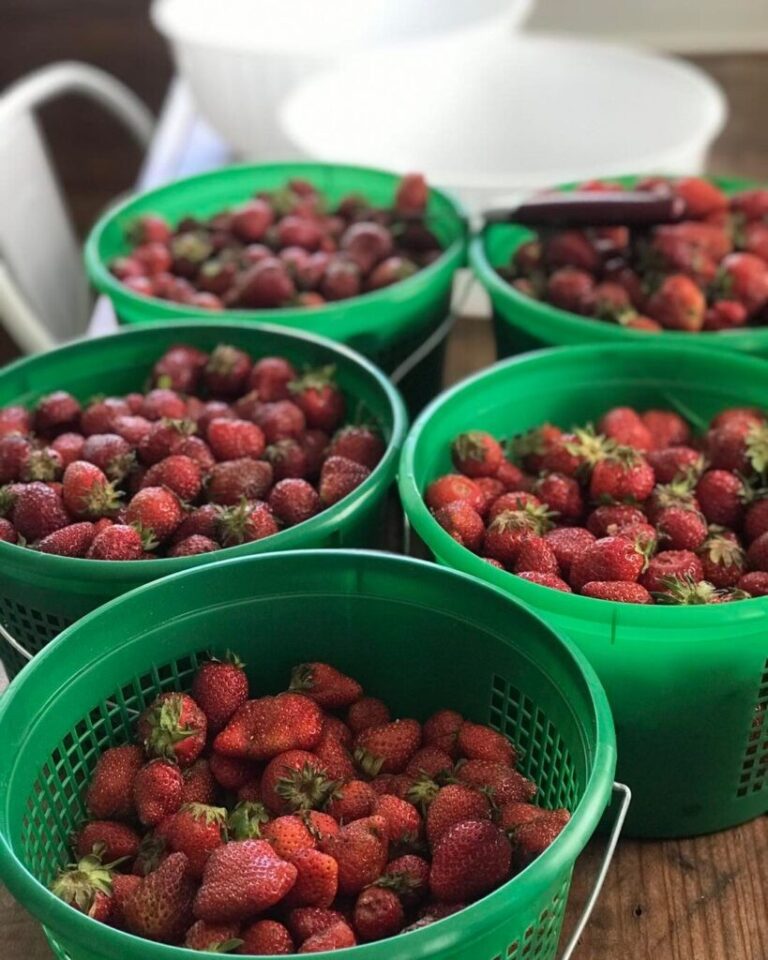
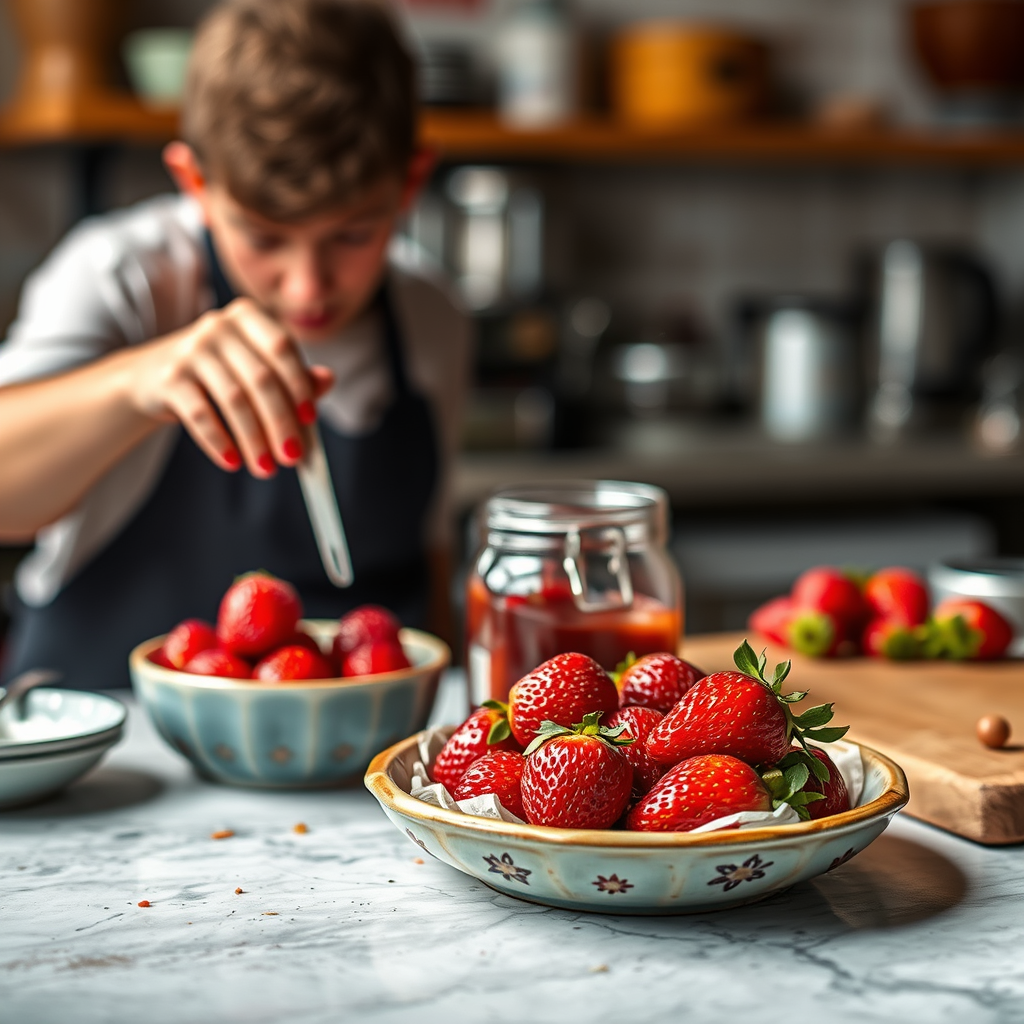
2. Prepare Strawberries: Thoroughly wash the strawberries under cold running water. Remove the green stems and mash them using a potato masher or a fork until you achieve a chunky consistency. Aim for a mixture that still retains some texture, as this will enhance the final product.
3. Mix Sugar and Pectin: In a separate mixing bowl, combine the granulated sugar with the fruit pectin. Stir the mixture well to ensure the pectin is evenly distributed throughout the sugar. Allow this mixture to sit for 10 minutes; this step is important as it helps to activate the pectin.
4. Combine Ingredients: Slowly stir the mashed strawberries into the sugar-pectin mixture. Mix thoroughly for 3 to 5 minutes, ensuring that the sugar is mostly dissolved. This step is crucial for achieving the right consistency and flavor in your jam.
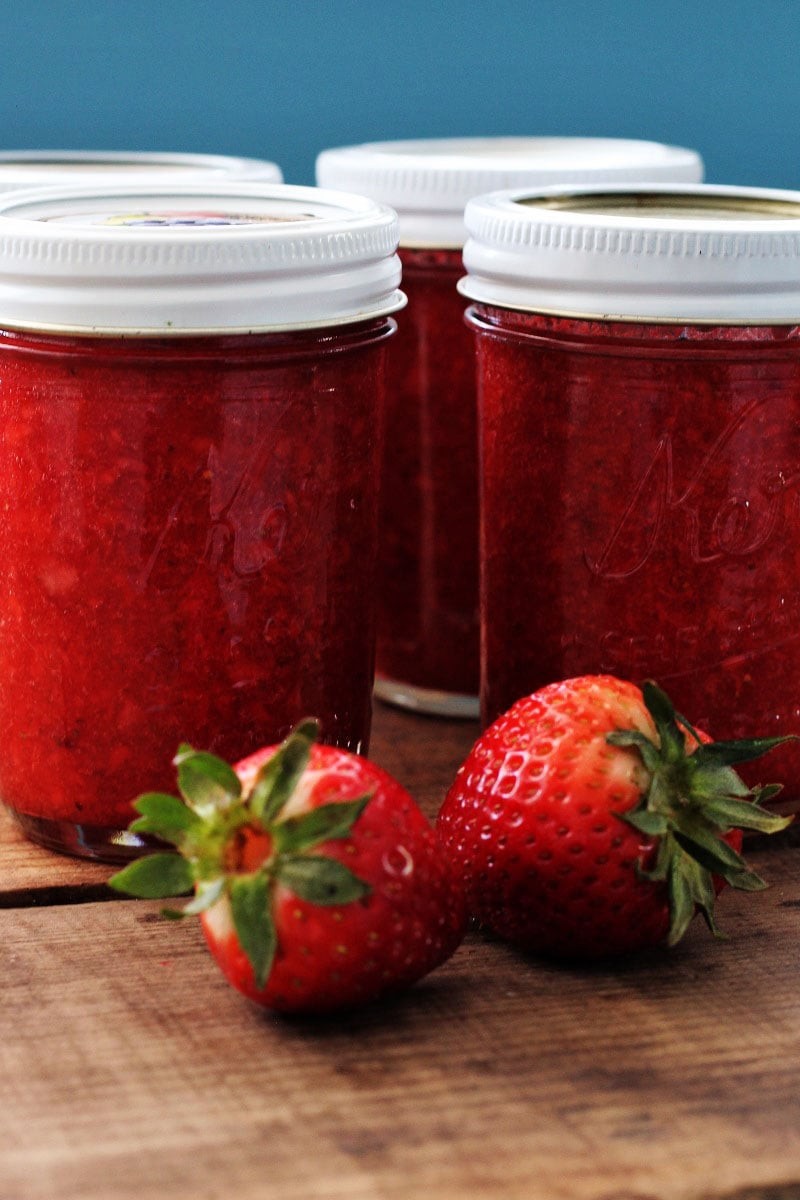
5. Fill Containers: Carefully pour the jam into clean, freezer-safe containers. Leave approximately ½ inch of headspace at the top of each container to allow for expansion during freezing. Seal the containers tightly to prevent air from entering.
6. Freeze: Immediately place the filled containers in the freezer after sealing. The jam can be stored for up to one year. For best quality, use it within six months.
Warning Signs: When Not to Follow This
– Do not attempt to make freezer jam if your strawberries are overripe, moldy, or exhibit any signs of spoilage. Using compromised fruit can lead to food safety issues and an undesirable end product.
– If you have allergies to any ingredients, particularly certain types of pectin or sugar, this recipe may not be suitable for you.
– Avoid making freezer jam if you cannot freeze the jam within 24 hours of preparation. Delays in freezing can promote bacterial growth, putting your health at risk.
The Most Common Mistakes (And Their Consequences)
– One common mistake is using low-quality strawberries, which can lead to a jam that is watery or lacks flavor. Always select ripe, fresh berries for the best results.
– Inaccurate measurements of ingredients, especially the pectin and sugar, can result in a jam that does not set properly. This will produce a syrupy texture rather than the desired spreadable consistency.
– Skipping the step of letting the sugar and pectin sit for 10 minutes can lead to uneven distribution of pectin, negatively affecting both flavor and texture.
Special Cases That Need a Different Approach
– For those looking to create a lower-sugar version, consider using a sugar substitute specifically designed for canning. Be sure to follow the package instructions carefully, as the pectin ratios may differ from those in the traditional recipe.
– Individuals with dietary restrictions may substitute granulated sugar with a suitable alternative; however, it is essential to verify that the substitute can be effectively used in freezer jams.
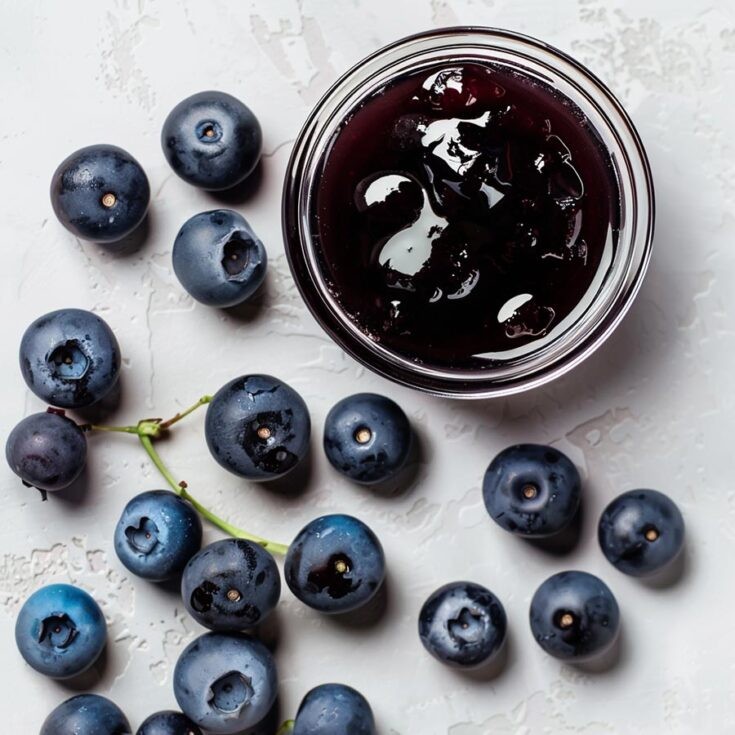
– If you wish to incorporate other fruits for flavor variations, such as rhubarb or blueberries, you will need to adjust the quantities of pectin and sugar in accordance with the water content of the additional fruits.
When You Need a Professional
– If you have concerns regarding food allergies or sensitivities, it is advisable to consult a licensed nutritionist before attempting this recipe. They can help ensure that your chosen ingredients are safe for your consumption.
– For those planning to make large batches (over 10 jars), it may be beneficial to consult with a food preservation expert. They can provide guidance on proper methods and safety measures to follow.
– If you’re unsure about the safety of your ingredients, or if you have questions regarding food storage practices, reaching out to your local health department can provide the necessary guidance and resources.
Sources and Further Reading
– USDA Complete Guide to Home Canning: This comprehensive guide offers the latest standards for food preservation, including freezer jam techniques.
– National Center for Home Food Preservation: A reliable resource for safe canning and preservation practices, featuring various freezer jam recipes.
– Ball Canning: The Ball brand provides extensive resources and recipes for both traditional and freezer jams, ensuring adherence to food safety standards.
By following this guide, you can confidently create delicious, homemade strawberry freezer jam that captures the essence of fresh strawberries. Enjoy your culinary creation, and remember to share it with loved ones or use it to elevate your breakfast and dessert offerings.
Frequently Asked Questions
What ingredients do I need for a basic freezer jam strawberry recipe?
To make a basic freezer jam strawberry recipe, you’ll need fresh strawberries, granulated sugar, pectin (preferably low-sugar or no-sugar needed variety), and lemon juice. This combination of ingredients creates a delightful, sweet jam that preserves the fresh flavor of strawberries while being easy to store in the freezer.
How do I prepare strawberries for freezer jam?
To prepare strawberries for freezer jam, start by washing them thoroughly and removing the green stems. Then, mash the strawberries using a fork or potato masher until you reach your desired consistency, whether chunky or smooth. This step is crucial as it determines the texture of your homemade freezer jam.
Why is pectin important in a freezer jam strawberry recipe?
Pectin is a natural thickening agent that helps your freezer jam achieve the right consistency and gel-like texture. It binds the sugars and fruit together, ensuring that the jam sets properly without needing to cook it, which preserves the fresh taste of strawberries. Using the right type of pectin, such as low-sugar or no-cook pectin, can enhance the flavor and texture of your jam.
What is the best way to store freezer jam strawberry?
The best way to store freezer jam strawberry is in airtight containers or freezer-safe jars, leaving some space at the top for expansion as the jam freezes. Properly labeled and dated containers can help you keep track of your jam’s freshness. Remember to store it in the freezer for long-term use and transfer it to the refrigerator once you start using it.
Which containers are best for freezing homemade strawberry jam?
The best containers for freezing homemade strawberry jam are glass jars, plastic containers, or freezer bags designed for food storage. Ensure that any container used is freezer-safe and leave some headspace at the top to accommodate the expansion during freezing. Glass jars with wide mouths are particularly popular for easy filling and thawing.
References
- Fruit preserves
https://en.wikipedia.org/wiki/Jam - https://www.extension.purdue.edu/extmedia/HHS/HHS-785-W.pdf
https://www.extension.purdue.edu/extmedia/HHS/HHS-785-W.pdf - Page not found
https://www.clemson.edu/extension/food_safety/food_preservation/jams_jellies.html - https://nchfp.uga.edu/how/can_06/freezer_jam.html
https://nchfp.uga.edu/how/can_06/freezer_jam.html - https://www.fs.usda.gov/treesearch/pubs/38110
https://www.fs.usda.gov/treesearch/pubs/38110 - https://www.uga.edu/
https://www.uga.edu/ - Google Scholar Google Scholar
https://scholar.google.com/scholar?q=freezer+jam+strawberry+recipe - Google Scholar Google Scholar
https://scholar.google.com/scholar?q=strawberry+jams+preservation - Google Scholar Google Scholar
https://scholar.google.com/scholar?q=freezer+jam+recipes - https://www.healthline.com/nutrition/strawberry-jam-recipes
https://www.healthline.com/nutrition/strawberry-jam-recipes