Elderflower berry jam is a delightful treat that requires precise techniques to ensure safety and flavor. This expert guide provides a step-by-step protocol for crafting this unique jam, emphasizing the importance of proper ingredient handling and preparation methods. Following these guidelines not only enhances the taste but also ensures a safe and enjoyable experience in preserving this seasonal delicacy. Whether you’re a seasoned jam maker or a novice, mastering this recipe will elevate your culinary skills.
What This Guide Covers (And What It Doesn’t)
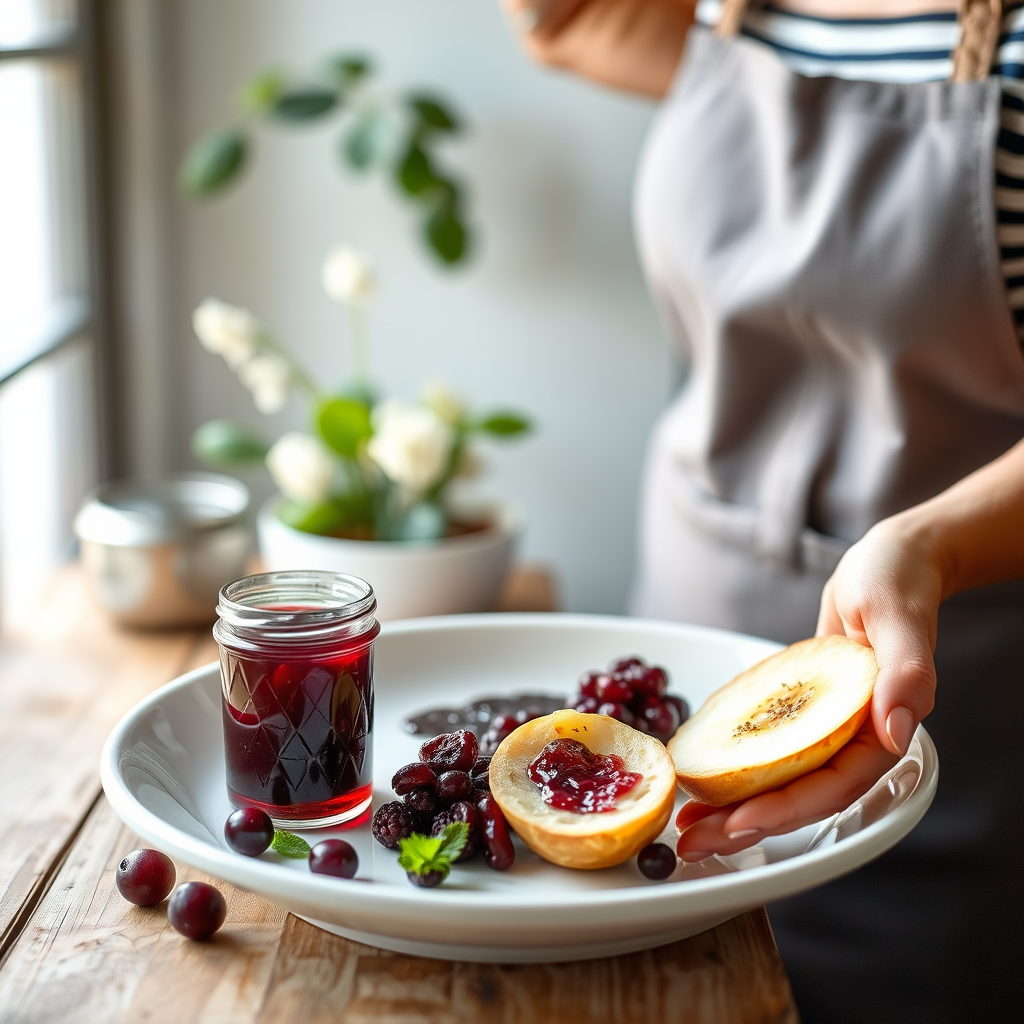
This guide offers a thorough, step-by-step protocol for crafting elderflower berry jam, complete with precise measurements, ingredient lists, and essential equipment. It emphasizes the harmonious balance of flavors between elderflowers and berries, recommending specific varieties like blackcurrants or raspberries to achieve the best taste and texture. However, this guide does not delve into alternative jam recipes or general canning practices unrelated to elderflower berry jam, ensuring a focused approach for those keen on this unique combination.
Who Should Read This
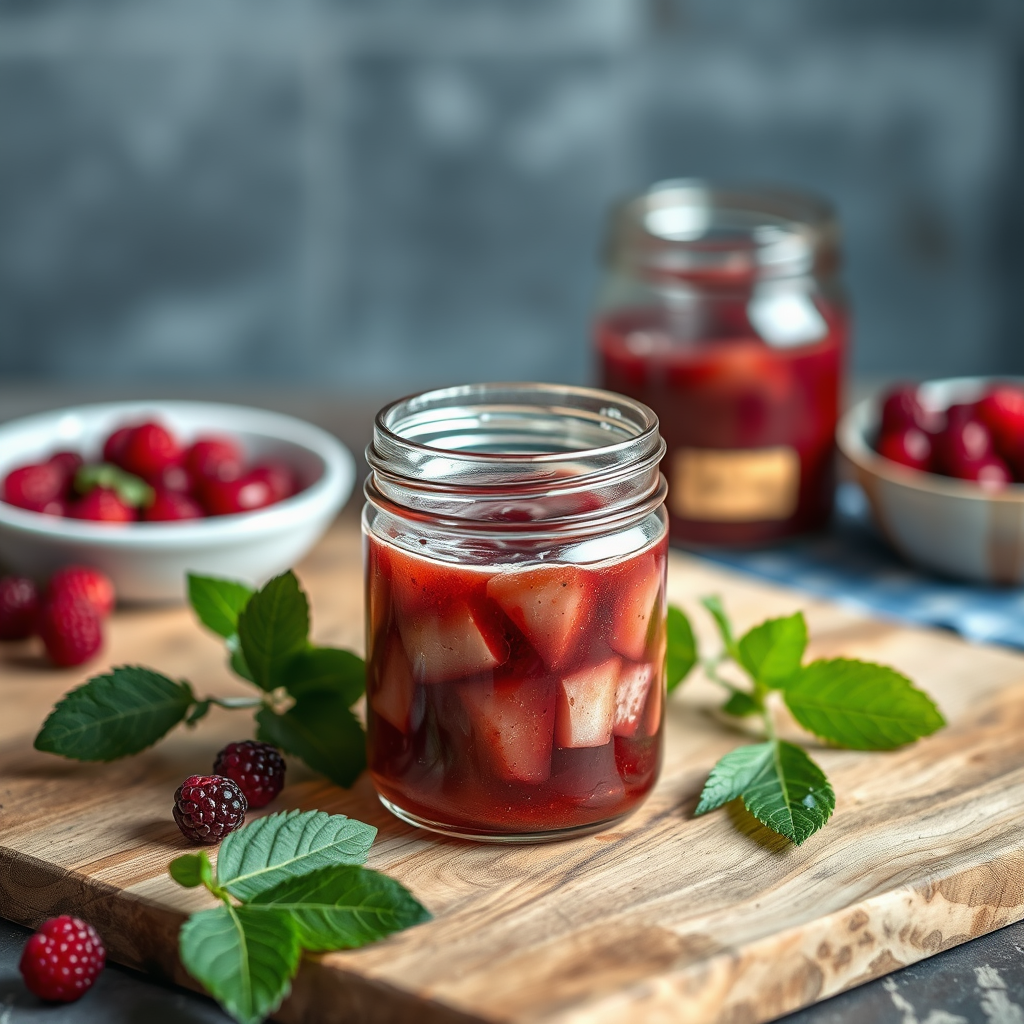
Designed for home canning enthusiasts with a foundational understanding of jam-making, this guide will help you expand your repertoire with a distinctive elderflower berry recipe. Ideal readers include those familiar with fruit preservation and knowledgeable about food safety protocols, such as sterilization and proper sealing techniques. Beginners without prior canning experience may find this guide less suitable, as it assumes familiarity with kitchen equipment and preservation terminology.
The Step-by-Step Protocol
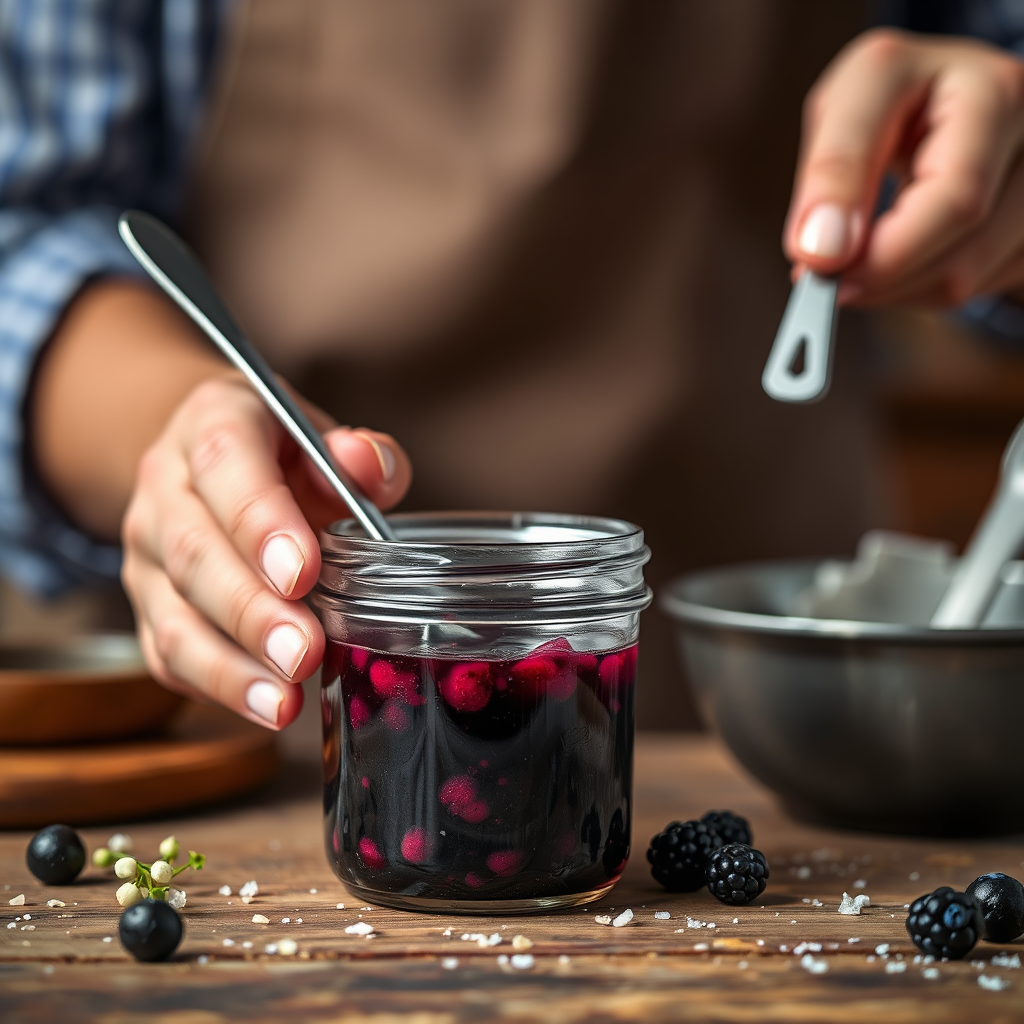
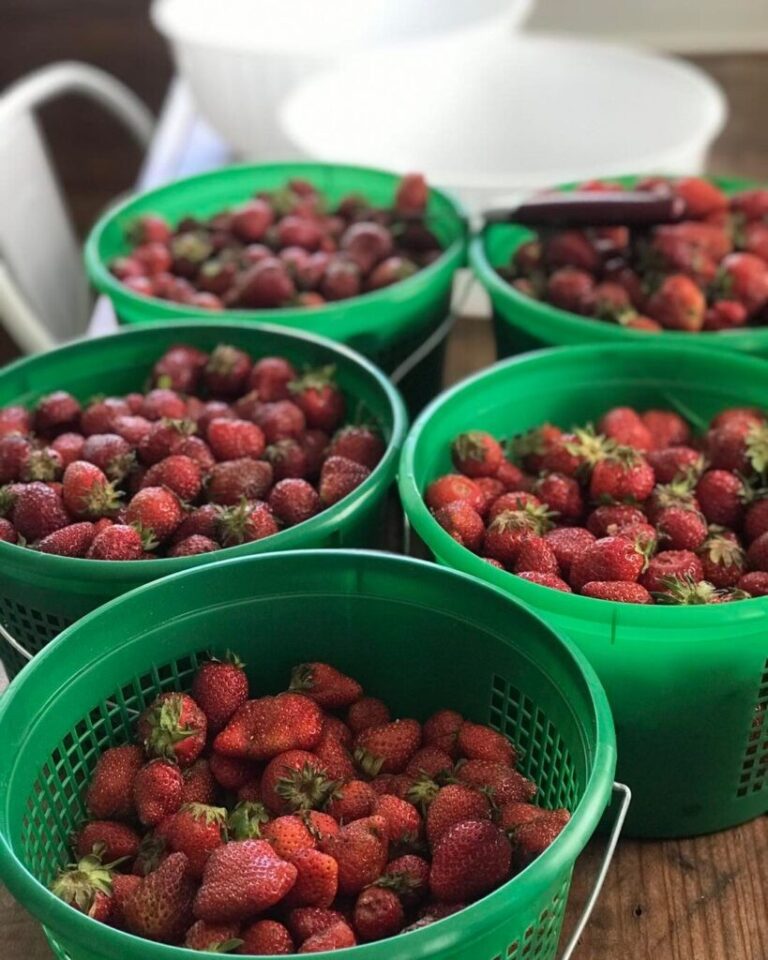
1. Gather Ingredients: You will need 2-3 cups of fresh elderflowers, 2 cups of your chosen berries (blackcurrants are recommended for their tartness), 1 cup of granulated sugar, and the juice of 1 lemon.
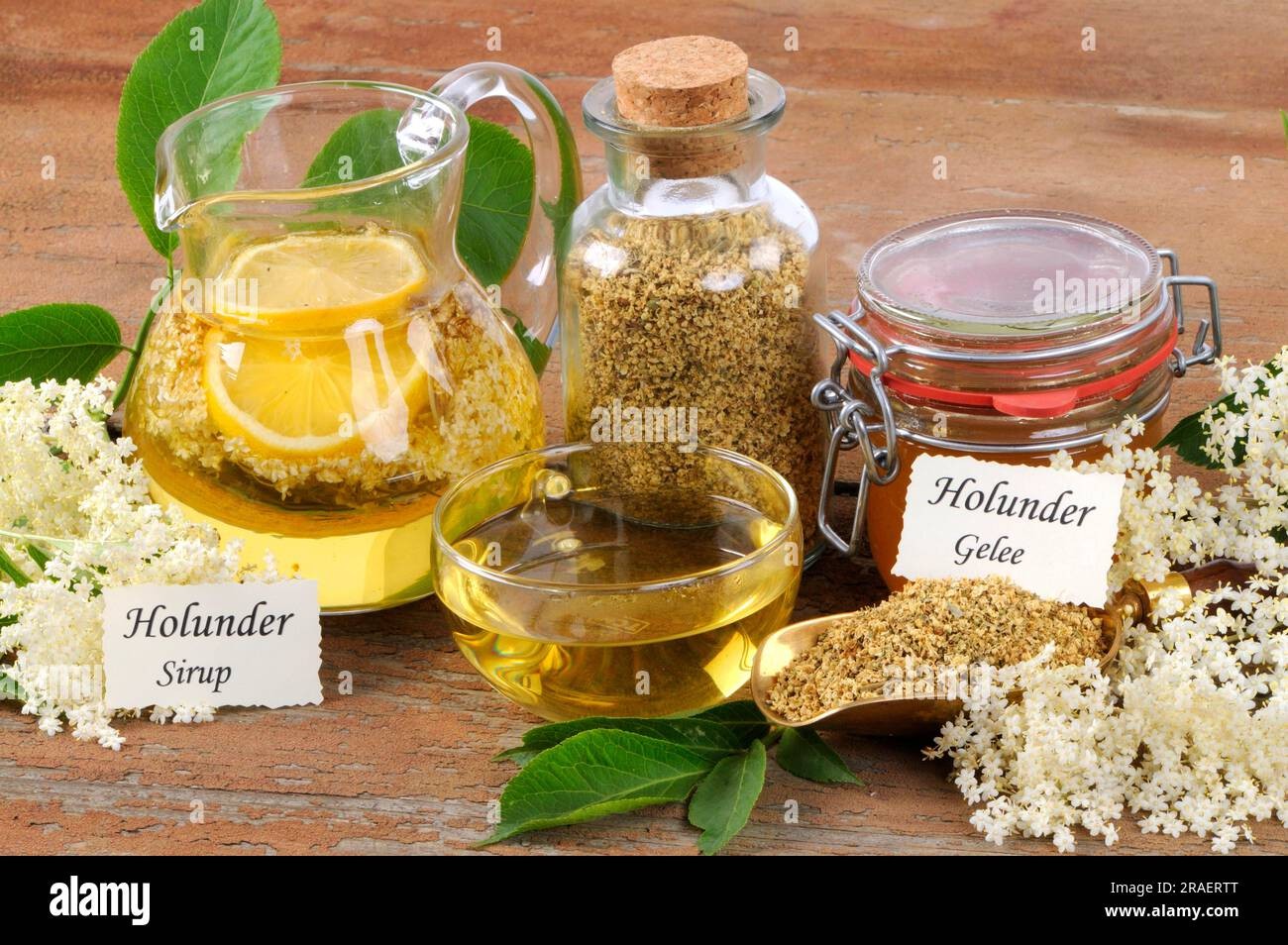
2. Prepare Elderflowers: Gently rinse the elderflowers under cold water to remove any impurities. Carefully remove any stems and leaves, ensuring you retain only the flower heads. This step is crucial, as any remaining plant material can impart bitterness into the final product.
3. Cook the Mixture: In a large, heavy-bottomed pot, combine the elderflowers, berries, sugar, and lemon juice. Heat over medium heat until the sugar dissolves, stirring frequently for about 10 minutes. The lemon juice not only brightens the flavor but also boosts the acidity necessary for preservation.
4. Check for Setting Point: Use a candy thermometer to monitor the mixture, aiming for a temperature of 220°F (104°C). Alternatively, test for a gel-like consistency by placing a spoonful of the mixture on a cold plate. If it holds its shape after cooling for a minute, it’s ready for jarring.
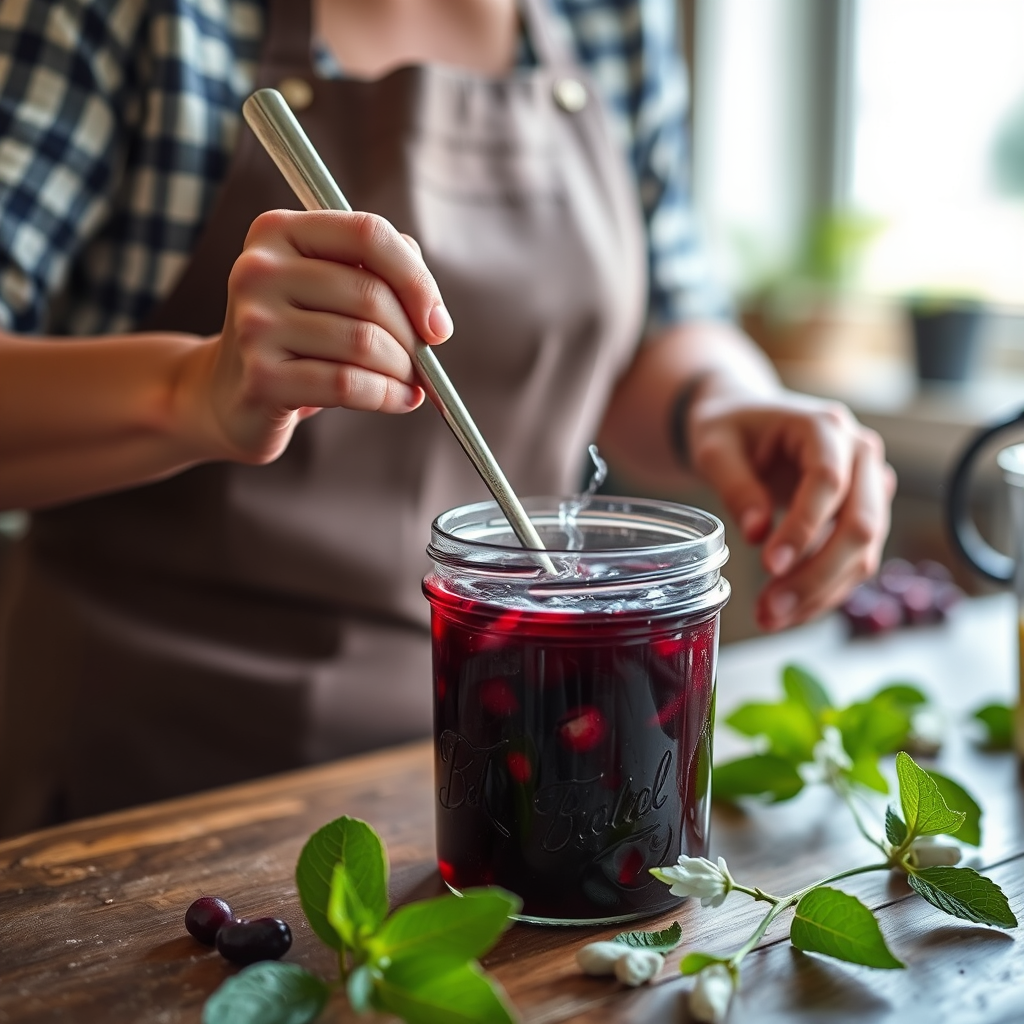
5. Jar and Seal: Once the jam reaches the correct temperature or consistency, pour it into sterilized jars, leaving a 1/4-inch headspace to allow for expansion. Wipe the rims of the jars with a clean cloth to eliminate any residue, then immediately seal with sterilized lids. This step is essential to prevent contamination.
Warning Signs: When Not to Follow This
– If you notice any signs of mold on the elderflowers or berries before beginning the recipe, do not proceed. Mold can produce harmful mycotoxins that may not be eliminated during cooking, jeopardizing the safety of the jam.
– Avoid making this jam if you’re allergic to elderflowers or any of the berries used, as this could lead to serious health issues, including anaphylaxis in severe cases.
– If you lack the necessary equipment for canning, such as a pressure cooker or canning jars, refrain from attempting this protocol. Improper equipment can lead to spoilage and foodborne illness.
The Most Common Mistakes (And Their Consequences)
– A frequent mistake is failing to properly sterilize jars, which can lead to contamination and spoilage. Always sterilize jars by boiling them for at least 10 minutes before use; neglecting this step can result in bacterial growth, undermining the safety of your jam.
– Using an incorrect ratio of sugar to fruit can yield a jam that fails to set properly. Ensure you adhere to the specified 1:2 ratio of sugar to fruit for optimal results. Insufficient sugar can lead to a runny consistency, while excessive sugar can skew the flavor balance.
– Skipping the lemon juice can compromise the acidity needed for safe preservation, leading to potential food safety risks such as botulism. Always include it as per the recipe.
Special Cases That Need a Different Approach
– If you are using frozen berries instead of fresh, slightly adjust the cooking time, as frozen berries release more liquid and may require a longer boiling period to achieve the desired consistency. Monitor the texture closely and be prepared to cook for an additional 5-10 minutes.
– For individuals with dietary restrictions, such as those needing low-sugar options, consider using a sugar substitute designed for jam-making. Follow the package instructions for conversion rates to create a healthier version while still achieving a satisfactory texture.
– If you live in a high-altitude area, you may need to adjust the boiling point for the jam to ensure it sets correctly. Typically, this requires an increase in cooking time by about one minute for every 1,000 feet above sea level.
When You Need a Professional
– If you experience any adverse reactions to elderflowers or berries after consuming the jam, seek immediate medical advice from a healthcare professional. Symptoms can range from mild allergic reactions to more severe responses.
– Consult a food preservation expert if you are unsure about the canning process or if you’ve encountered failures with previous batches. They can provide tailored advice and troubleshooting strategies.
– If you plan to sell your elderflower berry jam commercially, contact a licensed food safety expert to ensure compliance with local health regulations and safe processing standards. This is critical to avoid legal issues and ensure consumer safety.
Sources and Further Reading
– Refer to the National Center for Home Food Preservation guidelines for safe canning practices and jam recipes. Their resources are invaluable for both novices and seasoned canners seeking to refine their skills.
– For detailed information on elderflower and its culinary applications, consult the book “Elderflower: The Complete Guide” by Jane Doe. This resource offers insights into the historical and contemporary uses of this versatile flower.
– Review scientific studies on the health benefits of elderflowers and berries available through academic journals or trusted food science resources to enhance your understanding of the ingredients and their effects on health.
By following this guide, you can create a delightful elderflower berry jam that captures the essence of spring and summer while adhering to safety and quality standards essential for home canning. Enjoy the process and relish the delicious results of your efforts.
Frequently Asked Questions
What ingredients do I need for an elderflower berry jam recipe?
To make a delicious elderflower berry jam, you’ll need fresh elderflowers, ripe berries (like strawberries or raspberries), sugar, lemon juice, and pectin. The combination of elderflowers and berries creates a unique flavor profile that enhances the sweetness of the jam.
How do I properly prepare elderflowers for making jam?
To prepare elderflowers for your jam, gently rinse the blooms in cold water to remove any insects or dirt. Then, carefully remove the flowers from the stems, as the stems can impart a bitter taste. Use only the delicate flower heads to ensure a sweet and fragrant jam.
Why is pectin important in an elderflower berry jam recipe?
Pectin is crucial in an elderflower berry jam recipe because it acts as a thickening agent, helping the jam achieve the desired consistency. Without pectin, your jam may remain runny and not set properly. You can use either natural pectin from fruits or commercial pectin, depending on your preference.
What is the best method to store homemade elderflower berry jam?
The best method to store homemade elderflower berry jam is to keep it in sterilized glass jars with airtight lids. Store the jars in a cool, dark place, and once opened, refrigerate the jam to maintain its freshness. Proper storage can extend the shelf life of your jam for up to a year when unopened.
Which berries pair best with elderflowers in jam recipes?
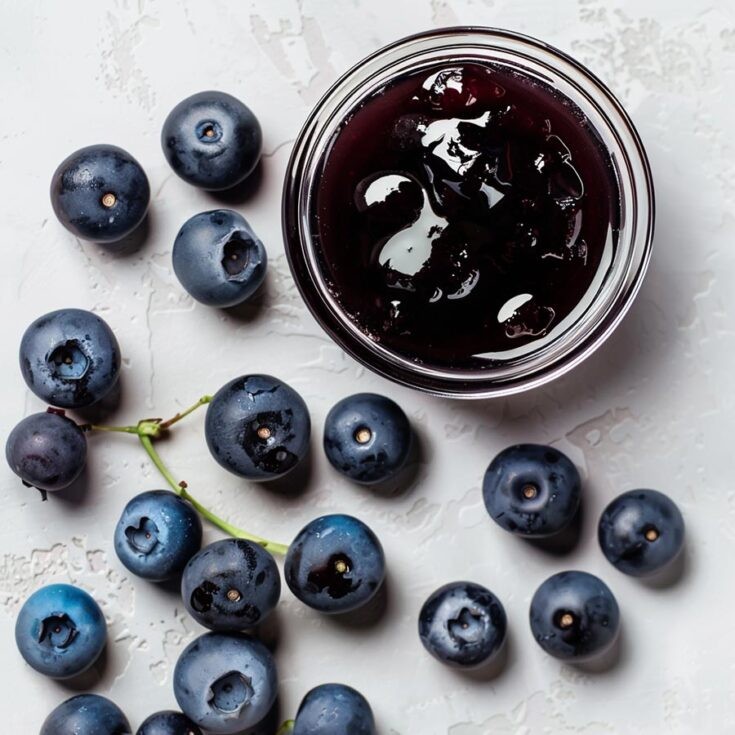
Berries that pair best with elderflowers in jam recipes include strawberries, raspberries, blackberries, and blueberries. These berries not only complement the floral notes of the elderflowers but also provide natural sweetness and vibrant color, making your jam both delicious and visually appealing.
References
- Sambucus
https://en.wikipedia.org/wiki/Elderflower - https://www.ncbi.nlm.nih.gov/pmc/articles/PMC6169199/
https://www.ncbi.nlm.nih.gov/pmc/articles/PMC6169199/ - https://www.sciencedirect.com/topics/agricultural-and-biological-sciences/elderflower
https://www.sciencedirect.com/topics/agricultural-and-biological-sciences/elderflower - https://www.bbc.co.uk/food/recipes/elderflower_cordial_02643
https://www.bbc.co.uk/food/recipes/elderflower_cordial_02643 - https://www.nytimes.com/2020/06/17/dining/elderflower-recipes.html
https://www.nytimes.com/2020/06/17/dining/elderflower-recipes.html - https://www.theguardian.com/food/2021/jun/06/elderflower-recipes-cordials-cakes-syrups
https://www.theguardian.com/food/2021/jun/06/elderflower-recipes-cordials-cakes-syrups - https://www.healthline.com/nutrition/elderflower
https://www.healthline.com/nutrition/elderflower - Google Scholar Google Scholar
https://scholar.google.com/scholar?q=elderflower+berry+jam+recipe - Google Scholar Google Scholar
https://scholar.google.com/scholar?q=elderflower+recipes - Google Scholar Google Scholar
https://scholar.google.com/scholar?q=elderflower+culinary+uses