Master the art of making cherry jam with this expert guide, designed for both novice and seasoned preservers. This step-by-step protocol ensures your jam is not only delicious but also safe for long-term storage, highlighting essential techniques and safety measures. By following these precise instructions, you’ll create a flavorful preserve that captures the essence of summer while protecting your family’s health.
What This Guide Covers (And What It Doesn’t)
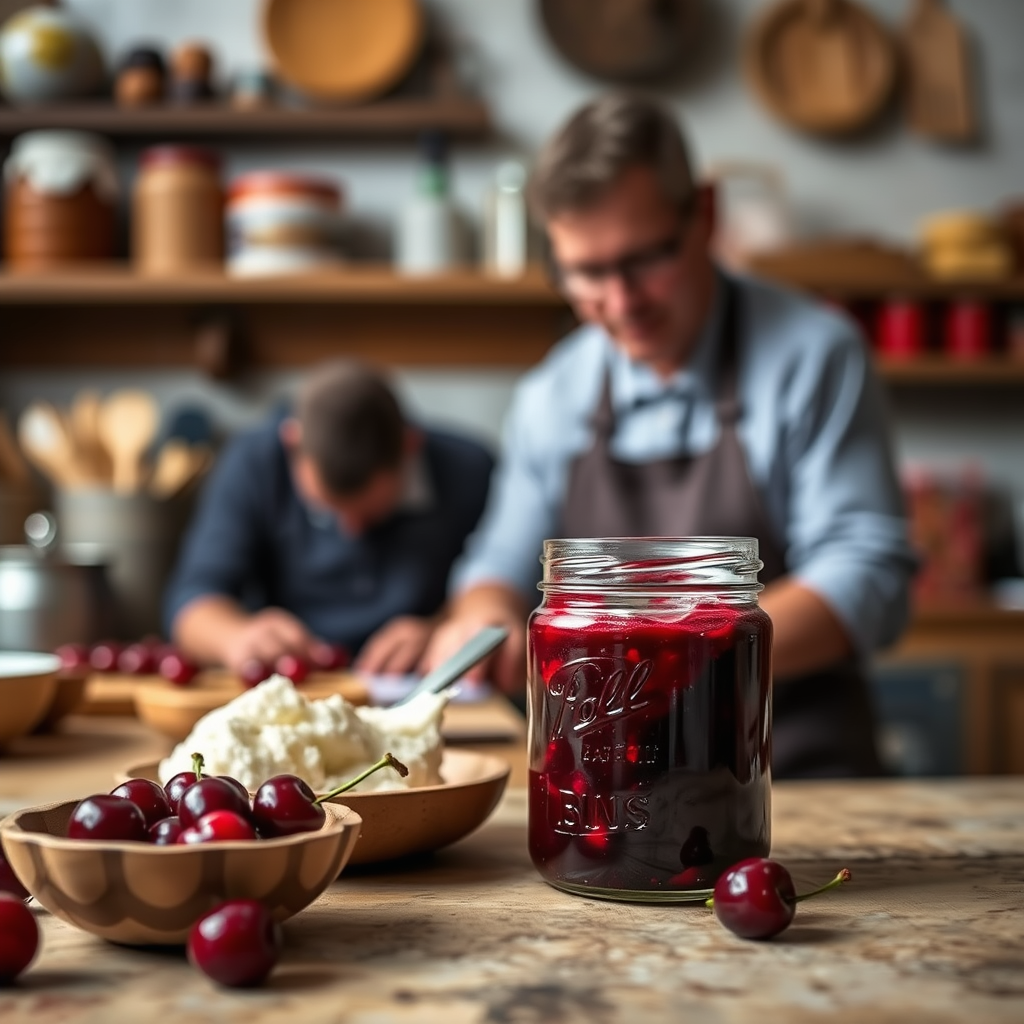
This guide offers a thorough, step-by-step protocol for safely making cherry jam, featuring detailed ingredient lists, essential equipment, and sterilization procedures. You’ll discover crucial insights about ingredient ratios, cooking times, and canning methods that guarantee both safety and deliciousness. Focusing exclusively on cherry jam, it intentionally omits alternative fruit preserves and non-traditional jam-making techniques. This guide is perfect for home cooks eager to preserve cherries effectively while adhering to food safety standards.
Who Should Read This
This guide is tailored for home canners and jam enthusiasts who possess a basic understanding of kitchen safety and food preservation techniques. Ideally, readers should have prior experience with at least one canning process, as familiarity with equipment like water bath canners and jar sterilization is assumed. Those interested in the science behind fruit preservation, particularly cherries, will find valuable knowledge here to master jam-making. Individuals making cherry jam for personal enjoyment or as gifts will acquire practical skills to ensure both quality and safety.
The Step-by-Step Protocol
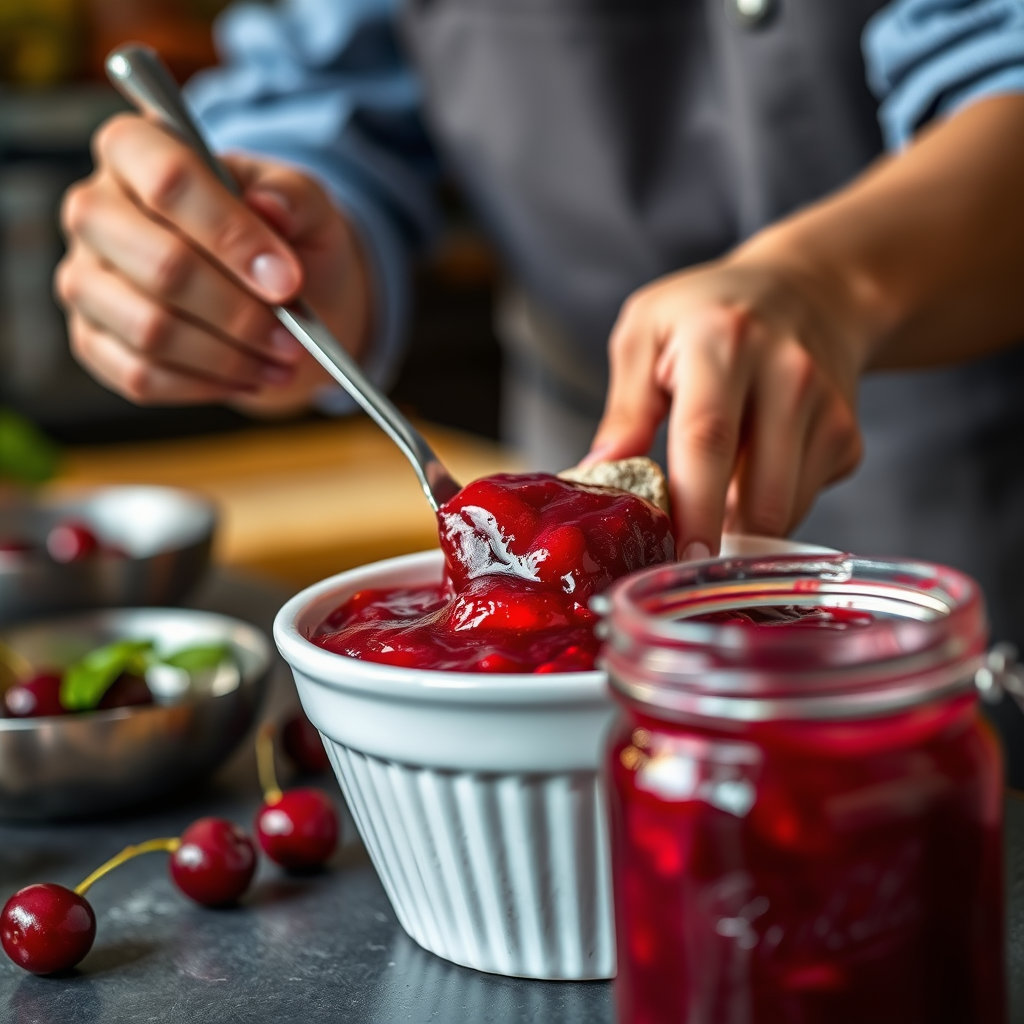
1. Gather Ingredients: Prepare 4 cups of pitted cherries, 1 cup of granulated sugar, and 1/4 cup of fresh lemon juice to balance the acidity.
2. Prepare Equipment: Ensure you have clean, sterilized jars, lids, and a water bath canner ready for use. Sterilize jars by submerging them in boiling water for 10 minutes.
3. Cook the Jam: In a large pot, combine pitted cherries, sugar, and lemon juice. Heat over medium-high heat, stirring until the mixture boils. Cook for approximately 20-25 minutes until it reaches a rolling boil, stirring frequently.
4. Test for Doneness: Use a candy thermometer to ensure the mixture reaches 220°F (104°C), the gel point for proper jam consistency. Alternatively, employ the “plate test” method by placing a spoonful of jam on a cold plate and checking for a gel-like texture after cooling briefly.
5. Jar the Jam: Carefully ladle the hot jam into the prepared sterilized jars, leaving 1/4-inch headspace at the top. Wipe the rims with a clean cloth to ensure a proper seal.
6. Process in Water Bath: Submerge the jars in a boiling water bath for 10-15 minutes, ensuring they are fully submerged with at least an inch of water above the lids.
7. Cool and Store: Remove jars from the water bath and allow them to cool completely on a clean towel or cooling rack. Check seals after 24 hours; properly sealed jars will have a concave lid.
Cherry Jam Ingredients Comparison (2023)
| # | Ingredient | Quantity | Purpose | Notes |
|---|---|---|---|---|
| 1 | Pitted Cherries | 4 cups | Base Flavor | Fresh or Frozen |
| 2 | Granulated Sugar | 1 cup | Sweetening Agent | Essential for Preservation |
| 3 | Fresh Lemon Juice | 1/4 cup | Acidity Balancer | Enhances Flavor |
| 4 | Pectin (Optional) | As Needed | Gelling Agent | For Thicker Consistency |
| 5 | Water | As Needed | Cooking Medium | To Dissolve Sugar |
| 6 | Salt (Optional) | 1/4 tsp | Flavor Enhancer | Balance Sweetness |
| 7 | Vanilla Extract (Optional) | 1 tsp | Flavor Enhancer | Adds Depth of Flavor |
Warning Signs: When Not to Follow This
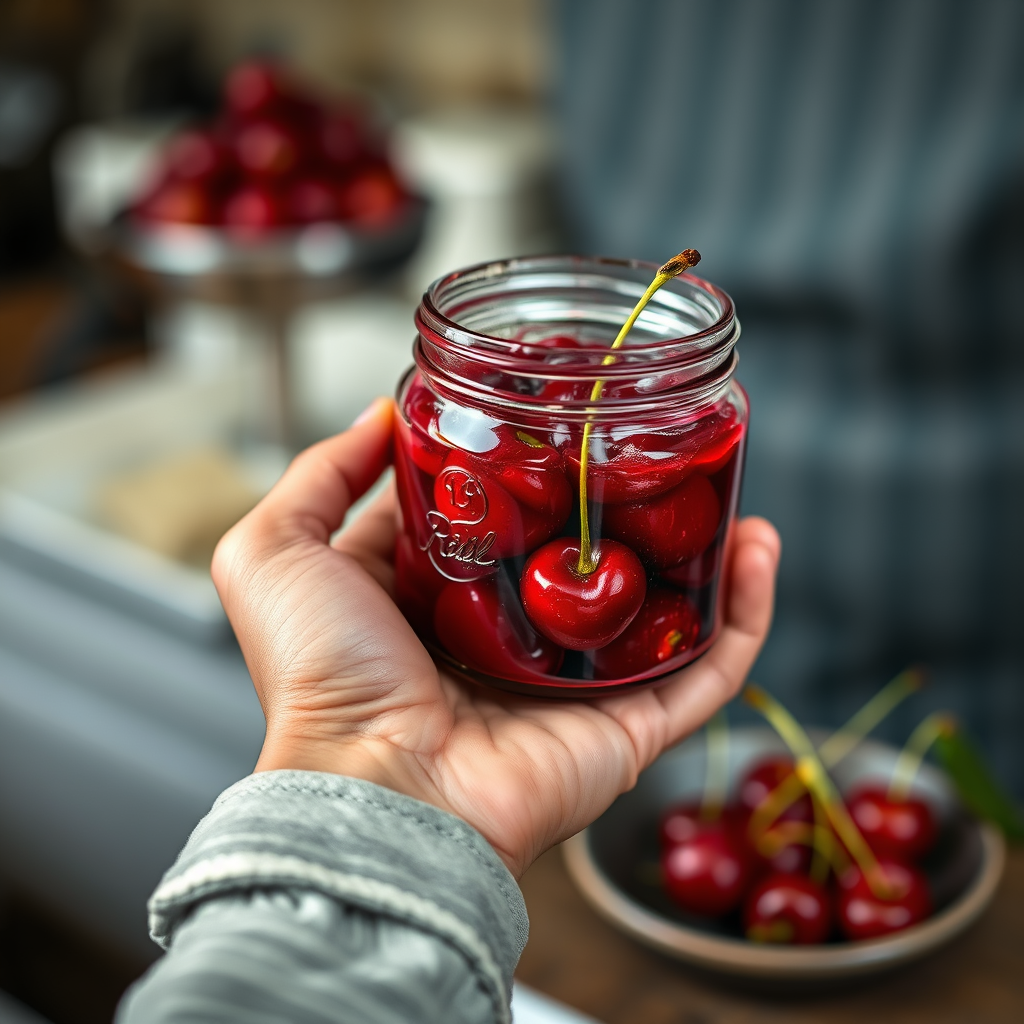
– Avoid proceeding with the recipe if the cherries are overly ripe or exhibit any signs of mold or spoilage, as this can lead to unsafe jam.
– Do not attempt this recipe without proper canning equipment, such as a water bath canner or sterilized jars; lacking these increases the risk of contamination.
– Steer clear of making cherry jam if you are unfamiliar with food preservation guidelines since improper techniques can result in foodborne illnesses.
– If the jam does not set after the suggested cooking time, do not consume it without reassessing the process; it may require additional cooking or pectin.
The Most Common Mistakes (And Their Consequences)
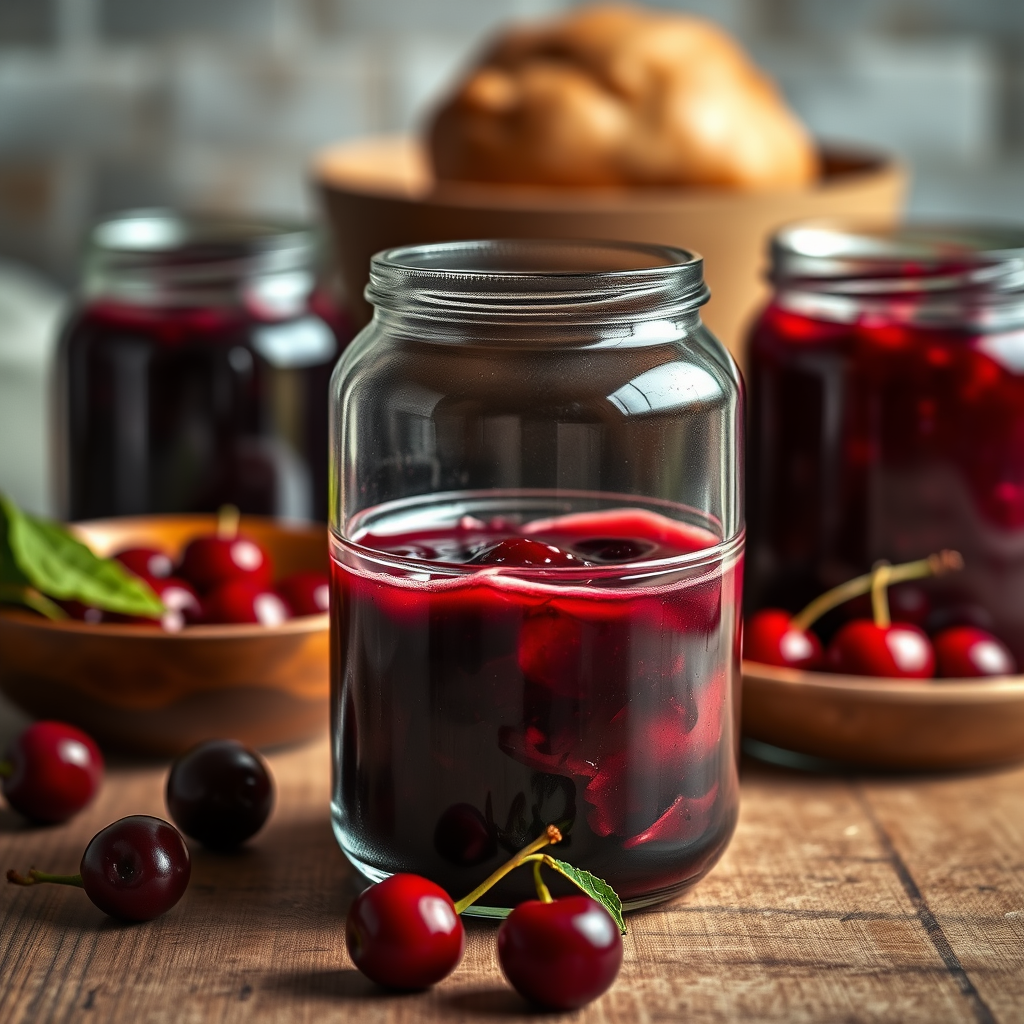
– Neglecting to properly sterilize jars can introduce bacteria, leading to spoilage or foodborne illness in the finished product.
– Using an incorrect sugar-to-fruit ratio may yield jam that is either too runny or excessively sweet, compromising its flavor and texture.
– Failing to allow the jam to reach the correct temperature can prevent it from achieving the desired gel consistency.
– Skipping the water bath processing step can result in jars that are not shelf-stable, heightening the risk of spoilage when stored at room temperature.
Special Cases That Need a Different Approach
– For those with dietary restrictions, such as those needing low-sugar or sugar-free alternatives, consider using pectin designed for low-sugar recipes or natural sweeteners like agave.
– If you use frozen cherries, ensure they are completely thawed and drained of excess liquid before cooking, as this can alter both cooking times and consistency.
– To infuse flavors, consider adding spices like cinnamon or vanilla extract, but adjust the cooking time and sugar content accordingly to prevent spoilage.
– When canning at high altitudes, increase processing time by 5–10 minutes to ensure proper sealing and preservation due to lower boiling temperatures.
When You Need a Professional
– Consult a food safety expert if you suspect any of the fruit used is contaminated or improperly stored before proceeding with the jam-making process.
– When canning on a large scale for commercial purposes, it’s crucial to work with a food safety professional to comply with local regulations and guidelines.
– If you encounter persistent issues with spoilage or unsealed jars despite following the protocol, seek advice from a certified expert in food preservation.
– For significant modifications to the recipe (e.g., using alternative fruits or unconventional ingredients), consult a professional to ensure safety and effectiveness in preserving the jam.
Sources and Further Reading
– USDA Complete Guide to Home Canning: A foundational resource on safe canning practices and preservation techniques.
– National Center for Home Food Preservation: Offers specific guidelines on fruit preservation, including cherry jam recipes and safety protocols.
– “The Ball Book of Canning and Preserving”: This book provides comprehensive instructions on the science of canning and includes recipes for various fruit jams.
– FoodSafety.gov: A reliable source for understanding food safety practices, including proper canning methods and the importance of acidity in fruit preservation.
Frequently Asked Questions
What are the key ingredients for making cherry jam?
To make a delicious cherry jam, you’ll need fresh or frozen cherries, granulated sugar, and lemon juice. The cherries provide the flavor and natural pectin, while sugar acts as a preservative and sweetener, and lemon juice helps balance the sweetness and enhance preservation.
How do I properly prepare cherries for jam-making?
Start by washing the cherries thoroughly to remove any dirt or pesticides. Next, remove the stems and pits; using a cherry pitter can make this process faster. After preparation, chop the cherries if desired, as smaller pieces can help release more juice during cooking.
Why is pectin important in cherry jam recipes?
Pectin is a natural thickening agent that helps the jam achieve the desired consistency and gel-like texture. While cherries contain some pectin, you may need to add commercial pectin or use a recipe specifically designed for low-pectin fruits to ensure your cherry jam sets properly.
What is the best method for canning cherry jam?
The best method for canning cherry jam is the water bath canning process. This involves filling sterilized jars with hot jam, sealing them with lids, and processing them in boiling water for a specific time to create a vacuum seal, ensuring your jam stays fresh for months.
Which cherry varieties are best for making jam?
The best cherry varieties for making jam are Bing and Rainier cherries due to their sweetness and rich flavor. Sour cherries, like Montmorency, are also popular for their tartness, which can balance the sweetness of the jam and provide a unique taste.
References
- Fruit preserves
https://en.wikipedia.org/wiki/Jam - https://www.uga.edu/extension/publications/
https://www.uga.edu/extension/publications/ - https://www.foodsafety.gov/keep/charts/jams.html
https://www.foodsafety.gov/keep/charts/jams.html - https://www.nal.usda.gov/legacy/legacy/food-safety-jams-and-jellies
https://www.nal.usda.gov/legacy/legacy/food-safety-jams-and-jellies - https://www.cdc.gov/foodsafety/communication/jams-jellies.html
https://www.cdc.gov/foodsafety/communication/jams-jellies.html - https://www.nature.com/articles/s41574-021-00457-0
https://www.nature.com/articles/s41574-021-00457-0 - https://pubmed.ncbi.nlm.nih.gov/29783775/
https://pubmed.ncbi.nlm.nih.gov/29783775/ - Google Scholar Google Scholar
https://scholar.google.com/scholar?q=recipe+of+cherry+jam - Google Scholar Google Scholar
https://scholar.google.com/scholar?q=cherry+jam+preservation - Google Scholar Google Scholar
https://scholar.google.com/scholar?q=homemade+cherry+jam+recipes