Master the art of making apricot jam with this expert guide that lays out a precise step-by-step protocol. Designed for both novice and seasoned canners, this comprehensive recipe ensures safety and quality in every jar. Following the right procedures is crucial to preserve the vibrant flavor and texture of fresh apricots while preventing spoilage. Dive into the details and transform your kitchen into a jam-making haven.
What This Guide Covers (And What It Doesn’t)
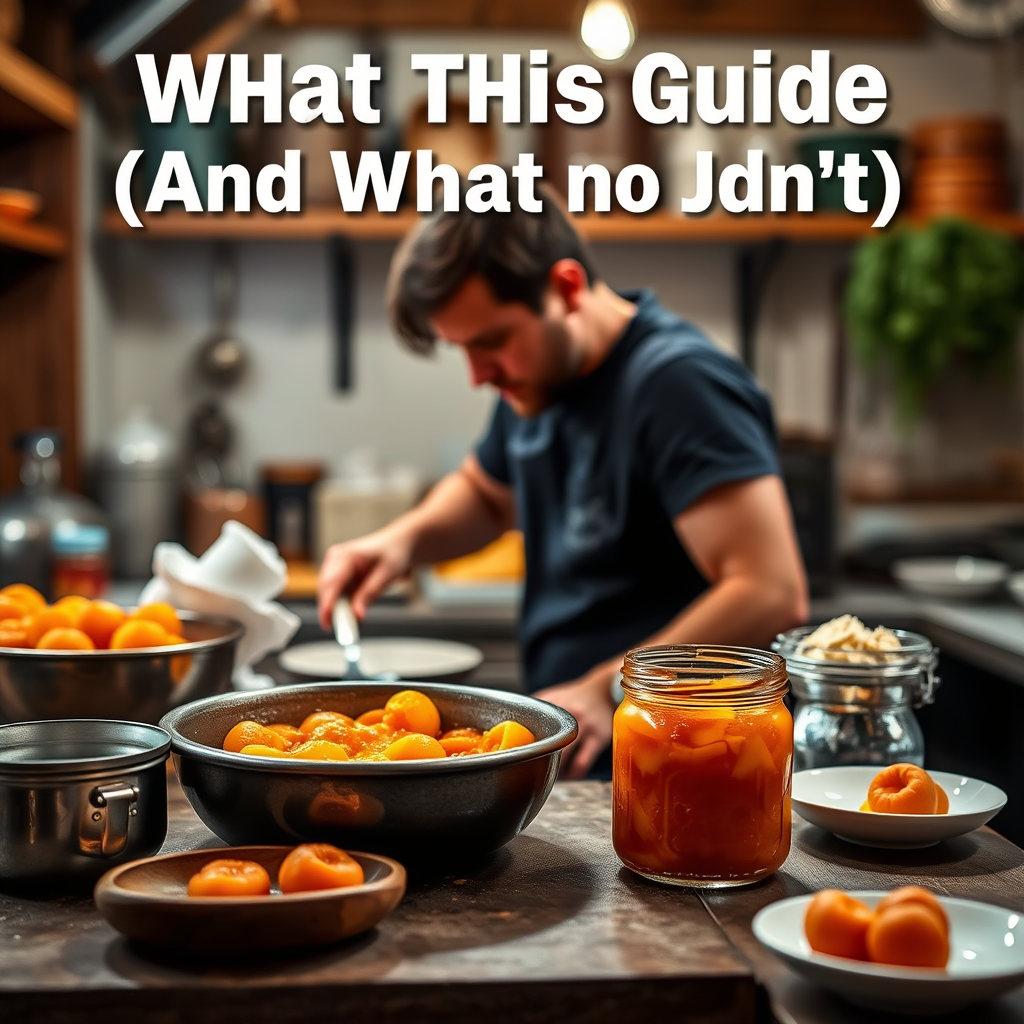
This guide provides a safe and efficient method for making apricot jam, detailing the necessary ingredients, equipment, and sterilization techniques. Focusing on small-batch, home kitchen preparation, it emphasizes the paramount importance of food safety and quality. However, it does not delve into other types of fruit preserves or alternative jam-making methods that bypass the canning process. This guide is tailored for home cooks who possess a basic understanding of kitchen practices but may seek guidance on the nuances of jam-making.
Who Should Read This
This guide is designed for home cooks who have at least a beginner-level understanding of fruit preservation and canning safety protocols. It appeals to those eager to craft their own jams to avoid preservatives, enhance flavor, or utilize surplus apricots from their gardens. Individuals with dietary restrictions or preferences who wish to control sugar content and additives will find this guide particularly useful. If you’re unfamiliar with food safety standards related to canning or jam-making, it’s advisable to seek preliminary information on these topics before proceeding.
The Step-by-Step Protocol

1. Gather Ingredients: Begin with 2 pounds of fresh, ripe apricots, 1.5 cups of granulated sugar, 1/4 cup of freshly squeezed lemon juice, and 1/4 teaspoon of unsalted butter. The lemon juice is vital as it boosts acidity, aiding both in preservation and flavor enhancement.
2. Prepare the Apricots: Thoroughly wash the apricots under running water to eliminate dirt and pesticides. Pit the apricots and chop them into small pieces, approximately 1/2 inch in size. This size facilitates even cooking and ensures a pleasing texture in the finished jam.
3. Sterilize Equipment: To avoid contamination, sterilize your jars and lids by boiling them in water for 10 minutes. Keep them submerged in hot water until you’re ready to fill them. This crucial step helps ensure the longevity of your jam.
4. Cook the Jam: In a large, heavy-bottomed pot, combine the prepared apricots, sugar, lemon juice, and butter. Heat the mixture over medium-high heat until it reaches a rolling boil, stirring frequently to prevent sticking. Continue boiling for about 10-15 minutes, monitoring the temperature with a candy thermometer until it reaches 220°F (104°C), the gelling point for most jams.
5. Test for Doneness: To determine if the jam is ready, perform the plate test. Place a spoonful of the boiling jam on a chilled plate, then tilt the plate. If the jam wrinkles and holds its shape, it’s ready for jarring. If it runs off the plate, continue boiling for a few more minutes before testing again.
6. Jar the Jam: Carefully fill the sterilized jars with the hot jam, leaving 1/4-inch headspace at the top, which is essential for proper sealing. Wipe the rims of the jars with a clean cloth to remove any residue that could impede a good seal. Place the sterilized lids on top and secure them with metal bands, tightening until they are fingertip-tight.
7. Process in a Water Bath: To ensure vacuum sealing and eliminate any bacteria, process the jars in a boiling water bath. Submerge the jars in boiling water for 10 minutes, ensuring the water covers the jars by at least an inch. This step is critical for long-term shelf stability.
8. Cool and Store: After processing, carefully remove the jars and let them cool completely on a clean towel or cooling rack. Once cooled, check that the lids have sealed properly by pressing down in the center of each lid. Store sealed jars in a cool, dark place for up to a year. Unsealed jars can be refrigerated and used within a few weeks.
Warning Signs: When Not to Follow This
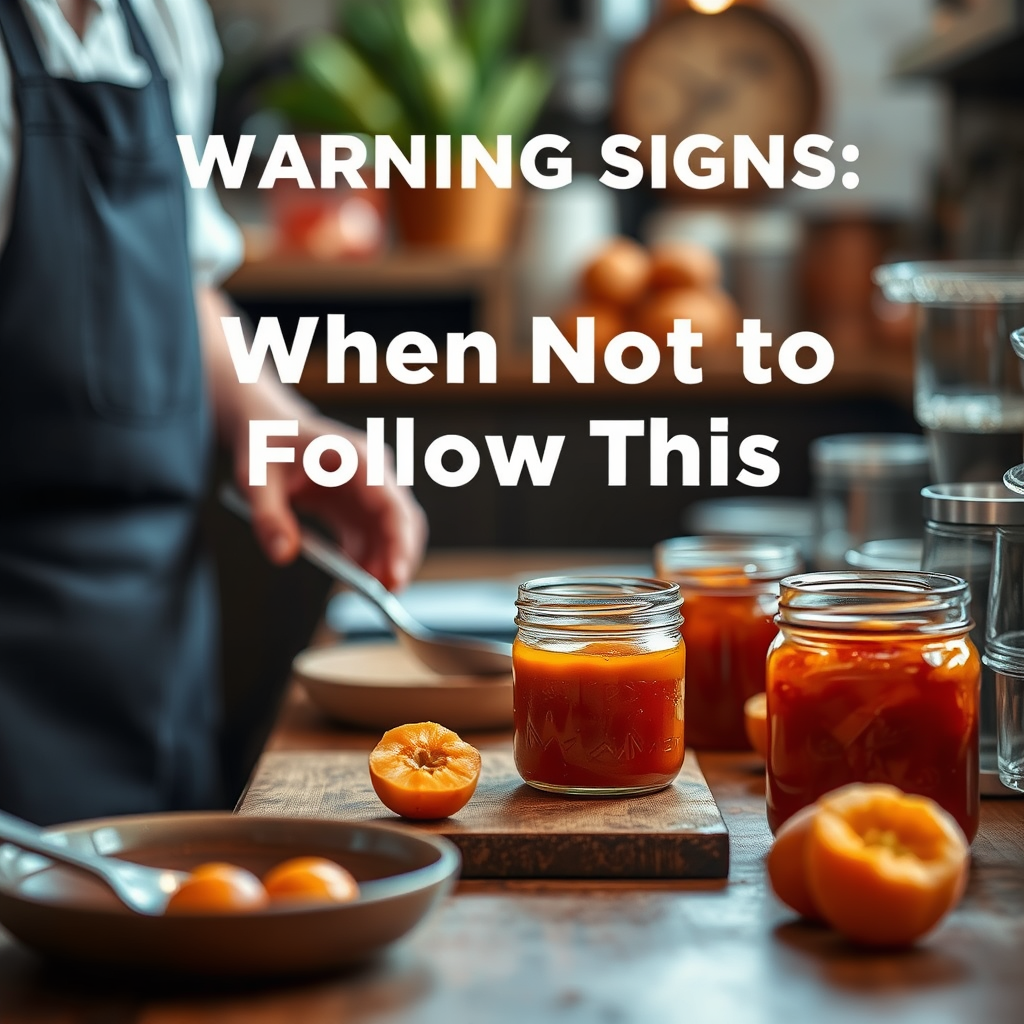
Avoid making jam if your apricots are overripe, bruised, or moldy, as they may introduce harmful bacteria. Do not proceed with this recipe if you lack the necessary equipment for sterilization and canning, as this significantly increases the risk of contamination. If you have a compromised immune system or are preparing jam for someone who does, consult guidelines for high-acid food preservation from a credible source before proceeding. Should you notice any unusual odors, colors, or textures in your jam after preparation, do not consume it, as these could indicate spoilage.
The Most Common Mistakes (And Their Consequences)
Using unripe or overly ripe apricots can lead to undesirable texture or flavor in the jam. Unripe fruit often lacks the necessary sugars for proper gelling, while overly ripe fruit can introduce off-flavors and spoilage. Neglecting to sterilize jars can cause the jam to spoil quickly, leading to foodborne illnesses. Overcooking the jam or failing to reach the correct temperature can result in a runny consistency, making it unsuitable for spreading. Skipping the water bath processing step can prevent proper jar sealing, increasing the risk of spoilage and compromising the jam’s safety for long-term storage.
Special Cases That Need a Different Approach
If you are using low-sugar or no-sugar pectin, adjust the sugar content accordingly and follow the pectin’s specific instructions for proper gelation. For those with allergies or dietary restrictions, consider using alternative sweeteners like honey or agave, but be aware that this may alter the texture and flavor. If you wish to add spices like ginger or cinnamon, do so sparingly and taste carefully, as these can significantly change the jam’s profile. For high-altitude canning, consult local guidelines to adjust processing times, as higher elevations may require longer processing to ensure safety and quality.
When You Need a Professional
If you experience any adverse reactions after consuming homemade jam, consult a healthcare provider immediately. Seek professional guidance when attempting to can low-acid fruits or vegetables without proper knowledge of safe canning practices. If you are uncertain about the integrity of your canning equipment or the safety of your jam, consider contacting a local extension office for expert advice. For those looking to scale up production for commercial purposes, consulting a food safety expert or a licensed food processor is essential to ensure compliance with local regulations.
Sources and Further Reading
Consult the USDA’s Complete Guide to Home Canning for authoritative information on safe canning methods and guidelines. Reference the National Center for Home Food Preservation for specific advice on fruit preservation, including apricot jam recipes. The Ball Blue Book of Preserving serves as a trusted resource for home canning recipes and techniques. Local agricultural extension services often provide workshops and resources on safe canning practices, which can be invaluable for novice jam-makers.
By following this expert guide, you can create delicious apricot jam while ensuring food safety and quality. Embrace the rewarding process of preserving seasonal fruit and savor the flavorful results in every jar.
Frequently Asked Questions
What ingredients do I need for a simple apricot jam recipe?
To make a simple apricot jam, you will need fresh apricots, granulated sugar, lemon juice, and pectin. Typically, a ratio of 2 pounds of apricots to 4 cups of sugar and the juice of one lemon works well. Ensure your apricots are ripe for the best flavor and sweetness.
How do I ensure my apricot jam sets properly?
To ensure your apricot jam sets properly, it’s crucial to use the right amount of pectin and to follow the cooking times specified in your recipe. Additionally, test the set by placing a spoonful of jam on a cold plate; if it holds its shape after cooling for a minute, it’s ready. Stirring the jam frequently while cooking helps distribute the pectin evenly.
Why is my apricot jam too runny, and how can I fix it?
If your apricot jam is too runny, it may be due to insufficient cooking time or not enough pectin. You can fix it by returning the jam to the stove, adding more pectin or sugar, and cooking it longer until it reaches the desired consistency. Always remember to perform the gel test before canning.
What is the best way to store homemade apricot jam?
The best way to store homemade apricot jam is to keep it in sterilized glass jars with tight lids. Once opened, store the jam in the refrigerator, where it can last for up to three weeks. For long-term storage, consider water bath canning the jars to seal them properly, which can extend their shelf life for up to a year.
Which varieties of apricots are best for making jam?
The best varieties of apricots for making jam are those that are sweet and flavorful, such as Tilton or Moorpark apricots. These varieties have high sugar content and good acidity, which contribute to a delicious final product. Choosing ripe, fresh apricots will ensure your jam has the best taste and texture.
References
- Apricot
https://en.wikipedia.org/wiki/Apricot - https://www.bbc.co.uk/food/recipes/apricot_jam_92188
https://www.bbc.co.uk/food/recipes/apricot_jam_92188 - https://www.nutrition.gov/recipes/apricot-jam
https://www.nutrition.gov/recipes/apricot-jam - https://www.cdc.gov/nutrition/food-safety/recipes/apricot-jam.html
https://www.cdc.gov/nutrition/food-safety/recipes/apricot-jam.html - https://www.sciencedirect.com/topics/agricultural-and-biological-sciences/apricot
https://www.sciencedirect.com/topics/agricultural-and-biological-sciences/apricot - https://www.ncbi.nlm.nih.gov/pmc/articles/PMC7000542/
https://www.ncbi.nlm.nih.gov/pmc/articles/PMC7000542/ - https://scholar.google.com/scholar?q=apricot+jam+recipe Google Scholar
https://scholar.google.com/scholar?q=apricot+jam+recipe - Google Scholar Google Scholar
https://scholar.google.com/scholar?q=homemade+apricot+jam - Google Scholar Google Scholar
https://scholar.google.com/scholar?q=apricot+preservation+methods - https://www.britannica.com/topic/apricot-jam-article
https://www.britannica.com/topic/apricot-jam-article