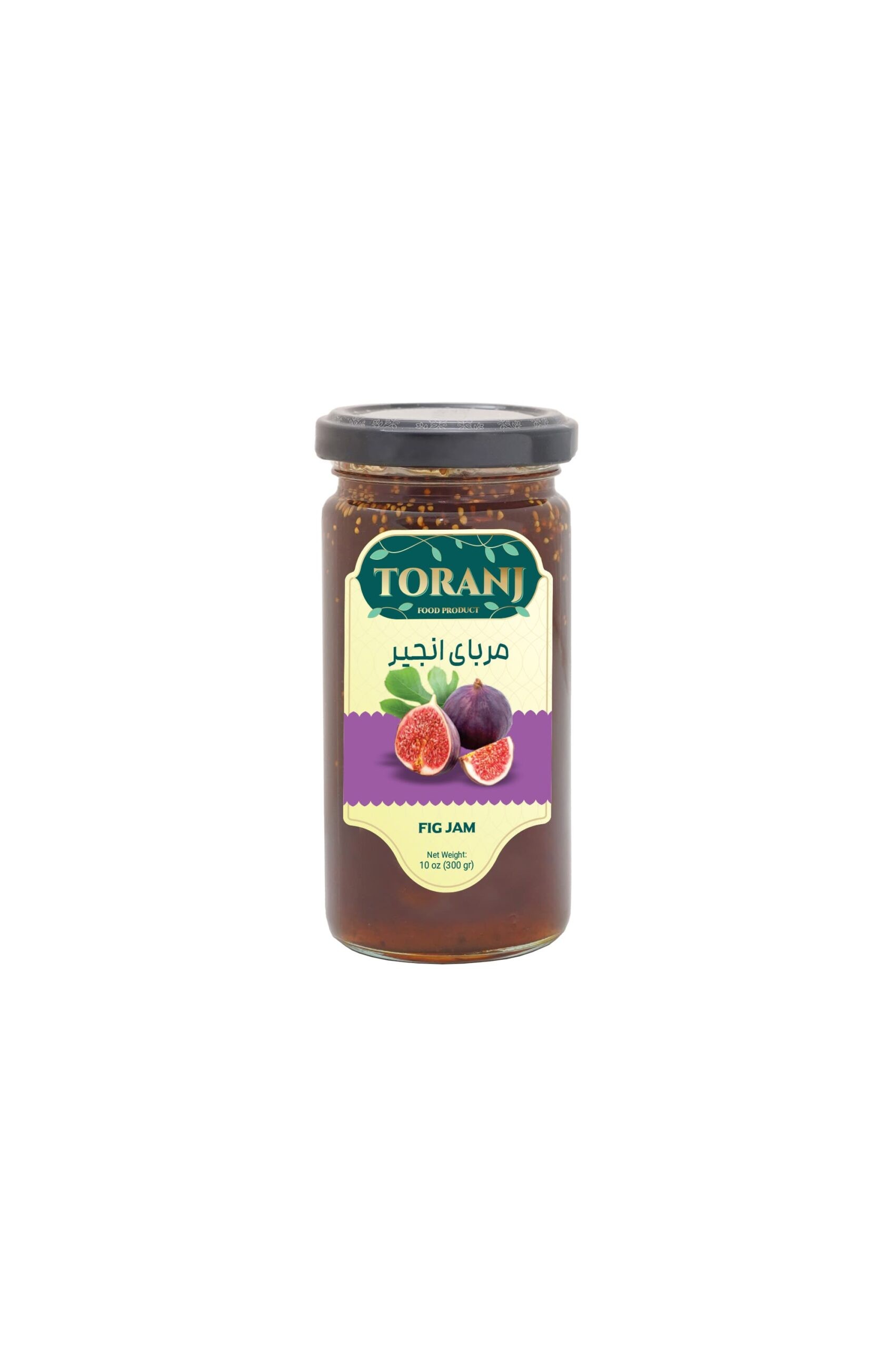
Making easy fig jam can elevate your culinary repertoire, and this expert guide provides a precise, step-by-step protocol to ensure success. Designed for both novice and seasoned cooks, it covers essential techniques, ingredient selection, and tips for achieving the perfect balance of flavor and texture. Following the right process is crucial for preserving the fresh, vibrant taste of figs while avoiding common pitfalls. Get ready to transform your kitchen with this delightful homemade treat.
What This Guide Covers (And What It Doesn’t)
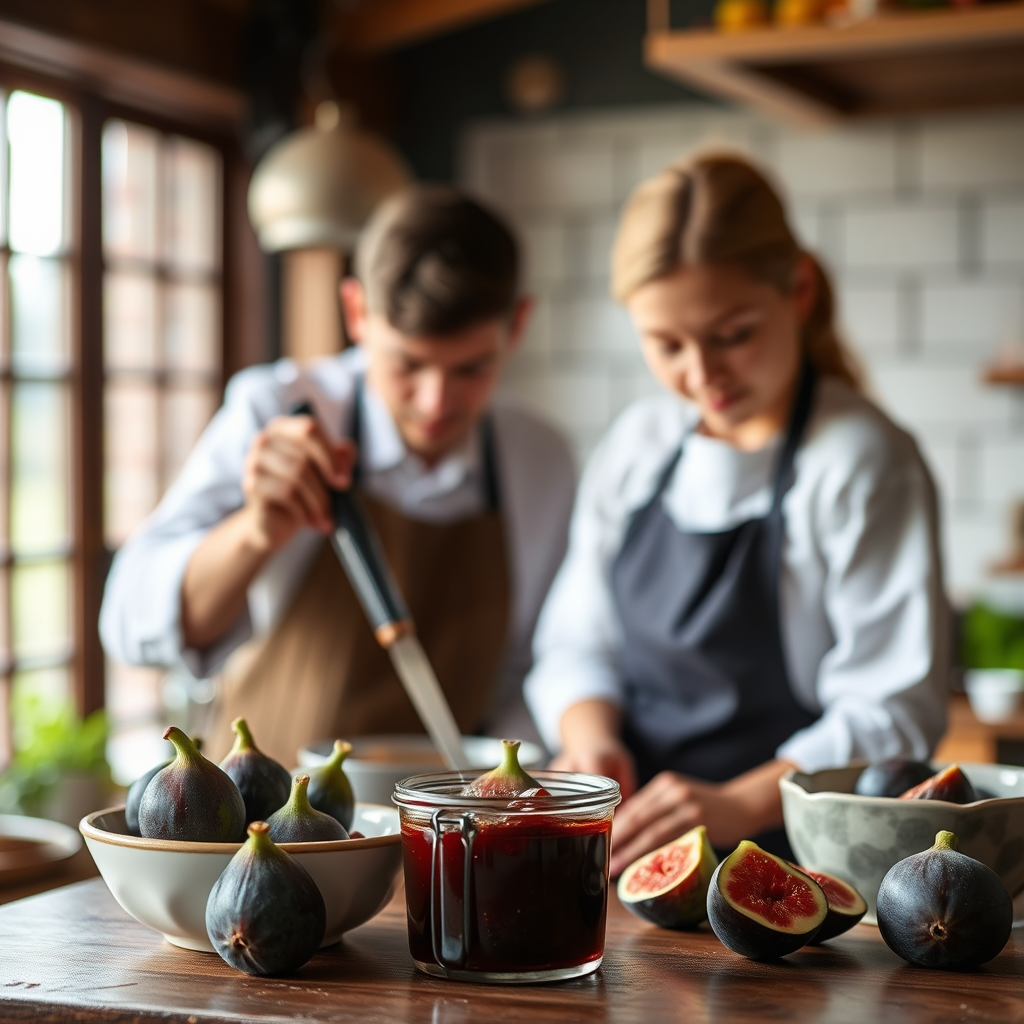
This guide offers a detailed, step-by-step protocol for crafting easy fig jam, focusing on both fresh and dried figs. You will find precise measurements and cooking times, enabling you to create a delicious fig jam suitable for a variety of culinary uses, from breakfast spreads to dessert toppings. However, this guide does not delve into more complex variations of fig jam that include spices, additional fruits, or alternative preservation methods. It’s designed for home cooks who seek a straightforward, reliable recipe without the need for advanced canning techniques or specialized equipment. A basic familiarity with kitchen skills and standard cooking terminology is assumed, making this guide less suitable for those unfamiliar with the jam-making process.
Who Should Read This
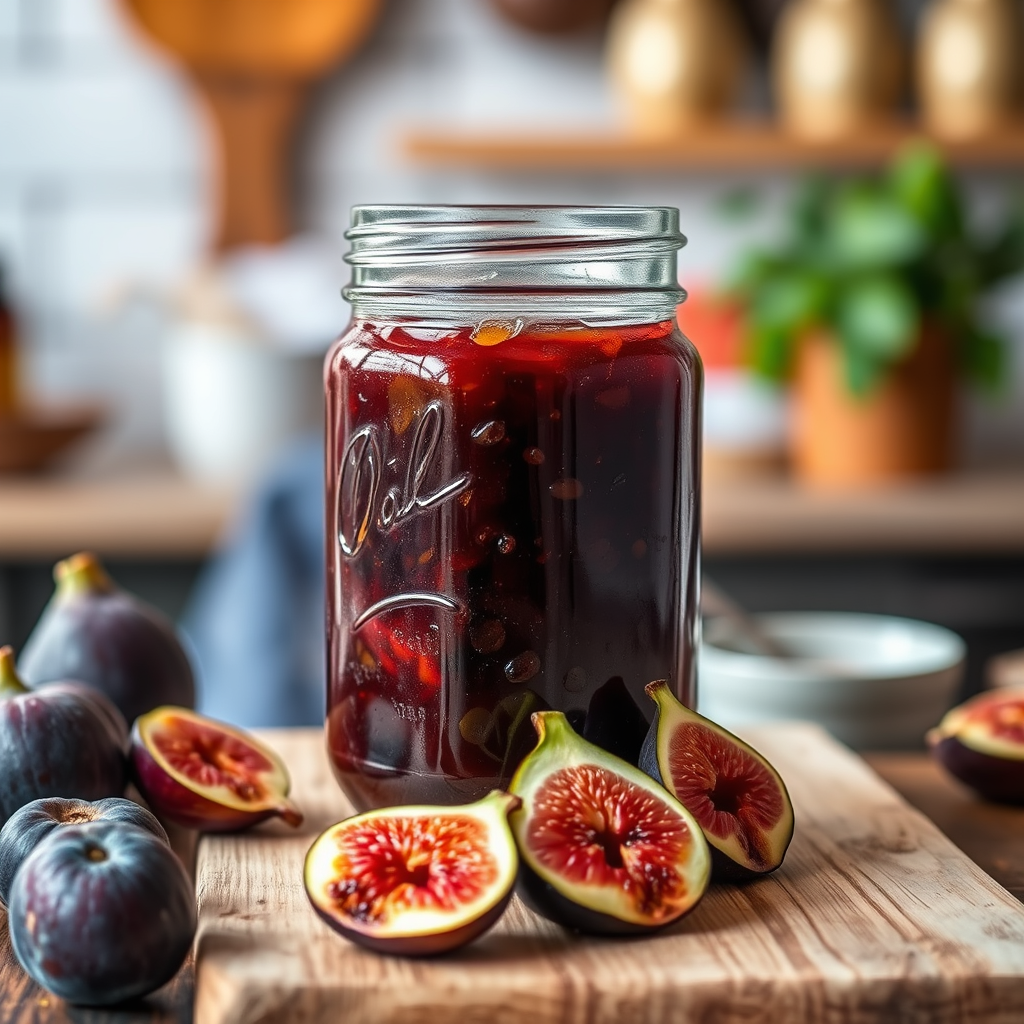
This guide is perfect for novice and intermediate home cooks who enjoy making preserves and are eager to try their hand at fig jam. It’s especially beneficial for those who might feel daunted by the canning process. If you have access to fresh figs during the harvest season or dried figs year-round, you’ll find this guide invaluable for making the most of this versatile fruit. Readers looking to create simple, homemade gifts or enhance their breakfast spreads will appreciate the clear instructions and helpful tips provided. Additionally, those interested in using fig jam as a complement to cheese boards or desserts will gain insights into flavor pairings and applications.
The Step-by-Step Protocol
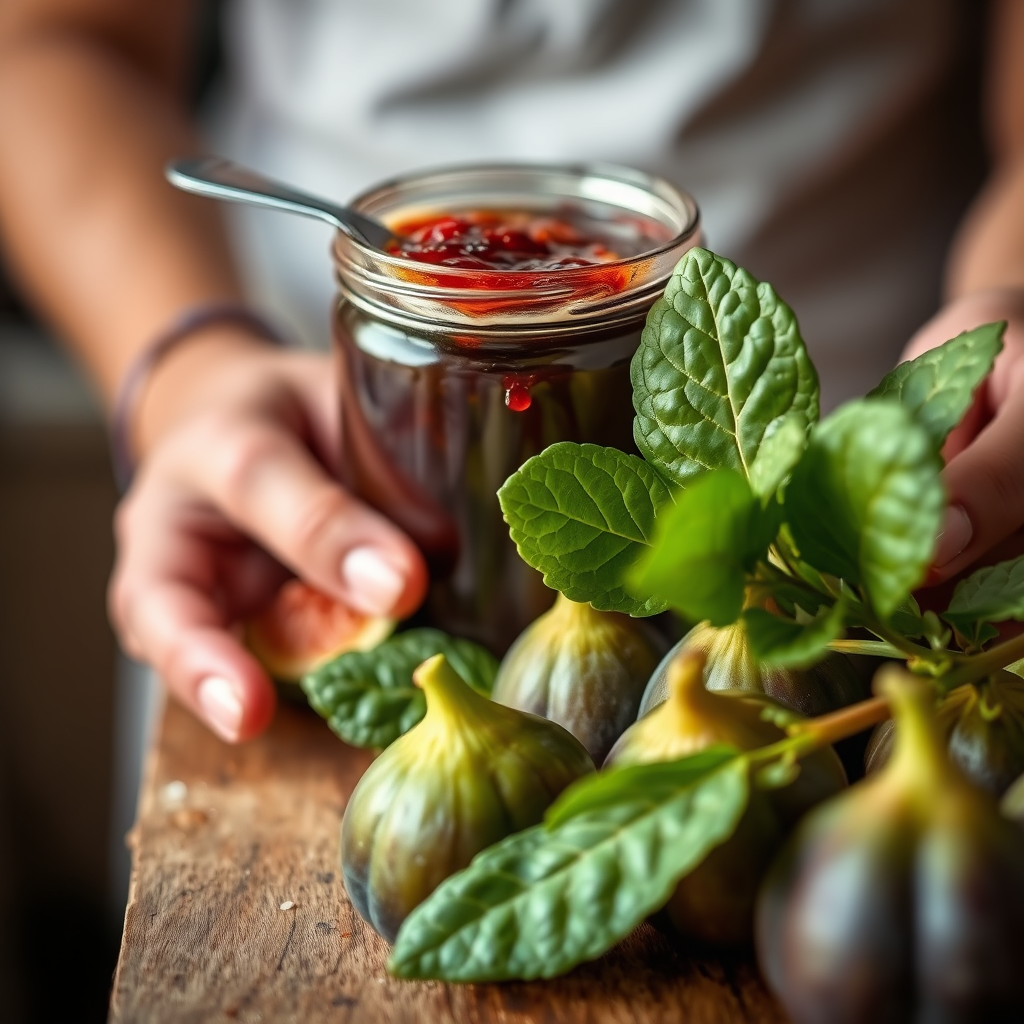
1. Gather Ingredients: Collect 2 pounds of ripe fresh figs or 1 pound of dried figs, 1 cup of granulated sugar, 1/4 cup of lemon juice, and 1/4 cup of water. Ensure all ingredients are measured accurately for the best results.
2. Prepare Figs: If using fresh figs, wash them thoroughly under running water and trim off the stems. Cut them into quarters. For dried figs, chop them into small pieces for even cooking.
3. Cook the Mixture: In a large saucepan, combine the figs, sugar, lemon juice, and water. Bring to a boil over medium heat, then reduce to a simmer for 30-40 minutes, stirring occasionally to prevent sticking. The mixture should thicken, and the figs should break down.
4. Test for Consistency: To check if the jam is ready, place a spoonful on a cold plate and let it sit for a minute. If it holds its shape and doesn’t run, it’s ready for jarring. If not, continue cooking for an additional 5-10 minutes.
5. Jar the Jam: Sterilize your jars and lids by boiling them in water for 10 minutes. Pour the hot fig jam into the jars, leaving about 1/4 inch of headspace. Wipe the rims with a clean cloth before sealing with the lids.
6. Cool and Store: Allow the jars to cool to room temperature before storing them in the refrigerator or a cool pantry. Properly sealed, the jam can last for several weeks.
Nutritional Values of Fresh and Dried Figs (Per 100g)
| # | Nutrient | Fresh Figs | Dried Figs | Difference |
|---|---|---|---|---|
| 1 | Calories | 74 | 249 | +175 |
| 2 | Carbohydrates | 19g | 64g | +45g |
| 3 | Fiber | 3g | 9.8g | +6.8g |
| 4 | Sugars | 16g | 48g | +32g |
| 5 | Protein | 0.75g | 3.3g | +2.55g |
| 6 | Fat | 0.3g | 0.9g | +0.6g |
| 7 | Calcium | 35mg | 162mg | +127mg |
| 8 | Iron | 0.17mg | 0.17mg | 0mg |
| 9 | Potassium | 232mg | 1162mg | +930mg |
| 10 | Vitamin C | 2mg | 0mg | -2mg |
Warning Signs: When Not to Follow This
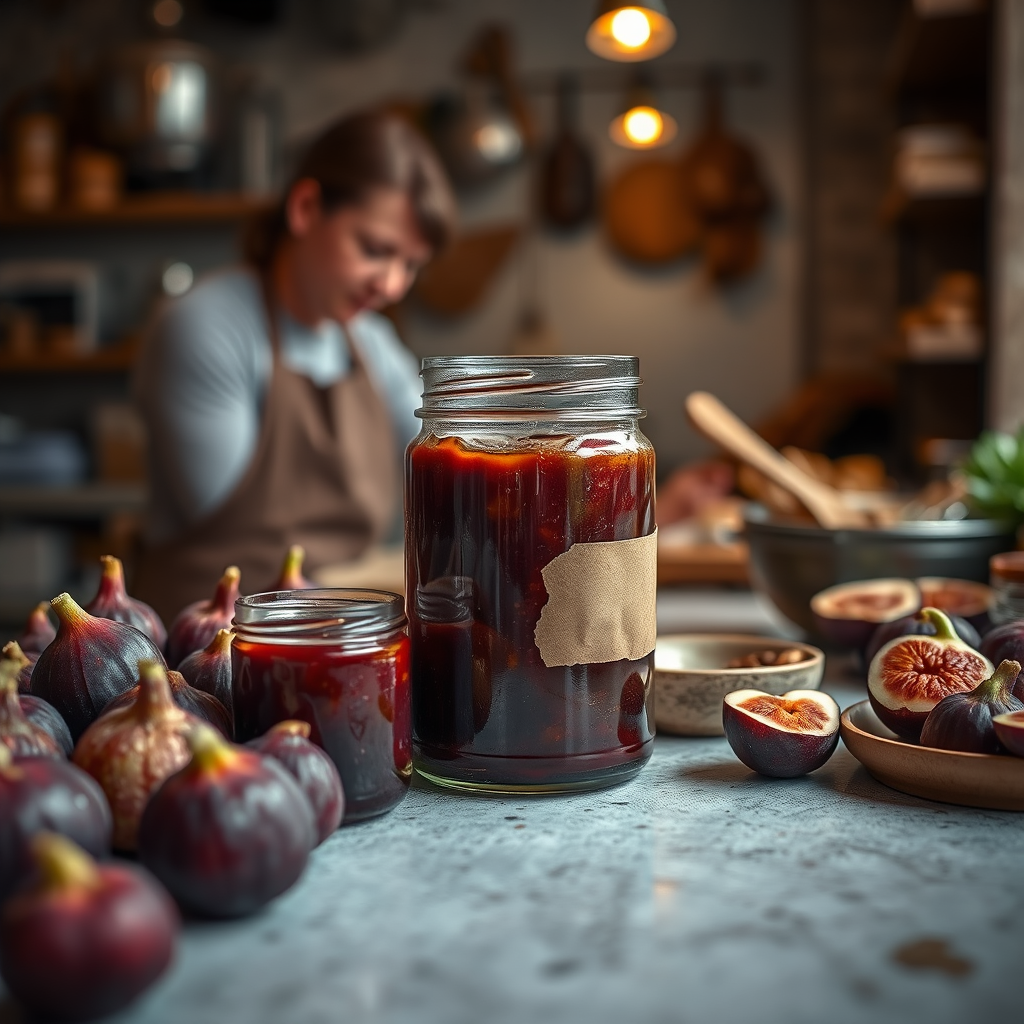
Avoid making fig jam if you are allergic to figs or any ingredients mentioned, such as sugar or lemon juice, as this could trigger serious allergic reactions. If your figs exhibit signs of spoilage, like mold or an off smell, do not use them in this recipe; doing so can compromise the safety and quality of your jam. Individuals with diabetes or those monitoring their sugar intake should consult dietary guidelines before proceeding, given that this recipe contains a significant amount of granulated sugar. Additionally, if you lack familiarity with basic kitchen safety practices, such as handling hot liquids or using sterilized equipment, it’s best to refrain from following this protocol, as improper handling can lead to burns or contamination.
The Most Common Mistakes (And Their Consequences)
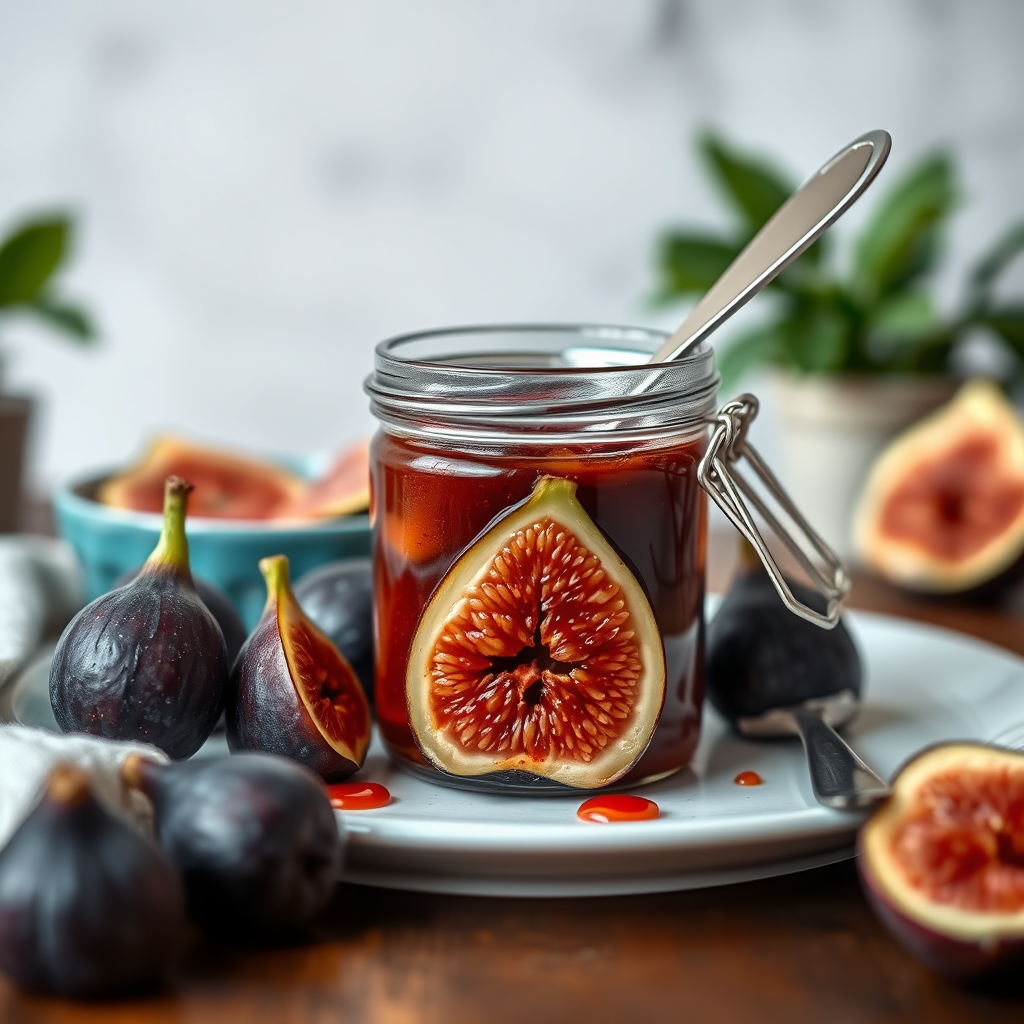
Many novice cooks struggle with accurately measuring ingredients, particularly sugar and lemon juice, leading to overly sweet or tart jam that fails to set correctly. Skipping the cooling test can result in a jam that is too runny; without checking the consistency, the finished product may not be suitable for spreading. Inadequate sterilization of jars can introduce bacteria into the jam, resulting in spoilage and potential foodborne illnesses. Additionally, neglecting to stir the mixture regularly while it cooks may cause it to stick to the bottom of the pan, producing burnt flavors that ruin the taste of the jam.
Special Cases That Need a Different Approach
If you opt for low-sugar or sugar substitutes, be sure to follow the instructions on the packaging, as these products often require different ratios or additional ingredients to achieve the desired consistency. For those with specific dietary restrictions, such as adhering to a low-FODMAP diet, consider using dried figs in moderation and adjusting sugar levels accordingly. If the figs are particularly small or under-ripe, they may need extra cooking time and sugar to break down properly; closely monitor the cooking process. In high-altitude areas, you may need to adjust cooking times and temperatures to ensure the jam sets appropriately due to lower boiling points.
When You Need a Professional
Consult a food preservation expert if you plan to can your fig jam for long-term storage outside of refrigeration. Improper canning methods can lead to botulism and other food safety issues. If you encounter difficulties with consistency or taste after following the recipe, a culinary professional can offer tailored advice and troubleshooting. Those with health concerns related to sugar intake or food allergies should consider speaking with a nutritionist or dietitian before consuming homemade preserves. If you have any doubts about the safety or shelf-life of your finished product, especially after altering the recipe, it’s wise to consult with a food safety expert.
Sources and Further Reading
– “The Complete Book of Home Preserving” by Anne Sheasby provides in-depth guidance on preserving fruits and vegetables, including practical tips for making jam.
– The National Center for Home Food Preservation offers detailed resources on safe canning practices and guidelines for homemade preserves.
– “Jam Session: The Craft of Canning” by the University of Georgia Cooperative Extension provides educational materials and best practices for making fruit preserves, including fig jam.
– For nutritional information and dietary recommendations related to figs and homemade jams, consult the USDA National Nutrient Database and the American Heart Association.
Frequently Asked Questions
What ingredients do I need for an easy fig jam recipe?
To make an easy fig jam, you’ll need fresh figs, granulated sugar, lemon juice, and optional spices like cinnamon or vanilla for added flavor. The ratio is typically two parts figs to one part sugar, making it simple to adjust based on the amount of figs you have.
How do I make fig jam without pectin?
To make fig jam without pectin, start by washing and chopping your figs, then combine them with sugar and lemon juice in a saucepan. Cook over medium heat, stirring frequently, until the mixture thickens. The natural pectin in the figs will help create a delicious, spreadable consistency.
Why is my fig jam too runny?
If your fig jam turns out too runny, it may be due to insufficient cooking time or too much liquid from the figs. To fix this, return the jam to the heat and simmer it longer, stirring frequently until it reaches the desired thickness. Adding a small amount of cornstarch mixed with water can also help thicken it if needed.
What is the best way to store homemade fig jam?
The best way to store homemade fig jam is in sterilized glass jars with tight-fitting lids. Once cooled, refrigerate the jam to extend its shelf life, as it can last for up to three weeks in the fridge. For longer storage, consider canning the jam using a water bath method to keep it safe for up to a year.
Which figs are best for making fig jam?
The best figs for making fig jam are ripe, fresh figs, such as Black Mission, Kadota, or Adriatic figs, as they have a rich flavor and natural sweetness. Choose figs that are firm but slightly soft to the touch, indicating ripeness, as this will enhance the overall taste and texture of your jam.
References
- Fig
https://en.wikipedia.org/wiki/Fig - https://www.ncbi.nlm.nih.gov/pmc/articles/PMC5770503/
https://www.ncbi.nlm.nih.gov/pmc/articles/PMC5770503/ - https://www.sciencedirect.com/topics/agricultural-and-biological-sciences/fig
https://www.sciencedirect.com/topics/agricultural-and-biological-sciences/fig - Fig jam recipe | Good Food
https://www.bbcgoodfood.com/recipes/fig-jam - https://www.jstor.org/stable/10.5325/jfoodpro.71.2.0171
https://www.jstor.org/stable/10.5325/jfoodpro.71.2.0171 - Google Scholar Google Scholar
https://scholar.google.com/scholar?q=easy+fig+jam+recipe - Google Scholar Google Scholar
https://scholar.google.com/scholar?q=fig+preservation+methods - Google Scholar Google Scholar
https://scholar.google.com/scholar?q=fig+jam+nutrition - Figs, raw nutrition facts and analysis.
https://www.nutritionvalue.org/Figs%2C_raw_nutritional_value.html - easy fig jam recipe – Search results
https://en.wikipedia.org/wiki/Special:Search?search=easy+fig+jam+recipe