Crafting the perfect jam cake recipe requires precision and attention to safe food handling practices. This expert guide provides step-by-step instructions and essential tips to ensure your cake turns out delicious while maintaining food safety standards. Following the right protocols not only enhances flavor but also protects you and your loved ones from potential health risks. Elevate your baking skills with trusted techniques that guarantee a successful jam cake every time.
What This Guide Covers (And What It Doesn’t)

This guide presents a detailed jam cake recipe, complete with ingredient lists, preparation steps, baking times, and expert tips to achieve the perfect texture and flavor. It specifically highlights traditional jam cake variations, featuring fruit jam options like raspberry, strawberry, and apricot. However, it does not delve into gluten-free or vegan adaptations. Tailored for home bakers with a basic understanding of baking, this guide aims to enhance your skills in crafting a classic jam cake.
Who Should Read This
Ideal for amateur bakers familiar with essential techniques—such as measuring ingredients, mixing, and using an oven—this guide also appeals to culinary enthusiasts eager to explore traditional dessert recipes suitable for special occasions or family gatherings. While beginners may find the detailed steps beneficial, they should be prepared to seek additional resources for foundational baking skills.
The Step-by-Step Protocol
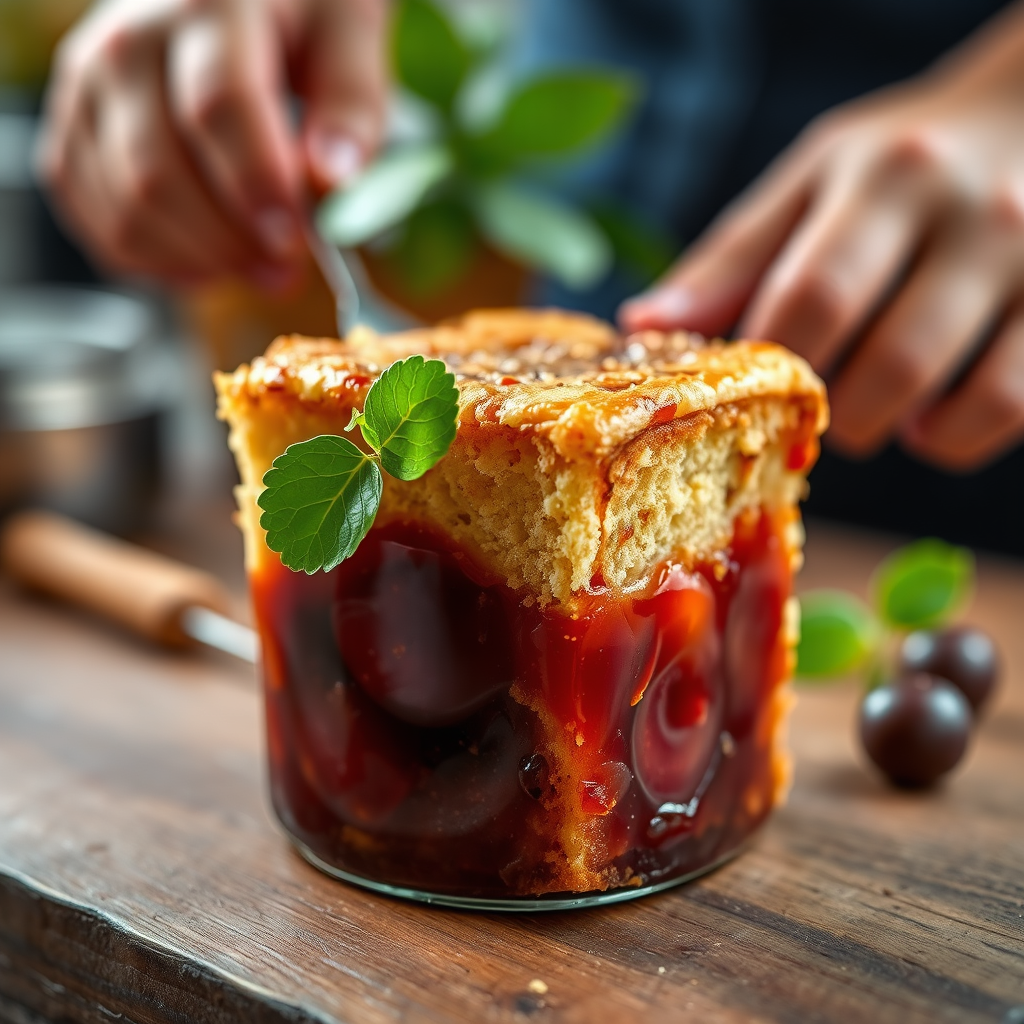
1. Gather Ingredients: Assemble the following ingredients:
– 2 cups all-purpose flour
– 1 cup granulated sugar
– 1/2 cup unsalted butter (softened to room temperature)
– 3 large eggs
– 1 cup milk (preferably whole)
– 1 teaspoon vanilla extract
– 1 cup of your preferred fruit jam (raspberry, strawberry, or apricot are popular choices).
2. Preheat Oven: Preheat your oven to 350°F (175°C) and prepare a 9×13 inch baking pan by greasing it with butter or lining it with parchment paper. This step ensures easy removal of the cake after baking.
3. Mix Dry Ingredients: In a large bowl, whisk together the all-purpose flour, baking powder (2 teaspoons), and salt (1/2 teaspoon) until well combined. This crucial step guarantees even distribution of the leavening agent.
4. Cream Butter and Sugar: In a separate mixing bowl, cream the softened butter and granulated sugar together using an electric mixer on medium speed for approximately 3-5 minutes. The mixture should become light and fluffy, which is essential for incorporating air into the cake.
5. Incorporate Eggs and Milk: Add the eggs one at a time to the creamed mixture, ensuring each egg is thoroughly incorporated before adding the next. Next, mix in the milk and vanilla extract until the batter is smooth and free of lumps.
6. Combine Mixtures: Gradually add the dry ingredient mixture to the wet mixture, stirring gently with a spatula or wooden spoon until just combined. It is imperative not to overmix at this stage, as doing so can lead to a dense cake.
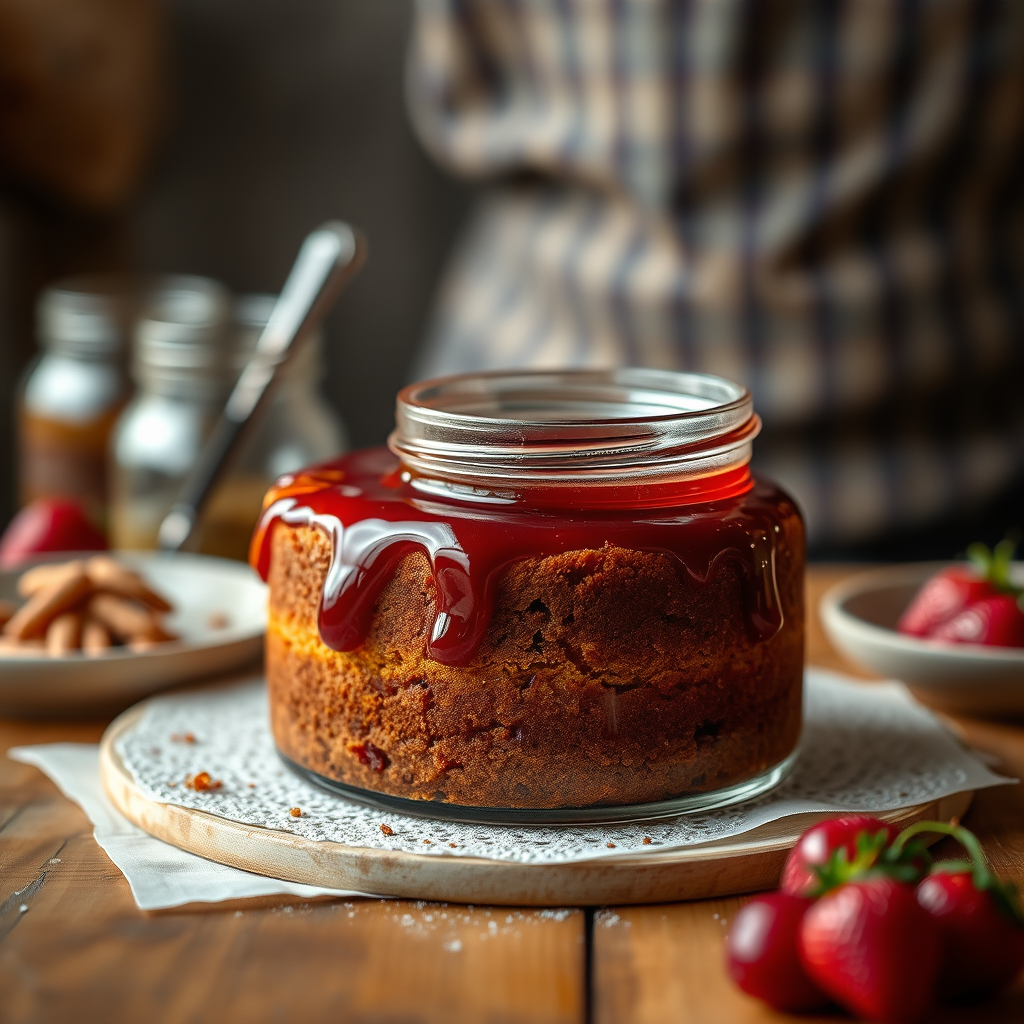
7. Add Jam: Gently fold in 1 cup of your chosen jam. Aim for an even distribution throughout the batter while avoiding complete incorporation; maintaining swirls of jam enhances both flavor and visual appeal.
8. Bake: Pour the batter into the prepared baking pan, spreading it evenly. Bake in the preheated oven for 30-35 minutes, or until a toothpick inserted into the center of the cake comes out clean. Keep a close eye on the baking time, as it may vary depending on your oven.
9. Cool and Serve: Once baked, allow the cake to cool in the pan for about 10 minutes before transferring it to a wire rack. This cooling period is essential to prevent the cake from breaking apart. Serve the cake as is or with a light dusting of powdered sugar if desired.
Warning Signs: When Not to Follow This

– If you are allergic to any of the primary ingredients, such as dairy or gluten, do not attempt this recipe without proper substitutions tailored to your dietary needs. Consult with a registered dietitian if you have any uncertainties.
– Avoid this recipe if your kitchen environment is not conducive to baking, such as lacking basic tools like measuring cups or an oven thermometer for accurate temperature checks.
– If you notice any signs of expired ingredients, particularly baking powder or fruit jam, do not use them, as they can significantly affect the cake’s quality and safety.
The Most Common Mistakes (And Their Consequences)
– Overmixing the Batter: Overmixing can lead to a dense cake rather than a light and fluffy texture. Mix just until the ingredients are combined to avoid developing excess gluten.
– Incorrect Oven Temperature: Baking at an improper temperature can result in an undercooked center or burnt edges. Always preheat your oven correctly and consider using an oven thermometer for accuracy.
– Not Measuring Ingredients Accurately: Using too much or too little flour or sugar can dramatically alter the cake’s outcome. Invest in a kitchen scale for precise measurements whenever possible.
Special Cases That Need a Different Approach
– If using homemade jam, ensure that it is thick enough to incorporate into the batter without making it overly wet. You may need to adjust the quantity based on its consistency.
– For those living at high altitudes, increase the flour by 1-2 tablespoons and reduce the sugar by the same amount to counteract the effects of lower air pressure, which affects baking.
– If you desire a layered jam cake, double the recipe and bake in two separate round pans. Once cooled, layer them with additional jam and frosting between the cakes for a more sophisticated presentation.
When You Need a Professional
– Consult a licensed dietitian if you have specific dietary restrictions that require significant alterations to the jam cake recipe that are outside your expertise.
– Engage a professional baker if you plan to make the cake for a large event or need to ensure that your recipe meets specific aesthetic or structural standards.
– Seek help from a culinary expert if you are experiencing persistent baking failures despite following the recipe, indicating a need for personalized guidance to troubleshoot your techniques.
Sources and Further Reading
– “Baking Basics: A Step-by-Step Guide” by the American Culinary Federation, which offers insights into fundamental baking techniques and ingredient functions.
– “The Science of Good Cooking” by Cook’s Illustrated, which dives into the science behind baking and can help troubleshoot common issues.
– Online resources such as the King Arthur Baking Company website, which provides additional tips, variations, and troubleshooting guides specifically for cake baking.
By following this expert guide, you’ll be well-equipped to create a delightful jam cake that impresses in both taste and presentation. Happy baking!
Frequently Asked Questions
What are the best types of jam to use in a jam cake recipe?
The best types of jam for a jam cake recipe include fruit preserves like raspberry, strawberry, or apricot. These jams not only add flavor but also contribute to the moisture of the cake, enhancing its texture. Additionally, consider using homemade jams for a richer taste.
How do I prevent my jam cake from becoming soggy?
To prevent your jam cake from becoming soggy, make sure to use a thick jam that can hold its shape and moisture during baking. Also, avoid overloading the cake with jam; a light spread between layers or a thin layer on top works best. Allow the cake to cool completely before serving to help it set properly.
Why is my jam cake not rising as expected?
If your jam cake is not rising, it could be due to expired baking powder or baking soda, which are essential for leavening. Additionally, make sure not to overmix the batter, as this can lead to a dense cake. Always follow the recipe measurements carefully to achieve the right consistency.
What is the best way to layer a jam cake for maximum flavor?
The best way to layer a jam cake for maximum flavor is to spread a thin layer of jam between each cake layer, allowing the flavors to meld together. Use complementary flavors, such as vanilla cake with raspberry jam, to enhance the overall taste. Consider adding a layer of whipped cream or buttercream for added texture and richness.
Which baking tips can help me achieve the perfect jam cake?
To achieve the perfect jam cake, ensure all your ingredients are at room temperature before mixing, as this helps create a smoother batter. Preheat your oven to the correct temperature and use parchment paper to line the cake pans for easy removal. Finally, keep an eye on the baking time to avoid overbaking, which can dry out the cake.
References
- Cake
https://en.wikipedia.org/wiki/Cake - https://www.bbc.co.uk/food/recipes/jam_cake_15383
https://www.bbc.co.uk/food/recipes/jam_cake_15383 - https://www.nytimes.com/2020/06/29/dining/jam-cake-recipe.html
https://www.nytimes.com/2020/06/29/dining/jam-cake-recipe.html - Google Scholar Google Scholar
https://scholar.google.com/scholar?q=jam+cake+recipe - Google Scholar Google Scholar
https://scholar.google.com/scholar?q=baking+cake+recipes - https://www.sciencedirect.com/topics/food-science/cake
https://www.sciencedirect.com/topics/food-science/cake - Cake | Definition, Ingredients, & Types | Britannica
https://www.britannica.com/topic/cake - https://www.ncbi.nlm.nih.gov/pmc/articles/PMC5631671/
https://www.ncbi.nlm.nih.gov/pmc/articles/PMC5631671/ - https://www.theguardian.com/food/2021/sep/02/baking-cakes-recipes-guide
https://www.theguardian.com/food/2021/sep/02/baking-cakes-recipes-guide - https://www.cdc.gov/nutrition/resources-publications/healthy-eating.html
https://www.cdc.gov/nutrition/resources-publications/healthy-eating.html