Crafting a perfect jelly roll recipe safely requires precision and attention to detail, making this expert guide essential for bakers seeking to master this classic dessert. You’ll find step-by-step instructions, safety tips, and key techniques to ensure your jelly roll not only tastes divine but also meets health standards. Following the right protocol not only enhances flavor but also guarantees a safe and enjoyable baking experience.
What This Guide Covers (And What It Doesn’t)
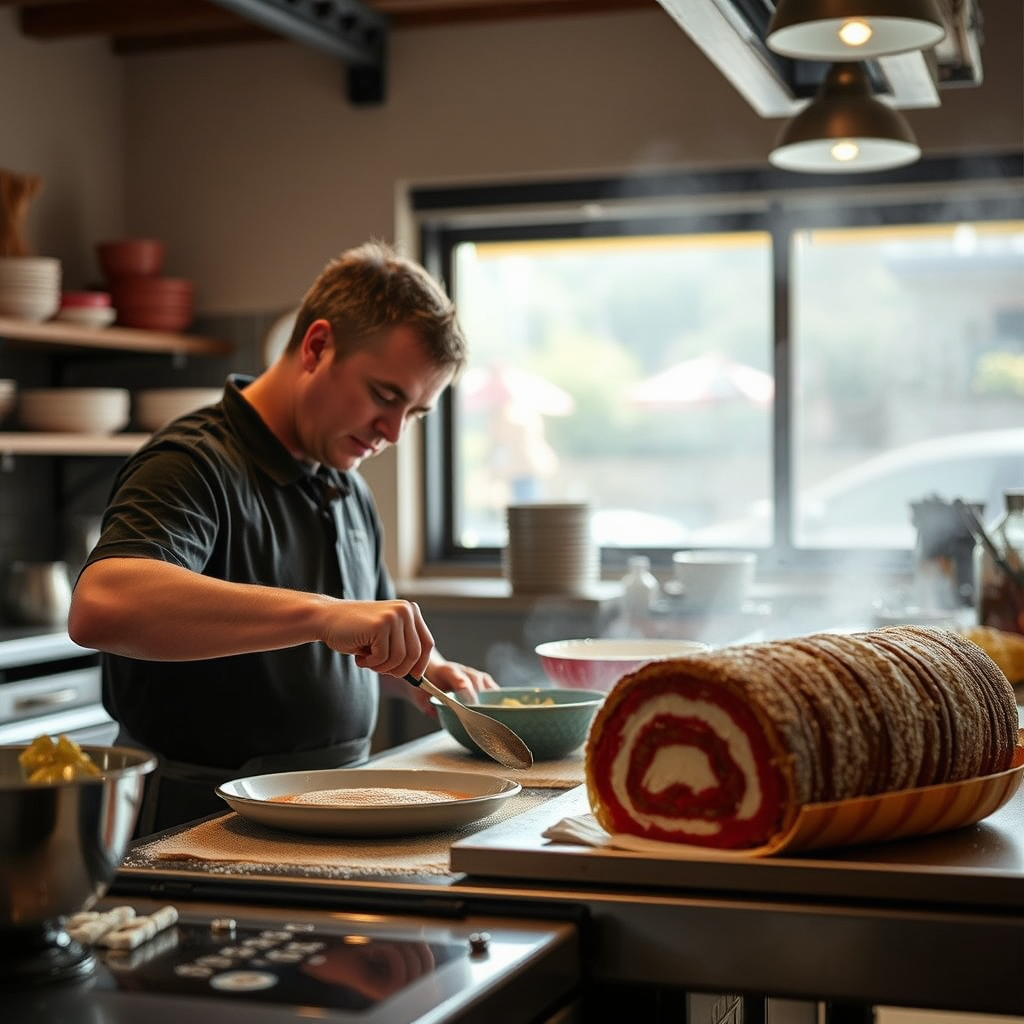
This guide delivers a thorough, step-by-step jelly roll recipe, complete with essential ingredients, techniques, and troubleshooting tips for home bakers eager to master this classic dessert. While it offers a deep dive into the traditional jelly roll, it does not cover variations such as gluten-free or vegan options, nor advanced cake decorating techniques. The focus remains solely on creating a classic jelly roll. It is tailored for those with basic baking knowledge, including familiarity with common baking terms and tools, and assumes access to a standard kitchen setup. Readers seeking quick, simplified recipes or those interested in non-baking desserts may find this guide less applicable to their needs.
Who Should Read This

Home bakers with a foundational understanding of baking will find this guide particularly valuable. It’s crafted for those looking to expand their repertoire with a classic jelly roll recipe that demands precision and attention to detail. If you’ve attempted to make jelly rolls before but faced challenges, this guide provides clear instructions and highlights common pitfalls to avoid. Both novice bakers eager for a challenge and experienced cooks wishing to refine their technique will benefit from the comprehensive nature of this guide. However, if you prefer no-bake desserts or lack the essential kitchen tools, this resource may not suit your needs.
The Step-by-Step Protocol
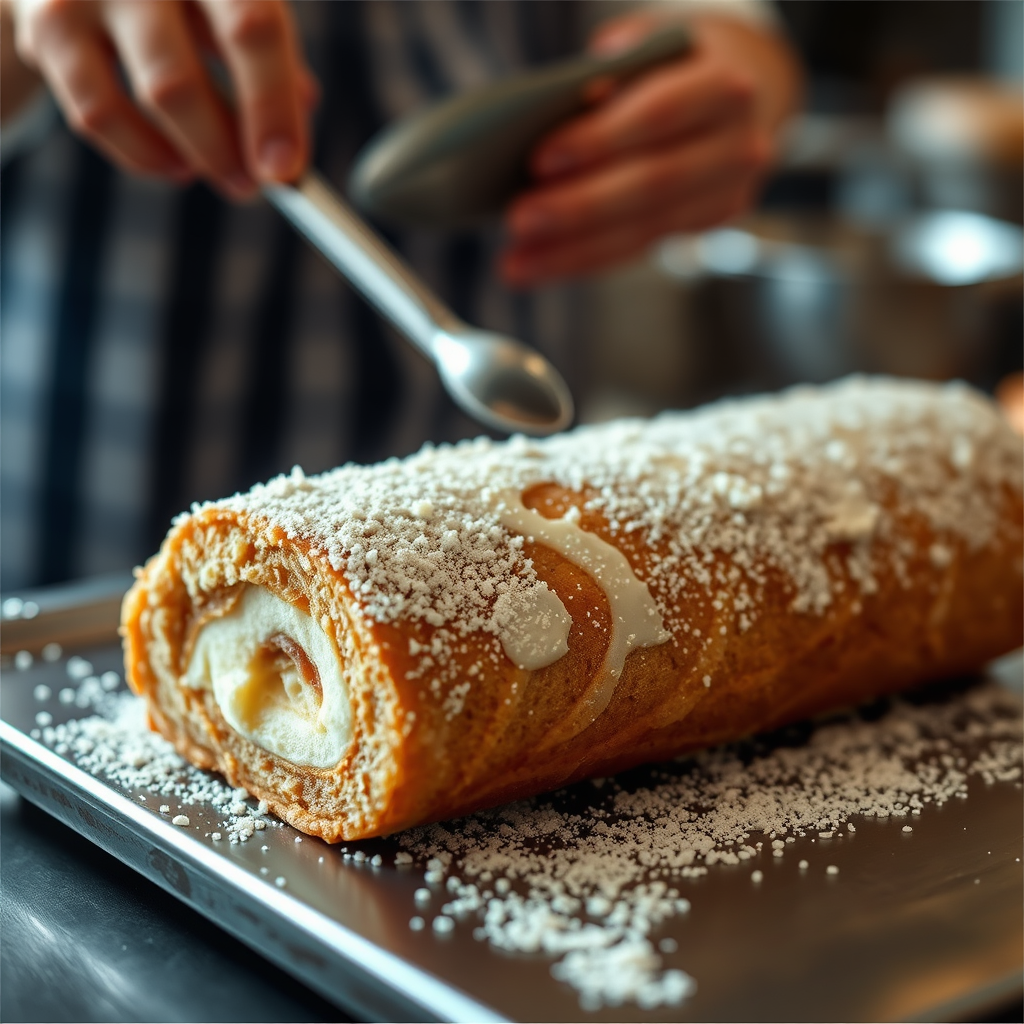
1. Gather Your Ingredients: Assemble 4 large eggs, 1 cup granulated sugar, 1 teaspoon vanilla extract, 1 cup all-purpose flour, 1 teaspoon baking powder, and 1/4 teaspoon salt, plus 1 cup of your preferred jelly or jam.
2. Preheat the Oven: Set your oven to 375°F (190°C) and prepare a 15×10-inch jelly roll pan by lining it with parchment paper, allowing for easy removal.
3. Prepare the Batter: In a large mixing bowl, beat the eggs and sugar on high speed for about 5-7 minutes until the mixture is pale and thick. Gently fold in the flour, baking powder, and salt until just combined.
4. Bake the Cake: Pour the batter into the prepared pan and spread it evenly. Bake in the preheated oven for 12-15 minutes or until the cake springs back when lightly touched.
5. Roll the Cake: Once baked, immediately invert the cake onto a clean kitchen towel sprinkled with powdered sugar. Remove the parchment paper and roll the cake tightly with the towel from the short end. Allow it to cool completely.
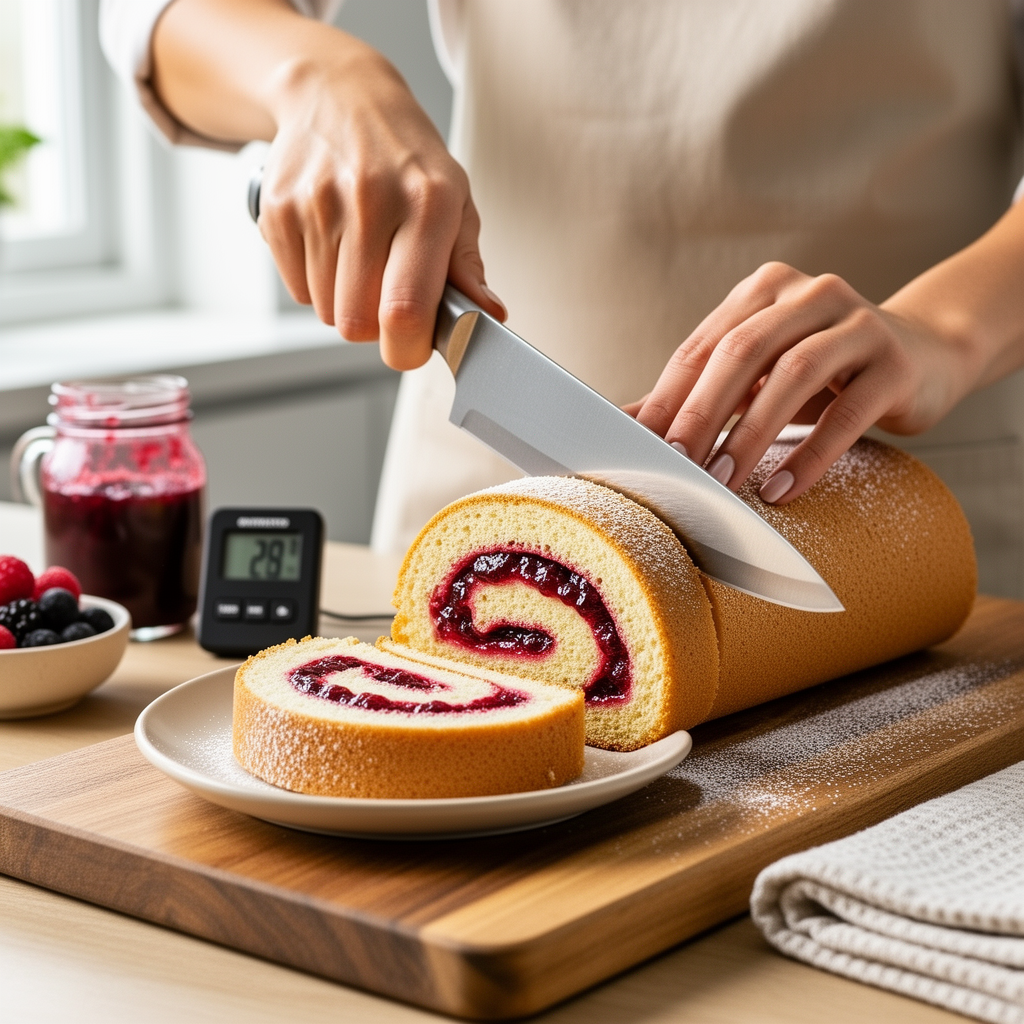
6. Fill and Finish: Once cool, carefully unroll the cake, spread the jelly evenly, and re-roll it without the towel. Dust with powdered sugar before slicing.
Top 7 Jelly Roll Ingredients (Quantities)
| # | Ingredient | Quantity | Purpose |
|---|---|---|---|
| 1 | Eggs | 4 large | Structure and moisture |
| 2 | Granulated Sugar | 1 cup | Sweetness and texture |
| 3 | Vanilla Extract | 1 tsp | Flavor |
| 4 | All-Purpose Flour | 1 cup | Structure |
| 5 | Baking Powder | 1 tsp | Leavening agent |
| 6 | Salt | 1/4 tsp | Flavor enhancement |
| 7 | Jelly or Jam | 1 cup | Filling |
Warning Signs: When Not to Follow This
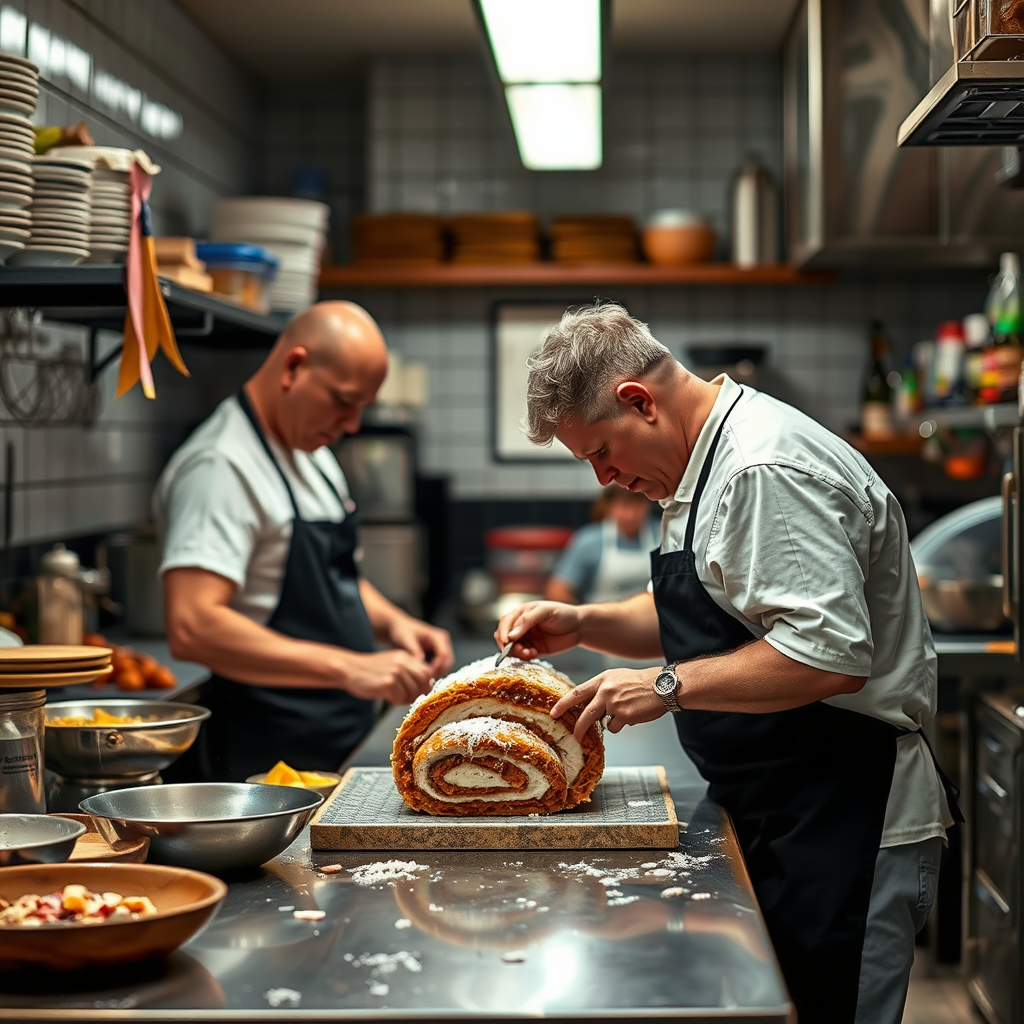
Avoid attempting this recipe if you have allergies to eggs or gluten, as these ingredients are crucial for the jelly roll’s structure and flavor. If you’re inexperienced in baking or rolling cakes, it may be wise to practice with simpler recipes before tackling a jelly roll, given the precision required. Be cautious if your kitchen environment is excessively humid or if your ingredients are stale; both factors can hinder the cake’s ability to rise and roll properly. If you’ve experienced failures with sponge cakes or rolled desserts in the past, reconsider your baking techniques or tools before trying this specific recipe.
The Most Common Mistakes (And Their Consequences)
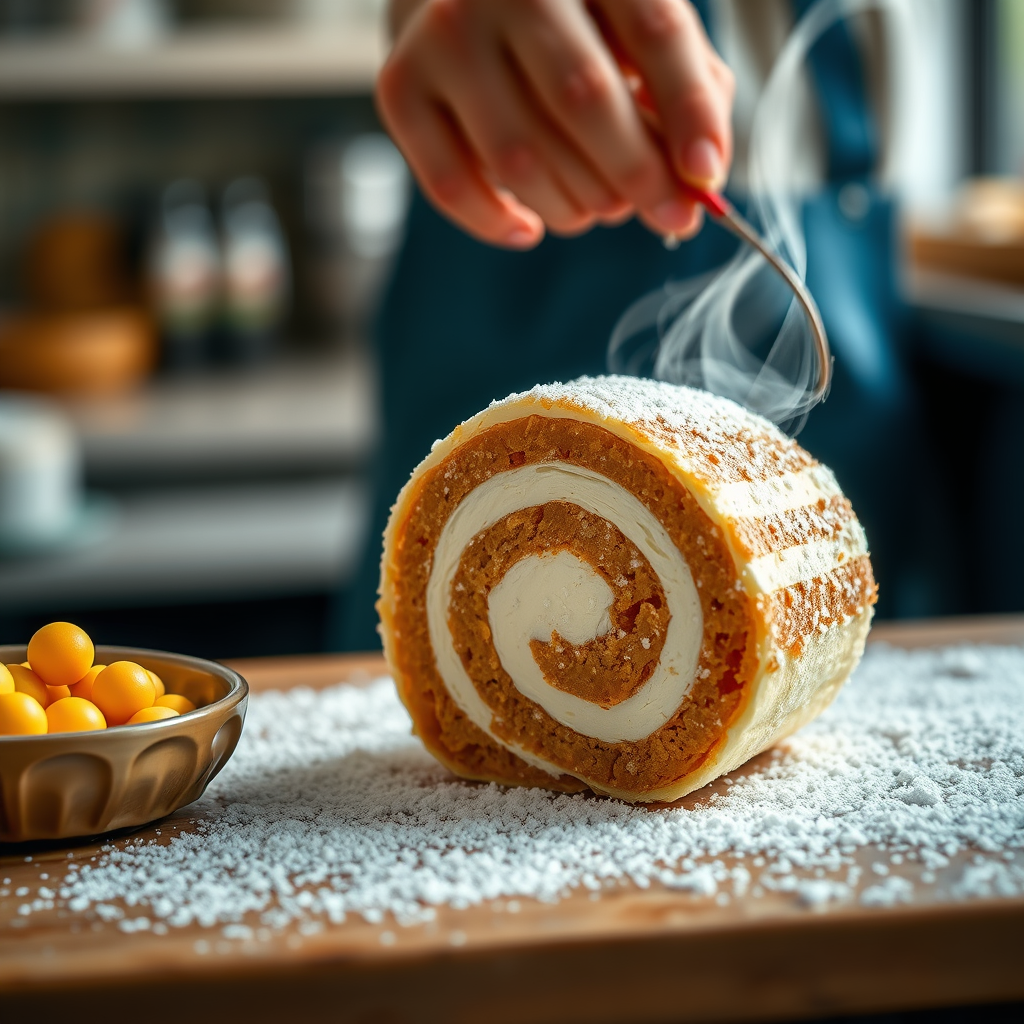
One of the most significant errors is failing to properly beat the eggs and sugar, which can result in a dense cake that won’t roll. It’s essential to aerate the eggs to create the necessary structure for rolling. Overbaking, particularly beyond the 15-minute mark, can lead to a dry texture that cracks when rolled, complicating the formation of a jelly roll. Additionally, not cooling the cake immediately in a towel can cause it to dry out, resulting in cracks or an inability to roll without breaking. Skipping the powdered sugar on the towel might cause the cake to stick, leading to tearing when you attempt to unroll it.
Special Cases That Need a Different Approach
For those using gluten-free flour, substitute a 1:1 gluten-free flour blend, but note that the texture may vary slightly; you might need additional binding agents like xanthan gum. If you desire a flavored jelly roll, consider using flavored jams or adding extracts (such as almond or citrus) to the batter to enhance the overall taste, though this may require adjustments in sweetness. Bakers in high-altitude regions may need to modify baking time and temperature; reducing the baking temperature by 25°F and slightly increasing the baking time can help ensure proper structure. To achieve a more moist cake, consider brushing a simple syrup (equal parts sugar and water) onto the cake before spreading the jelly for added moisture.
When You Need a Professional
If you have severe allergic reactions to any of the ingredients mentioned, consult with a medical professional before attempting this recipe to avoid health risks. For those experiencing significant baking failures despite following this guide, seeking advice from a baking instructor or culinary professional can help address specific skill deficiencies. If you’re preparing this jelly roll for a special occasion and want to ensure it meets high standards, hiring a professional baker may offer peace of mind and exceptional results. In cases of persistent kitchen accidents or safety issues while baking, such as burns or equipment malfunctions, it’s advisable to consult with a kitchen safety expert.
Sources and Further Reading
– “The Joy of Baking: Jelly Roll Cake Recipe” – A trusted source for baking techniques and recipes that includes expert advice on achieving the perfect jelly roll.
– “Baking Science: The Science of Cakes and How to Achieve the Perfect Texture” – A comprehensive guide exploring the chemistry behind cake baking and troubleshooting.
– “King Arthur Baking Company: Tips for Making a Perfect Roll Cake” – Offers practical tips and techniques specifically focused on rolled cakes and their common pitfalls.
– “Baking at High Altitudes: Adjustments for Cake Recipes” – A detailed resource for bakers living in high-altitude areas, providing necessary adjustments to ensure successful baking outcomes.
Frequently Asked Questions
What are the key ingredients for a basic jelly roll recipe?
A basic jelly roll recipe typically requires eggs, sugar, flour, baking powder, and your choice of jelly or jam for filling. Additionally, you may need vanilla extract for flavor and powdered sugar for dusting the finished roll. These ingredients work together to create a light, fluffy cake that can be easily rolled and filled.
How do I prevent my jelly roll from cracking when rolling it?
To prevent your jelly roll from cracking, ensure that you do not overbake the sponge cake; it should be springy to the touch. Once baked, immediately invert the cake onto a clean kitchen towel dusted with powdered sugar, and roll it up while it’s still warm. This technique helps the cake maintain its shape and flexibility.
Why is my jelly roll not rising properly?
If your jelly roll is not rising properly, it may be due to insufficient whipping of the eggs or the incorrect oven temperature. Make sure to whip the eggs until they reach a ribbon stage, and use an oven thermometer to ensure your oven is at the right temperature, usually around 375°F (190°C). Proper technique is crucial for a light and airy sponge.
What is the best way to store leftover jelly roll?
The best way to store leftover jelly roll is to wrap it tightly in plastic wrap and place it in an airtight container. This helps maintain its moisture and prevents it from drying out. You can store it at room temperature for up to two days or refrigerate it for about a week.
Which fillings work best for a jelly roll cake?
The best fillings for a jelly roll cake include fruit jams, jellies, or preserves, as they add sweetness and moisture. Other popular options are whipped cream, chocolate ganache, or even cream cheese frosting. Experimenting with flavors like raspberry, strawberry, or lemon curd can enhance the taste of your jelly roll.
References
- Jelly roll
https://en.wikipedia.org/wiki/Jelly_roll - https://www.britannica.com/topic/jelly-roll
https://www.britannica.com/topic/jelly-roll - Google Scholar Google Scholar
https://scholar.google.com/scholar?q=jelly+roll+recipe - Google Scholar Google Scholar
https://scholar.google.com/scholar?q=jelly+roll+cake+history - Checking your browser – reCAPTCHA
https://www.ncbi.nlm.nih.gov/pmc/articles/PMC6429362/ - https://www.sciencedirect.com/topics/agricultural-and-biological-sciences/jelly
https://www.sciencedirect.com/topics/agricultural-and-biological-sciences/jelly - https://www.nutrition.gov/recipes/jelly-roll
https://www.nutrition.gov/recipes/jelly-roll - https://www.cdc.gov/nutrition/food-safety/food-safety-tips.html
https://www.cdc.gov/nutrition/food-safety/food-safety-tips.html - NYT Cooking – Recipes and Cooking Guides From The New York Times
https://www.nytimes.com/recipes/1019814/jelly-roll-cake - jelly roll recipe – Search results
https://en.wikipedia.org/wiki/Special:Search?search=jelly+roll+recipe