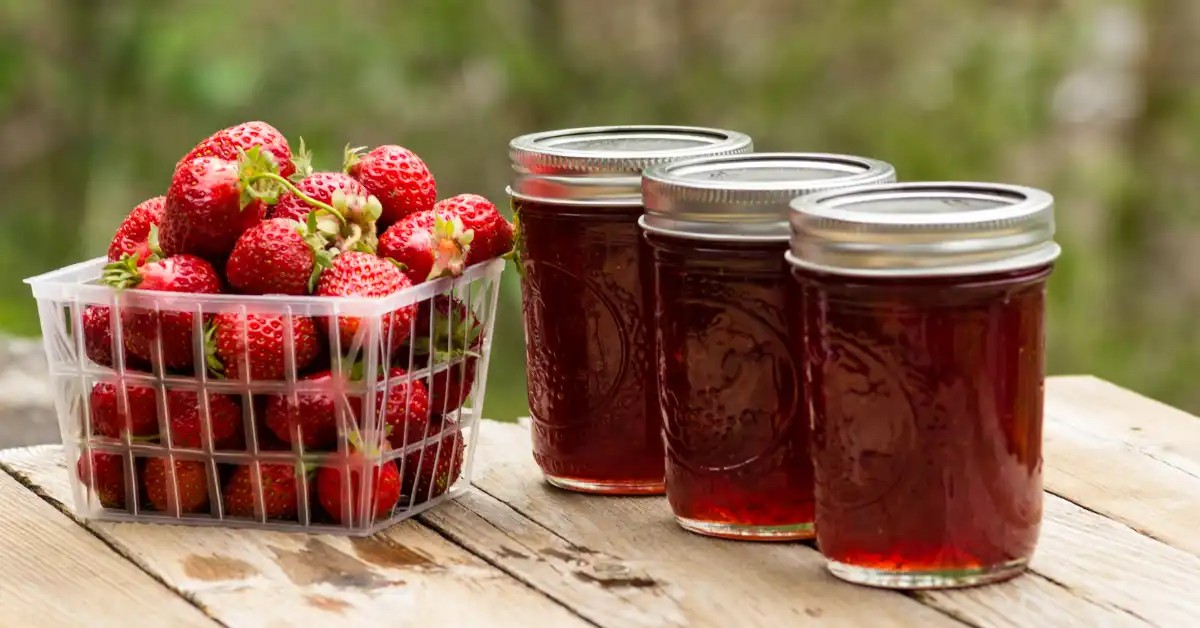
Master the art of making strawberry freezer jam with this complete step-by-step protocol designed for both beginners and seasoned preservers. This guide covers essential techniques, ingredient ratios, and tips to ensure your jam is perfectly sweet and preserves flavor without cooking. Following the right protocol is crucial for texture, taste, and shelf life, making your homemade jam a delicious success.
What This Guide Covers (And What It Doesn’t)

This guide offers a comprehensive, step-by-step protocol for making strawberry freezer jam, highlighting the essential ingredients, tools, and techniques necessary for achieving the best results. It delves into the science of freezer jam, explaining how pectin and sugar work together to preserve the flavor and texture of strawberries, allowing you to enjoy a fresh taste throughout the year. However, this guide does not address traditional canning methods or other types of fruit jams, as it focuses exclusively on the freezer jam technique for strawberries.
Who Should Read This
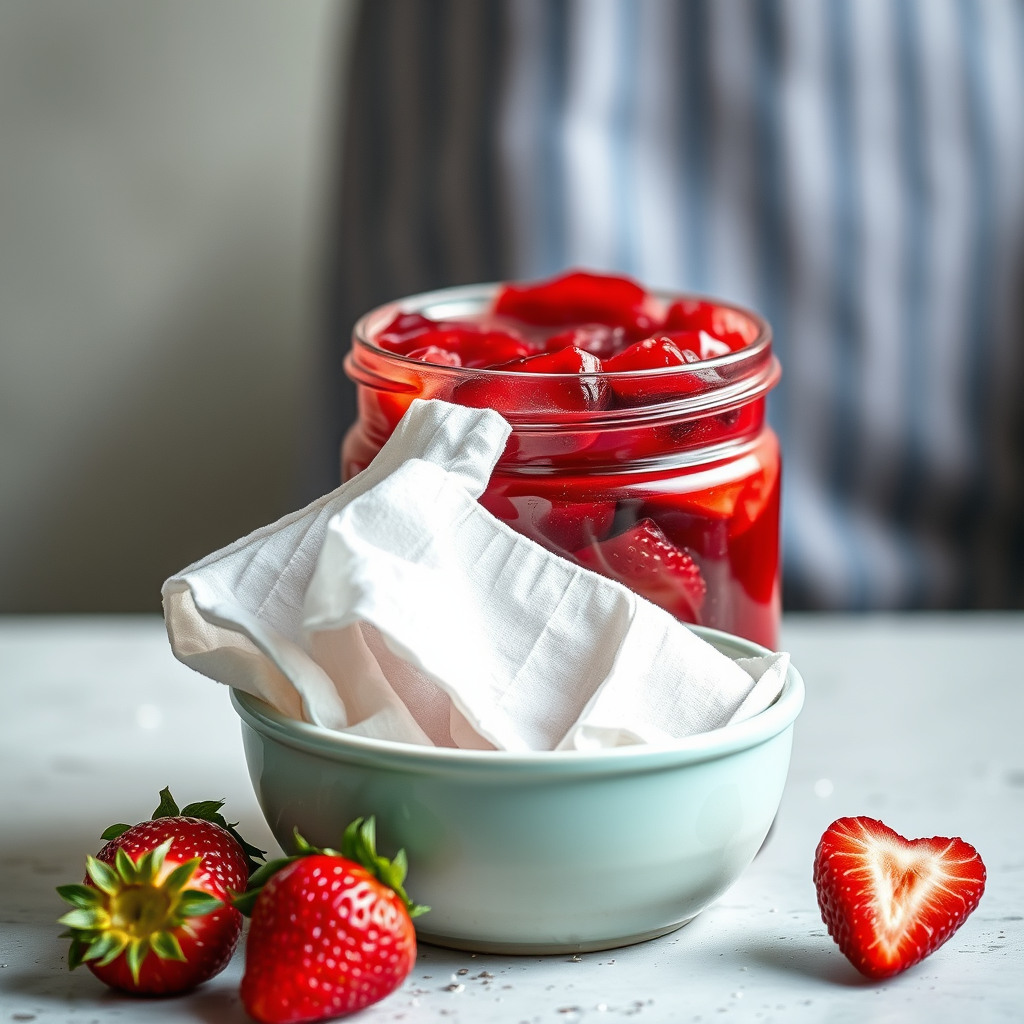
Home cooks eager to preserve seasonal strawberries without the need for complicated canning equipment will find this guide particularly useful. Beginners in home preservation seeking a straightforward, no-fuss approach to making jam will appreciate the clear, actionable steps laid out here. Additionally, individuals looking for a quick and effective way to store strawberries for future use in desserts or spreads will gain valuable insights from this guide.
The Step-by-Step Protocol
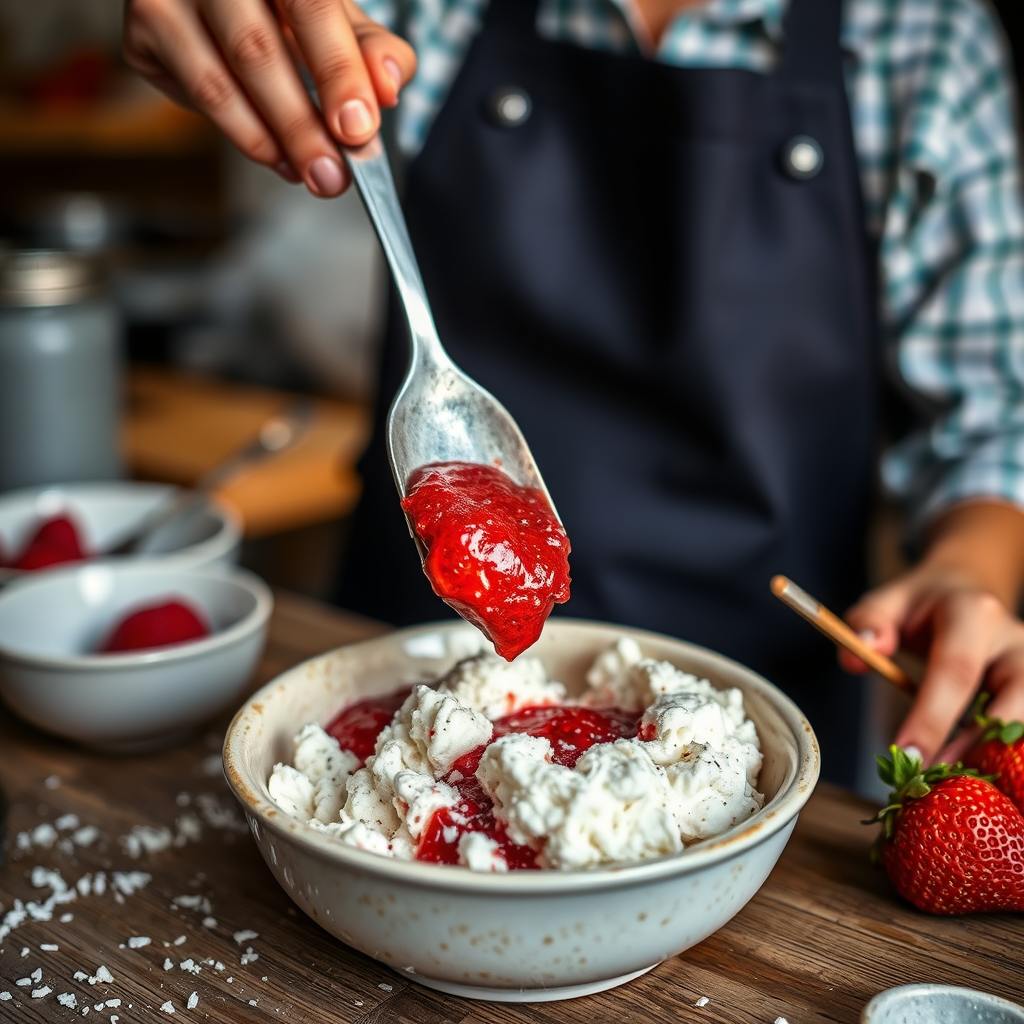
1. Gather Ingredients and Equipment: Start by gathering 2 cups of ripe strawberries, 2 cups of granulated sugar, and 1/4 cup of fruit pectin (such as Sure-Jell). Ensure you have clean, freezer-safe containers or jars with tight-fitting lids ready for storage. Opt for jars that can hold at least 8 ounces, which is a common size for freezer jams.
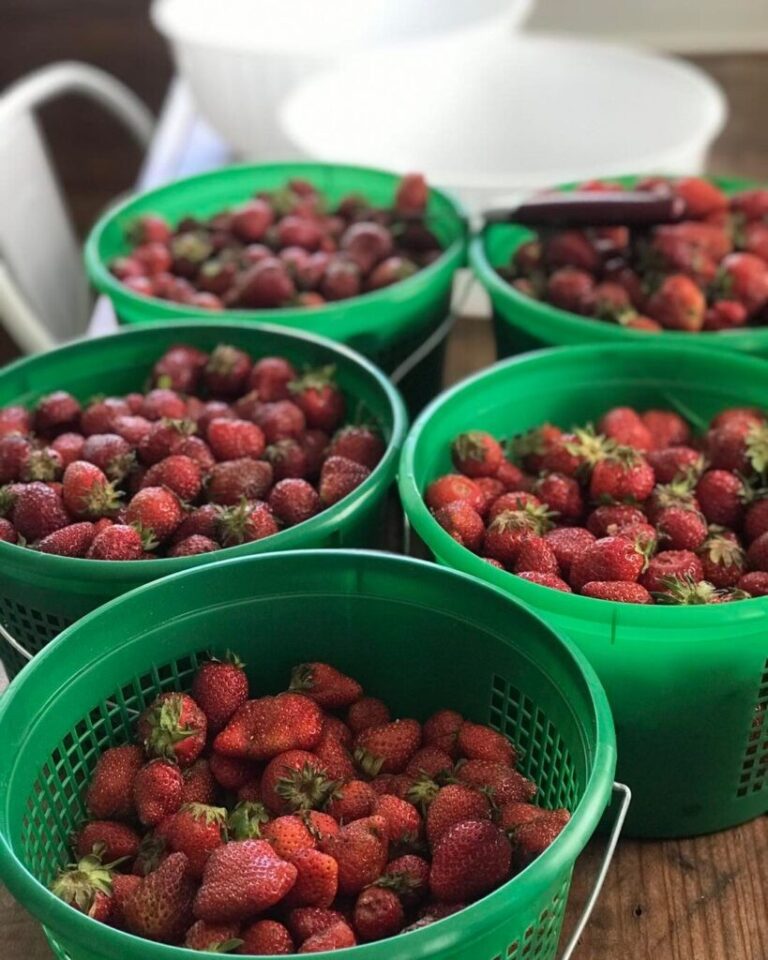
2. Prepare the Strawberries: Rinse the strawberries under cold water to remove any dirt or pesticides. Remove the green hulls and stems, then mash the strawberries with a potato masher or fork until you reach approximately 2 cups of crushed berries. Aim for a chunky consistency, as this will enhance the texture of the jam.
3. Mix Sugar and Pectin: In a separate bowl, combine the granulated sugar and fruit pectin thoroughly. This step is crucial; the sugar activates the gelling properties of the pectin. Allow this mixture to sit for about 10 minutes. This resting period enables the sugar to draw moisture from the pectin, improving its gelling ability.
4. Combine Ingredients: Gradually stir the sugar-pectin mixture into the mashed strawberries. It’s essential to mix continuously while adding the sugar-pectin blend for about 3 to 5 minutes. This ensures the sugar dissolves completely and the ingredients are well incorporated, allowing the pectin to thicken the jam effectively.
5. Fill Containers: Pour the prepared jam into the clean, freezer-safe containers, leaving about 1/2 inch of headspace at the top to accommodate expansion during freezing. This precaution prevents spillage or container breakage in the freezer.
6. Seal and Freeze: Secure the lids tightly on the containers. Label each one with the name of the jam and the date it was made. Place the containers in the freezer, where the jam can be stored for up to one year. For the best flavor, however, it’s recommended to consume it within 6 months.
Warning Signs: When Not to Follow This
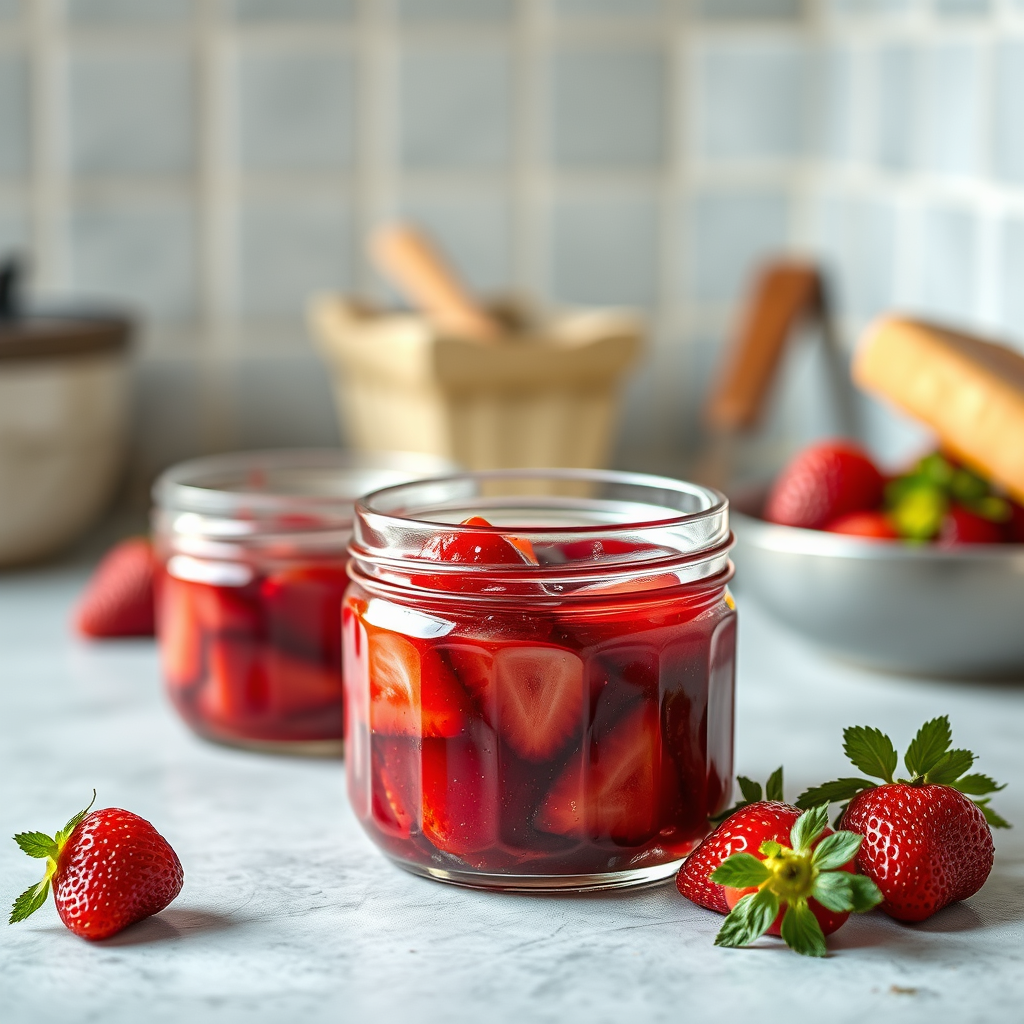
– If your strawberries show signs of spoilage—such as mold, excessive bruising, or off odors—do not proceed with the recipe. Using spoiled fruit can result in unsafe jam. Always opt for the freshest berries available.
– Avoid using frozen strawberries instead of fresh ones, as they may not yield the desired texture or flavor in the jam. Freezing alters the fruit’s structure, leading to an unsatisfactory outcome.
– If you have allergies to any of the ingredients, such as pectin or granulated sugar, this recipe is not suitable for you. Always read labels carefully to avoid cross-contamination.
The Most Common Mistakes (And Their Consequences)
– Neglecting to allow the sugar and pectin mixture to rest before combining it with the strawberries can lead to a runny jam that fails to set properly. This common oversight often results in frustration upon thawing.
– Incorrectly measuring pectin can also pose a problem. Using too much can create an overly firm jam, while too little may leave it liquid, preventing the desired consistency. Always follow the manufacturer’s recommendations for accurate measurements.
– Skipping the step of thoroughly mashing the strawberries can result in an uneven texture; larger pieces may not integrate well into the jam, diminishing the overall experience. For the best mouthfeel, the jam should have a uniform consistency.
Special Cases That Need a Different Approach
– If you prefer a less sweet jam, you might consider reducing the sugar to 1.5 cups. However, be mindful that this adjustment could affect both the set and flavor balance. Less sugar means less preservation, which may shorten the shelf life.
– For those with dietary restrictions, alternatives such as low-sugar pectin or sugar substitutes can be used. These variations may necessitate adjustments in the recipe process, particularly regarding setting times and ratios.
– If you want to incorporate other fruits, such as raspberries or blueberries, feel free to blend them with the strawberries. Just ensure the total fruit volume remains at 2 cups for optimal results. Variations in fruit type can impact flavor and gelling properties, so proceed with caution.
When You Need a Professional
– If you encounter any food safety concerns—such as improper storage or unusual changes in the jam after freezing—consult a food preservation expert or your local extension office. They can provide tailored advice and resources.
– For individuals with severe allergies or sensitivities to common jam ingredients, seeking guidance from a nutritionist or allergist is advisable. They can help identify safe alternatives and suggest ingredient substitutions.
– If you plan to scale up production significantly (more than 10 batches), consider consulting with a food preservation professional to ensure safety and quality. Large-scale production may require adjustments in techniques and storage methods to uphold food safety standards.
Sources and Further Reading
– National Center for Home Food Preservation. (2023). “Freezer Jam.” [Visit the site for comprehensive information on freezer jams and food preservation methods.]
– USDA Complete Guide to Home Canning. (2023). [Refer to this publication for additional resources on food preservation and safety.]
– Sure-Jell Pectin Instructions. (2023). “Making Freezer Jam.” [Check this resource for detailed instructions related to pectin use in jam-making.]
By following this guide, you can confidently create delicious strawberry freezer jam that captures the essence of fresh strawberries, ensuring that you can relish this seasonal delight all year round.
Frequently Asked Questions
What ingredients do I need for a strawberry freezer jam recipe?
To make a classic strawberry freezer jam, you’ll need fresh strawberries, granulated sugar, lemon juice, and pectin. Using high-quality, ripe strawberries is essential for achieving the best flavor and texture in your jam. Make sure to choose a pectin that is suitable for freezer jams to ensure proper setting.
How do I properly prepare strawberries for freezer jam?
Start by washing the strawberries thoroughly and removing the green tops. Then, mash the strawberries using a potato masher or a food processor, leaving some chunks for texture. It’s important to measure the mashed strawberries accurately, as the right ratio of fruit to sugar and pectin is crucial for a successful freezer jam.
Why is pectin important in a strawberry freezer jam recipe?
Pectin acts as a thickening agent that helps your strawberry freezer jam achieve the right consistency. Without it, your jam may end up runny and not set properly. Using the correct type of pectin for freezer jams ensures that your jam will firm up nicely while still allowing for a fresh, vibrant flavor.
What is the best way to store strawberry freezer jam?
The best way to store strawberry freezer jam is in clean, airtight containers, such as plastic freezer jars or resealable bags. Ensure that you leave some headspace at the top of the container, as the jam will expand when frozen. Properly stored, your strawberry freezer jam can last up to a year in the freezer, retaining its flavor and freshness.
Which common mistakes should I avoid when making strawberry freezer jam?
Common mistakes include not measuring ingredients accurately, using underripe strawberries, or skipping the pectin. Additionally, failing to mix the ingredients thoroughly can lead to poor setting. Always follow the recipe closely and ensure that your strawberries are perfectly ripe for the best results in your strawberry freezer jam.
References
- Fruit preserves
https://en.wikipedia.org/wiki/Jam - https://www.extension.purdue.edu/extmedia/FNR/FNR-448-W.pdf
https://www.extension.purdue.edu/extmedia/FNR/FNR-448-W.pdf - https://www.foodsafety.gov/food-safety-charts/jam-jelly-home-canning
https://www.foodsafety.gov/food-safety-charts/jam-jelly-home-canning - https://www.verywellfit.com/strawberry-jam-recipe-4162871
https://www.verywellfit.com/strawberry-jam-recipe-4162871 - https://www.ncbi.nlm.nih.gov/pmc/articles/PMC7000582/
https://www.ncbi.nlm.nih.gov/pmc/articles/PMC7000582/ - Google Scholar Google Scholar
https://scholar.google.com/scholar?q=strawberry+freezer+jam+recipe - Google Scholar Google Scholar
https://scholar.google.com/scholar?q=fruit+preservation+techniques - Google Scholar Google Scholar
https://scholar.google.com/scholar?q=homemade+jam+and+jelly+recipes - https://pubmed.ncbi.nlm.nih.gov/27681183/
https://pubmed.ncbi.nlm.nih.gov/27681183/ - https://www.cdc.gov/foodsafety/communication/food-preservation.html
https://www.cdc.gov/foodsafety/communication/food-preservation.html