The Complete Step-by-Step Protocol for Safely Making Tomato Jam provides essential guidance for home canners seeking to create this unique preserve. This expert procedural guide covers everything from selecting the right tomatoes to ensuring safe canning practices, helping you avoid common pitfalls. Following the correct protocol is crucial for both flavor and food safety, allowing you to enjoy delicious, shelf-stable tomato jam with confidence.
What This Guide Covers (And What It Doesn’t)
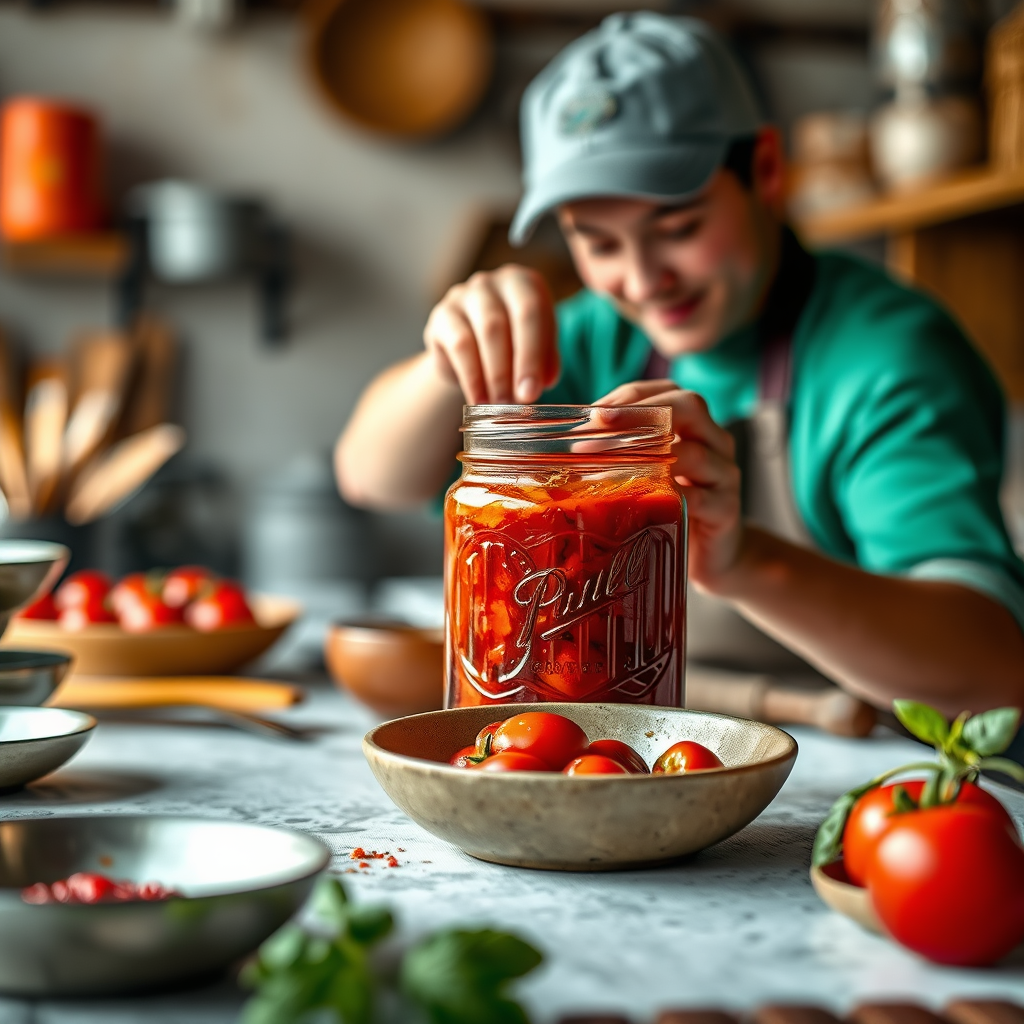
This guide provides a thorough, step-by-step protocol for safely making tomato jam, detailing the necessary ingredients, equipment, and proper canning techniques. It specifically focuses on traditional tomato jam recipes, showcasing variations such as spicy and herb-infused options, while intentionally excluding unrelated tomato preserves or sauces. Readers will find meticulous instructions for achieving the right balance of acidity and sugar—essential elements for safe preservation—though it will not delve into commercial methods or large-scale production.
Who Should Read This

This article is designed for home cooks with a basic understanding of canning and food preservation who are eager to explore the art of making tomato jam. It is particularly suitable for those who have experience with fruit preserves or jams but seek guidance on tomato-specific recipes. If you’re looking for safe, tested methods for preserving tomato jam for long-term storage, this guide will prove invaluable. However, complete beginners without any canning experience may want to seek introductory resources first.
The Step-by-Step Protocol
1. Gather Ingredients: Start with 2 pounds of ripe, firm tomatoes. For sweetness and flavor, you will need 1 cup of granulated sugar, 1/4 cup of bottled lemon juice (using bottled ensures consistent acidity), and 1 teaspoon of salt. Optionally, prepare spices like 1 teaspoon of cinnamon or 1 teaspoon of chili flakes for a unique twist.
2. Prepare Tomatoes: Wash the tomatoes thoroughly under running water. Remove the stems and cores using a knife. Blanch the tomatoes in boiling water for 30 seconds to loosen the skins, then transfer them to an ice bath to stop the cooking process. Once cool, peel the skins off and chop the tomatoes coarsely.
3. Cook the Jam: In a large, non-reactive pot (such as stainless steel), combine the peeled and chopped tomatoes, granulated sugar, bottled lemon juice, and salt. Heat the mixture over medium heat, stirring frequently to dissolve the sugar. As it begins to boil, reduce the heat slightly to maintain a gentle boil, cooking for about 15-20 minutes. Stir regularly to prevent sticking and burning.
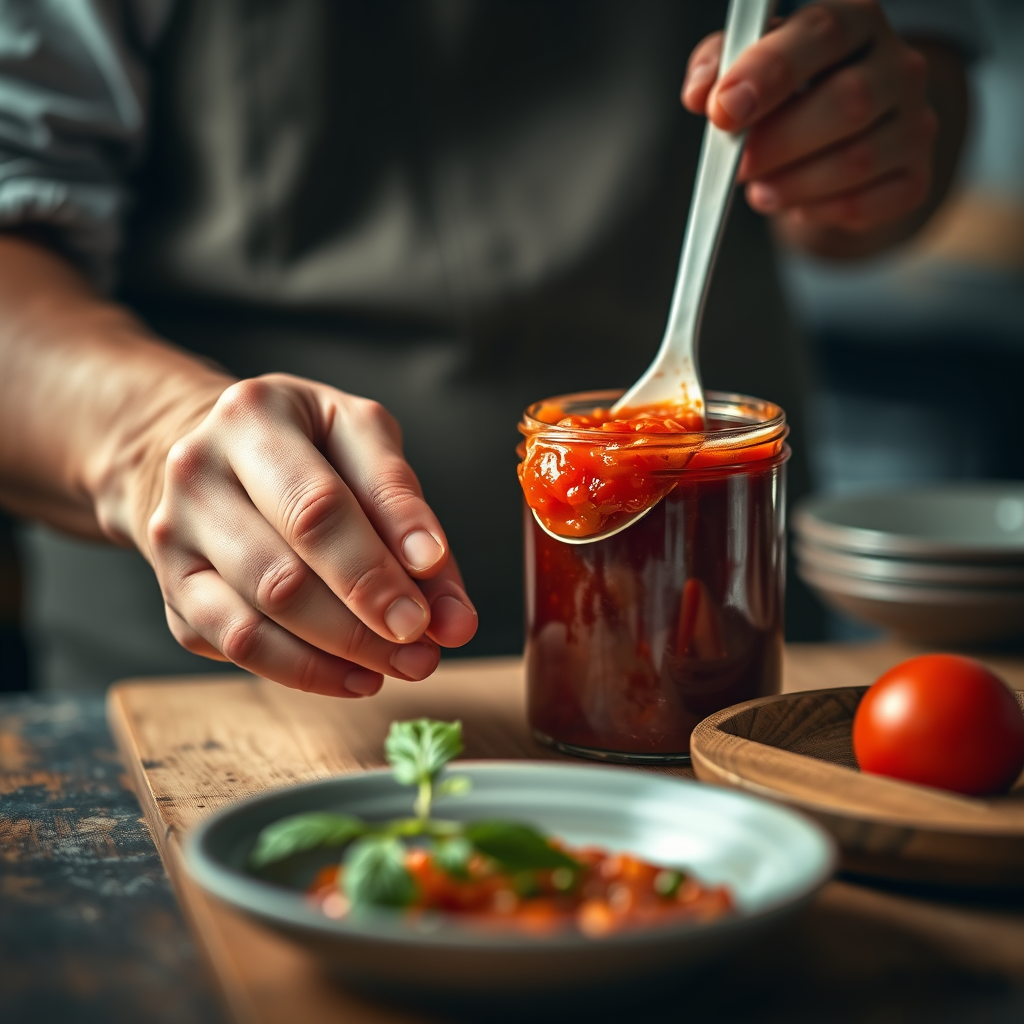
4. Check Consistency: To determine if the jam is ready, perform the spoon test. Dip a clean spoon into the jam; it should coat the back of the spoon and hold its shape when you run your finger through it. If it appears too runny, continue cooking for an additional 5-10 minutes, then recheck.
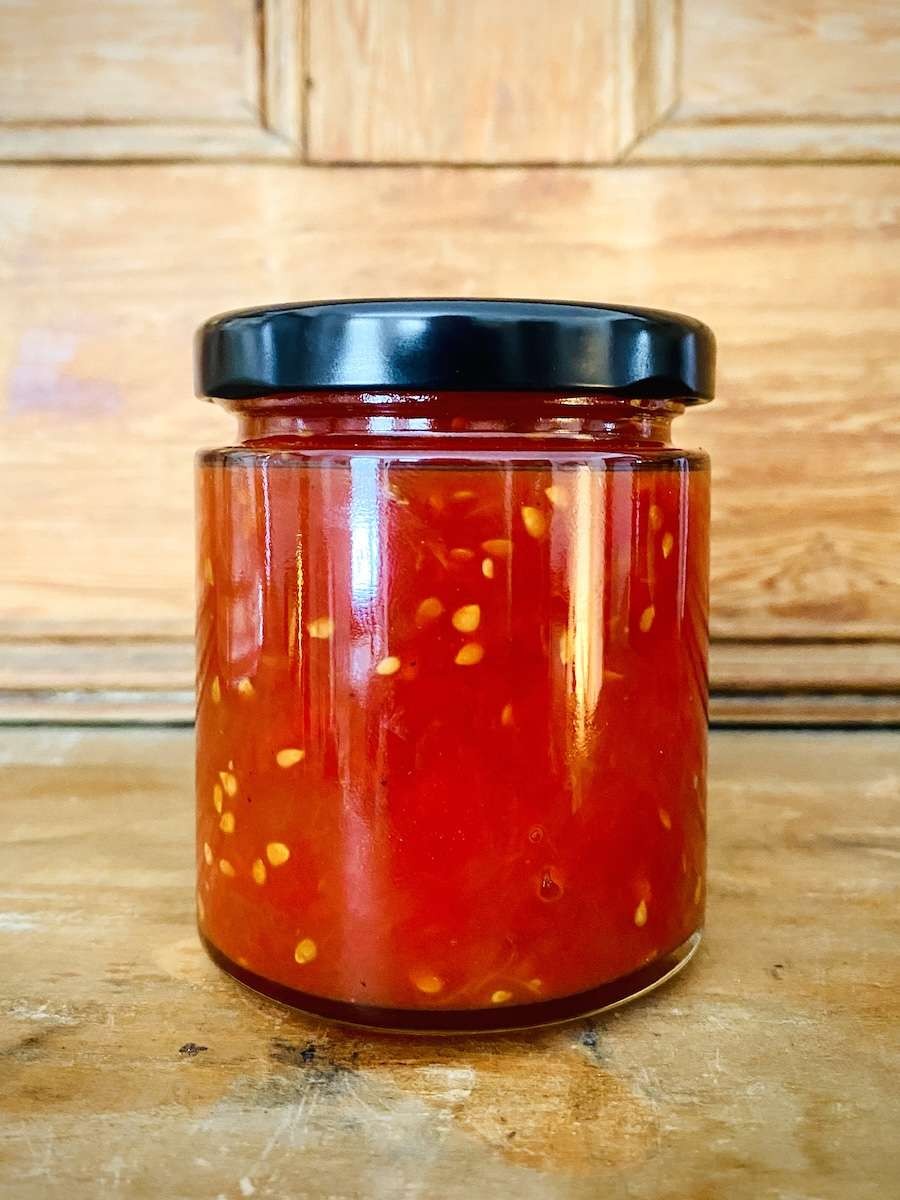
5. Jar the Jam: Once the desired consistency is achieved, carefully pour the hot jam into sterilized canning jars, leaving 1/4 inch of headspace at the top. Wipe the rims of the jars with a clean, damp cloth to remove any residue that could prevent proper sealing. Place sterilized lids on the jars and screw on the metal bands until fingertip tight. Process the jars in a boiling water bath for 15 minutes to ensure proper sealing and preservation.
Warning Signs: When Not to Follow This
Avoid this protocol if using tomatoes that are overripe, damaged, or showing signs of decay, as this can lead to spoilage and unsafe jam. If you are allergic to any of the ingredients listed, particularly the spices, do not attempt to make this recipe without suitable substitutions. Additionally, do not proceed if you lack the necessary canning equipment, such as a boiling water canner, as improper equipment can compromise safety during preservation.
The Most Common Mistakes (And Their Consequences)
– Skipping the acidification step: Not adding lemon juice can create a low-acid environment, increasing the risk of botulism—a potentially fatal illness caused by improperly canned goods.
– Using under- or over-ripe tomatoes: This can result in a jam that is either too watery, affecting its texture and flavor, or too thick, which may lead to burning during the cooking process.
– Neglecting to properly sterilize jars: Failing to sterilize jars before filling them can introduce bacteria, leading to spoilage of the jam during storage and compromising food safety.
Special Cases That Need a Different Approach
– For those living at high altitudes (above 1,000 feet), adjustments in processing time may be necessary to ensure safe preservation. Refer to altitude adjustment charts from your local extension service or food safety resources for guidance on increasing processing time.
– If substituting regular sugar for low-sugar alternatives or sweeteners, be aware that the consistency and preservation qualities of the jam may vary, requiring recipe adjustments. For instance, using pectin or other gelling agents may be necessary to achieve the desired texture.
– In cases of dietary restrictions, such as gluten intolerance or veganism, specific ingredient swaps must be made. For example, using brown sugar instead of granulated sugar can alter the flavor profile, while ensuring all ingredients remain gluten-free will maintain the jam’s safety for those with sensitivities.
When You Need a Professional
Consult a food safety expert if you are uncertain about the acidity levels of your tomatoes or have questions regarding the safety of your canning practices. When dealing with large batches of tomato jam that may alter cooking times or preservation methods, a certified canning instructor can provide tailored advice. If you notice any signs of spoilage, such as off-smells, bulging lids, or bubbling in sealed jars, contact a food safety professional to assess the situation.
Sources and Further Reading
– The National Center for Home Food Preservation provides guidelines on safe canning practices and acidification methods specific to tomato products.
– The USDA’s Complete Guide to Home Canning offers detailed information on preserving fruits and vegetables, including tomato jam recipes.
– Research from the University of Georgia Extension on tomato preservation methods can serve as an additional resource for safe canning practices and troubleshooting tips.
By following this protocol with care and attention to detail, you can successfully create delicious and safe tomato jam that enhances your culinary repertoire. Enjoy your homemade preserves with confidence!
Frequently Asked Questions
What ingredients do I need for a basic tomato jam recipe?
To make a basic tomato jam, you will need ripe tomatoes, sugar, lemon juice, and salt. Optional ingredients include spices like cinnamon or ginger, and aromatics such as garlic or onion, which can enhance the flavor profile of your tomato jam. Using fresh, high-quality tomatoes will yield the best results.
How do I make tomato jam from scratch?
To make tomato jam from scratch, start by chopping your ripe tomatoes and cooking them in a pot with sugar, lemon juice, and salt. Simmer the mixture over low heat, stirring frequently until it thickens to your desired consistency, usually around 30-60 minutes. Once ready, can the jam in sterilized jars for long-lasting freshness.
Why is my tomato jam too runny, and how can I fix it?
If your tomato jam is too runny, it may be due to using overly watery tomatoes or not cooking it long enough. To fix this, simply return the jam to the pot and simmer it longer until the excess liquid evaporates and the jam thickens. Adding a natural thickener like pectin can also help achieve the right consistency.
What are the best tomatoes to use for making jam?
The best tomatoes for making jam are those with low moisture content and high sugar levels, such as Roma or San Marzano tomatoes. These varieties provide a rich flavor and help create a thicker jam. However, you can experiment with different types of tomatoes to find your preferred taste and texture.
Which spices pair well with tomato jam for added flavor?
Common spices that pair well with tomato jam include cinnamon, allspice, and black pepper, which can enhance its sweetness and depth. Additionally, herbs like basil or thyme can add a savory note, while a splash of balsamic vinegar can introduce tanginess. Experimenting with these spices will help you create a unique tomato jam tailored to your palate.
References
- Tomato jam
https://en.wikipedia.org/wiki/Tomato_jam - https://www.bbc.co.uk/food/recipes/tomato_jam_78938
https://www.bbc.co.uk/food/recipes/tomato_jam_78938 - https://www.nytimes.com/2020/08/19/cooking/tomato-jam-recipe.html
https://www.nytimes.com/2020/08/19/cooking/tomato-jam-recipe.html - https://www.theguardian.com/food/2021/aug/14/how-to-make-tomato-jam-recipe
https://www.theguardian.com/food/2021/aug/14/how-to-make-tomato-jam-recipe - Google Scholar Google Scholar
https://scholar.google.com/scholar?q=tomato+jam+recipe - Google Scholar Google Scholar
https://scholar.google.com/scholar?q=tomato+preservation+methods - Google Scholar Google Scholar
https://scholar.google.com/scholar?q=fruit+preserves+and+jams - https://www.sciencedirect.com/topics/agricultural-and-biological-sciences/tomato-jam
https://www.sciencedirect.com/topics/agricultural-and-biological-sciences/tomato-jam - https://www.britannica.com/topic/jam
https://www.britannica.com/topic/jam - https://pubmed.ncbi.nlm.nih.gov/?term=tomato+jam+recipe
https://pubmed.ncbi.nlm.nih.gov/?term=tomato+jam+recipe