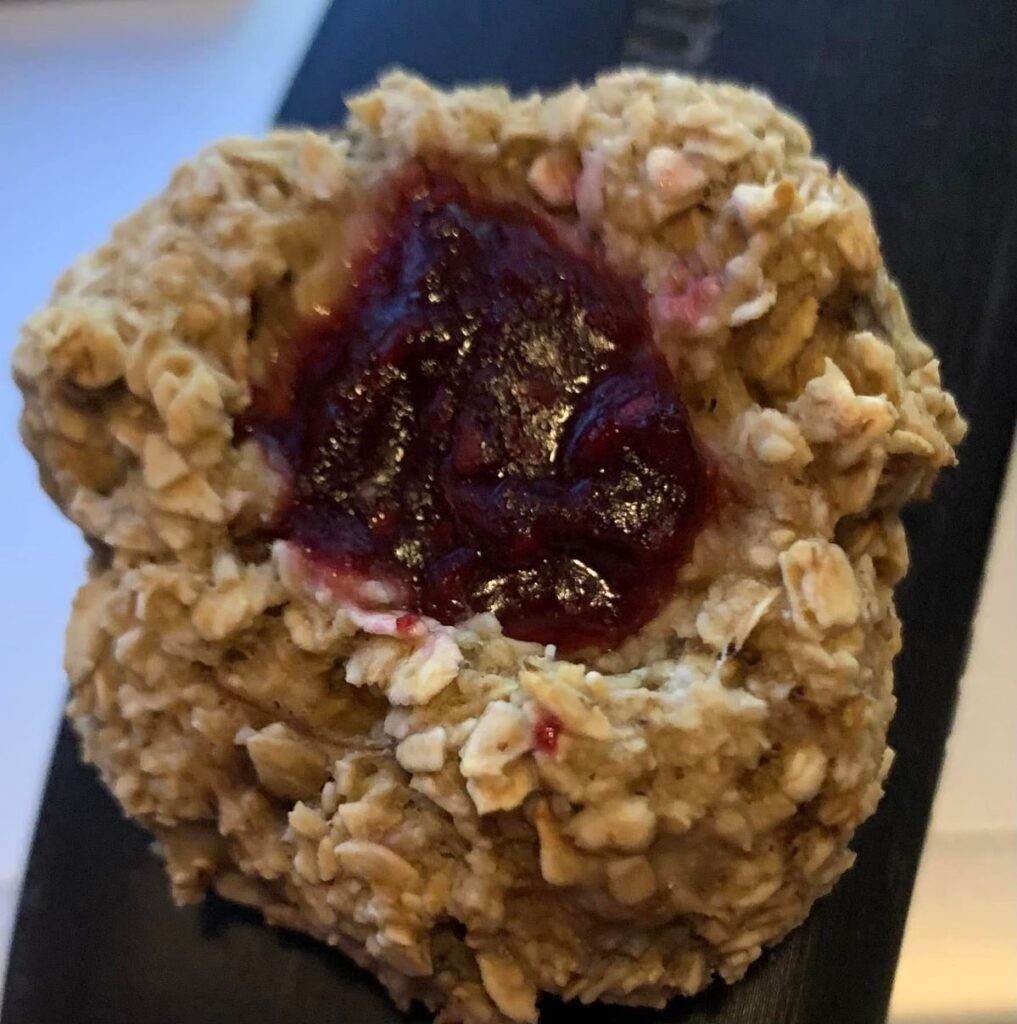
Master the art of baking with this complete step-by-step protocol for perfect thumbprint jam cookies. This guide is designed for both novice and experienced bakers, offering precise instructions to ensure your cookies turn out deliciously every time. Following the right techniques not only enhances flavor and texture but also elevates your baking skills to a new level. Indulge in the satisfaction of creating these classic treats with confidence.
What This Guide Covers (And What It Doesn’t)
This guide provides an exhaustive step-by-step protocol for making thumbprint jam cookies, detailing every essential aspect from selecting ingredients to mastering baking techniques. You’ll find precise measurements for ingredients, along with recommended baking times and temperatures, all aimed at achieving the perfect texture and flavor. However, this guide does not delve into variations of thumbprint cookies that do not include jam, nor does it cover unrelated cookie recipes.
Who Should Read This
This guide is tailored for home bakers who possess a basic understanding of baking techniques, such as measuring ingredients and operating an oven. It’s especially beneficial for those who have made cookies before but wish to elevate their skills to produce professional-quality thumbprint jam cookies. However, beginners or those unfamiliar with specific baking terminology may find this guide challenging without prior exposure to essential baking concepts.
The Step-by-Step Protocol

1. Gather Ingredients: Measure out 1 cup of unsalted butter (softened), 1 cup of granulated sugar, 2 cups of all-purpose flour, 1 teaspoon of vanilla extract, and approximately 1 cup of your choice of jam (e.g., raspberry, apricot, or strawberry).
2. Prepare the Dough: In a mixing bowl, cream together the softened butter and sugar until light and fluffy, about 3-5 minutes. Add in the vanilla extract and mix until fully incorporated. Gradually add the flour, mixing only until just combined to avoid overworking the dough.
3. Chill the Dough: Cover the dough with plastic wrap and refrigerate for at least 30 minutes. This step is crucial; it firms up the dough, making it easier to shape and preventing excessive spreading during baking.
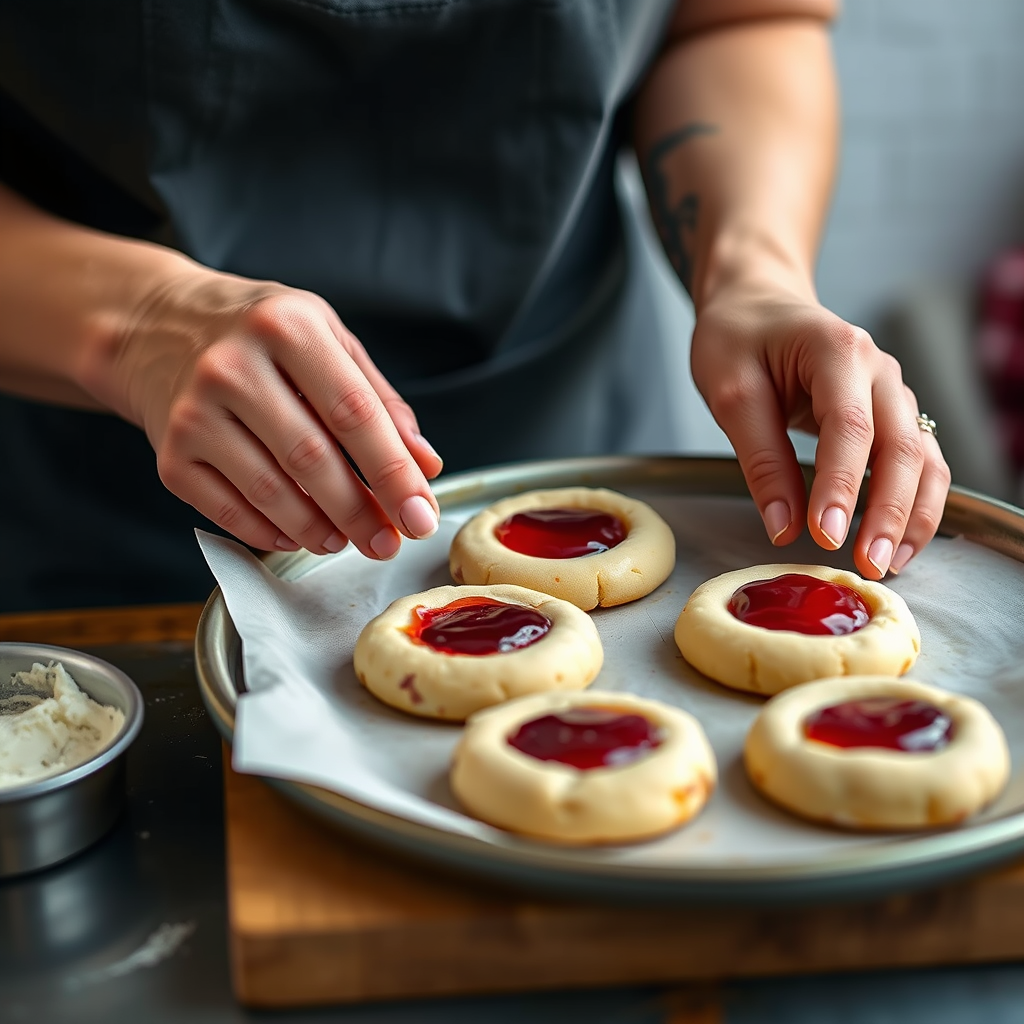
4. Shape and Bake: Preheat your oven to 350°F (175°C). Roll the chilled dough into 1-inch balls and place them on a baking sheet lined with parchment paper. Use your thumb or the back of a teaspoon to create an indentation in the center of each cookie. Fill each indentation with about 1 teaspoon of jam. Bake for 12-15 minutes, or until the edges are lightly golden. Allow the cookies to cool on the baking sheet for a few minutes before transferring them to a wire rack to cool completely.
Top Jam Varieties for Thumbprint Cookies
| # | Jam Type | Flavor Profile | Best Pairing | Popularity Rating |
|---|---|---|---|---|
| 1 | Raspberry | Sweet and Tart | Almonds | ★★★★☆ |
| 2 | Apricot | Fruity and Floral | Vanilla Ice Cream | ★★★★☆ |
| 3 | Strawberry | Sweet and Juicy | Cream Cheese | ★★★★★ |
| 4 | Blackcurrant | Bold and Tangy | Dark Chocolate | ★★★★☆ |
| 5 | Peach | Sweet and Refreshing | Yogurt | ★★★★☆ |
| 6 | Cherry | Rich and Tart | Pecan Pie | ★★★★★ |
| 7 | Fig | Earthy and Sweet | Blue Cheese | ★★★☆☆ |
Warning Signs: When Not to Follow This

Avoid following this protocol if you have allergies to any of the ingredients listed, such as gluten or dairy, since the standard recipe contains all-purpose flour and butter. If your oven temperature fluctuates significantly or you lack an oven thermometer, you may end up with undercooked or overbaked cookies. In such cases, it’s advisable to wait until you can ensure proper baking conditions. Additionally, if you cannot access high-quality jam, reconsider proceeding, as the flavor of the cookies heavily relies on it.
The Most Common Mistakes (And Their Consequences)
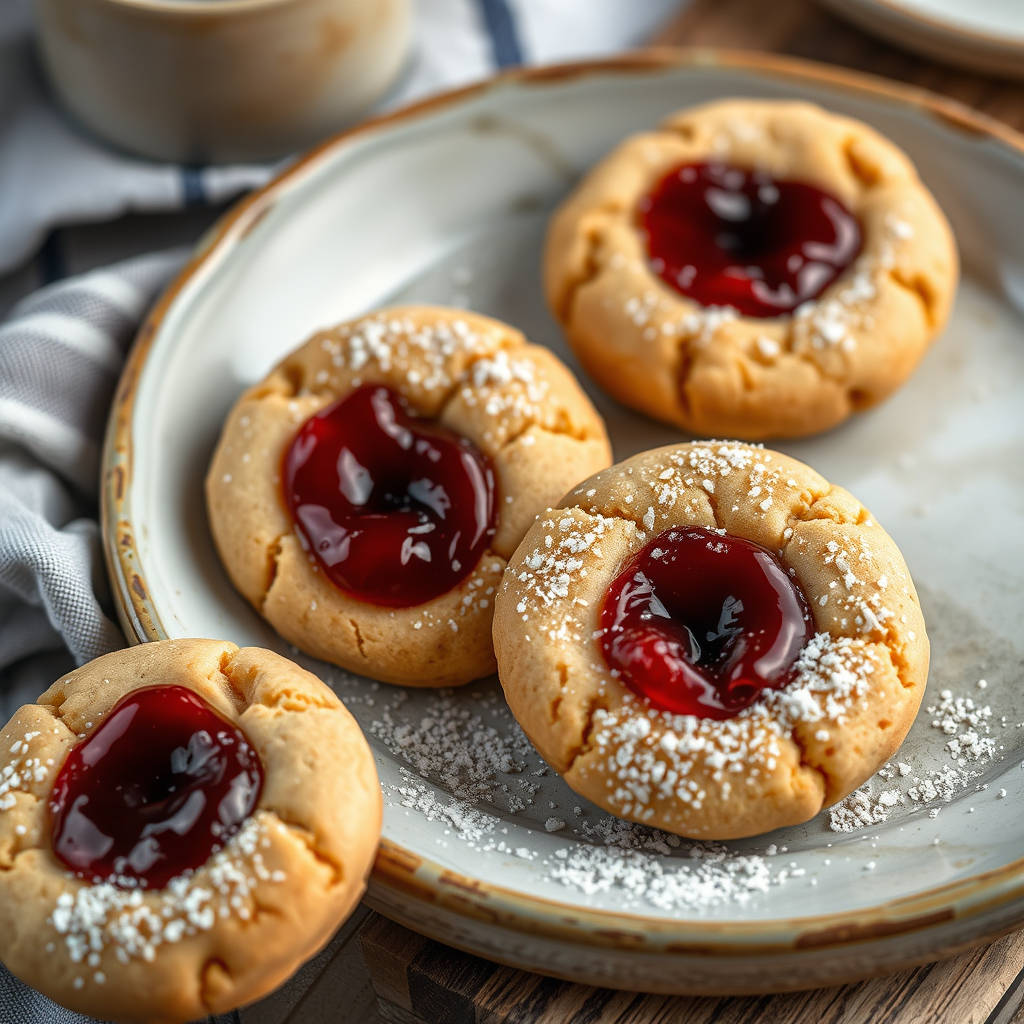
Overmixing the dough can yield tough cookies; ensure you mix only until just combined to maintain a tender texture. Skipping the chilling step can result in cookies that spread excessively during baking, leading to flat and misshapen cookies instead of the ideal thumbprint shape. Furthermore, using too much jam can cause it to overflow during baking, creating a mess and potentially burning the jam, which alters the cookies’ flavor.
Special Cases That Need a Different Approach
If you are baking at high altitude, you may need to adjust your flour and sugar quantities; typically, reducing sugar by 1-2 tablespoons and increasing flour by the same amount works well. For gluten-free thumbprint cookies, substitute all-purpose flour with a gluten-free flour blend and ensure that any jam used is also gluten-free. When using homemade jam, make sure it has a thick consistency to prevent leakage during baking, which may require a longer cooking time to achieve the right thickness.
When You Need a Professional
If you’re baking for a large event or for individuals with severe allergies, it’s wise to consult a professional baker to ensure safety and quality, especially if modifications are necessary. If you consistently face baking issues despite following the protocol—such as cookies that do not set properly or burn—it may be helpful to seek the guidance of a culinary expert or to take a baking class. For those looking to develop a unique recipe or commercially produce thumbprint jam cookies, consulting a food scientist or culinary professional may be essential for ensuring food safety and proper recipe formulation.
Sources and Further Reading
– “Baking: From My Home to Yours” by Dorie Greenspan – offers extensive insights on various baking techniques and cookie recipes.
– The American Institute of Baking (AIB) provides guidelines on ingredient substitutions and baking practices for home bakers.
– King Arthur Baking Company’s website features detailed articles on baking tips, ingredient specifics, and troubleshooting common baking problems.
Frequently Asked Questions
What are the key ingredients for thumbprint jam cookies?
The key ingredients for thumbprint jam cookies include unsalted butter, granulated sugar, all-purpose flour, vanilla extract, and your choice of fruit jam or preserves. These simple ingredients come together to create a tender, buttery cookie that is both delicious and easy to make.
How do I properly shape thumbprint cookies?
To properly shape thumbprint cookies, start by rolling your dough into small balls, about one inch in diameter. Use your thumb or the back of a spoon to create an indentation in the center of each ball, ensuring it is deep enough to hold the jam without breaking the cookie.
Why do my thumbprint jam cookies spread too much during baking?
If your thumbprint jam cookies spread too much while baking, it could be due to the dough being too warm or not chilling before baking. Make sure to chill the dough for at least 30 minutes before baking, and ensure your butter is softened but not melted for the right consistency.
What is the best type of jam to use for thumbprint cookies?
The best type of jam for thumbprint cookies depends on your personal preference, but popular choices include raspberry, apricot, and strawberry. Using high-quality fruit preserves can enhance the flavor of your cookies and provide a beautiful contrast to the buttery dough.
Which baking temperature is ideal for thumbprint jam cookies?
The ideal baking temperature for thumbprint jam cookies is typically around 350°F (175°C). This temperature allows the cookies to bake evenly, resulting in a golden-brown exterior while keeping the center soft and chewy, perfect for holding the jam.
References
- Cookie
https://en.wikipedia.org/wiki/Cookie - https://www.bbc.com/food/recipes/thumbprint_cookies_89063
https://www.bbc.com/food/recipes/thumbprint_cookies_89063 - https://www.sciencedirect.com/topics/food-science/thumbprint-cookie
https://www.sciencedirect.com/topics/food-science/thumbprint-cookie - https://www.verywellfit.com/thumbprint-cookie-recipe-5180564
https://www.verywellfit.com/thumbprint-cookie-recipe-5180564 - https://www.foodnetwork.com/recipes/thumbprint-cookies-3363117
https://www.foodnetwork.com/recipes/thumbprint-cookies-3363117 - Google Scholar Google Scholar
https://scholar.google.com/scholar?q=thumbprint+jam+cookies - Google Scholar Google Scholar
https://scholar.google.com/scholar?q=recipe+thumbprint+cookies - Google Scholar Google Scholar
https://scholar.google.com/scholar?q=baking+cookies+research - NYT Cooking – Recipes and Cooking Guides From The New York Times
https://www.nytimes.com/recipes/1018691/thumbprint-cookies - Google Scholar Google Scholar
https://scholar.google.com/scholar?q=recipe+thumbprint+jam+cookies