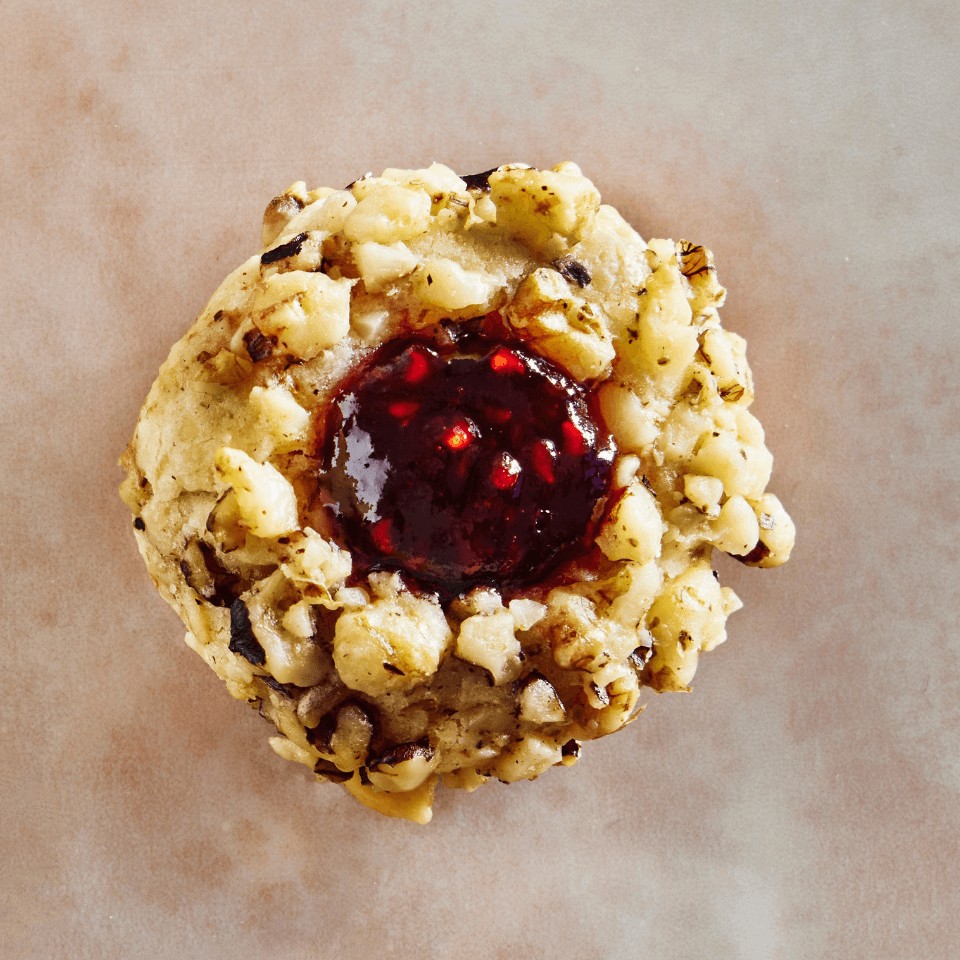
Mastering the art of jam thumbprint cookies requires a precise step-by-step protocol to achieve that perfect balance of buttery texture and fruity filling. This comprehensive guide is tailored for bakers seeking to elevate their cookie game with expert techniques and foolproof measurements. Following the right process not only ensures delicious results but also enhances your baking skills for future endeavors. Get ready to impress with cookies that are as beautiful as they are tasty.
What This Guide Covers (And What It Doesn’t)

This guide provides a thorough, step-by-step recipe for crafting jam thumbprint cookies, complete with precise ingredient measurements, baking times, and techniques to achieve the ideal texture and flavor. It focuses exclusively on traditional jam thumbprint cookies, exploring variations in jam types, cookie textures, and optional add-ins. However, it does not address other cookie types or baking methods. Readers will discover troubleshooting tips and common pitfalls to avoid, but this guide does not delve into advanced baking techniques or gluten-free adaptations, which require specialized knowledge.
Who Should Read This

This guide is designed for home bakers of all skill levels eager to create classic jam thumbprint cookies. It’s particularly beneficial for those with basic baking knowledge, such as measuring ingredients and using an oven. If you’ve baked cookies before but are new to thumbprint cookies, you’ll find valuable insights into the unique aspects of this recipe. Experienced bakers looking to refine their techniques or explore the nuances of flavor combinations in jam selection will also appreciate the detailed instructions and tips included.
The Step-by-Step Protocol
1. Gather Ingredients: Measure out 2 cups all-purpose flour, 1/2 teaspoon baking powder, 1/4 teaspoon salt, 1/2 cup unsalted butter (softened), 1/2 cup granulated sugar, 1 large egg yolk, and 1 teaspoon vanilla extract along with 1/2 cup of your preferred jam. Ensure all ingredients are at room temperature for optimal blending.
2. Preheat Oven: Set your oven to 350°F (175°C) to ensure it reaches the right temperature when you are ready to bake. An adequately preheated oven is crucial for even baking.
3. Mix Dry Ingredients: In a bowl, whisk together the flour, baking powder, and salt until well combined; set aside. This step guarantees an even distribution of the leavening agent and salt throughout the flour.
4. Cream Butter and Sugar: In a separate bowl, beat the softened butter and sugar using a hand mixer for 2-3 minutes until light and fluffy. This process incorporates air into the mixture, which is essential for achieving a tender cookie. Then add the egg yolk and vanilla extract, mixing until fully integrated.
5. Combine Mixtures: Gradually add the dry ingredient mixture to the wet mixture, mixing until just combined and a soft dough forms. Avoid over-mixing to maintain a tender texture; the dough should be slightly sticky but manageable.
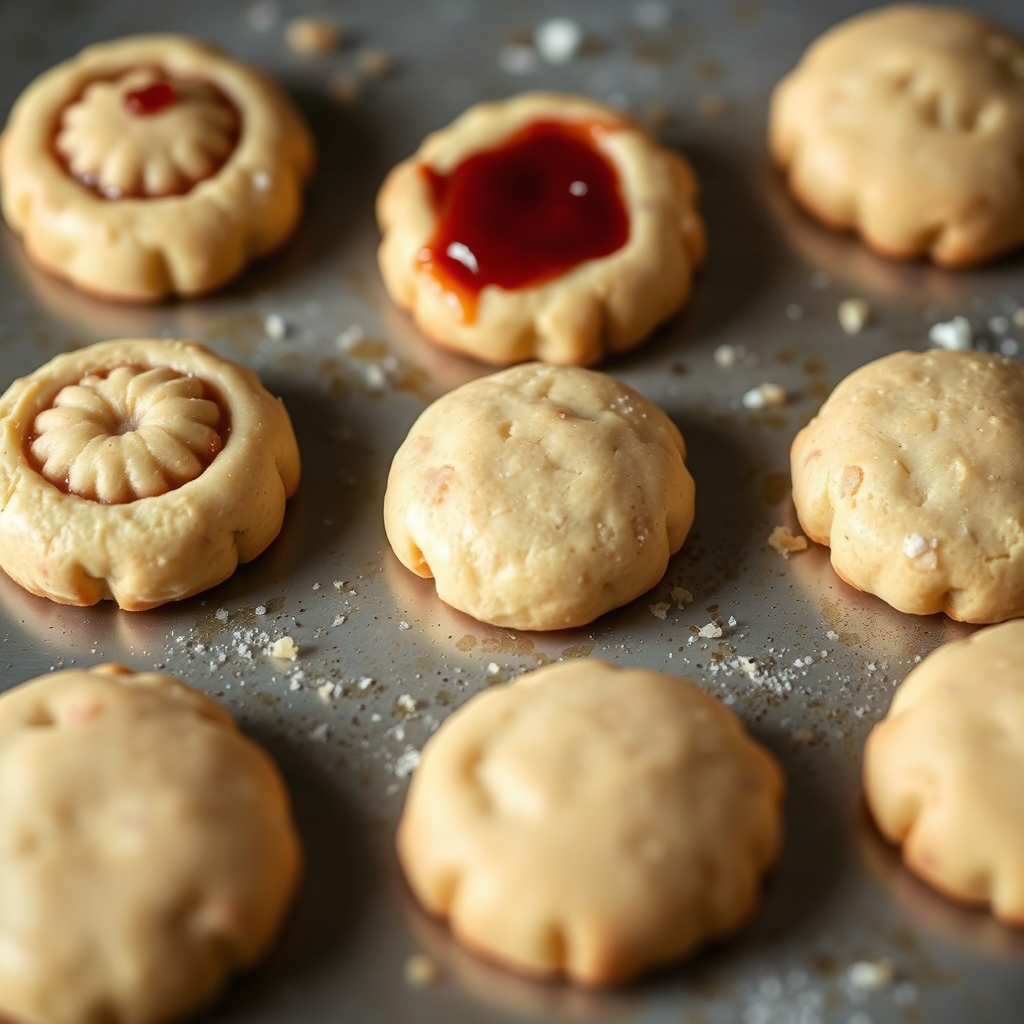
6. Form Cookies: Scoop tablespoon-sized portions of dough and roll them into balls. Place them on a parchment-lined baking sheet, spacing them about 2 inches apart to allow for spreading during baking.
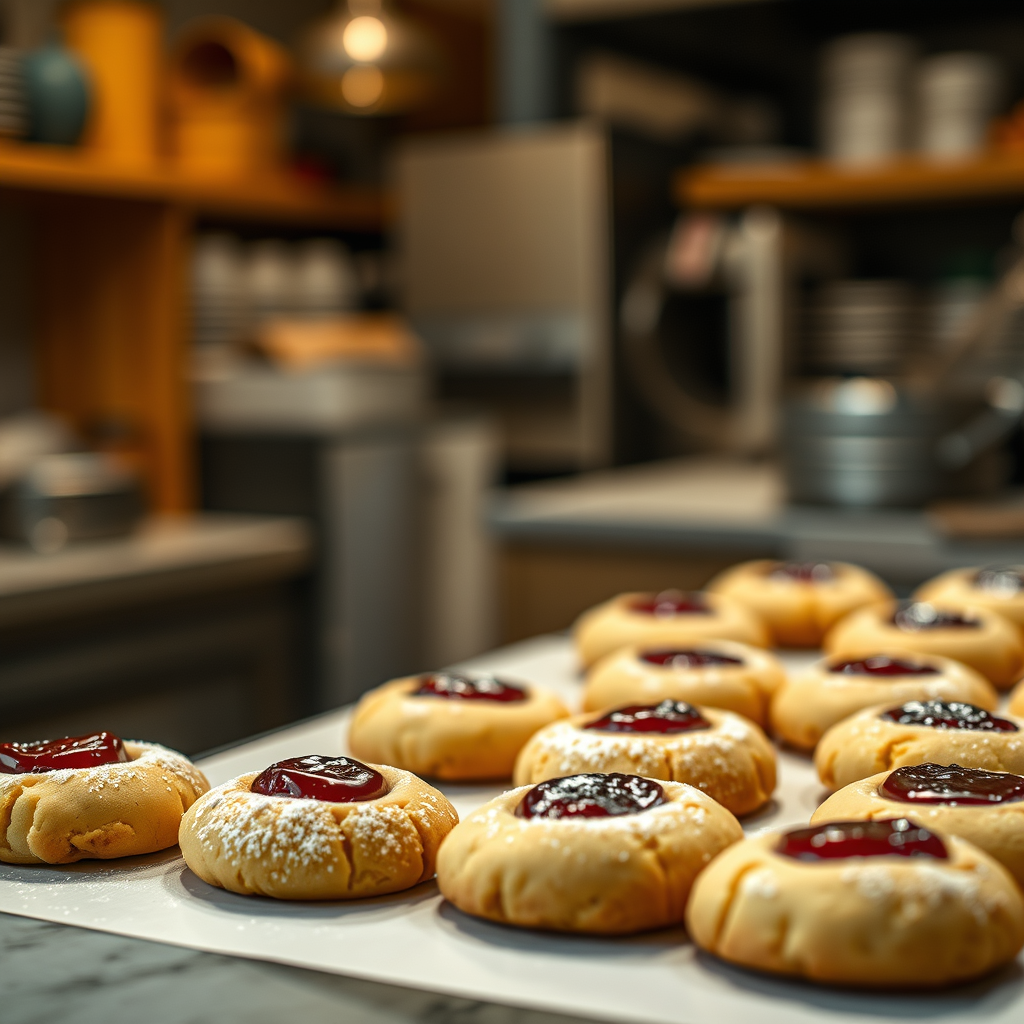
7. Make Thumbprint Indentations: Use your thumb or the back of a measuring spoon to create an indentation in each cookie ball, about 1/2 inch deep. This step is crucial as it allows space for the jam filling.
8. Fill with Jam: Spoon about 1/2 teaspoon of jam into each indentation, being careful not to overfill. Overfilling can cause the jam to spill over during baking, resulting in a mess.
9. Bake: Place the baking sheet in the preheated oven and bake for 12-15 minutes, or until the edges are lightly golden. Keep an eye on them to avoid over-baking, which can lead to dry cookies. Allow cookies to cool on the sheet for 5 minutes before transferring to a wire rack.
10. Cool and Serve: Let the cookies cool completely before serving to allow the jam to set. This enhances the texture and makes them easier to handle.
Warning Signs: When Not to Follow This
– If you have allergies to gluten or dairy, this recipe may not be suitable as it contains all-purpose flour and butter. Consider seeking gluten-free or dairy-free alternatives, such as using gluten-free flour blends and plant-based butter.
– Avoid attempting this recipe if you lack essential baking equipment such as a reliable oven, mixing bowls, and measuring tools. These are crucial for achieving accurate results.
– If you are not comfortable with basic baking techniques, such as creaming butter and sugar or controlling oven temperatures, it may be best to practice simpler recipes first.
The Most Common Mistakes (And Their Consequences)
– Overmixing the Dough: This can lead to tough cookies instead of the desired soft and tender texture, as overmixing develops gluten in the flour. Aim for just combined; the dough should remain slightly soft.
– Incorrect Oven Temperature: Not preheating the oven adequately can result in uneven baking. Cookies may spread too much or not bake through properly, leading to undercooked centers.
– Jam Overfilling: Adding too much jam can cause it to overflow during baking, creating a mess on the baking sheet and potentially burning the jam. Stick to the recommended amount for the best results.
Special Cases That Need a Different Approach
– Substituting Ingredients: If using a sugar substitute, ensure it is suitable for baking; results may vary significantly if not designed for high-temperature use. For example, some artificial sweeteners may not provide the same texture and flavor.
– Different Jam Consistencies: Using low-sugar or homemade jams may require adjustments in baking time, as these can have different moisture content and may not set the same way as commercial jams. Monitor closely to prevent soggy cookies.
– High-Altitude Baking: Those baking at elevations above 3,000 feet may need to adjust the flour and sugar ratios, as well as the baking time, to achieve the same texture and rise. Generally, increasing flour by 1-2 tablespoons and decreasing sugar slightly can help.
When You Need a Professional
– If you have specific dietary needs (e.g., severe allergies) that require extensive modifications to the recipe, consulting with a nutritionist or a professional baker can help tailor the recipe safely. They can provide insights into ingredient substitutions that maintain the integrity of the cookie.
– When attempting to scale the recipe significantly (e.g., doubling or tripling), it may be beneficial to consult a professional for guidance on ingredient ratios and baking times to prevent failures. Scaling can affect baking times and texture.
– If you encounter repeated issues with baking techniques (e.g., cookies spreading too much or burning), attending a baking class or seeking advice from a professional baker can provide invaluable hands-on experience, helping to resolve persistent problems.
Sources and Further Reading
– “The Joy of Baking” by Stephanie Jaworski, which offers detailed insights into cookie baking techniques and variations.
– “Baking Illustrated” by the Editors at America’s Test Kitchen, providing tested recipes and troubleshooting tips for common baking issues.
– The USDA Food Safety Guidelines, which can be referenced for safe food handling practices when preparing baked goods, especially for shared settings.
By paying careful attention to these guidelines, your jam thumbprint cookies will not only be visually appealing but also a delicious treat that showcases your baking skills. Happy baking!
Frequently Asked Questions
What are the key ingredients for a classic jam thumbprint cookie recipe?
A classic jam thumbprint cookie recipe typically requires all-purpose flour, unsalted butter, granulated sugar, eggs, vanilla extract, and your choice of jam, such as raspberry or apricot. These ingredients combine to create a buttery, crumbly cookie that is perfect for holding a dollop of sweet jam in the center.
How do you make thumbprint cookies that don’t spread too much while baking?
To prevent thumbprint cookies from spreading too much during baking, make sure to chill the dough for at least 30 minutes before rolling it into balls. Additionally, using a higher ratio of butter to flour can help maintain their shape. Always preheat your oven to the correct temperature for optimal results.
Why are my jam thumbprint cookies cracking on top?
Cracking on top of jam thumbprint cookies often occurs due to overmixing the dough or not chilling it sufficiently before baking. To prevent this, mix the dough just until combined and allow it to chill for at least half an hour. This helps to relax the gluten and results in a smoother cookie surface.
What is the best type of jam to use for thumbprint cookies?
The best type of jam for thumbprint cookies is one that has a good balance of sweetness and tartness. Popular choices include raspberry, strawberry, or apricot jam, as they complement the buttery flavor of the cookie well. You can also experiment with homemade jams or preserves for a unique twist.
Which variations can I try in a thumbprint cookie recipe to make them more unique?
To add a unique twist to your thumbprint cookies, consider using flavored extracts like almond or lemon instead of vanilla, or incorporating chopped nuts into the dough. You can also experiment with different fillings, such as chocolate ganache or lemon curd, to create exciting flavor combinations.
References
- Cookie
https://en.wikipedia.org/wiki/Cookie - https://www.britannica.com/topic/cookie
https://www.britannica.com/topic/cookie - Google Scholar Google Scholar
https://scholar.google.com/scholar?q=jam+thumbprint+cookie+recipe - Google Scholar Google Scholar
https://scholar.google.com/scholar?q=thumbprint+cookies - https://www.sciencedirect.com/topics/food-science/thumbprint-cookie
https://www.sciencedirect.com/topics/food-science/thumbprint-cookie - https://www.ncbi.nlm.nih.gov/pmc/articles/PMC6343033/
https://www.ncbi.nlm.nih.gov/pmc/articles/PMC6343033/ - Everything Parker House Rolls Recipe
https://www.nytimes.com/recipes/1019842/jam-thumbprint-cookies.html - https://www.bbc.com/food/recipes/thumbprint_cookies_13595
https://www.bbc.com/food/recipes/thumbprint_cookies_13595 - https://www.theguardian.com/food/2020/jan/31/how-to-make-thumbprint-cookies
https://www.theguardian.com/food/2020/jan/31/how-to-make-thumbprint-cookies - https://www.foodnetwork.com/recipes/thumbprint-cookies-recipe-1942992
https://www.foodnetwork.com/recipes/thumbprint-cookies-recipe-1942992