Making strawberry jam safely requires precise steps to ensure both flavor and food safety. This complete step-by-step protocol guides you through the entire process, from selecting the ripest strawberries to canning the finished product. Following these expert procedures is crucial not only for achieving the perfect texture and taste but also for preventing spoilage and ensuring that your homemade jam is safe to enjoy.
What This Guide Covers (And What It Doesn’t)
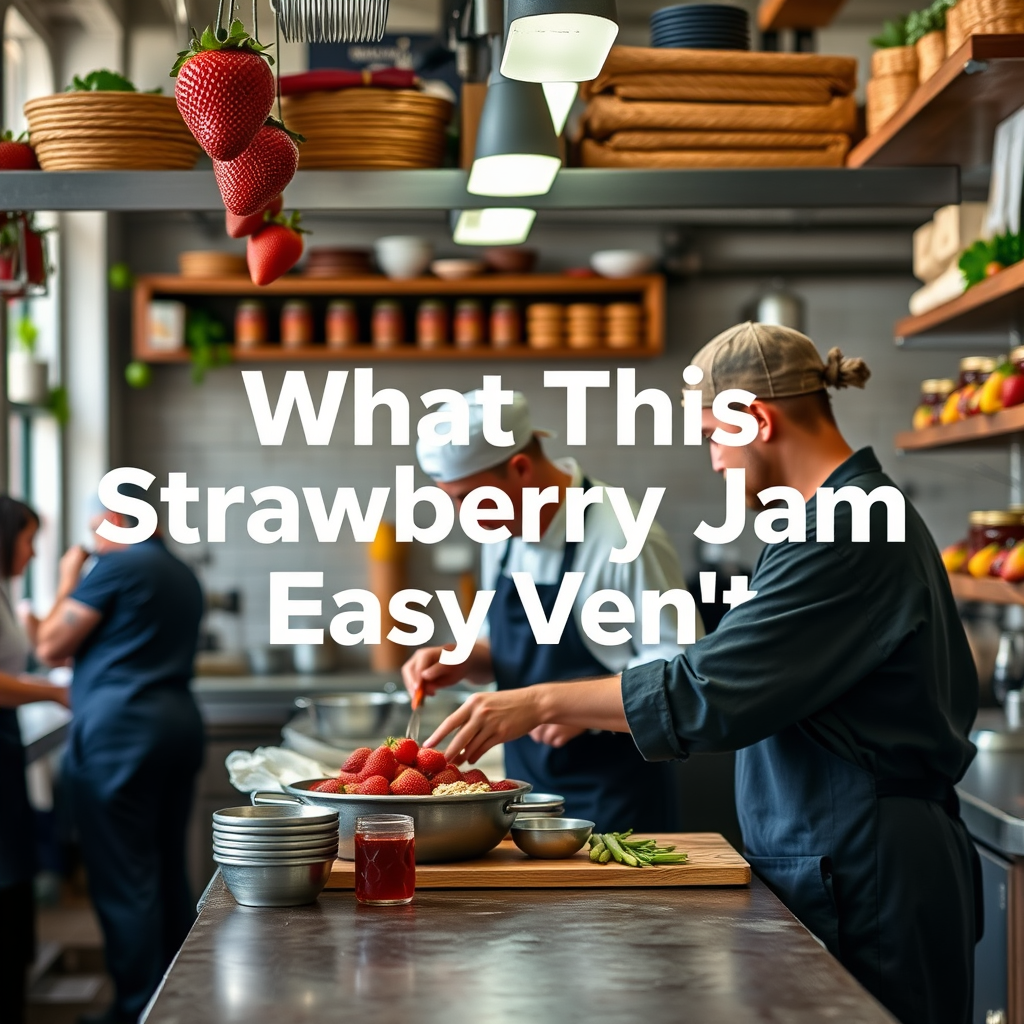
This guide offers a thorough, step-by-step recipe for making strawberry jam using fresh strawberries, sugar, and lemon juice, specifically designed for beginners and home cooks seeking a straightforward approach. It presents a clear and accessible strawberry jam recipe, making it ideal for those who are new to canning. Importantly, the guide emphasizes safety and sanitation practices essential for producing jam that is both safe for consumption and properly preserved.
However, this guide does not delve into advanced canning techniques, alternative fruit jams, or sugar-free variations. Readers interested in complex flavor combinations or gourmet approaches may need to consult additional resources, as this guide remains focused on a simple and effective strawberry jam recipe.
Who Should Read This
This guide is perfect for novice cooks eager to learn how to create strawberry jam without any prior canning experience. It is particularly beneficial for home cooks with access to fresh strawberries who want to make a seasonal treat. Individuals interested in preserving fruits for personal use or as gifts will find the straightforward instructions and essential safety tips invaluable.
Readers should have a basic understanding of kitchen tools and cooking methods. While those seeking professional-level techniques may find this guide lacking, it serves as a solid foundation for anyone looking to make homemade strawberry jam.
The Step-by-Step Protocol
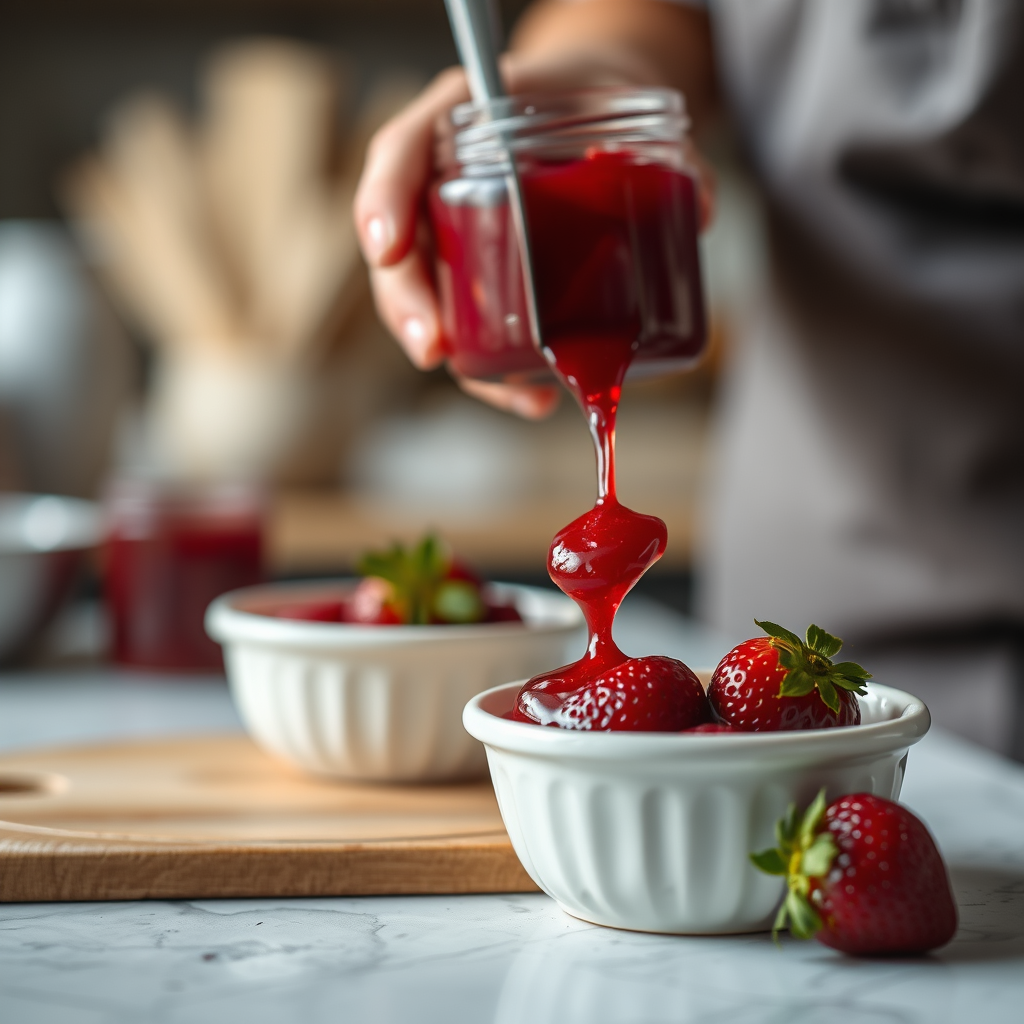
1. Gather Ingredients and Equipment: Collect 2 quarts of fresh strawberries, 4 cups of granulated sugar, 1/4 cup of freshly squeezed lemon juice, and the following equipment: canning jars with lids, a large pot, a potato masher, a stirring spoon, a measuring cup, a candy thermometer, and a boiling water canner.
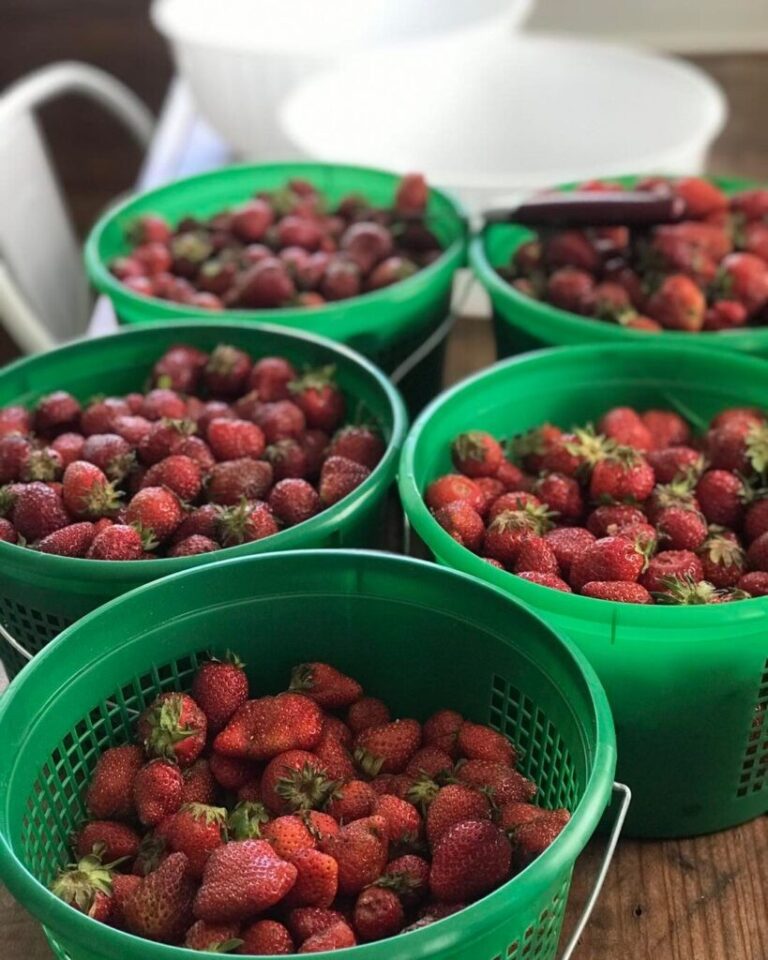
2. Prepare the Strawberries: Rinse the strawberries under cool water to remove dirt and debris. Remove the green stems and any damaged areas. Slice the strawberries into halves or quarters, depending on your texture preference—smaller pieces will yield a smoother jam.
3. Cook the Jam Mixture: In a large pot, combine the prepared strawberries, lemon juice, and granulated sugar. Heat the mixture over medium-low heat, stirring gently until the sugar has completely dissolved. This process typically takes about 5-10 minutes.
4. Boil and Stir: Once the sugar is dissolved, increase the heat to medium-high and bring the mixture to a rolling boil. Boil for 10-15 minutes, stirring frequently to prevent sticking. The mixture should thicken and coat the back of a spoon.
5. Test for Doneness: Use a candy thermometer to check if the jam has reached a temperature of 220°F (104°C), which is the ideal gelling point. Alternatively, perform the plate test by placing a spoonful of the jam on a cold plate. After cooling for a minute, run your finger through the jam; if it holds its shape, it is ready for jarring.
6. Fill and Seal Jars: Carefully pour the hot jam into sterilized canning jars, leaving a headspace of 1/4 inch at the top. Wipe the rims of the jars clean with a damp cloth to remove any residue. Place the sterilized lids on the jars and screw the bands on until they are fingertip-tight.
7. Process the Jars: Process the jars in a boiling water bath for 10 minutes to ensure proper sealing and safety. If you are at an altitude above 1,000 feet, adjust the processing time by adding 1 minute for each additional 1,000 feet in elevation.
8. Cool and Store: Allow the jars to cool at room temperature for 12-24 hours. Once cool, check the seals by pressing the center of each lid. If it does not pop back, the jar has sealed properly. Store the sealed jars in a cool, dark place for up to one year.
Warning Signs: When Not to Follow This
– If you have allergies to strawberries, citrus fruits, or any other ingredients used in this recipe, do not attempt this process.
– Avoid making this recipe if the strawberries are overripe, moldy, or show any signs of spoilage, as this can lead to unsafe consumption.
– If you do not have access to proper canning equipment or cannot maintain a clean workspace, it is best to refrain from attempting this jam recipe.
– Individuals with compromised immune systems, the elderly, or those who are pregnant should consult a healthcare professional before engaging in home canning.
The Most Common Mistakes (And Their Consequences)
– Skipping the Sterilization of Jars: Failing to sterilize jars can result in bacterial contamination, leading to spoilage or foodborne illness. Always sterilize jars before use.
– Not Measuring Ingredients Accurately: Inaccurate measurements can affect the jam’s texture and sweetness, resulting in either a runny or overly sweet product. Use precise measuring tools for accuracy.
– Failing to Maintain the Correct Boiling Temperature: Inadequate boiling can lead to improper gelling, causing the jam to remain liquid rather than set properly. Monitor the temperature closely.
– Ignoring the Processing Time in the Water Bath: Neglecting the recommended processing time can result in jars that do not seal correctly, risking spoilage and loss of flavor. Follow the prescribed timing strictly.
Special Cases That Need a Different Approach
– Using Frozen Strawberries: If using frozen strawberries, adjust the cooking time to allow for sufficient evaporation of excess liquid, which may require an additional 5-10 minutes of boiling.
– Substituting with Low-Sugar Pectin: If utilizing low-sugar pectin, follow the specific package instructions for quantities and cooking times, as they differ from traditional recipes.
– Dietary Restrictions: For those using alternative sweeteners, be aware that the gelling process may vary significantly, and the final texture may differ from traditional recipes.
– Making a Large Batch: If preparing a larger batch, increase both the cooking time and the jar processing time to ensure all jars are properly sealed and preserved.
When You Need a Professional
– If you are new to canning and feel unsure about the safety of your process or ingredients, consider consulting a local extension office or food safety expert for guidance.
– In cases of uncertain jar seals after cooling, it is best to discard the jam rather than risk foodborne illness. Seek advice on proper sealing techniques from a knowledgeable source.
– If you experience any adverse reactions after consuming homemade jam, consult a medical professional immediately for advice and treatment.
– Should you wish to sell your homemade jam, ensure compliance with local food safety regulations by consulting a food safety authority or licensed professional.
Sources and Further Reading
– “Canning and Preserving for Beginners” by Carla Smith – A detailed guide on safe food preservation techniques.
– USDA Complete Guide to Home Canning – Offers official guidelines on safe canning practices and methods for various foods.
– National Center for Home Food Preservation – Provides research-based recommendations for preserving foods safely.
– “The Joy of Cooking” by Irma S. Rombauer – Includes traditional methods for making fruit preserves, including strawberry jam.
With this guide, you are well-equipped to embark on your journey of making strawberry jam safely and successfully. Embrace the process, and savor the delightful taste of homemade jam that captures the essence of summer in every jar.
Frequently Asked Questions
What ingredients do I need for an easy strawberry jam recipe?
To make an easy strawberry jam, you will need fresh strawberries, granulated sugar, and lemon juice. Typically, a ratio of 2 cups of strawberries to 1 cup of sugar is used, along with about 1 tablespoon of lemon juice to enhance the flavor and help with preservation.
How do I make strawberry jam without pectin?
To make strawberry jam without pectin, start by mashing fresh strawberries in a pot and then adding sugar and lemon juice. Cook the mixture over medium heat, stirring frequently until it thickens, which usually takes about 20-30 minutes, allowing the natural pectin in the strawberries to help set the jam.
Why is my strawberry jam not thickening?
If your strawberry jam is not thickening, it may be due to insufficient cooking time or not enough sugar. Ensure you are cooking the jam long enough for the water to evaporate and the natural pectin to activate; you can also test its thickness by placing a spoonful on a cold plate and seeing if it holds its shape.
What is the best method for sterilizing jars for strawberry jam?
The best method for sterilizing jars for strawberry jam is to wash them in hot, soapy water and then place them in a boiling water bath for 10 minutes. Alternatively, you can run them through a dishwasher on a hot cycle, which also effectively sterilizes the jars for safe jam storage.
Which strawberries are best for making jam?
The best strawberries for making jam are ripe, sweet varieties such as June-bearing or everbearing strawberries, as they have higher sugar content and flavor. Look for strawberries that are bright red and firm, as overripe or mushy berries can lead to a less desirable texture and taste in your jam.
References
- Fruit preserves
https://en.wikipedia.org/wiki/Jam - Expert Resources | CAES Field Report
https://www.uga.edu/extension/publications/food-preservation/strawberry-jam.html - https://www.fs.fed.us/t-d/pubs/htmlpubs/htm07532822/
https://www.fs.fed.us/t-d/pubs/htmlpubs/htm07532822/ - https://www.ncbi.nlm.nih.gov/pmc/articles/PMC7317783/
https://www.ncbi.nlm.nih.gov/pmc/articles/PMC7317783/ - https://www.cdc.gov/nutrition/resources-publications/healthy-eating.html
https://www.cdc.gov/nutrition/resources-publications/healthy-eating.html - https://www.healthline.com/nutrition/strawberries-benefits
https://www.healthline.com/nutrition/strawberries-benefits - Remdesivir – LiverTox – NCBI Bookshelf
https://www.ncbi.nlm.nih.gov/books/NBK564049/ - https://www.sciencedirect.com/topics/agricultural-and-biological-sciences/jam
https://www.sciencedirect.com/topics/agricultural-and-biological-sciences/jam - Google Scholar Google Scholar
https://scholar.google.com/scholar?q=strawberry+jam+recipe - Google Scholar Google Scholar
https://scholar.google.com/scholar?q=easy+strawberry+jam+recipe