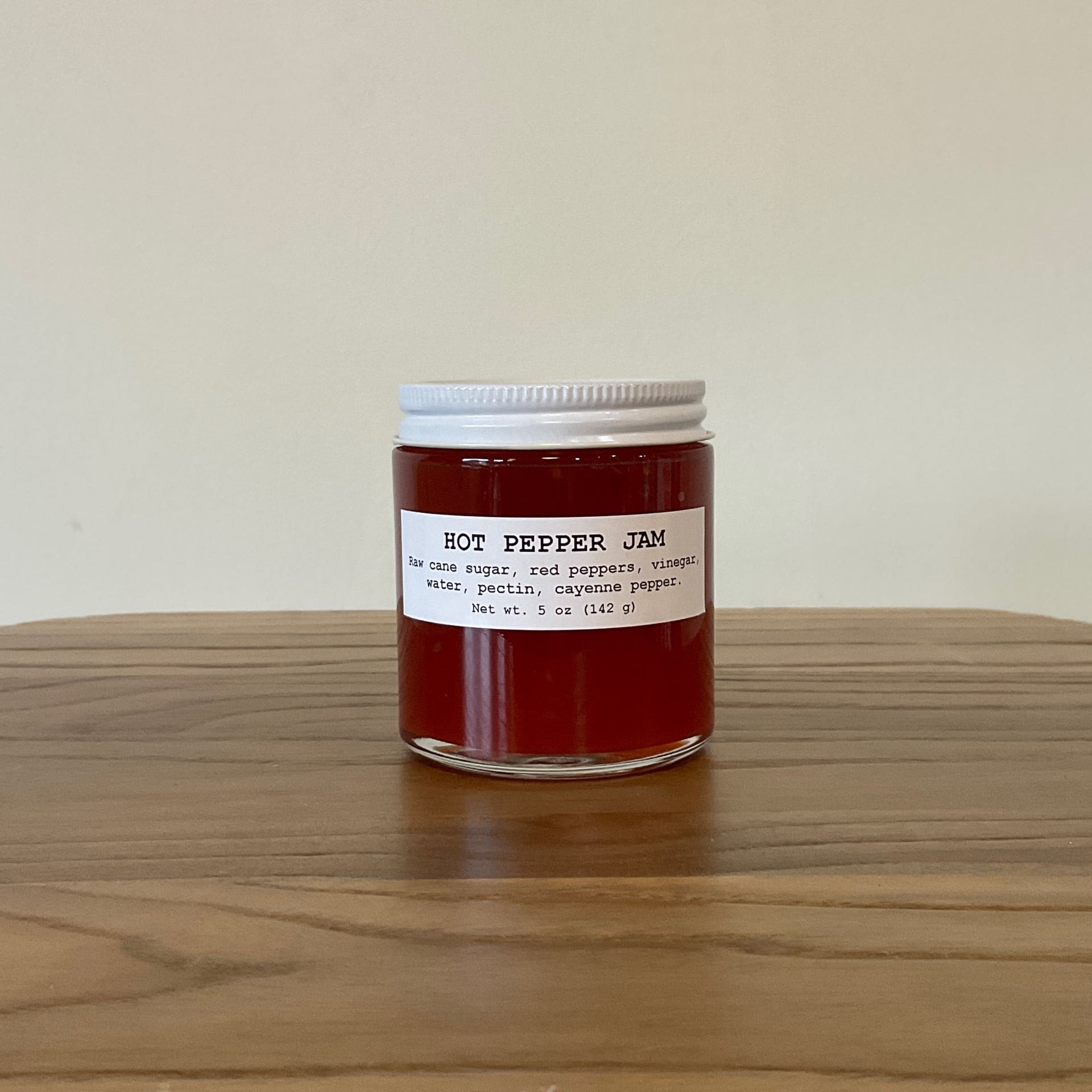
The Complete Step-by-Step Protocol for Making Safe Hot Pepper Jam provides essential guidance for both novice and experienced canners. This expert procedural guide details the precise techniques and safety measures needed to ensure your pepper jam is delicious and properly preserved. Following the right protocol is crucial to prevent spoilage and ensure a flavorful result, making this recipe a must-try for any home cook looking to elevate their preserves.
What This Guide Covers (And What It Doesn’t)
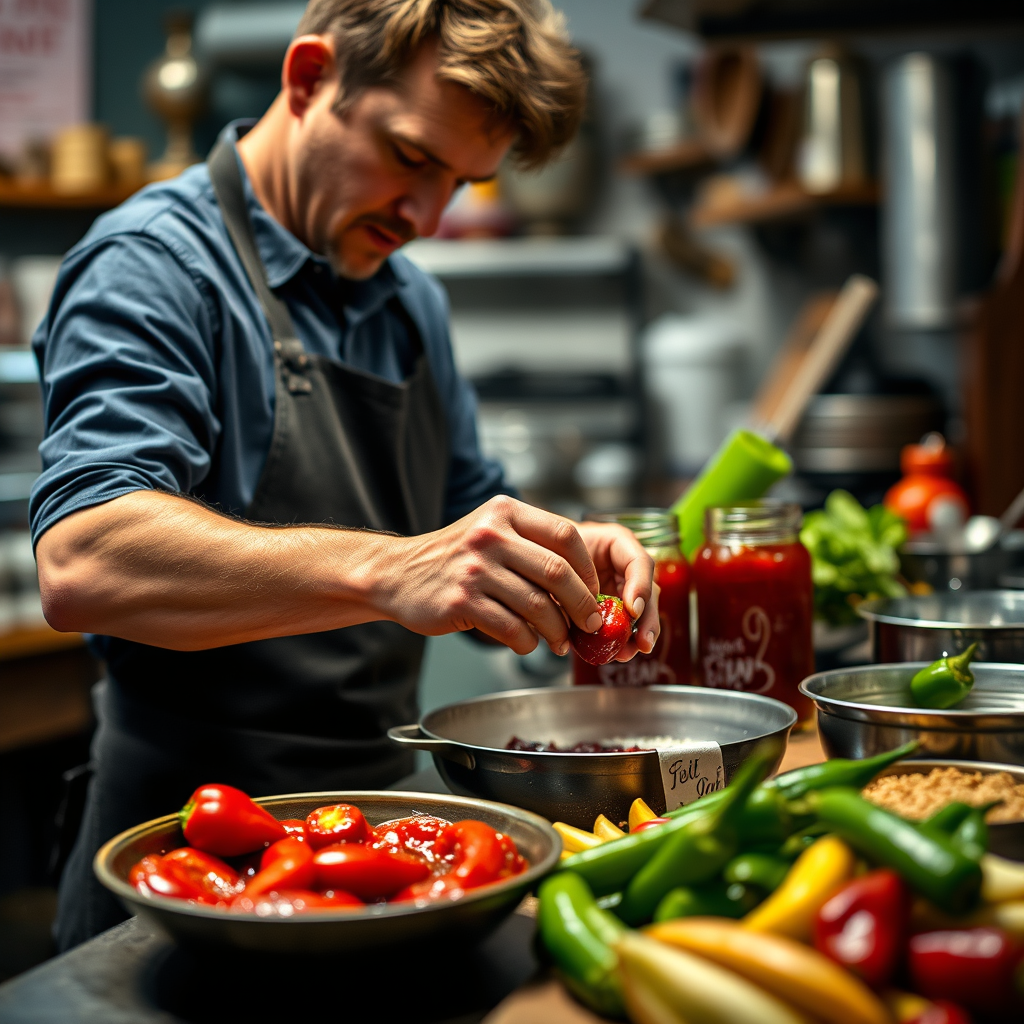
This guide offers a comprehensive, step-by-step protocol for making safe hot pepper jam, detailing the necessary ingredients, equipment, and safety precautions for canning. You will learn to select the perfect peppers and master canning techniques that ensure the jam’s safety and quality. However, this guide does not explore variations of hot pepper jam that may incorporate additional flavors or alternative preservation methods, nor does it include recipes for those without canning experience.
Who Should Read This
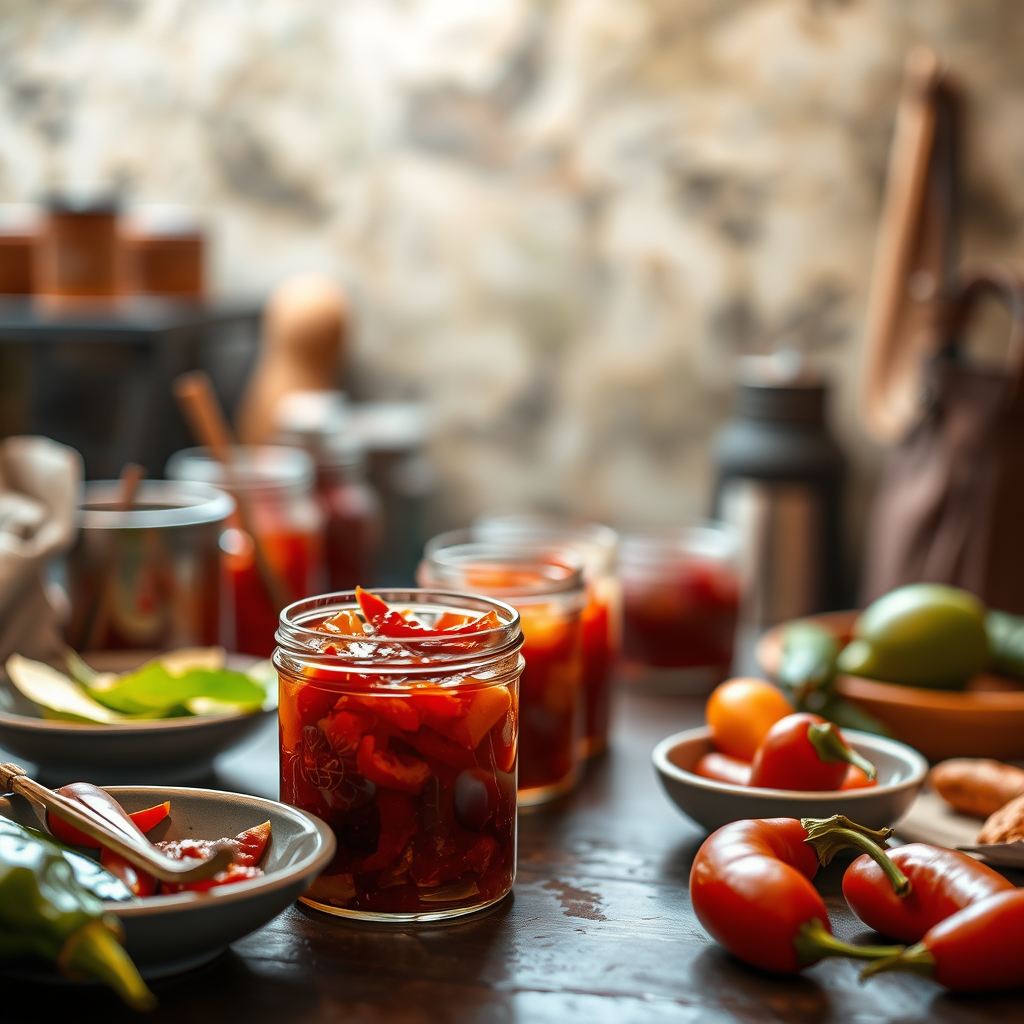
This guide is tailored for home cooks with some basic experience in food preparation who are comfortable handling ingredients like hot peppers and sugar. It particularly suits those eager to preserve foods safely through canning, especially individuals looking to enhance their skill set with spicy condiments. Novice cooks lacking prior canning experience or familiarity with food safety protocols may find the procedures here challenging and should consult more foundational resources first.
The Step-by-Step Protocol
1. Gather Ingredients: You will need 2 cups of finely chopped hot peppers (such as jalapeños or habaneros), 1 cup of apple cider vinegar, 6 cups of granulated sugar, and 1 packet of pectin. Ensure the peppers are fresh, firm, and free from blemishes.
2. Prepare Your Equipment: Sterilize jars and lids by boiling them for 10 minutes, allowing them to air dry completely afterward. Set up a water bath canner with water heated to 180°F (82°C) for processing. This step is crucial for ensuring that the jars are safely sealed post-canning.
3. Cook the Jam: In a large pot, combine the chopped peppers, apple cider vinegar, and sugar. Stir continuously over medium heat until the mixture reaches a rolling boil, which typically takes about 10 to 15 minutes. Monitor closely to prevent scorching.
4. Add Pectin: Once boiling, add the pectin and stir for an additional 2-3 minutes until fully dissolved. To verify that the mixture has reached the gel stage, perform a cold plate test by placing a spoonful of the jam on a cold plate and letting it sit for a minute. Run your finger through it; if it holds its shape, it’s ready for canning.
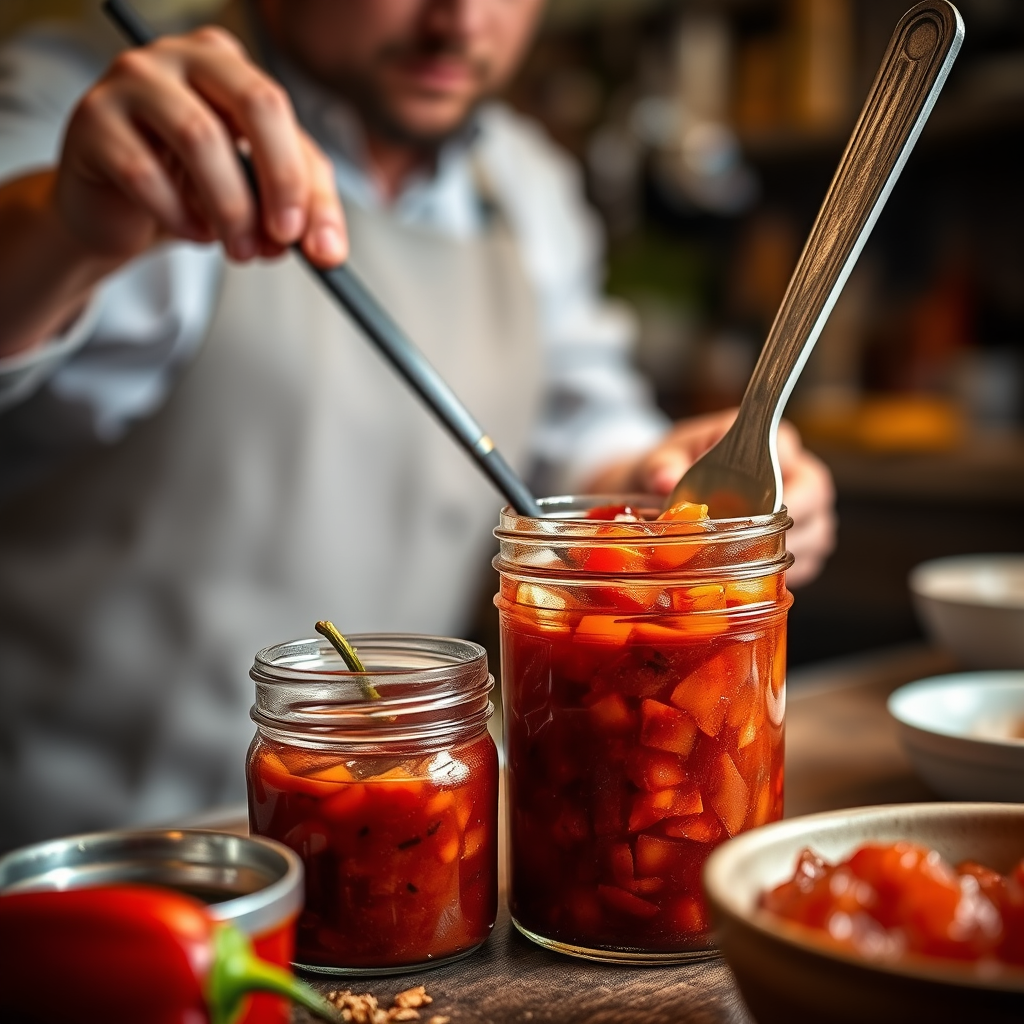
5. Fill the Jars: Using a ladle, fill each sterilized jar with the hot pepper jam, leaving approximately 1/4 inch of headspace at the top. Wipe the rims of the jars with a clean cloth to remove any residue that could interfere with sealing.
6. Seal and Process: Place the sterilized lids on each jar, then screw on the metal bands until they are fingertip-tight. Process the jars in the boiling water bath for 10-15 minutes, adjusting for altitude if necessary. Ensure the water covers the jars by at least an inch.
7. Cool and Store: After processing, carefully remove the jars from the water bath and place them on a clean towel or cooling rack. Allow them to cool completely for 24 hours. Check the seals; if the lid pops back when pressed, the jar has not sealed properly and should be refrigerated and consumed within a few weeks.
Top 7 Hot Pepper Varieties for Jam (2024)
| # | Pepper Variety | Scoville Heat Units | Flavor Profile | Best For |
|---|---|---|---|---|
| 1 | Jalapeño | 2,500 – 8,000 | Fruity, slightly grassy | Salsas |
| 2 | Habanero | 100,000 – 350,000 | Fruity, floral | Hot Sauces |
| 3 | Serrano | 2,500 – 5,000 | Bright, crisp | Salsas |
| 4 | Thai Chili | 50,000 – 100,000 | Sweet, citrusy | Stir-fries |
| 5 | Ghost Pepper | 855,000 – 1,463,700 | Fruity, smoky | Specialty Sauces |
| 6 | Bell Pepper | 0 – 100 | Sweet, mild | Salads |
| 7 | Carolina Reaper | 1,400,000 – 2,200,000 | Fruity, floral | Extreme Heat Dishes |
Warning Signs: When Not to Follow This
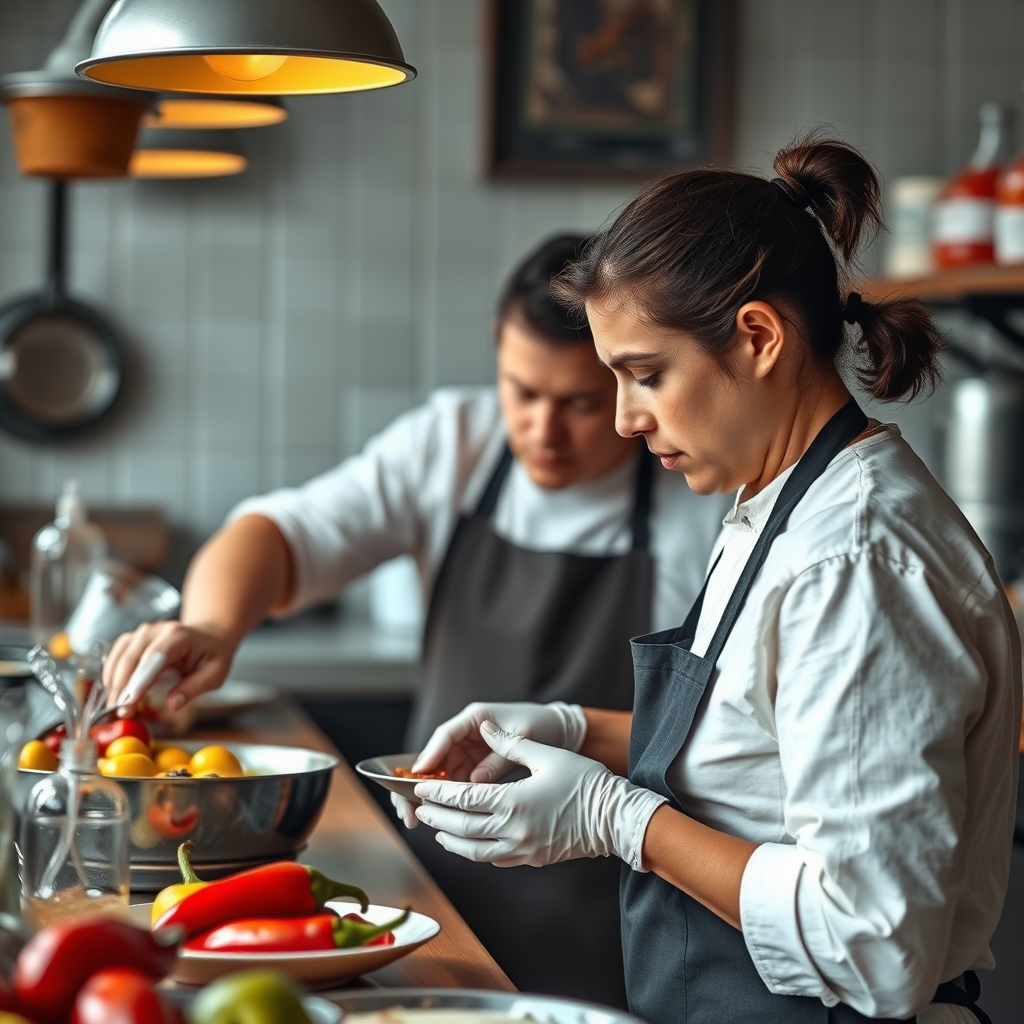
– If any ingredients, especially the peppers, exhibit signs of spoilage, such as mold or soft spots, do not proceed with the recipe, as this can compromise food safety.
– Avoid making this jam if you lack a proper canning setup, including a pressure canner for low-acid foods or a water bath canner for high-acid foods.
– If you have allergies or sensitivities to hot peppers or any other ingredients in the recipe, consult a healthcare provider before attempting this process.
The Most Common Mistakes (And Their Consequences)
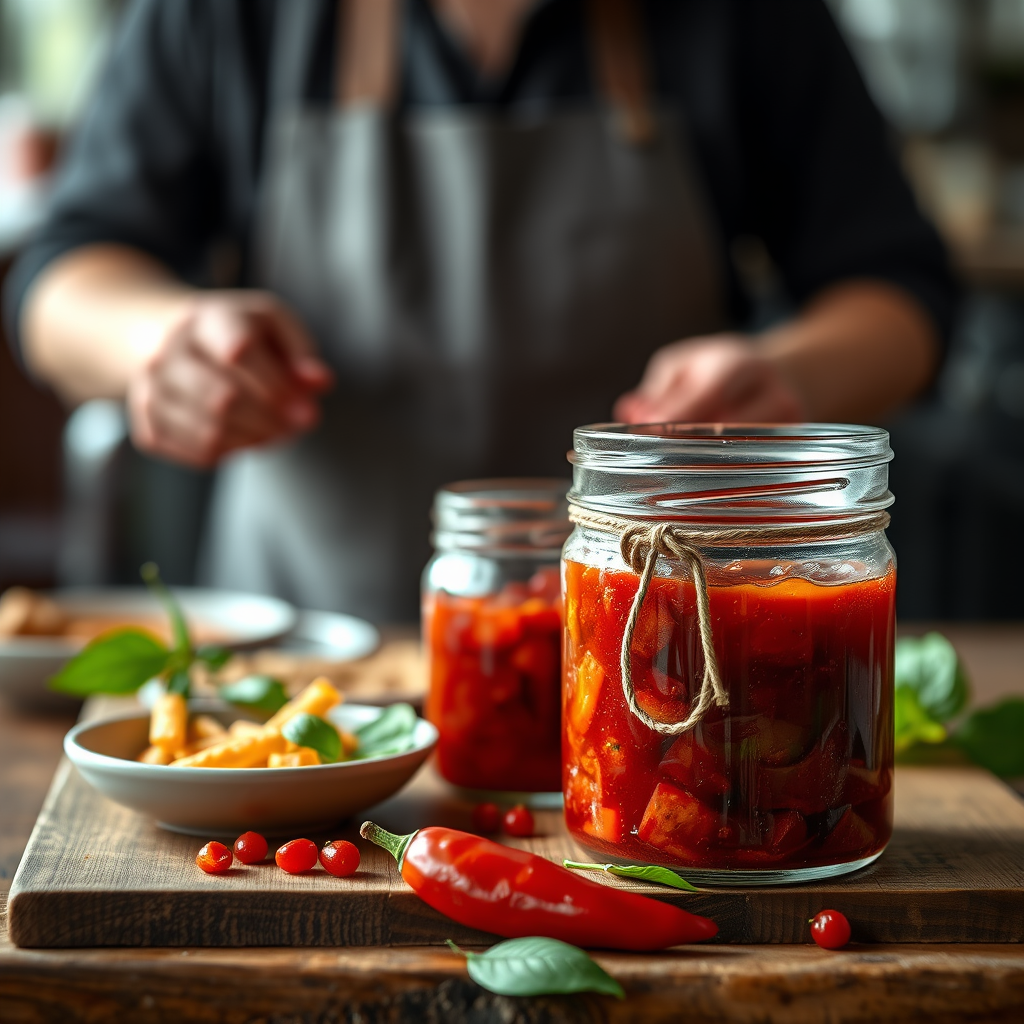
– Not properly sterilizing jars can lead to contamination, risking foodborne illnesses or spoilage of the hot pepper jam. Always ensure jars are sanitized.
– Failing to measure ingredients accurately, particularly sugar or pectin, can result in poor gel consistency, making the jam too runny or overly thick.
– Ignoring proper processing times and temperatures could lead to improperly sealed jars, increasing the risk of spoilage or botulism. Always adhere to canning guidelines closely.
Special Cases That Need a Different Approach
– For those living at high altitudes (above 1,000 feet), adjustments in processing times may be necessary to ensure safety and proper sealing of jars. Consult your local extension service for precise recommendations.
– If you’re using non-standard types of peppers, such as ghost peppers or Carolina reapers, consider reducing the quantity to avoid excessive heat, and adjust sugar levels accordingly to balance flavors.
– Individuals with dietary restrictions, such as those requiring a low-sugar version, should seek out specific low-sugar pectin as a substitute and adjust the recipe quantities to maintain proper canning acidity.
When You Need a Professional
– Consult a professional food preservation expert if you are unsure about your canning equipment or the safety of your home canning setup.
– If you notice unexpected fermentation or spoilage in your jars after processing, seek immediate advice from a food safety professional to assess the risk.
– Engage with a licensed nutritionist or dietitian if you have specific health concerns or dietary restrictions that may affect ingredient choices or preservation techniques.
Sources and Further Reading
– The USDA Complete Guide to Home Canning provides authoritative guidelines on safe canning practices and is a recommended resource for those interested in food preservation.
– The National Center for Home Food Preservation offers detailed instructions and research-based information on canning techniques, including recipes for hot pepper jam.
– Local extension services or community colleges often provide workshops and resources on safe canning practices, which can be invaluable for beginners.
By following these guidelines, you can create a delicious hot pepper jam that is both safe and enjoyable, adding a spicy kick to your meals or serving as a perfect gift. Enjoy the process and the vibrant flavors that your homemade jam will bring!
Frequently Asked Questions
What ingredients are needed for a basic hot pepper jam recipe?
A basic hot pepper jam recipe typically requires fresh hot peppers, sugar, apple cider vinegar, pectin, and water. You can choose peppers based on your heat preference, such as jalapeños for mild heat or habaneros for a spicier kick. The combination of sweetness from the sugar and acidity from the vinegar balances the heat, creating a delicious spread.
How do you make hot pepper jam from scratch?
To make hot pepper jam from scratch, start by finely chopping your choice of hot peppers and combining them with sugar and vinegar in a pot. Bring the mixture to a boil, then stir in pectin and allow it to boil for a few more minutes until it thickens. Pour the jam into sterilized jars, seal them, and process in a water bath for preservation.
Why is my hot pepper jam not setting properly?
If your hot pepper jam isn’t setting properly, it may be due to insufficient pectin or cooking time. Ensure you use the correct amount of pectin according to the package instructions and allow the mixture to boil for the recommended time. Additionally, using under-ripe fruit can affect the jam’s ability to set, so opt for ripe peppers whenever possible.
What is the best way to store homemade hot pepper jam?
The best way to store homemade hot pepper jam is to keep it in a cool, dark place, such as a pantry or cupboard, after processing. Once opened, refrigerate the jam to maintain its freshness and flavor. Properly sealed and processed jars can last up to a year, while opened jars should be consumed within a few weeks.
Which types of peppers work best for making hot pepper jam?
The best types of peppers for making hot pepper jam vary based on your heat tolerance and flavor preference. Jalapeños offer a mild spice, while serranos or Fresno peppers provide a medium heat. For a more intense flavor, consider using habaneros or ghost peppers, but be cautious as they can significantly increase the heat level of your jam.
References
- Fruit preserves
https://en.wikipedia.org/wiki/Jam - https://www.sciencedirect.com/topics/agricultural-and-biological-sciences/jam
https://www.sciencedirect.com/topics/agricultural-and-biological-sciences/jam - https://www.ncbi.nlm.nih.gov/pmc/articles/PMC5638481/
https://www.ncbi.nlm.nih.gov/pmc/articles/PMC5638481/ - https://pubmed.ncbi.nlm.nih.gov/26375380/
https://pubmed.ncbi.nlm.nih.gov/26375380/ - https://www.britannica.com/topic/jam
https://www.britannica.com/topic/jam - https://www.foodsafety.gov/food-safety-charts/jams-jellies-safety
https://www.foodsafety.gov/food-safety-charts/jams-jellies-safety - https://www.nutrition.gov/topics/food-safety/preservation/jams-jellies
https://www.nutrition.gov/topics/food-safety/preservation/jams-jellies - https://www.cdc.gov/foodsafety/food-safety-education-monthly-update/2021/09/jams-jellies.html
https://www.cdc.gov/foodsafety/food-safety-education-monthly-update/2021/09/jams-jellies.html - Google Scholar Google Scholar
https://scholar.google.com/scholar?q=hot+pepper+jam+recipe - Google Scholar Google Scholar
https://scholar.google.com/scholar?q=making+jam+with+peppers