Master the art of preserving summer’s bounty with this complete step-by-step protocol for making red currant jam safely. This guide is designed for both novice and experienced canners, providing precise instructions to ensure flavor, texture, and safety. Following the correct procedures not only enhances the quality of your jam but also protects against spoilage, making your homemade preserves a delight to share all year round.
What This Guide Covers (And What It Doesn’t)
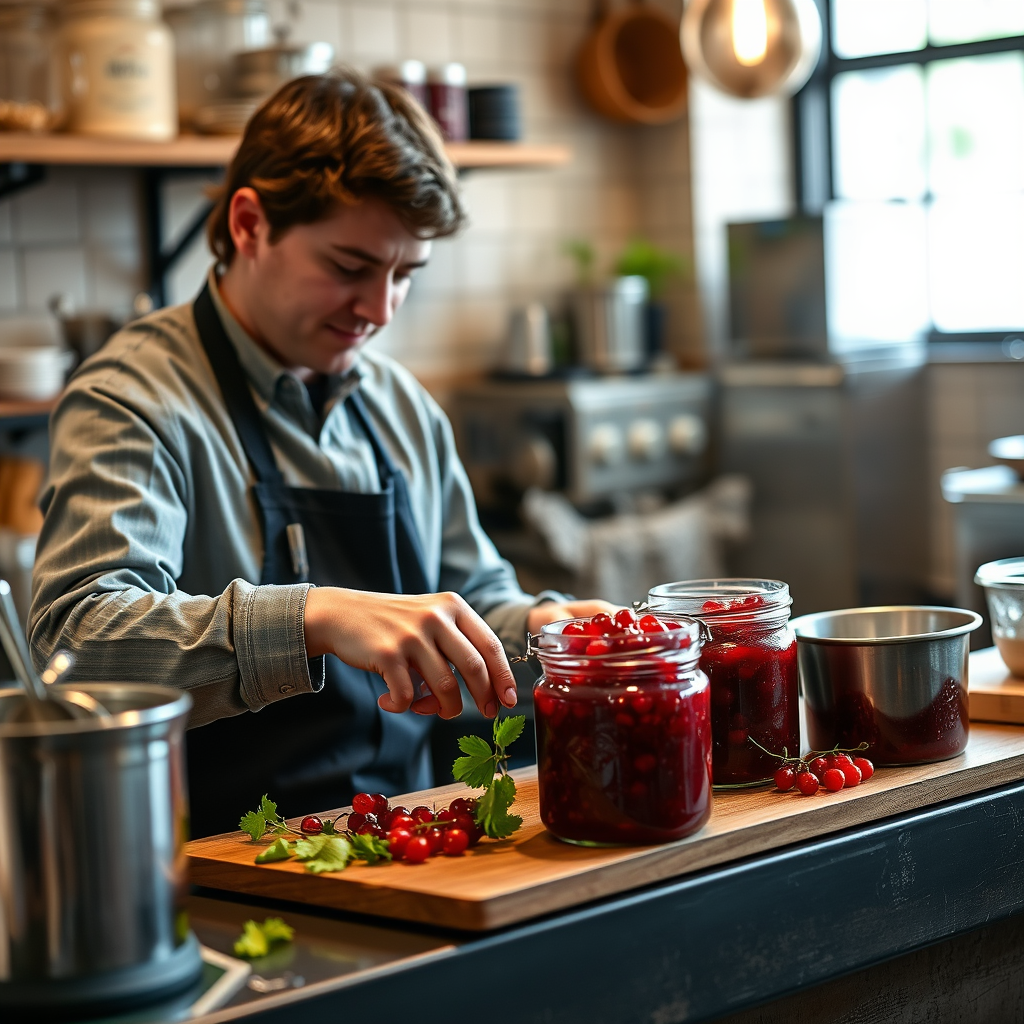
This guide offers a thorough, step-by-step protocol for making red currant jam, emphasizing precise measurements and conditions to ensure safe preparation and preservation. It specifically excludes other types of jams or jellies, as well as methods for low-sugar or sugar-free variations of red currant jam. Tailored for home cooks with basic kitchen skills and equipment, the guide assumes familiarity with canning supplies and essential food safety practices.
Who Should Read This
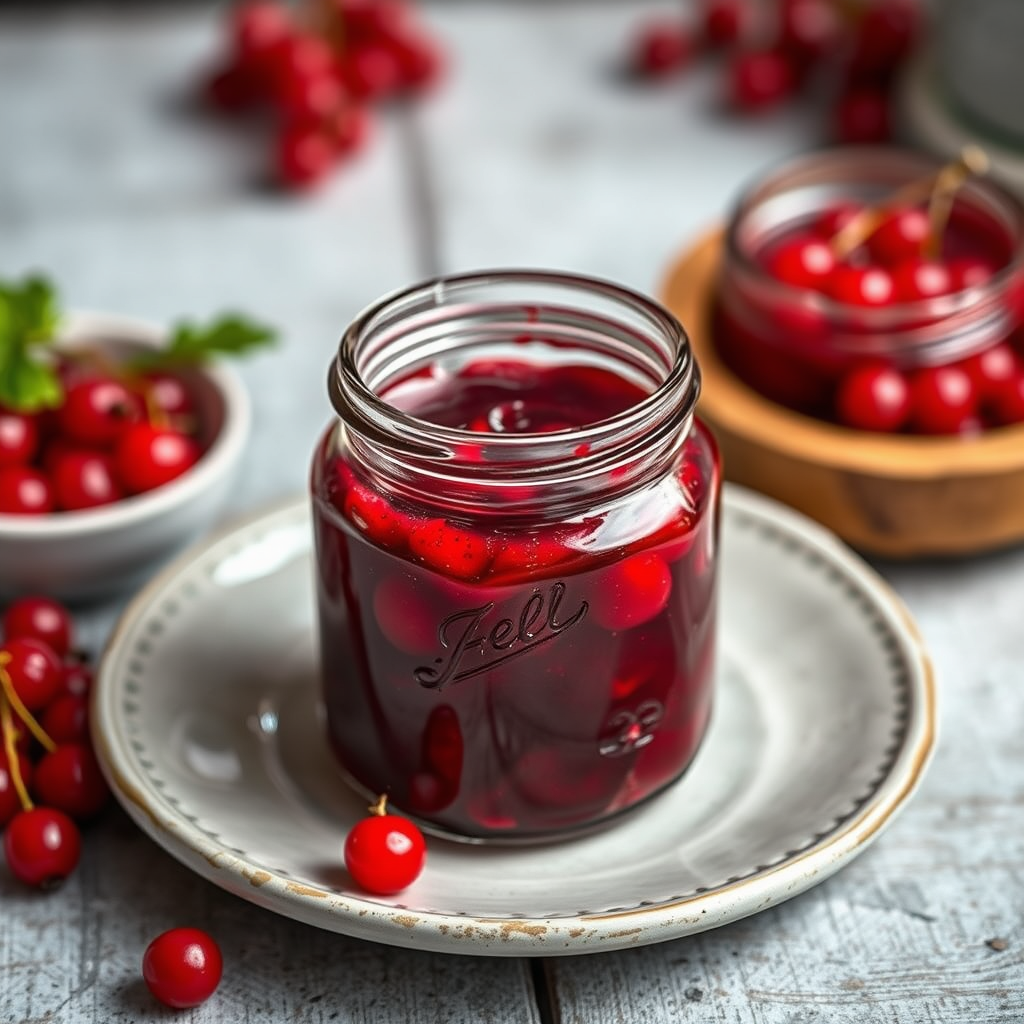
Ideal for home canners and food enthusiasts, this guide serves those eager to preserve seasonal red currants sourced from local farms or gardens. Readers should possess a fundamental understanding of kitchen safety, including techniques for sterilizing jars and ensuring proper food handling. Individuals passionate about creating homemade products, whether for personal enjoyment, gifting, or selling at local markets, will find the detailed process particularly beneficial.
The Step-by-Step Protocol
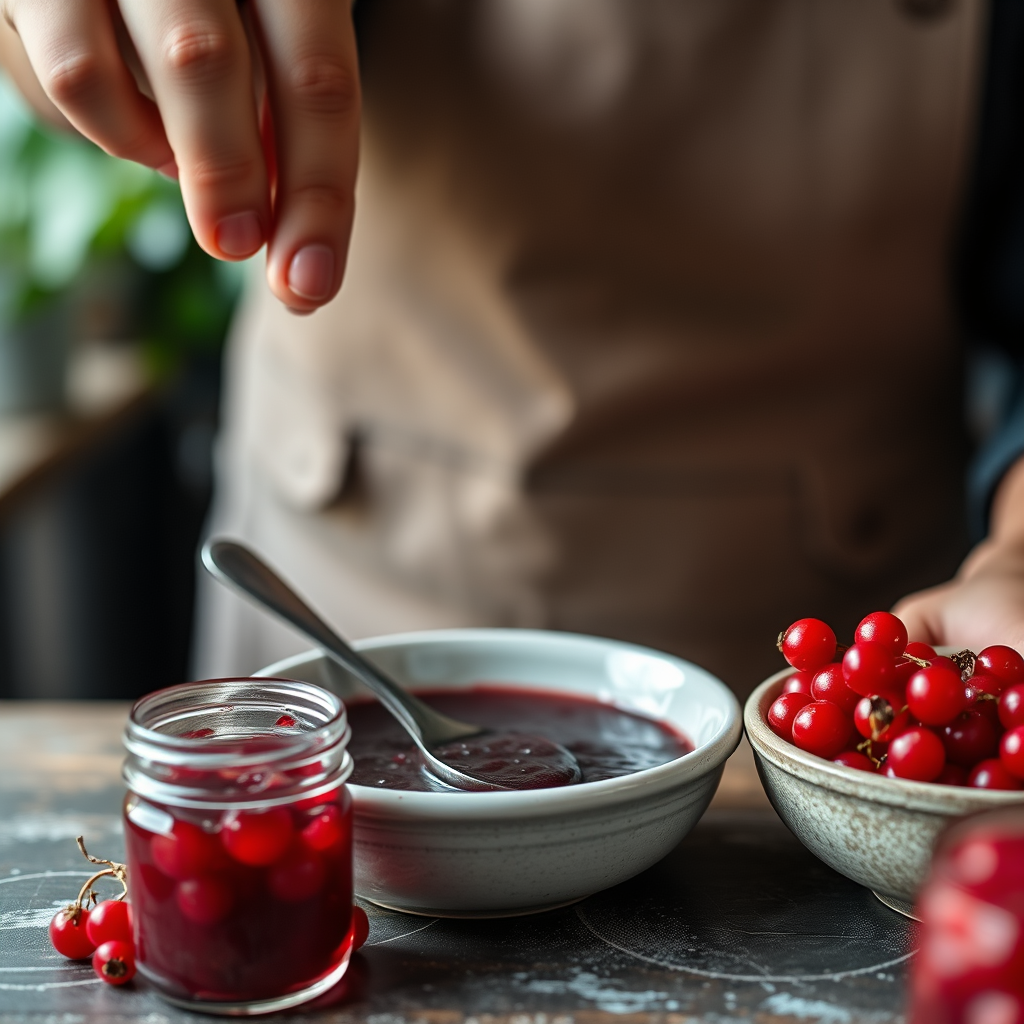
1. Gather Ingredients and Equipment: Acquire 1 kg (2.2 lbs) of fresh red currants, 750 g (1.65 lbs) of granulated sugar, juice of 1 lemon, and canning jars with lids.
2. Prepare the Red Currants: Wash the currants thoroughly under cold running water, remove stems, and place them in a large pot. Use a potato masher to mash the currants slightly, which helps release their juices.
3. Cook the Mixture: Add the sugar and lemon juice to the pot with the currants. Heat over medium until the sugar dissolves completely, then increase to a rolling boil. Maintain the boil for 10-15 minutes while stirring frequently to prevent sticking.
4. Test for Doneness: After boiling, test the jam’s consistency by placing a small amount on a cold plate. If it wrinkles when pushed with your finger, it’s ready for canning; if not, cook for an additional 2-3 minutes and test again.
5. Canning Process: Sterilize jars by boiling them for 10 minutes. Fill each jar with hot jam, leaving 1/4 inch headspace, wipe the rims with a clean cloth, and seal with lids. Process jars in a boiling water bath for 10 minutes to ensure proper sealing.
6. Cooling and Storing: Allow jars to cool on a clean towel for 24 hours. Check seals by pressing the center of each lid; if it pops back, it’s not sealed properly. Store sealed jars in a cool, dark place, ideally at a temperature between 50°F and 70°F (10°C to 21°C).
Nutritional Information for Red Currant Jam (Per 100g)
| # | Nutrient | Amount | % Daily Value |
|---|---|---|---|
| 1 | Calories | 250 | 12% |
| 2 | Total Fat | 0g | 0% |
| 3 | Sodium | 0mg | 0% |
| 4 | Total Carbohydrate | 64g | 21% |
| 5 | Sugars | 60g | 120% |
| 6 | Protein | 0g | 0% |
| 7 | Vitamin C | 5mg | 7% |
| 8 | Calcium | 20mg | 2% |
| 9 | Iron | 0.2mg | 1% |
| 10 | Potassium | 100mg | 3% |
Warning Signs: When Not to Follow This
Do not attempt to make red currant jam if the currants exhibit signs of spoilage, such as mold or an off smell, as this can jeopardize the safety of the finished product. Additionally, if you lack the proper canning equipment—like water bath canners or jars with two-piece lids—refrain from proceeding, as improper sealing can lead to spoilage or foodborne illness. If you are uncertain about food safety practices or have not adequately sterilized your equipment, it is essential to pause until you have addressed these critical issues.
The Most Common Mistakes (And Their Consequences)
One of the most common pitfalls is failing to measure the sugar accurately, which can result in a jam that is either too runny or excessively sweet, compromising both flavor and texture. Neglecting to leave the appropriate headspace during canning may cause jars to overflow, leading to inadequate seals and potential spoilage. Moreover, skipping the doneness test can yield jam that is either too runny or overly thick, detracting from the overall enjoyment and usability of your creation.
Special Cases That Need a Different Approach
For those using frozen red currants, it’s crucial to allow them to thaw completely and drain any excess liquid before following the recipe, as the moisture content differs from that of fresh currants. If you have dietary restrictions, consider using alternative sweeteners, but keep in mind that this may alter both the cooking time and gelling properties of the jam. When making larger batches (exceeding 3 kg of currants), process them in smaller groups to ensure even cooking and proper canning.
When You Need a Professional
If you’re uncertain about the safety of using low-acid ingredients or wish to make significant adjustments to the recipe—like substituting different fruits or employing alternative preservation methods—consult a food safety expert. Should you experience any adverse reactions after consuming your jam, or if jars fail to seal properly, reach out to a food safety professional for guidance. For large-scale production intended for sale, adhering to local health regulations is paramount; thus, consulting with a licensed food safety expert ensures compliance with all necessary standards.
Sources and Further Reading
– USDA Complete Guide to Home Canning: Comprehensive resource for safe canning practices and recipes. [USDA Home Canning Guide](https://nchfp.uga.edu/)
– National Center for Home Food Preservation: Offers research-based information on food preservation methods. [NCHFP](https://nchfp.uga.edu/)
– “The Ball Complete Book of Home Preserving”: A trusted book featuring over 400 recipes and canning techniques.
Frequently Asked Questions
What ingredients do I need for a red currant jam recipe?
To make red currant jam, you will need fresh red currants, sugar, and lemon juice. A typical ratio is about 1 kg of red currants to 700 grams of sugar and the juice of one lemon. These ingredients will help you achieve a deliciously tart and sweet flavor while ensuring proper preservation.
How do I prepare red currants for jam making?
Preparing red currants for jam involves rinsing them under cold water to remove dirt and impurities, then removing the stems and any leaves. You can also lightly crush the currants with a potato masher or fork to release their juices before cooking, which helps the jam set better and enhances the flavor.
Why does my red currant jam not set properly?
If your red currant jam doesn’t set, it could be due to insufficient sugar or not cooking it long enough to reach the right temperature. Make sure to use the right ratio of sugar and check the setting point with a thermometer, which should reach about 105°C (221°F) for a proper gel consistency.
What is the best way to store homemade red currant jam?
The best way to store homemade red currant jam is to keep it in sterilized glass jars with tight-fitting lids. After filling the jars, process them in a boiling water bath for 10-15 minutes to seal them properly, then store them in a cool, dark place. Once opened, refrigerate the jam and consume it within a few weeks for optimal freshness.
Which variations can I try for my red currant jam recipe?
You can experiment with various flavor combinations in your red currant jam by adding spices like cinnamon or vanilla, or incorporating other fruits such as strawberries or raspberries. Adding a splash of balsamic vinegar or a hint of ginger can also elevate the taste, giving your jam a unique twist that pairs wonderfully with cheeses and desserts.
References
- Red currant
https://en.wikipedia.org/wiki/Red_currant - https://www.extension.purdue.edu/extmedia/BP/BP-12-W.pdf
https://www.extension.purdue.edu/extmedia/BP/BP-12-W.pdf - https://www.canr.msu.edu/news/how_to_make_red_currant_jam
https://www.canr.msu.edu/news/how_to_make_red_currant_jam - https://www.oregon.gov/ode/students-and-family/health/Pages/food-safety.aspx
https://www.oregon.gov/ode/students-and-family/health/Pages/food-safety.aspx - Google Scholar Google Scholar
https://scholar.google.com/scholar?q=red+currant+jam+recipe - Google Scholar Google Scholar
https://scholar.google.com/scholar?q=making+jam+from+red+currants - https://www.nutrition.gov/topics/recipes/fruit-jams-and-jellies
https://www.nutrition.gov/topics/recipes/fruit-jams-and-jellies - https://www.csrees.usda.gov/nea/food/healthy/food_safety.html
https://www.csrees.usda.gov/nea/food/healthy/food_safety.html - Red currant | shrub | Britannica
https://www.britannica.com/plant/red-currant - Google Scholar Google Scholar
https://scholar.google.com/scholar?q=recipe+for+red+currant+jam