The Complete Step-by-Step Protocol for Making Quince Fruit Jam Safely is an essential guide for home canners seeking to create delicious, safe jams from this unique fruit. This detailed protocol covers everything from selecting ripe quinces to proper canning techniques, ensuring both flavor and food safety. Following these expert steps is crucial to avoid common pitfalls and enjoy the rich taste of quince jam year-round.
What This Guide Covers (And What It Doesn’t)

This guide offers a thorough, step-by-step protocol for making quince fruit jam, encompassing ingredient selection, preparation, cooking methods, and essential safety tips for home canning. You will discover how to transform the unique tartness of quinces into a delightful preserve while ensuring that the final product is safe for consumption.
However, it does not include recipes for other types of fruit preserves or delve into advanced canning techniques beyond the basic water bath method suitable for beginners. Designed for home cooks eager to preserve seasonal quince fruit, this guide ensures safety and quality throughout the jam-making process.
Who Should Read This
This guide targets home cooks who possess some foundational knowledge of making fruit jams and preserves but may be new to the specific requirements involved with quince fruit. It is particularly valuable for those who have access to fresh quinces and are interested in canning as a method of food preservation. Readers with dietary restrictions or those inclined towards natural, homemade products will find this guide relevant, as it emphasizes the use of whole ingredients without unnecessary additives.
The Step-by-Step Protocol
1. Gather Ingredients and Equipment:
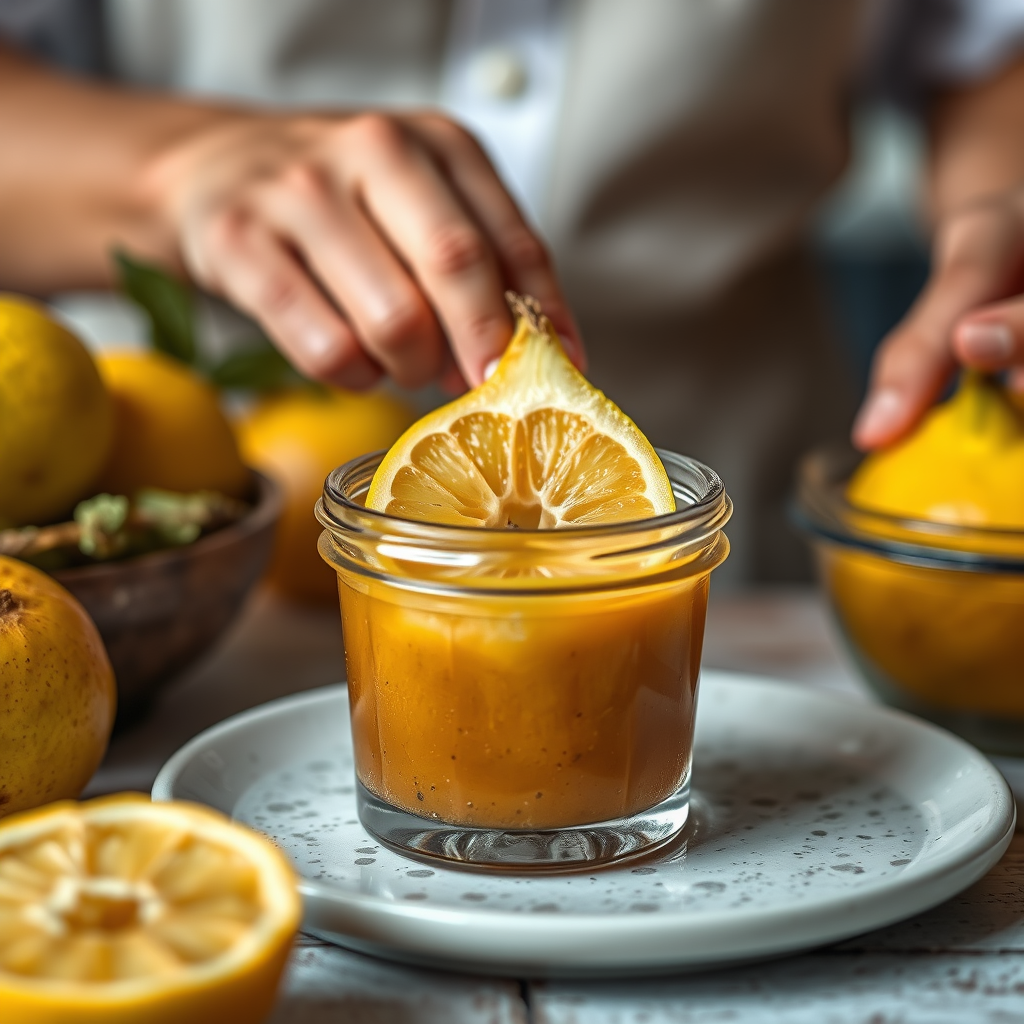
– You will need 2 kg of ripe quinces, 1.5 kg of granulated sugar, the juice of 1 lemon, and 1/2 teaspoon of ground cinnamon (optional). Prepare a large pot, sterilized jars, and a water bath canner to ensure safe preservation.
2. Prepare the Quinces:
– Begin by washing the quinces thoroughly to eliminate any wax or dirt. Using a sharp knife, peel, core, and chop the quinces into small pieces, approximately 1-inch cubes. This size promotes even cooking and aids in the gelling process.
3. Cook the Quinces:
– Place the chopped quinces in a large pot and cover them with water. Bring the mixture to a boil, then reduce the heat and let it simmer for about 30 minutes or until the quinces are soft. Once cooked, drain the quinces and reserve the cooking liquid, which can be used later to adjust consistency if necessary.
4. Make the Jam:
– In the same pot, combine the cooked quinces, lemon juice, granulated sugar, and optional cinnamon. Cook on medium heat, stirring frequently, until the sugar completely dissolves. Continue cooking until the mixture thickens, which should take approximately 20 to 30 minutes.
5. Check Consistency:
– To test the consistency, perform the plate test: Place a spoonful of jam on a chilled plate and let it sit for a minute. Run your finger through the jam; if it holds its shape and does not run back together, it is ready for canning. If it is still too runny, continue cooking and testing every few minutes.
6. Canning Process:
– Fill sterilized jars with the hot jam, leaving 1/4-inch headspace at the top. Wipe the rims of the jars with a clean cloth to remove any residue. Seal the jars with sterilized lids and process them in a boiling water bath for 10 minutes to ensure safe preservation.
Warning Signs: When Not to Follow This
Avoid making quince jam if the quinces are overripe, bruised, or have blemishes, as these factors can lead to spoilage and unsafe products. Additionally, do not attempt the canning process if your kitchen environment is not clean or if you lack the necessary sterilization equipment; these conditions increase the risk of contamination. If you have underlying health issues that compromise your immune system, consider refraining from home canning without professional guidance.
The Most Common Mistakes (And Their Consequences)
– Incorrect Sugar Ratios: Using less sugar than recommended can result in a jam that does not set properly and may spoil quickly. Sugar serves not only as a sweetener but also as a preservative, so it’s crucial to maintain the specified ratio for safety and longevity.
– Insufficient Cooking Time: Not cooking the quince mixture long enough will yield a runny consistency and a higher risk of spoilage due to inadequate preservation. Ensure the mixture achieves the proper thickness before canning.
– Improper Canning Techniques: Failing to process jars in a boiling water bath can produce unsafe products, as bacteria may remain, posing significant health risks. Always adhere to established canning protocols.
Special Cases That Need a Different Approach
– Low-Sugar or No-Sugar Variations: For those seeking a lower sugar content, consider using pectin specifically designed for low-sugar recipes. Adjust the cooking time according to the manufacturer’s instructions, as this can vary significantly.
– Alternative Sweeteners: If opting for honey or agave syrup instead of granulated sugar, understand that this will alter the gelling process and may require different ratios. These sweeteners possess varying levels of sweetness and moisture, which can affect texture and preservation.
– Adding Spices or Flavorings: If you wish to enhance the flavor with spices such as ginger or vanilla, start with small amounts and adjust to suit your taste, as these can significantly change the flavor profile of the jam.
When You Need a Professional
If you are unfamiliar with the canning process and have not previously made jam or preserves, consult a food preservation expert or take a class before attempting this recipe. For those experiencing any adverse reactions to food preservation or showing signs of foodborne illness, seek medical advice immediately. If your quince jam does not seal properly after canning, do not consume it. Instead, consult a local extension office or food safety expert for proper disposal methods and guidance.
Sources and Further Reading
– National Center for Home Food Preservation: [Canning and Preserving](https://nchfp.uga.edu/)
– USDA Complete Guide to Home Canning: [USDA Canning Guidelines](https://nchfp.uga.edu/publications/usda/GUIDE%20TO%20CANNING.pdf)
– Local Cooperative Extension Services for in-depth workshops on food safety and canning techniques.
By following this detailed protocol, you can confidently create delicious quince fruit jam that captures the essence of this unique fruit while ensuring safety and quality in your home canning endeavors. Now, gather your ingredients and get started on this rewarding culinary project!
Frequently Asked Questions
What ingredients do I need for a quince fruit jam recipe?
To make quince fruit jam, you’ll need fresh quinces, sugar, lemon juice, and water. Typically, the ratio is about 1 part quinces to 1 part sugar, along with the juice of one lemon to enhance flavor and preserve the jam. Don’t forget to prepare your canning jars beforehand to ensure safe storage.
How do I prepare quinces for making jam?
Preparing quinces for jam requires washing them thoroughly to remove any wax or dirt. Then, peel, core, and chop the quinces into small pieces; this helps them cook down evenly. It’s important to note that quinces should be used while they are still firm to achieve the best texture in your jam.
Why is lemon juice important in a quince jam recipe?
Lemon juice is crucial in a quince jam recipe for two main reasons: it adds acidity, which balances the sweetness of the sugar, and it helps preserve the color of the jam. The acidity from lemon juice also aids in the gelling process, ensuring that your jam sets properly.
What is the best method for canning quince jam?
The best method for canning quince jam is the water bath canning technique. After cooking the jam to the desired consistency, pour it into sterilized jars while still hot, seal them with lids, and process in a boiling water bath for about 10 minutes. This method ensures that the jam is safely preserved for long-term storage.
Which spices can I add to enhance the flavor of quince jam?
To enhance the flavor of quince jam, consider adding spices such as cinnamon, star anise, or cloves. These spices complement the natural floral notes of quince and can provide a delightful aroma and taste. Start with small amounts and adjust according to your preference for a personalized touch.
References
- Quince
https://en.wikipedia.org/wiki/Quince - https://www.oregon.gov/odf/Documents/publications/quince.pdf
https://www.oregon.gov/odf/Documents/publications/quince.pdf - https://www.ncbi.nlm.nih.gov/pmc/articles/PMC6156148/
https://www.ncbi.nlm.nih.gov/pmc/articles/PMC6156148/ - https://www.sciencedirect.com/topics/agricultural-and-biological-sciences/quince
https://www.sciencedirect.com/topics/agricultural-and-biological-sciences/quince - https://www.foodnetwork.com/recipes/articles/what-is-quince
https://www.foodnetwork.com/recipes/articles/what-is-quince - https://www.bbc.co.uk/food/recipes/quince_jam_09636
https://www.bbc.co.uk/food/recipes/quince_jam_09636 - https://www.healthline.com/nutrition/quince-fruit-benefits
https://www.healthline.com/nutrition/quince-fruit-benefits - https://www.theguardian.com/food/2021/oct/06/how-to-make-quince-jam
https://www.theguardian.com/food/2021/oct/06/how-to-make-quince-jam - Google Scholar Google Scholar
https://scholar.google.com/scholar?q=quince+fruit+jam+recipe - Google Scholar Google Scholar
https://scholar.google.com/scholar?q=quince+jam+preparation+methods