Master the art of making low sugar strawberry jam with this complete step-by-step protocol designed for both novice and experienced cooks. This guide covers essential techniques, precise measurements, and key tips to ensure your jam has the perfect balance of flavor and sweetness while minimizing sugar content. Following the right protocol not only enhances taste but also preserves the natural goodness of strawberries, making your homemade jam a healthier option.
What This Guide Covers (And What It Doesn’t)

This guide provides a comprehensive, step-by-step protocol for making low sugar strawberry jam, emphasizing ingredients, techniques, and preservation methods that guarantee a delicious result without excess sugar. Inside, you’ll find precise measurements for strawberries, low-sugar alternatives to traditional pectin, and expert tips for sourcing ripe strawberries to enhance flavor. However, it intentionally excludes traditional high-sugar jam recipes and advanced canning techniques that go beyond basic home kitchen practices.
Who Should Read This

This guide is designed for home cooks eager to create a healthier version of strawberry jam, especially those managing their sugar intake due to dietary preferences or health conditions. It’s perfect for individuals with basic kitchen skills, such as measuring ingredients and operating kitchen equipment. However, it may not be suitable for expert canners or those seeking quick, sugar-laden jam recipes. If you aren’t interested in the nuances of low-sugar alternatives, this guide may not meet your needs.
The Step-by-Step Protocol
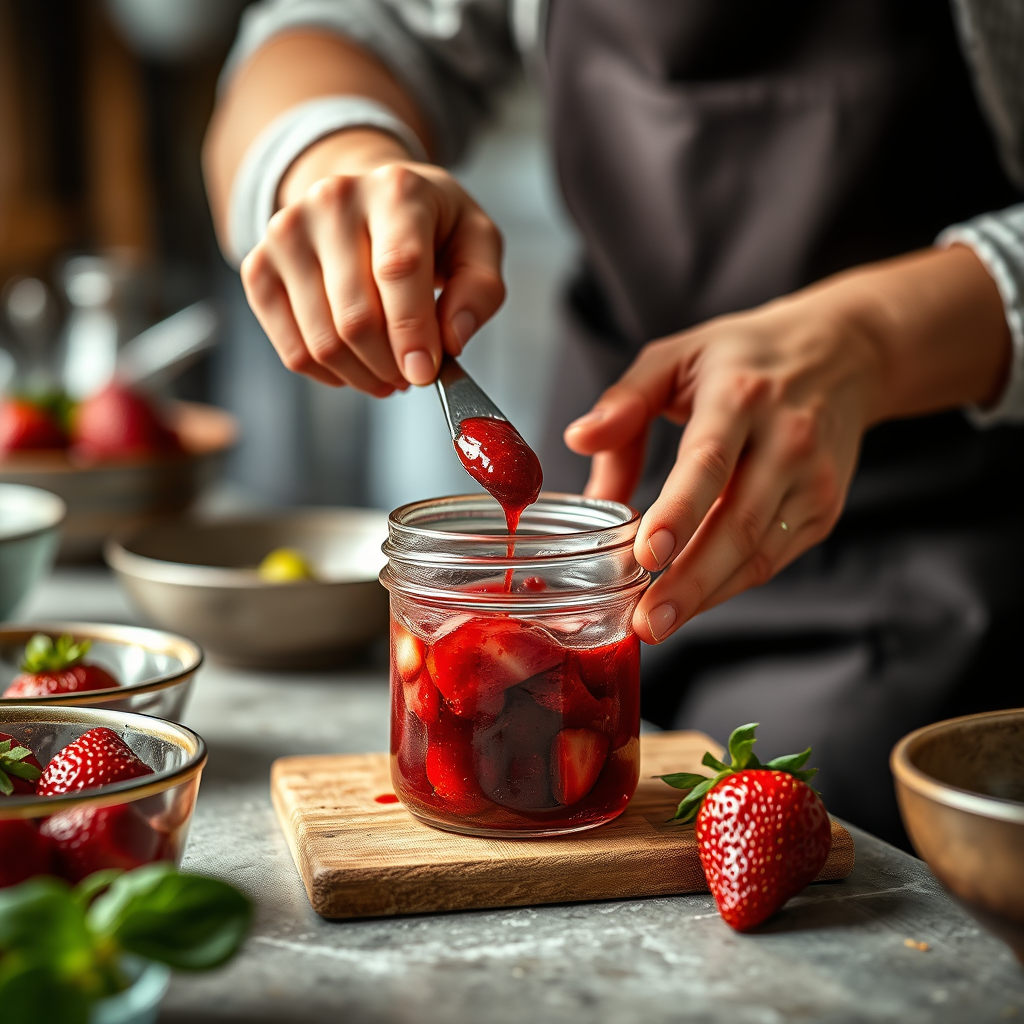
1. Gather Ingredients:
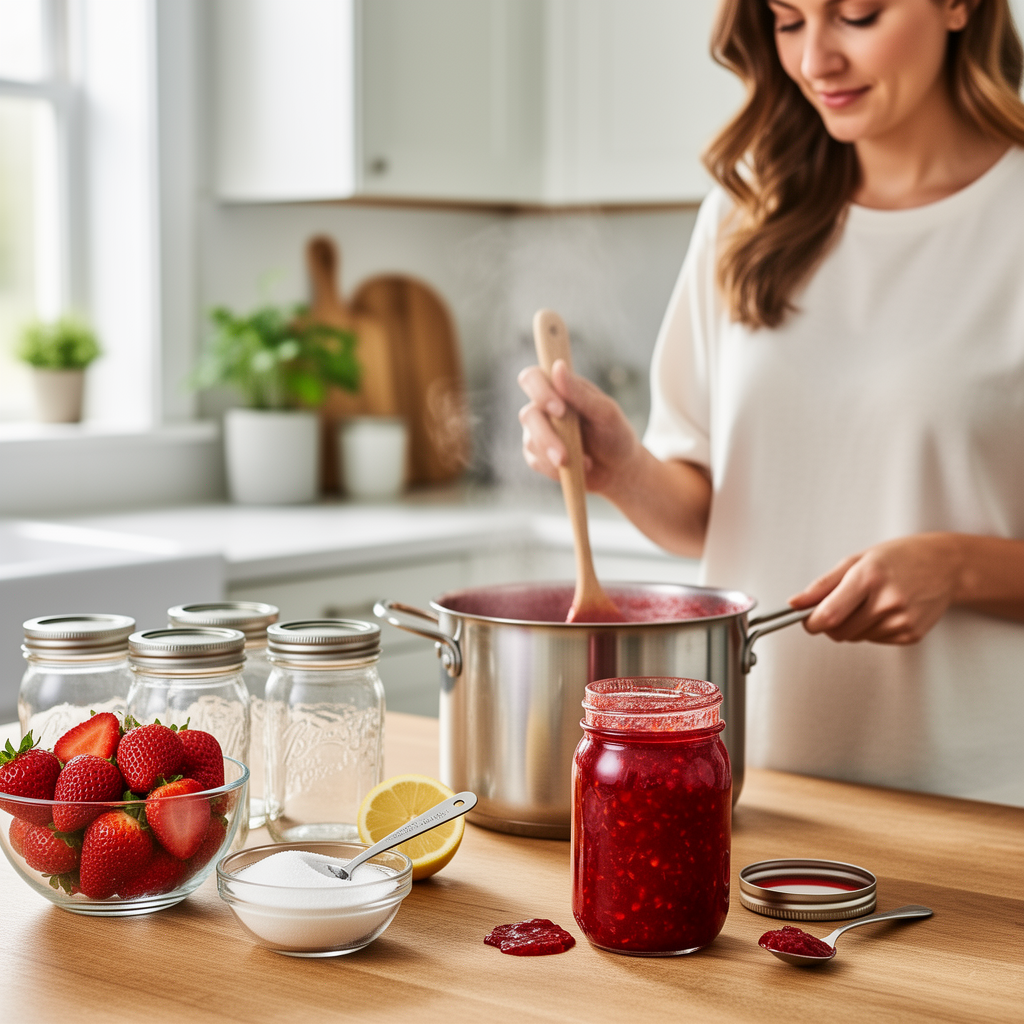
– Measure 2 pounds of fresh, ripe strawberries, 1 cup of low-sugar pectin (such as Sure-Jell or Ball brand), and 1 cup of a natural sweetener like stevia or erythritol.
– For an extra touch, consider adding 1 tablespoon of lemon juice to enhance acidity and flavor.
2. Prepare Strawberries:
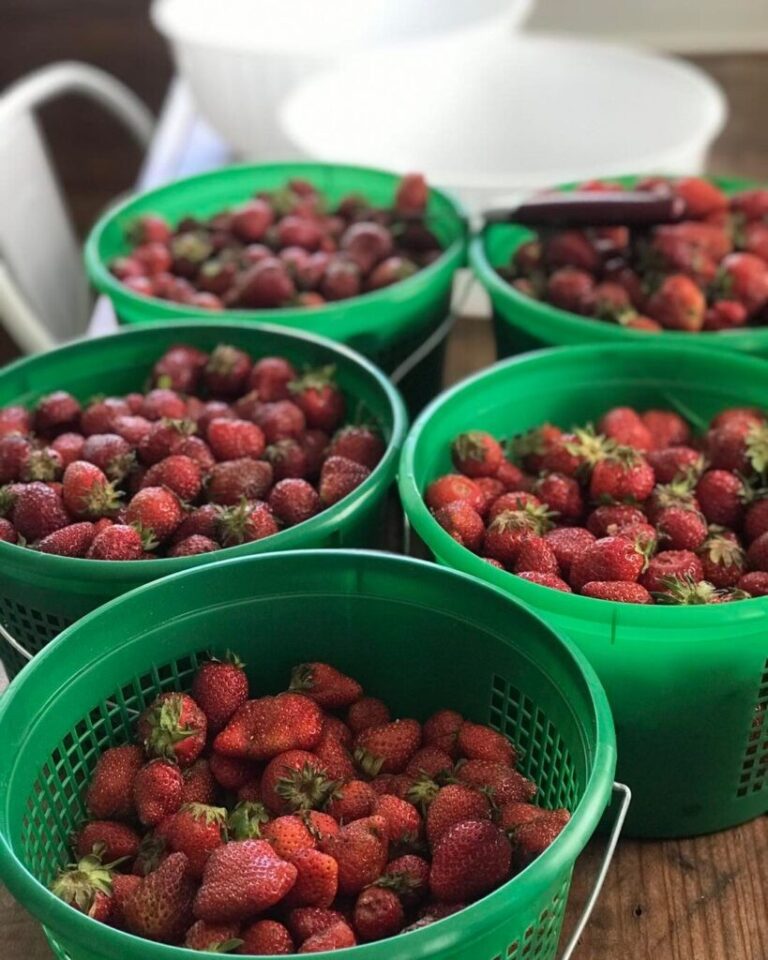
– Rinse the strawberries thoroughly under cold water to eliminate any dirt. Remove the green stems and chop them into quarters to facilitate juice release. If the strawberries are particularly large, halving them may be a better option.
3. Cook the Mixture:
– In a large pot, combine the chopped strawberries, low-sugar pectin, and your chosen sweetener. Stir well to ensure an even distribution of the sweetener and pectin throughout the strawberries. Place the pot over medium heat and bring the mixture to a vigorous boil.
4. Simmer and Thicken:
– Once boiling, reduce the heat to medium-low and let the mixture simmer for about 10-15 minutes. Stir occasionally to prevent sticking. The jam is ready when it has thickened to your desired consistency and coats the back of a spoon.
5. Jar the Jam:
– Before filling jars, sterilize them by placing them in boiling water for 10 minutes or running them through a hot dishwasher cycle. Fill the sterilized jars with the hot jam, leaving about 1/4 inch of headspace at the top. Wipe the rims clean to ensure a proper seal, and secure with lids.
6. Cooling Process:
– Allow the jars to cool at room temperature for 24 hours. After cooling, check the seals by pressing down in the center of each lid; it should not pop back. Store in the refrigerator for immediate use or process in a water bath for longer shelf life (at least 10 minutes for preservation).
Nutritional Comparison of Low Sugar Strawberry Jam Ingredients
| # | Ingredient | Calories (per 100g) | Sugar (g) | Fiber (g) |
|---|---|---|---|---|
| 1 | Strawberries | 32 | 4.89 | 2.0 |
| 2 | Low-Sugar Pectin | 50 | 0.5 | 0.0 |
| 3 | Stevia | 0 | 0 | 0.0 |
| 4 | Erythritol | 0 | 0 | 0.0 |
| 5 | Lemon Juice | 22 | 1.0 | 0.1 |
Warning Signs: When Not to Follow This

Avoid this protocol if you have a severe allergy to any of the ingredients, such as strawberries or sweeteners like stevia or erythritol. If you’re uncomfortable with basic canning techniques or lack access to proper sterilization methods, this approach might not be suitable for you. Additionally, this recipe is not for those who prefer traditional high-sugar jams, as the taste and texture will differ significantly.
The Most Common Mistakes (And Their Consequences)
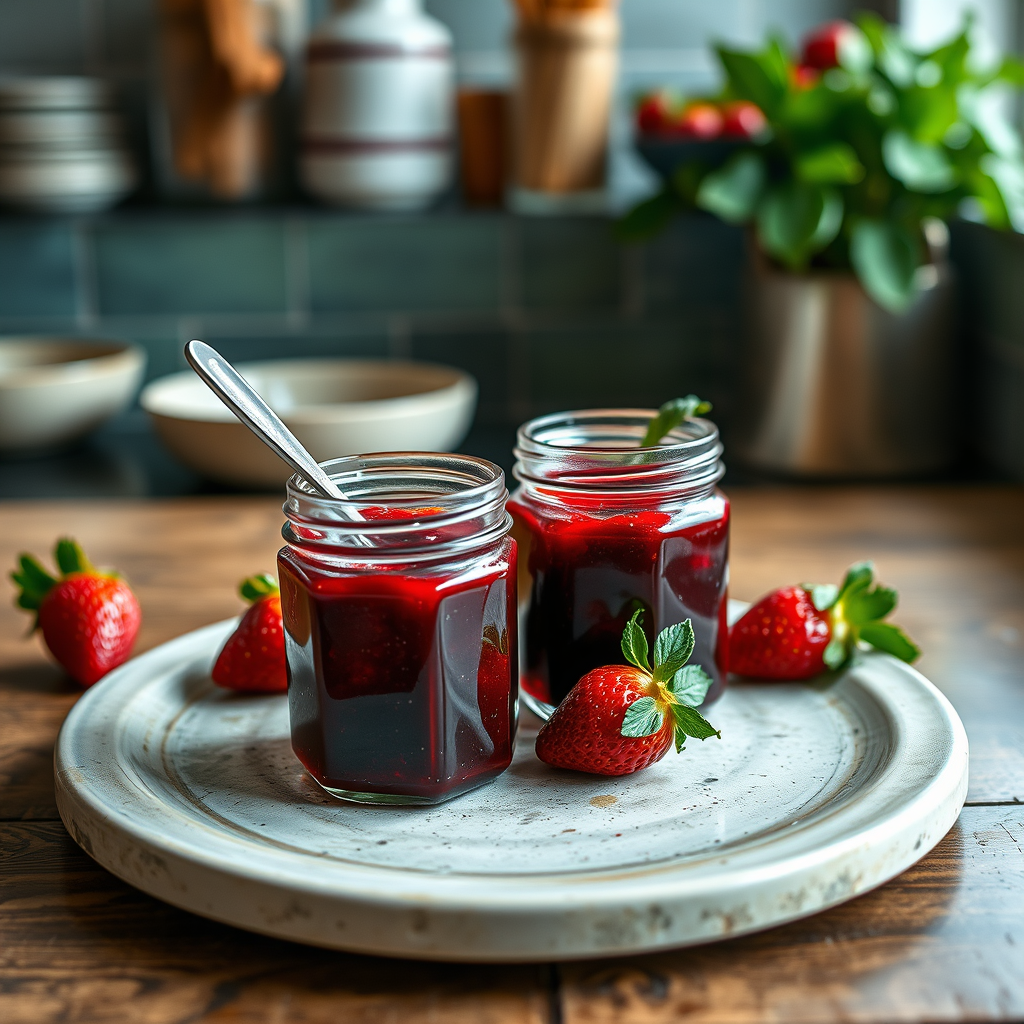
A frequent mistake involves using underripe strawberries, leading to a jam that tastes too tart and lacks depth. Miscalculating the amount of low-sugar pectin can result in a jam that fails to set properly, resulting in a runny consistency. Additionally, neglecting to sterilize jars can introduce bacteria, spoiling the jam and making it unsafe for consumption. Moreover, not allowing the jam to cool completely before storage can cause condensation and spoilage.
Special Cases That Need a Different Approach
If you opt for frozen strawberries instead of fresh, you may need to adjust the cooking time and add an extra tablespoon of pectin to achieve the right consistency. For those adhering to a strict keto diet, consider using a sugar substitute specifically labeled for canning to ensure optimal results. If you wish to add extra flavors, such as lemon juice or vanilla extract, do so sparingly and adjust the sweetener accordingly to maintain the jam’s balance.
When You Need a Professional
When facing complex dietary restrictions or medical conditions requiring strict management of sugar intake, it’s wise to consult a nutritionist for personalized guidance on ingredient substitutions. If you encounter issues with food preservation or suspect contamination, seeking advice from a food safety expert or local extension office is essential. Additionally, when scaling up the recipe for large batches, consulting with a professional canner will help ensure safety and proper preservation techniques.
Sources and Further Reading
The USDA’s Complete Guide to Home Canning offers essential guidelines on safe canning practices, invaluable for newcomers to the process. “The Joy of Canning” by Karen Ward provides insights and recipes for low-sugar preserves that complement this guide. The American Diabetes Association also provides detailed information on managing sugar intake, particularly useful for those creating low-sugar jams for health reasons.
In conclusion, making low sugar strawberry jam is a rewarding endeavor that allows you to savor the natural sweetness of strawberries while managing your sugar intake. With the right ingredients and careful attention to detail, you can create a delicious preserve that meets your dietary needs. So gather your ingredients, roll up your sleeves, and enjoy the satisfaction of crafting your own low sugar jam.
Frequently Asked Questions
What ingredients do I need for a low sugar strawberry jam recipe?
To make a low sugar strawberry jam, you will need fresh strawberries, a low-calorie sweetener such as stevia or erythritol, lemon juice, and pectin. Using low-calorie sweeteners helps to maintain the sweet flavor while significantly reducing sugar content, making it a healthier alternative.
How do I make low sugar strawberry jam without pectin?
To make low sugar strawberry jam without pectin, start by mashing fresh strawberries in a saucepan and simmering them over low heat. Add a natural sweetener to taste and cook until the mixture thickens, which usually takes about 20-30 minutes of stirring. The natural pectin in the strawberries will help thicken the jam without the need for additional pectin.
Why should I choose a low sugar strawberry jam recipe?
Choosing a low sugar strawberry jam recipe is beneficial for those looking to reduce their sugar intake while still enjoying a delicious spread. It’s ideal for individuals with dietary restrictions, such as diabetics, and it allows you to savor the fresh flavor of strawberries without the added calories and health risks associated with high sugar consumption.
What is the best low sugar sweetener for making strawberry jam?
The best low sugar sweeteners for making strawberry jam include stevia, erythritol, and monk fruit sweetener. These options provide a great taste without the calories of traditional sugar, and they also have minimal effects on blood sugar levels, making them suitable for those monitoring their sugar intake.
Which methods can I use to preserve low sugar strawberry jam?
To preserve low sugar strawberry jam, you can use water bath canning, which involves sealing the jam in sterilized jars and processing them in boiling water for a specific time. Alternatively, you can refrigerate the jam in airtight containers for a shorter shelf life, typically up to 3 weeks, or freeze it for up to a year to maintain freshness.
References
- https://www.ncbi.nlm.nih.gov/pmc/articles/PMC7070493/
https://www.ncbi.nlm.nih.gov/pmc/articles/PMC7070493/ - https://www.ncbi.nlm.nih.gov/pmc/articles/PMC7010252/
https://www.ncbi.nlm.nih.gov/pmc/articles/PMC7010252/ - https://www.ncbi.nlm.nih.gov/pmc/articles/PMC6462620/
https://www.ncbi.nlm.nih.gov/pmc/articles/PMC6462620/ - https://www.sciencedirect.com/topics/food-science/strawberry-jam
https://www.sciencedirect.com/topics/food-science/strawberry-jam - Healthy diet
https://www.who.int/news-room/fact-sheets/detail/healthy-diet - https://www.cdc.gov/nutrition/data-statistics/index.html
https://www.cdc.gov/nutrition/data-statistics/index.html - https://www.britannica.com/topic/jam
https://www.britannica.com/topic/jam - Google Scholar Google Scholar
https://scholar.google.com/scholar?q=low+sugar+strawberry+jam+recipe - Google Scholar Google Scholar
https://scholar.google.com/scholar?q=strawberry+jam+nutrition - Google Scholar Google Scholar
https://scholar.google.com/scholar?q=homemade+low+sugar+preserves+recipes