The Complete Step-by-Step Protocol for Making Elderberry Jam Safely provides essential guidance for both novice and experienced home canners. This expert procedural guide outlines precise techniques for transforming elderberries into delicious, safe jam while ensuring food safety standards are met. Following the right protocol is crucial to prevent potential health risks and to preserve the rich flavors of this nutrient-packed fruit. Dive into the detailed instructions and elevate your canning skills with confidence.
What This Guide Covers (And What It Doesn’t)

This guide offers an in-depth, step-by-step protocol for crafting elderberry jam, complete with precise measurements, techniques, and vital safety precautions. From foraging or purchasing elderberries to storing the finished product, this guide ensures a thorough understanding of each step. However, it does not delve into other berry jam recipes or general jam-making techniques unrelated to elderberries, focusing specifically on the nuances of elderberry preparation and preservation.
Who Should Read This

This article is designed for home cooks who possess a basic understanding of canning and jam-making, and who are eager to explore the unique flavors of elderberry. Readers should have access to the necessary ingredients and equipment, including elderberries, sugar, pectin, jars, and canning tools. It is important for those with food allergies, particularly to berries or preservatives, to approach this recipe with caution, as it assumes a general capability to handle elderberry and related ingredients safely.
The Step-by-Step Protocol
1. Gather Ingredients: Collect 4 cups of ripe elderberries, 1 cup of granulated sugar, 1 tablespoon of lemon juice, and 1 packet of fruit pectin. Ensure that all ingredients are fresh and suitable for use.
2. Prepare the Elderberries: Start by removing the stems and thoroughly washing the elderberries under cold running water. This crucial step eliminates any dirt or contaminants. Discard any unripe or damaged berries, as they can compromise the flavor and safety of your jam.
3. Cook the Mixture: In a large, heavy-bottomed pot, combine the cleaned elderberries, granulated sugar, and lemon juice. Heat the mixture over medium heat, stirring constantly until it reaches a rolling boil. This process typically takes about 5-10 minutes.
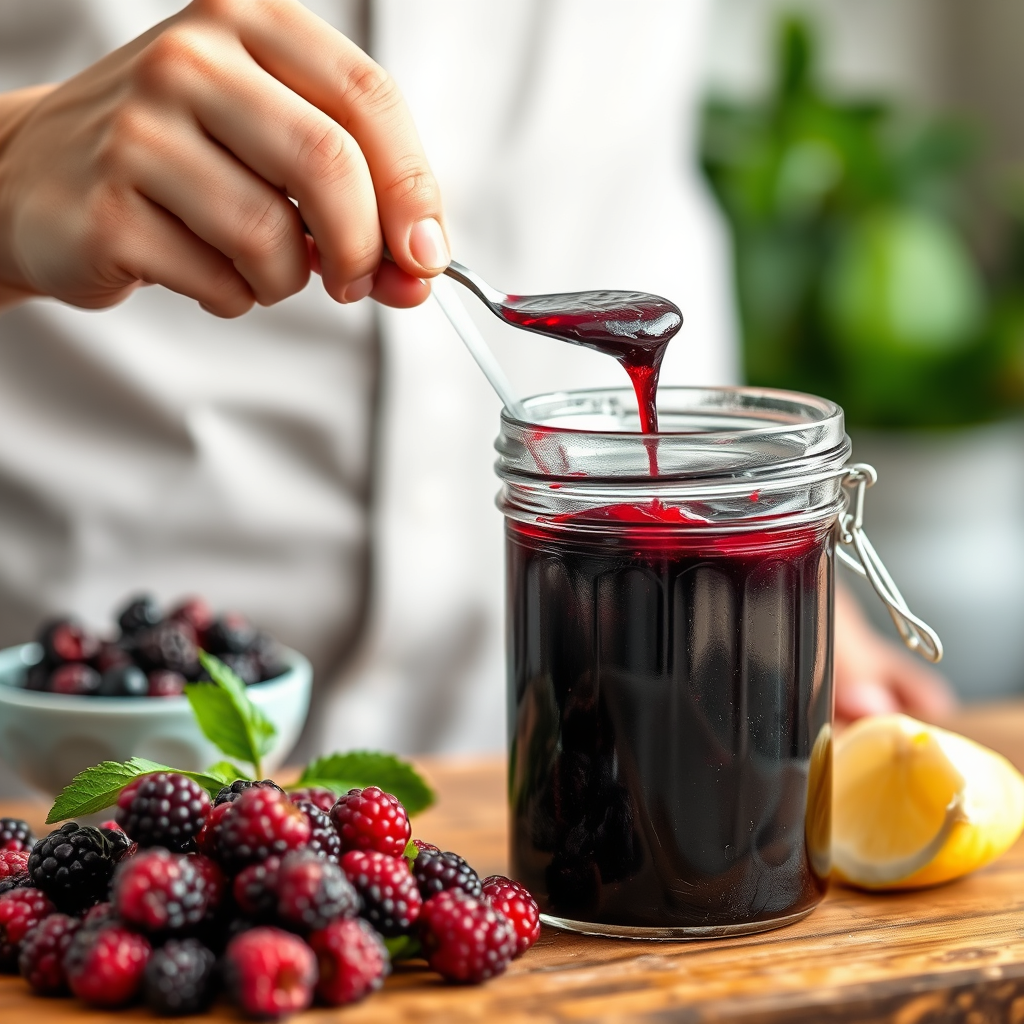
4. Add Pectin: Once the mixture is boiling steadily, stir in the fruit pectin. Continue to boil for an additional 1-2 minutes, stirring frequently. The mixture should thicken to a jam-like consistency. You can check this by testing a small spoonful on a cold plate; if it forms a gel-like texture, it is ready for jarring.
5. Jar and Seal: Carefully pour the hot jam into sterilized canning jars, leaving a ¼ inch headspace at the top. Wipe the rims of the jars with a clean cloth to remove any residue that could interfere with sealing. Place the lids on the jars and screw on the metal bands until they are fingertip-tight. Process the jars in a boiling water bath for 10 minutes. This step is crucial for ensuring that the jam is sealed properly and safe for long-term storage.
Warning Signs: When Not to Follow This
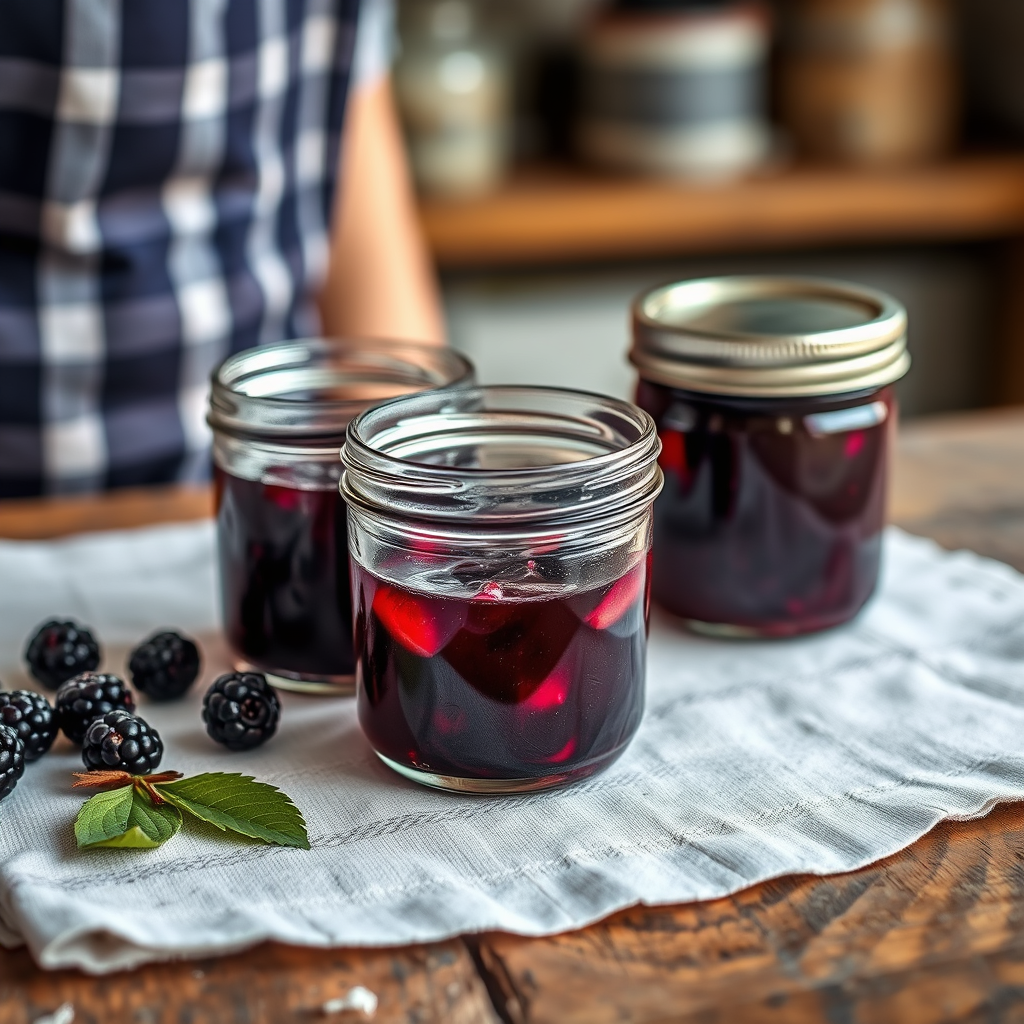
– Avoid making elderberry jam if you are allergic to elderberries or other berries, as this may lead to serious allergic reactions.
– If you notice that the elderberries are moldy, overripe, or have an off smell, do not proceed with the recipe, as this could lead to foodborne illness.
– Do not attempt to make elderberry jam if you lack proper canning equipment, as inadequate sealing can result in spoilage and potential health risks.
The Most Common Mistakes (And Their Consequences)
– Using Unripe Berries: Many novice jam makers may inadvertently use unripe elderberries, resulting in a bitter taste and poor texture in the final product. Always ensure that the berries are fully ripe for the best flavor.
– Neglecting Sterilization: Failing to properly sterilize jars can introduce bacteria, leading to spoilage and potential food poisoning. Always sterilize jars in boiling water for at least 10 minutes before use.
– Incorrect Pectin Use: Not adhering to the recommended pectin-to-fruit ratio can result in jam that is either too runny or overly thick, affecting the overall quality. Follow the instructions on the pectin packet closely for optimal results.
Special Cases That Need a Different Approach
– For individuals with diabetes, consider substituting granulated sugar with a low-glycemic sweetener, such as agave nectar or erythritol. Adjust the recipe accordingly, as these alternatives may not gel in the same way as sugar, necessitating a modification of the pectin quantity.
– If using dried elderberries, rehydrate them first by soaking in water for at least 4 hours before proceeding with the cooking steps. This ensures that the dried berries soften adequately to create the desired texture in the jam.
– For those wanting a lower-sugar option, explore using fruit juice or a combination of fruit juice and a smaller amount of sugar instead of the full cup of granulated sugar. Adjust the pectin quantity to accommodate the change in sweetness, as sugar content influences the gelling process.
When You Need a Professional
– If you have specific dietary restrictions or health conditions, consult a nutritionist before making elderberry jam, especially if you plan to use alternative sweeteners or preservatives. Understanding how these ingredients affect your health is crucial.
– Seek advice from a home canning expert if you are unsure about the canning process or if your jam does not seal properly after processing. Improper sealing can lead to spoilage and contamination, which poses health risks.
– If you suspect any adverse reactions to elderberries after consumption, contact a medical professional immediately for guidance and evaluation. Be vigilant for symptoms such as gastrointestinal distress or allergic reactions, which can occur in sensitive individuals.
Sources and Further Reading
– “Canning and Preserving for Beginners” by Carla Emery provides in-depth knowledge about safe canning practices and recipes, including elderberry jam.
– The National Center for Home Food Preservation offers guidelines on safe canning techniques and fruit preservation methods, ensuring compliance with safety standards.
– Local agricultural extensions or elderberry farming organizations may provide additional resources and expert advice on sourcing and using elderberries effectively.
By following this detailed guide, you can confidently create elderberry jam that preserves the rich flavors of this unique fruit while adhering to essential safety standards for home canning. Enjoy your culinary venture, and savor the fruits of your labor.
Frequently Asked Questions
What ingredients do I need for a basic elderberry jam recipe?
To make a basic elderberry jam, you will need fresh or dried elderberries, sugar, lemon juice, and pectin. The sugar helps with the sweetness and preservation, while the lemon juice enhances flavor and helps the jam set better. Make sure to use ripe elderberries for the best taste.
How do I properly prepare elderberries for jam making?
Before making elderberry jam, it’s essential to wash the berries thoroughly to remove any dirt or insects. Then, remove the stems, as they can be toxic. You can use a fork to gently separate the berries from the stems, and then cook them down to release their juices before adding other ingredients.
Why is pectin important in an elderberry jam recipe?
Pectin is a natural thickening agent that helps the elderberry jam achieve the right consistency. Without pectin, the jam may remain runny and not set properly. You can use powdered or liquid pectin, depending on your preference and the specific recipe you choose to follow.
What is the best way to store homemade elderberry jam?
To store your homemade elderberry jam, it’s best to place it in sterilized glass jars and seal them tightly. Keep the jars in a cool, dark place for up to a year; once opened, store the jam in the refrigerator and consume it within a few weeks for optimal freshness.
Which variations can I try to enhance the flavor of elderberry jam?
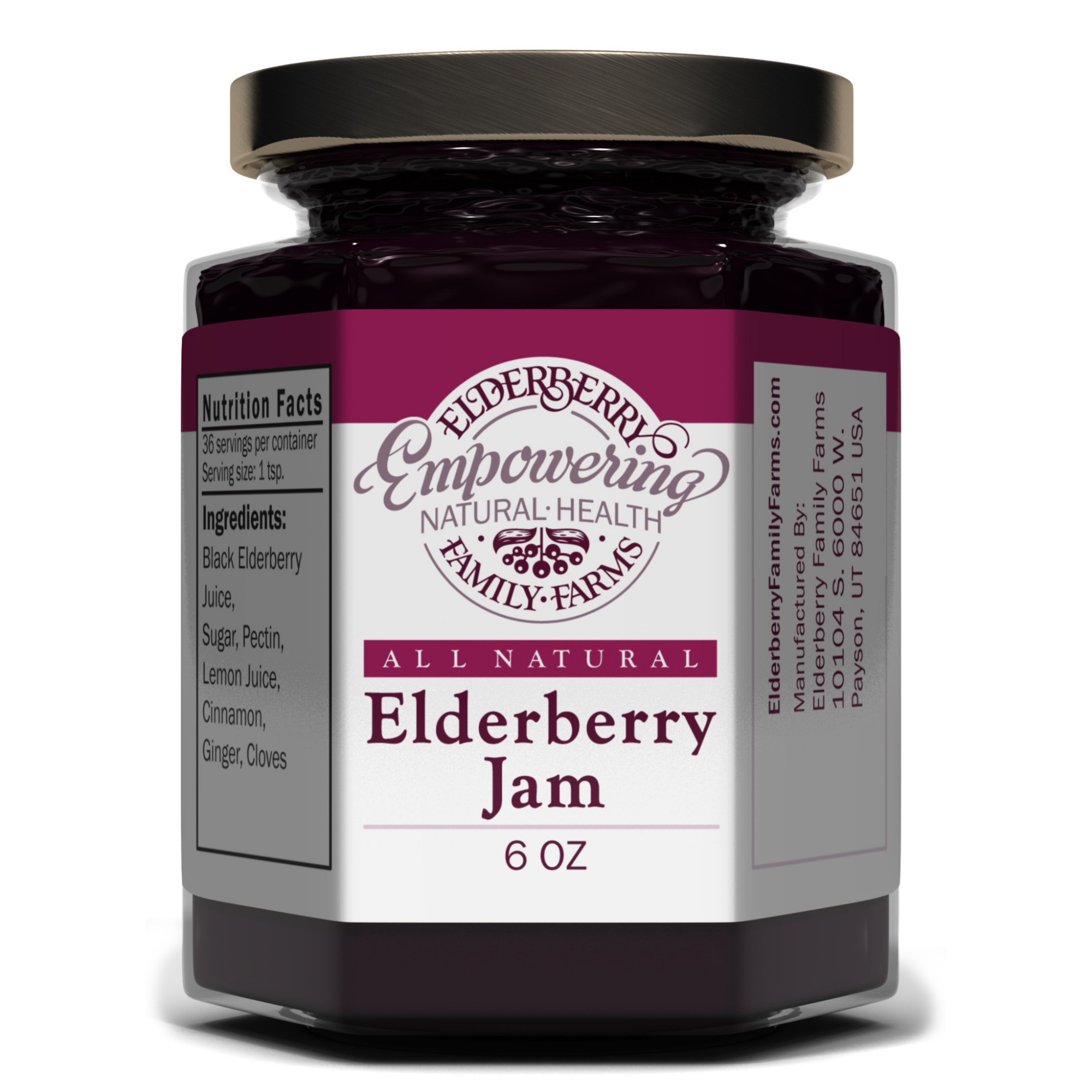
To enhance the flavor of elderberry jam, consider adding spices like cinnamon or cloves for warmth, or citrus zest for a refreshing twist. You can also mix in other fruits like apples or blueberries to create unique flavor combinations, which can make your elderberry jam even more delicious and versatile.
References
- Sambucus
https://en.wikipedia.org/wiki/Elderberry - https://www.ncbi.nlm.nih.gov/pmc/articles/PMC6118201/
https://www.ncbi.nlm.nih.gov/pmc/articles/PMC6118201/ - https://www.ncbi.nlm.nih.gov/pmc/articles/PMC8122892/
https://www.ncbi.nlm.nih.gov/pmc/articles/PMC8122892/ - https://www.sciencedirect.com/topics/agricultural-and-biological-sciences/elderberry
https://www.sciencedirect.com/topics/agricultural-and-biological-sciences/elderberry - Elderberry | fruit | Britannica
https://www.britannica.com/plant/elderberry - https://www.healthline.com/nutrition/elderberry-dosage
https://www.healthline.com/nutrition/elderberry-dosage - https://www.cdc.gov/flu/prevent/actions.htm
https://www.cdc.gov/flu/prevent/actions.htm - Google Scholar Google Scholar
https://scholar.google.com/scholar?q=elderberry+jam+recipe - Google Scholar Google Scholar
https://scholar.google.com/scholar?q=elderberry+health+benefits - Google Scholar Google Scholar
https://scholar.google.com/scholar?q=elderberry+preservation+methods