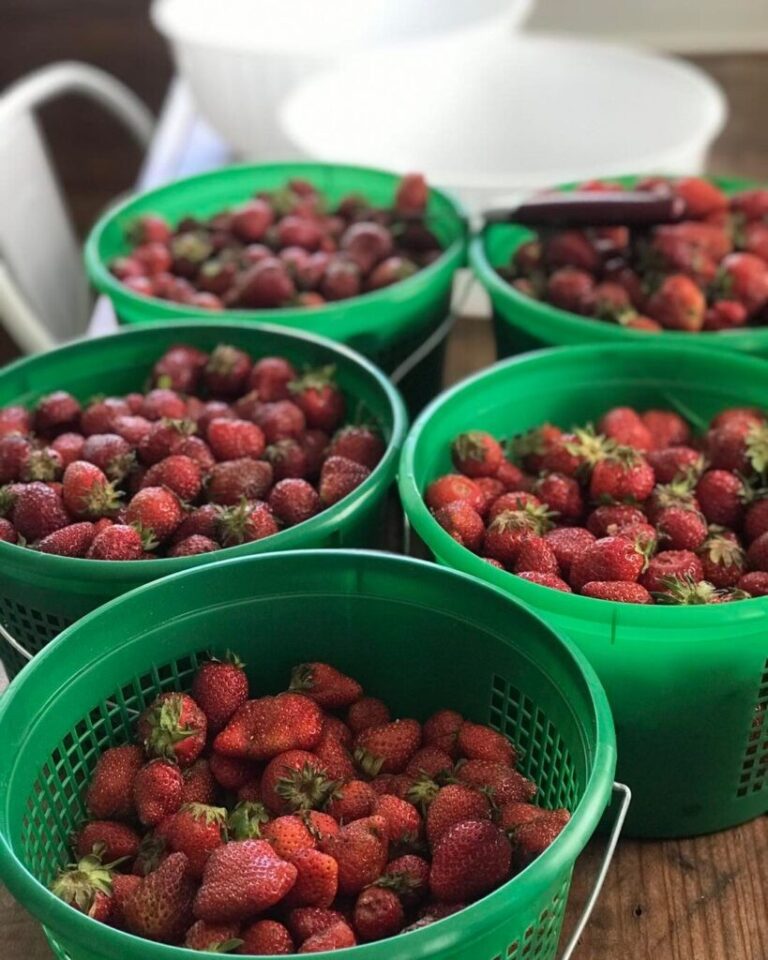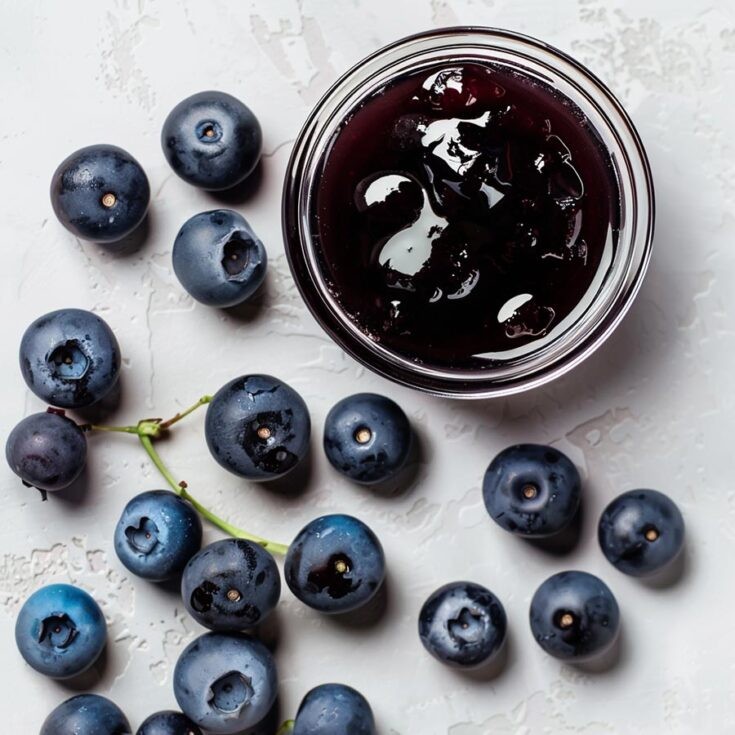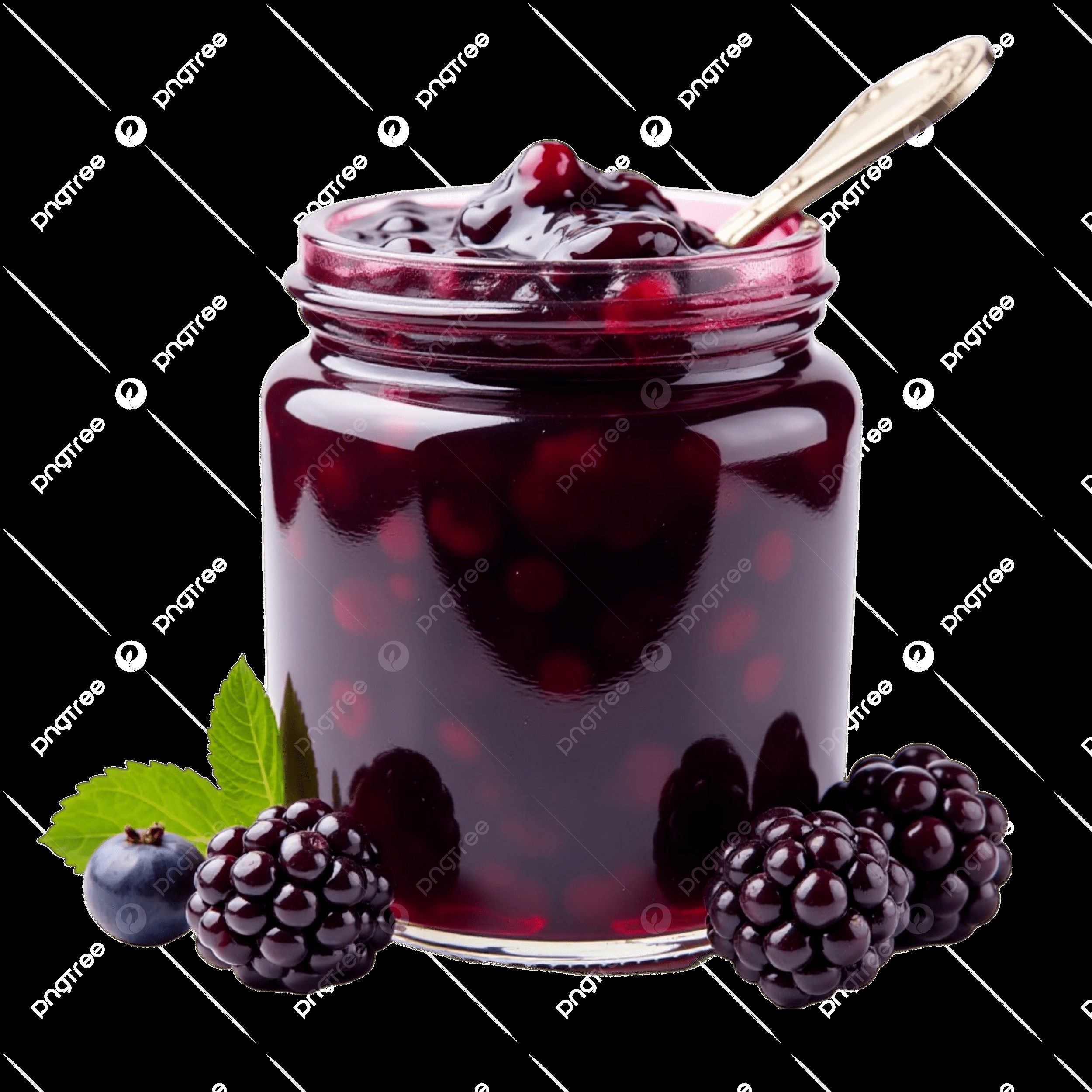
Mastering the complete step-by-step protocol for making blackberry jam safely ensures you achieve delicious results while preserving food safety. This guide provides expert insights on selecting the best blackberries, proper sterilization techniques, and essential canning practices. Following these precise methods not only enhances flavor but also safeguards against spoilage, making your homemade jam a reliable delight.
What This Guide Covers (And What It Doesn’t)

This guide provides a comprehensive, step-by-step recipe for making traditional blackberry jam, emphasizing precise measurements and techniques to ensure both safety and quality. It outlines the necessary equipment, ingredients, and specific procedures required to create high-quality blackberry jam at home, catering specifically to home canners. However, it does not delve into alternative fruit jam recipes or methods outside of traditional canning practices, such as freezer jam or commercial production techniques.
Who Should Read This

This guide is designed for home cooks with basic kitchen skills who wish to learn safe canning techniques for making blackberry jam. It appeals to individuals who enjoy working with fruits and want to preserve their harvest using reliable methods. Those who are entirely new to canning or have no prior knowledge of food preservation may find this guide complex and should first seek beginner-level resources.
The Step-by-Step Protocol
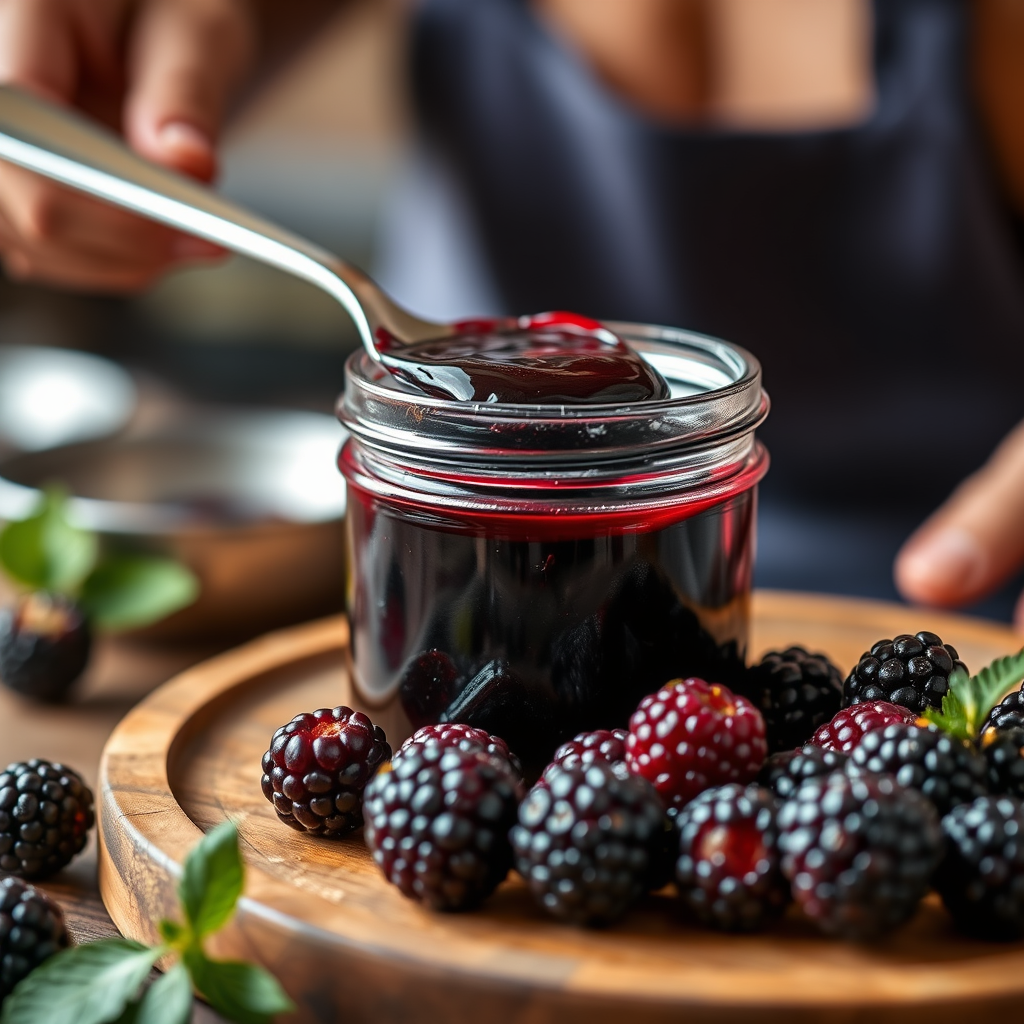
1. Gather Ingredients and Equipment: Begin by collecting the following ingredients: 4 cups of fresh blackberries, 1 cup of granulated sugar, and 1 tablespoon of lemon juice. You will also need sterilized canning jars with lids, a large pot, a potato masher or fork, a candy thermometer, a boiling water canner, and a clean cloth for wiping jar rims.
2. Prepare Blackberries: Rinse the blackberries under cool running water to remove any dirt or debris. Inspect the berries carefully, discarding any that show signs of mold or spoilage. Once cleaned, gently mash the blackberries in a large pot using a potato masher until you have approximately 2 cups of mashed fruit.
3. Cook the Jam Mixture: In the same pot, combine the mashed blackberries, granulated sugar, and lemon juice. Heat the mixture over medium heat, stirring constantly until it reaches a rolling boil. Maintain this boil for about 10 to 15 minutes, stirring continuously to prevent sticking, until the jam thickens to your desired consistency.
4. Check for Doneness: To ensure proper setting, use a candy thermometer to monitor the temperature of the jam mixture. It should reach 220°F (104°C), the critical point at which pectin activates and the jam will set effectively when cooled. If you do not have a thermometer, you can also perform the “plate test” by placing a small spoonful of jam on a chilled plate; if it holds its shape after a minute, it’s ready.
5. Jar the Jam: Once the jam has reached the correct consistency, remove it from the heat. Pour the hot jam into the sterilized jars, leaving a 1/4-inch headspace at the top of each jar. Carefully wipe the rims of the jars with a clean cloth to remove any residue that could prevent a proper seal. Place the sterilized lids on the jars and screw on the metal bands until they are fingertip-tight.
6. Process the Jars: Prepare your boiling water canner by filling it with water and bringing it to a boil. Carefully place the filled jars into the canner, ensuring that they are submerged under at least an inch of water. Process the jars for 10 minutes at sea level, adjusting for altitude: increase processing time by 1 minute for every additional 1,000 feet in elevation.
7. Cool and Store: After processing, carefully remove the jars from the canner and place them on a clean towel or cooling rack. Allow them to cool completely at room temperature for 12 to 24 hours. Once cool, check that the lids have sealed properly by pressing down in the center of each lid; it should not pop back. Store the sealed jars in a cool, dark place, where they can last for up to one year.
Warning Signs: When Not to Follow This
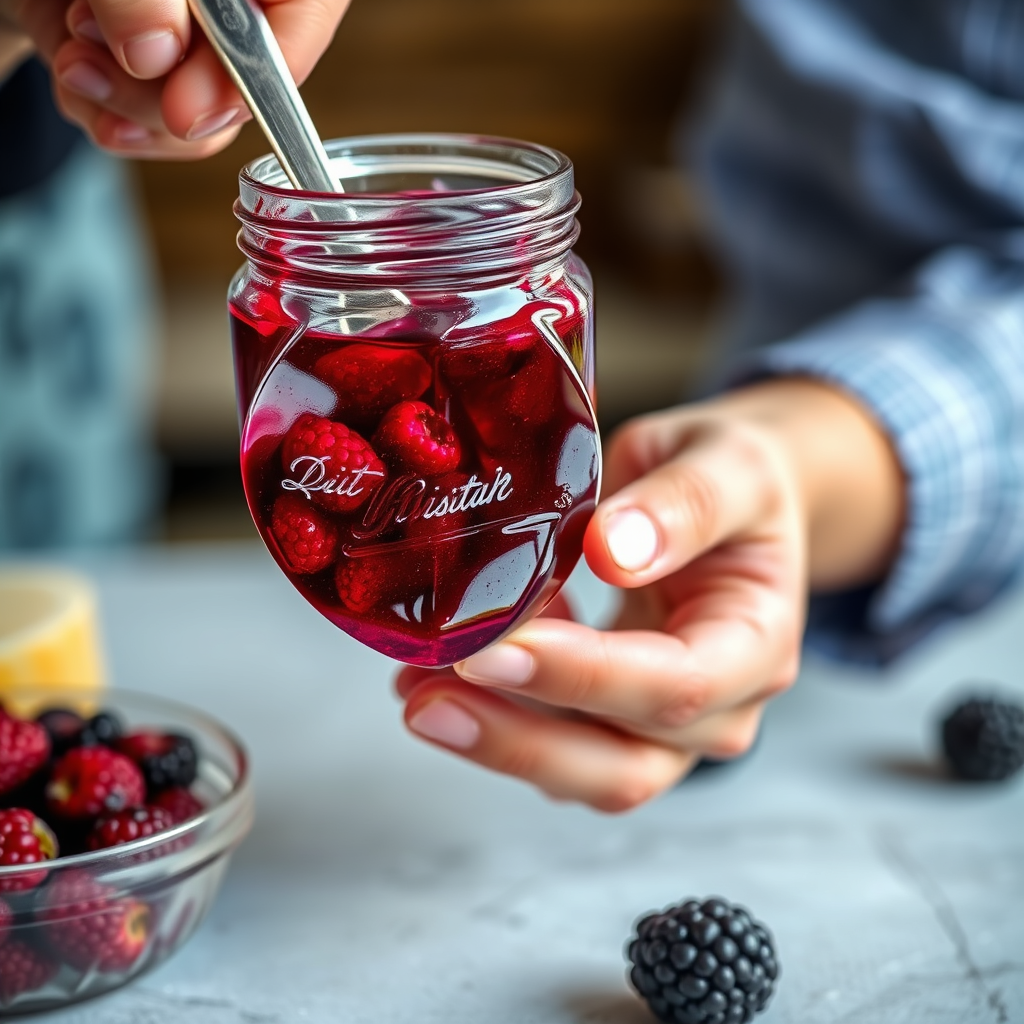
– Do not attempt this recipe if you are using blackberries that show signs of mold, spoilage, or are overly soft, as this can compromise the safety of the jam.
– Avoid canning if you lack the proper equipment, such as a boiling water canner or sterilized jars, as this increases the risk of foodborne illnesses.
– Refrain from using alternative sweeteners or significantly modifying the sugar content, as this can affect the jam’s ability to set and its preservation.
The Most Common Mistakes (And Their Consequences)
– A frequent mistake is failing to measure the ingredients accurately, which can lead to improper setting and spoilage of the jam. Using too little sugar or pectin may result in a runny consistency, while too much can yield a gummy texture that is unpalatable.
– Neglecting to process the jam jars correctly in the boiling water canner can result in seal failure, allowing bacteria to enter and spoil the product. This increases the risk of botulism, a serious foodborne illness.
– Skipping the step of checking the jam’s temperature can lead to either a runny jam (if not cooked long enough) or burnt jam (if overcooked), both of which can compromise flavor and texture.
Special Cases That Need a Different Approach
– If using frozen blackberries, ensure they are fully thawed and drained before mashing. Excess moisture from the thawing process can dilute the jam, affecting its consistency and flavor.
– For those living at higher altitudes, adjustments in processing time are necessary to ensure proper sealing and safety in preservation. At elevations above 1,000 feet, increase processing time by 1 minute for each additional 1,000 feet.
– If you are making a large batch, consider canning in smaller increments to maintain proper temperature control and processing times. This will help ensure that each jar reaches the correct temperature and seal.
When You Need a Professional
– If you suspect that your canning equipment is not properly sealed or if a jar has not sealed correctly after processing, seek advice from a food safety expert immediately. Consuming improperly sealed jars can lead to dangerous foodborne illnesses.
– Consult a licensed nutritionist or food preservation specialist if you have specific dietary restrictions that require alterations to the recipe. They can provide guidance while ensuring that safety and preservation standards are met.
– In the presence of any adverse reactions after consuming the jam, such as gastrointestinal distress, contact a healthcare professional promptly for guidance. This may indicate issues with the jam’s safety or a food intolerance.
Sources and Further Reading
– Refer to the USDA’s Complete Guide to Home Canning for authoritative guidelines on safe canning practices and additional recipes.
– The National Center for Home Food Preservation provides extensive resources on food safety, preservation techniques, and troubleshooting common canning issues.
– For more information on the science of jam making and adjustments for altitude, consult The Ball Complete Book of Home Preserving, a trusted resource among home canners.
By following this detailed protocol, you can create delicious blackberry jam safely and confidently, allowing you to enjoy the taste of summer fruits all year round.
Frequently Asked Questions
What ingredients do I need for a homemade blackberry jam recipe?
To make a classic homemade blackberry jam, you will need fresh blackberries, granulated sugar, and lemon juice. The blackberries should be ripe for the best flavor, and the sugar helps to preserve the jam while the lemon juice adds acidity, enhancing the taste and aiding in the gelling process.
How do I make blackberry jam without pectin?
To make blackberry jam without pectin, start by crushing the blackberries in a pot and adding sugar and lemon juice. Cook the mixture over medium heat, stirring constantly until it reaches a rolling boil. Allow it to simmer until it thickens, which may take about 20-30 minutes, and test for doneness by checking if it coats the back of a spoon.
Why is my blackberry jam too runny, and how can I fix it?
If your blackberry jam is too runny, it may not have cooked long enough or lacked sufficient sugar. To fix it, return the jam to the pot, bring it back to a boil, and cook it for an additional 5-10 minutes, testing for thickness as you go. You can also add a bit of extra lemon juice or a small amount of pectin if needed.
What is the best way to store homemade blackberry jam?
The best way to store homemade blackberry jam is in sterilized glass jars with airtight lids. After filling the jars, process them in a water bath for about 10 minutes to ensure a proper seal. Store the sealed jars in a cool, dark place, and once opened, refrigerate the jam to maintain freshness.
Which types of blackberries are best for making jam?
The best types of blackberries for making jam are the juicy, sweet varieties such as Marionberries or Boysenberries. These types are known for their rich flavor and high sugar content, which enhances the overall taste of your blackberry jam. Always choose ripe blackberries, as they will yield the best results in both flavor and texture.
References
- Fruit preserves
https://en.wikipedia.org/wiki/Jam - https://www.ars.usda.gov/ARSUserFiles/oc/np/hb/Preserving_Fruit.pdf
https://www.ars.usda.gov/ARSUserFiles/oc/np/hb/Preserving_Fruit.pdf - Page not found
https://www.clemson.edu/extension/food/food_safety/preservation/preserving_jams_jellies.html - https://pubmed.ncbi.nlm.nih.gov/23678815/
https://pubmed.ncbi.nlm.nih.gov/23678815/ - https://www.extension.purdue.edu/extmedia/FNR/FNR-499-W.pdf
https://www.extension.purdue.edu/extmedia/FNR/FNR-499-W.pdf - ODA : Welcome Page : State of Oregon
https://www.oregon.gov/oda/shared/Documents/Publications/IPPM/BlackberryJelly.pdf - Google Scholar Google Scholar
https://scholar.google.com/scholar?q=blackberry+jam+recipe - Google Scholar Google Scholar
https://scholar.google.com/scholar?q=blackberry+preservation+methods - Google Scholar Google Scholar
https://scholar.google.com/scholar?q=fruit+preserving+techniques - Jam | food | Britannica
https://www.britannica.com/topic/jam-food