Master the art of making peach jam with this complete step-by-step protocol designed for both novice and seasoned preservers. This guide covers everything from selecting ripe peaches to achieving the perfect consistency, ensuring your homemade jam bursts with flavor and maintains its freshness. Following the right procedures not only enhances taste but also ensures safe preservation, making your culinary efforts truly rewarding.
What This Guide Covers (And What It Doesn’t)
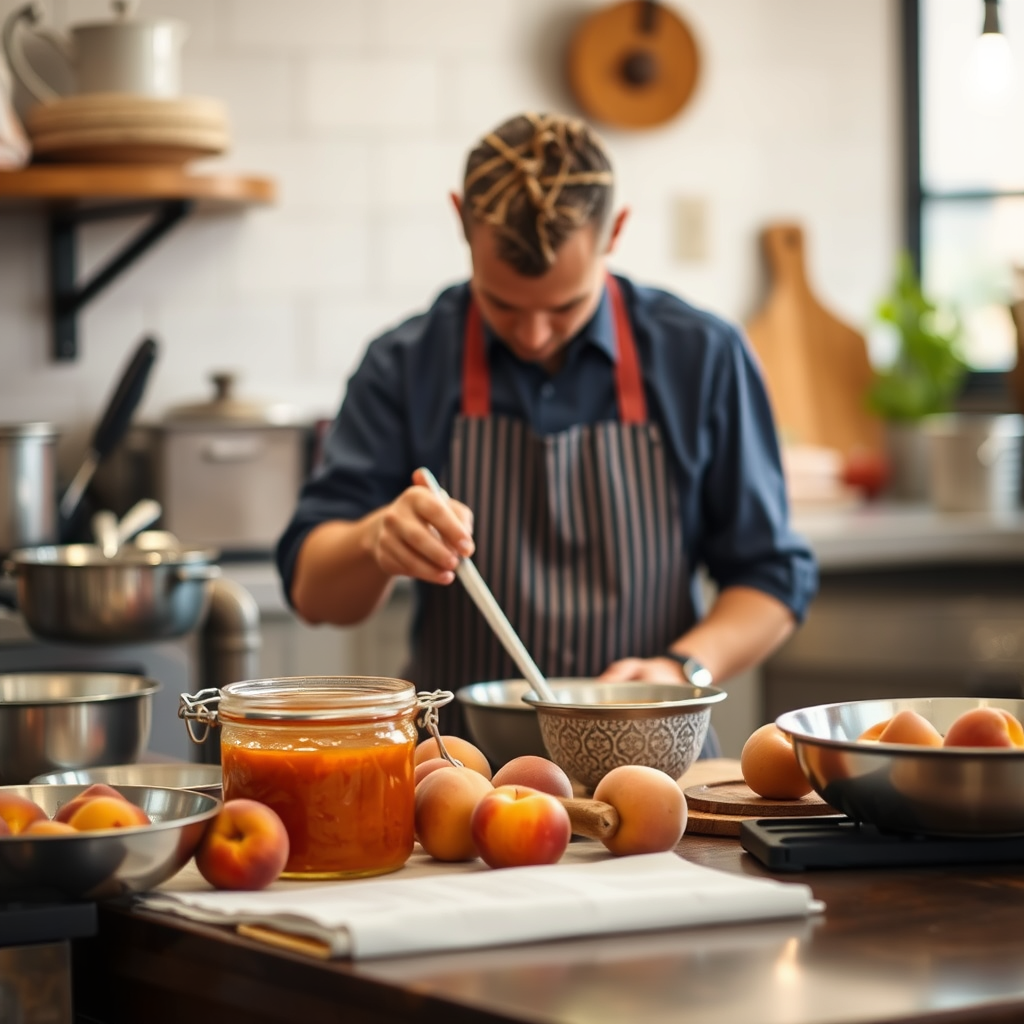
This guide provides a detailed, step-by-step approach to making easy peach jam, emphasizing the use of fresh, ripe peaches, precise sugar proportions, and proper canning techniques. You’ll find essential information on sourcing equipment and ingredients to ensure a successful canning experience. Additionally, the guide addresses common troubleshooting tips for any issues that may arise during the jam-making process. While it focuses exclusively on a straightforward peach jam recipe, it does not delve into complex variations or alternative fruits, making it suitable for beginners and those seeking a quick method.
Who Should Read This
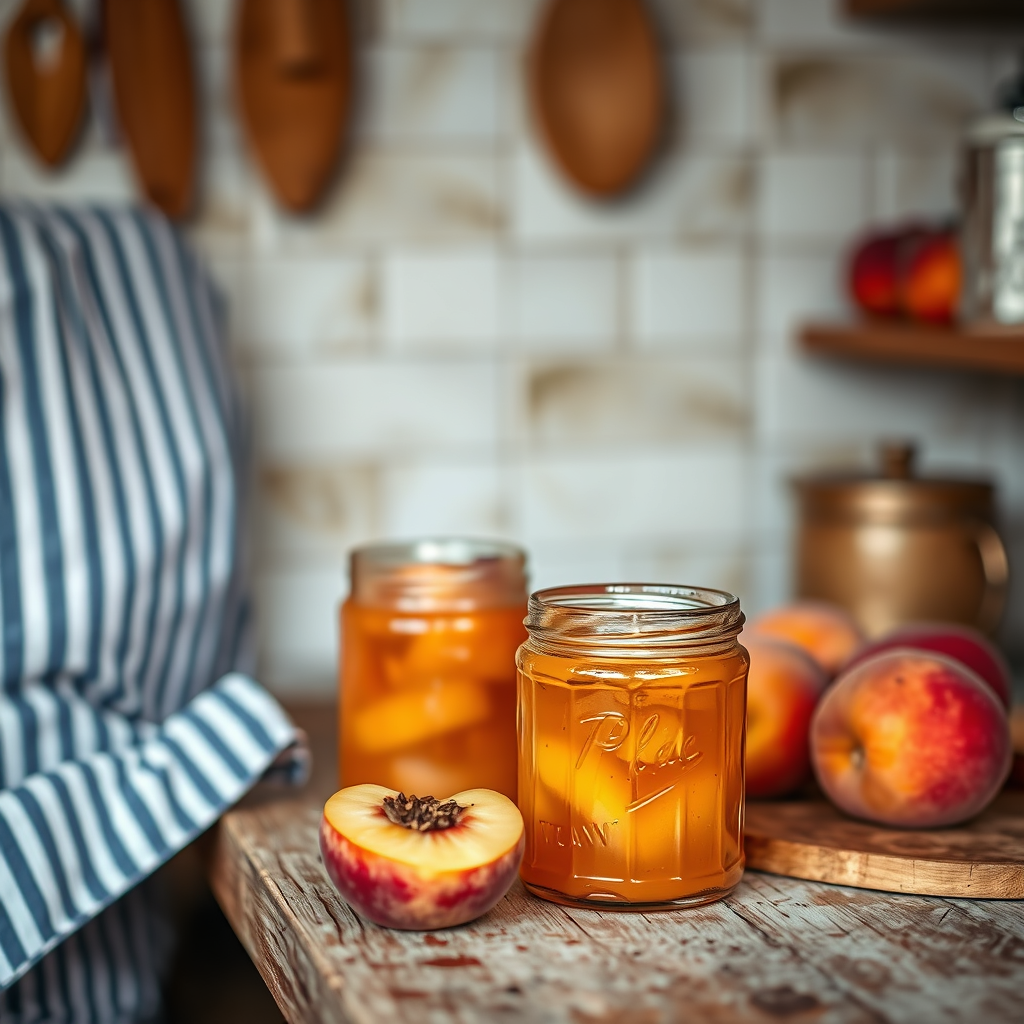
This guide is ideal for novice home cooks and anyone looking to preserve seasonal peaches without extensive experience in jam-making or canning. It appeals to families wanting to create homemade preserves as a healthier, more flavorful alternative to store-bought options, particularly for those with dietary restrictions. However, if you have prior knowledge of standard canning practices and seek a more advanced jam recipe, this guide may not meet your needs.
The Step-by-Step Protocol
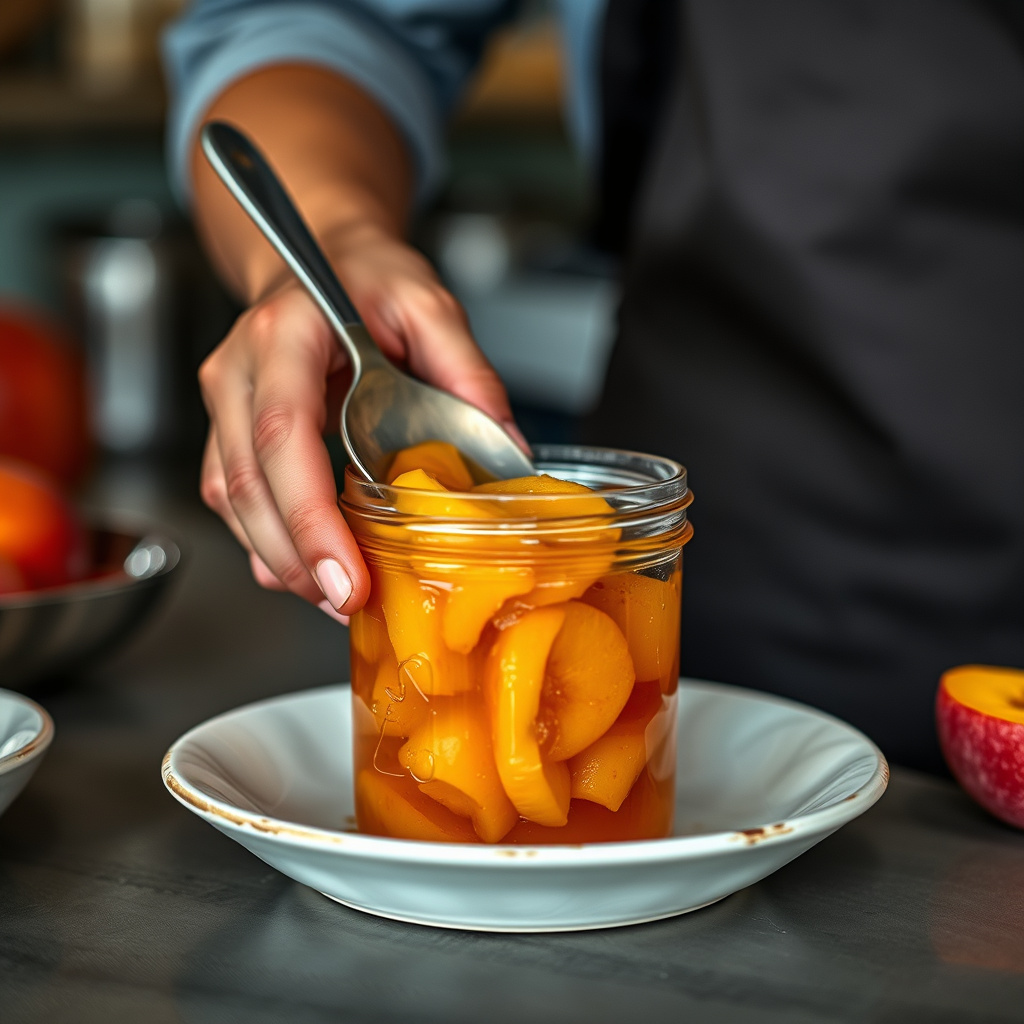
1. Gather Ingredients: You will need 4 cups of peeled and diced ripe peaches, 1 cup of granulated sugar, and 1/4 cup of lemon juice (freshly squeezed is best).
2. Prepare Equipment: Sterilize 4 half-pint canning jars and their lids by boiling them in water for 10 minutes. Ensure you have a large pot for cooking and a ladle for filling jars. If you plan to process the jars, have a boiling water canner or a large stockpot ready.
3. Cook the Jam: In a large pot, combine the diced peaches, sugar, and lemon juice. Heat over medium-high, stirring until the sugar dissolves completely. Bring the mixture to a rapid boil and cook for 10-15 minutes until the jam thickens. Use a spoon to check the consistency; the jam should coat the back of the spoon but still be pourable.
4. Fill and Seal Jars: Once thickened, carefully ladle the hot jam into the prepared jars, leaving a 1/4 inch headspace. Wipe the rims clean with a damp cloth to ensure a proper seal, then place the sterilized lids on top and screw on the metal bands until fingertip tight.
5. Process the Jars: Process the jars in a boiling water bath for 10 minutes to ensure proper sealing and preservation. Make sure the water covers the jars by at least an inch. After processing, remove the jars and allow them to cool completely on a clean kitchen towel or rack, undisturbed for at least 12 hours.
Nutritional Information for Peach Jam (per 1 tablespoon)
| Nutrient | Amount | % Daily Value |
|---|---|---|
| Calories | 50 | 2% |
| Total Fat | 0g | 0% |
| Sodium | 0mg | 0% |
| Total Carbohydrate | 13g | 5% |
| Sugars | 12g | N/A |
| Protein | 0g | 0% |
| Vitamin C | 1mg | 2% |
| Calcium | 0mg | 0% |
| Iron | 0mg | 0% |
Warning Signs: When Not to Follow This
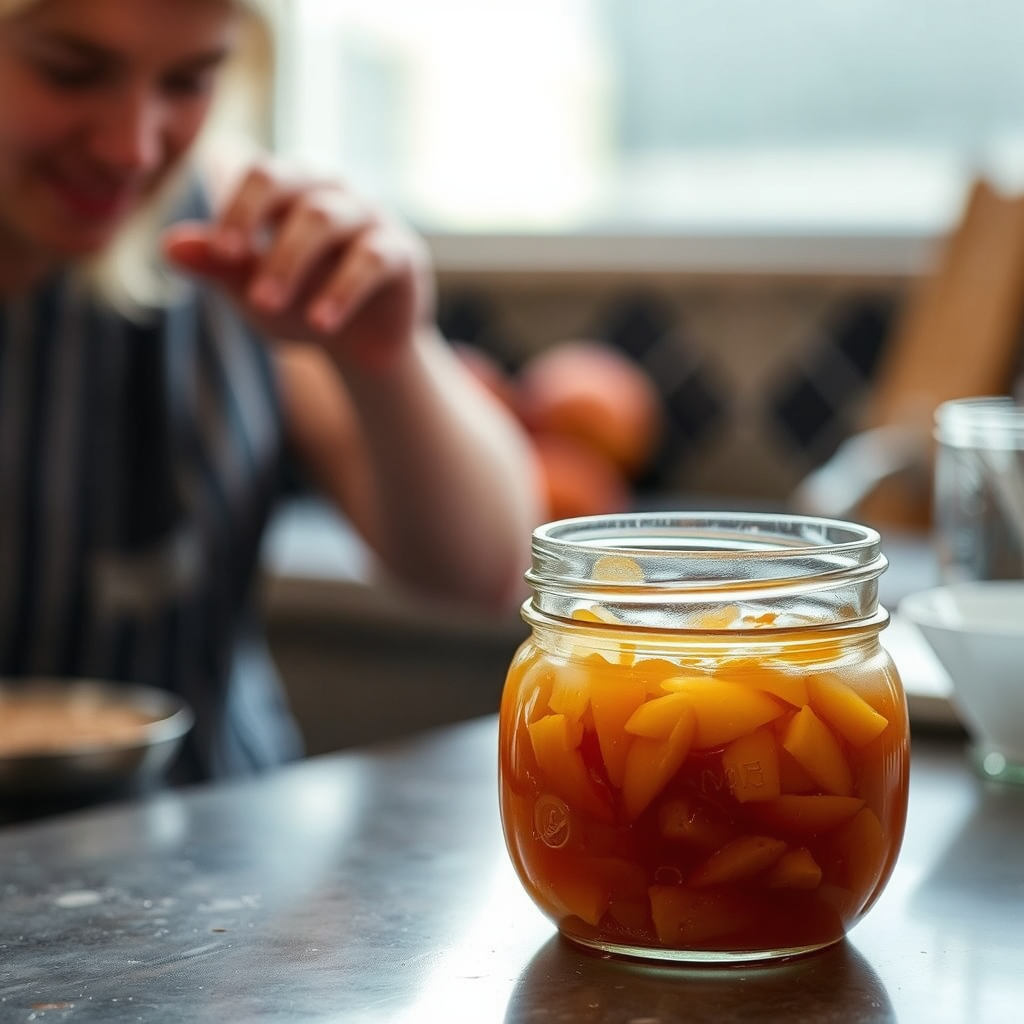
Avoid this recipe if your peaches are overripe, moldy, or bruised, as these conditions can compromise the quality and safety of the final product. Additionally, if you live in a high-altitude area (above 1,000 feet), you may need to adjust processing time and sugar content; refer to high-altitude canning guidelines before proceeding. Moreover, do not use this recipe if you have any allergies to the listed ingredients, particularly peaches or citrus fruits, since substitutions can impact the safety of the preservation process.
The Most Common Mistakes (And Their Consequences)
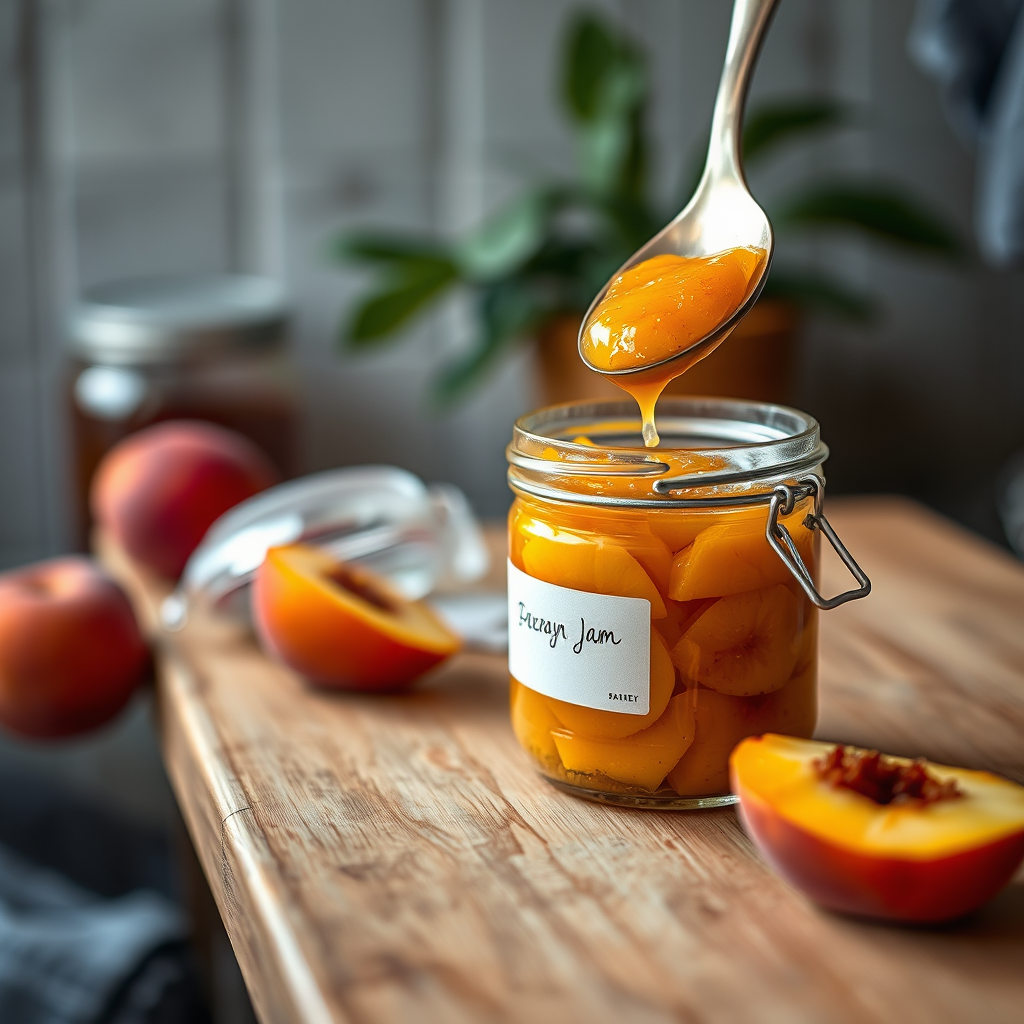
One frequent error is using unripe peaches, which results in a jam lacking in flavor and sweetness. Ensure your peaches are at peak ripeness for the best results. Neglecting to sterilize jars properly can lead to spoilage; always boil and dry jars and lids before use to prevent contamination. Additionally, overcooking the jam can render it too thick and firm, while undercooking may yield a runny consistency. Utilize the spoon test to check for the desired thickness during cooking.
Special Cases That Need a Different Approach
If using frozen peaches, make sure to thaw them completely and drain any excess liquid before starting the recipe, as this affects the sugar-to-fruit ratio. For those with dietary restrictions, consider using a sugar substitute specifically intended for canning; however, be aware that this might influence the setting process and shelf life. When making a larger batch (more than double the recipe), process jars in multiple rounds to ensure proper heat distribution and sealing.
When You Need a Professional
If you suspect any issues with the safety of your produce, such as unusual odors or colors in your peaches, consult a licensed food preservation expert. Should your jars fail to seal properly after processing (lids pop up when pressed), seek guidance to determine whether the jam is still safe for consumption or if it needs to be refrigerated and consumed quickly. Lastly, if you encounter persistent issues with jam consistency despite following the recipe, such as failure to set, consider reaching out to a preservation specialist for tailored advice.
Sources and Further Reading
– The National Center for Home Food Preservation: Offers comprehensive guidelines on safe canning practices and preserving fruits.
– “The Ball Book of Canning and Preserving”: A reliable resource for home canners providing recipes and techniques for various preserves, including jams and jellies.
– USDA Complete Guide to Home Canning: An authoritative source for safe home canning methods, providing research-based recommendations for various fruit preserves.
Frequently Asked Questions
What ingredients do I need for an easy peach jam recipe?
To make a simple peach jam, you will need ripe peaches, granulated sugar, lemon juice, and pectin. Using fresh, high-quality peaches ensures a delicious flavor, while pectin helps the jam set properly. You can find low-sugar pectin options if you prefer a healthier version.
How do I make peach jam without pectin?
To make peach jam without pectin, simply cook ripe peaches with sugar and lemon juice until the mixture thickens. The natural pectin in the fruit will help thicken the jam, so simmer it for about 30-45 minutes until it reaches your desired consistency. Stir frequently to prevent sticking and burning.
Why did my peach jam not set properly?
If your peach jam didn’t set, it could be due to insufficient cooking time or not using enough sugar or pectin. Make sure to follow the recipe closely and check the consistency by placing a spoonful on a cold plate; if it doesn’t gel, you can reboil it with additional pectin. Always ensure your fruit is ripe for better results.
What is the best way to store homemade peach jam?
The best way to store homemade peach jam is to place it in sterilized glass jars and seal them tightly. For long-term storage, refrigerate the jam for up to three weeks or process the jars in a water bath canner for shelf stability. Properly canned peach jam can last up to one year in a cool, dark place.
Which peaches are best for making jam?
Freestone peaches are the best choice for making jam because their flesh easily separates from the pit, making preparation easier. Look for ripe, juicy peaches with no bruises or blemishes to ensure a flavorful jam. Yellow peaches tend to have a sweeter flavor, while white peaches can offer a milder taste, so choose based on your preference.
References
- Fruit preserves
https://en.wikipedia.org/wiki/Jam - https://www.uga.edu/extension/food/preservation/recipes/peach_jam.html
https://www.uga.edu/extension/food/preservation/recipes/peach_jam.html - https://www.foodsafety.gov/food-safety-charts/canning-jams-jellies
https://www.foodsafety.gov/food-safety-charts/canning-jams-jellies - https://extension.psu.edu/peach-jam-recipe
https://extension.psu.edu/peach-jam-recipe - https://www.nutrition.gov/recipes/peach-jam
https://www.nutrition.gov/recipes/peach-jam - Page not found
https://www.clemson.edu/extension/food/food-preservation/jams-jellies/peach-jam.html - Google Scholar Google Scholar
https://scholar.google.com/scholar?q=easy+peach+jam+recipe - Google Scholar Google Scholar
https://scholar.google.com/scholar?q=peach+preservation+methods - Google Scholar Google Scholar
https://scholar.google.com/scholar?q=fruit+jams+nutritional+value - https://www.ncbi.nlm.nih.gov/pmc/articles/PMC6366765/
https://www.ncbi.nlm.nih.gov/pmc/articles/PMC6366765/