The Complete Step-by-Step Protocol for Classic Peach Jam Recipe equips home canners with essential techniques for safely preserving this beloved summer fruit. This guide covers everything from selecting the perfect peaches to the precise canning methods that ensure quality and safety. By following these expert protocols, you’ll master the art of making peach jam that’s not only delicious but also safe for your family.
What This Guide Covers (And What It Doesn’t)
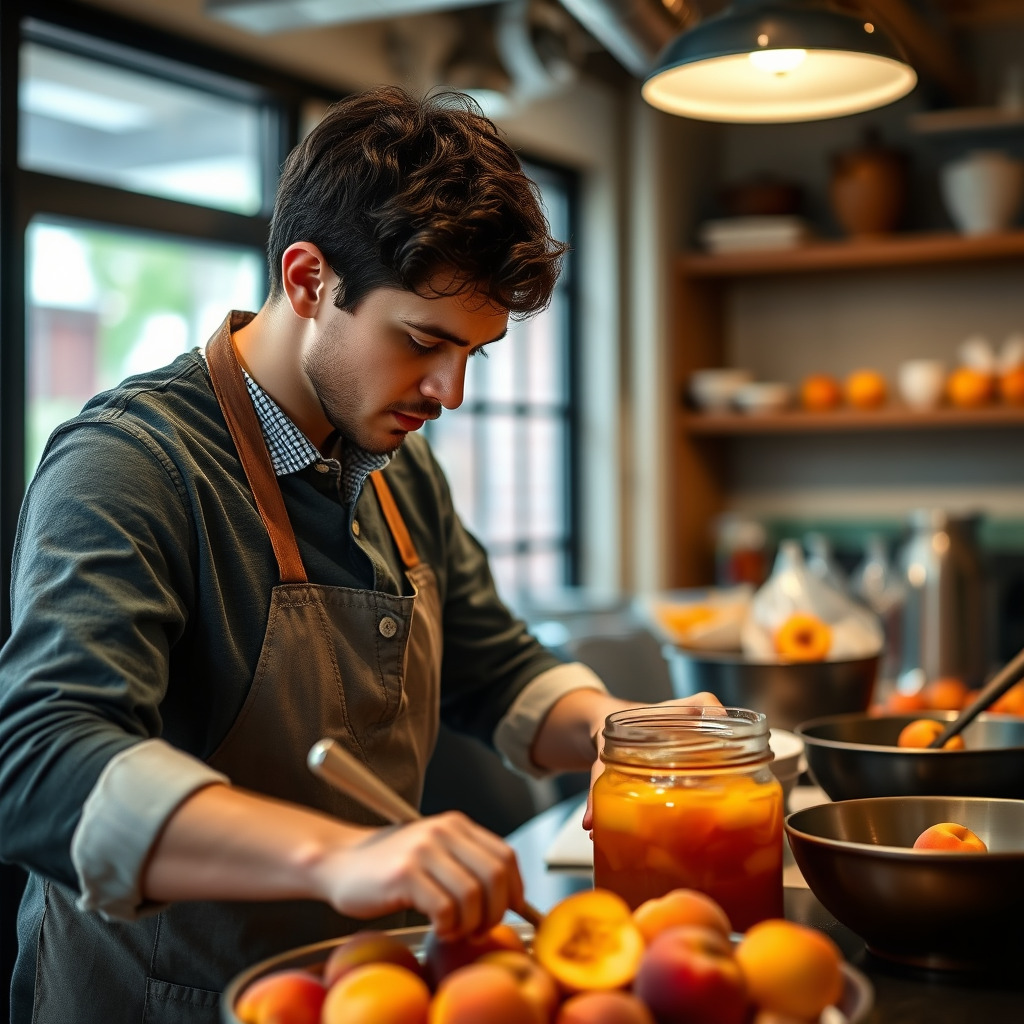
This guide offers a comprehensive, step-by-step method for crafting classic peach jam. You’ll find precise measurements, sterilization processes, and essential safety precautions for home canning. By emphasizing the use of fresh, ripe peaches, it outlines the ideal conditions for achieving the best flavor and texture in your jam. However, this guide does not delve into alternative jam recipes or methods, such as freezer jam or low-sugar variations, nor does it explore the history of jam making.
Who Should Read This
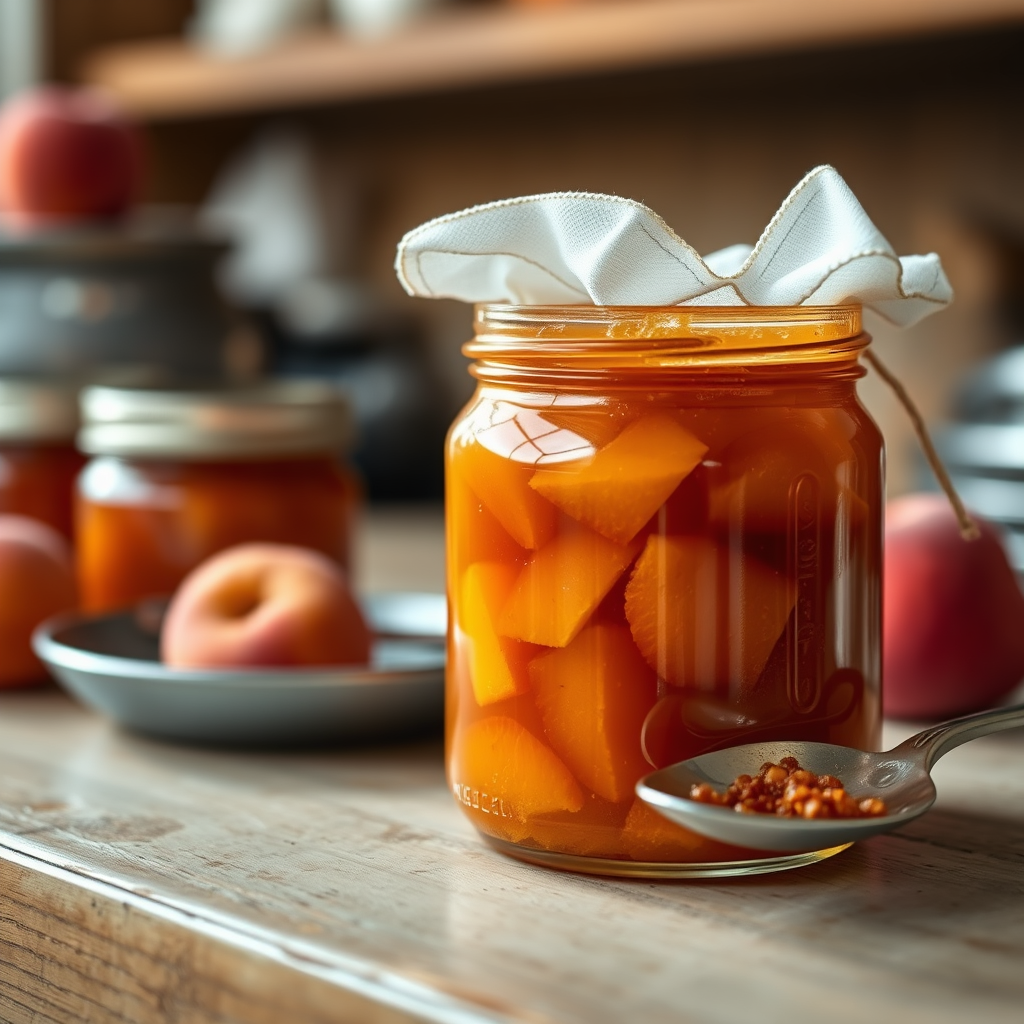
This article is designed for home cooks and food preservation enthusiasts who possess a basic knowledge of canning techniques and equipment. Readers should have access to fresh peaches and canning supplies, along with a readiness to adhere to precise food safety instructions. Beginners unfamiliar with the canning process may find this guide a bit overwhelming and should consider starting with simpler recipes before tackling classic peach jam.
The Step-by-Step Protocol
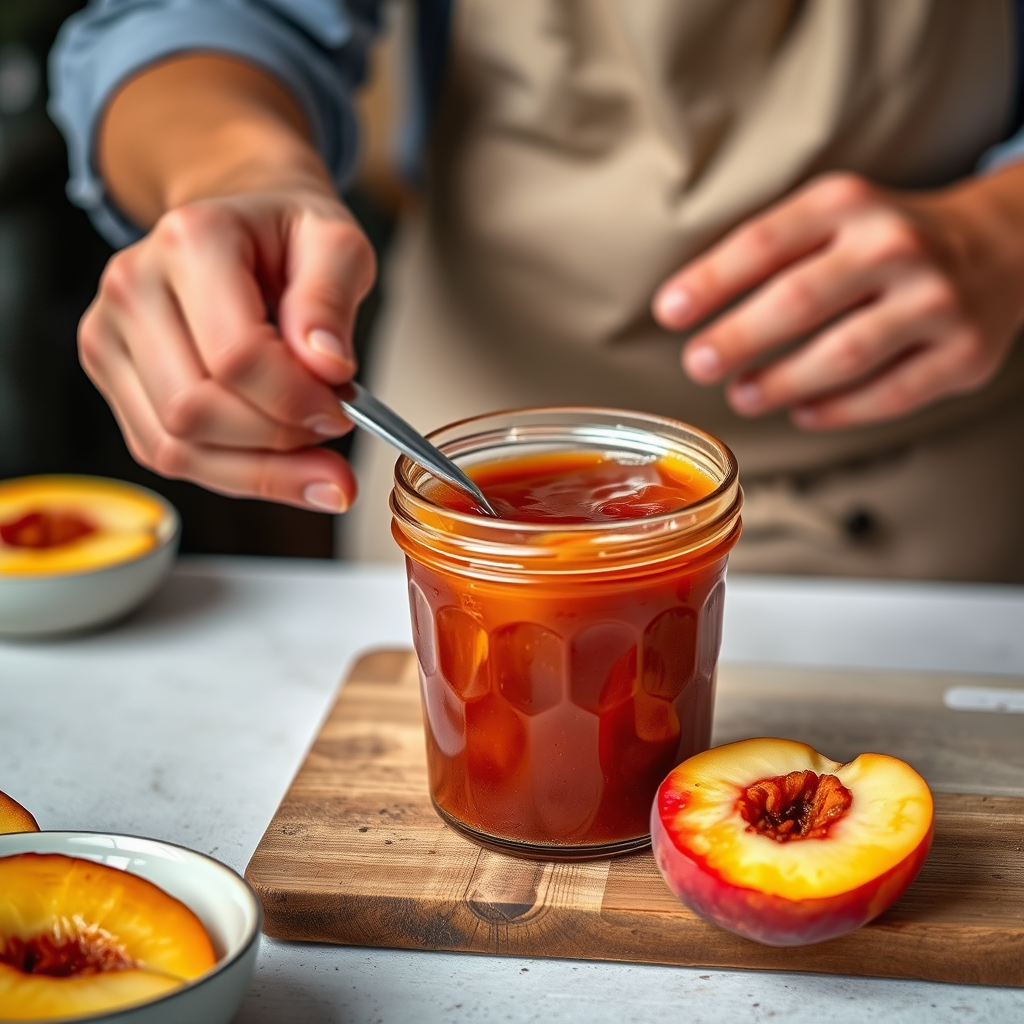
1. Gather your ingredients and equipment: You will need 4 cups of peeled and chopped peaches, 1 cup of granulated sugar, 1/4 cup of lemon juice, and 1 package of fruit pectin. Ensure you have sterilized jars and lids ready for canning.
2. Prepare the peaches: Begin by washing the peaches thoroughly. Blanch them in boiling water for 30 seconds, then transfer them to ice water to facilitate skin removal. Once skinned, chop the peaches into small pieces, measuring 4 cups.
3. Cook the mixture: In a large pot, combine the chopped peaches, lemon juice, and sugar. Heat over medium heat until the sugar dissolves. Next, add the fruit pectin and bring the mixture to a vigorous boil, stirring constantly for 1-2 minutes.
4. Fill and seal the jars: Pour the hot jam into the sterilized jars, leaving a 1/4 inch headspace. Wipe the rims clean, place the lids on securely, and process in a boiling water bath for 10 minutes to ensure a proper seal.
Peach Varieties for Jam Making
| # | Variety | Best For | Flavor Profile | Ripening Season |
|---|---|---|---|---|
| 1 | Freestone | Jam | Sweet, Juicy | July-August |
| 2 | Clingstone | Jam | Tangy, Firm | July-September |
| 3 | White Peach | Jam | Sweet, Floral | July-August |
| 4 | Donut Peach | Jam | Sweet, Unique | July-August |
| 5 | Yellow Peach | Jam | Rich, Sweet | July-August |
| 6 | Globe Peach | Jam | Sweet, Juicy | August-September |
| 7 | Flat Peach | Jam | Sweet, Unique | July-August |
Warning Signs: When Not to Follow This
Avoid this recipe if your peaches are overripe, bruised, or spoiled, as they can compromise the texture and safety of the jam. Additionally, refrain from attempting this recipe if you lack the essential canning equipment, such as a water bath canner or sterilized jars; doing so could lead to unsafe preservation. If you’re uncertain about the acidity levels of your peaches, it’s crucial to test the pH before proceeding, as low acidity can result in spoilage or foodborne illness.
The Most Common Mistakes (And Their Consequences)
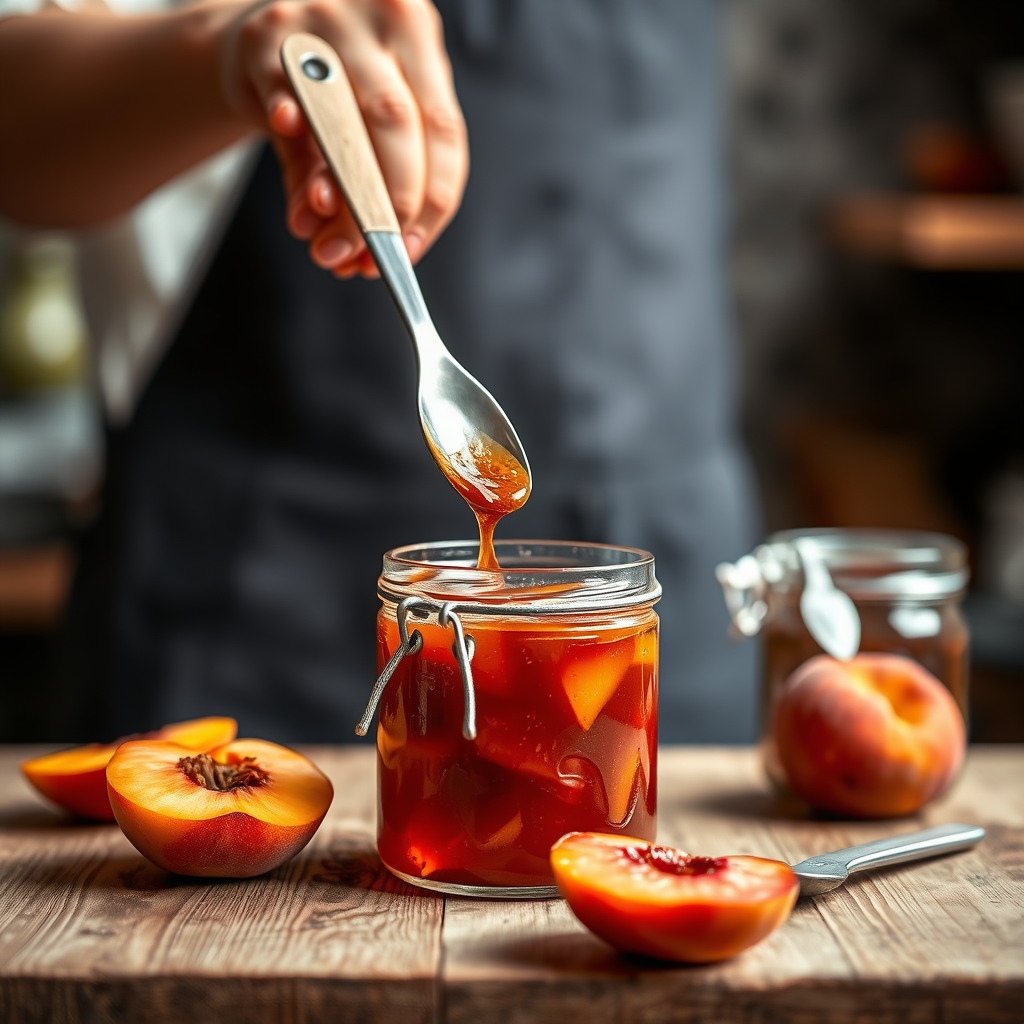
Neglecting to sterilize jars can lead to contamination, resulting in spoilage or botulism in the canned jam. Inaccurate measurements of sugar or pectin can impact the jam’s consistency, leading to a runny or overly sweet product. Failing to process jars in boiling water for the full recommended time can result in inadequate sealing, increasing the risk of spoilage.
Special Cases That Need a Different Approach
If you have a low-acid peach variety, consider adding extra lemon juice to ensure a safe pH level for canning. For those living at high altitudes (above 1,000 feet), adjustments to processing time may be necessary to ensure proper sealing and safety. If you are allergic to certain preservatives or additives, opt for natural pectin and avoid store-bought options that may contain additional ingredients.
When You Need a Professional
If you notice any signs of spoilage, such as bulging lids or off-smells, do not consume the jam. Instead, consult a food safety expert immediately. If you remain uncertain about the canning process after reading this guide, consider attending a local food preservation workshop or seeking advice from a certified food preservation expert. In cases of severe allergic reactions to any ingredients used, it’s essential to seek medical advice and possibly consult a nutritionist for safe food practices.
Sources and Further Reading
– USDA Complete Guide to Home Canning: An authoritative resource for safe canning practices, including detailed guidelines for fruit preserves.
– Ball Blue Book Guide to Preserving: A popular reference for home canners that includes classic recipes and techniques for fruit jams and jellies.
– National Center for Home Food Preservation: A comprehensive site providing research-based guidelines for safe food preservation methods, including canning and jam making.
Frequently Asked Questions
What ingredients do I need for a classic peach jam recipe?
To make a classic peach jam, you will need fresh ripe peaches, granulated sugar, lemon juice, and pectin. The peaches should be peeled and diced, while the sugar helps to preserve the jam and enhance its sweetness. Lemon juice adds acidity, which is crucial for balancing flavors and ensuring proper preservation.
How do I properly prepare peaches for making jam?
To prepare peaches for your classic peach jam, start by washing them thoroughly. Next, blanch the peaches in boiling water for about 30 seconds, then transfer them to an ice bath to cool. This process makes it easier to peel the skin off, after which you can pit and chop the peaches into small pieces for the jam.
Why is pectin important in a classic peach jam recipe?
Pectin is a natural thickening agent that helps to gel the jam, giving it the desired consistency. In a classic peach jam recipe, using pectin ensures that the jam sets properly and maintains its shape when spread. If you prefer a more natural approach, you can also use the natural pectin found in the skins and cores of fruits, but this may require additional cooking time.
What is the best way to store homemade peach jam?
The best way to store homemade peach jam is in sterilized glass jars with airtight lids. Once you’ve filled the jars, process them in a water bath canner for about 10 minutes to ensure they are sealed properly. Store the sealed jars in a cool, dark place, and once opened, keep them in the refrigerator for up to a month.
Which types of peaches are best for making classic peach jam?
The best types of peaches for making classic peach jam are freestone peaches, as they are easier to pit. Varieties such as Clingstone peaches can also be used, but they require more effort to remove the pit. Look for ripe, fragrant peaches with no bruises or blemishes, as their sweetness and juiciness will enhance the flavor of your jam.
References
- Fruit preserves
https://en.wikipedia.org/wiki/Jam - https://www.oregon.gov/ode/educator-resources/Pages/food-safety.aspx
https://www.oregon.gov/ode/educator-resources/Pages/food-safety.aspx - https://www.extension.purdue.edu/extmedia/FNR/FNR-498-W.pdf
https://www.extension.purdue.edu/extmedia/FNR/FNR-498-W.pdf - https://www.foodsafety.gov/keep/charts/jam.html
https://www.foodsafety.gov/keep/charts/jam.html - https://www.extension.umn.edu/food/food-safety/food-preservation/canning-fruits/peach-jam/
https://www.extension.umn.edu/food/food-safety/food-preservation/canning-fruits/peach-jam/ - Google Scholar Google Scholar
https://scholar.google.com/scholar?q=classic+peach+jam+recipe - Google Scholar Google Scholar
https://scholar.google.com/scholar?q=peach+jam+preservation - Google Scholar Google Scholar
https://scholar.google.com/scholar?q=fruit+preservation+techniques - HIV treatment eligibility expansion and timely antiretroviral treatment initiation following enro…
https://www.ncbi.nlm.nih.gov/pmc/articles/PMC5865713/ - Jam | food | Britannica
https://www.britannica.com/topic/jam-food