This complete step-by-step guide to safely making blueberry jam provides essential recipes and techniques for both novice and experienced canners. Following the right protocols ensures your jam not only tastes great but also meets safety standards, preventing spoilage and ensuring a delicious product. Discover how to select the best blueberries, master the cooking process, and properly seal your jars for long-lasting enjoyment.
What This Guide Covers (And What It Doesn’t)
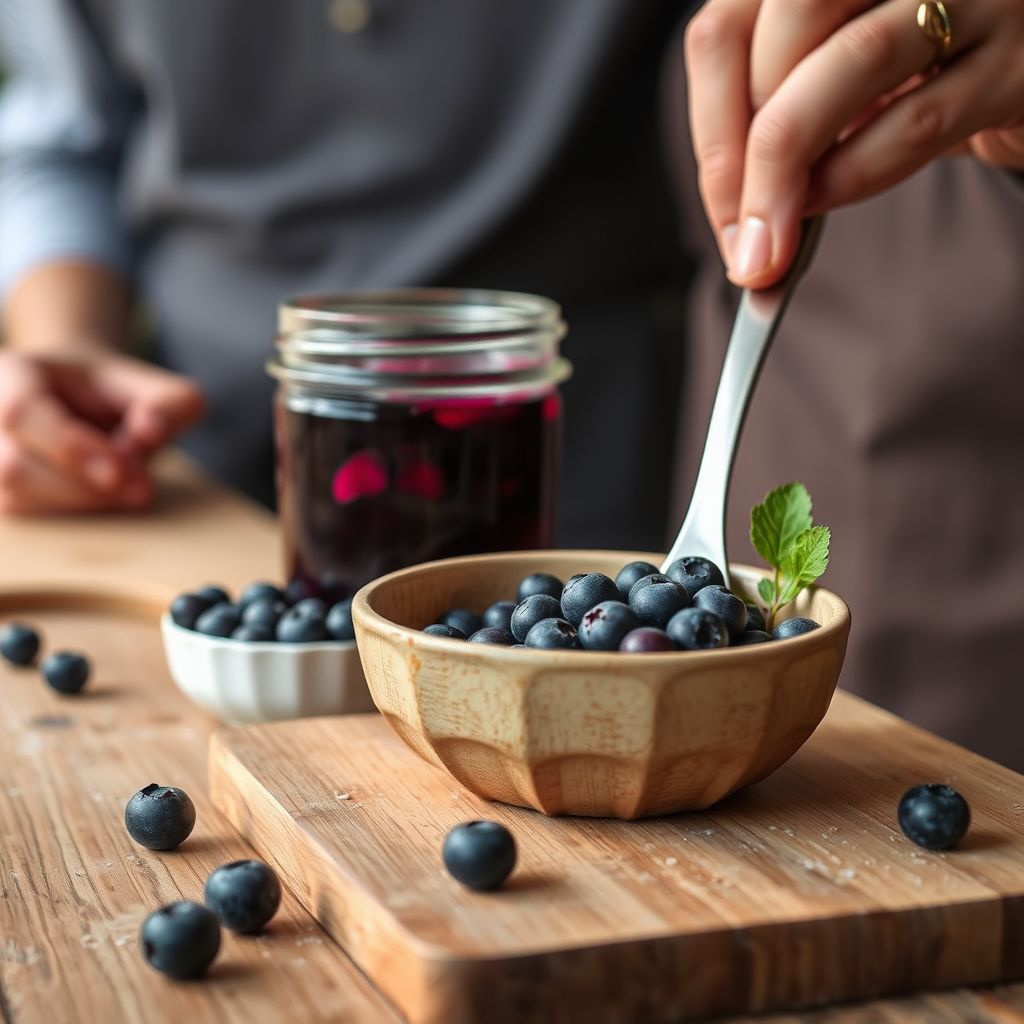
This comprehensive guide offers detailed, step-by-step instructions for making blueberry jam at home. It emphasizes safety, ingredient selection, and preservation techniques. Inside, you will find specific recipes for traditional blueberry jam, low-sugar blueberry jam, and variations infused with flavors like lemon or vanilla. However, this guide does not delve into other types of fruit preserves or jellies, nor does it address canning methods for fruits or vegetables outside of blueberry jam.
Who Should Read This
This guide is perfect for home cooks with basic kitchen skills who are eager to try their hand at making blueberry jam. While readers should have a general understanding of food safety practices—such as proper sterilization of jars and equipment—no prior jam-making experience is necessary. Those with specific dietary restrictions or health conditions are advised to seek alternative recipes or consult a nutritionist before attempting any jam recipes.
The Step-by-Step Protocol
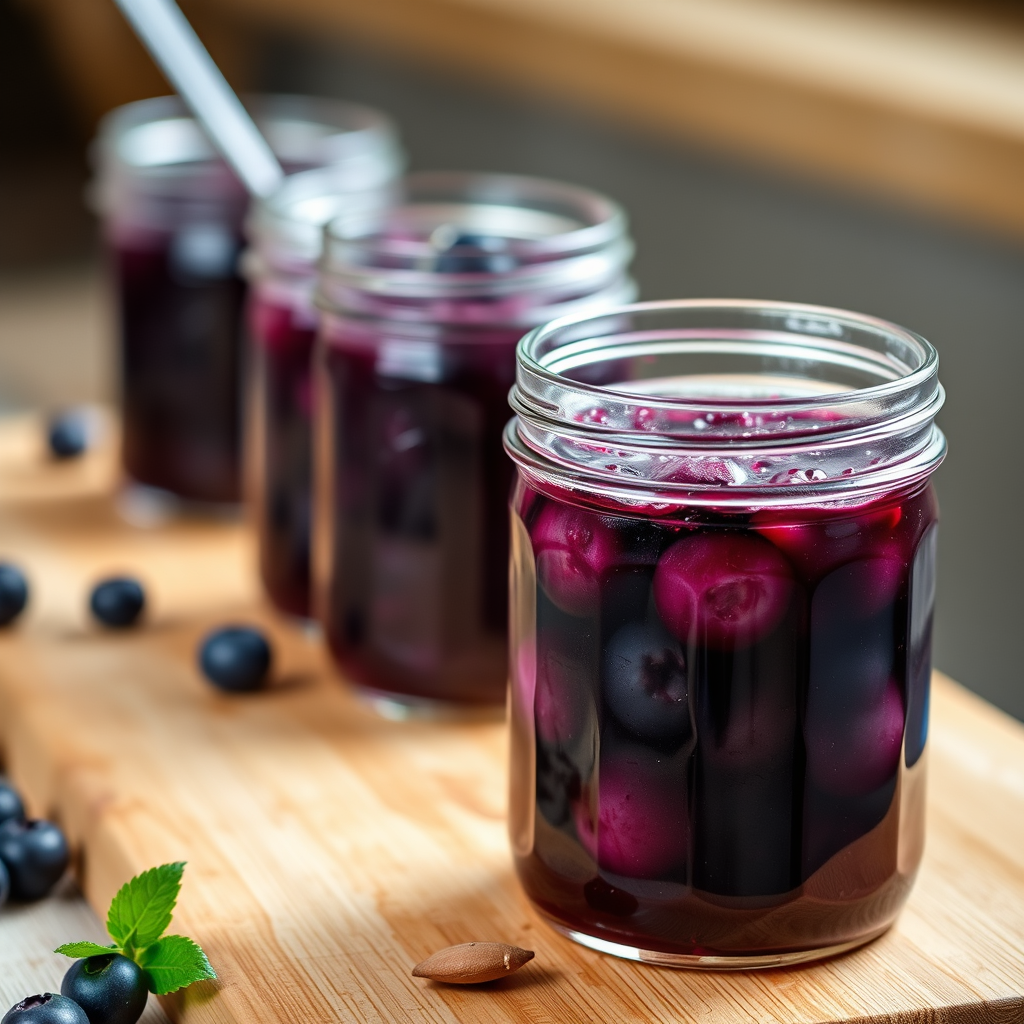
1. Gather Ingredients and Equipment: Start by collecting 4 cups of fresh blueberries, 1 cup of granulated sugar, 2 tablespoons of lemon juice, and canning jars with lids. Ensure all equipment is sterilized by boiling jars and lids for 10 minutes.
2. Prepare the Blueberries: Rinse the blueberries under cold water, discarding any stems or damaged fruit. Lightly mash them in a large bowl or pot using a potato masher or fork to release their juices. Aim for a combination of whole berries and crushed ones to enhance the jam’s texture.
3. Cook the Jam: In a large, heavy-bottomed saucepan, combine the mashed blueberries, sugar, and lemon juice. Heat over medium, stirring constantly until the sugar completely dissolves. Raise the temperature to bring the mixture to a rapid boil. Cook for 10 to 15 minutes, stirring frequently, until the mixture thickens and reaches a temperature of 220°F (104°C) on a candy thermometer.
4. Jar and Seal: Once the jam reaches the desired consistency, remove it from heat. Pour the hot jam into sterilized jars, leaving 1/4 inch of headspace. Wipe the rims with a clean cloth to ensure a proper seal. Place the lids on the jars and screw the bands on until they are fingertip-tight. Process the jars in a boiling water bath for 10 minutes to ensure they seal properly.
Top 7 Blueberry Jam Brands by Popularity (2024)
| # | Brand | Ingredients | Sugar Content (g) | Rating |
|---|---|---|---|---|
| 1 | Smucker’s | Blueberries, Sugar, Pectin | 12 | ★★★★☆ |
| 2 | Bonne Maman | Blueberries, Sugar, Lemon Juice | 11 | ★★★★★ |
| 3 | Tiptree | Blueberries, Sugar, Citric Acid | 13 | ★★★★☆ |
| 4 | Wild Oats | Blueberries, Cane Sugar, Pectin | 10 | ★★★☆☆ |
| 5 | St. Dalfour | Blueberries, Grape Juice, Pectin | 9 | ★★★★☆ |
| 6 | Merritt’s | Blueberries, Sugar, Natural Flavor | 14 | ★★☆☆☆ |
| 7 | Crofter’s | Blueberries, Organic Cane Sugar, Pectin | 8 | ★★★★★ |
Warning Signs: When Not to Follow This
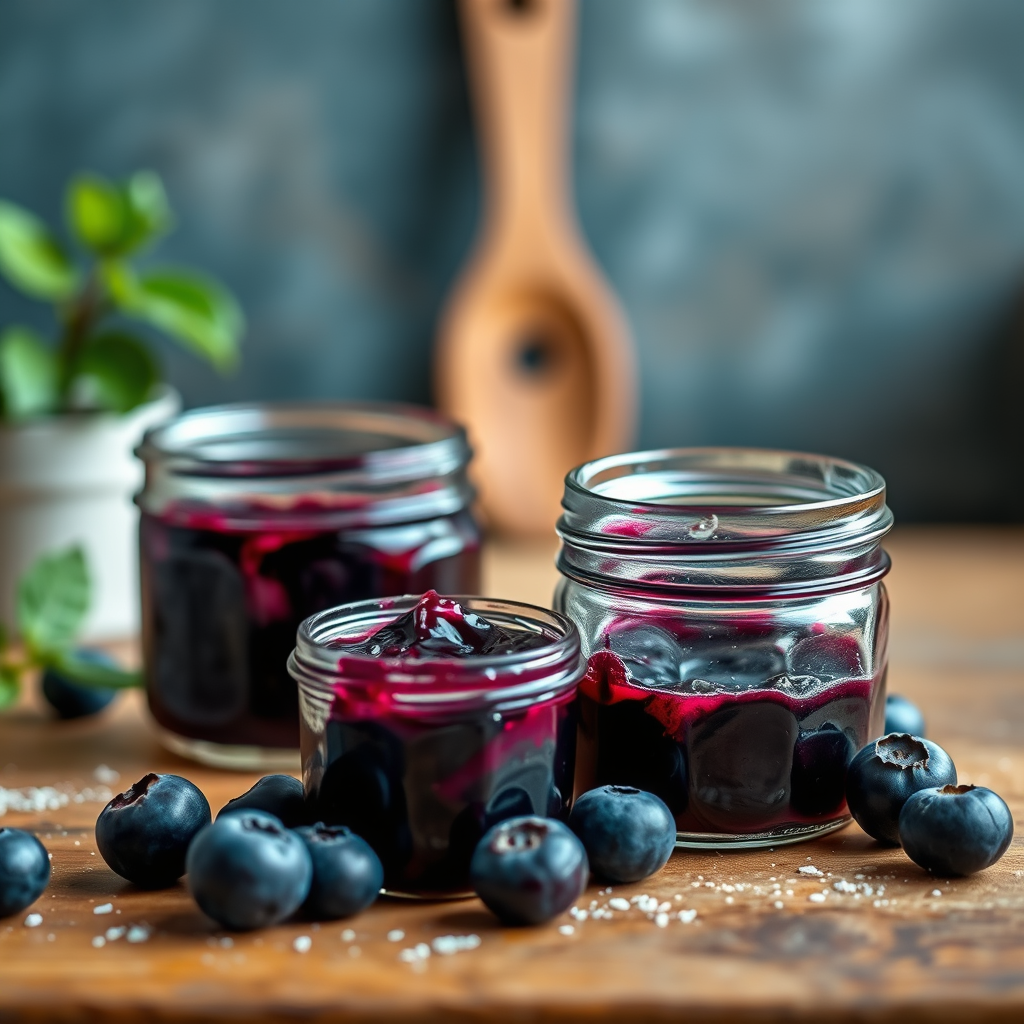
– Do not attempt to make blueberry jam if your blueberries show signs of mold or are overly ripe, as this can compromise both the safety and quality of the jam.
– Avoid making jam without access to sterilized canning jars or proper canning equipment. Improper sealing can lead to spoilage and potential foodborne illnesses.
– If you have a known allergy to any of the ingredients, such as blueberries or sugar, consult with a healthcare professional before proceeding with this guide.
The Most Common Mistakes (And Their Consequences)
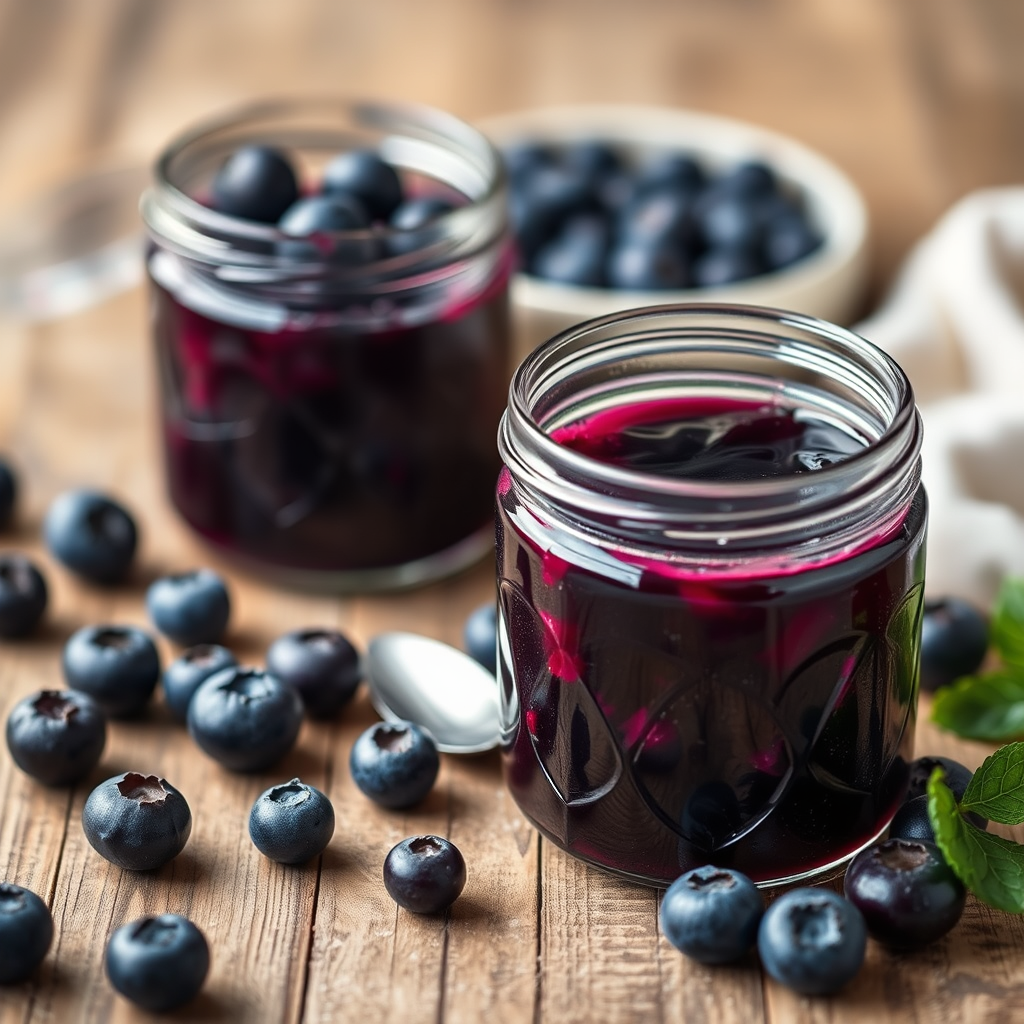
– A frequent error is failing to measure ingredients accurately. Using too much or too little sugar can result in jam that doesn’t set properly or is excessively sweet, leading to disappointment in both taste and texture.
– Skipping the boiling water bath process can jeopardize safe preservation. This step is crucial for sealing jars effectively and preventing spoilage or foodborne illness.
– Underestimating cooking time can yield a runny jam that fails to thicken, while overcooking may lead to a jam that is overly thick or caramelized, rendering it undesirable.
Special Cases That Need a Different Approach
– When using frozen blueberries, ensure they are completely thawed and excess liquid is drained before proceeding with the recipe, as this can impact the final consistency of the jam.
– For those aiming to create a low-sugar version, select a pectin specifically designed for low-sugar recipes, closely following the manufacturer’s instructions to achieve the correct proportions for proper setting.
– If you wish to infuse the jam with additional flavors, such as herbs or spices, add them during the initial cooking phase. Be prepared to adjust cooking times based on how these ingredients affect the jam’s consistency.
When You Need a Professional
– If you notice any signs of botulism—such as a bulging lid or off smells—after processing your jam, discard it immediately and seek advice from a food safety expert.
– If you have concerns regarding the safety of your home-canned products or questions about food preservation methods, contact a local extension office or a certified food preservation specialist.
– Individuals with health concerns related to sugar intake or dietary restrictions should consult a registered dietitian or nutritionist before making adjustments to traditional jam recipes.
Sources and Further Reading
– USDA Complete Guide to Home Canning: This resource offers comprehensive information on safe canning practices and recipes, including berry jams.
– National Center for Home Food Preservation: A reliable source for safe methods of preserving foods, with a focus on fruit jams and jellies.
– “Blueberry Jam: The Recipe That Makes Your Taste Buds Dance” by Martha Stewart: A well-regarded cookbook featuring various blueberry recipes, including detailed jam-making instructions.
By following this guide, you’ll not only create delicious blueberry jam but also ensure that your culinary adventure is safe and satisfying. Enjoy the process and the delightful results!
Frequently Asked Questions
What are the basic ingredients for homemade blueberry jam?
The basic ingredients for homemade blueberry jam include fresh or frozen blueberries, granulated sugar, and lemon juice. You can also add pectin to help the jam set properly. This simple combination allows you to create a delicious and flavorful blueberry jam that captures the essence of the berries.
How do I make blueberry jam without pectin?
To make blueberry jam without pectin, start by mashing fresh blueberries in a pot and adding sugar and lemon juice. Cook the mixture over medium heat, stirring frequently until it reaches a rolling boil. Continue boiling until it thickens to your desired consistency, which typically takes about 15-20 minutes, then pour it into sterilized jars.
Why is my blueberry jam not setting properly?
If your blueberry jam is not setting properly, it may be due to insufficient cooking time or not enough sugar. Ensure you cook the jam long enough to evaporate excess water and activate the natural pectin in the blueberries. You can also add lemon juice for acidity, which helps with the gelling process.
What is the best way to store homemade blueberry jam?
The best way to store homemade blueberry jam is in sterilized glass jars with airtight lids. Keep the jars in a cool, dark place, such as a pantry or cellar, for up to a year. Once opened, store the jam in the refrigerator, where it will last for several weeks, allowing you to enjoy your blueberry jam for longer.
Which types of blueberries are best for making jam?
The best types of blueberries for making jam are highbush blueberries, which are larger and have a sweeter flavor. You can also use wild blueberries for a more intense berry taste and vibrant color. Regardless of the variety, ensure the blueberries are ripe and free from blemishes for the best jam-making results.
References
- Blueberry (disambiguation)
https://en.wikipedia.org/wiki/Blueberry_jam - https://www.ncbi.nlm.nih.gov/pmc/articles/PMC7035687/
https://www.ncbi.nlm.nih.gov/pmc/articles/PMC7035687/ - https://pubmed.ncbi.nlm.nih.gov/30537293/
https://pubmed.ncbi.nlm.nih.gov/30537293/ - https://www.britannica.com/topic/jam
https://www.britannica.com/topic/jam - https://www.sciencedirect.com/topics/agricultural-and-biological-sciences/blueberry-jam
https://www.sciencedirect.com/topics/agricultural-and-biological-sciences/blueberry-jam - Google Scholar Google Scholar
https://scholar.google.com/scholar?q=blueberry+jam+recipes - Google Scholar Google Scholar
https://scholar.google.com/scholar?q=making+blueberry+jam - Google Scholar Google Scholar
https://scholar.google.com/scholar?q=blueberry+preservation+methods - https://www.washington.edu/extension/publications/blueberry-jam/
https://www.washington.edu/extension/publications/blueberry-jam/ - https://www.foodsafety.gov/food-safety-charts/jam-jelly-safety-guide
https://www.foodsafety.gov/food-safety-charts/jam-jelly-safety-guide