This expert guide provides a complete protocol for safely making passion fruit jam, ensuring you achieve perfect results every time. From selecting the ripest fruits to mastering the cooking process, following these precise steps is crucial for both flavor and food safety. Elevate your jam-making skills while avoiding common pitfalls with this comprehensive approach.
What This Guide Covers (And What It Doesn’t)
This guide delivers a comprehensive, step-by-step protocol for safely making passion fruit jam, detailing ingredient selection, preparation methods, and storage techniques. Here, you’ll find specific quantities of passion fruit, sugar, and pectin essential for successful jam production, along with processing times and temperature thresholds. Targeted at home cooks familiar with basic canning techniques, this guide aims to expand your jam-making repertoire. However, it does not delve into alternative fruit preserves or general jam-making methods.
Who Should Read This
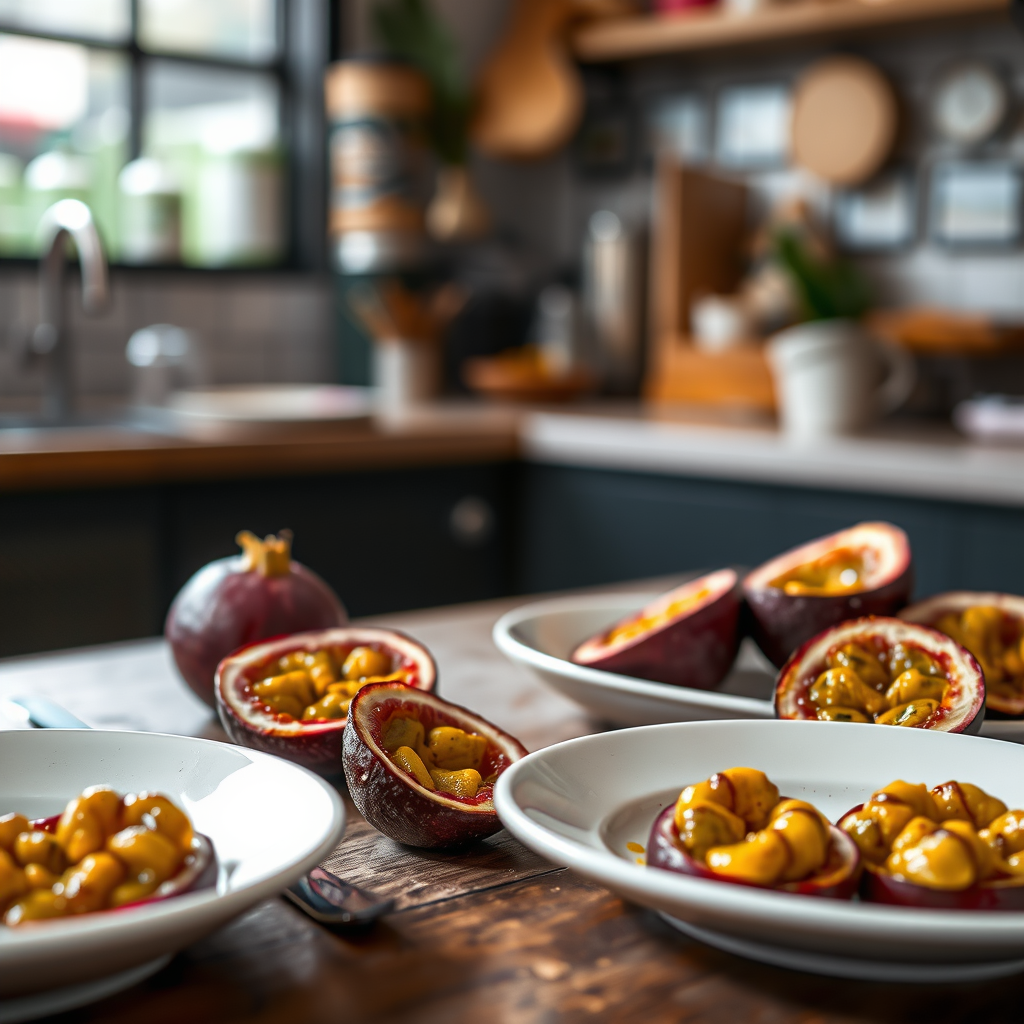
This guide is tailored for intermediate home cooks with experience in canning and preserving, particularly those eager to use tropical fruits like passion fruit in their recipes. To fully benefit from this guide, readers should possess a foundational understanding of food safety practices, including sterilization and sealing methods, as these concepts are vital for producing safe, shelf-stable jam. Beginners without canning experience may find this guide overwhelming and are encouraged to first familiarize themselves with general canning principles before attempting this specific recipe.
The Step-by-Step Protocol
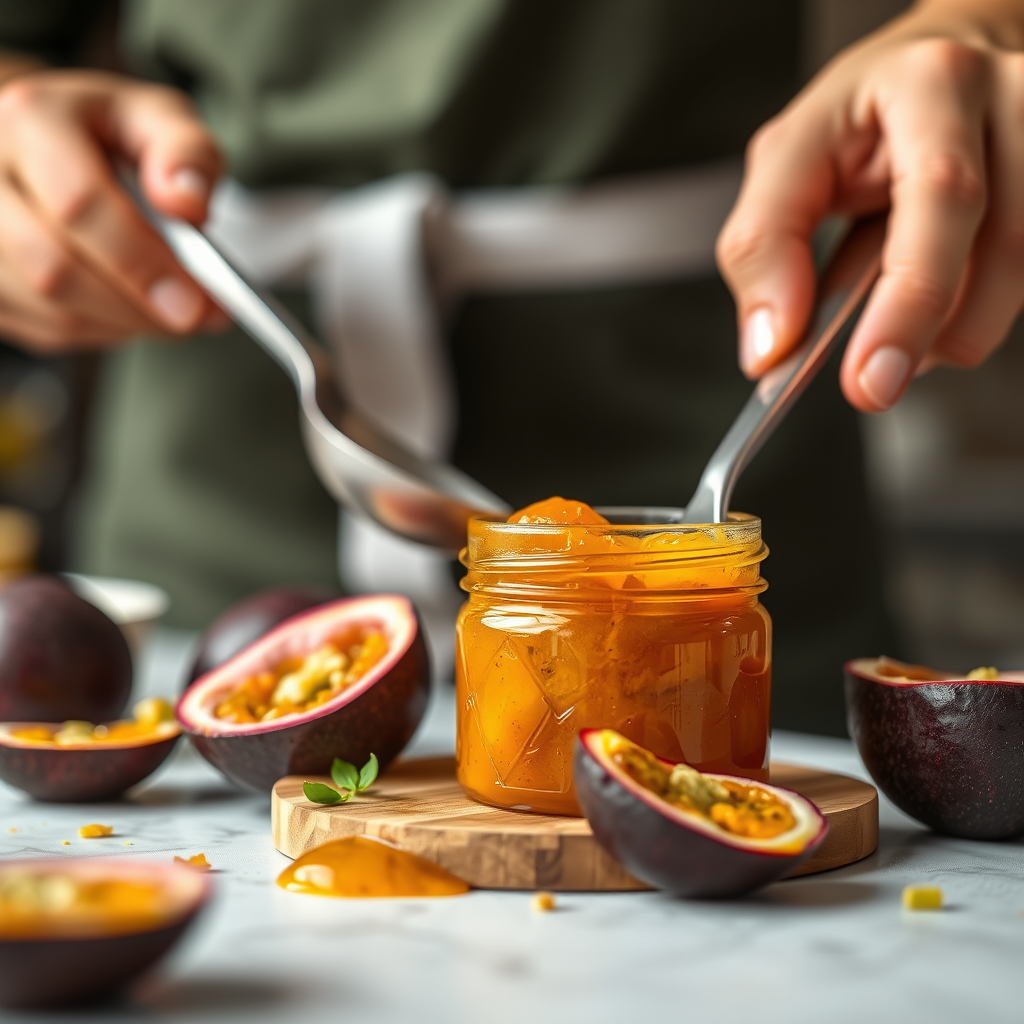
1. Gather Ingredients and Equipment: Collect 2 cups of fresh passion fruit pulp, 1 cup of granulated sugar, 1 tablespoon of lemon juice, and 1 package (1.75 oz) of fruit pectin. Prepare sterilized jars and lids for canning. Ensure that all equipment is clean and dry to prevent contamination.
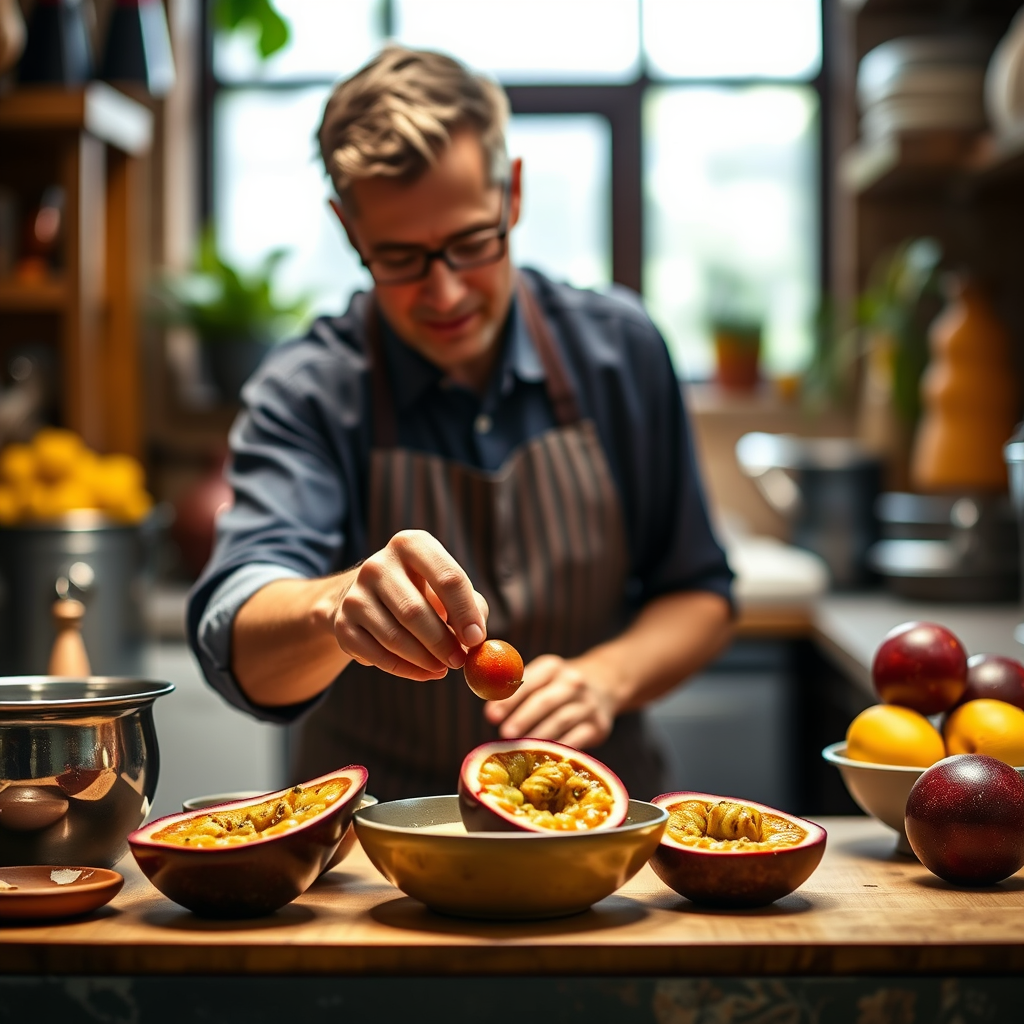
2. Prepare Passion Fruit: Cut each passion fruit in half and scoop out the pulp, ensuring to include the seeds. If a smoother texture is desired, strain the pulp through a fine mesh sieve. However, leaving the seeds adds a delightful crunch and texture to the jam.
3. Cook the Mixture: In a large pot, combine the passion fruit pulp, sugar, and lemon juice. Stir over medium heat until the sugar has completely dissolved. Once dissolved, add the fruit pectin and bring the mixture to a rolling boil, stirring continuously for 1-2 minutes to prevent sticking and burning.
4. Check for Doneness: Use a food thermometer to ensure the mixture reaches 220°F (104°C), the temperature at which jam sets. Alternatively, perform a plate test by placing a small amount of the jam on a chilled plate; if it wrinkles when pushed with a finger, it’s ready.
5. Fill Jars: Immediately pour the hot jam into the sterilized jars, leaving a ¼ inch headspace to allow for expansion. Wipe the rims of the jars with a clean cloth to remove any residue, then seal with sterilized lids, ensuring a tight fit.
6. Process the Jars: Process the jars in a boiling water bath for 10 minutes to ensure proper sealing and preserve the jam. Adjust the processing time for altitude; for instance, at altitudes above 1,000 feet, increase processing time by one additional minute for every additional 1,000 feet.
7. Cool and Store: Remove jars from the boiling water bath and let them cool completely on a clean towel or cooling rack. Once cooled, check the seals by pressing the center of each lid. If it does not pop back, the jar has sealed correctly. Store the sealed jars in a cool, dark place, and refrigerate any jars that do not seal properly.
Nutritional Comparison of Passion Fruit Jam Ingredients (per serving)
| # | Ingredient | Calories (per 100g) | Sugars (g) | Fiber (g) | Vitamin C (% DV) |
|---|---|---|---|---|---|
| 1 | Passion Fruit Pulp | 97 | 13.67 | 10.4 | 30% |
| 2 | Granulated Sugar | 387 | 100 | 0 | 0% |
| 3 | Lemon Juice | 22 | 1.5 | 0.2 | 12% |
| 4 | Fruit Pectin | 50 | 0 | 0 | 0% |
| 5 | Total Jam | 116 | 40.67 | 10.6 | 42% |
Warning Signs: When Not to Follow This
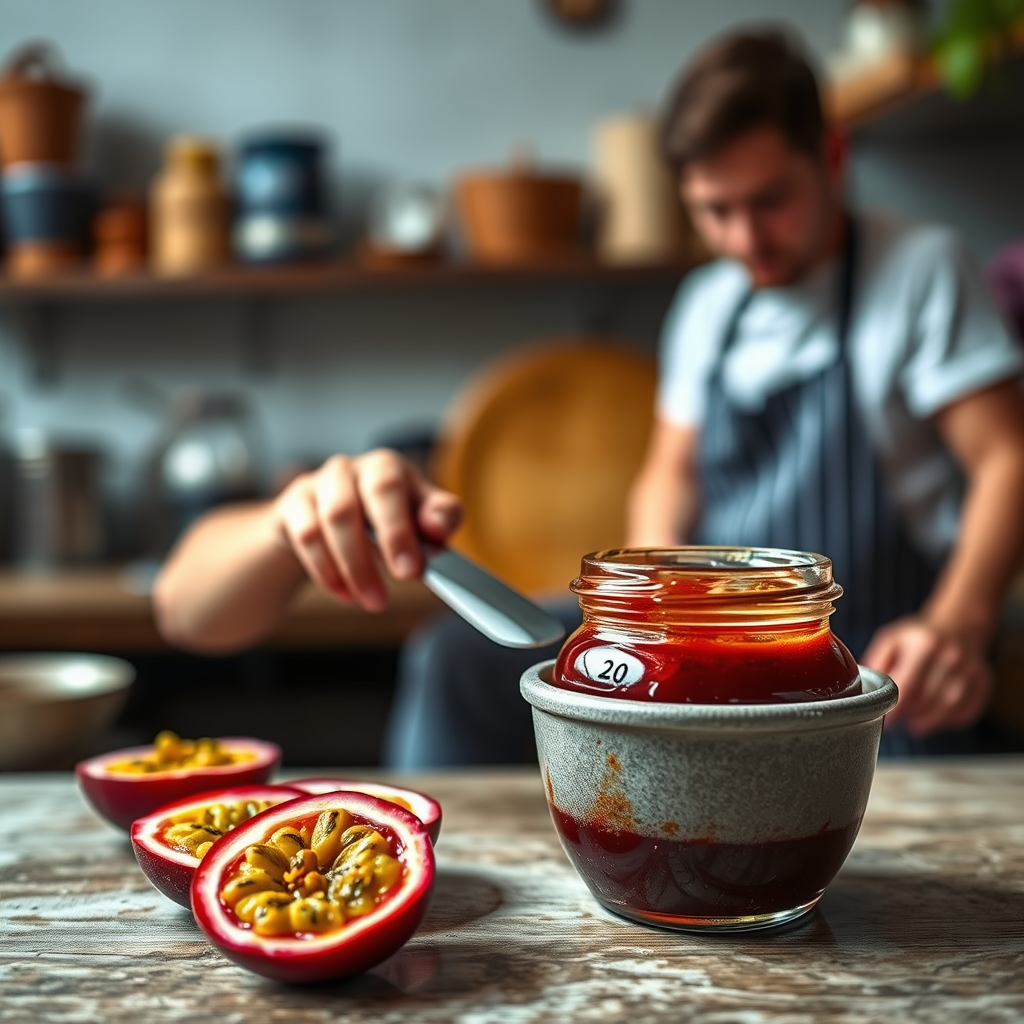
– If the passion fruit pulp appears spoiled, fermented, or emits an off-smell, do not use it, as this can compromise the safety and flavor of your jam.
– Avoid this recipe if you cannot maintain a consistent boiling temperature throughout the cooking process, as this is critical for achieving the correct gel consistency.
– If you have never canned before and lack a reliable source for safe canning practices, consider learning basic canning techniques before attempting this recipe.
The Most Common Mistakes (And Their Consequences)
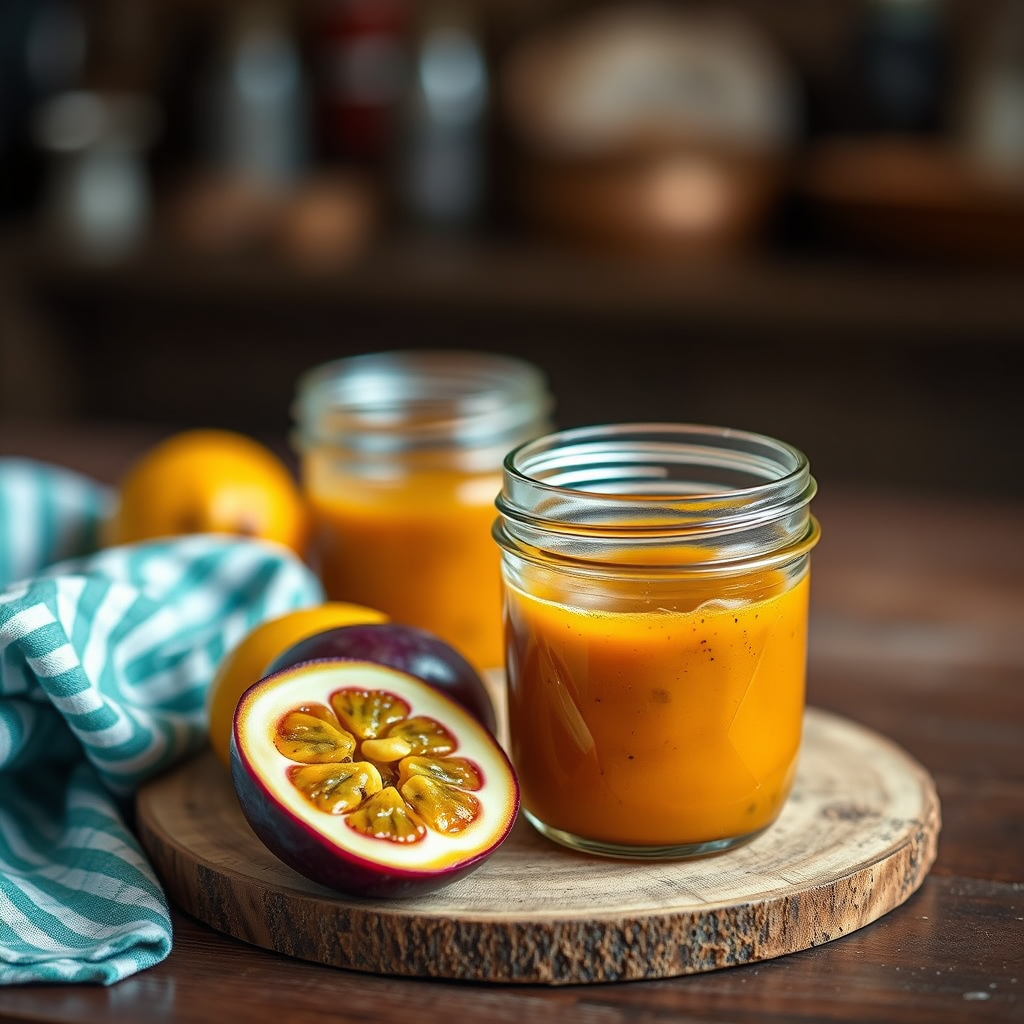
– Many home cooks underestimate the importance of precise measurements; using insufficient sugar or pectin can result in a jam that fails to set properly, leading to an unappetizing syrupy consistency.
– Failing to properly sterilize jars and lids can introduce bacteria, leading to spoilage and potential foodborne illnesses. Always ensure jars are boiled or run through a dishwasher cycle on high heat.
– Neglecting to check the seal on jars after processing can result in spoilage; if a jar has not sealed correctly, it can lead to mold growth if stored, making the jam unsafe for consumption.
Special Cases That Need a Different Approach
– For those living at high altitudes (above 1,000 feet), adjustments in processing time are necessary; a longer boiling time may be required to ensure proper sealing and preservation. For every additional 1,000 feet above sea level, increase the boiling time by 1 minute.
– If using frozen passion fruit pulp, ensure it is completely thawed and any excess liquid is drained. Excess moisture can affect the gel consistency of the jam, leading to a runny texture.
– Individuals with dietary restrictions may need to consider low-sugar or no-sugar pectin alternatives, which require different preparation methods and may yield different results in texture and flavor.
When You Need a Professional
– If you are unsure about the safety of your ingredients or the canning process, consult a food preservation expert or a local extension service specializing in home food preservation.
– If you notice any signs of spoilage, such as bubbling, unusual discoloration, or off odors in your finished jam, discard the product immediately and seek guidance on safe food handling practices.
– Those with underlying health conditions or compromised immune systems should consider consulting a licensed nutritionist or food safety professional before attempting home canning to ensure it meets their dietary needs.
Sources and Further Reading
– “The USDA Complete Guide to Home Canning” (USDA National Institute of Food and Agriculture) – provides authoritative guidelines on canning safety and practices.
– “Ball Complete Book of Home Preserving” – a comprehensive resource on various fruit preserves, including passion fruit jam, with tested recipes.
– National Center for Home Food Preservation – an excellent source for safe canning techniques and troubleshooting guidance for home canners.
Frequently Asked Questions
What ingredients do I need to make passion fruit jam?
To make delicious passion fruit jam, you will need fresh passion fruits, granulated sugar, lemon juice, and pectin. The amount of sugar may vary depending on your desired sweetness, while lemon juice enhances the flavor and helps with the setting process. Ensure you use ripe passion fruits for the best taste and aroma.
How do I prepare passion fruit for jam?
To prepare passion fruit for jam, start by cutting the fruits in half and scooping out the pulp and seeds into a bowl. You can use a fine mesh strainer to separate the juice from the seeds if you prefer a smoother texture. Combine the pulp with sugar and lemon juice according to your recipe to start the jam-making process.
Why is my passion fruit jam not setting properly?
If your passion fruit jam is not setting, it may be due to insufficient pectin or not cooking it long enough. Ensure you use the right amount of pectin as indicated in your recipe, and allow the mixture to boil for the recommended time to activate the pectin. Additionally, avoid using too much sugar, as it can interfere with the setting process.
What is the best way to store homemade passion fruit jam?
The best way to store homemade passion fruit jam is in sterilized glass jars with tight-fitting lids. After canning, keep the jars in a cool, dark place for up to a year. Once opened, store the jam in the refrigerator and consume it within a few weeks for the best flavor and freshness.
Which type of pectin should I use for passion fruit jam?
For passion fruit jam, you can use either liquid or powdered pectin, but make sure it is specifically designed for fruit jams and jellies. Liquid pectin is often easier to use, while powdered pectin may require a different cooking method. Always follow the instructions on the pectin packaging for the best results in achieving a perfect set.
References
- Passiflora edulis
https://en.wikipedia.org/wiki/Passion_fruit - https://www.ncbi.nlm.nih.gov/pmc/articles/PMC6815977/
https://www.ncbi.nlm.nih.gov/pmc/articles/PMC6815977/ - https://www.sciencedirect.com/topics/agricultural-and-biological-sciences/passion-fruit
https://www.sciencedirect.com/topics/agricultural-and-biological-sciences/passion-fruit - https://www.britannica.com/plant/passion-fruit
https://www.britannica.com/plant/passion-fruit - https://www.healthline.com/nutrition/passion-fruit-benefits
https://www.healthline.com/nutrition/passion-fruit-benefits - https://www.cdc.gov/nutrition/food-safety.html
https://www.cdc.gov/nutrition/food-safety.html - Food safety
https://www.who.int/news-room/fact-sheets/detail/food-safety - Google Scholar Google Scholar
https://scholar.google.com/scholar?q=recipe+for+passion+fruit+jam - Google Scholar Google Scholar
https://scholar.google.com/scholar?q=passion+fruit+jam+nutritional+benefits - Google Scholar Google Scholar
https://scholar.google.com/scholar?q=making+jam+with+passion+fruit