Master the art of crafting Mayhaw jelly with this expert guide that outlines the essential protocol for safe preparation. This comprehensive recipe ensures your jelly not only captures the unique flavor of mayhaws but also adheres to food preservation standards for safety and quality. Following precise steps is crucial to avoid common pitfalls and achieve a delicious, shelf-stable product. Whether you’re a novice or a seasoned canner, this guide will elevate your jelly-making skills.
What This Guide Covers (And What It Doesn’t)
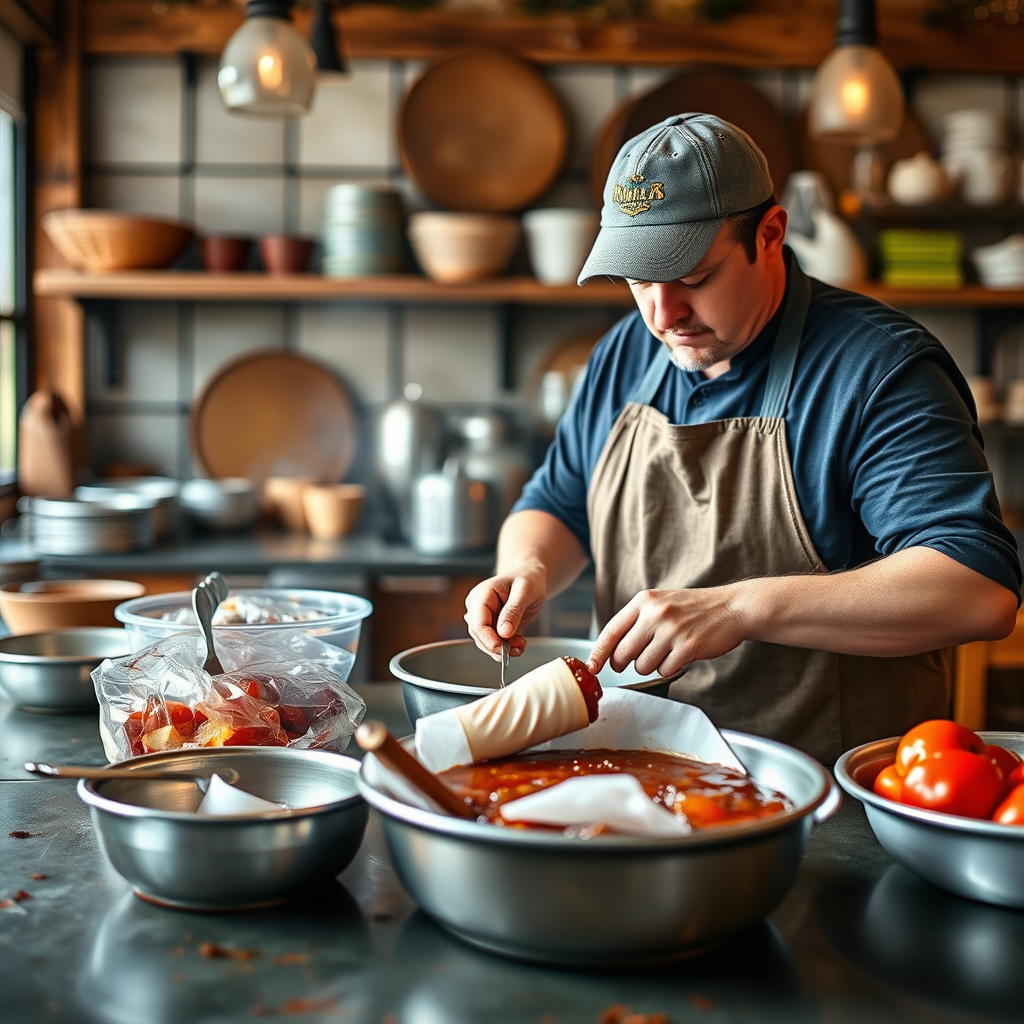
This guide offers a detailed, step-by-step protocol for safely making mayhaw jelly, covering everything from specific ingredients to essential equipment and canning methods. It intentionally excludes alternative jelly recipes and other food preservation techniques to maintain a focused approach. Designed for home canners and food preservers with a basic grasp of cooking techniques and food safety, this guide aims to empower you to create your own delicious mayhaw jelly.
Who Should Read This
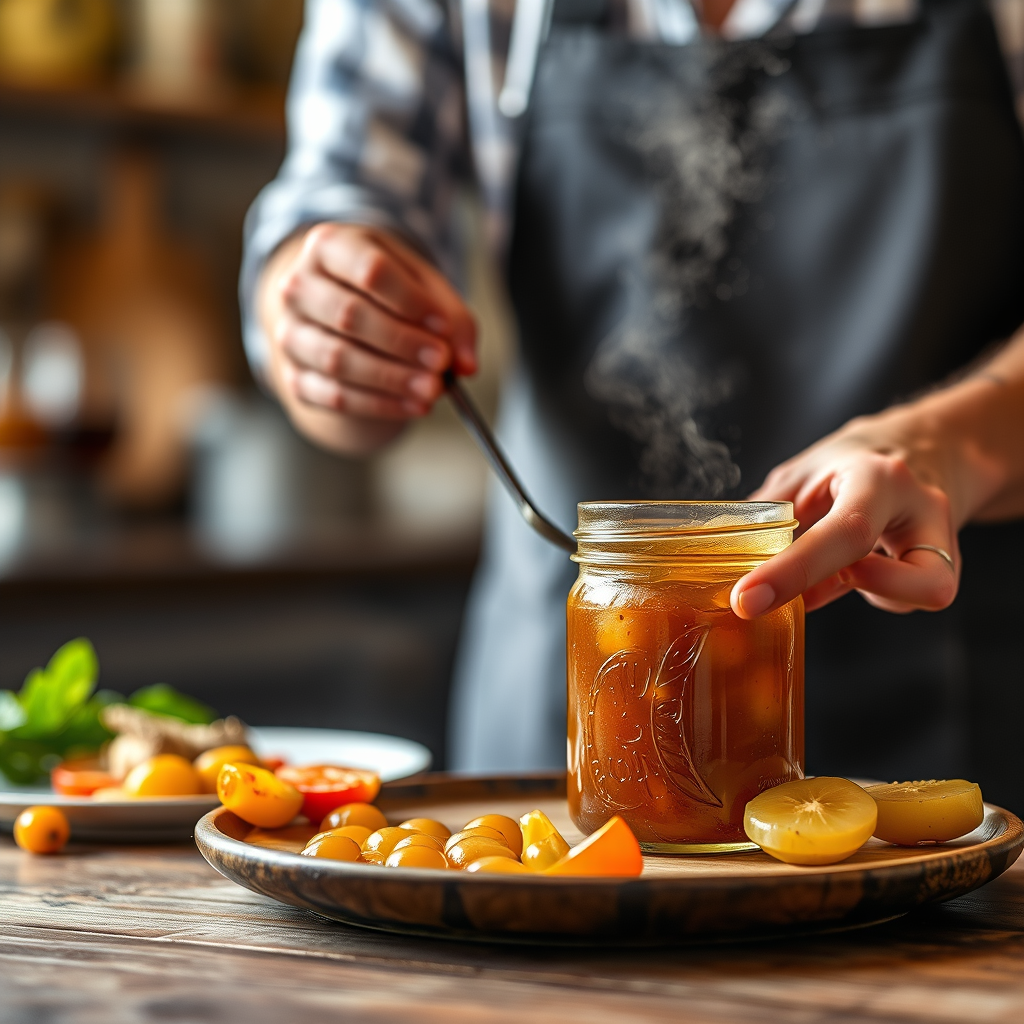
This guide is perfect for anyone eager to preserve the unique flavor of seasonal mayhaw fruits, especially those who have already savored the delights of mayhaw jelly. Readers should be familiar with basic canning techniques, including sterilization and safe food handling practices. Amateur cooks and home canners looking to expand their skills with unique fruit preserves will find valuable insights here. However, complete novices may want to consult a foundational guide on canning before diving in.
The Step-by-Step Protocol
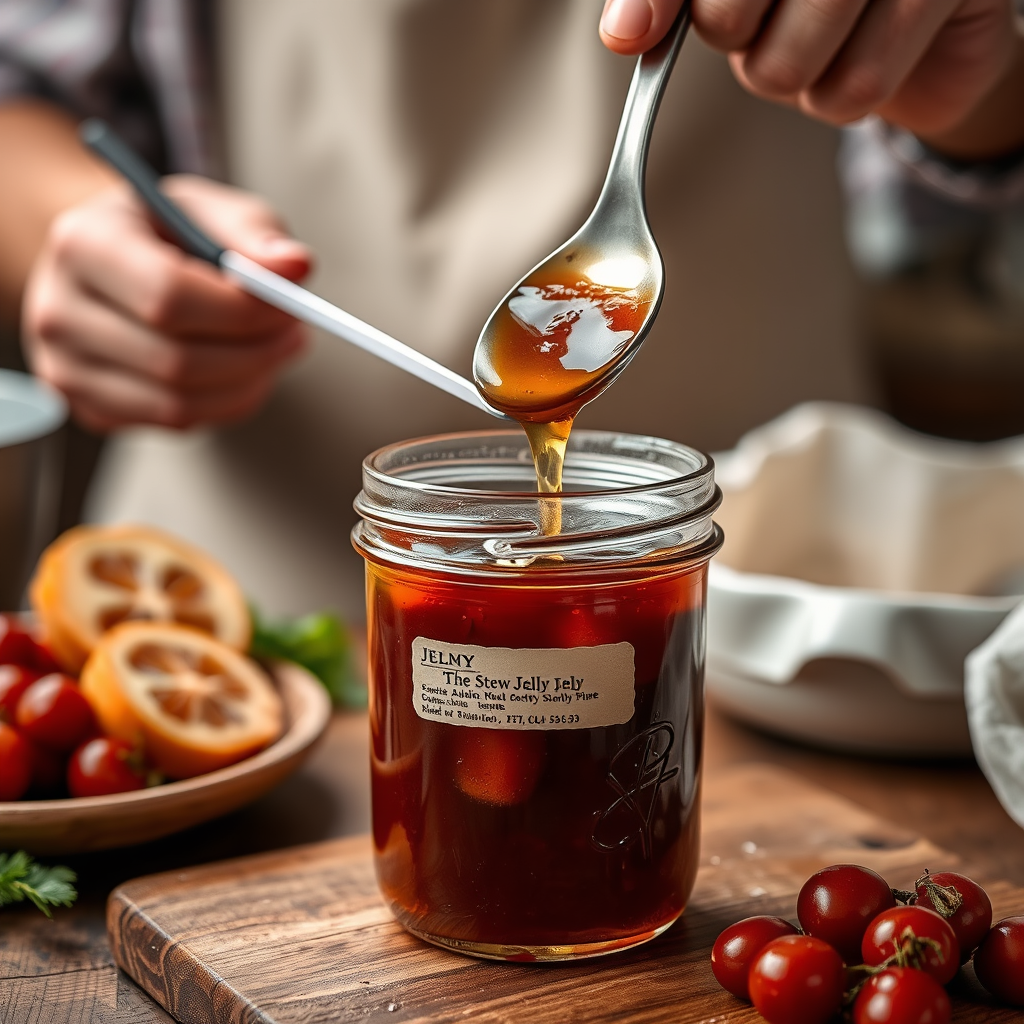
1. Gather Ingredients and Equipment: Start with 4 cups of ripe mayhaw berries, 1 cup of water, 1 package (1.75 oz) of fruit pectin, 5 cups of granulated sugar, and canning jars with lids. Ensure you have a large pot, a fine mesh strainer or cheesecloth, and a water bath canner.
2. Prepare the Mayhaw Berries: Rinse the 4 cups of mayhaw berries under cold running water, discarding any debris, stems, or damaged fruit. Place the cleaned berries in a large pot.
3. Cook the Berries: Add 1 cup of water to the pot with the berries. Bring the mixture to a boil over medium-high heat, then reduce to a simmer for 10-15 minutes. Use a potato masher or spoon to mash the berries and release their juices.
4. Strain the Mixture: Employ a fine mesh strainer or cheesecloth to strain the cooked berries, extracting approximately 4 cups of mayhaw juice. Ensure that no solids remain in the juice for a clear jelly.
5. Prepare for Canning: Sterilize your canning jars and lids by submerging them in boiling water for 10 minutes. This critical step helps prevent spoilage.
6. Combine Ingredients: In a large pot, mix the strained mayhaw juice with the fruit pectin. Stir thoroughly and bring the mixture to a full rolling boil over medium-high heat.
7. Add Sugar: Once boiling, quickly stir in 5 cups of granulated sugar. Bring the mixture back to a full rolling boil, stirring constantly. Boil for exactly 1 minute.
8. Test for Doneness: To check if the jelly is set, place a small spoonful on a cold plate. Let it sit for a minute, then run your finger through it. If it holds its shape and wrinkles slightly, it’s ready for canning. If not, continue boiling for an additional minute and retest.
9. Fill the Jars: Using a ladle, fill the sterilized jars with hot jelly, leaving about 1/4 inch of headspace. Wipe the rims of the jars with a clean, damp cloth to remove any residue.
10. Seal and Process: Place the sterilized lids on top of the jars and screw on the metal bands until they are fingertip-tight. Process the jars in a boiling water bath for 5-10 minutes, adjusting the time based on your altitude (5 minutes for sea level, increasing by 1 minute for every additional 1,000 feet).
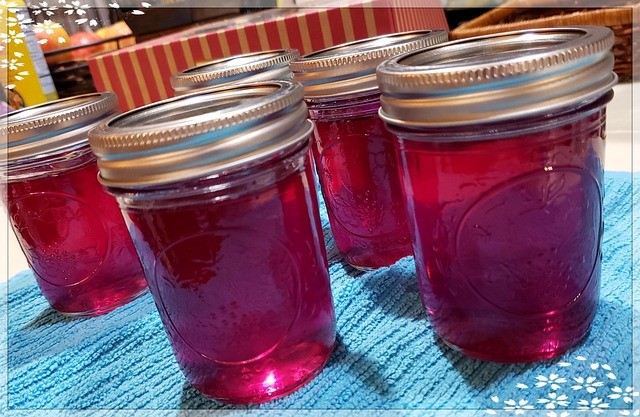
11. Cool and Store: After processing, carefully remove the jars from the canner and let them cool on a clean towel or cooling rack for 24 hours. Once cooled, check the seals and store the jelly in a cool, dark place.
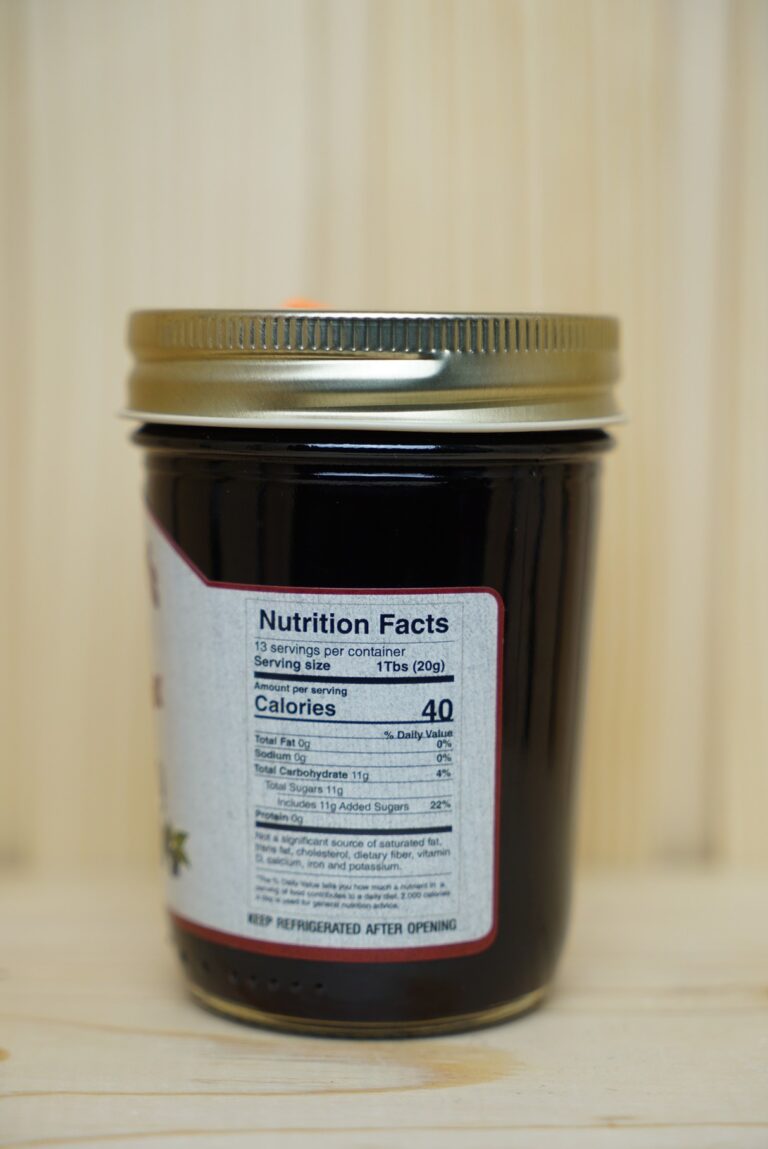
Nutritional Information per 1 Tablespoon of Mayhaw Jelly
| Nutrient | Amount | % Daily Value |
|---|---|---|
| Calories | 50 | 2% |
| Total Fat | 0g | 0% |
| Sodium | 0mg | 0% |
| Total Carbohydrates | 13g | 5% |
| Sugars | 12g | N/A |
| Protein | 0g | 0% |
| Vitamin C | 2mg | 4% |
| Calcium | 2mg | 0% |
| Iron | 0.1mg | 1% |
Warning Signs: When Not to Follow This
– Avoid using mayhaw berries that show signs of mold, fermentation, or an off odor, as these can result in spoilage and unsafe jelly.
– Do not attempt to make jelly without essential equipment, such as canning jars or a water bath canner, since improper canning can lead to bacterial growth.
– If you feel uncertain about your ability to maintain a sterile environment during the canning process, it’s wise to reconsider proceeding with this recipe.
The Most Common Mistakes (And Their Consequences)
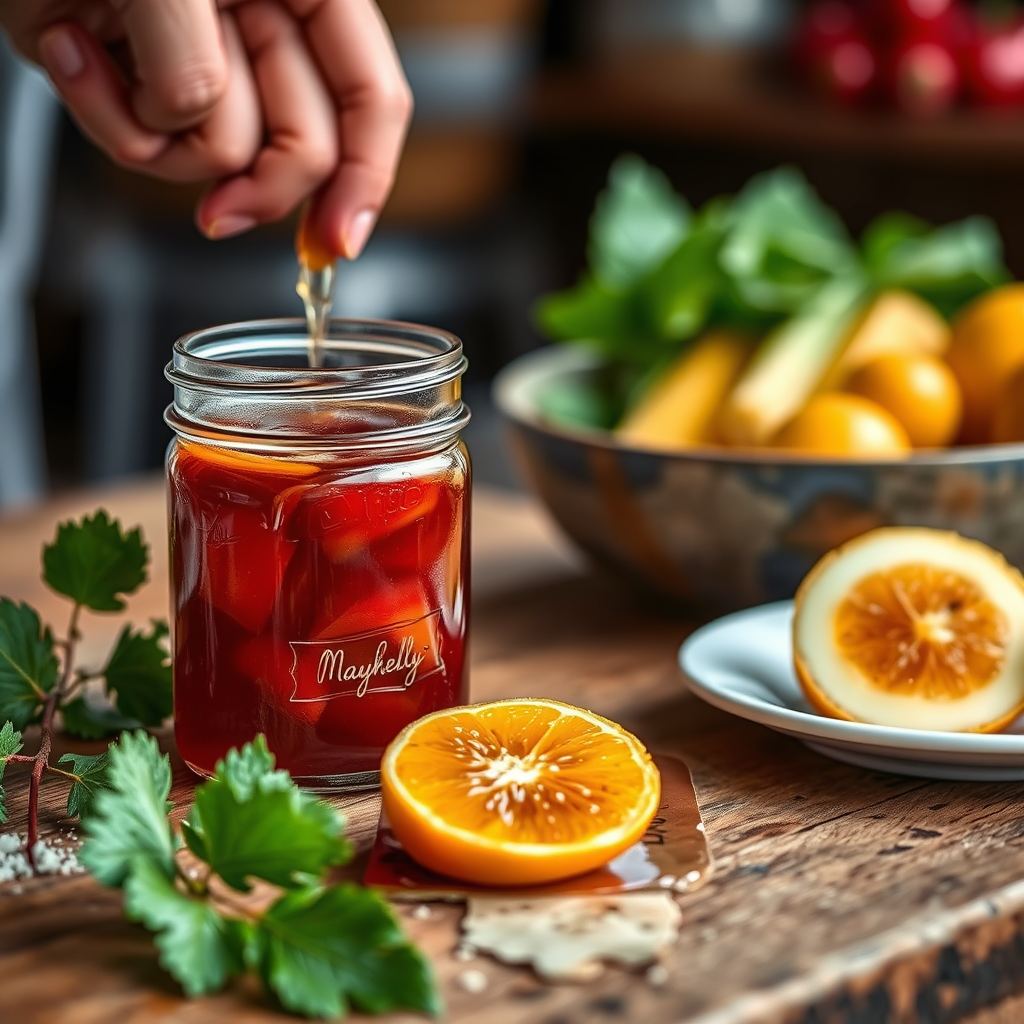
– Inaccurate measurement of pectin and sugar can lead to jelly that fails to set properly. Always use a measuring cup for precision.
– Skipping the sterilization of jars may introduce bacteria, resulting in spoilage; it’s crucial to properly sanitize jars before use.
– Failing to follow the boiling water bath duration can compromise the jelly’s shelf life; always adhere to the recommended processing time of 5-10 minutes based on altitude.
Special Cases That Need a Different Approach
– If using frozen mayhaw berries, thaw them completely and measure out 4 cups after draining excess liquid to prevent overly watery jelly.
– For those living at higher altitudes (over 1,000 feet), increase processing time to ensure proper sealing and safety.
– If you prefer a lower sugar content, consider using low-sugar pectin and adjust the sugar quantity accordingly, following the specific instructions on the pectin package.
When You Need a Professional
– If you suspect the presence of botulism or other foodborne pathogens in your batch due to improper processing or spoilage, consult a food safety professional immediately.
– Engage a licensed expert if you are uncertain about the acidity levels of your mayhaw jelly, especially when experimenting with flavor additions that may alter safety.
– If you intend to preserve large quantities of mayhaw jelly for commercial purposes, seek guidance from a food preservation expert or local extension office to ensure compliance with food safety regulations.
Sources and Further Reading
– “Preserving Food Without Canning” by the National Center for Home Food Preservation offers insights into safe canning practices.
– The USDA Complete Guide to Home Canning provides extensive information on canning fruit preserves, including jelly.
– Local Extension Services and resources such as the Cooperative Extension System offer specialized guidance for safely and effectively canning mayhaw jelly.
Frequently Asked Questions
What ingredients do I need for a mayhaw jelly recipe?
To make mayhaw jelly, you will need fresh mayhaw berries, granulated sugar, pectin, and water. It’s essential to use ripe mayhaw berries for the best flavor. Additionally, consider using lemon juice for acidity, which helps with the gel formation and enhances the jelly’s taste.
How do I properly prepare mayhaw berries for jelly?
To prepare mayhaw berries for jelly, start by washing them thoroughly to remove any dirt or debris. Then, remove any stems and leaves before cooking them down to extract the juice. Use a strainer or cheesecloth to separate the juice from the pulp, ensuring that you have a clear liquid for optimal jelly consistency.
Why is pectin important in a mayhaw jelly recipe?
Pectin is crucial in a mayhaw jelly recipe because it acts as a thickening agent, helping the jelly to set properly. Without sufficient pectin, the jelly may turn out runny instead of firm. It’s important to follow the recommended pectin-to-sugar ratio for the best results, ensuring a delightful texture.
What is the best method for canning mayhaw jelly?
The best method for canning mayhaw jelly involves sterilizing your jars and lids in boiling water before filling them with hot jelly. After sealing the jars, process them in a water bath for 5 to 10 minutes to ensure they are shelf-stable. This method preserves the jelly for up to a year when stored in a cool, dark place.
Which variations can I try with my mayhaw jelly recipe?
You can experiment with your mayhaw jelly recipe by adding spices like cinnamon or ginger for a unique twist. Mixing other fruits, such as apples or citrus, can also enhance the flavor profile. Additionally, infusing the jelly with herbs like rosemary or thyme can create a sophisticated taste suitable for gourmet pairings.
References
- Mayhaw
https://en.wikipedia.org/wiki/Mayhaw - https://www.nal.usda.gov/legacy/legacy/food-safety-resources/mayhaw-jelly-recipe
https://www.nal.usda.gov/legacy/legacy/food-safety-resources/mayhaw-jelly-recipe - Google Scholar Google Scholar
https://scholar.google.com/scholar?q=mayhaw+jelly+recipe - https://www.msstate.edu/news/feature/2019/05/mayhaw-jelly-recipe-legacy-mississippi
https://www.msstate.edu/news/feature/2019/05/mayhaw-jelly-recipe-legacy-mississippi - https://extension.uga.edu/publications/detail.html?number=B1326&title=Mayhaw%20Jelly
https://extension.uga.edu/publications/detail.html?number=B1326&title=Mayhaw%20Jelly - Google Scholar Google Scholar
https://scholar.google.com/scholar?q=mayhaw+jelly - https://www.lsu.edu/extension/publications/2010/Mayhaw_Jelly.pdf
https://www.lsu.edu/extension/publications/2010/Mayhaw_Jelly.pdf - https://www.southernliving.com/recipes/mayhaw-jelly-recipe
https://www.southernliving.com/recipes/mayhaw-jelly-recipe - https://pubmed.ncbi.nlm.nih.gov/?term=mayhaw+jelly
https://pubmed.ncbi.nlm.nih.gov/?term=mayhaw+jelly - https://www.britannica.com/plant/mayhaw
https://www.britannica.com/plant/mayhaw