This expert guide provides a complete protocol for safely making crabapple jam, ensuring a delicious and successful outcome every time. By following precise steps and best practices, you’ll preserve the unique tart flavor of crabapples while minimizing food safety risks. Whether you’re a novice or an experienced canner, adhering to this protocol is essential for both flavor and safety in your kitchen.
What This Guide Covers (And What It Doesn’t)
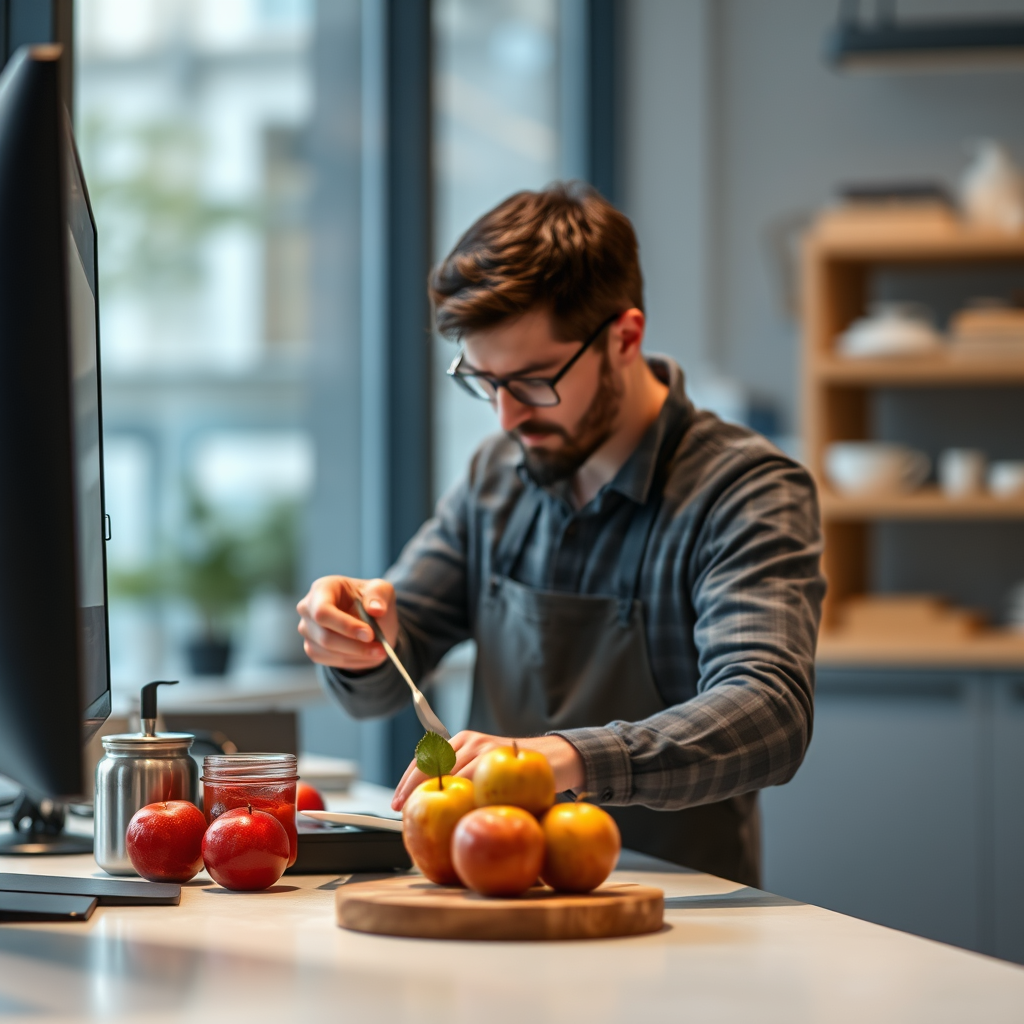
This guide presents a comprehensive, step-by-step protocol for safely making crabapple jam. It details specific ingredients, preparation methods, and canning techniques, all aimed at achieving a high-quality product that captures the unique taste of crabapples while prioritizing food safety. The focus remains squarely on crabapples, leaving out alternative fruit preserves and unrelated canning methods. Designed for home cooks with a basic grasp of preserving, this guide ensures that even those new to canning can follow along without feeling overwhelmed.
Who Should Read This

Home canners and food preservation enthusiasts eager to explore the distinctive flavor of crabapple jam will find this guide particularly useful. Ideally, readers should have some familiarity with basic canning techniques, such as sterilizing jars and understanding the water bath processing method. Newcomers to this specific recipe should be prepared to follow detailed instructions and measure ingredients with precision to ensure both safety and quality in their preservation efforts.
The Step-by-Step Protocol
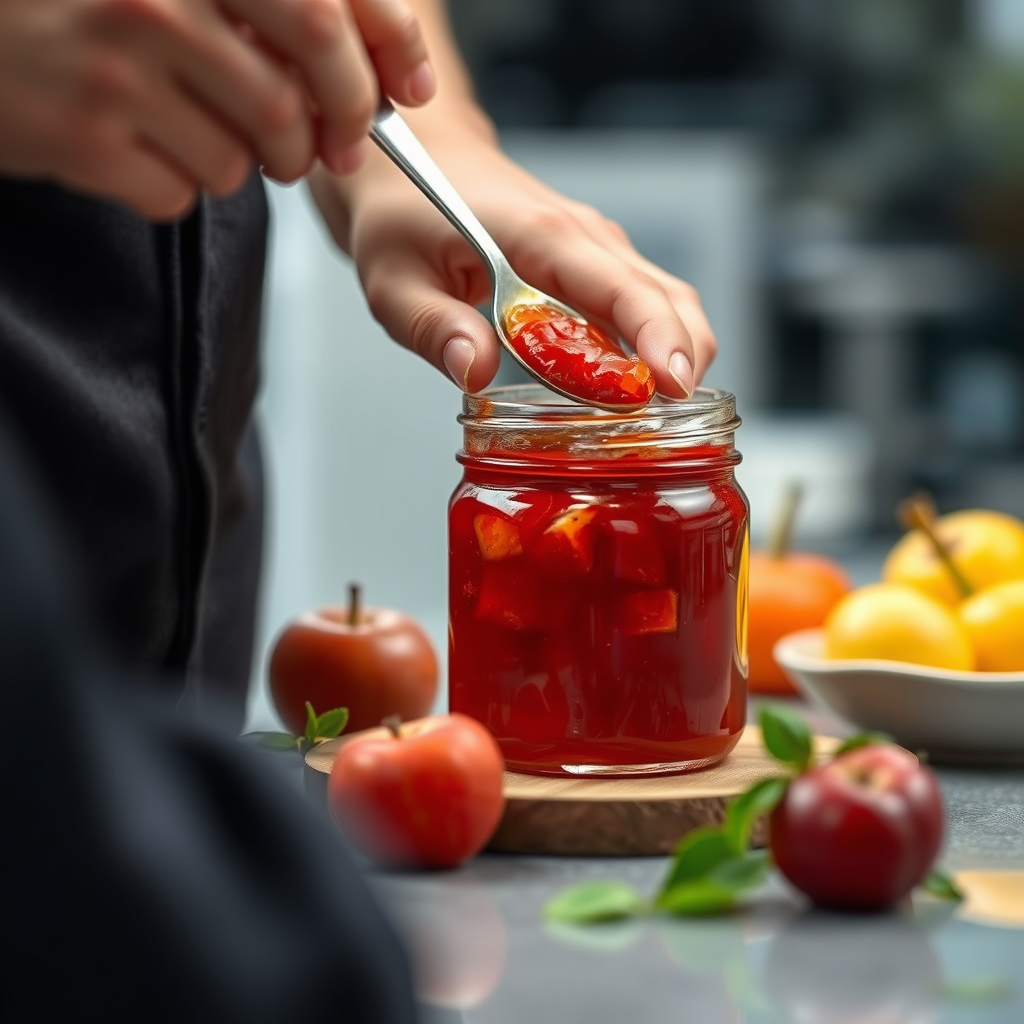
1. Gather Ingredients: Use approximately 4 cups of crabapples (washed and quartered), 1 cup of water, and 5 cups of granulated sugar. Ensure you are using ripe, firm crabapples for optimal flavor.
2. Prepare the Crabapples: Place the quartered crabapples in a large pot with 1 cup of water; bring to a boil and simmer for 30 minutes, stirring occasionally until the fruit is soft and mushy.
3. Extract Juice: Use a jelly bag or fine-mesh strainer to extract the juice from the softened crabapples. Allow it to drain thoroughly, discarding the solids, and measure out 4 cups of juice.
4. Cook the Jam: In a clean pot, combine the crabapple juice and 5 cups of sugar, stirring until dissolved. Boil the mixture for 10-15 minutes or until it reaches a temperature of 220°F (104°C) on a candy thermometer for proper gelling.
5. Test for Doneness: Utilize the “plate test” by placing a spoonful of jam on a cold plate; if it holds its shape after a minute, it is ready for canning.
6. Canning Process: Fill sterilized jars with the hot jam, leaving 1/4 inch of headspace. Wipe jar rims with a clean cloth, seal with lids, and process in a boiling water bath for 5-10 minutes.
7. Cooling and Storage: Allow jars to cool undisturbed for 12-24 hours. Check seals, label jars, and store in a cool, dark place. Properly sealed jam can last up to a year.
Nutritional Breakdown of Crabapple Jam (Per 1 Tablespoon)
| # | Nutrient | Amount | % Daily Value |
|---|---|---|---|
| 1 | Calories | 50 | 2% |
| 2 | Total Fat | 0g | 0% |
| 3 | Sodium | 1mg | 0% |
| 4 | Total Carbohydrates | 13g | 4% |
| 5 | Sugars | 12g | N/A |
| 6 | Protein | 0g | 0% |
| 7 | Vitamin C | 2% DV | 0% |
Warning Signs: When Not to Follow This

Avoid making crabapple jam if your crabapples exhibit signs of mold, rot, or excessive bruising, as these flaws can compromise both flavor and safety. If you’re uncertain about sterilization methods or lack the necessary equipment, such as a water bath canner or pressure canner, do not attempt this recipe. Additionally, those with allergies to any of the ingredients or concerns about the safety of home canning should refrain from proceeding.
The Most Common Mistakes (And Their Consequences)

Many beginners skip the juicing step, resulting in a jam that lacks the proper consistency and flavor depth; this oversight can lead to a product that is either too thick or grainy. Overcooking the mixture beyond the gelling point can cause the jam to crystallize or become overly sticky, making it unpleasant to consume. Furthermore, failing to maintain the correct headspace during canning can result in improperly sealed jars, leading to spoilage or contamination over time.
Special Cases That Need a Different Approach
If you are using wild crabapples, which may have a higher tannin content, consider adding lemon juice or pectin to balance acidity and ensure proper gelling. For those on low-sugar diets, adapt the recipe by using a low-sugar pectin or reducing sugar to 3 cups, but be aware that this may affect the jam’s shelf life and texture. In high-altitude regions, adjust processing times for canning; increase by 5 minutes for every 1,000 feet above sea level to ensure safety.
When You Need a Professional
Consult a food preservation expert if you have any uncertainties about the safety of your crabapples, particularly regarding sourcing and quality. Should you experience issues with jar sealing post-canning, such as jars that do not seal or signs of spoilage, seek the guidance of a licensed food safety professional. If you wish to experiment with different preservatives, flavorings, or canning methods not covered in this guide, professional advice is recommended to avoid potential safety risks.
Sources and Further Reading
– National Center for Home Food Preservation: Offers guidelines for safe canning and preserving techniques, including fruit jams and jellies.
– USDA Complete Guide to Home Canning: A comprehensive source for safe canning practices, including specific instructions for various fruit preserves.
– “The Ball Blue Book of Canning” provides step-by-step instructions and troubleshooting tips for home canning, specifically focused on fruit preserves, including crabapple jam.
Frequently Asked Questions
What ingredients do I need for a basic crabapple jam recipe?
To make a basic crabapple jam, you will need about 4 cups of prepared crabapples, 1 cup of water, 3 cups of granulated sugar, and 1 packet of fruit pectin. This combination allows for a tart yet sweet flavor that showcases the unique taste of crabapples, making it ideal for spreads or gifts.
How do I prepare crabapples for making jam?
Start by washing the crabapples thoroughly to remove any dirt or chemicals. Next, remove the stems and any bad spots, then cut the apples into quarters without peeling them, as the skins will add natural pectin during cooking, helping your jam set properly.
Why is pectin important in crabapple jam, and can I make the jam without it?
Pectin is crucial in crabapple jam because it helps to thicken the mixture and achieve the desired gel-like consistency. While you can make jam without added pectin by cooking the fruit longer to concentrate its natural pectin, it may take more time and result in a softer set.
What is the best method for canning crabapple jam to ensure it stays fresh?
The best method for canning crabapple jam is the water bath canning technique. After filling sterilized jars with hot jam and sealing them with lids, process the jars in boiling water for 5-10 minutes to create a vacuum seal, which helps preserve the jam for up to a year when stored in a cool, dark place.
Which recipes pair well with crabapple jam for serving or gifting?
Crabapple jam pairs wonderfully with cream cheese on crackers for a savory snack, or it can be used as a topping for pancakes and waffles for breakfast. For gifting, consider packaging the jam with homemade scones or bread, creating a delightful and thoughtful present for friends and family.
References
- Malus
https://en.wikipedia.org/wiki/Crabapple - https://www.extension.purdue.edu/extmedia/ID/ID-62.pdf
https://www.extension.purdue.edu/extmedia/ID/ID-62.pdf - UGA
https://www.uga.edu/ - https://www.nal.usda.gov/legacy/legacy/food-preservation-crabapple-jelly-jam
https://www.nal.usda.gov/legacy/legacy/food-preservation-crabapple-jelly-jam - https://www.extension.umn.edu/garden/yard-garden/fruit/crabapples/
https://www.extension.umn.edu/garden/yard-garden/fruit/crabapples/ - https://www.fs.usda.gov/wildflowers/ethnobotany/food/crabapple.shtml
https://www.fs.usda.gov/wildflowers/ethnobotany/food/crabapple.shtml - Google Scholar Google Scholar
https://scholar.google.com/scholar?q=recipe+for+crabapple+jam - Google Scholar Google Scholar
https://scholar.google.com/scholar?q=crabapple+preservation - https://scholar.google.com/scholar?q=crabapple+jam+recipes Google Scholar
https://scholar.google.com/scholar?q=crabapple+jam+recipes - https://www.bhg.com/recipes/how-to/preserving/crabapple-jelly/
https://www.bhg.com/recipes/how-to/preserving/crabapple-jelly/