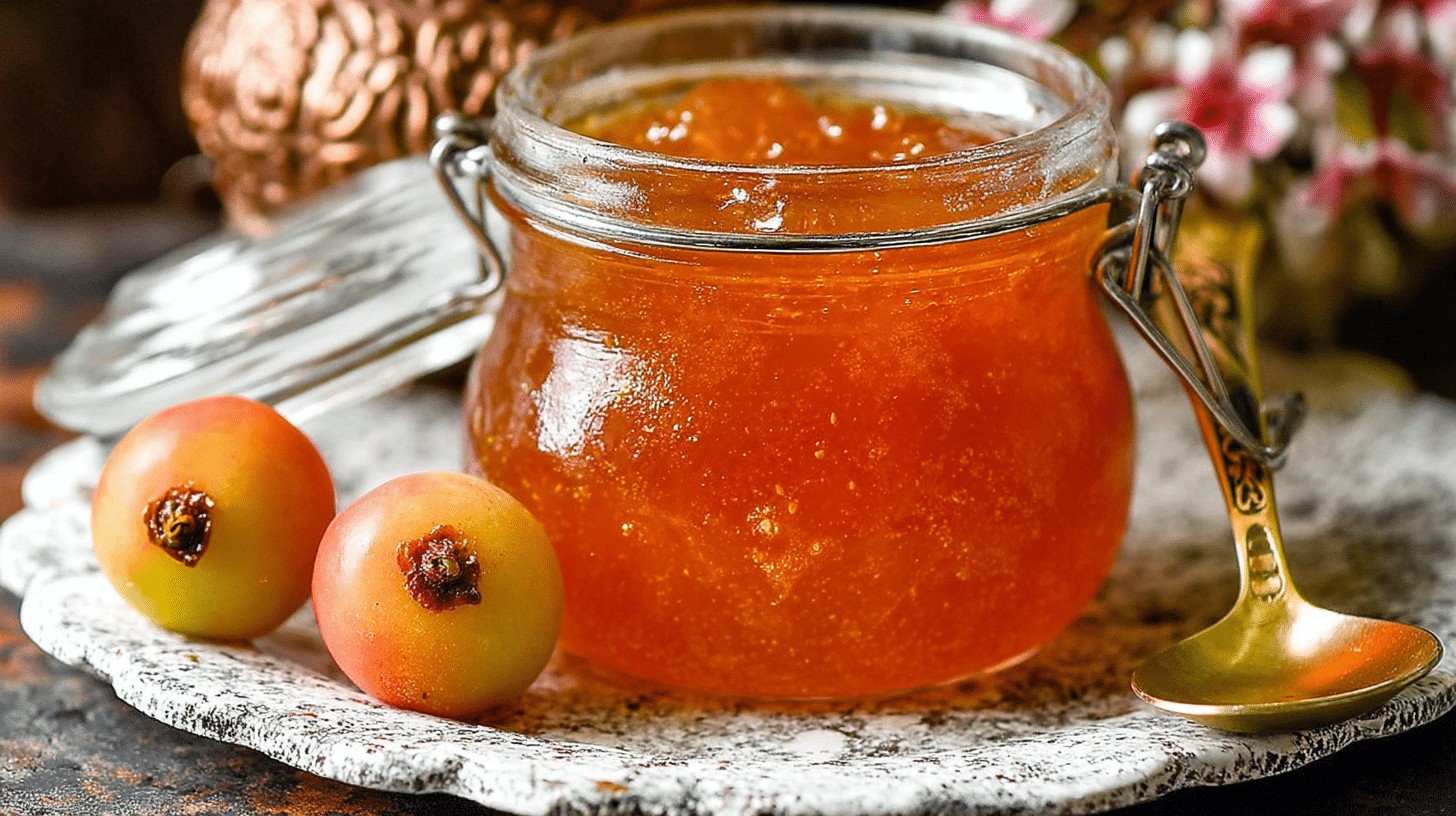
Mastering the complete protocol for safely making crab apple jelly jam ensures your preserves are both delicious and safe to consume. This expert guide walks you through each critical step, from selecting the right crab apples to proper canning techniques. Adhering to these procedures not only enhances flavor but also prevents foodborne illnesses, making your homemade treats a joy to enjoy and share.
What This Guide Covers (And What It Doesn’t)

This guide provides a comprehensive, step-by-step procedure for safely making crab apple jelly jam. It details the necessary equipment, ingredients, and preservation techniques while explaining the science behind jelly making, particularly focusing on the role of pectin, acidity levels, and methods to ensure proper gelling specifically for crab apples. You will find precise measurements, cooking times, and techniques designed to help you achieve a high-quality product. However, this guide does not address other types of fruit preserves or jams, nor does it explore alternative preserving methods such as freezing or dehydrating.
Who Should Read This

Geared toward home canners and jam enthusiasts, this guide invites you to incorporate crab apples into your culinary repertoire, taking advantage of their unique tart flavor and high pectin content. It assumes that readers possess basic kitchen skills and have prior experience making other types of jams or jellies. Familiarity with canning terminology and processes is essential for ensuring safety and effectiveness. This guide is particularly relevant for individuals interested in utilizing seasonal produce to create homemade preserves while adhering to food safety regulations, especially regarding low-acid fruits.
The Step-by-Step Protocol

1. Selecting and Preparing Crab Apples: Start by selecting 4 cups of firm, ripe crab apples, ensuring they are free from blemishes and signs of rot. Wash the apples thoroughly under running water to remove any dirt or residues. Remove the stems, but leave the skins intact, as they contribute to the pectin content essential for gelling.
2. Juicing the Apples: In a large pot, combine the prepared crab apples with 1 cup of water. Bring the mixture to a boil over medium heat. Once boiling, reduce the heat slightly and allow it to simmer for 30 minutes. During this time, mash the apples occasionally to help release the juice. After 30 minutes, strain the mixture through a jelly bag or a fine mesh strainer to collect the juice. Aim for approximately 4 cups of crab apple juice.
3. Cooking the Jelly: In a clean pot, combine the 4 cups of crab apple juice with 1/4 cup of fresh lemon juice and 1 package (1.75 oz) of powdered pectin. Stir the mixture well to ensure the pectin is evenly distributed. Place the pot over medium-high heat and bring the mixture to a rapid boil. This boiling stage is critical for activating the pectin, so ensure that it reaches a full boil.
4. Adding Sugar and Canning: Once the mixture is boiling, add 5 cups of granulated sugar all at once, stirring continuously to dissolve the sugar completely. Allow the mixture to return to a boil and maintain this for an additional minute. It is crucial to conduct a gel test at this stage to confirm that the jelly has reached the desired consistency. If the jelly passes the gel test, pour it into pre-sterilized jars, leaving approximately 1/4 inch of headspace at the top. Seal the jars immediately and process them in a boiling water bath for 5 to 10 minutes, depending on your altitude.
Warning Signs: When Not to Follow This

Avoid following this protocol if the crab apples show signs of mold, rot, or excessive bruising, as these can compromise the quality and safety of the jelly. If you have allergies to crab apples, lemon juice, or pectin, refrain from proceeding with this recipe to prevent adverse reactions. Additionally, do not attempt this process if you lack the necessary canning equipment, such as a water bath canner or proper jars, as inadequate equipment could lead to unsafe storage conditions.
The Most Common Mistakes (And Their Consequences)
– Incorrect Pectin Measurement: Using less than the recommended amount of pectin can result in jelly that fails to set properly. This mistake yields a syrupy product instead of the desired firm jelly, wasting both time and ingredients.
– Inadequate Sterilization: Failing to properly sterilize jars and lids can introduce harmful bacteria, risking spoilage and foodborne illness. Always ensure your sterilization method is thorough.
– Skipping the Gel Test: Neglecting to conduct the gel test before canning can result in jars of jelly that are too runny. This oversight necessitates reprocessing, which can be time-consuming and may not guarantee safety.
Special Cases That Need a Different Approach
If using crab apples with lower pectin levels or variable acidity, consider adding extra pectin or adjusting sugar levels to ensure proper gelling. For those who prefer a lower sugar option, specialized low-sugar pectin products are available and should be used according to the manufacturer’s instructions to maintain proper gelling. Additionally, if you plan to can the jelly in larger quantities (beyond the recipe yields), ensure you adjust processing times based on the specific guidelines of your canner to uphold safety.
When You Need a Professional
Consult a licensed food preservation expert if you’re uncertain about the acidity level of your crab apples or if you’re using a recipe that diverges from tested guidelines. If you observe any signs of spoilage, such as unusual color, odors, or bubbling after processing, seek professional advice immediately, as these could indicate a safety issue. In cases of significant food allergies or dietary restrictions, involving a nutritionist may be prudent to ensure the recipe aligns with individual health needs.
Sources and Further Reading
– “The USDA Complete Guide to Home Canning” – This comprehensive manual provides research-based guidelines for safe home canning practices and is an essential resource for any canner.
– “So Easy to Preserve” by the University of Georgia – A trusted resource offering preserving methods, including jelly-making techniques that prioritize safety and quality.
– National Center for Home Food Preservation (NCHFP) – An authoritative source for current food preservation methods and safety information, including updates on pectin and jelly-making.
By following this authoritative guide, you can confidently create delicious crab apple jelly jam while adhering to safe food preservation practices. Embrace the process, and savor the unique flavors that emerge from your own kitchen.
Frequently Asked Questions
What ingredients do I need for a crab apple jelly jam recipe?
To make crab apple jelly, you’ll need fresh crab apples, sugar, water, and pectin. A typical recipe calls for about 4 cups of chopped crab apples, 5 cups of water, and 5 cups of sugar, along with a package of pectin to help the jelly set properly.
How do I prepare crab apples for making jelly?
Start by washing the crab apples thoroughly to remove any dirt or pesticides. Cut them into quarters without peeling or coring, as the skins and seeds contain natural pectin that will help in thickening the jelly. Cooking them with water will help extract their flavor and pectin.
Why is pectin important in a crab apple jelly jam recipe?
Pectin is a natural thickening agent that helps the jelly achieve its desired consistency. Without pectin, the jelly may remain runny and not set properly. Crab apples are high in natural pectin, which makes them ideal for jelly making, but additional pectin can ensure a firmer texture.
What is the best method for canning crab apple jelly?
The best method for canning crab apple jelly is the water bath canning technique. After cooking the jelly and filling sterilized jars, process them in a boiling water bath for approximately 5-10 minutes to create a vacuum seal, ensuring the jelly stays fresh for longer storage.
Which types of crab apples are best for making jelly?
The best types of crab apples for jelly are those that are tart and high in pectin, such as the Dolgo, Whitney, and Centennial varieties. These apples not only contribute to a vibrant flavor but also ensure a good set, making them ideal for delicious homemade crab apple jelly.
References
- https://en.wikipedia.org/wiki/Apple_jelly
https://en.wikipedia.org/wiki/Apple_jelly - https://www.ncbi.nlm.nih.gov/pmc/articles/PMC4862384/
https://www.ncbi.nlm.nih.gov/pmc/articles/PMC4862384/ - https://www.sciencedirect.com/topics/agricultural-and-biological-sciences/crab-apple
https://www.sciencedirect.com/topics/agricultural-and-biological-sciences/crab-apple - https://www.bbc.co.uk/food/recipes/apple_jelly_2971
https://www.bbc.co.uk/food/recipes/apple_jelly_2971 - https://www.extension.purdue.edu/extmedia/BP/BP-40-W.pdf
https://www.extension.purdue.edu/extmedia/BP/BP-40-W.pdf - Extension | UGA Cooperative Extension
https://www.uga.edu/extension/ - Google Scholar Google Scholar
https://scholar.google.com/scholar?q=crab+apple+jelly+recipe - Google Scholar Google Scholar
https://scholar.google.com/scholar?q=apple+jelly+making+process - Google Scholar Google Scholar
https://scholar.google.com/scholar?q=fruit+jelly+recipes - The effects of temperature on nest predation by mammals, birds, and snakes | US Forest Service Re…
https://www.fs.usda.gov/treesearch/pubs/46045