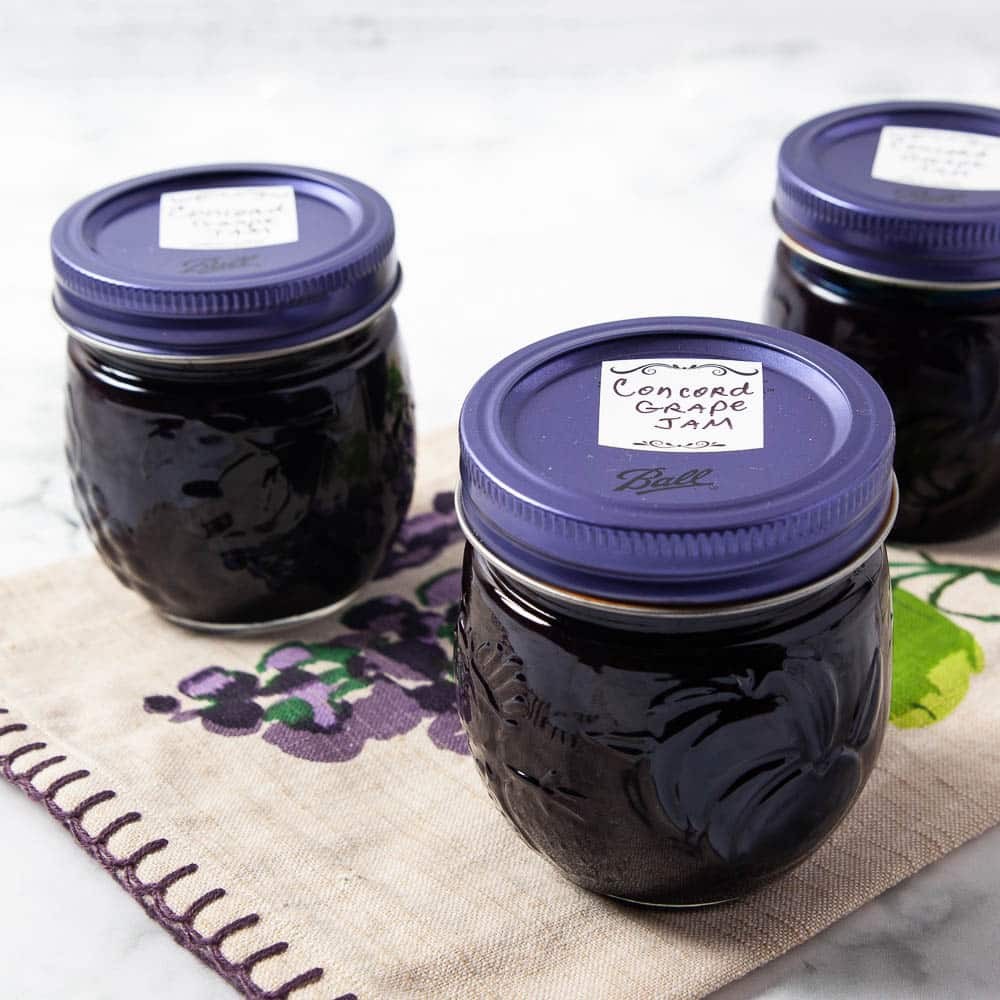
The Complete Protocol for Safely Making Concord Grape Jam provides essential, step-by-step instructions for producing delicious, homemade jam while ensuring food safety. This guide is tailored for both novice and experienced jam makers who want to preserve the rich flavor of Concord grapes without compromising quality. Adhering to proper procedures is crucial to prevent spoilage and ensure a delightful end product that can be enjoyed year-round.
What This Guide Covers (And What It Doesn’t)

This guide presents a detailed protocol for safely preparing concord grape jam, encompassing ingredient specifications, essential equipment recommendations, and thorough sterilization methods to ensure food safety. The focus is solely on the traditional method of jam-making using concord grapes, providing step-by-step procedures, tips for achieving optimal flavor and texture, and safe canning practices. You won’t find alternative jam recipes, variations using other fruits, or instructions for making jelly here; the emphasis is firmly on crafting exquisite concord grape jam. This guide caters to home cooks eager to preserve seasonal concord grapes and relish the fruits of their labor, rather than professional food processors or commercial jam makers.
Who Should Read This
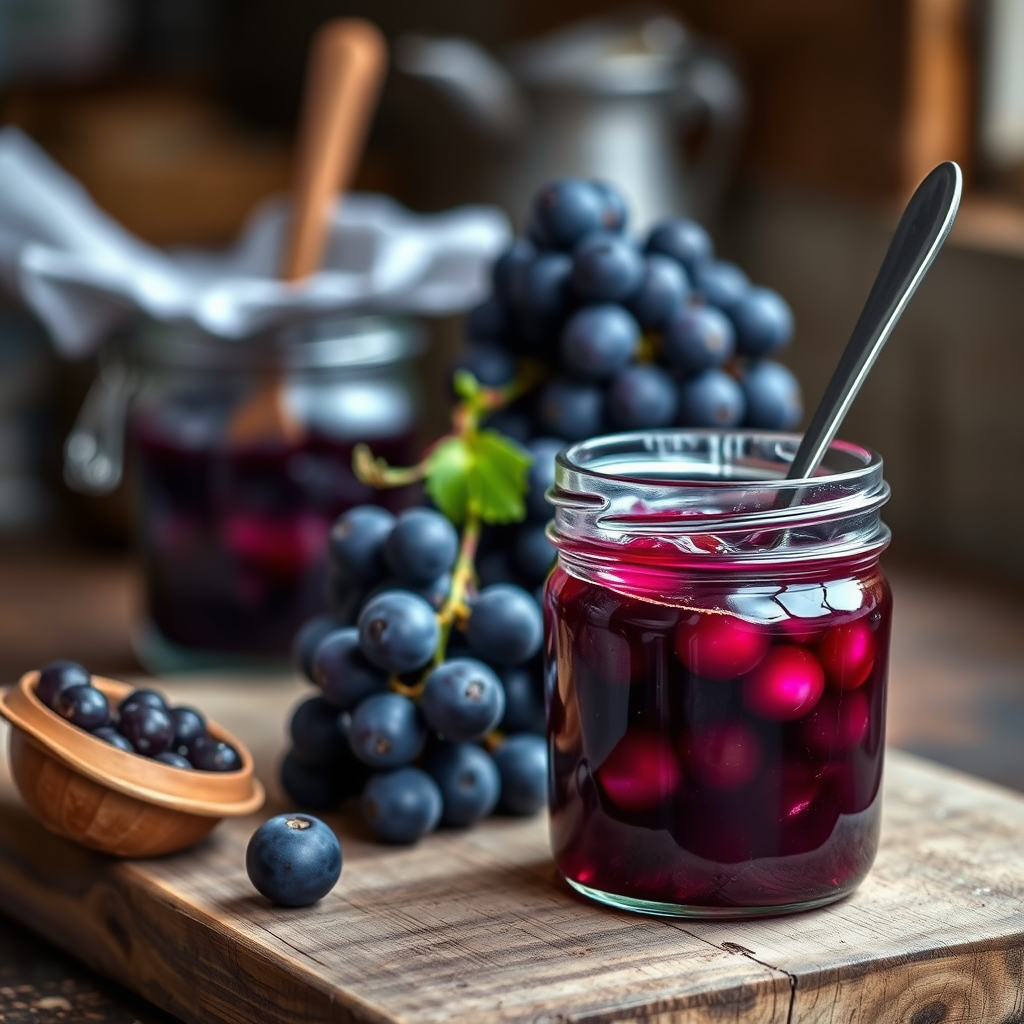
This article targets home canners and food preservation enthusiasts who possess a basic understanding of cooking and kitchen equipment. However, it is equally suitable for beginners eager to learn. Those with access to fresh or quality frozen concord grapes, looking to create their own jam to control ingredients and flavor profiles, will find this guide particularly beneficial. Readers interested in sustainable living or reducing food waste will appreciate the techniques presented, as the guide emphasizes effective use of seasonal produce. Additionally, anyone who prefers homemade goods over store-bought options will discover practical, actionable information for crafting delicious concord grape jam.
The Step-by-Step Protocol
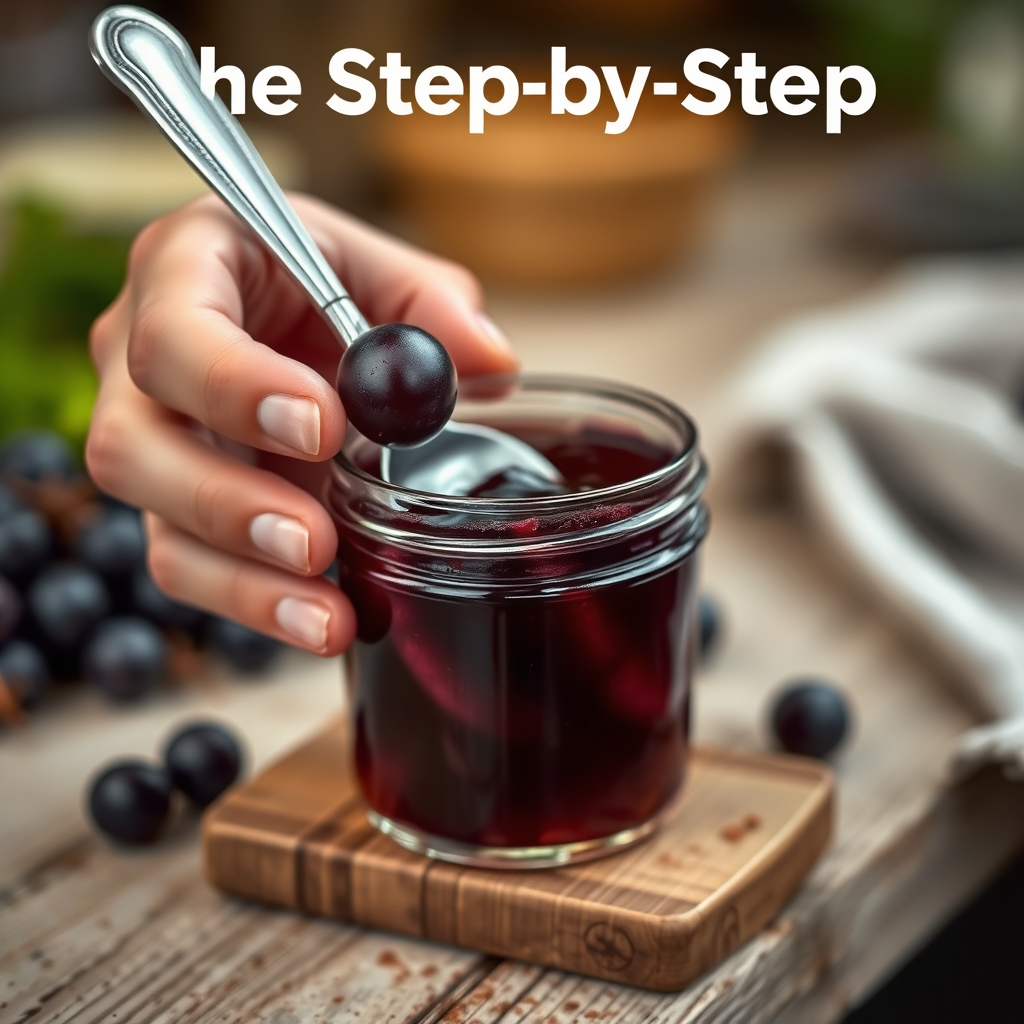
1. Gather Ingredients and Equipment: Collect 4 cups of fresh concord grapes, 1 cup of granulated sugar, 1/4 cup of lemon juice, and prepare canning jars (8-ounce size is recommended), a large pot, and a food mill or strainer.
2. Prepare Grapes: Rinse the grapes thoroughly under cold water, remove stems, and mash them lightly in a large pot to release their juices. Ensure that no leaves or stems remain, as they can impart an undesirable flavor.
3. Cook Mixture: Add the sugar and lemon juice to the pot with the mashed grapes. Bring the mixture to a boil over medium heat, stirring frequently for about 10-15 minutes until it thickens. Use a candy thermometer to monitor the temperature; the jam should reach 220°F (104°C) for proper gelling.
4. Jar and Seal: Pour the hot jam into sterilized jars, leaving 1/4 inch of headspace. Wipe the rims of the jars with a clean, damp cloth to remove any residue. Seal with sterilized lids and process in a boiling water bath for 10 minutes to ensure a vacuum seal. If you are at an altitude above 1,000 feet, adjust the processing time by adding 1 minute for every additional 1,000 feet.
Concord Grape Jam Recipe Ingredients Comparison
| # | Ingredient | Quantity | Purpose |
|---|---|---|---|
| 1 | Concord Grapes | 4 cups | Base flavor |
| 2 | Granulated Sugar | 1 cup | Sweetening and preservation |
| 3 | Lemon Juice | 1/4 cup | Acid for preservation |
| 4 | Water | As needed | Adjust consistency |
| 5 | Canning Jars | 5-6 jars | Storage |
| 6 | Lids | 5-6 lids | Sealing |
| 7 | Pot | 1 large | Cooking |
Warning Signs: When Not to Follow This
Avoid making concord grape jam if the grapes show signs of mold, excessive bruising, or fermentation, as these issues can compromise both flavor and safety. If you lack proper canning equipment, such as a water bath canner or sterilized jars, do not attempt to preserve the jam; inadequate sealing can lead to spoilage. Additionally, if you cannot adhere to the specified processing times and temperatures, refrain from following this protocol, as it increases the risk of bacterial growth. Those with allergies to any of the ingredients, especially sugar or citric acid, should consider alternative recipes that align with their dietary restrictions.
The Most Common Mistakes (And Their Consequences)
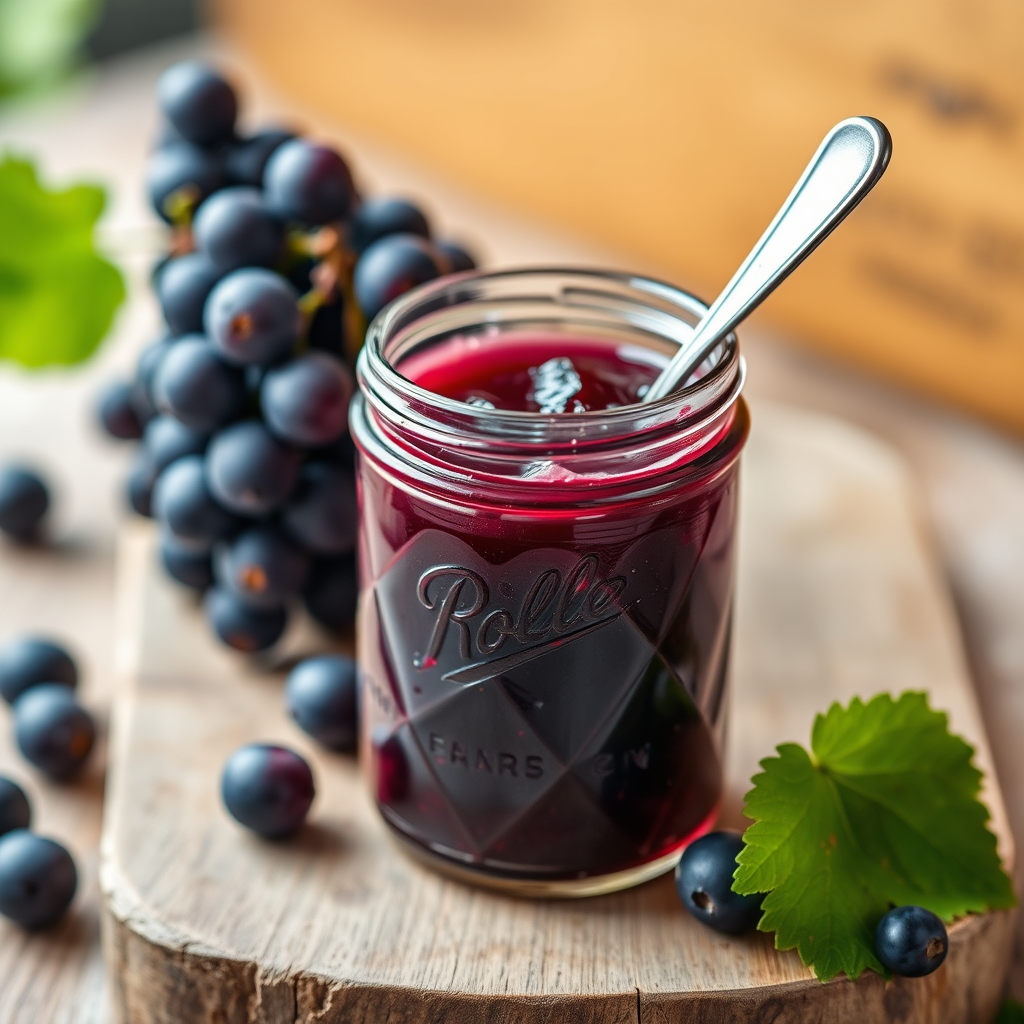
A common mistake is overcooking the grape mixture, resulting in a jam that is too thick or gummy, adversely affecting texture and spreadability. Inaccurate measurements of sugar can also lead to poor preservation; insufficient sugar may result in fermentation, while excess sugar can yield an overly sweet product. Failing to properly sterilize jars and lids can introduce bacteria, leading to spoilage or, in severe cases, botulism. Skipping the water bath canning process risks jars that do not seal correctly, making the jam unsafe to consume.
Special Cases That Need a Different Approach
If using frozen concord grapes, allow them to thaw and drain excess liquid before cooking, as this may alter both cooking time and the consistency of the jam. For those looking to reduce sugar intake, consider using low-sugar pectin designed specifically for jams, adjusting the sugar quantity according to package instructions. If a smoother texture is desired, use a blender or food processor to puree the grapes before cooking, but be sure to adjust cooking times accordingly for consistency. At high altitudes, increase processing time by 1 minute for every 1,000 feet above sea level to ensure proper sealing and preservation.
When You Need a Professional
If you have any uncertainty about the safety of your ingredients, such as suspected spoilage, consult a food safety expert before proceeding with canning. Seek professional advice if you encounter problems sealing jars during the canning process, as incorrect seals can lead to spoilage and health risks. If you plan to sell your jam or distribute it widely, consulting with a food preservation specialist is crucial to ensure compliance with local food safety regulations. Should you wish to experiment with recipes that significantly alter the sugar or acid content, such as adding herbs or spices, consider consulting a food scientist for safe preservation techniques.
Sources and Further Reading
Refer to the USDA’s Complete Guide to Home Canning for authoritative food preservation techniques and safety standards. The National Center for Home Food Preservation offers in-depth resources on safe canning practices and preservation methods specific to various fruits, including concord grapes. For additional recipes and troubleshooting tips, consult the Ball Canning Book, a trusted resource in home canning and preserving. Additionally, explore scholarly articles on food safety and preservation techniques from the Journal of Food Science for a deeper understanding of the science behind canning processes.
Frequently Asked Questions
What ingredients do I need for a concord grape jam recipe?
To make a classic concord grape jam, you will need fresh concord grapes, granulated sugar, lemon juice, and fruit pectin. The grapes provide natural sweetness and flavor, while the sugar helps with preservation and texture. Lemon juice adds acidity, balancing the sweetness and enhancing the overall taste of the jam.
How do I prepare concord grapes for making jam?
Start by washing the concord grapes thoroughly to remove any dirt or pesticides. Next, remove the stems and crush the grapes slightly to release their juices. You can use a potato masher or your hands for this step. This preparation is crucial for extracting the flavors that will enrich your homemade jam.
Why is pectin important in a concord grape jam recipe?
Pectin is a natural thickening agent that helps the jam set properly, giving it a desirable consistency. In a concord grape jam recipe, using pectin ensures that the jam gels well, allowing it to spread easily on bread or toast. Without enough pectin, the jam may end up too runny, impacting its texture and usability.
What is the best method for canning concord grape jam?
The best method for canning concord grape jam involves using the water bath canning technique. First, sterilize your jars and lids, then fill them with hot jam, leaving appropriate headspace. Process the jars in a boiling water bath for about 10-15 minutes to ensure a proper seal and prevent spoilage, making your jam shelf-stable for months.
Which tools do I need to make concord grape jam efficiently?
To make concord grape jam efficiently, you’ll need a large pot, a jar lifter, a canning funnel, and a potato masher. Additionally, having a food thermometer can help ensure that your jam reaches the right temperature for proper gelling. These tools streamline the process, making it easier and more enjoyable to create your homemade jam.
References
- Fruit preserves
https://en.wikipedia.org/wiki/Grape_jam - https://www.extension.purdue.edu/extmedia/ID/ID-200-W.pdf
https://www.extension.purdue.edu/extmedia/ID/ID-200-W.pdf - https://www.nal.usda.gov/legacy/legacy/food-safety/food-preservation-jams-jellies
https://www.nal.usda.gov/legacy/legacy/food-safety/food-preservation-jams-jellies - Understanding Loss Deductions for Timber | US Forest Service Research and Development
https://www.fs.usda.gov/treesearch/pubs/1528 - https://pubmed.ncbi.nlm.nih.gov/22715822/
https://pubmed.ncbi.nlm.nih.gov/22715822/ - Checking your browser – reCAPTCHA
https://www.ncbi.nlm.nih.gov/pmc/articles/PMC6112798/ - Google Scholar Google Scholar
https://scholar.google.com/scholar?q=recipe+for+concord+grape+jam - Google Scholar Google Scholar
https://scholar.google.com/scholar?q=concord+grape+jam+preservation - Google Scholar Google Scholar
https://scholar.google.com/scholar?q=grape+jam+health+benefits - https://www.ars.usda.gov/ARSUserFiles/oc/np/GRAPES.pdf
https://www.ars.usda.gov/ARSUserFiles/oc/np/GRAPES.pdf