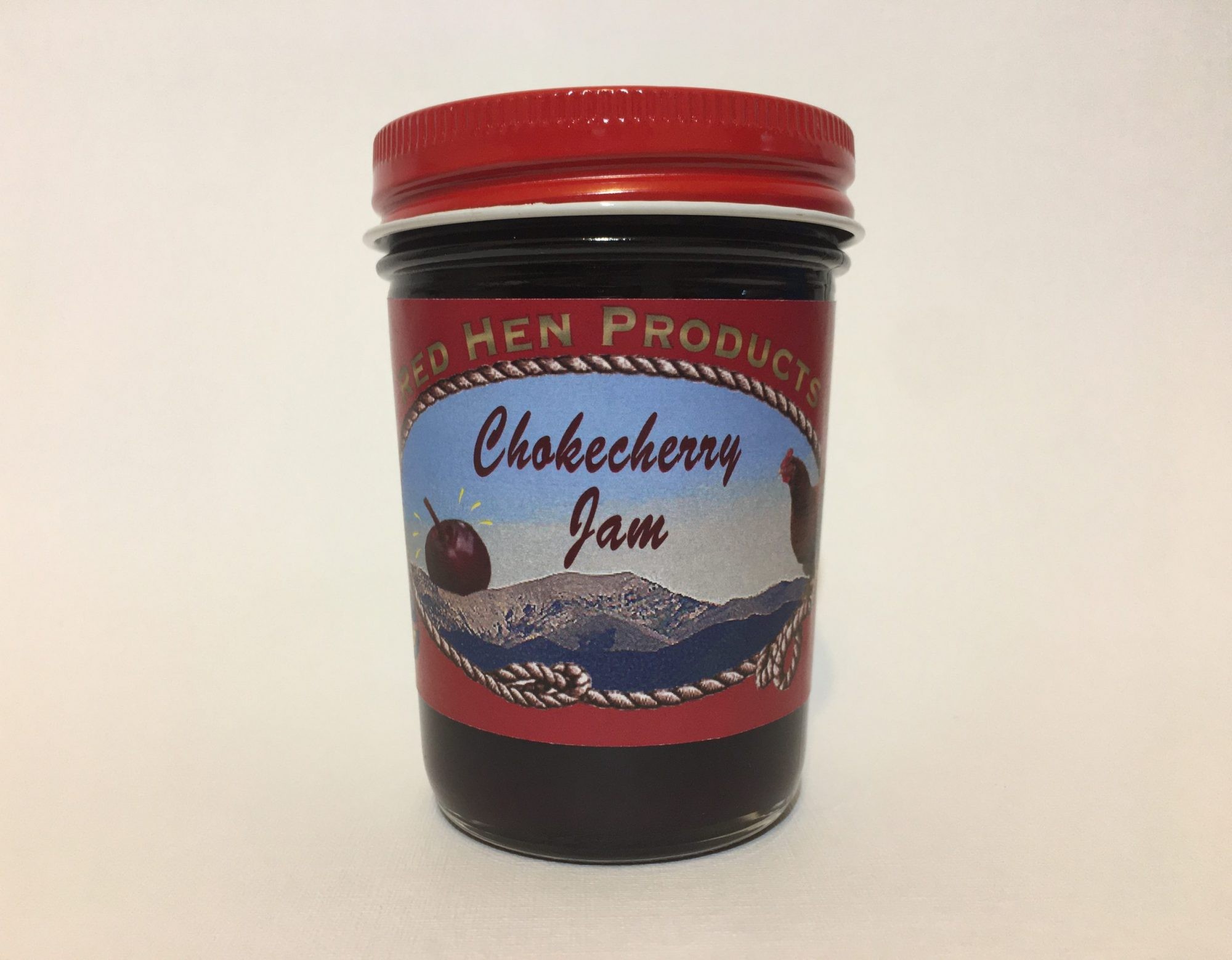
Master the art of making chokecherry jam with this expert guide that provides a complete protocol for safe preparation and preservation. This detailed approach ensures you harness the rich flavor of chokecherries while adhering to food safety standards. Following these precise steps is crucial for achieving a delicious and safe final product that preserves the essence of this unique fruit.
What This Guide Covers (And What It Doesn’t)
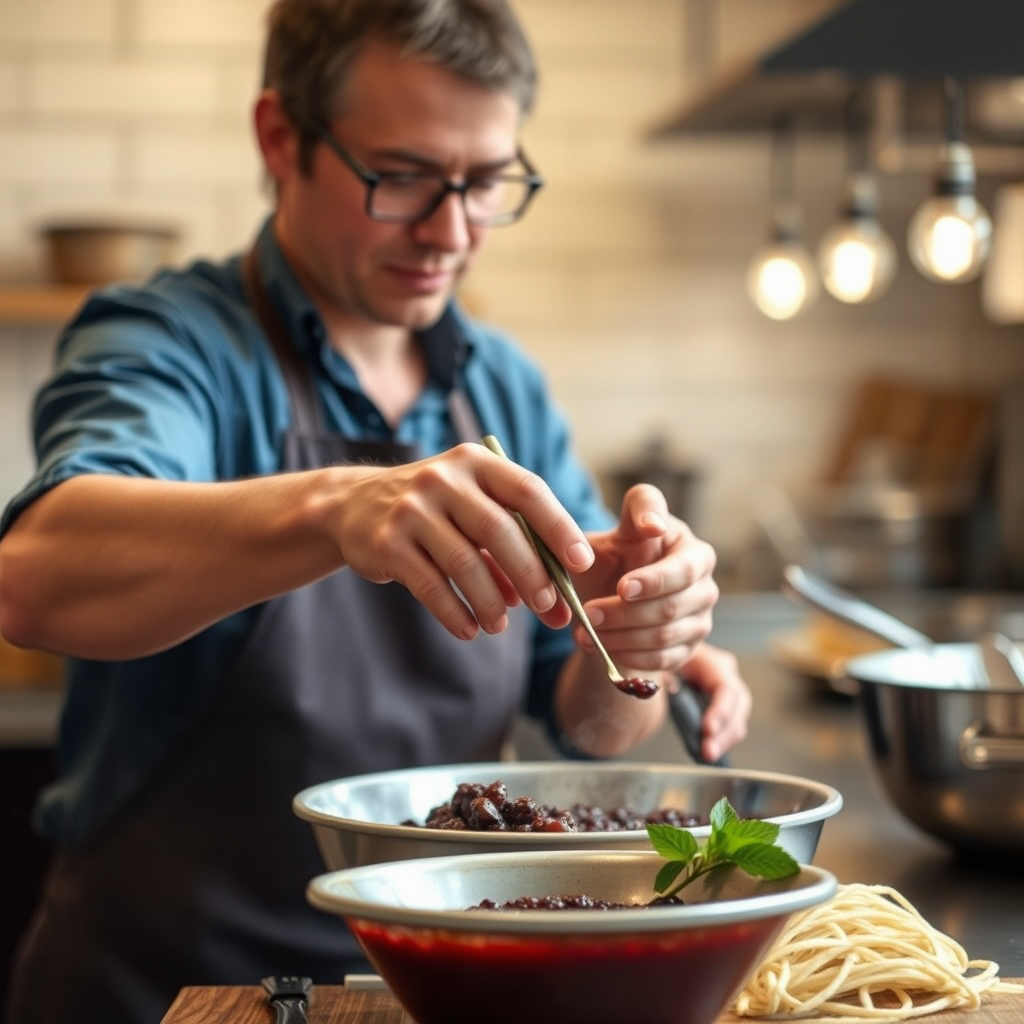
This guide offers a detailed protocol for making chokecherry jam, outlining everything from ingredient selection to preparation methods and essential safety measures for canning. You will learn the entire jam-making process, including instructions for harvesting chokecherries and sealing jars, along with the necessary equipment and timeframes for each step. However, it does not delve into other preservation methods for chokecherries or recipes for different jams or jellies, keeping the focus solely on chokecherry jam for clarity and precision.
Who Should Read This
This guide is designed for home canners and amateur food preservers who possess a basic understanding of canning principles and safety but are new to making chokecherry jam. It serves as a valuable resource for individuals who enjoy foraging and want to utilize local, seasonal fruits, especially since chokecherries are often abundant in many regions. If you lack experience in food preservation or do not have access to proper canning equipment, consider seeking introductory resources before attempting this protocol.
The Step-by-Step Protocol
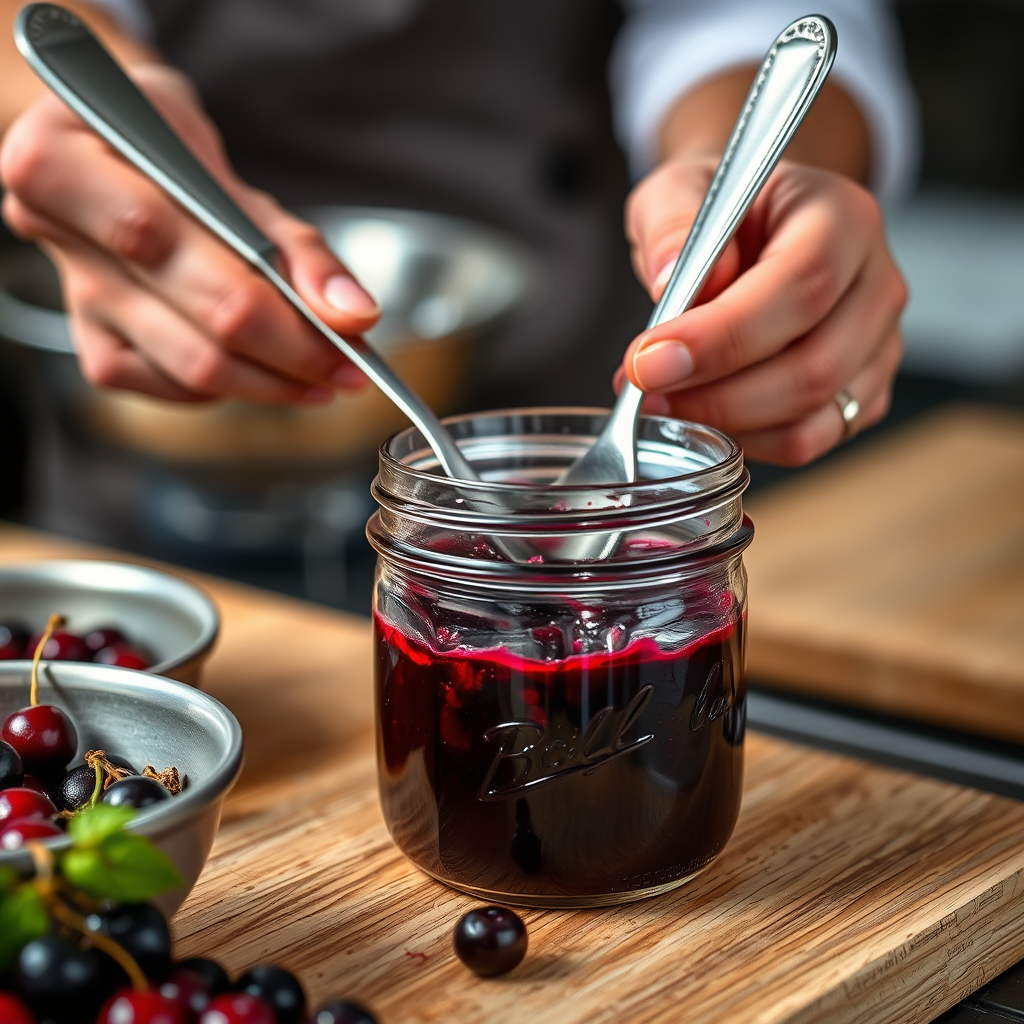
1. Harvesting Chokecherries: Gather approximately 4 cups of ripe chokecherries, ensuring they are dark purple to black. Discard any that are under-ripe (green or red) or overripe (soft or decaying), as these can compromise the quality of your jam.
2. Preparing the Cherries: Rinse the chokecherries thoroughly under cold water to remove dirt and contaminants. Remove the stems and crush the cherries lightly using a potato masher or a similar tool to release their juices. This should yield about 2 cups of juice, which is essential for your jam.
3. Cooking the Jam: In a large, heavy-bottomed pot, combine the chokecherry juice, 1 tablespoon of lemon juice (to enhance acidity), and 5 cups of granulated sugar. Bring this mixture to a rolling boil over medium-high heat, stirring constantly to prevent scorching.
4. Adding Pectin: Once boiling, add 1 package (1.75 oz) of powdered pectin. Continue boiling for an additional 1-2 minutes until the mixture reaches a gel-like consistency. To test the set point, place a spoonful on a cold plate and check for a wrinkled surface after it cools for a moment.
5. Filling the Jars: Prepare sterilized canning jars and lids. Using a ladle, carefully fill the jars with the hot jam, leaving a ¼-inch headspace at the top to allow for expansion during processing. Wipe the rims of the jars with a clean cloth to ensure a proper seal.
6. Canning the Jam: Place the filled jars into a boiling water bath canner, ensuring that the jars are submerged by at least 1 inch of water. Process for 5-10 minutes. If you are at a higher altitude, you may need to extend the processing time; consult local guidelines for altitude adjustments.
7. Cooling and Storing: After processing, carefully remove the jars using a jar lifter and place them on a clean towel or cooling rack. Allow them to cool completely undisturbed for 12-24 hours. Check the seals by pressing the center of each lid; if it does not pop back, the jar has sealed properly. Store sealed jars in a cool, dark place.
Chokecherry Jam Nutritional Information (per tablespoon)
| # | Nutrient | Amount | % Daily Value |
|---|---|---|---|
| 1 | Calories | 50 | 2% |
| 2 | Total Fat | 0g | 0% |
| 3 | Sodium | 0mg | 0% |
| 4 | Total Carbohydrates | 13g | 4% |
| 5 | Sugars | 12g | N/A |
| 6 | Protein | 0g | 0% |
| 7 | Vitamin C | 2% | N/A |
| 8 | Calcium | 0% | N/A |
| 9 | Iron | 0% | N/A |
| 10 | Potassium | 10% | N/A |
Warning Signs: When Not to Follow This
– If any chokecherries appear moldy, bruised, or emit an off smell, do not use them. Such fruits can contaminate the entire batch of jam and potentially lead to harmful bacteria growth.
– Avoid attempting to make chokecherry jam without proper canning supplies, including sterilized jars, a pressure canner, and a jar lifter. Canning without these essentials can result in unsafe preservation practices and increase the risk of foodborne illnesses.
– If you have allergies to chokecherries or sensitivities to similar fruits, do not proceed with this recipe. Consuming them could lead to adverse reactions and serious health complications.
The Most Common Mistakes (And Their Consequences)
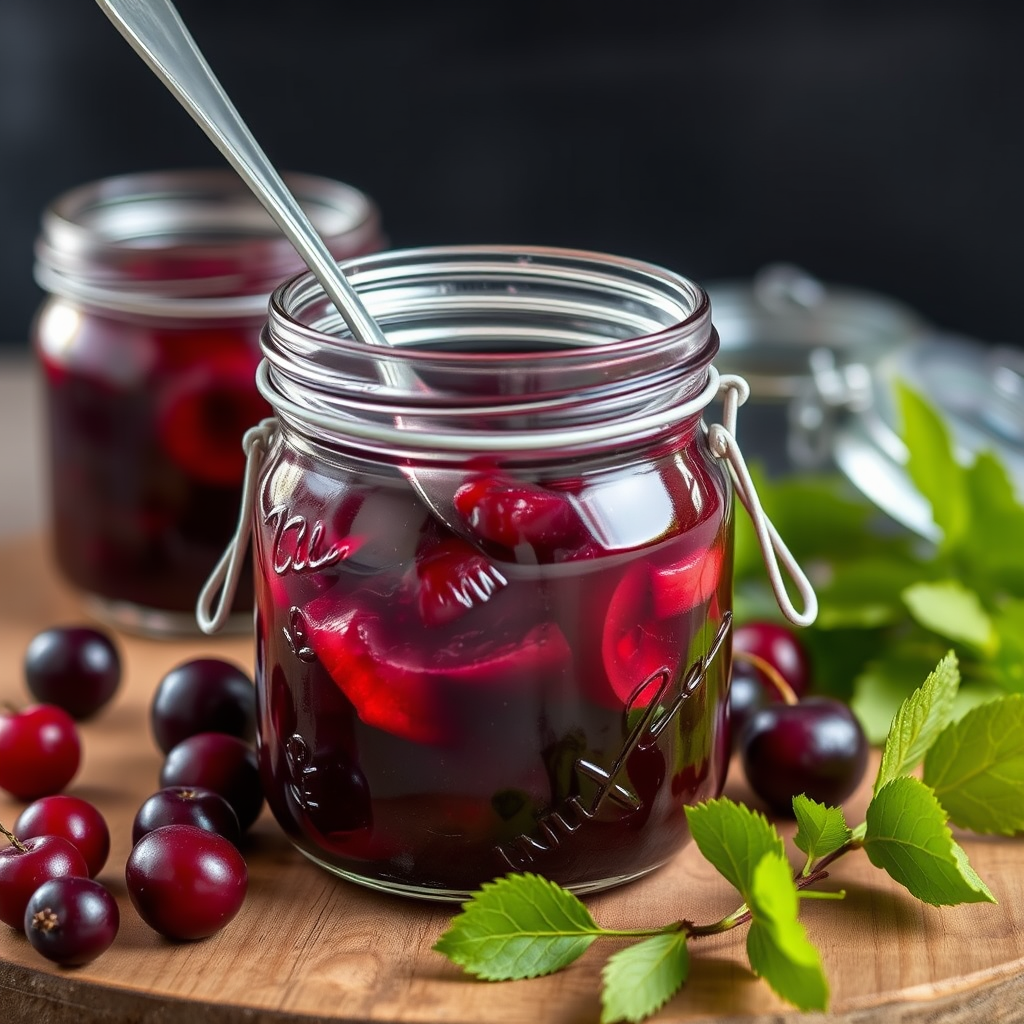
– Neglecting to properly sterilize jars can result in bacterial contamination, causing spoilage or foodborne illness. Always run jars through a hot water bath before filling to ensure they are free of pathogens.
– Using undercooked pectin or failing to reach the gel point can lead to runny jam that doesn’t set properly. Always use a thermometer to confirm that the mixture reaches at least 220°F (104°C) for proper gelling.
– Overfilling jars may prevent a proper seal, allowing air to enter and spoil the jam. Always maintain a ¼-inch headspace when filling jars to ensure a tight seal.
Special Cases That Need a Different Approach
– If you are using chokecherries from areas near highways or industrial sites, conduct a soil test for contaminants. To avoid potential pesticide exposure, consider purchasing chokecherries from organic sources.
– For those with dietary restrictions, opt for low-sugar pectin or alternative sweeteners, adjusting the sugar amount as needed to maintain the right consistency. Always refer to pectin instructions for guidance on sugar replacements.
– If you plan to store the jam for an extended period, consider using a pressure canner instead of a water bath canner, especially in higher elevations where boiling temperatures are lower. This adjustment can help ensure proper sealing and safety.
When You Need a Professional
– If you notice any signs of spoilage, such as bubbling, off odors, or leakage from jars after sealing, discard the jam immediately and consult a food safety expert. These signs may indicate a failure in the sealing process.
– If you are uncertain about the acidity level of your chokecherry jam or if you are using a different pectin that alters safety protocols, seek guidance from a licensed food preservation specialist. Proper acidity is crucial for preventing botulism.
– Individuals with health concerns related to food preservation, such as those with compromised immune systems or pregnant individuals, should consult a healthcare provider before consuming homemade preserves.
Sources and Further Reading
– USDA Complete Guide to Home Canning: This resource provides detailed information on safe canning practices and recipes, including fruit preserves.
– National Center for Home Food Preservation: Offers guidelines on proper techniques for canning fruits, including chokecherries, ensuring food safety.
– Local Cooperative Extension Service: Often provides resources and workshops on food preservation methods specific to regional practices and fruit availability.
By following this expert guide, you can enjoy the delightful taste of chokecherry jam while employing safe preservation methods. Happy canning!
Frequently Asked Questions
What ingredients do I need to make chokecherry jam?
To make chokecherry jam, you will need ripe chokecherries, granulated sugar, lemon juice, and pectin. The chokecherries should be washed and stemmed, and the sugar will help to sweeten the jam while the pectin ensures it sets properly. This simple combination creates a deliciously tart and sweet preserve.
How do I properly prepare chokecherries for jam?
To prepare chokecherries for jam, start by thoroughly rinsing them under cold water to remove any dirt or debris. Next, remove the stems and crush the berries to release their juices, which is crucial for flavor extraction. Straining the crushed berries through a fine mesh sieve can help separate the juice from the pulp, making for a smoother jam.
Why is pectin important in chokecherry jam making?
Pectin is important in chokecherry jam making because it acts as a thickening agent that helps the jam to gel and set properly. Without sufficient pectin, your jam may turn out runny instead of having that desired spreadable consistency. Using a commercial pectin product can ensure better results, especially when working with low-pectin fruits like chokecherries.
What is the best method for canning chokecherry jam?
The best method for canning chokecherry jam is the water bath canning technique, which involves placing filled jars in a pot of boiling water for a specified time to kill bacteria and seal the jars. After cooking, allow the jars to cool completely, ensuring each lid is properly sealed. This method preserves the flavor and extends the shelf life of your homemade chokecherry jam.
Which kitchen tools are essential for making chokecherry jam?
Essential kitchen tools for making chokecherry jam include a large pot for cooking, a wooden spoon for stirring, a fine mesh strainer for extracting juice, and canning jars with lids for storage. A candy thermometer can also be helpful for checking the jam’s temperature, ensuring it reaches the right consistency. Having these tools on hand will streamline the jam-making process and improve your results.
References
- Prunus virginiana
https://en.wikipedia.org/wiki/Chokecherry - https://www.extension.purdue.edu/extmedia/FS/FS-5-W.pdf
https://www.extension.purdue.edu/extmedia/FS/FS-5-W.pdf - Potential impacts of year-round sampling on monitoring presence- absence of invasive flora in the…
https://www.fs.usda.gov/treesearch/pubs/40981 - https://www.nrcs.usda.gov/wps/portal/nrcs/detail/national/home/?cid=nrcs142p2_002591
https://www.nrcs.usda.gov/wps/portal/nrcs/detail/national/home/?cid=nrcs142p2_002591 - https://www.nature.com/articles/s41598-021-01919-6
https://www.nature.com/articles/s41598-021-01919-6 - https://pubmed.ncbi.nlm.nih.gov/17483728/
https://pubmed.ncbi.nlm.nih.gov/17483728/ - Google Scholar Google Scholar
https://scholar.google.com/scholar?q=recipe+chokecherry+jam - Google Scholar Google Scholar
https://scholar.google.com/scholar?q=chokecherry+preservation+methods - Google Scholar Google Scholar
https://scholar.google.com/scholar?q=chokecherry+jam+nutritional+value - Chokecherry | Description, Tree, Leaves, Fruit, Uses, & Facts | Britannica
https://www.britannica.com/plant/chokecherry