Mastering the art of making strawberry rhubarb jam demands precision and adherence to expert protocols to ensure safety and flavor. This comprehensive guide offers step-by-step instructions tailored for home canners eager to create a delicious and safe preserve. By following these guidelines, you not only enhance your culinary skills but also ensure the longevity of your jam without compromising on taste or quality.
What This Guide Covers (And What It Doesn’t)

This guide offers a comprehensive, step-by-step recipe for creating strawberry rhubarb jam, detailing essential ingredient measurements, cooking times, and preservation techniques. You will discover how to craft a vibrant jam that beautifully balances the sweet and tart notes of strawberries and rhubarb, perfect for spreading on toast or using in desserts.
However, this guide does not delve into alternative jam recipes or variations that exclude strawberries and rhubarb. It also avoids unrelated preservation methods, such as canning other fruits or vegetables. Tailored specifically for home cooks with basic kitchen skills, this guide assumes familiarity with common cooking terminology and techniques, particularly for those interested in fruit preservation. For advanced canning techniques or specialized equipment not typically found in a home kitchen, additional resources should be consulted.
Who Should Read This
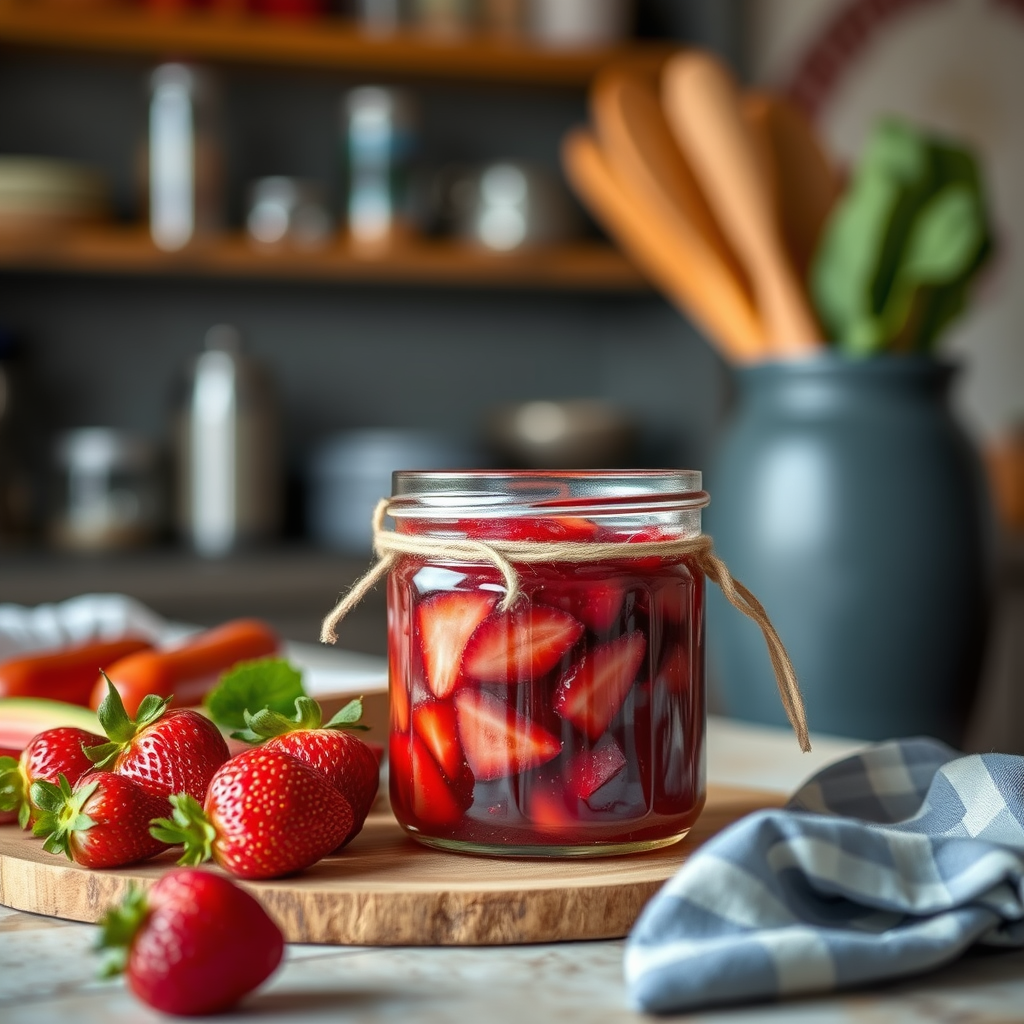
This guide is crafted for home canners, beginners, and intermediate cooks eager to safely and effectively create a classic strawberry rhubarb jam. Those interested in preserving seasonal fruits to enjoy their flavors year-round will find this guide especially beneficial. Readers should possess some knowledge of food safety and preservation practices, as a basic understanding of kitchen hygiene and sterilization methods is assumed. Individuals with specific dietary restrictions or health concerns are encouraged to consult a nutritionist before making any modifications to the recipe.
The Step-by-Step Protocol
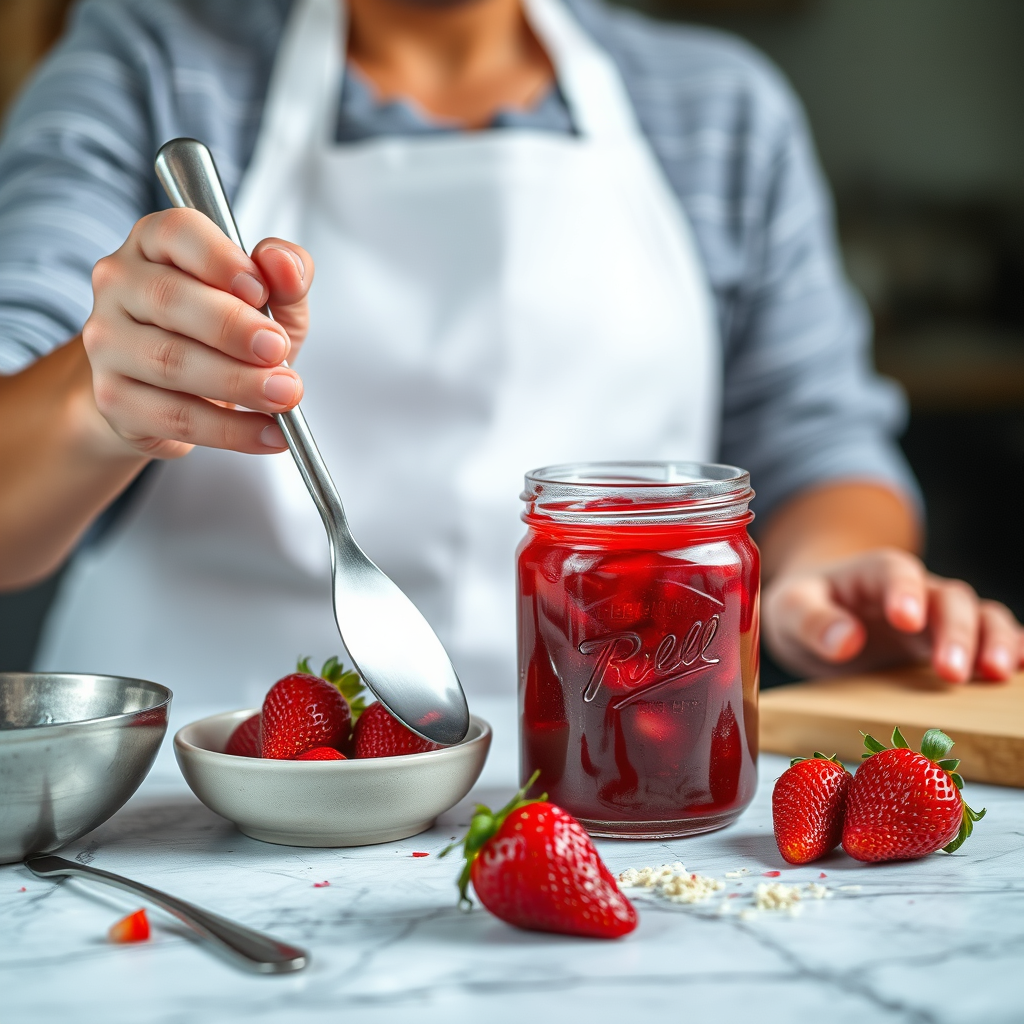
1. Gather your ingredients: You will need:
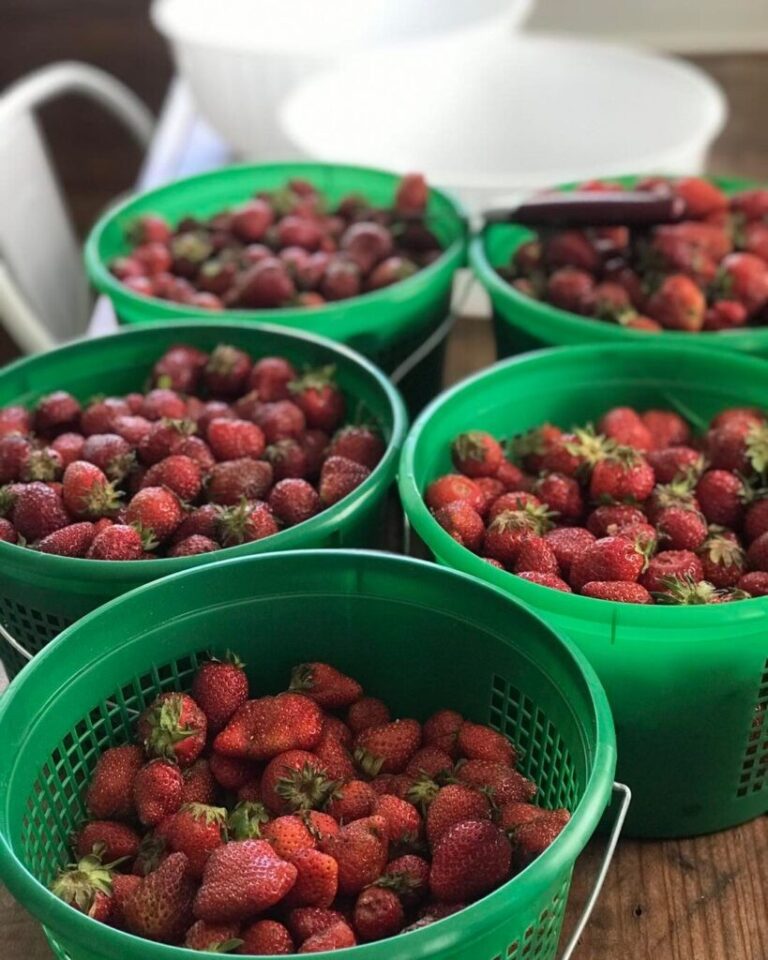
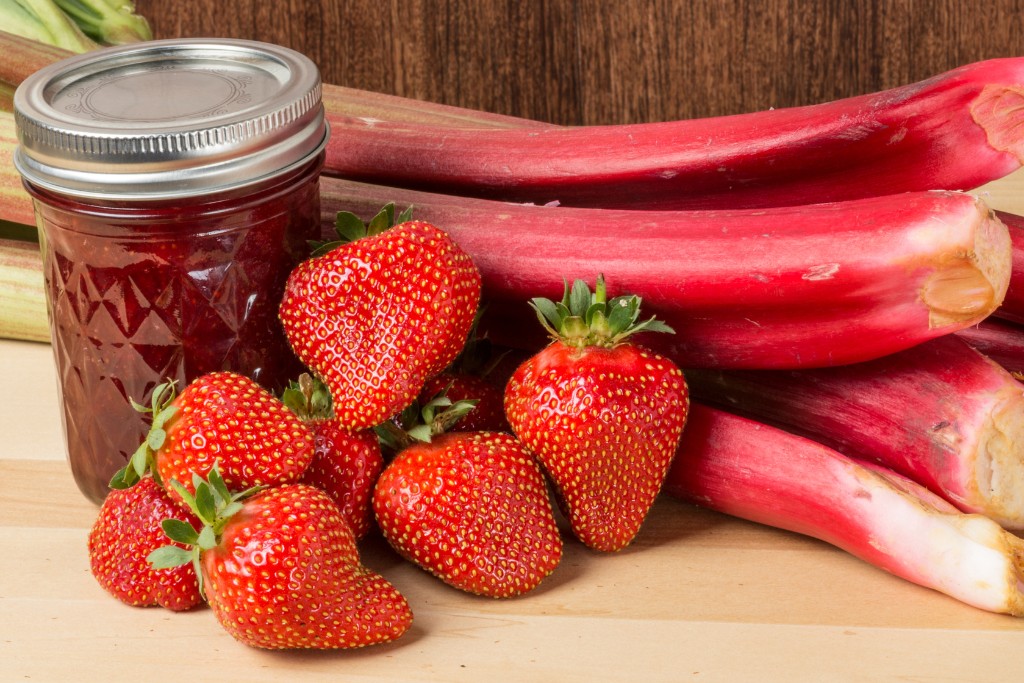
– 2 cups of fresh strawberries, hulled and sliced
– 2 cups of rhubarb, chopped into 1-inch pieces
– 4 cups of granulated sugar
– 1/4 cup of freshly squeezed lemon juice
2. Prepare your equipment: Ensure you have clean canning jars, lids, and a water bath canner ready. Sterilize jars by placing them in boiling water for 10 minutes. This step is crucial to prevent bacterial contamination and spoilage.
3. Cook the fruit: In a large, heavy-bottomed pot, combine the sliced strawberries, chopped rhubarb, lemon juice, and granulated sugar. Cook over medium heat, stirring frequently until the mixture reaches a rolling boil. This process typically takes about 10-15 minutes. Maintaining a consistent stir is essential to prevent the mixture from sticking to the bottom of the pot.
4. Test for gel consistency: To check if the jam is ready, drop a small amount of the mixture onto a cold plate using a spoon. Allow it to sit for a few seconds, then push it with your finger. If it wrinkles and holds its shape, the jam is ready for canning. If it remains runny, continue to boil for an additional 1-2 minutes and test again. This step is critical, as it determines the final texture of your jam.
5. Fill the jars: Once the jam has reached the desired consistency, remove it from the heat. Carefully ladle the hot jam into your sterilized jars, leaving about 1/4-inch headspace at the top. Wipe the rims of the jars with a clean, damp cloth to eliminate any residue that could prevent a proper seal.
6. Seal the jars: Place the lids on the jars and screw on the metal bands until they are fingertip-tight. Avoid over-tightening, as this can hinder air from escaping during the canning process.
7. Process the jars: Place the filled jars in a water bath canner, ensuring they are covered by at least an inch of water. Bring the water to a rolling boil and process the jars for 10 minutes. If you are at a higher elevation, check for altitude adjustments; processing times may need to be increased.
8. Cool and check seals: After processing, carefully remove the jars from the canner and let them cool on a clean towel or wire rack for 12-24 hours. Once cooled, check the seals by pressing the center of each lid. If it does not pop back, the jar has sealed properly. If any jars did not seal, refrigerate them and use within a few weeks.
Warning Signs: When Not to Follow This
– Do not proceed with this recipe if your strawberries or rhubarb show signs of spoilage, such as mold, off-smells, or excessive bruising. Using spoiled fruit can lead to foodborne illness.
– Avoid making this jam recipe if you have a compromised immune system or health conditions that heighten food safety concerns. Improper canning can lead to serious health risks, such as botulism.
– If your kitchen environment lacks proper sanitation, such as unclean surfaces or utensils, do not attempt this recipe until you can ensure a safe cooking area.
– If the jam does not reach the proper boiling temperature (at least 220°F or 104°C for gel formation), discontinue the process to prevent spoilage and wastage.
The Most Common Mistakes (And Their Consequences)
– Skipping the sterilization of jars: This can lead to bacterial contamination, resulting in food spoilage and potential health hazards. Always sterilize jars before filling them.
– Not measuring ingredients accurately: This affects the jam’s consistency and flavor. Too much sugar can inhibit proper gelling, while too little can lead to a runny product.
– Failing to use fresh, ripe strawberries and rhubarb: Using subpar fruit will yield a jam that lacks flavor and depth, diminishing the overall quality of the preserve.
– Ignoring boiling times: Not adhering to the specified boiling times can result in a jam that either doesn’t set properly or is overcooked, leading to a burnt taste and loss of texture.
Special Cases That Need a Different Approach
– If you are using frozen strawberries or rhubarb, ensure they are completely thawed and drain excess liquid before starting the recipe. This helps maintain the correct consistency in your jam.
– For those who prefer lower sugar content, consider using sugar substitutes designed for canning. However, be sure to follow the manufacturer’s guidelines for proportions.
– If you wish to incorporate additional flavors, such as herbs or spices, do so sparingly and test in small batches to avoid overpowering the traditional strawberry rhubarb taste.
– Adjustments in altitude may require modifications in cooking times and temperatures. Consult altitude-adjusted canning guidelines if you live at a higher elevation to ensure safety and efficacy.
When You Need a Professional
– If you experience any adverse reactions after consuming homemade jam, such as gastrointestinal issues, consult a healthcare professional immediately to assess your condition.
– In cases where you are uncertain about the safety of your canned goods, especially if you suspect improper sealing, seek advice from a food safety expert or local extension office.
– If you are considering selling your homemade jam, contact local food safety authorities to ensure compliance with health regulations and obtain necessary permits.
– For specific dietary needs or restrictions, consult with a nutritionist before modifying the recipe to ensure it aligns with your health goals.
Sources and Further Reading
– The USDA Complete Guide to Home Canning offers standardized guidelines for safe canning practices, including strawberry rhubarb jam.
– The National Center for Home Food Preservation provides additional resources and updated food safety information relevant to home canning techniques.
– “The Ball Book of Canning and Preserving” is a comprehensive guide that includes various fruit preserves, including strawberry rhubarb jam, with professional insights on preservation.
– Local extension services often provide workshops and resources for home canning, offering practical, hands-on experience and expert advice tailored to your region.
Making strawberry rhubarb jam can be a rewarding experience, allowing you to savor the flavors of summer throughout the year. By following this expert protocol, you can ensure a safe, delicious, and successful canning process. Enjoy your culinary creation and the delight of sharing it with friends and family!
Frequently Asked Questions
What are the essential ingredients for a strawberry rhubarb jam recipe?
The essential ingredients for a strawberry rhubarb jam recipe include fresh strawberries, rhubarb, granulated sugar, and lemon juice. Using ripe, sweet strawberries paired with tart rhubarb creates a perfect balance of flavors. Additionally, pectin may be used to help the jam set properly, ensuring a smooth consistency.
How do I properly prepare strawberries and rhubarb for jam?
To prepare strawberries and rhubarb for jam, start by washing the strawberries and hulling them, removing the green tops. For rhubarb, wash the stalks and chop them into small pieces. It’s important to measure the fruit accurately to maintain the right balance of sweetness and tartness in your strawberry rhubarb jam.
Why is my strawberry rhubarb jam too runny, and how can I fix it?
If your strawberry rhubarb jam is too runny, it may be due to insufficient cooking time or not using enough pectin. To fix it, you can return the jam to the stove, add more pectin, and cook it for a few additional minutes until it reaches your desired thickness. Always test the consistency by placing a spoonful on a cold plate to see if it sets.
What is the best way to store homemade strawberry rhubarb jam?
The best way to store homemade strawberry rhubarb jam is to keep it in sterilized glass jars with airtight lids. After sealing, store the jars in a cool, dark place for up to a year. Once opened, refrigerate the jam and consume it within a few weeks for the best flavor and freshness.
Which tools do I need for making strawberry rhubarb jam at home?
To make strawberry rhubarb jam at home, you will need essential tools such as a large pot for cooking, a wooden spoon for stirring, a canning funnel for filling jars, and a ladle for easy transfer. Additionally, a candy thermometer can help ensure you reach the right temperature for a proper set, while sterilized jars are crucial for safe storage.
References
- Rhubarb
https://en.wikipedia.org/wiki/Rhubarb - NYT Cooking – Recipes and Cooking Guides From The New York Times
https://www.nytimes.com/recipes/1019807/strawberry-rhubarb-jam - https://www.sciencedirect.com/topics/agricultural-and-biological-sciences/strawberry
https://www.sciencedirect.com/topics/agricultural-and-biological-sciences/strawberry - https://www.ncbi.nlm.nih.gov/pmc/articles/PMC4000725/
https://www.ncbi.nlm.nih.gov/pmc/articles/PMC4000725/ - https://www.cdc.gov/nutrition/food-safety/food-safety-tips.html
https://www.cdc.gov/nutrition/food-safety/food-safety-tips.html - Google Scholar Google Scholar
https://scholar.google.com/scholar?q=strawberry+rhubarb+jam+recipe - Google Scholar Google Scholar
https://scholar.google.com/scholar?q=strawberry+rhubarb+preservation - Google Scholar Google Scholar
https://scholar.google.com/scholar?q=fruit+jam+recipes - https://www.extension.purdue.edu/extmedia/FS/FS-7-W.pdf
https://www.extension.purdue.edu/extmedia/FS/FS-7-W.pdf - strawberry rhubarb jam recipe – Search results
https://en.wikipedia.org/wiki/Special:Search?search=strawberry+rhubarb+jam+recipe