Master the art of making sour cherry jam with this complete guide that outlines expert protocols for safe preparation. This guide is designed for both novice and experienced canners, providing step-by-step instructions to ensure delicious results while prioritizing food safety. Following these precise protocols not only enhances flavor but also protects against common canning pitfalls, making your sour cherry jam both tasty and safe to enjoy.
What This Guide Covers (And What It Doesn’t)
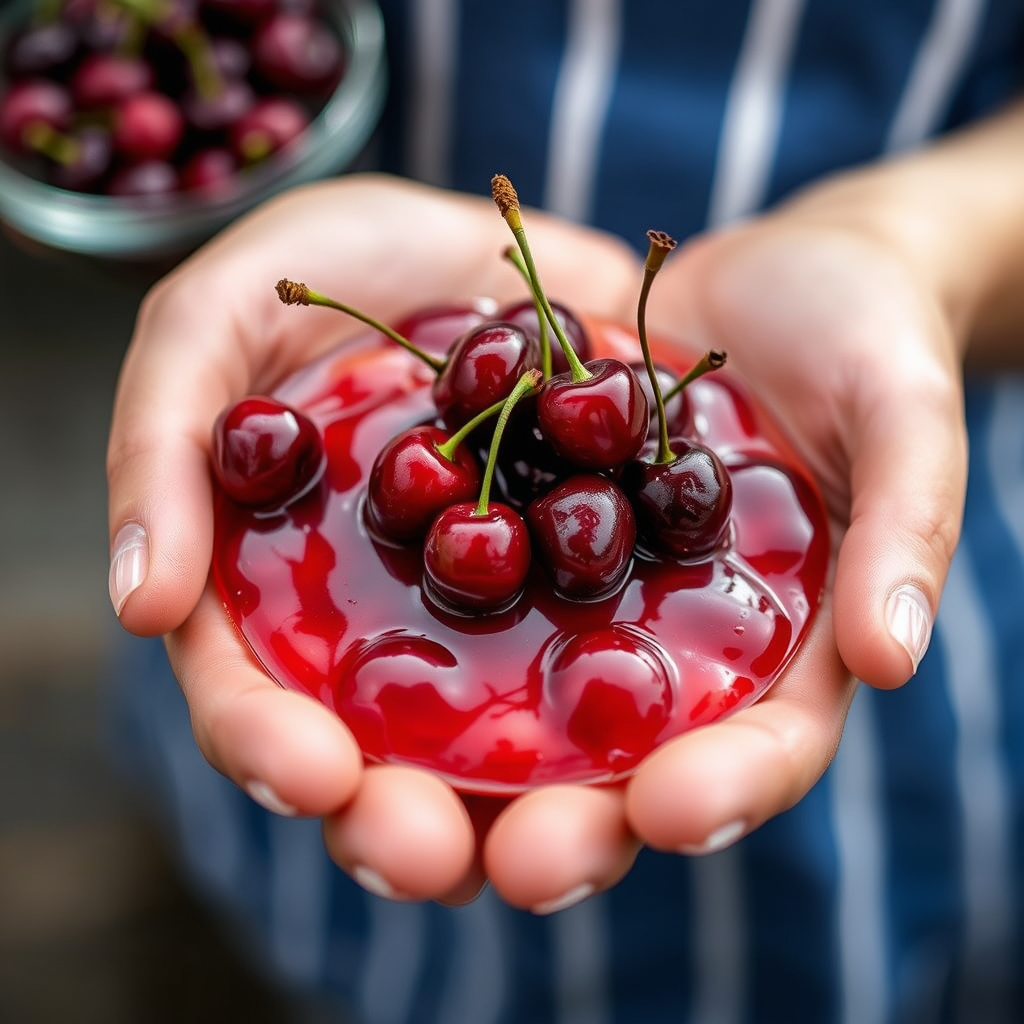
This guide offers comprehensive protocols for safely making sour cherry jam, detailing ingredient ratios, cooking temperatures, and preservation techniques essential for achieving the best flavor and safety. It zeroes in on the specific technical requirements needed for canning sour cherries, including acidity levels and pectin use—both critical for the desired consistency and taste. However, it does not address other fruit jams or preserves, nor does it cover unconventional methods that stray from standard canning practices. Designed for home cooks with a basic understanding of canning, this guide underscores the safety protocols crucial for anyone undertaking this process.
Who Should Read This
This guide is intended for home canners with some experience in fruit preserves, particularly those focusing on the unique preservation challenges of sour cherries. It also caters to individuals eager to expand their culinary repertoire through seasonal fruit canning while prioritizing safety measures to prevent spoilage. However, those unfamiliar with canning processes or new to working with sour cherries may find this guide less applicable, as it assumes a foundational grasp of kitchen hygiene and basic cooking techniques.
The Step-by-Step Protocol
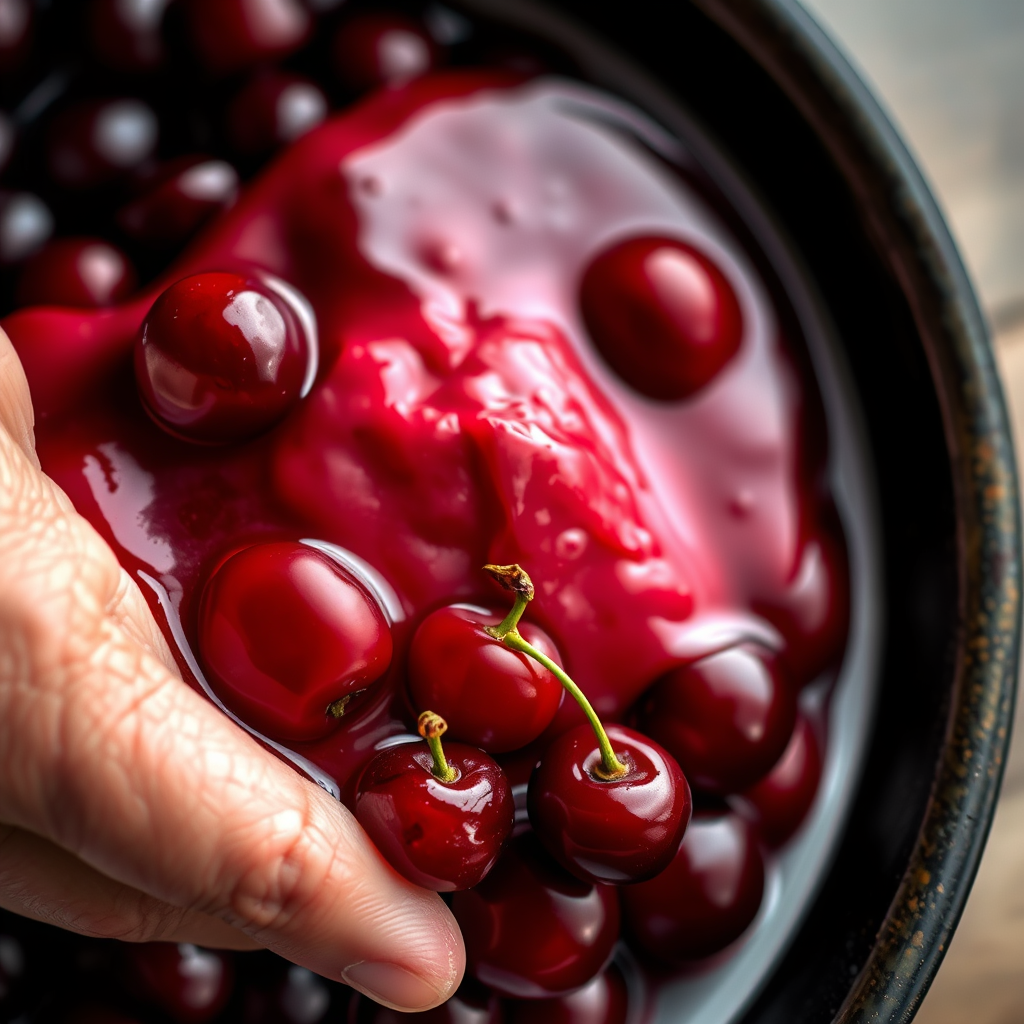
1. Gather Ingredients: Use 4 cups of pitted sour cherries, 1.5 cups of granulated sugar, 1/4 cup of lemon juice, and 1 packet of fruit pectin (specifically designed for low-sugar recipes). It’s essential that the fruit is fresh and ripe for the best flavor.
2. Prepare Equipment: Sterilize 4 half-pint canning jars and lids by boiling them in water for 10 minutes; keep them warm until ready to use. Ensure all utensils are clean, and consider using a jar lifter to prevent burns.
3. Cook the Jam: In a large pot, combine the sour cherries, sugar, and lemon juice. Heat over medium-high until the mixture reaches a rolling boil, stirring constantly. Once boiling, add the fruit pectin, and boil for an additional 1-2 minutes until the jam reaches a temperature of 220°F (104°C). Use a candy thermometer for precise measurement.
4. Jar the Jam: Carefully ladle the hot jam into the prepared jars, leaving 1/4 inch of headspace. Wipe the jar rims with a clean cloth to remove any residue. Place the lids on, and screw on the metal bands until fingertip-tight. Avoid overtightening, as this can interfere with sealing.
5. Process the Jars: Process the jars in a boiling water bath for 10 minutes to ensure a proper seal and prevent spoilage. If you are above 1,000 feet in elevation, adjust the processing time. For every additional 1,000 feet, increase processing time by 1 minute.
Sour Cherry Jam Ingredient Ratios
| # | Ingredient | Quantity | Purpose |
|---|---|---|---|
| 1 | Sour Cherries | 4 cups | Main ingredient |
| 2 | Granulated Sugar | 1.5 cups | Sweetening agent |
| 3 | Lemon Juice | 1/4 cup | Acidifier |
| 4 | Fruit Pectin | 1 packet | Thickening agent |
| 5 | Water | As needed | To adjust consistency |
Warning Signs: When Not to Follow This

Do not attempt to make sour cherry jam if your cherries show signs of mold, excessive bruising, or fermentation, as these factors can compromise both safety and flavor. If you lack reliable canning equipment or proper sterilization methods, refrain from proceeding, as these issues heighten the risk of spoilage. Additionally, avoid using alternative sweeteners or pectins not specifically designed for jam-making, as they can disrupt the chemistry required for safe preservation.
The Most Common Mistakes (And Their Consequences)
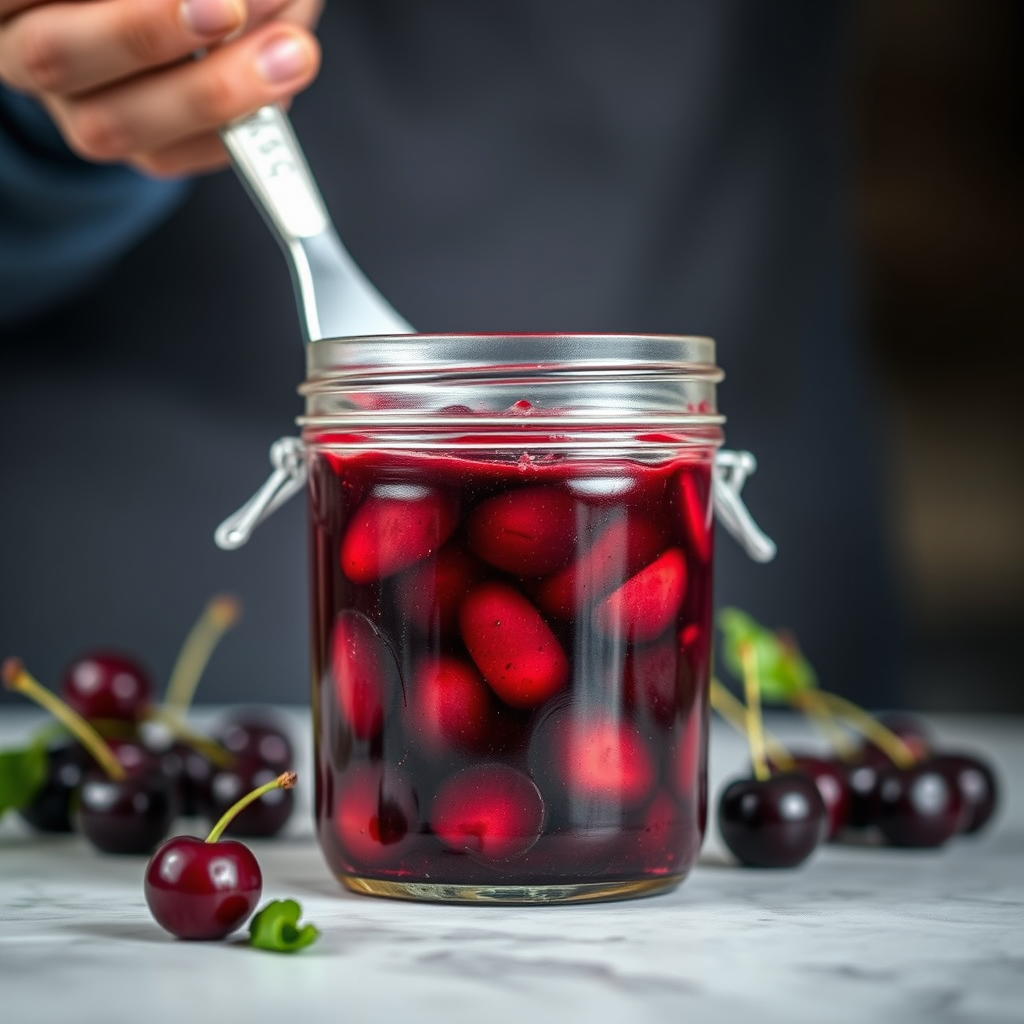
One prevalent mistake is inaccurately measuring the sugar. Too little sugar can prevent proper gelling, resulting in runny jam, while too much can lead to an overly sweet product that masks the tartness of the sour cherries. Ignoring the boiling time may cause undercooked jam that fails to set correctly, risking quicker spoilage due to insufficient heat processing. Furthermore, neglecting to properly sterilize jars and lids heightens the risk of bacterial contamination, which can spoil the jam or introduce harmful microorganisms.
Special Cases That Need a Different Approach
When using frozen sour cherries, ensure they are thawed and drained of excess liquid before measuring. Adjust sugar and pectin levels accordingly to maintain the proper consistency. For low-sugar versions of sour cherry jam, consider using specific low-sugar pectin products tested for safety to ensure the final product sets properly without excess sugar. If sourcing sour cherries from non-commercial growers, confirm that they have not been treated with any pesticides or chemicals not approved for food preservation, which may necessitate additional washing or processing steps.
When You Need a Professional
If a batch of jam fails to seal properly after processing, consult a food preservation expert to ensure safe consumption and discuss reprocessing or refrigeration options. Should you notice any signs of spoilage, such as off-smells or bulging lids, seek guidance from a food safety professional or your local extension office regarding safe disposal and additional preventive measures. When experimenting with unusual flavor combinations or preservatives not covered in this guide, consider reaching out to a food scientist or certified canning expert to ensure safety protocols are followed.
Sources and Further Reading
– National Center for Home Food Preservation: Guidelines for Canning and Preserving, focusing on fruit jams and jellies.
– “Ball Complete Book of Home Preserving” for comprehensive recipes and techniques specific to fruit canning.
– University Extension Service publications on food preservation safety, particularly those addressing sour fruits and their unique properties.
Frequently Asked Questions
What are the best sour cherries recipes for making jam?
The best sour cherries recipes for making jam typically include a simple combination of pitted sour cherries, sugar, and lemon juice. A classic recipe involves using two cups of sour cherries, one cup of sugar, and two tablespoons of lemon juice, simmering until the mixture thickens. You can also enhance the flavor by adding spices like cinnamon or vanilla for a unique twist.
How do I properly prepare sour cherries for jam-making?
To properly prepare sour cherries for jam-making, start by washing the cherries thoroughly. Remove the stems and pits, as these can affect the texture of your jam. After pitting, you can mash the cherries slightly to release their juices, which will help in the cooking process and ensure a smoother consistency in your final jam.
Why are sour cherries often preferred for jam compared to sweet cherries?
Sour cherries are often preferred for jam because their tartness provides a perfect balance to the sweetness of sugar, resulting in a more complex and flavorful jam. The natural acidity of sour cherries also helps in preserving the jam, making it last longer. Additionally, they tend to have a firmer texture, which is ideal for creating a chunky, hearty jam.
What is the best way to store homemade sour cherry jam?
The best way to store homemade sour cherry jam is to first ensure it’s sealed in sterilized jars to prevent spoilage. Once sealed, store the jars in a cool, dark place, such as a pantry or cellar. If you want to keep the jam for an extended period, consider refrigerating opened jars and consuming them within a few weeks for the best flavor and quality.
Which spices can I add to my sour cherry jam for enhanced flavor?
You can enhance the flavor of your sour cherry jam by adding spices such as cinnamon, nutmeg, or allspice. A splash of almond extract can also complement the tartness beautifully. Experimenting with these spices can create a unique jam that perfectly suits your taste preferences and makes it a delightful addition to various dishes.
References
- Prunus cerasus
https://en.wikipedia.org/wiki/Sour_cherry - https://pubmed.ncbi.nlm.nih.gov/26075263/
https://pubmed.ncbi.nlm.nih.gov/26075263/ - Orbital decompression in the system of treatment for complicated thyroid eye disease: case report…
https://www.ncbi.nlm.nih.gov/pmc/articles/PMC6363489/ - https://www.sciencedirect.com/topics/agricultural-and-biological-sciences/sour-cherry
https://www.sciencedirect.com/topics/agricultural-and-biological-sciences/sour-cherry - Tart cherry | Description, Nutrition, Uses, & Facts | Britannica
https://www.britannica.com/plant/sour-cherry - Page Not Found – Site Help – Mayo Clinic
https://www.mayoclinic.org/healthy-lifestyle/nutrition-and-healthy-eating/expert-answers/cherries/faq-20058616 - Checking your browser – reCAPTCHA
https://www.ncbi.nlm.nih.gov/pmc/articles/PMC5002152/ - https://www.cdc.gov/nutrition/food-sources/fruit.html
https://www.cdc.gov/nutrition/food-sources/fruit.html - Google Scholar Google Scholar
https://scholar.google.com/scholar?q=sour+cherries+recipes+jam - Google Scholar Google Scholar
https://scholar.google.com/scholar?q=sour+cherries+preservation+methods