Discover the expert protocol for safely making prickly pear jam with this comprehensive guide. Designed for both novice and seasoned canners, this article details essential steps, safety measures, and precise recipes to ensure your homemade jam is delicious and safe to enjoy. Following these guidelines not only enhances flavor but also prevents foodborne illnesses, making your culinary endeavor both rewarding and secure.
What This Guide Covers (And What It Doesn’t)
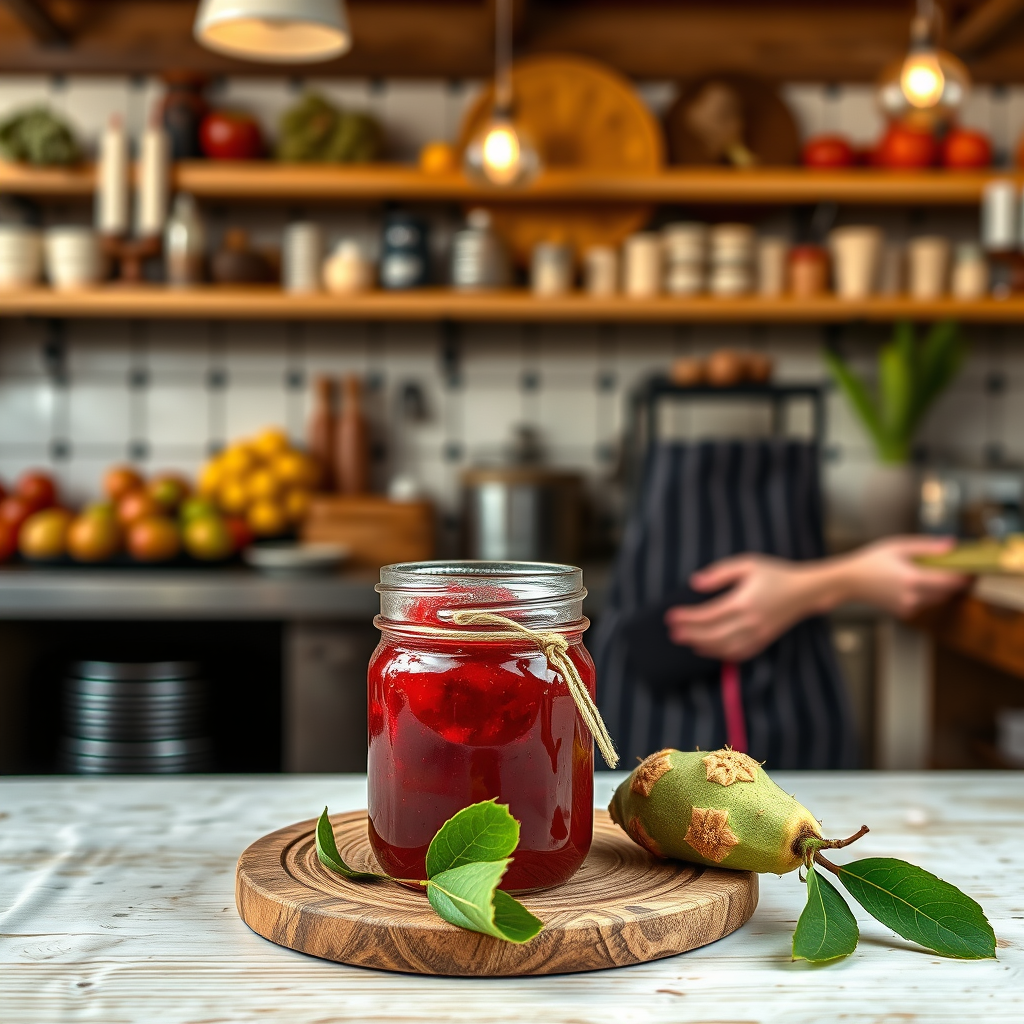
This guide provides a comprehensive step-by-step process for safely making prickly pear jam, complete with precise ingredient measurements, cooking times, and specific canning techniques tailored to prickly pear fruit. Emphasizing safety and quality, it addresses the unique characteristics of prickly pear that require careful attention. While it does not delve into alternative fruit preserves or general jam-making methods, it serves as a focused resource for enthusiasts eager to explore this distinctive fruit. Aimed at home cooks, the guide offers clear instructions and safety protocols to help you avoid common pitfalls while preserving prickly pears effectively.
Who Should Read This
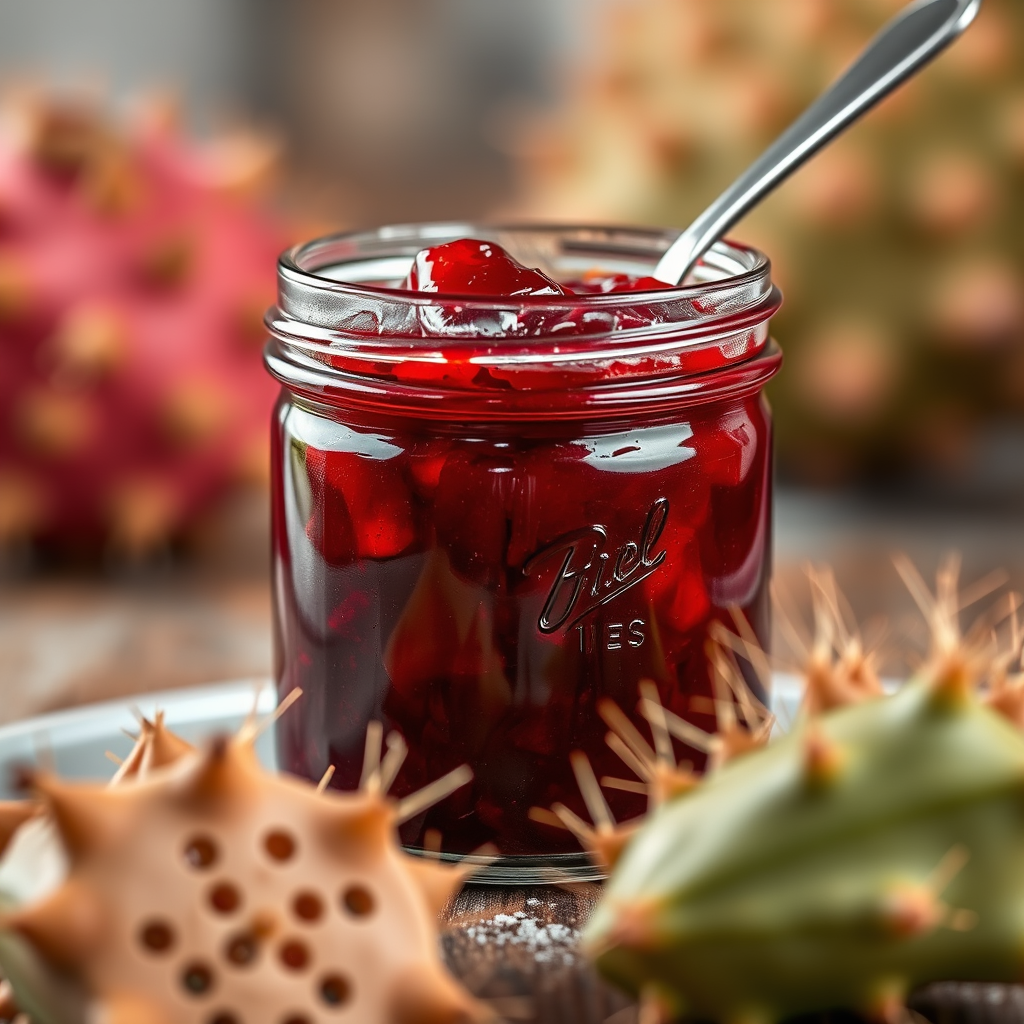
This guide is designed for individuals with basic cooking skills and some experience in canning. It assumes familiarity with essential kitchen tools and methods, such as sterilization and boiling water bath processing. If you are new to canning or jam-making, this protocol may be challenging, as it requires an understanding of specific terms and techniques. Those interested in utilizing prickly pears—whether from their own harvest or purchased—will find valuable insights here, enhancing their culinary repertoire and allowing them to enjoy the unique flavor of prickly pear preserves.
The Step-by-Step Protocol

1. Gather Ingredients and Equipment: Collect the following ingredients and equipment:
– 4 cups of prickly pear juice (from approximately 12 ripe prickly pears),
– 1 cup of granulated sugar,
– 1 tablespoon of lemon juice,
– 1 box of pectin (such as Sure-Jell).
Ensure you have sterilized jars and lids ready, along with a large pot, a juicer, and a ladle.
2. Prepare the Prickly Pears: Carefully peel the prickly pears, removing all skin and thorns. Use gloves to protect your hands, as the thorns can be irritating. After peeling, slice the fruit in half to extract the juice. You can use a juicer for efficiency, or alternatively, mash the fruit and strain it through a fine mesh sieve or cheesecloth to separate the juice from the pulp.
3. Cook the Jam: In a large, heavy-bottomed pot, combine the prickly pear juice, lemon juice, and pectin. Stir well to dissolve the pectin. Bring the mixture to a full boil over medium-high heat while stirring consistently to prevent sticking. Once boiling, add the sugar all at once, stirring continuously. Allow the mixture to return to a rapid boil for 1-2 minutes until it thickens, ensuring all sugar has dissolved.
4. Canning Process: Pour the hot jam into sterilized jars, leaving about 1/4 inch of headspace at the top. Wipe the rims of the jars with a clean cloth to remove any residue. Seal the jars with the sterilized lids and process them in a boiling water bath for 10 minutes. Ensure the water covers the jars by at least an inch. After processing, allow the jars to cool completely on a clean towel or cooling rack. Check seals after 24 hours; any unsealed jars should be refrigerated and used promptly.
Warning Signs: When Not to Follow This
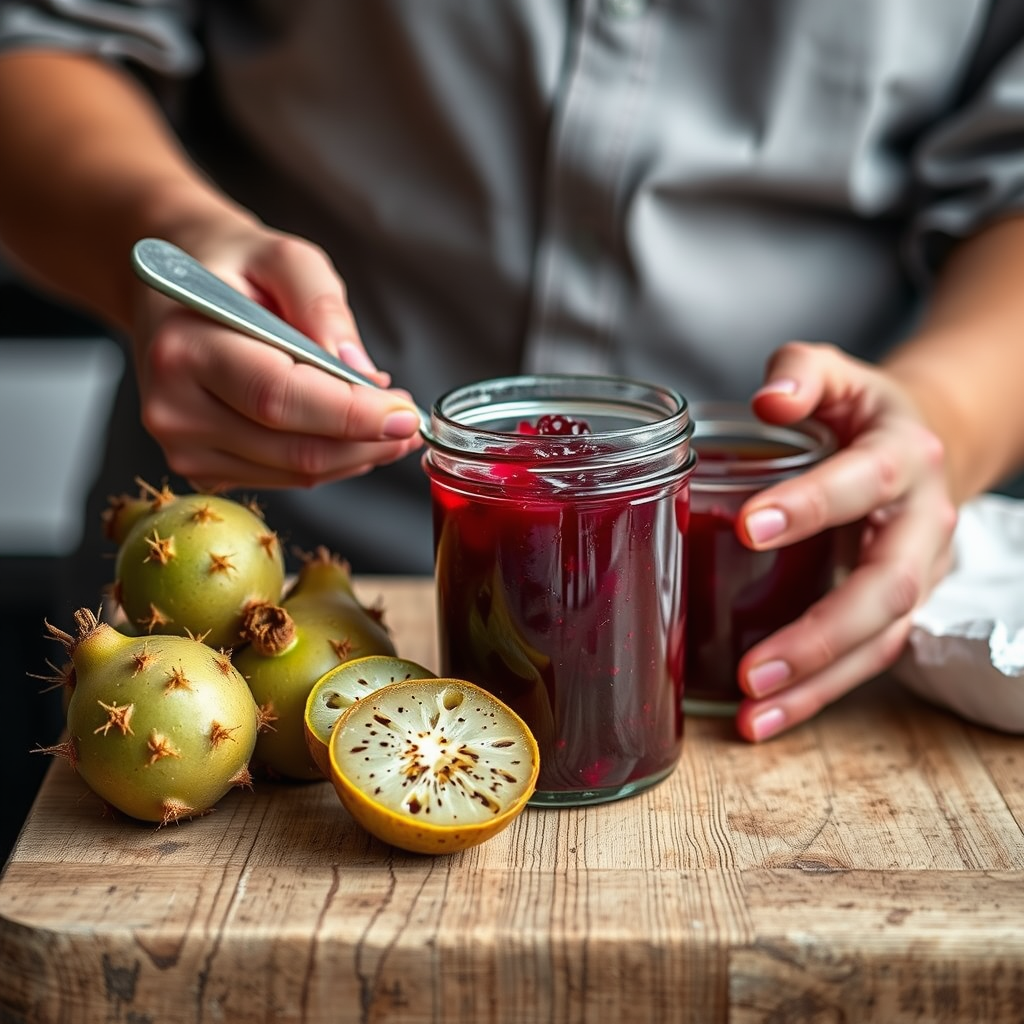
Be cautious if you notice any signs of spoilage in your prickly pears, such as mold, off-smells, or discoloration; do not use them in your jam recipe. Additionally, avoid making this recipe if you lack proper canning equipment, as improper sealing can lead to foodborne illnesses. If you have a compromised immune system or are preparing the jam for vulnerable populations, reconsider making home preserves without professional guidance, as proper sterilization and processing are crucial in these cases.
The Most Common Mistakes (And Their Consequences)
One common mistake is inaccurately measuring the prickly pear juice. Using too little juice can result in a jam that fails to set, leading to an unappealing syrupy consistency unsuitable for canning. Skipping the boiling water bath process is another critical error, which can result in jars that do not seal, increasing the risk of spoilage and potential food poisoning. This step is essential for creating a vacuum seal. Additionally, failing to adequately sterilize jars can introduce bacteria, leading to spoilage or unsafe conditions for consumption. Always ensure that your jars are properly sterilized before use.
Special Cases That Need a Different Approach
If you’re using particularly ripe or overripe prickly pears, consider reducing the sugar amount slightly, as they may contain higher natural sugars, affecting the sweetness and gelling process of the jam. For those with dietary restrictions, such as diabetes, explore using sugar substitutes suitable for canning, like erythritol or stevia, ensuring they have been tested for safe preservation methods. If you’re interested in infusing flavors, such as vanilla or cinnamon, add these during the boiling stage; however, exercise caution as it may affect the gelling process. Test small batches to achieve the right balance.
When You Need a Professional
If you are uncertain about the safety of the prickly pears or the canning process, consult a food safety expert or local extension service before proceeding to ensure adherence to safety standards. In cases of food allergies, especially to prickly pear or related species, consult a healthcare professional to avoid adverse reactions. Should you experience any issues with the jam setting after following the protocol, a food preservation specialist can provide insights into why the jam failed and how to correct it in future batches. Seek out local agricultural extension services for expert advice on food preservation.
Sources and Further Reading
– Refer to the USDA’s Complete Guide to Home Canning for validated canning techniques and safety protocols that should be followed for all preservation methods.
– The National Center for Home Food Preservation offers specific guidelines on fruit preservation, including prickly pears, and provides a wealth of information on safe canning practices.
– Look for local agricultural extension services that provide resources and workshops on preserving prickly pears and other fruits safely, as they can offer hands-on training and support.
By following this expert guide, you will be well-equipped to create delicious and safe prickly pear jam that captures the essence of this unique fruit. Embrace the process, and savor the rewards of your homemade preserves.
Frequently Asked Questions
What ingredients do I need for a basic prickly pear jam recipe?
To make a basic prickly pear jam, you will need prickly pear fruit, sugar, lemon juice, and pectin. The prickly pears should be peeled and pureed to create a smooth base, while the sugar and lemon juice help balance the sweetness and acidity, and pectin ensures the jam sets properly.
How do I prepare prickly pears for making jam?
Preparing prickly pears involves carefully peeling the fruit to avoid the tiny spines. Start by slicing off the ends, then make vertical cuts down the skin to peel it away easily. Once peeled, cut the flesh into chunks and blend or mash until you achieve a smooth puree for your jam.
Why is lemon juice important in prickly pear jam?
Lemon juice is crucial in prickly pear jam because it adds acidity, which enhances the flavor and helps the jam set properly. The acidity from lemon juice also acts as a natural preservative, extending the shelf life of your homemade jam while balancing the sweetness from the sugar.
What is the best method for canning prickly pear jam?
The best method for canning prickly pear jam is the water bath canning technique. After cooking your jam, pour it into sterilized jars, leaving appropriate headspace, and seal with lids. Place the jars in a boiling water bath for the recommended time to ensure they are properly sealed and safe for long-term storage.
Which pectin should I use for making prickly pear jam?
For making prickly pear jam, you can use either regular or low-sugar pectin, depending on your preference for sweetness. Regular pectin is suitable for traditional recipes, while low-sugar pectin allows you to use less sugar while still achieving a good set, making it a great option for those looking to reduce sugar intake.
References
- Opuntia
https://en.wikipedia.org/wiki/Opuntia - https://www.sciencedirect.com/topics/agricultural-and-biological-sciences/prickly-pear
https://www.sciencedirect.com/topics/agricultural-and-biological-sciences/prickly-pear - https://pubmed.ncbi.nlm.nih.gov/25075992/
https://pubmed.ncbi.nlm.nih.gov/25075992/ - https://www.ncbi.nlm.nih.gov/pmc/articles/PMC4480954/
https://www.ncbi.nlm.nih.gov/pmc/articles/PMC4480954/ - https://www.cdc.gov/nutrition/resources-publications/healthy-eating.html
https://www.cdc.gov/nutrition/resources-publications/healthy-eating.html - https://www.mayoclinic.org/healthy-lifestyle/nutrition-and-healthy-eating/in-depth/jam-and-jelly/art-20045732
https://www.mayoclinic.org/healthy-lifestyle/nutrition-and-healthy-eating/in-depth/jam-and-jelly/art-20045732 - Google Scholar Google Scholar
https://scholar.google.com/scholar?q=prickly+pear+jam+recipe - Google Scholar Google Scholar
https://scholar.google.com/scholar?q=Opuntia+jam+nutritional+benefits - Google Scholar Google Scholar
https://scholar.google.com/scholar?q=prickly+pear+cooking+recipes - Prickly pear | Description, Uses, & Species | Britannica
https://www.britannica.com/plant/prickly-pear