Master the art of pomegranate jelly with this expert guide that provides a step-by-step protocol for safe and delicious results. Whether you’re a seasoned canner or a novice in the kitchen, understanding the precise methods for preparing pomegranate jelly is crucial for preserving flavor and ensuring food safety. Follow these guidelines to create a vibrant, flavorful jelly that highlights the unique taste of pomegranates while protecting your health.
What This Guide Covers (And What It Doesn’t)
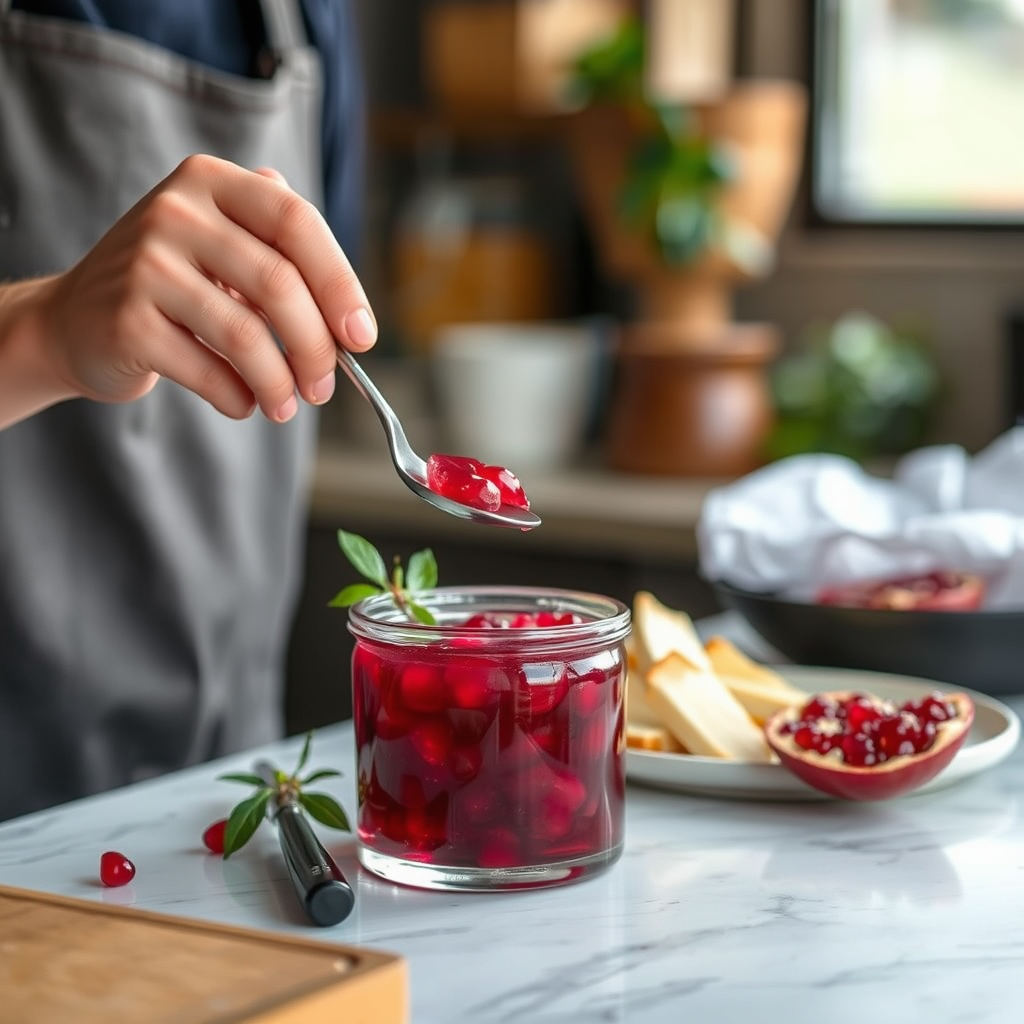
This guide provides a detailed and safe method for making pomegranate jelly, complete with ingredient specifics, cooking techniques, and preservation tips. It emphasizes using fresh pomegranate juice to ensure the highest quality and flavor in your final product. However, it does not delve into alternative jelly recipes, such as those utilizing store-bought juice or mixed fruit jellies, nor does it cover non-jelly pomegranate preserves or reductions.
Who Should Read This
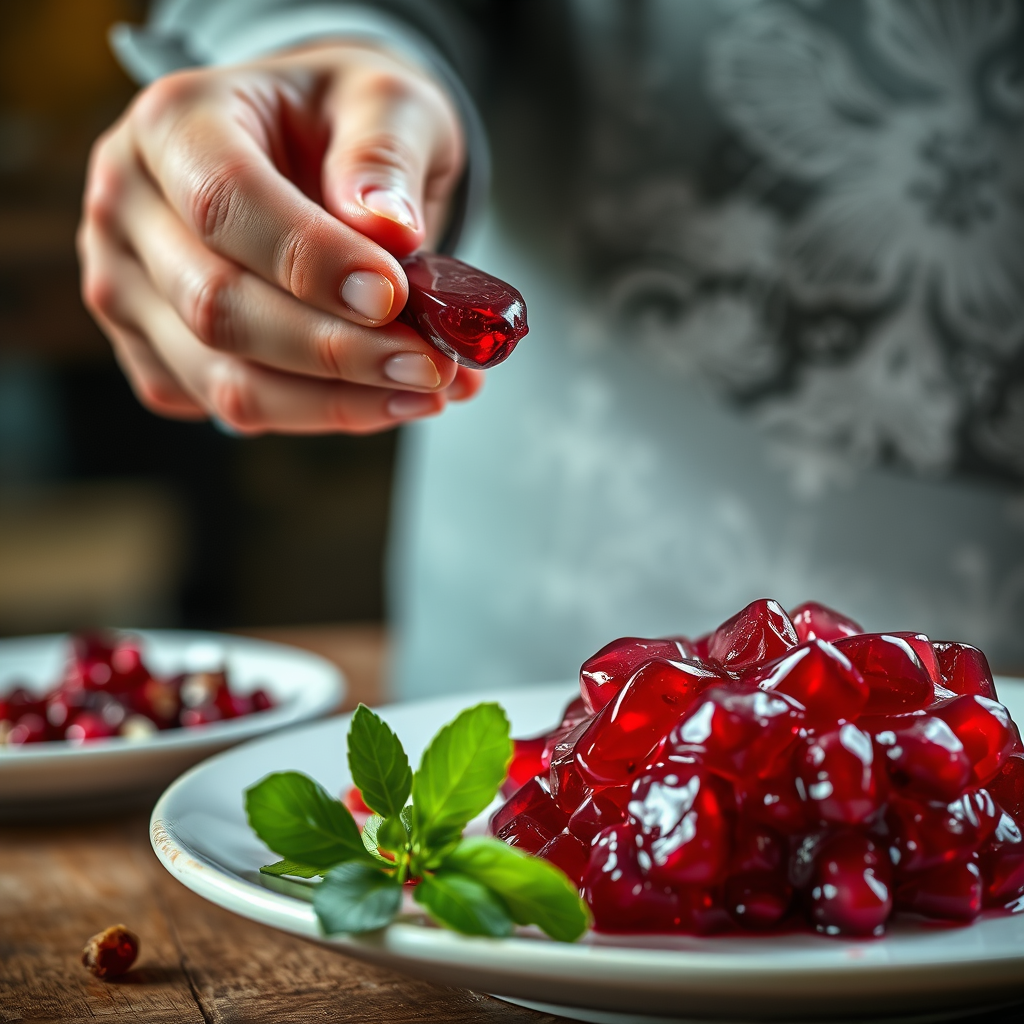
This guide is designed for home cooks who possess a basic understanding of food preparation and preservation techniques, particularly those eager to create jelly from scratch. It is particularly suited for individuals who have prior experience making jams or jellies and wish to expand their repertoire to include pomegranate jelly. If you are entirely new to canning or preserving, it may be wise to start with simpler recipes before tackling pomegranate jelly to ensure both safety and success.
The Step-by-Step Protocol
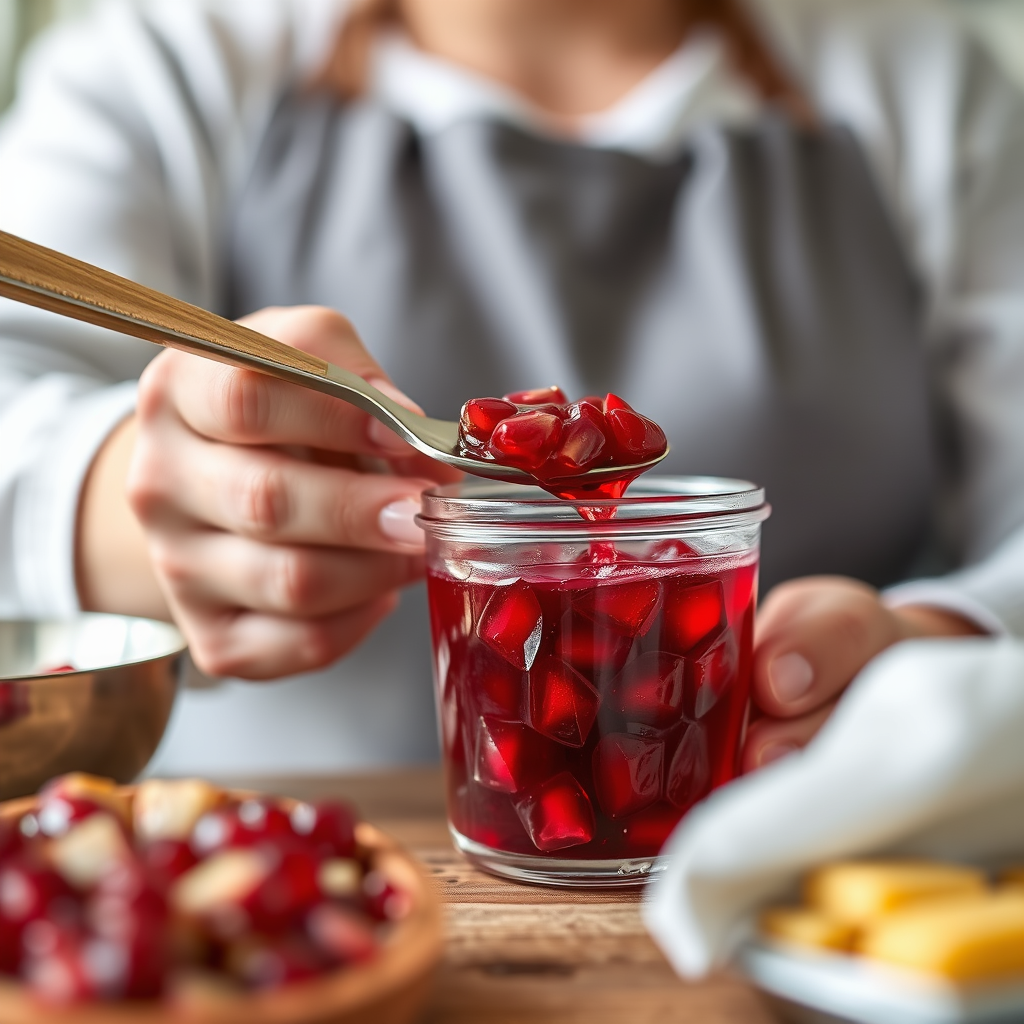
1. Gather Ingredients: Obtain 4 cups of fresh pomegranate juice, 1 package (1.75 oz) of fruit pectin, 5 cups of granulated sugar, and 1/4 teaspoon of butter (optional).
2. Prepare the Jars: Sterilize 5 half-pint canning jars by boiling them in water for 10 minutes; keep them hot until you’re ready to fill.
3. Cook the Jelly: In a large pot, combine the pomegranate juice, pectin, and butter; bring to a vigorous boil over medium-high heat while stirring continuously.
4. Add Sugar: Once boiling, quickly stir in the 5 cups of sugar. Return to a full rolling boil, cooking for 1 minute while stirring constantly.
5. Test for Doneness: Use a spoon to check the consistency; the jelly should sheet off the spoon and form a gel. If it doesn’t, boil for an additional minute and retest.
6. Fill Jars: Carefully ladle the hot jelly into the prepared jars, leaving a 1/4-inch headspace. Wipe the rims with a clean cloth to ensure a proper seal.
7. Seal and Process: Apply the lids and screw on the bands until fingertip-tight. Process the jars in a boiling water bath for 5-10 minutes to ensure preservation.
8. Cool and Store: Remove jars from the water bath, let them cool completely on a clean towel, and check seals after 24 hours. Store in a cool, dark place.
Pomegranate Jelly Ingredients Breakdown
| # | Ingredient | Quantity | Purpose | Notes |
|---|---|---|---|---|
| 1 | Pomegranate Juice | 4 cups | Base Flavor | Fresh is best |
| 2 | Fruit Pectin | 1 package (1.75 oz) | Gelling Agent | Use as directed |
| 3 | Granulated Sugar | 5 cups | Sweetener | Essential for gelling |
| 4 | Butter (optional) | 1/4 tsp | Flavor Enhancer | Reduces foaming |
| 5 | Canning Jars | 5 half-pints | Storage | Sterilize before use |
| 6 | Water for Bath | As needed | Preservation | Ensure boiling |
| 7 | Clean Cloth | 1 | Seal Maintenance | Wipe rims |
Warning Signs: When Not to Follow This
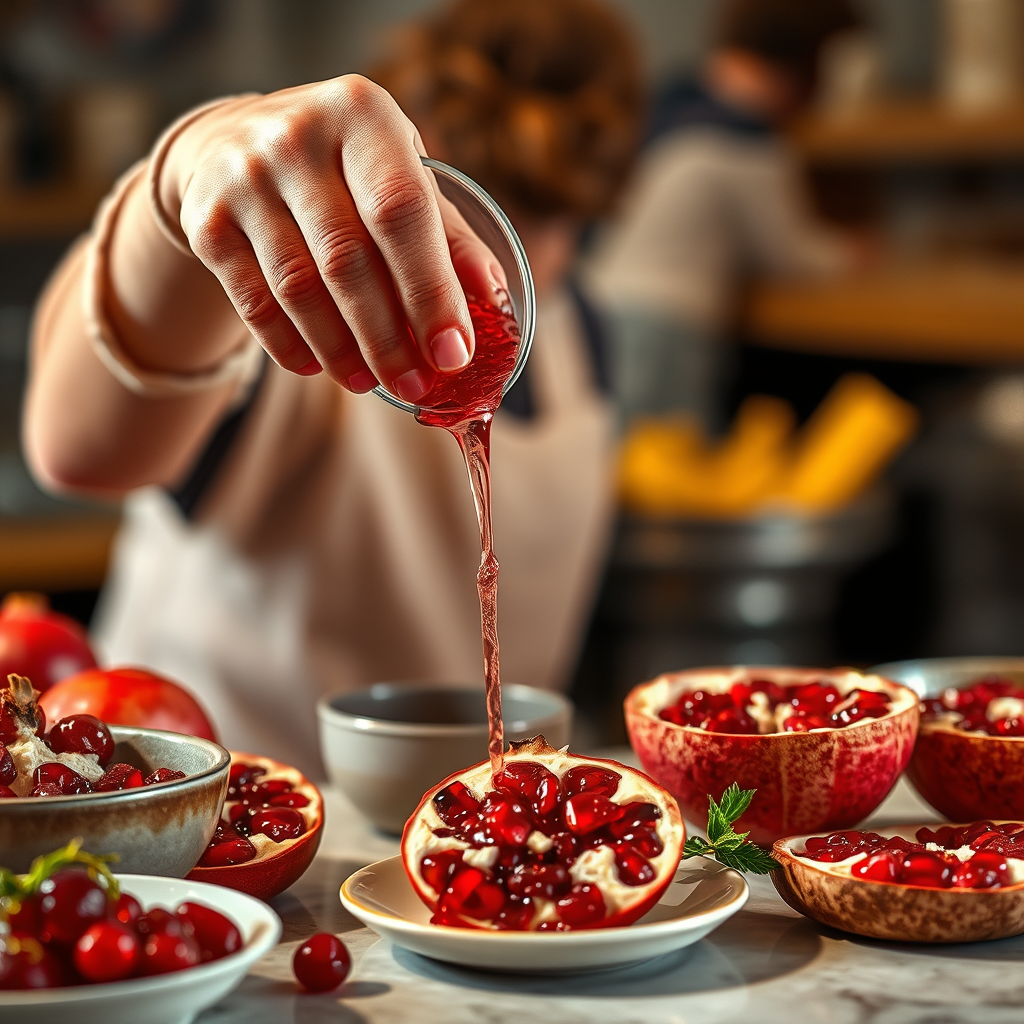
– Avoid making pomegranate jelly if you have allergies to pomegranates or any of the other ingredients, as this could lead to severe allergic reactions.
– If you notice any signs of spoilage in pomegranates, such as mold or excessive bruising, do not use them. This can compromise both the safety and quality of the jelly.
– Do not attempt this recipe without proper canning equipment, including sterilized jars and a boiling water bath, since improper canning can lead to foodborne illness.
The Most Common Mistakes (And Their Consequences)
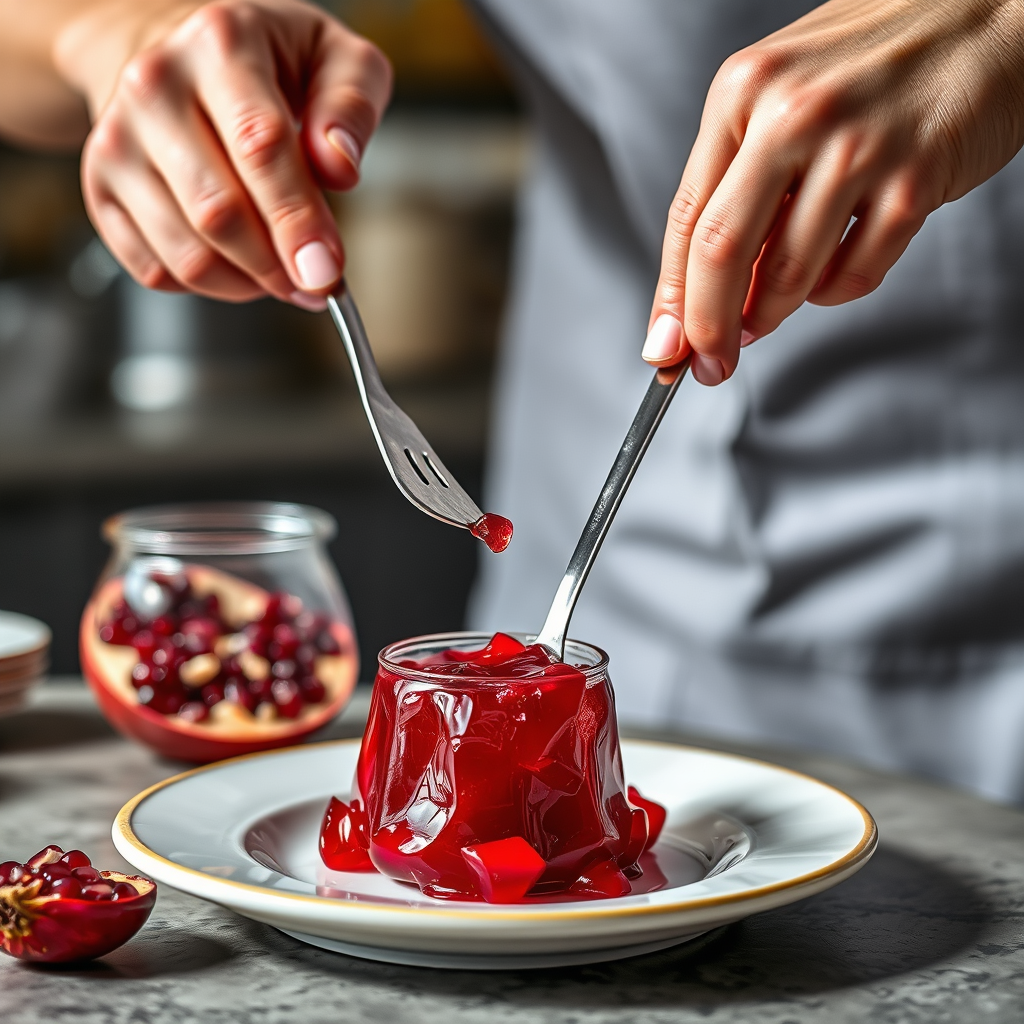
– Using bottled pomegranate juice instead of fresh juice can result in a less vibrant flavor and may hinder proper gelling due to varying pectin levels.
– Not measuring the sugar accurately can lead to jelly that is either overly sweet or fails to set correctly; always use a measuring cup for precision.
– Failing to process the jars in a boiling water bath poses a risk for spoilage and bacterial growth, jeopardizing food safety and shelf life.
Special Cases That Need a Different Approach
– If using frozen pomegranate juice, ensure it is fully thawed and at room temperature before starting the recipe, as temperature differences can affect gelling.
– For those following a lower sugar diet, consider using a no-sugar pectin and adhere to the manufacturer’s instructions, since traditional recipes rely heavily on sugar for gelling.
– If you plan to infuse additional flavors, such as herbs or spices, do so during the boiling stage, but be cautious not to significantly alter the pectin-sugar balance.
When You Need a Professional
– If you have any uncertainties regarding the safety of your canning practices or questions about food preservation regulations, consult a local extension service or food preservation expert.
– Should you encounter signs of spoilage in your finished jelly, such as off smells or bulging lids, discard the product and seek guidance on safe food handling.
– If you intend to sell your pomegranate jelly commercially, it is essential to consult a food safety professional to ensure compliance with local health regulations and guidelines.
Sources and Further Reading
– The National Center for Home Food Preservation: [Canning and Preserving](https://nchfp.uga.edu/)
– USDA Complete Guide to Home Canning: [Home Canning Guidelines](https://nchfp.uga.edu/publications/publications_usda.html)
– Pomegranate Council: [Pomegranate Health Benefits and Uses](https://www.pomegranatecouncil.org/)
By adhering to these guidelines, you can confidently enjoy the process of making pomegranate jelly, resulting in a delicious and safe product that can be savored for months to come.
Frequently Asked Questions
What ingredients do I need for a pomegranate jelly recipe?
To make pomegranate jelly, you’ll need fresh pomegranate juice, sugar, lemon juice, and pectin. Fresh juice is crucial for the best flavor, so consider using a juicer or blender to extract the juice. Make sure to have sterilized jars on hand for storing your jelly.
How do I make pomegranate jelly from scratch?
To make pomegranate jelly, start by boiling fresh pomegranate juice and lemon juice in a pot. Gradually add sugar and pectin, stirring constantly until the mixture reaches a rolling boil. Once it thickens, pour it into sterilized jars and seal them tightly, then process in a water bath for proper preservation.
Why is my pomegranate jelly not setting?
If your pomegranate jelly isn’t setting, it may be due to insufficient pectin or not boiling the mixture long enough. Ensure you’re using the right amount of pectin based on the juice quantity and consider reboiling the jelly to achieve the desired consistency. Adding a bit more lemon juice can also help with setting.
What is the best way to store pomegranate jelly?
The best way to store pomegranate jelly is in a cool, dark place, such as a pantry or cupboard. Once opened, keep it in the refrigerator to maintain freshness. Properly sealed jars can last up to a year, while opened jelly should be consumed within a few weeks for optimal flavor.
Which pectin should I use for pomegranate jelly?
For pomegranate jelly, it’s best to use a high-quality fruit pectin, such as Sure-Jell or Ball fruit pectin, specifically designed for high-acid fruits. These pectins provide reliable results and ensure your jelly sets properly. Always check the package instructions for specific measurements to achieve the best outcome.
References
- Pomegranate
https://en.wikipedia.org/wiki/Pomegranate - Lungfish Axial Muscle Function and the Vertebrate Water to Land Transition – PMC
https://www.ncbi.nlm.nih.gov/pmc/articles/PMC4008594/ - Intestinal Immunomodulatory Cells (T Lymphocytes): A Bridge between Gut Microbiota and Diabetes -…
https://www.ncbi.nlm.nih.gov/pmc/articles/PMC5866888/ - https://www.sciencedirect.com/topics/agricultural-and-biological-sciences/pomegranate
https://www.sciencedirect.com/topics/agricultural-and-biological-sciences/pomegranate - Elucidating Syntrophic Butyrate-Degrading Populations in Anaerobic Digesters Using Stable-Isotope…
https://www.ncbi.nlm.nih.gov/pmc/articles/PMC6687939/ - Google Scholar Google Scholar
https://scholar.google.com/scholar?q=pomegranate+jelly+recipe - Google Scholar Google Scholar
https://scholar.google.com/scholar?q=pomegranate+preservation - Google Scholar Google Scholar
https://scholar.google.com/scholar?q=pomegranate+cooking+methods - Pomegranate | Description, Cultivation, & Facts | Britannica
https://www.britannica.com/plant/pomegranate - Page Not Found – Site Help – Mayo Clinic
https://www.mayoclinic.org/healthy-lifestyle/nutrition-and-healthy-eating/expert-answers/pomegranate/faq-20058210