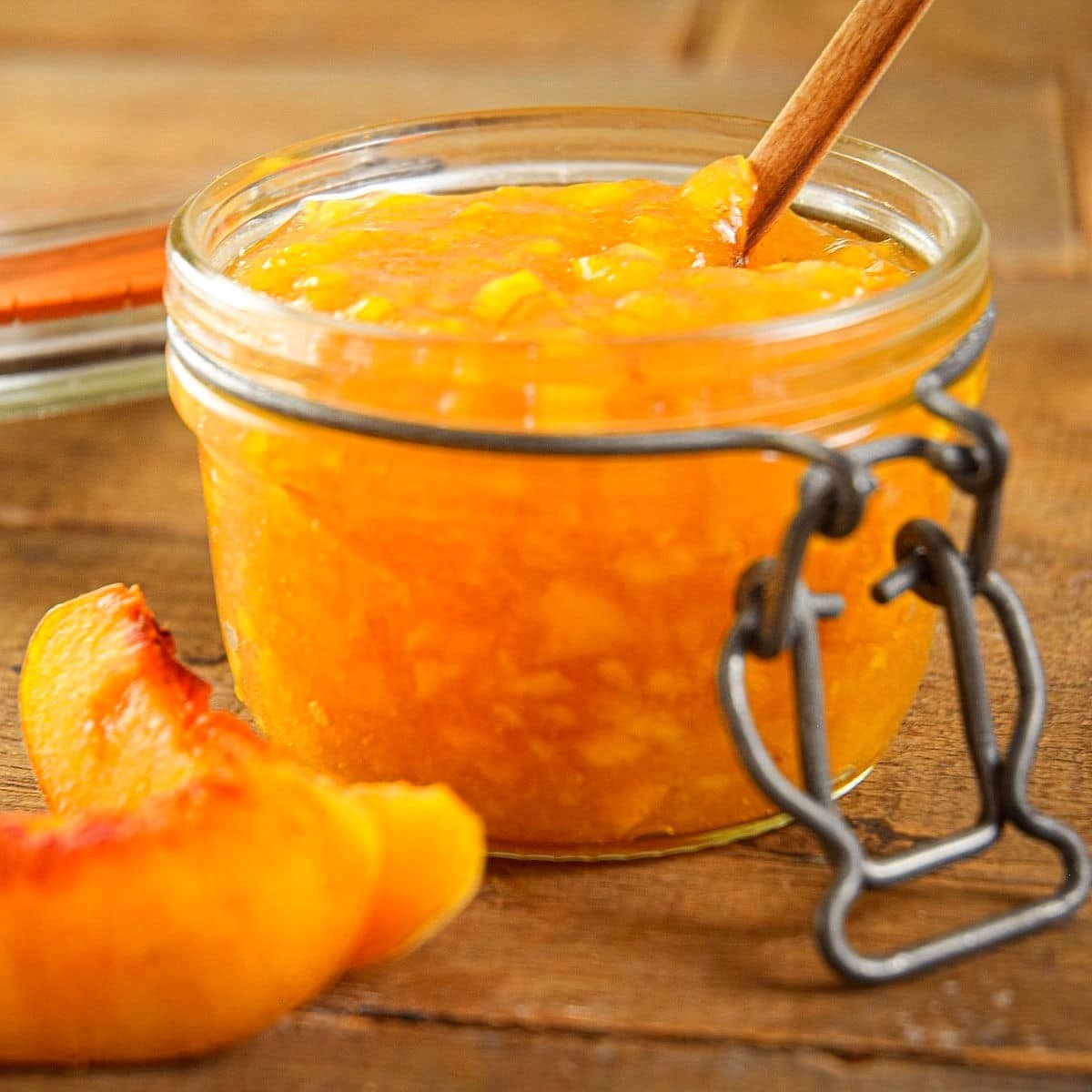
Master the art of making peach freezer jam with this expert guide designed for home preservers seeking to enhance their skills. This comprehensive resource covers essential protocols to ensure your jam is not only delicious but also safely preserved. Following these guidelines is crucial for maintaining flavor and preventing spoilage, making your peach freezer jam a reliable addition to your pantry.
What This Guide Covers (And What It Doesn’t)
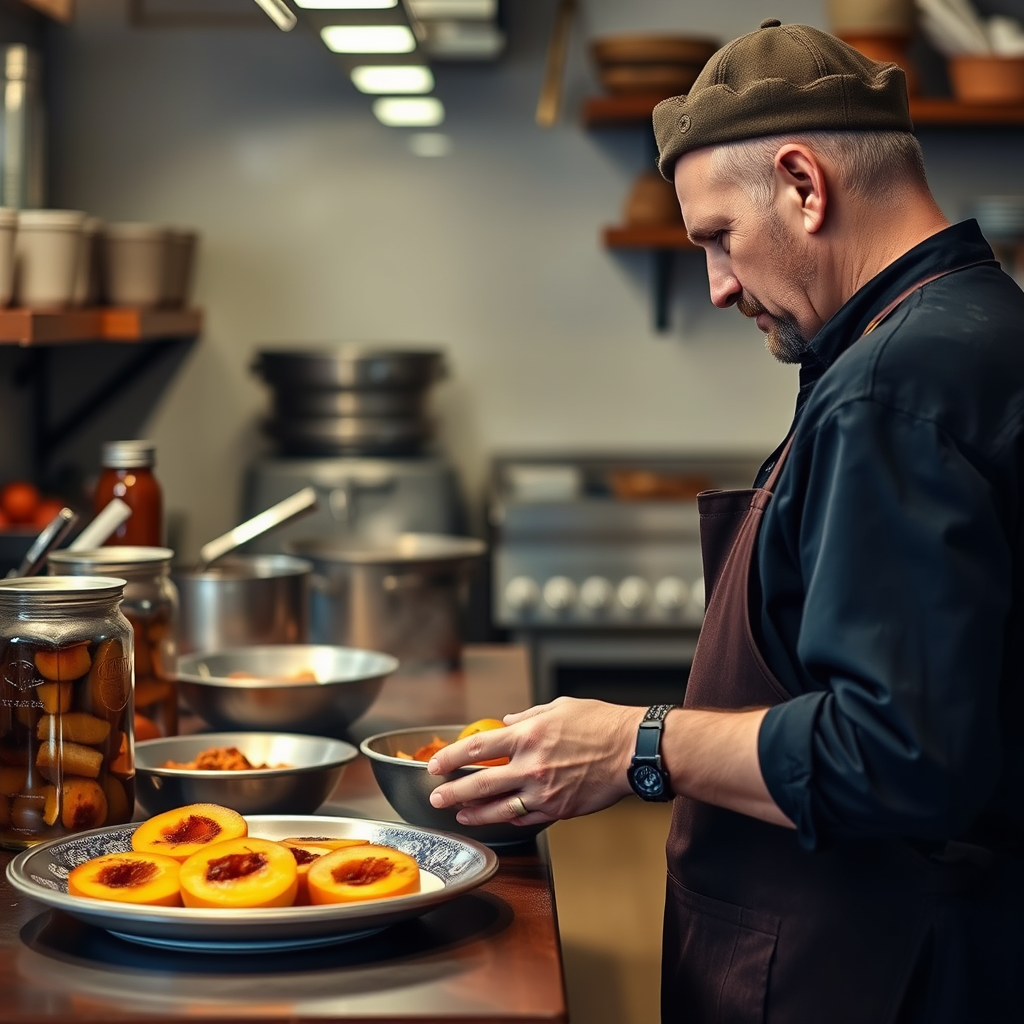
This guide provides a comprehensive, step-by-step protocol for making peach freezer jam. It includes specific measurements, equipment, and ingredients essential for successful preservation. You’ll find safety measures, proper handling techniques, and best practices to ensure the quality and longevity of your peach freezer jam. While the focus is on freezer jam, this guide does not delve into traditional canning methods or other types of fruit jams.
Who Should Read This
This guide is designed for home cooks with basic kitchen experience, especially those familiar with fruit preservation techniques or eager to expand their jam-making skills. Readers who have prior experience with freezer jam or similar fruit preserves will find this guide particularly beneficial, as it builds on foundational knowledge. Additionally, beginners enthusiastic about fruit preservation will find helpful insights within these pages, provided they follow the instructions carefully and have access to the necessary materials.
The Step-by-Step Protocol
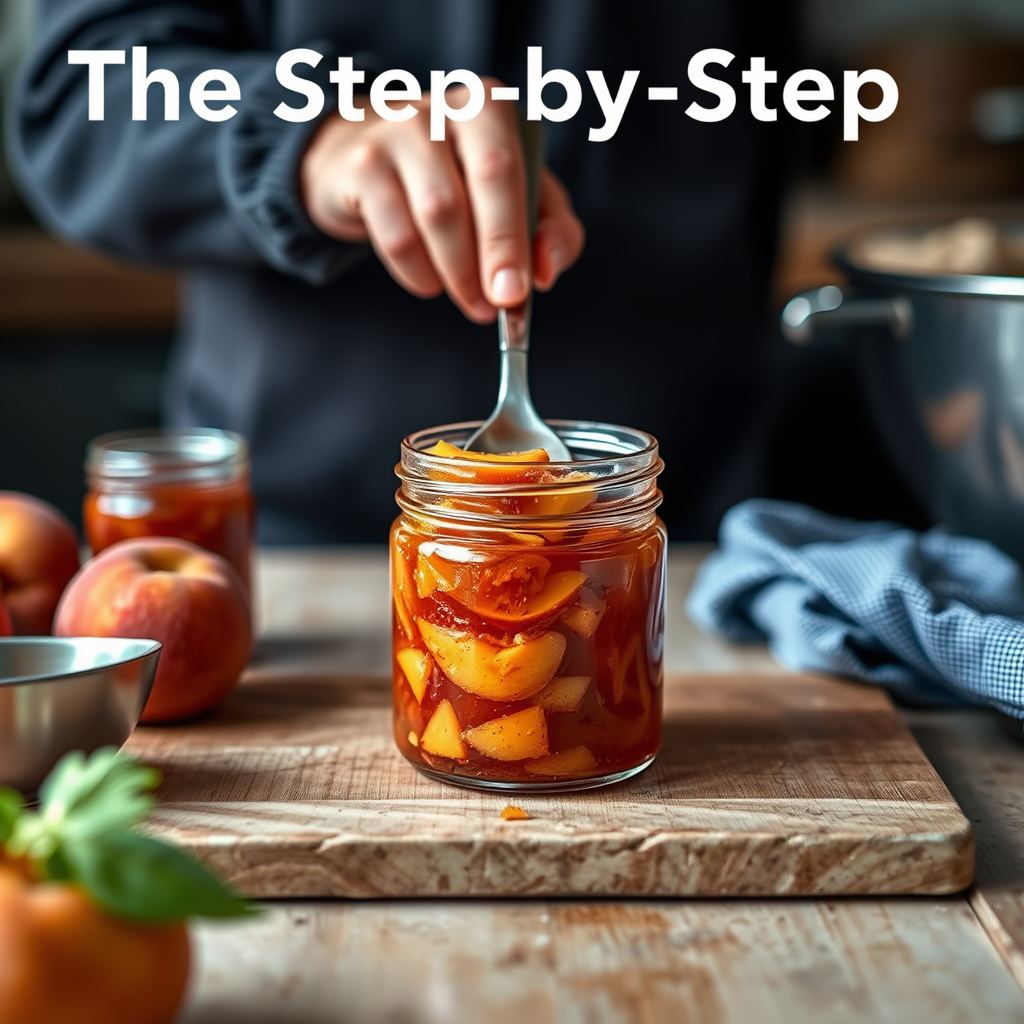
1. Gather Your Ingredients: Collect 4 cups of ripe peaches (peeled, pitted, and chopped), 1 cup of granulated sugar, 1/4 cup of powdered pectin, and 1/4 cup of lemon juice for optimal flavor and preservation. Ensure the peaches are at their peak ripeness for the best taste.
2. Prepare Your Peaches: Thoroughly wash the peaches under cool water. Use a sharp knife to peel the skin, cut them in half, and remove the pit. Chop the peaches into small pieces before mashing them until you have approximately 2 cups of crushed peaches. This step is crucial, as it influences both the texture and flavor of the final product.
3. Mix Ingredients: In a large mixing bowl, combine the crushed peaches, granulated sugar, and lemon juice. Stir the mixture well and let it sit for about 10 minutes. This resting period allows the sugar to dissolve effectively and helps release the natural juices from the peaches.
4. Add Pectin: Sprinkle the powdered pectin evenly over the peach mixture, stirring constantly for 2-3 minutes until fully dissolved. Ensure there are no lumps in the mixture, as this will promote a smooth texture in your jam. Follow the manufacturer’s instructions regarding the type of pectin used, as some may require different quantities or methods.
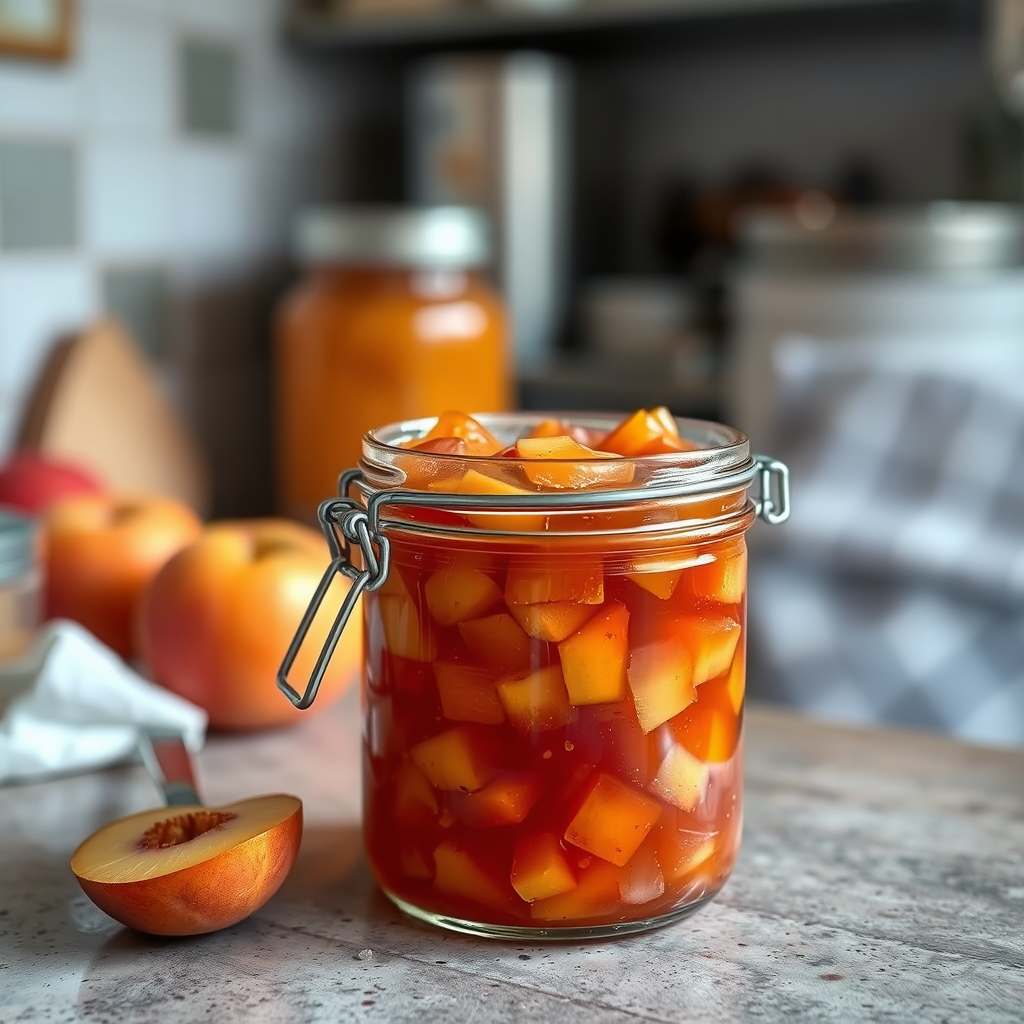
5. Transfer to Containers: Pour the prepared peach jam into clean, freezer-safe containers, leaving about 1/2 inch of headspace for expansion during freezing. Seal the containers tightly with lids to prevent air from entering, which can lead to freezer burn or spoilage.
6. Freeze: Place the containers in the freezer. Your peach freezer jam can be stored for up to one year, maintaining its quality and flavor. When ready to use, allow the jam to thaw in the refrigerator for optimal texture.
Warning Signs: When Not to Follow This
– If the peaches show signs of mold, bruising, or excessive over-ripeness, do not use them, as this can compromise the safety and quality of the jam. Always select firm, unblemished fruit for the best results.
– Avoid making peach freezer jam if you have allergies to any of the ingredients listed, particularly to fruit or pectin, as this could lead to severe health reactions.
– Do not use homemade or expired pectin, as this can result in improper gelling and spoilage of the jam. Check the expiration date on the pectin package before use and ensure it is stored in a cool, dry place.
The Most Common Mistakes (And Their Consequences)
– Failure to Peel or Pit Peaches: Not properly peeling or pitting the peaches can lead to an unpleasant texture and flavor in the final product. The skin can impart bitterness, while pits can create an undesirable crunch in the jam.
– Insufficient Dissolving of Sugar: Not allowing the sugar to dissolve properly before adding the pectin can cause lumps in the jam, resulting in an inconsistent texture that may not set correctly. Always let the mixture rest adequately.
– Overfilling Containers: Overfilling containers can cause spills and compromise the sealing process, leading to freezer burn or spoilage during storage. Always leave the recommended headspace to allow for expansion.
Special Cases That Need a Different Approach
– Using Frozen Peaches: If you are using frozen peaches instead of fresh, ensure to thaw the fruit completely. Drain excess moisture, then measure 4 cups of the thawed, drained peaches before proceeding with the recipe. This adjustment is vital to prevent excess water content from affecting the jam’s consistency.
– Dietary Restrictions: For those with dietary restrictions, consider substituting granulated sugar with a suitable sugar alternative, adjusting the quantity according to the product’s sweetness equivalence. Always check that the alternative is safe for freezing, as some may not retain texture after thawing.
– Scaling Up Recipes: If making large batches, ensure to scale the pectin and sugar proportionally. Using the wrong ratios can affect the gelling process and overall flavor. A general rule is to maintain the same proportions as outlined in the original recipe.
When You Need a Professional
– If you experience unusual fermentation or off odors from the jam after freezing, consult a food safety expert or contact your local health department for guidance on whether to discard the batch. Spoilage can indicate unsafe conditions during preparation or storage.
– In case of allergic reactions after consuming the jam, seek immediate medical advice to address any potential food allergies or intolerances. It is essential to identify the allergen to prevent further complications.
– If you are unsure about the safety of your preserving methods or have questions about specific ingredient substitutions, contacting a food preservation specialist can provide tailored advice. It’s critical to ensure that your methods meet food safety standards.
Sources and Further Reading
– National Center for Home Food Preservation: Guidelines on fruit preservation and jam-making (https://nchfp.uga.edu/)
– USDA Complete Guide to Home Canning: Comprehensive instructions on safe canning practices (https://www.fs.usda.gov/wildflowers/ethics/canning.shtml)
– Ball Corporation: Recipes and methods for making freezer jams and other preserves, focusing on ingredient quality and safety (https://www.ball.com/).
By following this expert protocol, you can confidently prepare and enjoy delicious peach freezer jam while ensuring safety and quality throughout the process. To embark on your jam-making adventure, gather your ingredients and get started today!
Frequently Asked Questions
What ingredients do I need for a peach freezer jam recipe?
To make a delicious peach freezer jam, you will need fresh, ripe peaches, granulated sugar, lemon juice, and fruit pectin. The sugar helps preserve the jam, while the lemon juice adds a hint of acidity that enhances the peach flavor. Make sure to use ripe peaches for the best taste and texture.
How do I prepare peaches for making freezer jam?
Start by washing the peaches thoroughly and then blanching them in boiling water for about 30 seconds to loosen the skins. After blanching, transfer the peaches to an ice bath to cool, then peel off the skins, pit the fruit, and chop the peaches into small pieces. This preparation ensures a smooth and flavorful jam.
Why is pectin important in a peach freezer jam recipe?
Pectin is a natural thickening agent that helps the jam set properly, giving it the right consistency. Without pectin, your peach freezer jam may turn out too runny, affecting both its texture and spreadability. Using the right amount of pectin, as indicated in the recipe, is crucial for achieving a perfect jam.
What is the best way to store peach freezer jam?
The best way to store peach freezer jam is in clean, airtight containers specifically designed for freezing, such as plastic freezer jars or bags. Make sure to leave some headspace in the container to allow for expansion as the jam freezes. Proper storage will keep your jam fresh and flavorful for up to a year in the freezer.
Which types of peaches are best for making freezer jam?
The best types of peaches for making freezer jam are freestone varieties, such as Clingstone or Yellow Peaches, as they are easier to pit and chop. Look for peaches that are ripe but still firm, as overly soft peaches can lead to a jam with an undesirable texture. Fresh, local peaches in season will yield the best flavor in your freezer jam.
References
- https://en.wikipedia.org/wiki/Jam
https://en.wikipedia.org/wiki/Jam - https://extension.uga.edu/publications/detail.html?number=B1343
https://extension.uga.edu/publications/detail.html?number=B1343 - https://www.foodsafety.gov/food-safety-charts/jam-jelly-safety
https://www.foodsafety.gov/food-safety-charts/jam-jelly-safety - https://www.fs.usda.gov/wildflowers/ethnobotany/peach.shtml
https://www.fs.usda.gov/wildflowers/ethnobotany/peach.shtml - https://www.nal.usda.gov/legacy/food-safety/peach-freezer-jam-recipe
https://www.nal.usda.gov/legacy/food-safety/peach-freezer-jam-recipe - Google Scholar Google Scholar
https://scholar.google.com/scholar?q=peach+freezer+jam+recipe - Google Scholar Google Scholar
https://scholar.google.com/scholar?q=making+jam+and+jelly - Google Scholar Google Scholar
https://scholar.google.com/scholar?q=fruit+preservation+techniques - https://www.ncbi.nlm.nih.gov/pmc/articles/PMC5641290/
https://www.ncbi.nlm.nih.gov/pmc/articles/PMC5641290/ - https://www.treesearch.fs.fed.us/pubs/47510
https://www.treesearch.fs.fed.us/pubs/47510