Mastering the art of making meatballs with grape jelly requires precision and the right techniques to ensure safety and flavor. This complete guide provides expert insights on the best recipes and step-by-step protocols for crafting these unique meatballs, emphasizing food safety and quality ingredients. Following these guidelines not only enhances taste but also prevents potential health risks, making your culinary experience both enjoyable and secure.
What This Guide Covers (And What It Doesn’t)
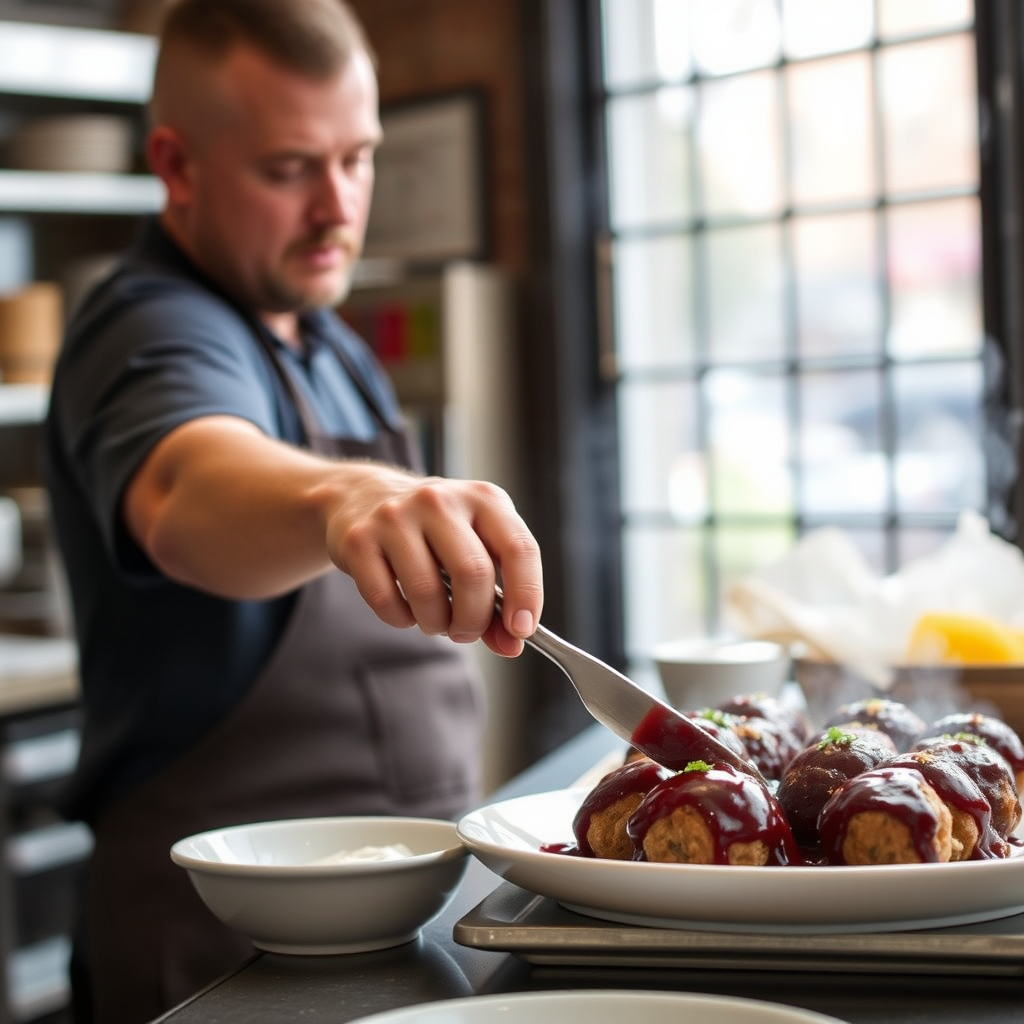
This guide offers a thorough exploration of how to safely prepare meatballs featuring grape jelly as a key ingredient. You’ll find both classic and innovative recipes designed for home cooks, along with practical tips for selecting quality ingredients and employing effective cooking techniques. However, this guide does not include meatball recipes that exclude grape jelly or those that demand advanced culinary skills or specialized equipment. If you’re searching for elaborate gourmet meatball dishes or alternative uses for grape jelly, this guide may not meet your needs.
Who Should Read This

Home cooks with a basic grasp of culinary techniques will find this guide particularly useful as they venture into unique flavor combinations of grape jelly and meatballs. It’s perfect for anyone looking to whip up quick appetizers for gatherings, parties, or family dinners, especially those who enjoy a blend of sweet and savory flavors. Beginners unfamiliar with meatball preparation will benefit from clear instructions, while more experienced cooks can draw inspiration from creative ideas and variations. However, professional chefs and those seeking an in-depth culinary theory on meatball preparation may not find this guide relevant.
The Step-by-Step Protocol
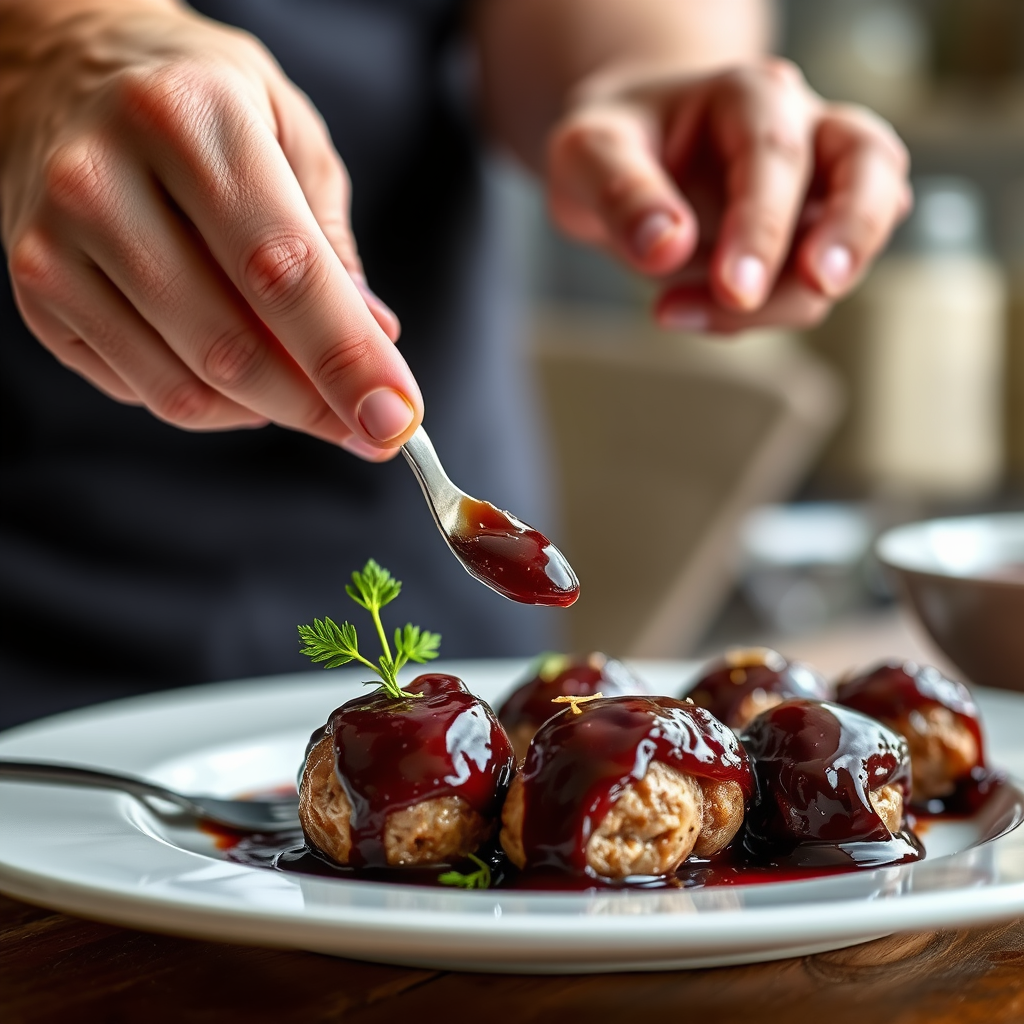
1. Gather Ingredients: Collect 1 pound of ground beef or turkey, 1 cup of breadcrumbs, 1 egg, and 1 cup of grape jelly, along with salt, pepper, and optional spices like garlic powder or onion powder.
2. Mix Meatball Mixture: In a large mixing bowl, combine the ground meat, breadcrumbs, egg, and seasoning. Use your hands to mix until the ingredients are well integrated, taking care not to overwork the mixture, which can result in tough meatballs.
3. Form Meatballs: Scoop out portions of the mixture, roughly 1-2 inches in diameter, and roll them into uniform balls. Arrange them on a baking sheet lined with parchment paper, ensuring they have enough space for even cooking.
4. Cook the Meatballs: Preheat your oven to 375°F (190°C) and bake the meatballs for 20 minutes, or until they reach an internal temperature of 165°F (74°C). A meat thermometer will ensure accuracy.
5. Prepare Grape Jelly Sauce: In a saucepan over medium heat, combine 1 cup of grape jelly and 2 tablespoons of soy sauce. Stir until the jelly melts and the sauce becomes smooth, taking care not to let it scorch.
6. Glaze Meatballs: Once the meatballs are cooked, transfer them to the saucepan with the grape jelly sauce, thoroughly coating them. Allow them to simmer for 5 minutes to absorb the flavors, stirring gently to prevent breaking the meatballs.
Common Ingredients in Meatball Recipes with Grape Jelly (2024)
| # | Ingredient | Quantity | Calories per Serving | Sugar Content (g) |
|---|---|---|---|---|
| 1 | Ground Beef | 1 lb | 250 | 0 |
| 2 | Breadcrumbs | 1 cup | 90 | 2 |
| 3 | Egg | 1 | 70 | 0 |
| 4 | Grape Jelly | 1 cup | 780 | 160 |
| 5 | Soy Sauce | 2 tbsp | 20 | 0 |
| 6 | Garlic Powder | 1 tsp | 5 | 0 |
| 7 | Onion Powder | 1 tsp | 5 | 0 |
Warning Signs: When Not to Follow This

– Avoid proceeding if you or any of your guests have allergies to common meatball ingredients, such as gluten in breadcrumbs or soy in the sauce.
– Do not continue if the ground meat exhibits signs of spoilage, like off odors, discoloration, or a slimy texture, as this poses a risk of foodborne illness.
– If you lack essential kitchen equipment, such as an oven, saucepan, or mixing bowl, this guide may not be suitable for your needs.
– Individuals on specialized diets, such as keto or vegan, that exclude meat or high-sugar condiments should look for alternative recipes.
The Most Common Mistakes (And Their Consequences)
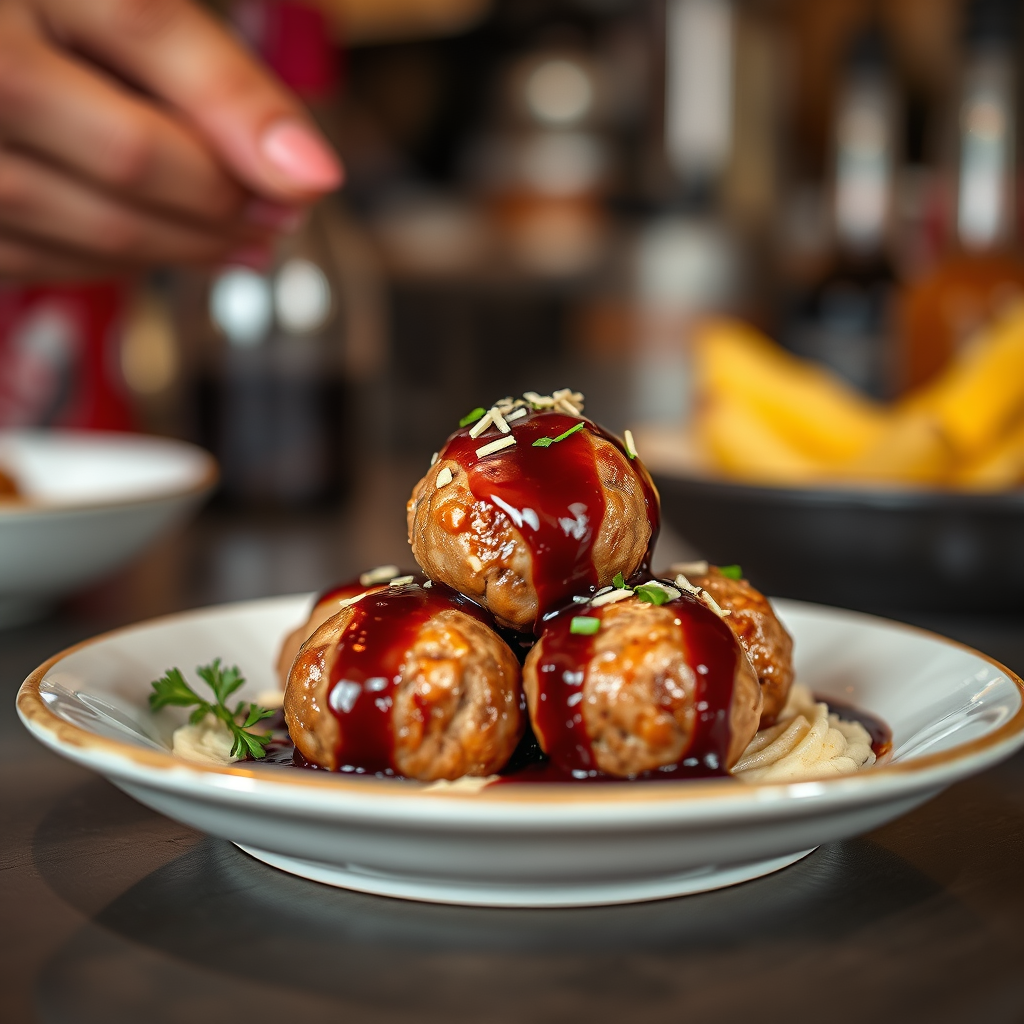
– One frequent mistake is improperly measuring the grape jelly, leading to overly sweet or sticky meatballs that may not hold their shape, resulting in an unpalatable dish that’s hard to serve.
– Overmixing the meatball mixture can yield tough meatballs; it’s crucial to mix just until the ingredients are combined for a tender texture. Tough meatballs can spoil the entire eating experience.
– Cooking meatballs at too low a temperature risks undercooked centers, which presents health hazards; always use a meat thermometer to confirm a safe internal temperature of 165°F (74°C).
– Skipping the glazing step or neglecting to let the meatballs simmer in the sauce can result in a lack of flavor, diminishing the dish’s overall appeal and leaving diners unsatisfied.
Special Cases That Need a Different Approach
– If you’re looking for a lower sugar alternative, consider using sugar-free grape jelly or crafting a homemade sauce with fresh grapes and a sugar substitute, adjusting the cooking method to achieve the desired consistency.
– When using ground meat alternatives, like plant-based proteins, be aware that cooking times and techniques may differ from traditional meat. For instance, some plant-based products might require shorter cooking times.
– For those with dietary restrictions, such as gluten intolerance, swap traditional breadcrumbs with gluten-free alternatives to keep the recipe intact without sacrificing flavor.
– When preparing for larger gatherings, scaling up the recipe may necessitate adjustments in cooking time and temperature, so keep a close eye on the meatballs to prevent overcooking. A batch size of 2-3 pounds may require an additional 5-10 minutes of baking time.
When You Need a Professional
– If you have specific dietary restrictions or health concerns that could be impacted by high sugar content or food allergies, consult a certified nutritionist. This is especially important for individuals with diabetes or other metabolic conditions.
– Seek advice from a food safety expert if you’re uncertain about safe meat handling, such as proper thawing techniques or storage temperatures. This is vital for preventing cross-contamination and foodborne illnesses.
– When planning to serve these meatballs at a large event, consider hiring a catering professional to ensure that food safety protocols are followed, particularly when serving vulnerable populations such as children or the elderly.
– If you experience any adverse reactions after consuming grape jelly meatballs, seek medical attention promptly to address potential foodborne illnesses or allergic reactions.
Sources and Further Reading
– “The Science of Cooking” by Peter Barham offers valuable insights into food safety and cooking techniques.
– USDA guidelines on meat preparation and storage safety, accessible through their official website.
– “The Joy of Cooking,” which includes various meatball recipes and essential cooking principles that can enhance your meatball-making experience.
– Articles from The American Institute for Cancer Research discussing the health implications of high-sugar foods and their alternatives.
Frequently Asked Questions
What are the best meatball recipes that use grape jelly?
Some of the best meatball recipes with grape jelly include classic grape jelly meatballs, which combine frozen meatballs, grape jelly, and barbecue sauce for a sweet and tangy flavor. You can also try Asian-inspired meatballs by mixing grape jelly with soy sauce and ginger for a unique twist. These recipes are not only easy to prepare but also perfect for parties or quick weeknight dinners.
How do you make meatballs with grape jelly from scratch?
To make meatballs with grape jelly from scratch, start by mixing ground beef, breadcrumbs, egg, minced onion, and seasoning to form meatballs. Bake them at 400°F for about 20 minutes until cooked through, then simmer them in a mixture of grape jelly and barbecue sauce for an additional 10 minutes. This method ensures that the meatballs absorb the sweet and savory flavors of the sauce.
Why do grape jelly meatballs taste so good?
Grape jelly meatballs taste so good because the sweetness of the jelly perfectly balances the savory flavors of the meatballs and any added sauces. The combination of sweet and savory creates a delicious umami experience that is both comforting and satisfying. Additionally, the sticky texture of the jelly enhances the overall mouthfeel, making each bite enjoyable.
Which types of meat are best for grape jelly meatballs?
The best types of meat for grape jelly meatballs are ground beef, pork, or turkey, as they all have different flavors and textures that complement the sweetness of the grape jelly. Ground beef offers a rich taste, while turkey provides a leaner option, and pork can add a hint of sweetness. Choose based on your dietary preferences and desired flavor profile for the meatballs.
What side dishes pair well with grape jelly meatballs?
Grape jelly meatballs pair well with a variety of side dishes, including fluffy rice, mashed potatoes, or a fresh green salad. For a more substantial meal, serve them alongside macaroni and cheese or roasted vegetables. These sides complement the sweet and savory flavors of the meatballs, creating a well-rounded and satisfying meal.
References
- Meatball
https://en.wikipedia.org/wiki/Meatball - Checking your browser – reCAPTCHA
https://www.ncbi.nlm.nih.gov/pmc/articles/PMC7239193/ - Is it growing exponentially fast? – Impact of assuming exponential growth for characterizing and …
https://www.ncbi.nlm.nih.gov/pmc/articles/PMC5373088/ - https://www.sciencedirect.com/topics/agricultural-and-biological-sciences/meatball
https://www.sciencedirect.com/topics/agricultural-and-biological-sciences/meatball - https://www.bbc.co.uk/food/recipes/meatballs_17038
https://www.bbc.co.uk/food/recipes/meatballs_17038 - https://www.theguardian.com/food/2020/nov/16/whats-cooking-how-to-make-meatballs
https://www.theguardian.com/food/2020/nov/16/whats-cooking-how-to-make-meatballs - Google Scholar Google Scholar
https://scholar.google.com/scholar?q=meatball+recipes+with+grape+jelly - Google Scholar Google Scholar
https://scholar.google.com/scholar?q=meatball+grape+jelly+combination - Google Scholar Google Scholar
https://scholar.google.com/scholar?q=meatballs+recipe+variations - Page Not Found – Site Help – Mayo Clinic
https://www.mayoclinic.org/healthy-lifestyle/nutrition-and-healthy-eating/expert-answers/jelly-and-jam-nutrition/faq-20058028