Mango jam recipes can elevate your culinary repertoire, but making them safely requires adherence to expert protocols. This comprehensive guide provides precise methods and essential tips for crafting delicious mango jam while ensuring food safety. Following these guidelines not only enhances flavor but also protects you and your loved ones from potential hazards. Dive into the art of mango jam-making with confidence and expertise.
What This Guide Covers (And What It Doesn’t)
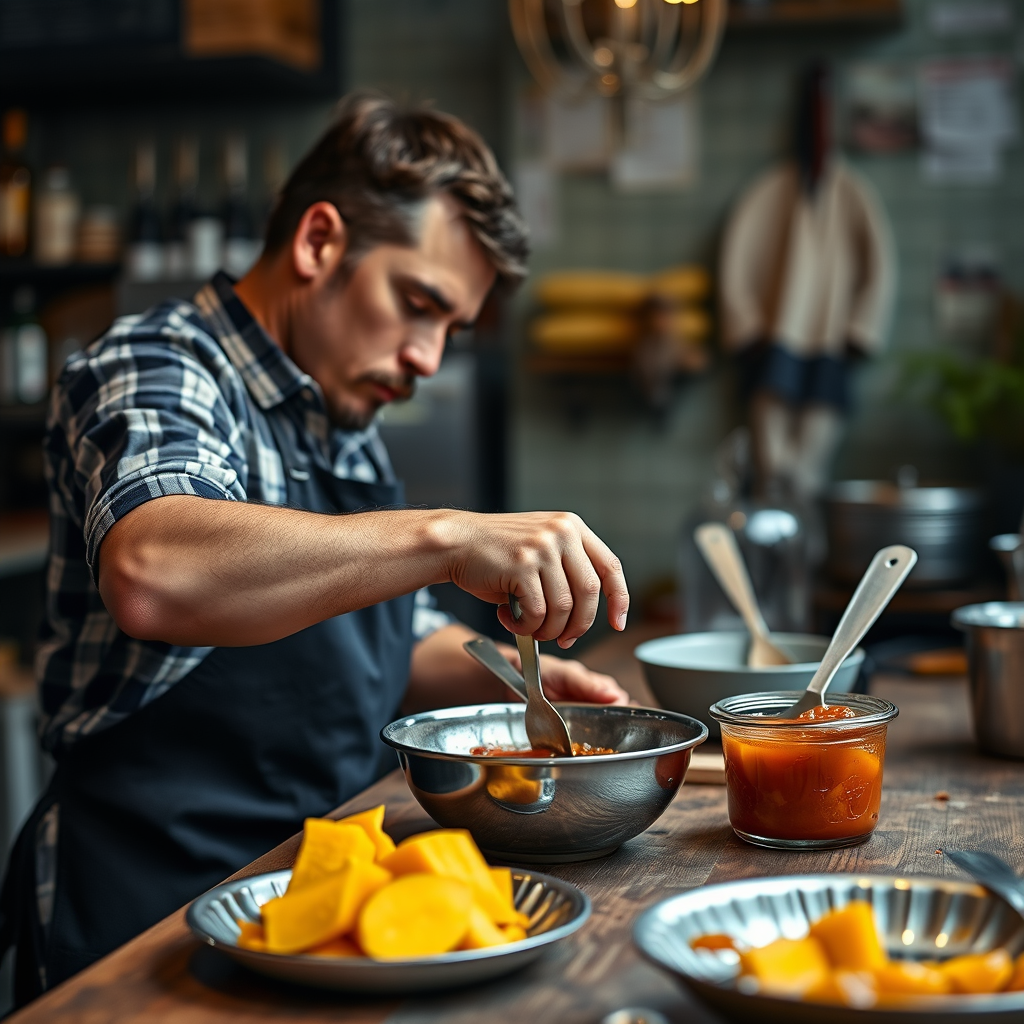
This guide provides detailed instructions for making mango jam, featuring ingredient lists, cooking techniques, and preservation methods. Key emphasis is placed on food safety protocols, including proper sterilization of jars and safe canning practices to prevent spoilage and ensure quality. However, it does not cover other types of fruit preserves or jams, nor does it delve into alternative sweetener options or dietary modifications unrelated to mango jam.
Who Should Read This
Home cooks eager to learn how to make mango jam from scratch, while maintaining optimal flavor and texture, will find this guide invaluable. It’s tailored for individuals with basic kitchen skills and a solid understanding of kitchen safety, though prior experience with canning or preserving is not required. This guide is not intended for those seeking instant recipes or quick methods, as it prioritizes thoroughness and safety over speed.
The Step-by-Step Protocol
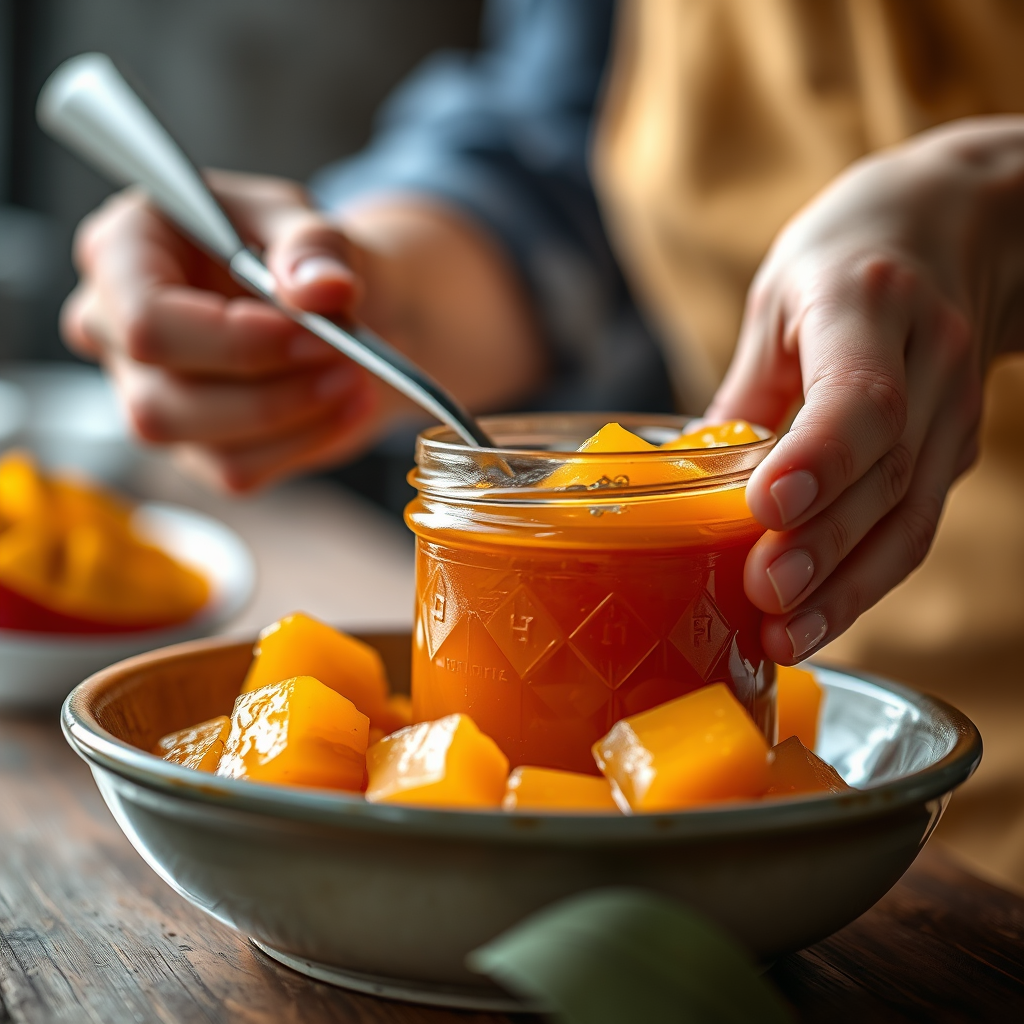
1. Gather Ingredients: You will need 2 pounds of ripe mangoes, 1 cup of granulated sugar, 1 tablespoon of lemon juice, and 1/4 cup of water.
2. Prepare the Mangoes: Peel, pit, and chop the mangoes into small pieces, ensuring you remove any stringy fibers for a smoother jam. This step is crucial for achieving the desired texture.
3. Cook the Mixture: In a 4-quart saucepan, combine the mango pieces, sugar, lemon juice, and water. Cook over medium heat, stirring frequently, until the mixture reaches a rolling boil. This typically takes about 5 to 10 minutes.
4. Check for Doneness: Use a candy thermometer to monitor the temperature; the jam should reach 220°F (104°C) for proper gelling. This process usually takes about 15 to 20 minutes. Stir occasionally and keep an eye out for a thickening consistency.
5. Jar the Jam: Sterilize glass jars and lids in boiling water for 10 minutes. Pour the hot jam into the jars, leaving 1/4 inch of headspace, and seal immediately. Ensure that the lids are properly fitted to create a vacuum seal as the jam cools.
Top 7 Mango Varieties for Jam Making
| # | Mango Variety | Flavor Profile | Best Use | Ripeness Indicator |
|---|---|---|---|---|
| 1 | Haden | Sweet, Rich | Jams, Smoothies | Yellow Skin |
| 2 | Tommy Atkins | Fruity, Slightly Tangy | Jams, Chutneys | Red/Yellow Skin |
| 3 | Kent | Sweet, Juicy | Jams, Desserts | Green/Yellow Skin |
| 4 | Alphonso | Rich, Creamy | Jams, Sauces | Golden Skin |
| 5 | Kesar | Sweet, Aromatic | Jams, Desserts | Orange Skin |
| 6 | Palmer | Sweet, Mild | Jams, Salads | Yellow Skin |
| 7 | Francis | Sweet, Tropical | Jams, Salsas | Yellow/Red Skin |
Warning Signs: When Not to Follow This
If you notice any signs of mold on the fruit or if the mangoes are overripe or fermented, do not use them for jam-making, as this poses a food safety risk. Avoid attempting to make mango jam if you’re unable to maintain a consistent temperature throughout the cooking process; fluctuations can lead to improper gelling and spoilage. Additionally, if you have health conditions requiring strict dietary control (e.g., diabetes), it’s wise to consult a healthcare professional before consuming high-sugar preserves.
The Most Common Mistakes (And Their Consequences)
Using under-ripe mangoes can yield a jam that lacks sweetness and flavor; always select fully ripe fruit for the best taste. Inaccurately measuring sugar can result in a jam that fails to gel correctly, so be sure to use a kitchen scale for precise measurements. Skipping the sterilization of jars introduces bacteria, leading to spoilage; always ensure jars are hot and clean before filling.
Special Cases That Need a Different Approach
If you’re using frozen mangoes instead of fresh, reduce the water to 2 tablespoons, as thawed fruit can release excess moisture. For those allergic to granulated sugar, consider using pectin-based alternatives specifically designed for low-sugar jam recipes, adjusting the quantity according to package instructions. When making a large batch (more than 5 jars), it’s advisable to use a water bath canning method for proper preservation.
When You Need a Professional
If you are uncertain about the acidity levels of your mango jam, especially when adding other fruits or flavorings, consult a food preservation expert or a local extension service for guidance. In situations where health concerns may be affected by homemade preserves, such as compromised immune systems or severe allergies, it’s prudent to seek advice from a healthcare provider. If you observe any spoilage or unexpected fermentation in your jars after canning, discard the jam and consult a food safety professional to understand potential causes.
Sources and Further Reading
– National Center for Home Food Preservation: provides guidelines on safe canning practices and recipes for various types of preserves.
– Ball Blue Book Guide to Preserving: a comprehensive resource for canning, including fruit preserves, jelly, and jam recipes.
– University Extension Services: offer research-backed information on food preservation and safe canning techniques tailored to specific regions and fruits.
By following the guidelines and protocols outlined in this comprehensive guide, you can confidently create delicious mango jam while ensuring food safety and quality. Enjoy the process of canning!
Frequently Asked Questions
What ingredients are needed for a basic mango jam recipe?
A basic mango jam recipe typically requires ripe mangoes, sugar, lemon juice, and pectin. The mangoes provide the main flavor, while sugar helps with preservation and sweetness. Lemon juice adds acidity, enhancing flavor and ensuring the jam sets properly, while pectin acts as a thickening agent.
How can I make mango jam without pectin?
To make mango jam without pectin, you can rely on the natural pectin found in the fruit. Simply cook ripe mangoes with sugar and lemon juice until the mixture thickens. Stir continuously to prevent burning, and cook until it reaches your desired consistency, usually around 30-45 minutes.
Why is my mango jam not setting properly?
If your mango jam is not setting properly, it may be due to insufficient sugar, not enough acid, or undercooking the mixture. Ensure you’re using the right quantity of sugar and lemon juice, as both play crucial roles in the gelling process. Cooking the jam longer can also help achieve a thicker consistency.
What are some variations of mango jam recipes I can try?
You can experiment with various mango jam recipes by adding spices like ginger or cinnamon, incorporating other fruits such as pineapple or lime, or even infusing herbs like mint. Each variation can enhance the flavor profile and create a unique twist on traditional mango jam.
Which types of mangoes are best for making jam?
The best types of mangoes for making jam are those that are sweet, juicy, and have a high fiber content, such as Haden, Tommy Atkins, or Kent mangoes. These varieties not only provide great flavor but also yield a smooth texture, making them ideal for delicious homemade mango jam.
References
- Mango
https://en.wikipedia.org/wiki/Mango - Exenatide Improves HDL Particle Counts and Size Distribution in Patients With Long-standing Type …
https://www.ncbi.nlm.nih.gov/pmc/articles/PMC5481982/ - https://www.sciencedirect.com/science/article/pii/S2351978917302521
https://www.sciencedirect.com/science/article/pii/S2351978917302521 - https://www.verywellhealth.com/mango-nutrition-facts-4115366
https://www.verywellhealth.com/mango-nutrition-facts-4115366 - https://www.healthline.com/nutrition/mango-benefits
https://www.healthline.com/nutrition/mango-benefits - https://pubmed.ncbi.nlm.nih.gov/27177087/
https://pubmed.ncbi.nlm.nih.gov/27177087/ - Honey bee colony‐level exposure and effects in realistic landscapes: An application of BEEHAVE si…
https://www.ncbi.nlm.nih.gov/pmc/articles/PMC6850421/ - Google Scholar Google Scholar
https://scholar.google.com/scholar?q=mango+jam+recipes - Google Scholar Google Scholar
https://scholar.google.com/scholar?q=mango+preservation+methods - mango jam recipes – Search results
https://en.wikipedia.org/wiki/Special:Search?search=mango+jam+recipes