Mastering the art of making habanero pepper jelly requires precision and adherence to expert protocols to ensure both safety and flavor. This comprehensive guide provides step-by-step instructions, essential tips, and critical safety measures for crafting this spicy-sweet delicacy. Whether you’re a seasoned canner or a novice in the kitchen, following these guidelines will elevate your jelly-making skills and deliver delicious results.
What This Guide Covers (And What It Doesn’t)
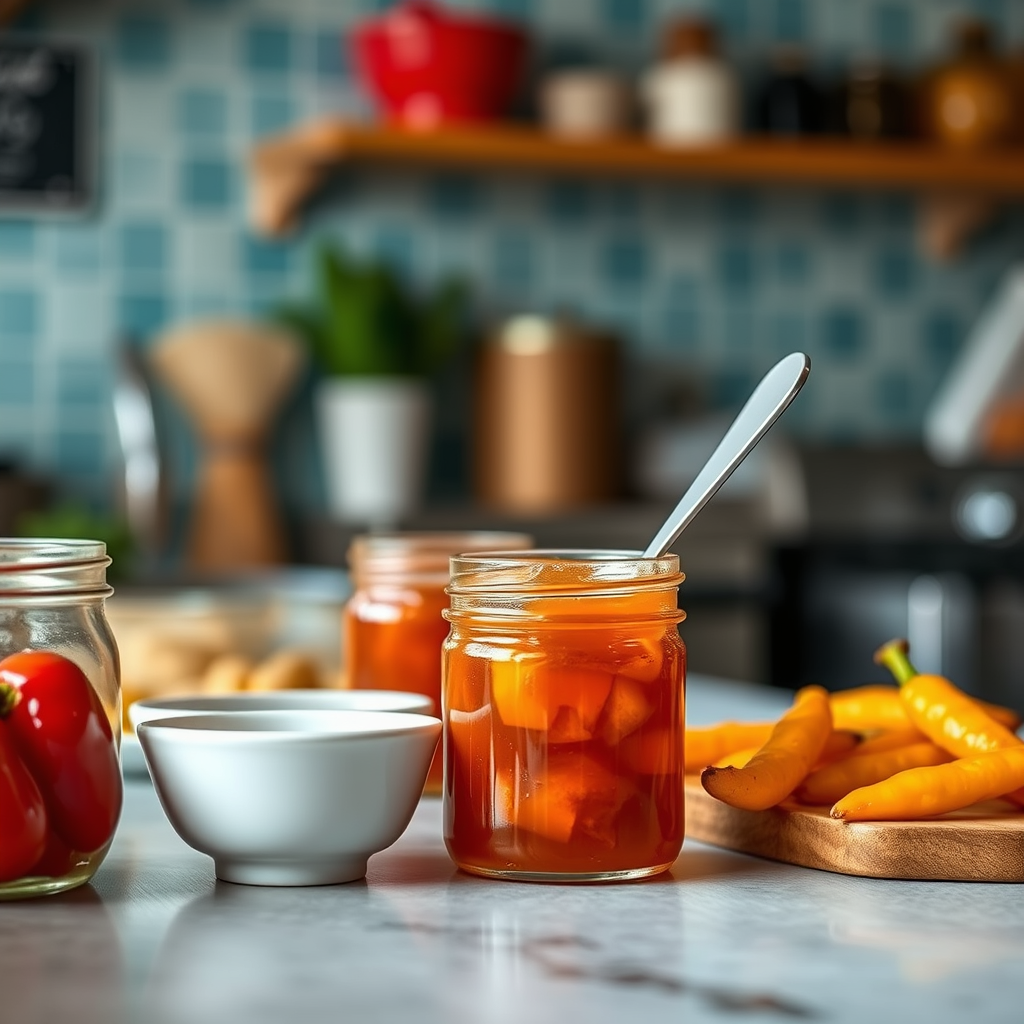
This guide provides a thorough, step-by-step protocol for safely making habanero pepper jelly. It includes everything from sourcing ingredients to preparation steps and canning techniques. However, it does not delve into variations in jelly recipes, such as low-sugar or alternative pepper jellies, nor does it cover general canning practices unrelated to this specific recipe. Tailored for home cooks, this guide enables you to create a spicy, flavorful habanero jelly while ensuring food safety and proper preserving methods.
Who Should Read This
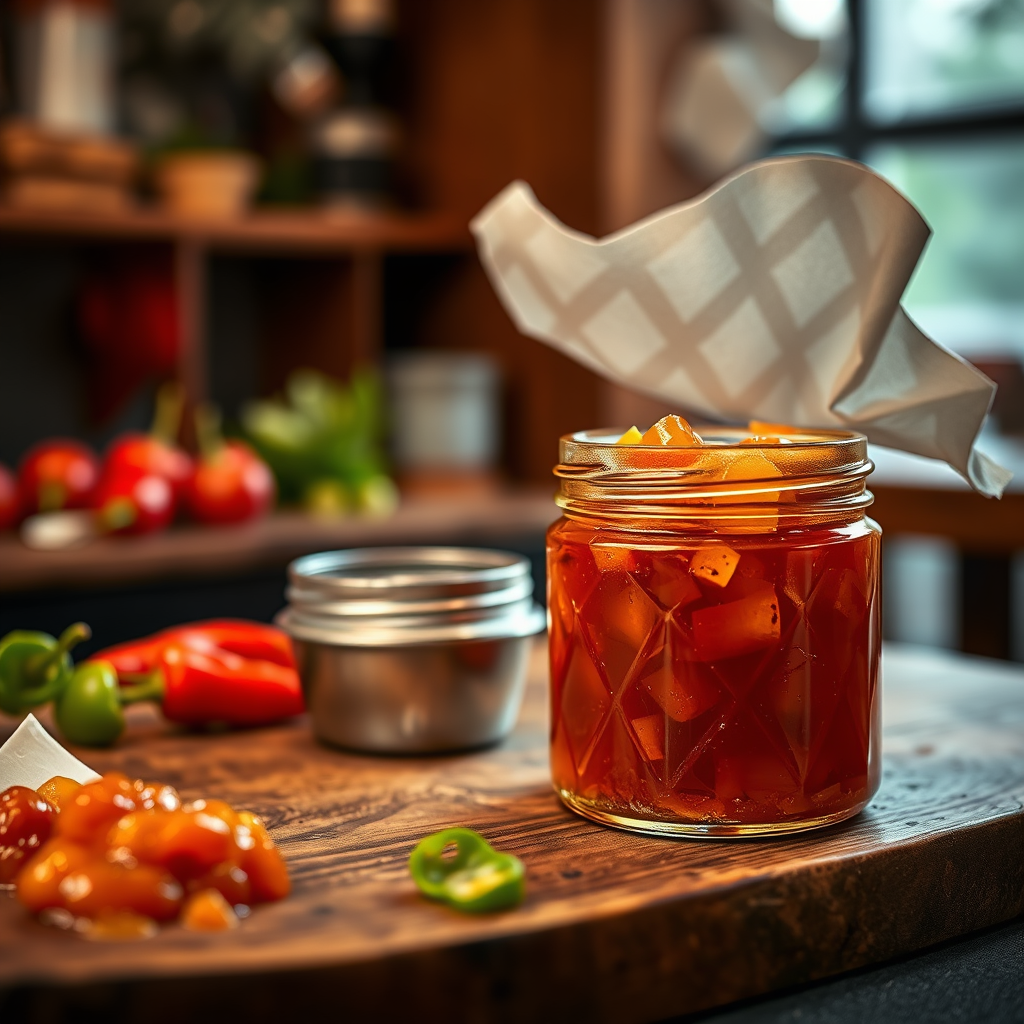
Designed for experienced home cooks, this guide targets those with a solid understanding of jelly making and canning techniques. It also appeals to individuals eager to expand their culinary skills to include spicy preserves. If you’re interested in preserving seasonal produce or enhancing your repertoire with unique flavors, particularly through habanero peppers, this guide is for you. However, beginners may find the detailed steps daunting; it assumes a foundational knowledge of kitchen tools and safety practices.
The Step-by-Step Protocol
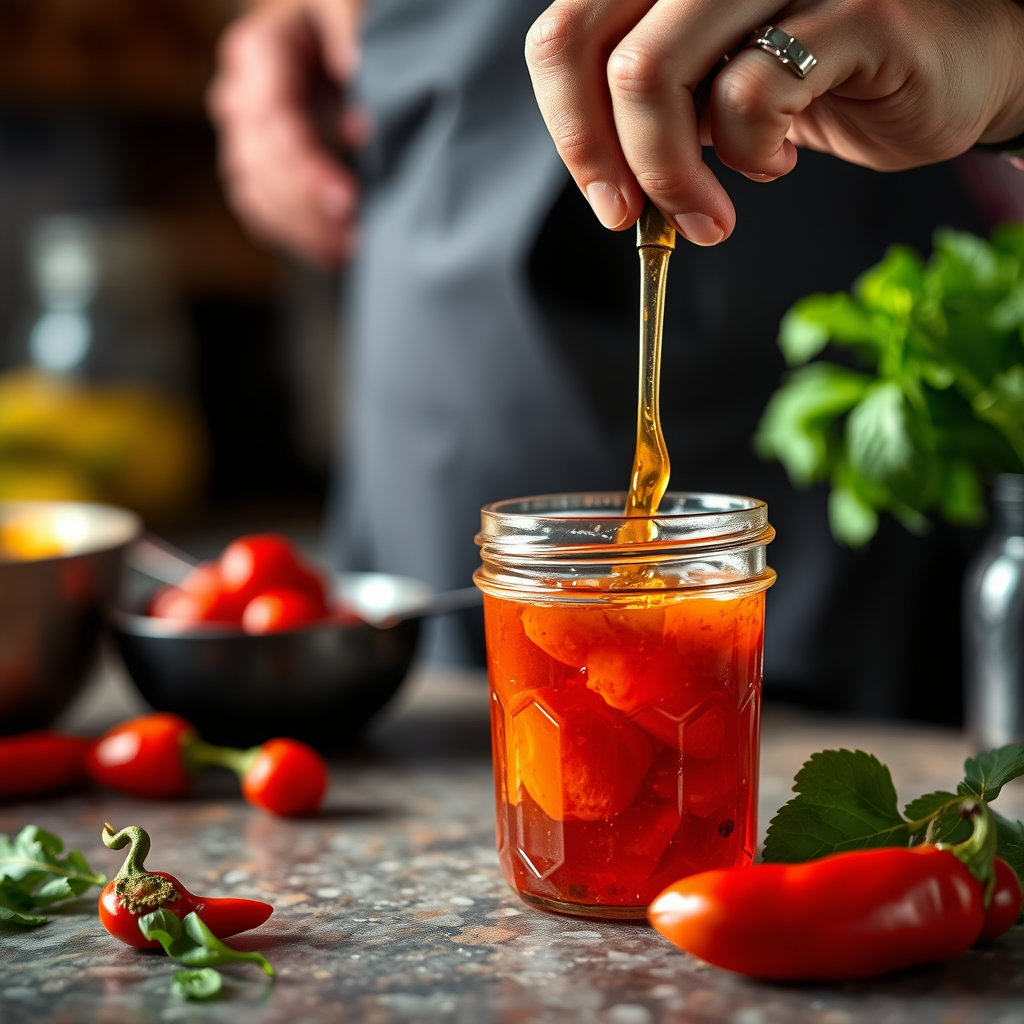
1. Gather ingredients: Use 1 cup of finely chopped habanero peppers, 2 cups of granulated sugar, 1 cup of apple cider vinegar, and 1 package (1.75 oz) of fruit pectin, such as Sure-Jell or Ball.
2. Prepare the peppers: Wear gloves while chopping the habanero peppers to avoid skin irritation. Remove seeds if you prefer a milder jelly; however, leaving some seeds will enhance the heat.
3. Combine ingredients in a large pot: In a heavy-bottomed pot, mix the chopped peppers, sugar, and apple cider vinegar. Place the pot over medium-high heat and bring to a rolling boil. Stir occasionally to ensure the sugar dissolves completely.
4. Add the pectin: Once the mixture reaches a rolling boil, stir in the fruit pectin. Bring the mixture back to a boil while stirring constantly for 1-2 minutes until the pectin is fully dissolved. This step is crucial for achieving the proper jelly texture.
5. Test for doneness: To check if the jelly is ready, place a spoonful of the mixture on a cold plate and let it cool for a minute. Run your finger through it; if it holds its shape, it is ready for canning. If not, boil for an additional minute and test again.
6. Prepare jars for canning: While the jelly is cooking, sterilize your canning jars and lids by placing them in a boiling water bath for 10 minutes. Keep them hot until ready to fill.
7. Fill the jars: Using a ladle, fill the hot sterilized jars with the jelly, leaving about 1/4 inch of headspace. Wipe the rims of the jars with a clean cloth to remove any residue.
8. Seal and process: Place the sterilized lids on the jars and screw on the metal bands until fingertip-tight. Process the jars in a boiling water bath for 10-15 minutes, adjusting for altitude as necessary.
9. Cool and store: Remove the jars from the water bath and let them cool on a clean towel or rack. After 24 hours, check the seals. If any jars did not seal properly, refrigerate them and use within a few weeks. Properly sealed jars can be stored in a cool, dark place for up to a year.
Top 7 Ingredients for Habanero Pepper Jelly (2024)
| # | Ingredient | Quantity | Role in Recipe | Importance |
|---|---|---|---|---|
| 1 | Habanero Peppers | 1 cup | Flavor and Heat | ★ ★ ★ ★ ★ |
| 2 | Granulated Sugar | 2 cups | Sweetness and Preservation | ★ ★ ★ ★ ★ |
| 3 | Apple Cider Vinegar | 1 cup | Acidity and Flavor | ★ ★ ★ ★ ★ |
| 4 | Fruit Pectin | 1 package (1.75 oz) | Gelling Agent | ★ ★ ★ ★ ★ |
| 5 | Water (for boiling jars) | As needed | Canning Process | ★ ★ ★ ★ |
| 6 | Lids for Canning | As needed | Sealing Jars | ★ ★ ★ ★ |
| 7 | Glass Jars for Storage | As needed | Storage | ★ ★ ★ ★ |
Warning Signs: When Not to Follow This
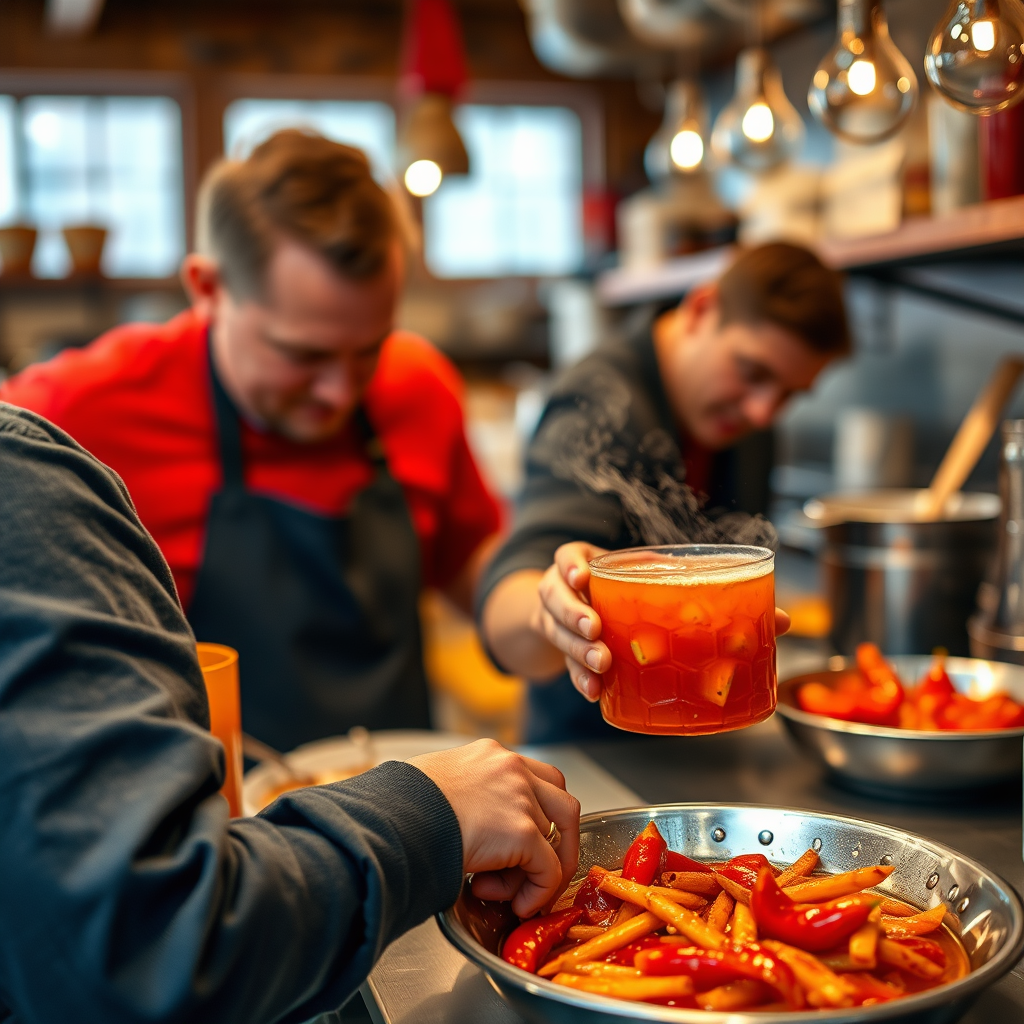
– If you have allergies to peppers or sensitivities to spicy foods, avoid this recipe altogether. The heat level of habanero peppers can vary significantly, potentially leading to unexpected spice levels.
– Do not attempt this recipe without proper canning equipment, such as sterilized jars and a water bath canner, both essential for ensuring food safety.
– If your peppers show signs of spoilage, such as mold or an off smell, refrain from using them. Compromised ingredients could jeopardize the safety of the finished jelly.
The Most Common Mistakes (And Their Consequences)
– Neglecting to sterilize jars can lead to bacterial growth in the jelly, raising the risk of foodborne illness. Always ensure jars are properly sterilized before use.
– Inaccurate measurement of ingredients, particularly apple cider vinegar and sugar, can disrupt the gelling process. This may yield a jelly that is either too runny or overly sweet, failing to set properly.
– Ignoring the boiling time after adding pectin can prevent the jelly from achieving the desired consistency, resulting in a syrupy texture instead of a firm jelly. Adhere to the recommended boiling times closely.
Special Cases That Need a Different Approach
– When using organic or exceptionally fresh habanero peppers, consider adjusting the sugar content slightly to accommodate varying sweetness levels. Fresh peppers may also deliver a more pronounced heat, so taste testing is advisable.
– For those with lower heat tolerance, mixing habanero peppers with a milder variety, such as jalapeños or bell peppers, can create a more balanced flavor without significantly altering the recipe.
– If canning at high altitudes (over 1,000 feet), you may need to modify processing times and temperatures to ensure proper sealing and safety of the jelly. Refer to USDA guidelines for specific adjustments based on your altitude.
When You Need a Professional
– If you’re uncertain about the safety or functionality of your canning equipment, consult a local extension office or food preservation expert. They can provide valuable insights into safe practices and equipment.
– Should you encounter issues with fermentation or spoilage after canning, seek advice from a food safety professional to evaluate the product’s safety before consumption. Consuming spoiled jelly can pose serious health risks.
– If you plan to scale up the recipe significantly beyond the standard batch size, professional guidance is recommended, as this may require additional knowledge of food safety and preservation standards. Scaling can impact cooking times and sealing effectiveness, necessitating adjustments.
Sources and Further Reading
– The National Center for Home Food Preservation offers guidelines on safe canning practices and specific recipes for pepper jellies.
– “Ball Complete Book of Home Preserving” provides detailed instructions and safety tips for various canning methods, including spicy jellies.
– The USDA’s Complete Guide to Home Canning outlines essential practices for safe food preservation, particularly regarding acidity levels and processing times.
By following this expert protocol, you can confidently create habanero pepper jelly that balances heat and sweetness while ensuring safety throughout the process. Dive into this culinary adventure and enjoy the fruits of your labor!
Frequently Asked Questions
What ingredients are needed for a basic habanero pepper jelly recipe?
A basic habanero pepper jelly recipe typically requires fresh habanero peppers, sugar, apple cider vinegar, pectin, and water. You can also add ingredients like garlic or fruit juices for additional flavor. Make sure to wear gloves while handling the peppers to avoid skin irritation.
How do I make habanero pepper jelly without using pectin?
To make habanero pepper jelly without pectin, you can use a combination of sugar and natural fruit juices that contain higher levels of natural pectin, like apple or citrus juices. Cook the mixture until it reaches a gel-like consistency, which usually involves simmering the mixture for about 20-30 minutes while stirring frequently.
Why is my habanero pepper jelly too runny?
If your habanero pepper jelly is too runny, it could be due to insufficient cooking time or not enough pectin being used. To fix this, you can reheat the jelly mixture, add more pectin, and bring it to a rolling boil for several minutes. Always test for the desired consistency before canning.
What is the best way to store homemade habanero pepper jelly?
The best way to store homemade habanero pepper jelly is to keep it in sterilized glass jars with airtight lids. After sealing, store the jars in a cool, dark place, and once opened, refrigerate the jelly to maintain its flavor and freshness for up to a month.
Which dishes pair well with habanero pepper jelly?
Habanero pepper jelly pairs well with a variety of dishes, including cheese platters, grilled meats, and fish. It can also be used as a glaze for roasted vegetables or as a spicy topping for burgers and sandwiches, adding a sweet and spicy kick to your meals.
References
- https://en.wikipedia.org/wiki/Habanero_pepper
https://en.wikipedia.org/wiki/Habanero_pepper - https://www.sciencedirect.com/topics/agricultural-and-biological-sciences/habanero
https://www.sciencedirect.com/topics/agricultural-and-biological-sciences/habanero - Digit Tip Injuries: Current Treatment and Future Regenerative Paradigms – PMC
https://www.ncbi.nlm.nih.gov/pmc/articles/PMC6360566/ - Checking your browser – reCAPTCHA
https://www.ncbi.nlm.nih.gov/pmc/articles/PMC6520966/ - https://www.britannica.com/plant/habanero-pepper
https://www.britannica.com/plant/habanero-pepper - Google Scholar Google Scholar
https://scholar.google.com/scholar?q=habanero+pepper+jelly+recipe - Google Scholar Google Scholar
https://scholar.google.com/scholar?q=habanero+pepper+cooking - https://www.cdc.gov/foodsafety/communication/food-safety-education.html
https://www.cdc.gov/foodsafety/communication/food-safety-education.html - https://www.nature.com/articles/s41598-017-04662-3
https://www.nature.com/articles/s41598-017-04662-3 - Erythropoietin Stimulates Endothelial Progenitor Cells to Induce Endothelialization in an Aneurys…
https://www.ncbi.nlm.nih.gov/pmc/articles/PMC4996438/