Making guava jelly requires precise techniques to ensure safety and flavor, and this complete guide offers expert protocols to navigate the process. Designed for both novice and experienced cooks, it covers essential steps, from selecting ripe guavas to proper canning methods. Adhering to these guidelines not only enhances the taste but also guarantees a safe and successful jelly-making experience.
What This Guide Covers (And What It Doesn’t)
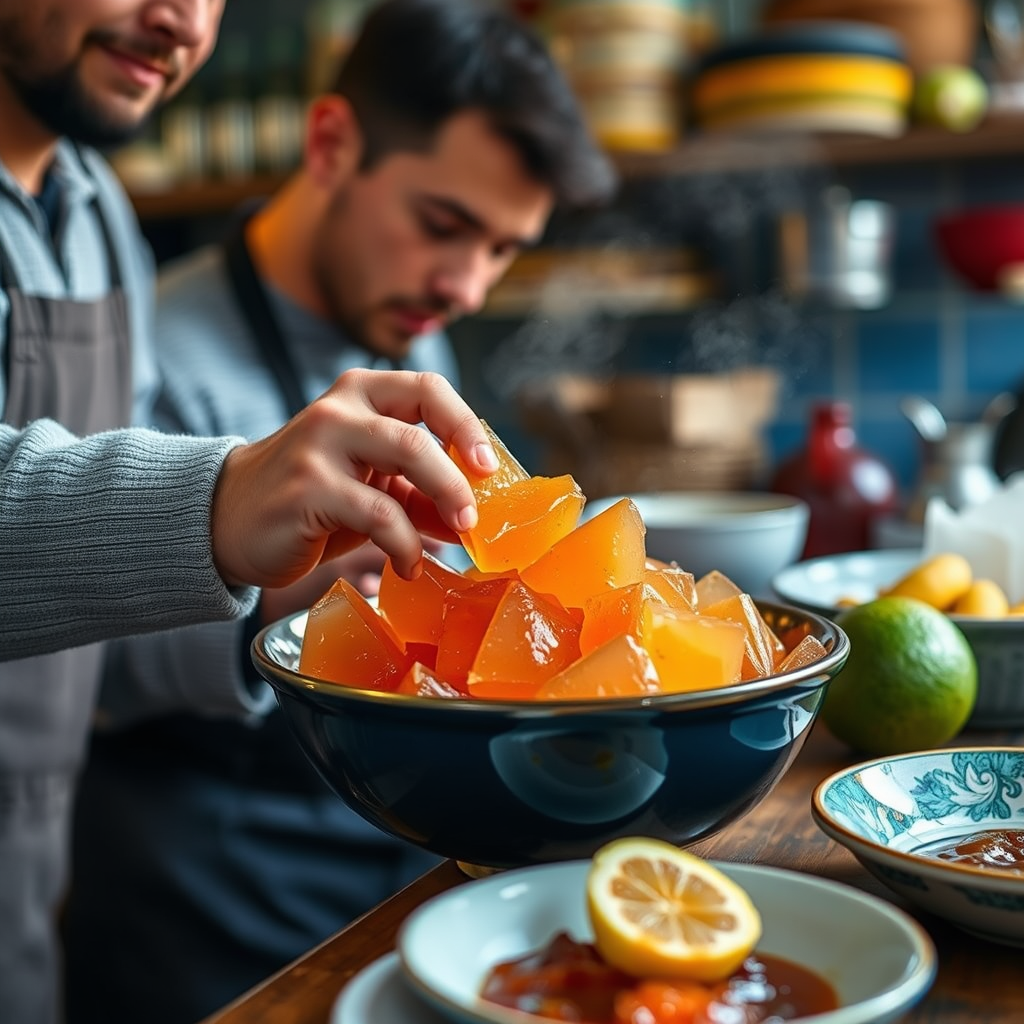
This guide offers a detailed recipe for making guava jelly, outlining the essential ingredients, equipment, and a step-by-step process to guarantee a safe and successful outcome. It stresses the importance of safe canning practices, including sterilization, acidity levels, and preservation techniques specific to guava jelly, all aimed at preventing spoilage. However, this guide does not address alternative fruit jams or jellies, nor does it explore general canning practices unrelated to guavas.
Who Should Read This

Home cooks with a foundational understanding of kitchen safety and food preservation will find this guide particularly useful. It’s designed for those eager to explore unique fruit preserves, provided they have access to guavas—either fresh or pureed—and are prepared to follow precise measurements and protocols for successful jelly-making. Individuals with dietary restrictions or allergies should consult their healthcare provider before attempting this recipe, especially if they are new to guava.
The Step-by-Step Protocol
1. Prepare the Guavas: Begin with 2 pounds of ripe guavas. Wash them thoroughly under cold water, then cut them in half and remove any blemished areas. Purée the guavas in a blender until smooth. Strain the purée through a cheesecloth or fine mesh strainer to extract juice, discarding the solids. You should yield about 3 cups of guava juice.
2. Measure Ingredients: In a large pot, combine the 3 cups of guava juice with ½ cup of freshly squeezed lemon juice to ensure adequate acidity, which is crucial for safe preservation. Add 5 cups of granulated sugar and stir the mixture well until the sugar is fully dissolved.
3. Cook the Mixture: Place the pot over medium heat and bring the mixture to a full rolling boil, stirring continuously. Use a candy thermometer to monitor the temperature; it must reach at least 220°F (104°C) for proper gelling. This process typically takes about 10-15 minutes.
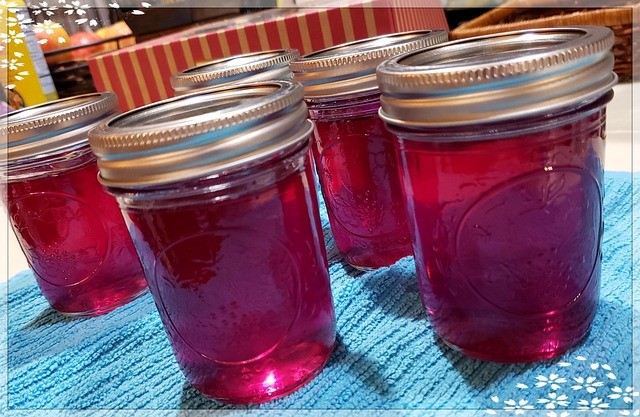
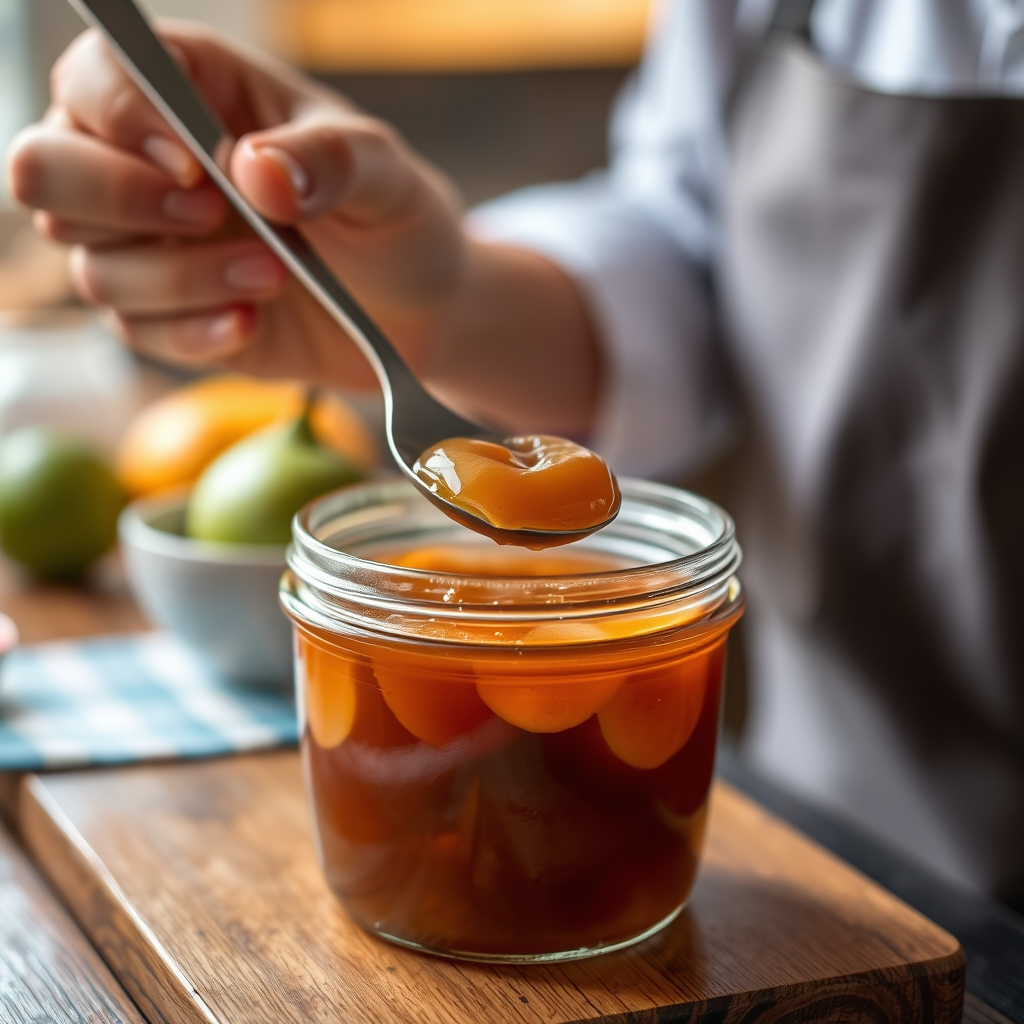
4. Jar the Jelly: Once the desired temperature is reached, remove the pot from heat. Carefully pour the hot guava jelly into sterilized jars, leaving ¼ inch of headspace at the top. Seal the jars with sterilized lids. Process the jars in a boiling water bath for 5-10 minutes to ensure a proper seal and prevent spoilage.
Nutritional Comparison of Guava Jelly Ingredients
| # | Ingredient | Calories per 100g | Sugar (g) | Vitamin C (%) |
|---|---|---|---|---|
| 1 | Guava Juice | 68 | 9.0 | 228 |
| 2 | Lemon Juice | 22 | 1.0 | 38 |
| 3 | Granulated Sugar | 387 | 100.0 | 0 |
| 4 | Total Yield (Jelly) | 180 | 25.0 | 100 |
Warning Signs: When Not to Follow This

Avoid making guava jelly if your guavas are overly ripe, moldy, or emit an off smell, as these conditions can compromise both the safety and flavor of the jelly. Additionally, if you lack proper canning equipment, such as a water bath canner or sterilized jars, refrain from proceeding to prevent foodborne illness. Individuals allergic to guavas or citrus should not attempt this recipe, as it may trigger severe allergic reactions.
The Most Common Mistakes (And Their Consequences)
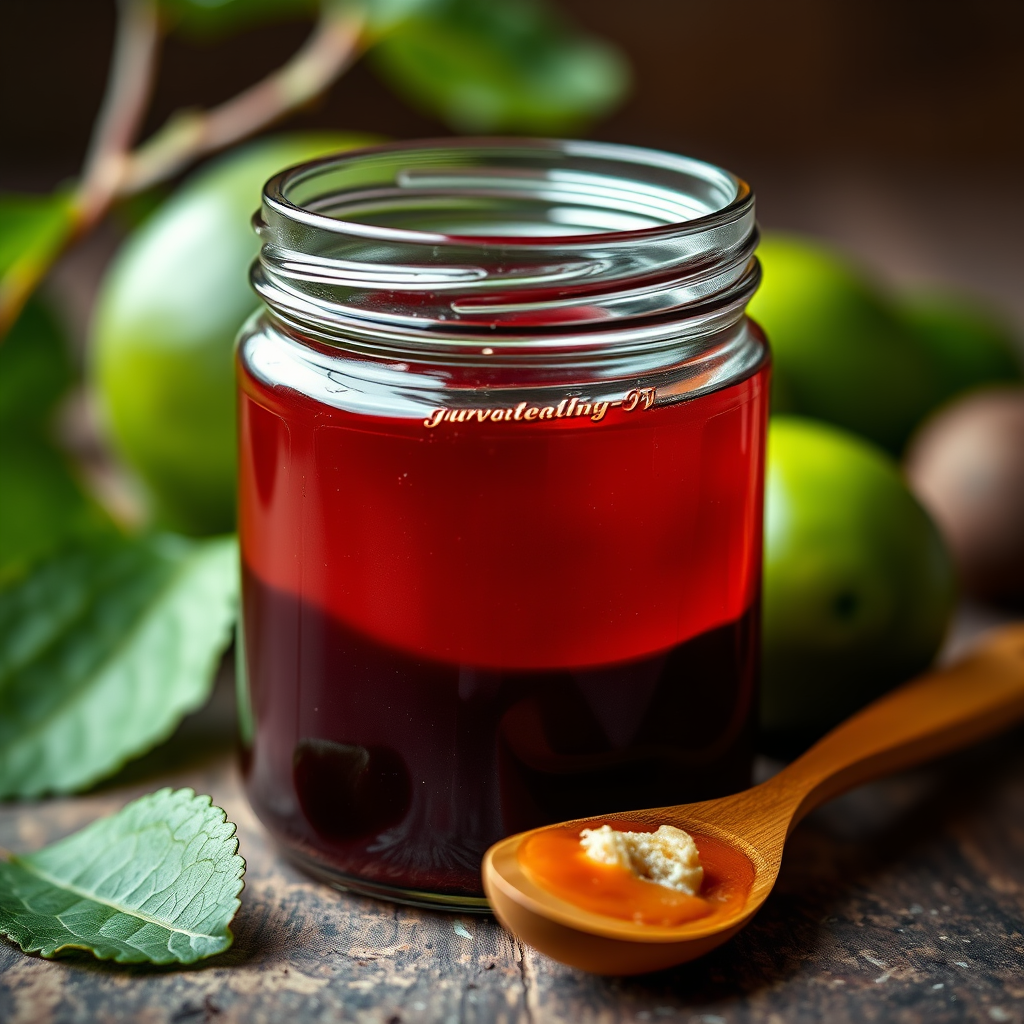
– Improper Sterilization: Failing to adequately sterilize jars can lead to bacterial contamination, resulting in spoilage and potentially dangerous foodborne illnesses. Always ensure jars are boiled for at least 10 minutes before use.
– Inadequate Acidity: Misjudging acidity levels by not adding sufficient lemon juice can create a jelly unsafe for long-term storage, risking botulism. Accurate measurement of lemon juice is essential, as it serves as a preservative.
– Skipping Water Bath Processing: Neglecting the boiling water bath step may cause the jelly to spoil quickly due to improper sealing, ultimately compromising its shelf life. Always adhere to the recommended processing time.
Special Cases That Need a Different Approach
– Using Frozen Guavas: When using frozen guavas, ensure they are completely thawed and drained before puréeing; excess water might alter the jelly’s consistency and gelling properties. You may want to reduce the amount of sugar to account for the fruit’s natural sweetness.
– Lower-Sugar Alternative: For those seeking a lower-sugar option, consider using pectin designed for reduced-sugar recipes, adjusting the sugar quantity to 3 cups instead of 5. Follow the pectin package instructions for any necessary adjustments to cooking times.
– Spiced Guava Jelly: If you enjoy a spiced guava jelly, you can add 1 teaspoon of ground cinnamon or clove during the boiling process. However, be mindful that this may affect the gelling. Conduct a gel test to ensure the jelly achieves the desired consistency.
When You Need a Professional
If you have concerns about the safety of your guavas or questions regarding the canning process, seek advice from a food preservation expert or your local extension service. Those with compromised immune systems or underlying health conditions should consult a healthcare professional before consuming home-canned goods. Should you notice any unusual changes in color, smell, or texture in your guava jelly after processing, discard it immediately and consult a food safety expert.
Sources and Further Reading
– National Center for Home Food Preservation: Guidelines on safe canning practices and acidity levels.
– “The Complete Book of Home Canning” by the USDA: A comprehensive resource on canning techniques and food safety.
– “Ball Complete Book of Home Preserving”: Offers specific recipes and methods for fruit preserves, including guava jelly.
By adhering to this expert protocol, you can confidently create delicious guava jelly while ensuring food safety and quality in your home kitchen. Enjoy the canning process and savor the fruits of your labor!
Frequently Asked Questions
What are the key ingredients for a simple guava jelly recipe?
A simple guava jelly recipe typically requires ripe guavas, granulated sugar, and pectin. For the best flavor, choose fresh, fragrant guavas that are slightly soft to the touch. You may also need lemon juice to enhance the jelly’s acidity and balance the sweetness.
How do I make guava jelly from scratch?
To make guava jelly from scratch, start by washing and cutting the guavas, then simmer them in water to extract the juice. Strain the juice through a cheesecloth, measure it, and combine it with sugar and pectin in a pot. Boil the mixture, stirring constantly until it reaches the desired gel consistency, then pour into sterilized jars.
Why is my guava jelly not setting properly?
If your guava jelly isn’t setting, it may be due to insufficient pectin or not boiling the mixture long enough. Ensure you are using the right amount of pectin based on the guava juice quantity and follow the boiling time specified in your recipe. Additionally, check the acidity; adding a bit more lemon juice can help.
What is the best way to store homemade guava jelly?
The best way to store homemade guava jelly is to keep it in a cool, dark place, like a pantry or cupboard. Once opened, store the jelly in the refrigerator to maintain its freshness. Properly sealed jars can last up to a year, while opened jars should be consumed within a few weeks.
Which types of guavas are best for making jelly?
The best types of guavas for making jelly are the pink or white-fleshed varieties, as they offer a rich flavor and vibrant color. Varieties like ‘Small Tropical’ and ‘Mexican Cream’ are particularly popular for jelly recipes. Ensure the guavas are ripe for optimal sweetness and jelly consistency.
References
- Fruit preserves
https://en.wikipedia.org/wiki/Jam - Effect of transcranial direct current stimulation and multicomponent training on functional capac…
https://www.ncbi.nlm.nih.gov/pmc/articles/PMC7031910/ - Next-level riboswitch development—implementation of Capture-SELEX facilitates identification of a…
https://www.ncbi.nlm.nih.gov/pmc/articles/PMC6511860/ - https://www.sciencedirect.com/topics/agricultural-and-biological-sciences/guava
https://www.sciencedirect.com/topics/agricultural-and-biological-sciences/guava - https://www.britannica.com/plant/guava
https://www.britannica.com/plant/guava - Google Scholar Google Scholar
https://scholar.google.com/scholar?q=guava+jelly+recipe - Google Scholar Google Scholar
https://scholar.google.com/scholar?q=guava+preservation - Google Scholar Google Scholar
https://scholar.google.com/scholar?q=guava+jam+health+benefits - https://www.cdc.gov/nutrition/food-safety.html
https://www.cdc.gov/nutrition/food-safety.html - https://www.fda.gov/food/food-safety-modernization-act-fsma
https://www.fda.gov/food/food-safety-modernization-act-fsma