The complete guide to safely making grape juice jam is essential for home canners seeking to preserve the rich flavors of grapes while ensuring food safety. This expert protocol outlines step-by-step instructions, focusing on key techniques and safety measures that prevent spoilage and contamination. By adhering to these guidelines, you can confidently create delicious grape juice jam that highlights the fruit’s natural sweetness and extends its shelf life.
What This Guide Covers (And What It Doesn’t)
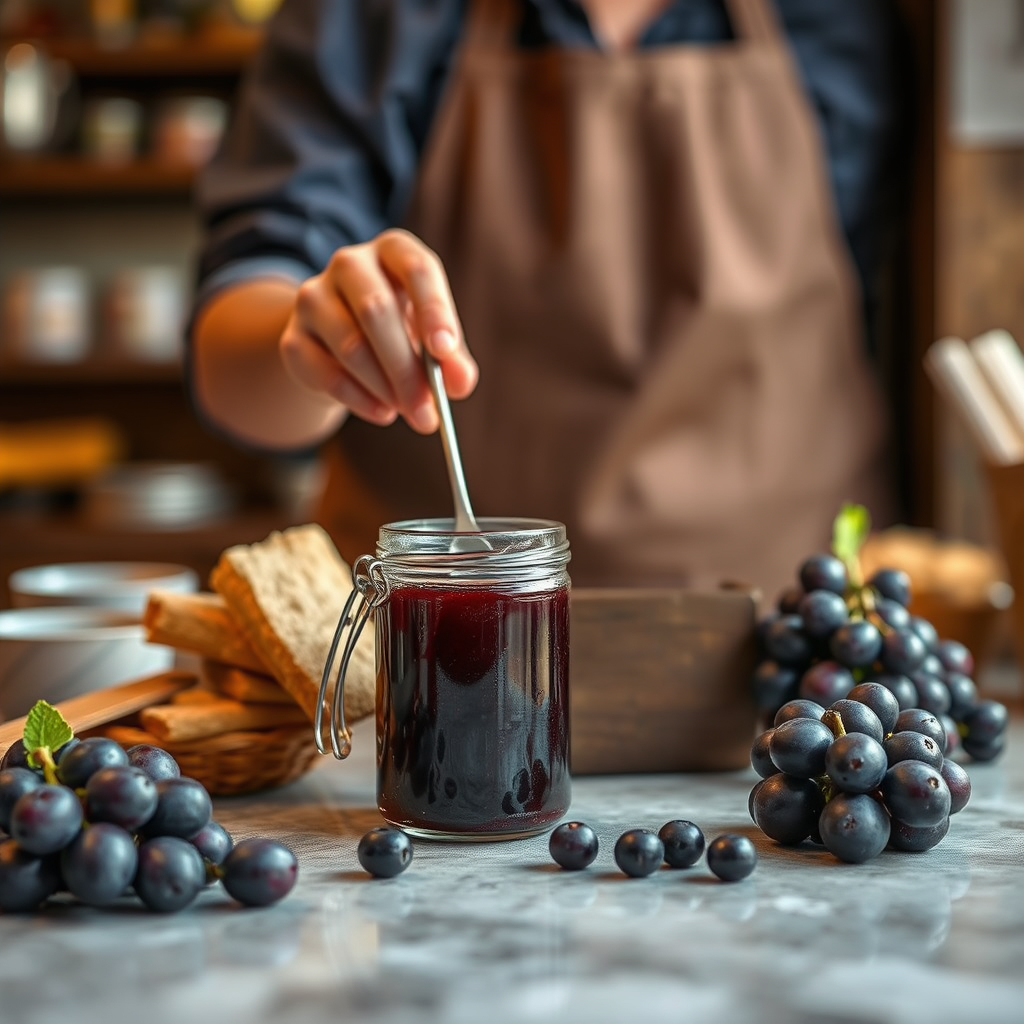
This guide offers a comprehensive, step-by-step recipe for making grape juice jam, complete with precise ingredient measurements, cooking times, and essential canning techniques. It emphasizes crucial safety protocols to ensure the jam is safe for consumption, including sterilization methods and proper storage conditions. However, it does not delve into grape jam made from whole grapes or other fruit jams; the focus remains solely on the unique process and considerations of using grape juice as the base.
Who Should Read This
This guide is designed for home cooks who possess a basic understanding of canning and preserving and are eager to expand their culinary repertoire with a specific grape juice jam recipe. Readers should have access to essential kitchen tools such as a water bath canner, jars, and measuring cups to successfully complete the recipe. Beginners without any canning experience may find it beneficial to first familiarize themselves with the fundamentals of fruit preservation.
The Step-by-Step Protocol
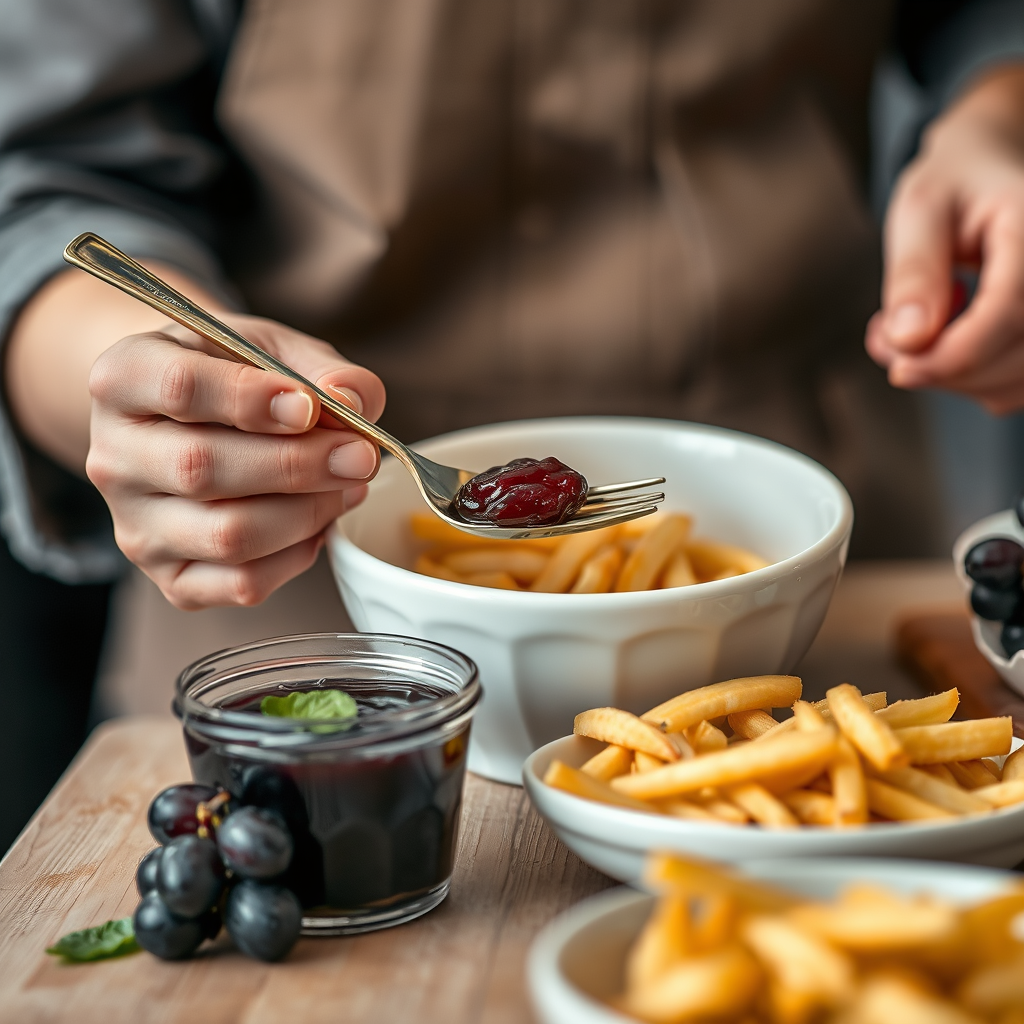
1. Gather Ingredients: You will need 4 cups of pure grape juice (not from concentrate), 1 packet of fruit pectin (approximately 1.75 oz), and 5 cups of granulated sugar. Be sure the grape juice contains no preservatives, as these can interfere with the setting process.
2. Prepare Equipment: Sterilize 6 half-pint jars by boiling them in water for 10 minutes. This step is vital for ensuring the safety of your jam. Once boiled, keep the jars warm until you are ready to fill them. Prepare a water bath canner by filling it with water and bringing it to a simmer.
3. Cook the Jam: In a large, non-reactive pot, combine the grape juice and fruit pectin. Stir the mixture thoroughly to avoid clumping. Bring it to a rolling boil over medium heat, stirring constantly to prevent scorching on the bottom of the pot.
4. Add Sugar: When the mixture reaches a vigorous boil, quickly add the 5 cups of granulated sugar, stirring continuously until it fully dissolves. Return the mixture to a rolling boil and maintain that boil for exactly 1 minute. Timing is crucial; overcooking can lead to a tough texture.
5. Fill Jars: Remove the pot from heat. Skim off any foam from the surface of the jam for improved clarity. Using a ladle and funnel, fill the sterilized jars, leaving a 1/4-inch headspace. This space is important for proper sealing. Wipe the rims of the jars with a clean, damp cloth to remove any residue before sealing with lids and rings.
6. Process Jars: Place the filled jars in the water bath canner, ensuring they are covered by at least 1 inch of water. Bring the water to a boil, then process the jars for 10 minutes. Adjust processing time for altitude: increase by 1 minute for every 1,000 feet above sea level. After processing, remove the jars and allow them to cool completely on a clean towel or cooling rack.
Warning Signs: When Not to Follow This

Avoid using grape juice that exhibits an off smell or color, as these signs indicate spoilage and could lead to unsafe jam. Refrain from this recipe if you cannot maintain a consistent boiling temperature during the cooking process, as this may compromise the jam’s ability to set and its overall safety. If you have any doubts about your canning equipment‘s ability to reach the necessary temperature, it’s best to wait until you can ensure proper conditions.
The Most Common Mistakes (And Their Consequences)
– Skipping the sterilization step: This can lead to bacterial growth in the jam, posing food safety risks. Always ensure jars are properly sterilized before use.
– Not measuring the sugar accurately: This can result in a jam that doesn’t set properly or has an undesirable taste. Invest in a digital scale for precise measurements.
– Overcooking the jam: Cooking the jam beyond the specified one minute after adding sugar can lead to a tough texture and caramelization, altering the flavor. Stick to the timing to achieve the desired consistency.
Special Cases That Need a Different Approach
– Using store-bought grape juice with preservatives: You may need to adjust the amount of pectin used, as added ingredients can affect the jam’s consistency. Check the label and consider using a pectin designed for low-sugar recipes.
– Dietary restrictions: If you need a lower sugar option, consider using low-sugar pectin and adjusting sugar amounts accordingly. Be aware that this may alter the jam’s shelf life and setting properties.
– Infusing flavors: If you wish to add additional flavors, such as cinnamon or vanilla, do so at the boiling stage before adding sugar. Limit the addition to 1 teaspoon to maintain the jam’s structure and avoid overwhelming the grape flavor.
When You Need a Professional
If you experience any allergies or adverse reactions to grape juice or pectin, consult a healthcare provider before attempting this recipe. If you are uncertain about your canning setup or the safety of your preserved foods, reach out to a local extension office or food safety expert for guidance. For those with compromised immune systems, it is advisable to consult a food preservation expert to ensure the safety of homemade preserves.
Sources and Further Reading
– The National Center for Home Food Preservation provides comprehensive guidelines on safe canning practices and preserving fruits.
– The USDA Complete Guide to Home Canning offers insights into pectin types, canning methods, and troubleshooting tips.
– Cookbooks specializing in fruit preserves, such as “Preserving with Pomona’s Pectin,” offer additional recipes and preservation techniques for grape juice and beyond.
By following this expert protocol, you can create delicious grape juice jam that not only tastes great but is also safe for your family and friends to enjoy. Happy canning!
Frequently Asked Questions
What ingredients do I need for a grape juice jam recipe?
To make grape juice jam, you will need 4 cups of grape juice, 1 package (1.75 oz) of fruit pectin, 5 cups of granulated sugar, and 1/4 teaspoon of butter to reduce foaming. These ingredients will help you create a delicious, sweet jam that captures the flavor of grapes.
How do I make grape juice jam step-by-step?
To make grape juice jam, start by boiling 4 cups of grape juice in a large pot. Add the fruit pectin and stir continuously until it dissolves. Next, gradually add the sugar, stirring until fully dissolved. Bring the mixture to a rolling boil for 1-2 minutes, then pour it into sterilized jars and seal them immediately.
Why is my grape juice jam not setting properly?
If your grape juice jam isn’t setting, it may be due to insufficient pectin or not boiling the mixture long enough. Ensure you are using the correct amount of fruit pectin and that you reach a full rolling boil for at least one minute. Additionally, check the sugar measurement, as it plays a crucial role in the jam’s consistency.
What is the best way to store grape juice jam?
The best way to store grape juice jam is in sterilized glass jars with airtight lids. After sealing, store the jars in a cool, dark place, like a pantry, for up to a year. Once opened, keep the jam in the refrigerator and consume it within three weeks for optimal freshness.
Which types of grape juice are best for making jam?
When making grape juice jam, using 100% pure grape juice without added sugars or preservatives is ideal for the best flavor. Concord grape juice is often recommended due to its rich sweetness and robust flavor, but you can also experiment with other varieties like Niagara or red grape juice for different taste profiles.
References
- Fruit preserves
https://en.wikipedia.org/wiki/Jam - https://www.ncbi.nlm.nih.gov/pmc/articles/PMC6361124/
https://www.ncbi.nlm.nih.gov/pmc/articles/PMC6361124/ - https://www.sciencedirect.com/topics/food-science/jam
https://www.sciencedirect.com/topics/food-science/jam - https://www.extension.purdue.edu/extmedia/FNR/FNR-490-W.pdf
https://www.extension.purdue.edu/extmedia/FNR/FNR-490-W.pdf - https://www.extension.umn.edu/food/food-safety/food-preservation/jams-jellies/
https://www.extension.umn.edu/food/food-safety/food-preservation/jams-jellies/ - https://www.foodsafety.gov/food-safety-charts/jams-jellies-preserving-guide
https://www.foodsafety.gov/food-safety-charts/jams-jellies-preserving-guide - Google Scholar Google Scholar
https://scholar.google.com/scholar?q=grape+juice+jam+recipe - Google Scholar Google Scholar
https://scholar.google.com/scholar?q=grape+jam+preservation - Google Scholar Google Scholar
https://scholar.google.com/scholar?q=fruit+jams+health+benefits - https://www.oregon.gov/odf/Documents/forestbenefits/berryjam.pdf
https://www.oregon.gov/odf/Documents/forestbenefits/berryjam.pdf